
How Ancient Indian Universities Practiced Open Access to Knowledge

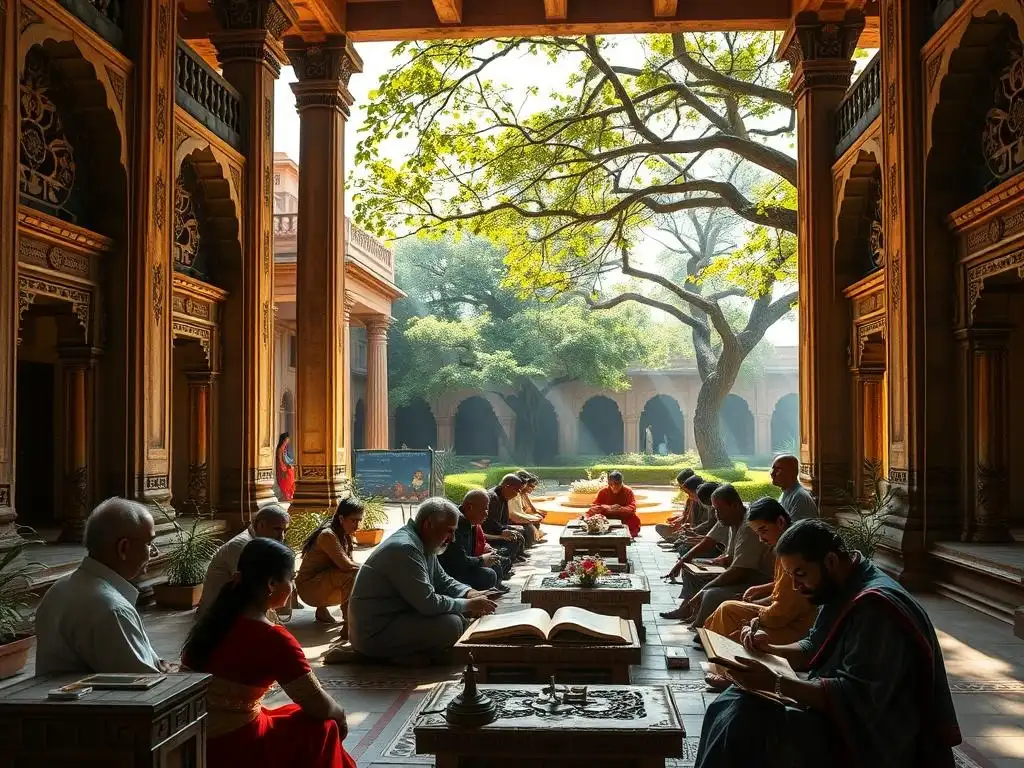
Welcome to Ancient India History, where we embark on a fascinating journey through the rich tapestry of India’s ancient civilizations. In this enlightening space, we delve into the remarkable contributions and cultural nuances that shaped the history of the subcontinent. Our featured article, “How Ancient Indian Universities Practiced Open Access to Knowledge,” invites you to uncover the innovative educational practices that flourished in ancient Indian universities.
What secrets did these institutions hold, and how did they pave the way for knowledge accessibility? Join us as we explore this captivating chapter and much more, igniting your curiosity about the extraordinary legacy of ancient Indian education!
- Introduction to Ancient Indian Universities and Knowledge Access
- Historical Context of Ancient Indian Universities
- Open Access to Knowledge in Ancient Indian Universities
- Curriculum and Subjects Offered
- Inclusivity in Ancient Indian Universities
- Technological Innovations and Libraries
- Comparison with Modern Educational Systems
- Conclusion: Legacy of Ancient Indian Universities
- References and Further Reading
-
Frequently Asked Questions
- What were the main ancient Indian universities known for?
- How did open access to knowledge function in ancient India?
- What contributions did ancient Indian universities make to education?
- Were there any scholarship systems in ancient Indian universities?
- How does the concept of open access in ancient India compare to today?
- Final Reflection: Embracing the Legacy of Open Knowledge
- Unlock the Wisdom of Ancient Knowledge!
Introduction to Ancient Indian Universities and Knowledge Access
Ancient Indian universities were not only centers of learning but also bastions of knowledge that embodied the principles of open access to education. From the famed Nalanda University to the lesser-known Takshashila, these institutions attracted scholars from various parts of the world, fostering an environment where knowledge was freely shared and disseminated.
This rich tradition of education played a crucial role in shaping the intellectual landscape of ancient India, allowing for the flourishing of diverse fields such as philosophy, mathematics, astronomy, and medicine. Understanding how these universities practiced knowledge access provides valuable insights into the educational philosophies that have influenced contemporary systems and continues to inspire modern thought.
Overview of Ancient Indian Universities
Ancient Indian universities emerged as significant centers of scholarship during various periods, with notable establishments like Nalanda, Takshashila, and Vikramshila leading the way.
- Nalanda University: Established in the 5th century CE, Nalanda was one of the first residential universities in the world. It boasted a curriculum that included subjects such as logic, grammar, medicine, and philosophy. The university attracted thousands of students and teachers, creating a vibrant academic community.
- Takshashila (Taxila): Dating back to at least the 6th century BCE, Takshashila is often regarded as one of the earliest universities in the world. It was known for its diverse courses in arts, sciences, and military studies, drawing students from regions far and wide.
- Vikramshila University: Founded in the 8th century CE, Vikramshila was notable for its focus on Buddhist studies and philosophy. It was established as a response to the decline of Nalanda and aimed to revive the tradition of open scholarly discourse.
These universities were characterized by their comprehensive curricula and the accessibility of knowledge to all students, regardless of their background or social status. The emphasis on dialogue, debate, and critical thinking helped cultivate a climate where intellectual curiosity thrived.
Importance of Knowledge Access in Ancient India
The concept of knowledge access in ancient India was deeply embedded in the cultural and philosophical fabric of society. This open approach to education served several important purposes:
- Cultural Exchange: Ancient Indian universities facilitated cultural exchange, promoting the sharing of ideas not just across Indian regions but also with scholars from other civilizations such as Greece, Persia, and China. This interaction enriched the academic discourse and led to advancements in various fields.
- Democratization of Education: The principles of inclusivity and accessibility in these universities allowed individuals from diverse backgrounds to pursue knowledge. This democratization of education was critical in cultivating a skilled and informed populace capable of contributing to society's development.
- Preservation of Knowledge: By practicing open access to knowledge, ancient Indian universities played a crucial role in preserving and transmitting vast amounts of information across generations. This commitment to knowledge preservation ensured that classical texts and teachings were available for future scholars to study and build upon.
Ancient Indian universities exemplified a progressive educational framework that emphasized open access to knowledge, which not only fostered innovation and intellectual growth but also laid the groundwork for future educational systems. Understanding this historical context enriches our appreciation of ancient India’s contributions to global education.
Historical Context of Ancient Indian Universities
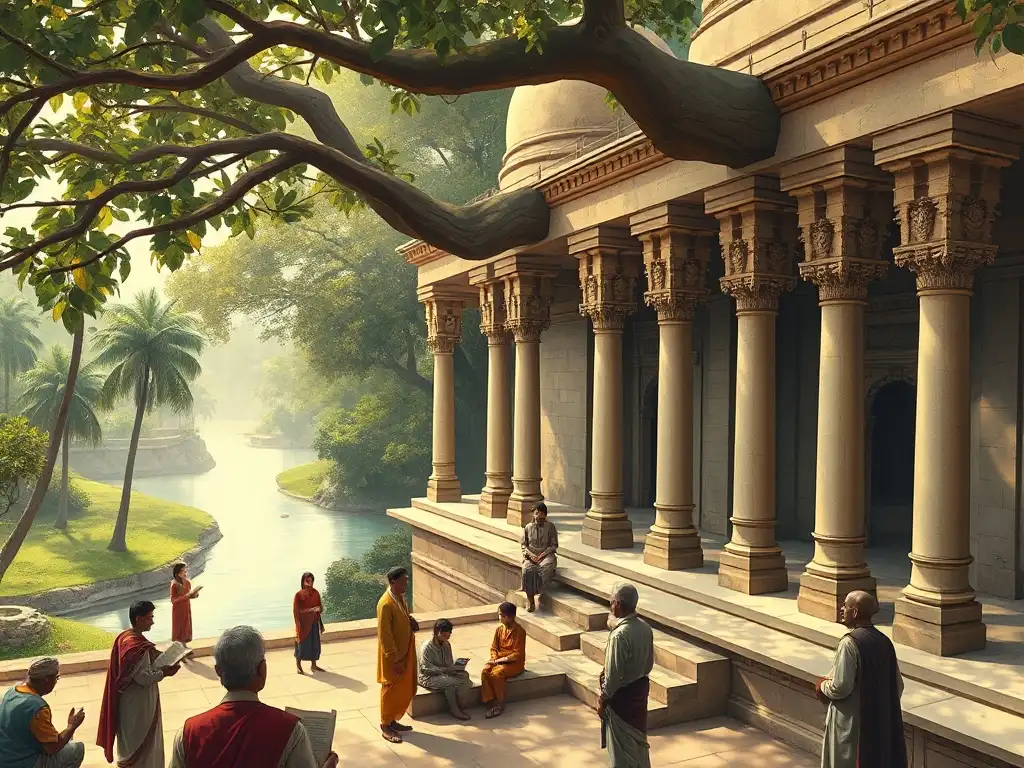
Emergence of Educational Institutions in India
The emergence of educational institutions in ancient India can be traced back to the Vedic period, around 1500 BCE, when the first gurukuls were established. These informal centers of learning were primarily focused on imparting knowledge of the Vedas, philosophy, and arts under the guidance of a guru. As society evolved, so did the structure of education, leading to the establishment of more formalized universities during the later periods.
By the 5th century CE, ancient Indian universities like Nalanda and Takshashila began to flourish, serving as significant hubs of knowledge and scholarship. These institutions attracted students not only from different parts of India but also from various countries, including China, Korea, and Tibet. The curriculum encompassed a wide range of subjects, including mathematics, astronomy, medicine, logic, and grammar, reflecting the diverse interests and intellectual pursuits of the time.
Influence of Religion and Philosophy on Education
Religion and philosophy were pivotal in shaping the educational landscape of ancient India. The teachings of Hinduism, Buddhism, and Jainism emphasized the importance of knowledge as a means to attain spiritual enlightenment. This belief led to the establishment of monastic universities, which integrated religious studies with secular subjects.
For instance, at Nalanda, Buddhist philosophy played a significant role in the curriculum, with students engaging in debates and discussions on metaphysical concepts and ethics. Similarly, the influence of Hindu philosophy in other institutions promoted the study of texts such as the Upanishads and the Gita, intertwining spiritual and intellectual growth.
Moreover, the ancient Indian educational system prioritized the teacher-student relationship, fostering an environment of open access to knowledge. Students were encouraged to question and explore, promoting a culture of inquiry and critical thinking that was essential for their academic and personal development.
Key Ancient Indian Universities: Nalanda, Takshashila, and Others
The two most renowned ancient Indian universities, Nalanda and Takshashila, exemplify the rich educational heritage of the time, showcasing the principles of open access to knowledge.
- Nalanda University: Established in the 5th century CE, Nalanda became a model for higher education in ancient India. With a sprawling campus, it housed thousands of students and faculty who engaged in various disciplines, including philosophy, mathematics, and medicine. The university’s library, Dharmaganja, was said to contain thousands of texts, symbolizing the vast access to knowledge available to its scholars.
- Takshashila: Dating back to around the 6th century BCE, Takshashila is considered one of the earliest universities in the world. Known for its diverse curriculum, students could study subjects ranging from warfare to commerce. The university operated on an open-access model where learners could choose their subjects, fostering a sense of autonomy and personal interest in education.
In addition to these, other notable institutions such as Vikramshila and Somapura Mahavihara also contributed to the landscape of ancient Indian education. Each of these universities had unique characteristics but shared the common goal of disseminating knowledge freely and widely, reinforcing the concept of open access to education that defined ancient Indian scholarly traditions.
The historical context of ancient Indian universities reveals a sophisticated educational system where knowledge was not just a privilege but a shared resource, accessible to all who sought it. This commitment to open access continues to inspire modern educational philosophies and practices.
Open Access to Knowledge in Ancient Indian Universities
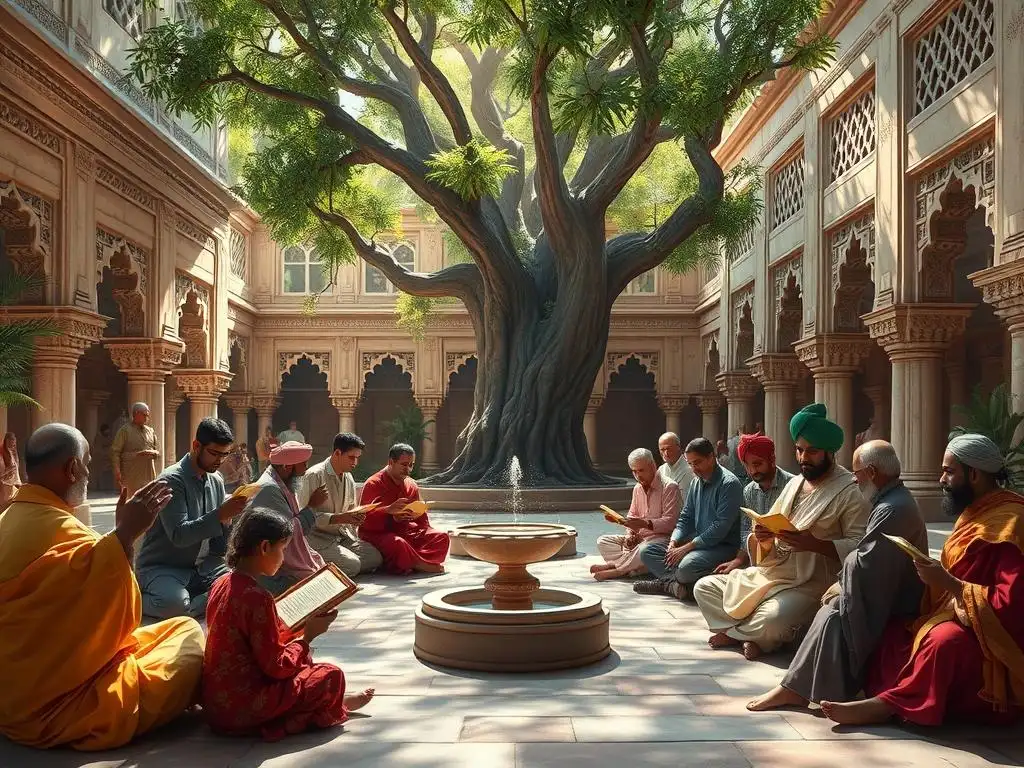
Ancient Indian universities, particularly renowned institutions like Nalanda and Takshashila, were remarkable centers of learning that fostered an environment of open access to knowledge. This accessibility was not merely a practice but a fundamental principle that guided the educational ethos of these institutions. The concept of open access in ancient Indian universities allowed students from diverse backgrounds to engage in learning without barriers, promoting a culture of intellectual exchange and growth.
The Concept of Open Access in Ancient Times
The notion of open access in ancient Indian universities was deeply rooted in the philosophical and ethical frameworks of Indian society. Knowledge was viewed as a communal asset, and there was a strong emphasis on the idea that wisdom should be available to all who sought it. This principle is reflected in various texts, including the Vedas and Upanishads, which emphasize the importance of sharing knowledge for the collective benefit of society.
- Inclusivity: Ancient Indian universities attracted students from different castes, regions, and even countries, creating a melting pot of ideas and cultures. For example, Nalanda had scholars from as far as China, Korea, and Tibet, who came to study various subjects, including philosophy, medicine, and astronomy.
- Curriculum and Accessibility: The curriculum was designed to be inclusive, focusing on a wide range of subjects. Students were encouraged to explore various fields, from the sciences to the arts, fostering a holistic understanding of knowledge.
- Free Exchange of Ideas: Debates and discussions were integral to the educational process. Students were encouraged to question, critique, and expand upon established knowledge, ensuring that learning was a dynamic and evolving process.
Methods of Sharing Knowledge Among Students
In ancient Indian universities, the methods of sharing knowledge were diverse and innovative, facilitating a collaborative learning environment.
- Sutras and Oral Traditions: Knowledge was often transmitted through oral traditions, with students memorizing and reciting Sutras—concise aphorisms that encapsulated complex ideas. This method not only reinforced memory but also encouraged lively discussions and interpretations among peers.
- Group Discussions and Debates: Students regularly engaged in group discussions and debates, fostering critical thinking and collaborative learning. This interactive approach allowed students to learn from each other's perspectives and refine their understanding of various subjects.
- Field Studies and Practical Learning: Many universities emphasized practical learning through field studies. For instance, students in medical sciences would practice herbal medicine in the surrounding areas, allowing them to gain firsthand experience while contributing to the community.
- Libraries and Shared Resources: Ancient universities like Nalanda boasted extensive libraries that were open to all students. This accessibility to a vast array of texts and manuscripts facilitated independent study and research, empowering students to pursue knowledge actively.
Role of Gurus and Scholars in Knowledge Dissemination
The role of Gurus and scholars in ancient Indian universities was pivotal in promoting open access to knowledge.
- Mentorship: Gurus served not only as teachers but also as mentors, guiding students through their intellectual journeys. Their personalized approach to education encouraged students to explore their interests and develop critical thinking skills.
- Collaborative Teaching: Scholars often collaborated with one another, sharing insights and co-teaching courses. This cooperative spirit enriched the learning experience, as students benefited from the expertise of multiple scholars.
- Public Lectures and Community Engagement: Many scholars held public lectures that were open to the community, allowing knowledge to flow beyond the walls of the university. This practice not only educated the public but also reinforced the idea that knowledge is a communal resource.
- Philosophical Dialogues: Scholars engaged in philosophical dialogues that transcended formal education. These discussions often included students and the community, fostering a culture of inquiry and open-mindedness.
Ancient Indian universities exemplified the principles of open access to knowledge through their inclusive curricula, innovative teaching methods, and the vital roles played by Gurus and scholars. This rich tradition of knowledge sharing not only advanced individual learning but also contributed to the collective intellectual heritage of ancient India.
Curriculum and Subjects Offered
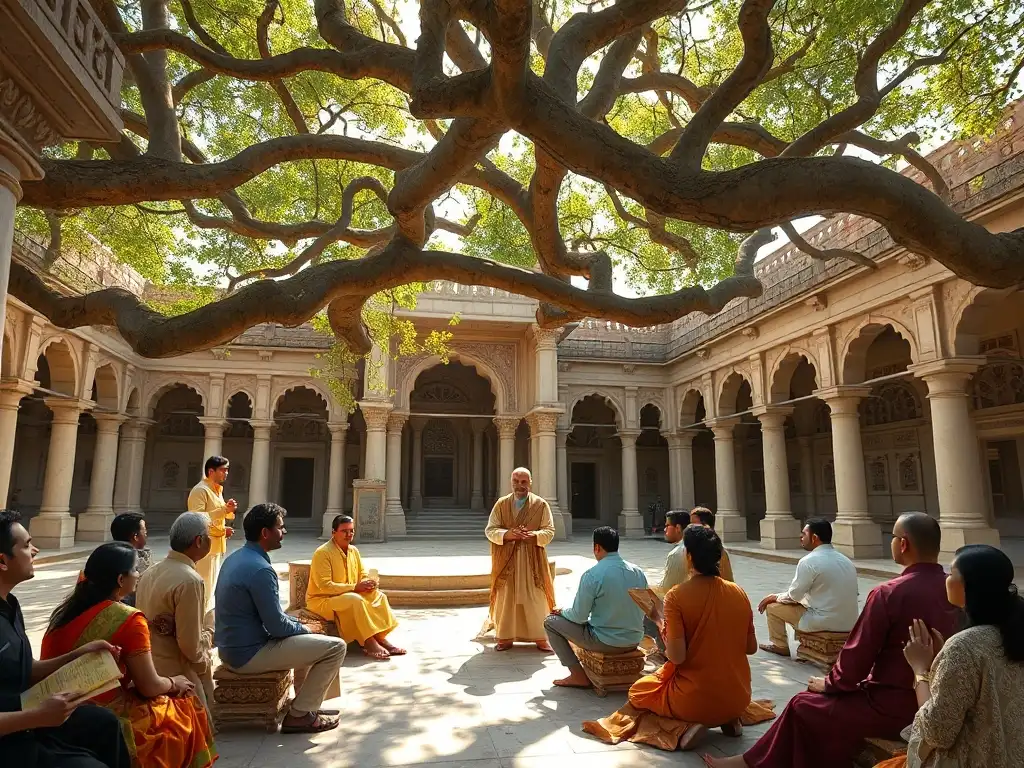
Diverse Fields of Study in Ancient Indian Universities
Ancient Indian universities, particularly renowned institutions like Nalanda and Takshashila, offered a diverse curriculum that encompassed a wide array of subjects. Students could engage in studies ranging from the sciences to the arts, reflecting a holistic approach to education. The universities served as melting pots of knowledge, where scholars from different regions and backgrounds converged to share and expand their understanding.
- Core Disciplines:
- Mathematics: Ancient Indian universities were pivotal in the development of mathematics. Scholars contributed to concepts such as zero and the decimal system.
- Astronomy: Students studied celestial phenomena, contributing to advancements in navigation and understanding planetary movements.
- Medicine: The field of Ayurveda was a significant part of the curriculum, focusing on holistic health and wellness practices.
- Philosophy and Ethics:
- Philosophy was not merely an academic pursuit but a way of life, with texts like the Upanishads and the Bhagavad Gita forming the foundation of ethical studies. Students explored various schools of thought, including Vedanta, Nyaya, and Buddhism.
- Arts and Aesthetics:
- The arts were also emphasized, with courses in music, dance, and visual arts being integral to the curriculum. This focus on the arts fostered creativity and critical thinking among students.
Integration of Sciences, Arts, and Philosophy
The integration of sciences, arts, and philosophy in the curriculum of ancient Indian universities exemplified a multidisciplinary approach to knowledge. This methodology not only promoted intellectual growth but also emphasized the interconnectedness of various fields of study.
- Interdisciplinary Learning: Students were encouraged to apply philosophical principles to scientific inquiries, thus enhancing their analytical skills. For instance, the relationship between astronomy and mathematics was explored in depth, leading to significant advancements in both areas.
- Practical Applications: The knowledge acquired was not confined to theoretical discussions; it found practical applications in everyday life. For example, Ayurvedic medicine combined scientific understanding with philosophical insights on health and well-being.
- Cultural Exchange: Ancient Indian universities attracted scholars from around the world, fostering an environment of cultural exchange. This diversity enriched the curriculum as different perspectives were integrated into the existing body of knowledge.
Language and Literature as Tools for Knowledge Access
Language and literature played a crucial role in facilitating access to knowledge in ancient Indian universities. The mastery of languages like Sanskrit and Pali allowed students to engage with a vast corpus of texts that were foundational to various fields.
- Sanskrit as a Medium: Sanskrit was the primary language of instruction, enabling students to read and interpret significant philosophical and scientific works. The precision and richness of the language made it ideal for complex discussions.
- Literary Works: Ancient texts, such as the Vedas, Upanishads, and various commentaries, served as essential resources. Students engaged with these texts not only to acquire knowledge but to develop critical thinking skills through interpretation and debate.
- Oral Tradition: The oral transmission of knowledge was also prominent, with scholars teaching through discussions and lectures. This method fostered an interactive learning environment, where students could question and refine their understanding.
The curriculum and subjects offered by ancient Indian universities were characterized by their diversity and integration, allowing for a comprehensive approach to learning. This open access to knowledge laid the groundwork for a rich intellectual tradition that continues to influence educational systems today.
Inclusivity in Ancient Indian Universities
Ancient Indian universities were remarkable for their inclusive practices, fostering an environment where knowledge was accessible to a diverse array of students. This inclusivity was foundational to the educational philosophy of institutions such as Nalanda and Takshashila, where the pursuit of knowledge transcended social barriers. The concept of open access to knowledge was not merely an ideal but was reflected in the admission practices, gender dynamics, and the overall accessibility of education across different social strata.
Admission Practices and Student Diversity
The admission practices in ancient Indian universities were notably progressive for their time. Students from various regions, including those from distant lands such as China, Korea, and Central Asia, were welcomed into these institutions. This diversity enriched the academic environment, allowing for a cross-pollination of ideas and cultural exchanges.
- Open Enrollment: Many ancient universities did not impose rigid admission criteria. Instead, they often employed a system of open enrollment, where the primary requirement for entry was a demonstrated aptitude for learning.
- Scholarships and Financial Support: Some universities provided scholarships or financial aid to talented students who could not afford the costs of education. This practice ensured that economic barriers did not hinder access to knowledge.
The student body was made up of individuals from various backgrounds, including Brahmins, Kshatriyas, Vaishyas, and even Shudras in certain contexts. The emphasis on inclusivity created a vibrant academic community that thrived on diverse perspectives.
Gender and Caste Dynamics in Education
While gender and caste dynamics in ancient India were complex, many ancient universities exhibited a level of inclusivity that allowed women and lower-caste individuals to engage in higher education.
- Women in Education: Notably, some women were able to gain education in subjects such as philosophy, mathematics, and medicine. Figures like Gargi and Maitreyi are often cited as examples of women who participated in philosophical discourses, indicating that female scholars were valued in certain contexts.
- Caste Considerations: Although upper castes dominated the academic sphere, there were instances where individuals from lower castes could access education, primarily through the patronage of progressive rulers or influential scholars who championed inclusivity.
This dynamic created a scholarly environment where gender and caste were not absolute barriers to education, allowing for a more equitable distribution of knowledge.
The accessibility of knowledge in ancient Indian universities was not limited to the privileged elite. The educational systems were designed with the intention of disseminating knowledge broadly across society.
- Public Lectures and Debates: Ancient universities frequently hosted public lectures and debates, where scholars would share their knowledge with the wider community. This practice allowed individuals who may not have been enrolled as students to benefit from the educational discourse.
- Written Texts and Oral Traditions: Knowledge was preserved through both written texts and oral traditions, making it accessible to a larger audience. Many texts were translated into vernacular languages, ensuring that those who could not read classical languages could still engage with the content.
The commitment to open access to knowledge in ancient Indian universities exemplified a progressive vision for education, one that recognized the value of diverse voices and backgrounds. This inclusivity not only enriched the academic experience but also laid the groundwork for future educational reforms in India and beyond.
Technological Innovations and Libraries
The Role of Libraries in Facilitating Knowledge Access
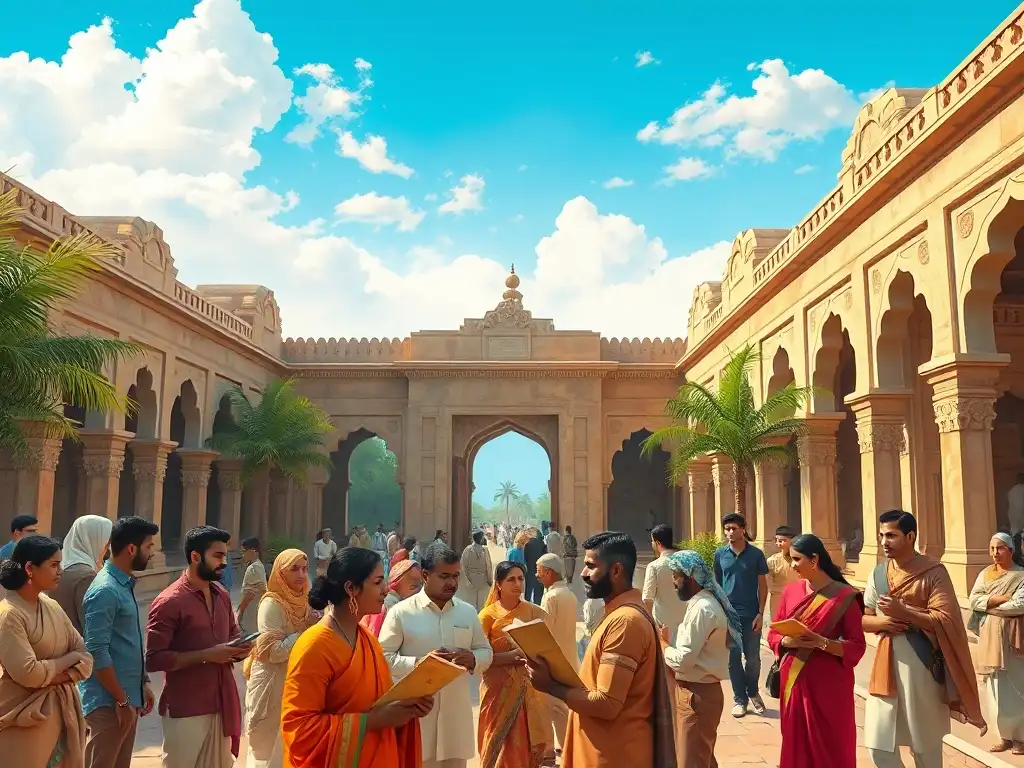
Ancient Indian universities, particularly renowned institutions like Nalanda and Takshashila, boasted sophisticated libraries that were integral to their educational systems. The libraries were not merely storage spaces for texts; they were vibrant centers of learning and knowledge dissemination.
- Architecture and Scale: The libraries were often grand structures, designed to accommodate vast collections of manuscripts. For instance, the Nalanda library, known as Dharmaganja, was said to have housed over 9 million texts. This architectural feat not only symbolized the importance of knowledge but also provided a conducive environment for scholars to study and collaborate.
- Accessibility and Inclusivity: Ancient Indian libraries were open to all scholars, regardless of caste or creed. This policy was revolutionary for its time and significantly contributed to the open access to knowledge that characterized ancient Indian scholarship. Students and scholars from diverse backgrounds came together to learn, fostering an inclusive academic culture.
- Cataloging and Organization: The libraries employed advanced methods for cataloging and organizing texts. Scholars like Varahamihira and Aryabhata are known to have contributed to the classification of sciences and literature, making it easier for students to access specific knowledge areas. This organization ensured that knowledge was not only preserved but was also easily retrievable, enhancing the learning experience.
Preservation of Texts and Manuscripts
The preservation of texts and manuscripts was a crucial aspect of knowledge access in ancient Indian universities. The commitment to safeguarding these invaluable resources allowed future generations to benefit from the wisdom of their predecessors.
- Material and Techniques: Manuscripts were typically written on materials such as palm leaves, birch bark, and parchment. Techniques like gold leaf embellishment and intricate calligraphy ensured that these texts remained durable and visually appealing. The use of natural dyes and inks also contributed to the longevity of these manuscripts.
- Copying and Distribution: Scholars meticulously copied texts to ensure their preservation. This practice led to the creation of multiple copies, which were then distributed across various libraries and universities. The widespread availability of these texts facilitated knowledge access and allowed scholars from different regions to engage with the same materials.
- Cultural Significance: The preservation of texts was not merely a practical undertaking; it was imbued with cultural significance. Knowledge in ancient India was considered sacred, and the act of copying and preserving texts was often accompanied by rituals and ceremonies. This reverence for knowledge ensured that manuscripts were treated with the utmost care and respect.
Innovations in Teaching and Learning Methods
The pedagogical approaches in ancient Indian universities were characterized by innovative methods that promoted active learning and critical thinking.
- Guru-Shishya Tradition: The traditional Guru-Shishya (teacher-student) relationship emphasized personalized learning. This method allowed students to engage deeply with their subjects, fostering an environment where questions and discussions were encouraged. Students were not passive recipients of knowledge; rather, they actively participated in the learning process.
- Interdisciplinary Studies: Ancient Indian universities promoted interdisciplinary studies, allowing students to explore various fields of knowledge. This approach was reflected in the curriculum, which included subjects such as philosophy, mathematics, astronomy, medicine, and arts. The blending of disciplines enriched students' understanding and encouraged holistic education.
- Practical Applications: Learning was often complemented by practical applications. For instance, students in medical studies would engage in hands-on experiences, learning through observation and practice. This emphasis on practical knowledge ensured that students were well-equipped to apply their learning in real-world scenarios, enhancing their overall educational experience.
The technological innovations and methodologies employed by ancient Indian universities significantly contributed to knowledge access. By fostering an inclusive environment, preserving texts, and implementing innovative teaching methods, these institutions laid the groundwork for a legacy of learning that continues to inspire educational systems worldwide.
Comparison with Modern Educational Systems
Similarities and Differences in Knowledge Access
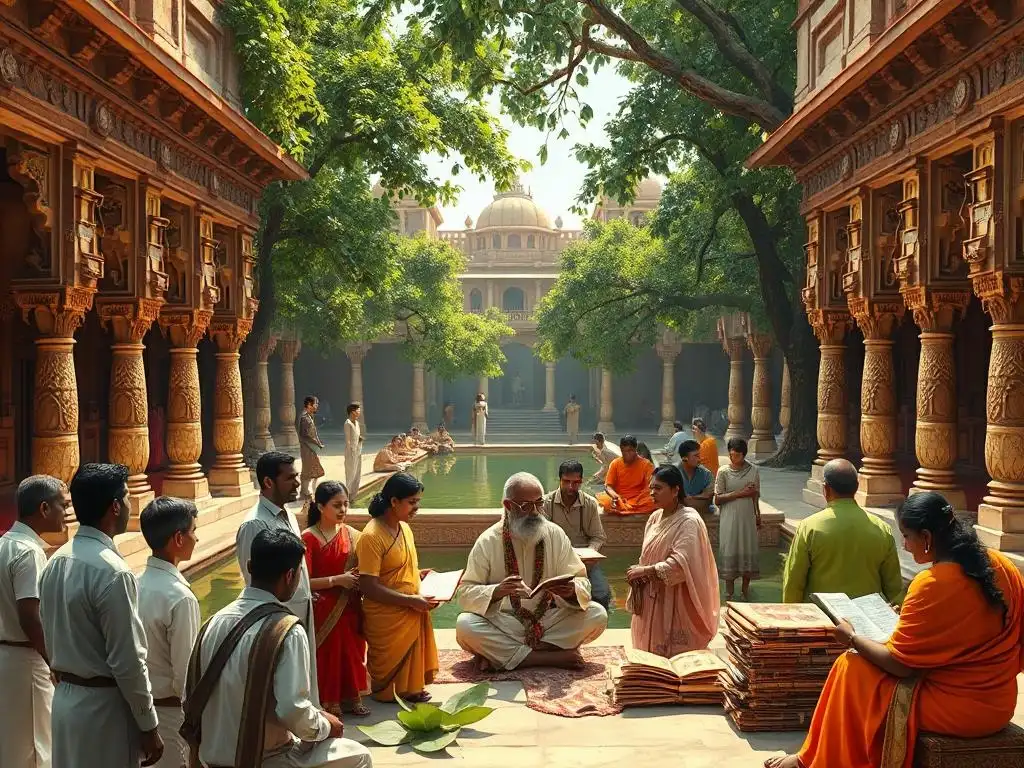
Ancient Indian universities, such as Nalanda and Takshashila, were remarkable centers of learning that fostered open access to knowledge in ways that both resonate with and differ from modern educational systems. One of the primary similarities lies in the emphasis on a curriculum that was broad and inclusive, allowing students to explore various subjects ranging from philosophy and mathematics to medicine and astronomy.
-
Open Admission Policies:
Ancient Indian universities often had open admission policies, welcoming students from diverse backgrounds, including different castes and regions. This openness mirrors modern educational institutions that strive for inclusivity.
-
Community Learning:
Just as contemporary universities promote collaborative learning through group projects and discussions, ancient institutions encouraged students to engage in debates and discussions, fostering a community of learning.
However, significant differences also exist:
-
Method of Knowledge Transfer:
Ancient Indian universities relied heavily on oral traditions and direct mentorship from scholars, contrasting with modern reliance on written texts and digital resources.
-
Accessibility of Resources:
While many modern educational systems may charge tuition fees or impose access barriers, ancient universities often provided free education, funded by royal patronage or community support.
| Aspect | Ancient Indian Universities | Modern Educational Systems |
|---|---|---|
| Admission Policies | Open to all backgrounds | Varies; often selective |
| Teaching Methods | Oral tradition, mentorship | Written texts, lectures |
| Tuition Fees | Generally free | Often charged |
| Subject Variety | Broad curriculum | Specialized programs available |
| Learning Environment | Community-focused | Individualistic approach often |
Lessons from Ancient Indian Universities for Contemporary Education
The educational practices of ancient Indian universities offer valuable lessons for modern educational systems aiming to enhance knowledge access and foster inclusive learning environments.
-
Emphasis on Inclusivity:
The open admission policies of ancient universities demonstrate the importance of inclusivity in education. By welcoming students from various backgrounds, these institutions created diverse learning environments that enriched the educational experience for all. Contemporary education systems can benefit from adopting similar policies to broaden access and representation.
-
Focus on Holistic Learning:
Ancient Indian universities emphasized a well-rounded curriculum that integrated various disciplines. This holistic approach encouraged students to think critically and creatively. Modern institutions could enhance their programs by promoting interdisciplinary studies that allow students to explore connections between different fields of knowledge.
-
Mentorship and Personal Interaction:
The mentorship model prevalent in ancient education systems fostered strong teacher-student relationships. This personal interaction not only facilitated deeper learning but also nurtured a sense of belonging. Contemporary educational institutions can prioritize mentorship programs to enhance student engagement and success.
-
Community Engagement:
Ancient universities thrived on community involvement, with local patrons supporting educational endeavors. Modern systems could strengthen ties with their communities, encouraging local participation and support for educational initiatives.
-
Utilizing Technology to Foster Open Access:
While ancient universities utilized oral traditions to share knowledge, today’s digital tools can replicate and expand this access. By leveraging online platforms, educational institutions can make learning resources available to a broader audience, ensuring that knowledge is accessible to all.
Incorporating these lessons into modern educational frameworks can significantly enhance the way knowledge is shared and accessed, creating a more inclusive and effective learning environment for future generations.
Conclusion: Legacy of Ancient Indian Universities
Lasting Impact on Knowledge Access and Education
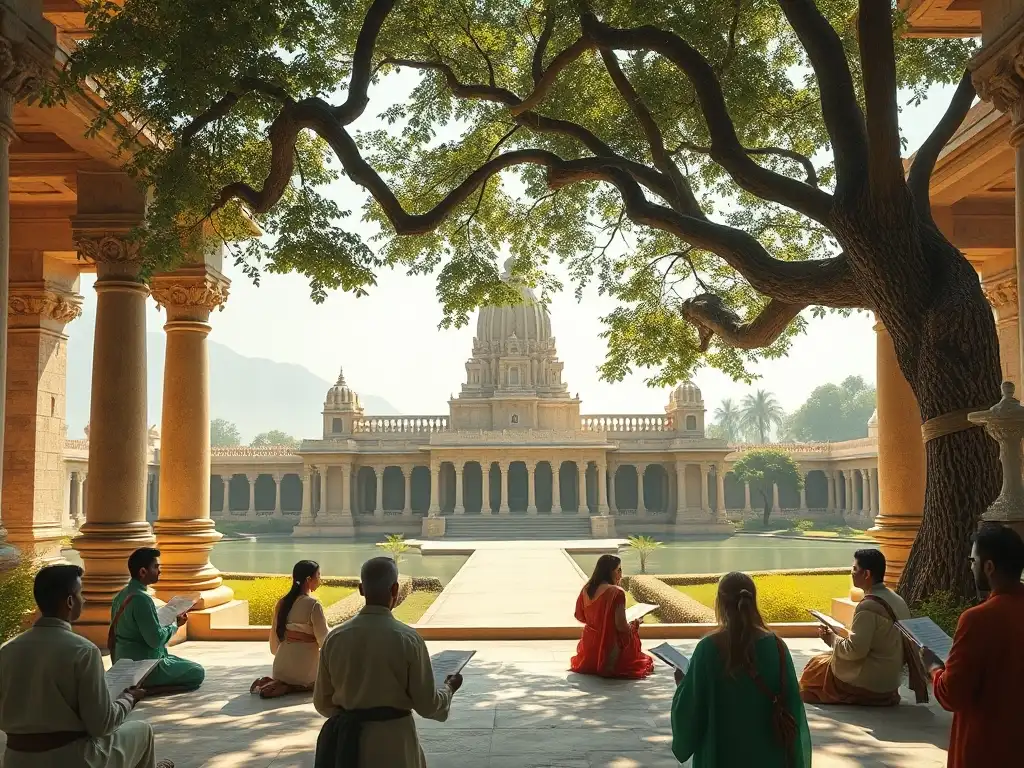
Ancient Indian universities, notably Nalanda and Takshashila, were pioneering institutions that embraced the principle of open access to knowledge long before the modern concept emerged. These universities not only provided a platform for scholarly pursuits but also fostered an environment where knowledge was shared freely among students and scholars from diverse backgrounds.
One of the most striking features of these institutions was their multidisciplinary approach. Students could study a variety of subjects, including philosophy, medicine, mathematics, and astronomy. This diversity in education encouraged critical thinking and holistic understanding, setting a standard that many modern universities aim to replicate. The open access model allowed for the exchange of ideas, which led to significant advancements in various fields. For instance, the medical texts produced during this period laid the groundwork for future developments in Ayurveda and surgery.
Moreover, the pedagogical methods employed in these ancient universities emphasized dialogue and debate, allowing students to question established norms and engage deeply with their subjects. This method of teaching not only promoted knowledge retention but also encouraged a culture of inquiry that is essential in today’s educational systems. The collaborative learning environment of ancient Indian universities can serve as a model for contemporary institutions striving to enhance student engagement and knowledge sharing.
Relevance of Ancient Practices in Today's Educational Landscape
The principles of open access to knowledge practiced in ancient Indian universities resonate strongly in today’s educational landscape. As modern institutions face challenges of accessibility and inclusivity, the lessons from Nalanda and Takshashila are more relevant than ever.
- Inclusivity in Education: Ancient Indian universities welcomed students from various social and economic backgrounds. This inclusiveness can inspire current educational frameworks to eliminate barriers to access, ensuring that quality education is available to all, regardless of their circumstances.
- Interdisciplinary Learning: The focus on a broad range of subjects encourages modern universities to adopt interdisciplinary curricula. This approach not only enriches the learning experience but also prepares students to tackle complex real-world problems through a multifaceted lens.
- Knowledge Sharing: The concept of sharing knowledge freely aligns with the open educational resources movement today. By promoting the sharing of educational materials and resources, institutions can foster a collaborative environment that enhances learning outcomes.
- Global Collaboration: The ancient universities were hubs of international exchange, attracting scholars from various parts of the world. In the current globalized context, fostering international collaborations can enhance cultural understanding and contribute to a richer academic experience.
The legacy of ancient Indian universities offers invaluable insights into the importance of open access to knowledge. As education continues to evolve, drawing inspiration from these historic institutions can guide the development of inclusive, interdisciplinary, and collaborative educational practices that meet the needs of today's diverse student populations.
References and Further Reading
Suggested Texts on Ancient Indian Universities
-
"Nalanda: The World's First Residential University" by A. K. Sharma
This book delves into the intricate workings of Nalanda University, exploring its curriculum, student life, and the pivotal role it played in the dissemination of knowledge across Asia. Sharma provides a comprehensive overview of how Nalanda established a framework for open access to education and knowledge.
-
"The Glory of Ancient Indian Universities" by R. S. Tripathi
Tripathi examines several ancient Indian universities, including Taxila and Vikramshila, highlighting their contributions to various fields of study. This text emphasizes the inclusive nature of these institutions and their commitment to making knowledge accessible to all seekers.
-
"Education in Ancient India" by K. N. Sharma
This scholarly work outlines the educational philosophies of ancient Indian universities and their methodologies for teaching and learning. It provides insights into how these institutions fostered an environment of open access, encouraging intellectual exchange among diverse student populations.
-
"The Intellectual Traditions of Ancient India" by R. C. Gupta
Gupta's text surveys the significant intellectual contributions of ancient Indian universities, showcasing how they approached the concept of knowledge sharing. It also explores the impact of these traditions on contemporary education systems.
Academic Resources for Further Exploration
-
JSTOR
A comprehensive digital library that provides access to thousands of academic journals, books, and primary sources. Searching for articles on "ancient Indian universities" can yield valuable insights into their educational practices and philosophies.
-
Google Scholar
An excellent resource for finding scholarly articles and theses related to ancient Indian universities. Users can search for specific topics such as "knowledge access in ancient Indian universities" to access a wealth of research material.
-
Project Gutenberg
This digital library offers free access to a wide range of texts, including historical accounts and analyses of ancient Indian educational systems. Look for classics and translations that discuss the role of universities in knowledge dissemination.
-
The Indian Council of Historical Research (ICHR)
The ICHR provides access to a multitude of publications and resources related to Indian history and education. Their archives may contain valuable documents regarding ancient universities and their contributions to knowledge access.
-
Ancient India: An Anthology of Historical Writings
This compilation features various historical writings that focus on different aspects of ancient Indian life, including education. It can serve as a critical resource for understanding the broader context of knowledge access in ancient Indian universities.
By exploring these suggested texts and academic resources, readers can gain a deeper understanding of how ancient Indian universities practiced open access to knowledge, shaping the educational landscape not only in India but also across the globe.
Frequently Asked Questions
What were the main ancient Indian universities known for?
Ancient Indian universities, such as Nalanda and Takshashila, were renowned for their open access to knowledge, offering a wide range of subjects including philosophy, science, and arts.
How did open access to knowledge function in ancient India?
These universities promoted open access by allowing students from diverse backgrounds to enroll, fostering an environment of intellectual exchange and scholarly collaboration.
What contributions did ancient Indian universities make to education?
Ancient Indian universities contributed significantly to the development of educational curricula, including advancements in mathematics, astronomy, and medicine, influencing future generations.
Were there any scholarship systems in ancient Indian universities?
Yes, many students received scholarships or were supported through patronage from local rulers, ensuring that education was accessible to those who might not afford it otherwise.
How does the concept of open access in ancient India compare to today?
The open access model in ancient India laid foundational principles for modern educational systems, emphasizing inclusivity and shared knowledge, which resonate with today's educational reforms.
Final Reflection: Embracing the Legacy of Open Knowledge
The practice of open access to knowledge in ancient Indian universities is not just a relic of the past; it is a beacon of relevance in today's information-driven world. As we navigate an era defined by rapid technological advancements and the democratization of information, the principles established by these ancient institutions remind us of the enduring power of shared knowledge. The commitment to accessibility and inclusivity in education is more crucial now than ever, as we strive to break down barriers and foster a culture of learning that transcends socioeconomic divides.
The legacy of ancient Indian universities continues to shape our cultural and social landscapes, inspiring modern educational frameworks to prioritize open access and collaborative learning. These institutions were not merely centers of learning; they were vibrant communities where knowledge flowed freely, encouraging dialogue and innovation. As we reflect on this rich history, we can draw from the wisdom of the past to inform our present. Knowledge is the light that illuminates the path to progress.
This ethos resonates deeply today, as we seek to create environments where every individual has the opportunity to learn and grow.
As we move forward, let us take a moment to reflect on how we can embody the spirit of open access in our own lives. Consider how you can contribute to the sharing of knowledge within your community, whether through mentorship, collaboration, or simply by fostering an inclusive environment for learning. The legacy of ancient Indian universities is a call to action for all of us to champion the cause of accessible education, ensuring that the light of knowledge continues to shine brightly for generations to come.
Unlock the Wisdom of Ancient Knowledge!
Thank you for diving into the fascinating world of Ancient Indian universities with us! You've gained valuable insights into how these institutions championed open access to knowledge, a concept that still resonates today. Now, it's time to put this wisdom into action!
Here are a few empowering steps you can take:
- Embrace Lifelong Learning: Consider exploring books or online courses that delve into Ancient Indian history. This can deepen your understanding and appreciation of this rich heritage.
- Share the Knowledge: Engage in conversations about this topic with friends or share your insights on social media. The more we discuss our past, the more we inspire future generations.
- Join a Community: Look for or establish a local group that focuses on history and philosophy. Connecting with others can lead to exciting discussions and broader insights.
What aspect of Ancient Indian knowledge inspires you the most, and how will you incorporate it into your life today?