
Exploring Takshashila: The Cradle of Ancient Indian Learning

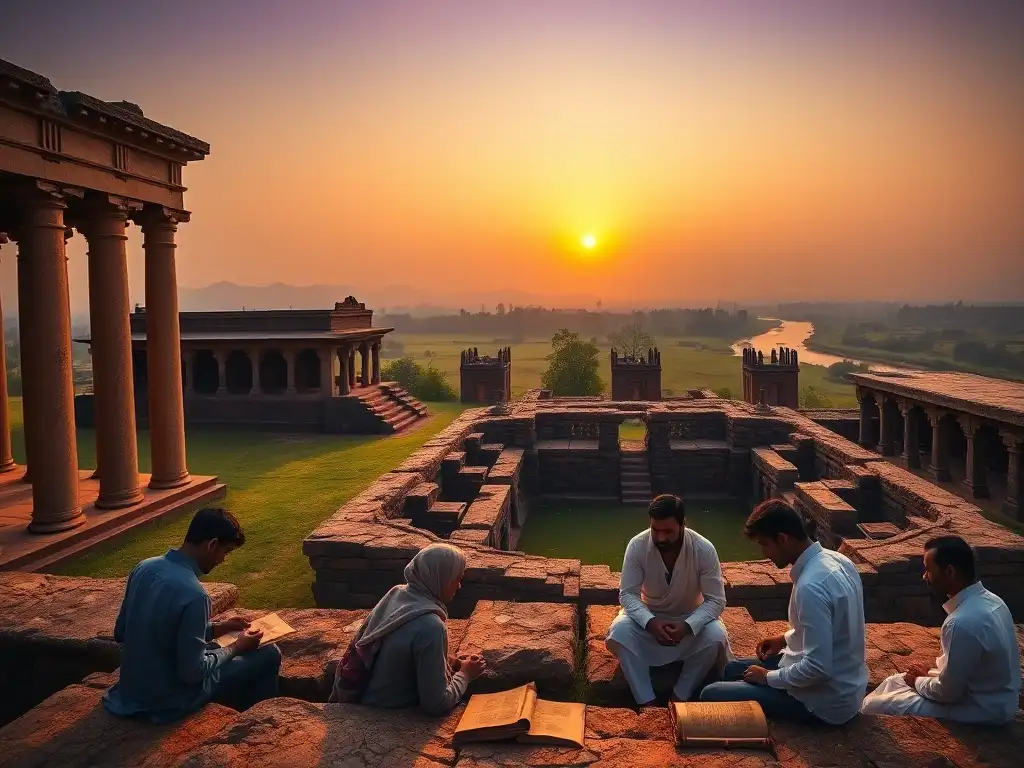
Welcome to Ancient India History, where we embark on a fascinating journey through the rich tapestry of India's past. In our exploration of the Ancient Indian learning centers, we delve into the remarkable legacy of institutions like Takshashila, often hailed as the cradle of ancient Indian education. What made these centers so essential to the intellectual landscape of their time? Join us as we uncover the secrets of knowledge, culture, and the profound impact these hubs had on society, igniting a curiosity that invites you to dive deeper into the wonders of ancient Indian civilization.
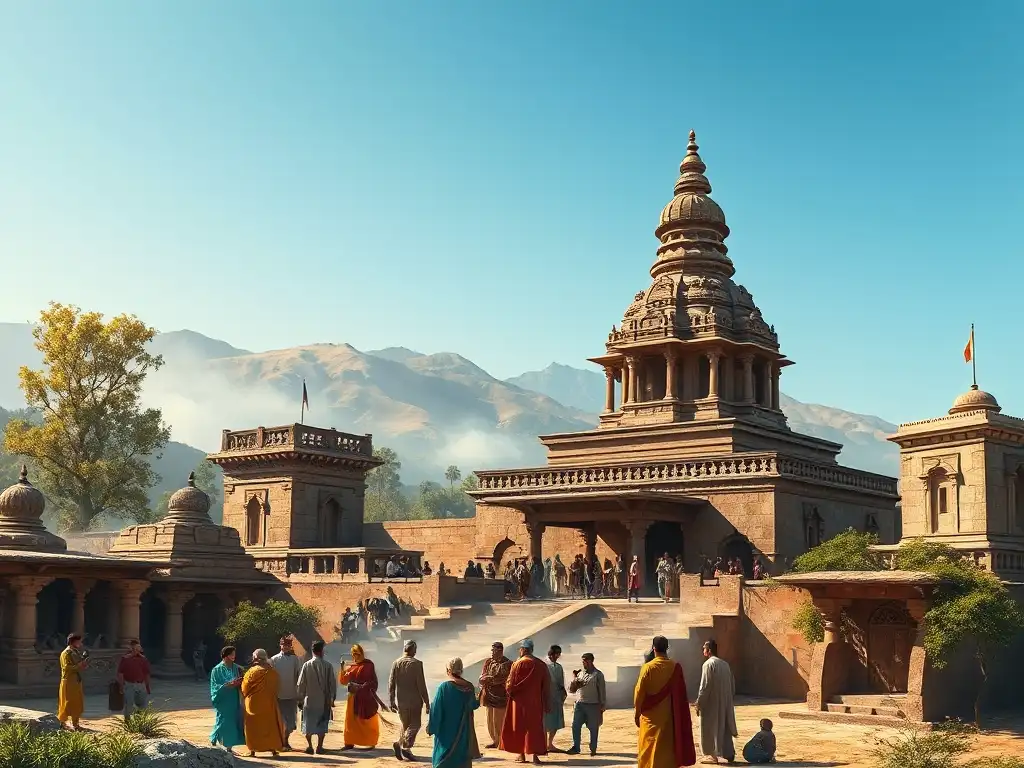
Introduction to Ancient Indian Learning Centers
Ancient India was home to a plethora of learning centers that not only shaped the education landscape of the subcontinent but also had a profound influence on the world. Among these, Takshashila stands out as a beacon of knowledge, representing the epitome of ancient Indian scholarship and intellectual endeavor.
This article delves into the rich history of Takshashila, exploring its role as one of the earliest universities in the world, where students from various regions gathered to seek wisdom across diverse disciplines. By examining the significance of Takshashila alongside other ancient Indian learning centers, we can gain insights into the educational systems that flourished during this remarkable period.
Overview of Ancient Indian Educational Systems
Ancient Indian educational systems were characterized by their holistic approach to learning. They encompassed a wide range of subjects, including:
- Philosophy
- Mathematics
- Astronomy
- Medicine
- Literature
Education was primarily imparted through Gurukuls, or teacher-student residential schools, where students lived with their teachers and learned through discussions, debates, and hands-on practice. The emphasis was not only on academic knowledge but also on moral and ethical development, preparing students to contribute positively to society.
Importance of Takshashila in Historical Context
Takshashila, located in present-day Pakistan, is often regarded as the first university in the world. Its historical significance is underscored by its role as a melting pot of cultures and ideas. With its strategic location along major trade routes, Takshashila attracted scholars, philosophers, and students from various regions, including Greece, China, and the Middle East. This exchange of knowledge contributed to a vibrant intellectual environment that fostered innovation and critical thinking.
The Historical Significance of Takshashila
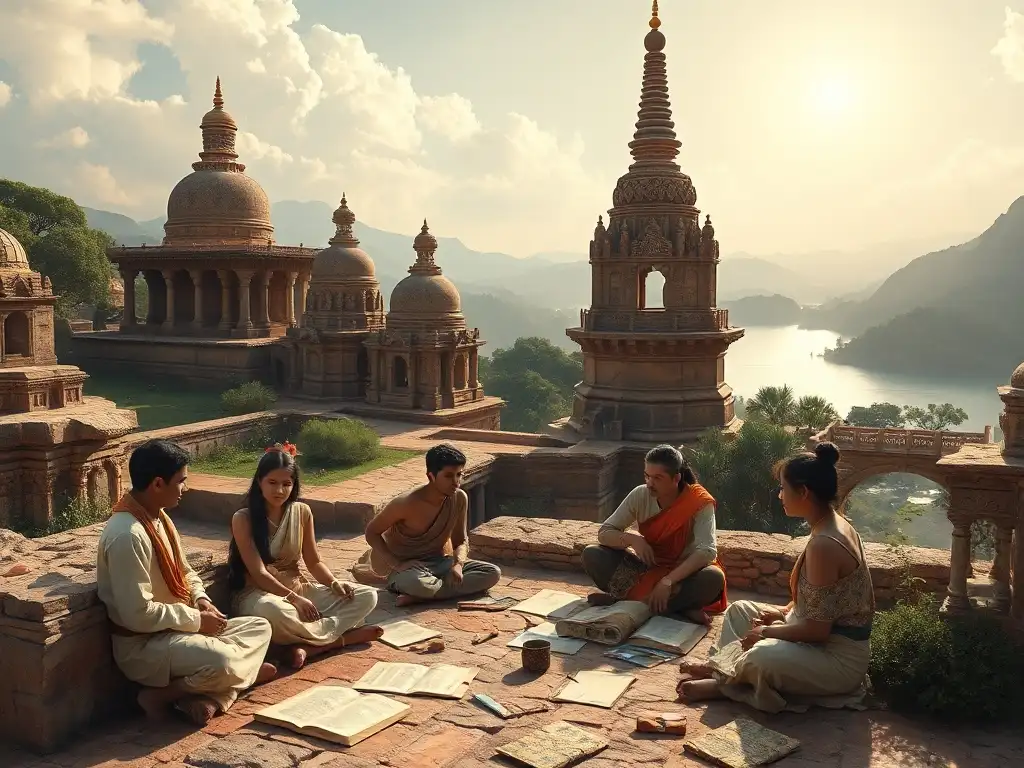
Foundation and Establishment of Takshashila
The origins of Takshashila date back to around the 6th century BCE, and it is believed to have been established by the Vedic scholars of that era. The university flourished under the patronage of various dynasties, becoming a prominent center for education in subjects such as:
- Political Science
- Military Strategy
- Linguistics
- Rhetoric
Historical texts indicate that Takshashila had a well-structured curriculum, and students were assessed through rigorous examinations, ensuring that only the most dedicated and talented individuals could succeed.
Role in Ancient Indian Civilization
Takshashila played a pivotal role in shaping ancient Indian civilization. It was not merely an educational institution; it was a center for cultural exchange and intellectual discourse. Many notable figures emerged from Takshashila, including Chanakya, the renowned philosopher and political strategist, who later became an advisor to the Mauryan Empire. The teachings and philosophies developed at Takshashila influenced subsequent generations and laid the groundwork for future educational institutions, such as Nalanda and Vikramashila.
Understanding the legacy of Takshashila and other ancient Indian learning centers provides valuable insights into the educational practices of the time and their lasting impact on society and culture.
Curriculum and Areas of Study at Takshashila
Takshashila, regarded as one of the earliest centers of higher learning in ancient India, offered a diverse and comprehensive curriculum that catered to a wide range of subjects. The educational system here was designed to nurture intellectual skills and practical knowledge. Students at Takshashila could specialize in various fields, allowing them to tailor their education according to their interests and career aspirations.
The curriculum included:
- Philosophy: Students explored various schools of thought, including Nyaya (logic), Vaisheshika (atomism), and Samkhya (enumeration).
- Astronomy and Mathematics: The study of celestial bodies and mathematical principles was essential, with scholars like Aryabhata later drawing from this foundation.
- Medicine (Ayurveda): The ancient science of life and healing was a significant area of study, emphasizing herbal remedies and surgical techniques.
- Political Science and Governance: This encompassed discussions on statecraft, ethics, and law, influenced by texts such as Kautilya's Arthashastra.
- Languages and Literature: Mastery of languages, particularly Sanskrit, was vital, with students engaging in poetry, drama, and rhetoric.
The broad curriculum at Takshashila not only fostered academic growth but also promoted critical thinking and ethical reasoning, preparing students for influential roles in society.
Subjects Taught in Ancient Indian Universities
Ancient Indian universities, including Takshashila, provided a rich tapestry of subjects that reflected the multifaceted nature of knowledge during that era. Key subjects included:
- Grammar and Linguistics: Focusing on the intricacies of language, especially Sanskrit, aiding in the development of clear communication.
- Logic and Debate: Encouraging dialectical skills, students engaged in rigorous debates to hone their reasoning abilities.
- Ethics and Morality: Studies centered around moral philosophy, guiding students in their personal and professional lives.
- Art and Aesthetics: This encompassed music, dance, and visual arts, integral to cultural expression and societal values.
- History and Geography: Understanding past civilizations and geographical knowledge was essential for informed governance and trade.
The diverse subjects taught at these universities laid the groundwork for a well-rounded education, contributing significantly to the intellectual landscape of ancient India.
Teaching Methods and Educational Practices
The teaching methods employed at Takshashila and other ancient Indian universities were highly interactive and student-centered. The following practices characterized the educational environment:
- Guru-Shishya Tradition: This mentor-student relationship emphasized personalized instruction, where students learned directly from experienced teachers, fostering a deep bond of respect and knowledge transfer.
- Debates and Discussions: Regular debates were a crucial part of the curriculum, allowing students to articulate their views and challenge prevailing ideas, thus enhancing critical thinking.
- Practical Applications: The integration of practical experiences, such as internships in governance or medicine, ensured that students could apply theoretical knowledge in real-world scenarios.
- Residential Learning: Students often lived in close proximity to their teachers, promoting continuous learning and immersion in scholarly activities.
- Assessment through Oral Examination: Rather than written tests, oral examinations were common, allowing students to demonstrate their understanding and articulate their knowledge effectively.
These methods contributed to a rich educational experience, emphasizing not only academic excellence but also the moral and ethical development of students.
Notable Scholars and Contributions from Takshashila
Takshashila was home to numerous scholars whose contributions significantly impacted various fields of knowledge. The university attracted students and thinkers from across ancient India and beyond, creating a vibrant intellectual community.
Influential Figures in Ancient Indian Learning
Among the notable scholars associated with Takshashila were:
- Chanakya (Kautilya): Renowned for his work in political science and economics, he authored the Arthashastra, a seminal text on statecraft and governance.
- Jivaka: A celebrated physician who contributed to the field of Ayurveda, Jivaka's practices and teachings laid the groundwork for future medical advancements.
- Panini: The ancient grammarian whose work on Sanskrit grammar, Ashtadhyayi, remains a foundational text in the study of linguistics.
These figures exemplify the profound impact of Takshashila on the intellectual landscape of ancient India.
Contributions to Various Fields of Knowledge
The contributions of Takshashila scholars extended across multiple disciplines, influencing subsequent generations and shaping various fields of knowledge:
- Philosophy: The philosophical inquiries initiated at Takshashila led to the development of critical thinking and logical reasoning that permeated Indian philosophy.
- Medicine: The teachings of Ayurvedic principles and surgical techniques established a foundation for healthcare practices that persist today.
- Mathematics and Astronomy: Scholars' early work on mathematical principles and astronomy paved the way for later advancements, including the concepts of zero and the heliocentric model.
- Political Theory: The strategies and insights on governance articulated by figures like Kautilya provided enduring lessons on leadership and statecraft.
The legacy of Takshashila as a premier ancient Indian learning center continues to resonate, underscoring its role in the evolution of knowledge across diverse fields.
Comparison of Takshashila with Other Ancient Indian Universities
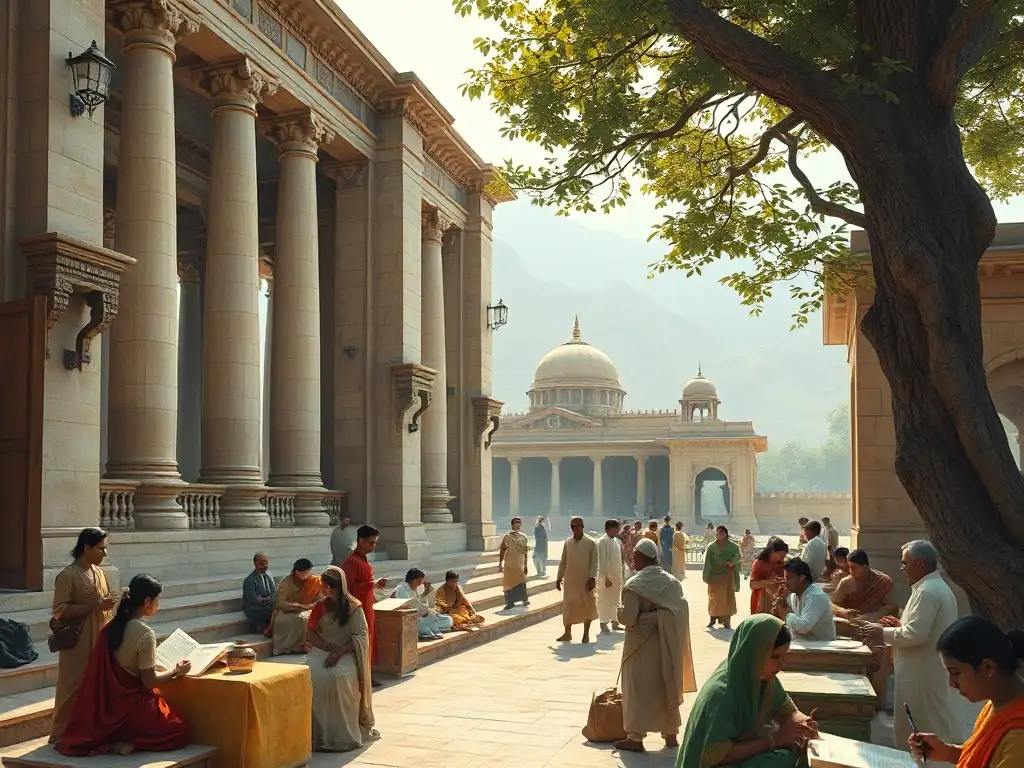
Takshashila, often regarded as one of the earliest and most significant centers of learning in ancient India, holds a unique place in the educational landscape of its time. While it flourished alongside other esteemed institutions like Nalanda and Vikramshila, each university had its distinct approach to education, areas of specialization, and cultural influence.
Takshashila was primarily known for its diverse curriculum that included subjects such as philosophy, medicine, mathematics, and astronomy. This contrasted with Nalanda, which became renowned for its rigorous study of Buddhist philosophy and theology. The geographic locations also played a crucial role; Takshashila, situated at the crossroads of trade routes, attracted students from various regions, fostering a cosmopolitan environment. In comparison, Nalanda's location in Bihar made it a hub for Buddhist scholars and monks.
The teaching methodologies also differed. Takshashila focused on a more informal, guru-shishya (teacher-student) relationship, emphasizing personal mentorship and practical knowledge. In contrast, Nalanda adopted a more structured approach with formal lectures and a vast library that housed diverse texts, making it a scholarly epicenter.
Overall, while both Takshashila and Nalanda contributed significantly to ancient Indian learning, their differing philosophies, curricula, and cultural contexts shaped their unique legacies in the realm of education.
Takshashila vs. Nalanda: A Comparative Analysis
When comparing Takshashila and Nalanda, it's essential to analyze several key aspects:
- Foundation and Timeline:
- Takshashila is believed to have been established around the 6th century BCE, making it one of the oldest known universities.
- Nalanda, on the other hand, was founded later, in the 5th century CE, and gained prominence during the Gupta Empire.
- Curricular Focus:
- Takshashila offered a broad range of subjects, including archery, warfare, and political science, alongside traditional academic disciplines.
- Nalanda was more focused on Buddhist studies but also covered logic, medicine, and grammar, reflecting its role as a major Buddhist university.
- Cultural Influence:
- Takshashila attracted not only Indian students but also scholars from Central Asia, Persia, and Greece, promoting a rich exchange of ideas.
- Nalanda became a pivotal site for the dissemination of Buddhist teachings across Asia, influencing countries like Tibet, China, and Japan.
- Legacy and Decline:
- Takshashila's decline is attributed to the invasions and the rise of competing centers of learning, while Nalanda faced destruction in the 12th century by invading forces, which led to its eventual disintegration.
The comparative analysis highlights that while both institutions were integral to ancient Indian education, their distinct characteristics and historical contexts contributed to their unique places in history.
Influence of Different Learning Centers on Ancient Education
The landscape of ancient Indian education was enriched by various learning centers, each contributing to the intellectual and cultural development of the region. Institutions like Takshashila, Nalanda, and Vikramshila not only shaped local educational paradigms but also influenced neighboring cultures.
-
Interconnectedness of Learning:
Different universities often exchanged knowledge and resources, allowing scholars to move between institutions. For instance, many students who studied at Takshashila later attended Nalanda, bringing with them diverse perspectives and methodologies.
-
Specialization and Knowledge Dissemination:
Each center specialized in specific fields, leading to the emergence of a robust educational ecosystem. For example, while Takshashila was known for its focus on practical sciences and liberal arts, Nalanda became the hub for philosophical and theological discourse.
-
Cultural Synthesis:
The blending of various philosophical schools and disciplines fostered a culture of inquiry and debate, allowing for the evolution of thought across different domains. This synthesis was instrumental in the development of classical Indian education, which emphasized critical thinking and dialogue.
The interplay between different learning centers significantly shaped the ancient educational framework, promoting a rich tapestry of knowledge that is celebrated today.
The Legacy of Takshashila in Modern Education
The legacy of Takshashila continues to resonate in modern educational systems, serving as a source of inspiration for contemporary institutions. Its emphasis on holistic education, diverse curricula, and personalized mentorship offers valuable lessons for today's educators.
Influence on Contemporary Educational Systems
Modern educational frameworks around the world draw upon the principles established at ancient learning centers like Takshashila. The following aspects highlight this influence:
-
Interdisciplinary Approach:
Just as Takshashila offered a variety of subjects, modern education increasingly recognizes the importance of interdisciplinary studies. This allows students to draw connections between different fields, fostering creativity and innovation.
-
Mentorship and Personalized Learning:
The guru-shishya relationship prevalent in Takshashila emphasizes the importance of mentorship in education. Today, many educational institutions strive to create supportive environments where students can engage closely with their mentors.
-
Global Perspectives:
Takshashila's diverse student body exemplifies the value of global perspectives in education. Contemporary institutions often prioritize diversity and inclusivity, recognizing the benefits of exposing students to a variety of cultures and ideas.
Preservation of Ancient Knowledge and Teaching Methods
The preservation of ancient knowledge and teaching methods from centers like Takshashila is crucial in maintaining cultural heritage and advancing contemporary education:
-
Curriculum Development:
Many modern educational programs seek to integrate ancient texts and philosophies, ensuring that students appreciate the wisdom of the past while applying it to current challenges.
-
Research and Scholarship:
The legacy of Takshashila inspires ongoing research into ancient educational practices, contributing to a deeper understanding of historical teaching methodologies and their relevance today.
-
Cultural Heritage Education:
Efforts to preserve ancient knowledge often involve educating students about their cultural heritage, fostering a sense of identity and continuity that is vital in an increasingly globalized world.
Takshashila's legacy endures in various facets of modern education, influencing how knowledge is shared, valued, and taught across generations.
Conclusion
The ancient Indian learning center of Takshashila stands as a monumental testament to the intellectual prowess and educational advancements of ancient Indian civilization. Established around the 5th century BCE, it served as a hub of knowledge where students from various regions converged to study diverse subjects ranging from philosophy and medicine to mathematics and astronomy. The significance of Takshashila transcends its historical context, influencing educational paradigms and cultural exchanges that resonate even today.
Summary of Takshashila's Impact on Ancient Indian Learning
Takshashila, often regarded as one of the first universities in the world, played a pivotal role in shaping the educational landscape of ancient India. The institution's curriculum was comprehensive, emphasizing a holistic approach to education that combined theoretical knowledge with practical skills. Notable scholars, such as Chanakya (Kautilya), were associated with Takshashila, contributing to its reputation as a center of excellence.
The impact of Takshashila can be observed in several key areas:
- Curriculum Development: The university offered a diverse range of subjects, fostering an environment of interdisciplinary learning that encouraged critical thinking.
- Cultural Exchange: Students from various backgrounds enriched the academic discourse, facilitating cross-cultural dialogue and the sharing of ideas.
- Legacy of Teaching Methods: The pedagogical techniques developed at Takshashila influenced subsequent educational institutions in India and beyond, laying the groundwork for formalized teaching practices.
Overall, Takshashila's legacy is a reflection of ancient Indian commitment to knowledge, learning, and intellectual growth, marking it as a cornerstone in the history of education.
The Enduring Relevance of Ancient Indian Learning Centers in Today’s World
The principles established by ancient Indian learning centers like Takshashila continue to resonate in contemporary education systems. Their emphasis on a broad curriculum, critical thinking, and the integration of various disciplines is increasingly relevant in today's rapidly changing world.
Key aspects of this enduring relevance include:
- Interdisciplinary Approach: Modern education increasingly recognizes the need for interdisciplinary learning, mirroring the holistic educational philosophy of Takshashila.
- Globalization of Knowledge: Just as Takshashila attracted students from different cultures, today's educational institutions are becoming more globalized, enhancing cultural awareness and collaboration.
- Focus on Research and Innovation: The spirit of inquiry and innovation fostered at ancient centers is echoed in today's emphasis on research-driven education, encouraging students to explore and contribute to new knowledge.
The rich legacy of Takshashila and similar ancient Indian learning centers offers valuable insights that can guide current and future educational practices, promoting a culture of learning that is as relevant now as it was millennia ago. By understanding and appreciating this heritage, we can better navigate the complexities of modern education while honoring the wisdom of the past.
- Introduction to Ancient Indian Learning Centers
- Overview of Ancient Indian Educational Systems
- Importance of Takshashila in Historical Context
- The Historical Significance of Takshashila
- Curriculum and Areas of Study at Takshashila
- Notable Scholars and Contributions from Takshashila
- Comparison of Takshashila with Other Ancient Indian Universities
- The Legacy of Takshashila in Modern Education
- Conclusion
Frequently Asked Questions
What was Takshashila known for in ancient India?
Takshashila, or Taxila, was renowned as a major ancient Indian learning center, attracting students from across the region for its diverse educational offerings.
What subjects were taught at Takshashila?
At Takshashila, scholars studied a variety of subjects, including philosophy, medicine, mathematics, and politics, making it a hub for intellectual growth.
How did Takshashila influence other learning centers?
The methodologies and curriculums developed at Takshashila significantly influenced later ancient Indian learning centers, such as Nalanda, shaping the educational landscape.
What role did teachers play at Takshashila?
At Takshashila, teachers were highly respected and were instrumental in providing guidance and mentorship to students, fostering an environment of critical thinking.
Why is Takshashila still relevant today?
Takshashila's legacy as a cradle of ancient Indian learning continues to inspire modern educational practices and emphasizes the importance of a holistic education.
Final Reflection: The Enduring Legacy of Ancient Indian Learning
The exploration of Takshashila as a premier ancient Indian learning center underscores the timeless relevance of knowledge and education in shaping societies. In a world increasingly driven by technology and rapid change, the principles of inquiry, dialogue, and holistic learning that flourished in institutions like Takshashila remain crucial. The quest for knowledge is not merely a historical pursuit; it is a vital component of our contemporary existence, reminding us that the foundations of education have the power to transform lives and communities.
The influence of ancient Indian learning centers extends far beyond their geographical and temporal boundaries. They have laid the groundwork for modern educational philosophies and practices, emphasizing the importance of critical thinking and interdisciplinary studies. As we navigate the complexities of today's world, we can draw inspiration from the past. Education is the most powerful weapon which you can use to change the world.
– Nelson Mandela. This quote resonates deeply with the ethos of Takshashila, where the pursuit of knowledge was seen as a means to elevate not just the individual, but society as a whole.
As we reflect on the lessons from Takshashila, let us embrace the spirit of lifelong learning and intellectual curiosity in our own lives. I invite you to consider how you can contribute to the legacy of ancient Indian learning by fostering a culture of inquiry and sharing knowledge within your community. Whether through mentorship, collaboration, or simply engaging in thoughtful discussions, each of us has the power to keep the flame of learning alive. Together, we can honor the past while shaping a brighter future, inspired by the wisdom of those who came before us.
Unveil the Wisdom of Takshashila!
Thank you for taking the time to explore the fascinating world of Takshashila with us! We hope you’ve discovered the rich legacy of knowledge this ancient university holds. Now, let's keep the momentum going and take action to deepen your understanding and connection to this incredible chapter of history.
Here’s what you can do next:
- Dive deeper into research: Read more about influential scholars such as **Panini** and **Charaka**, who emerged from Takshashila. **Look for books or articles that highlight their significant contributions to various fields of study. **
- Share your insights: Join online history forums or utilize your social media platforms to discuss what you’ve learned about Takshashila. **Engage your community in meaningful conversations about ancient education and its relevance in modern society. **
- Visit a local museum: Explore exhibits focusing on ancient Indian history in your area. **Experiencing artifacts firsthand can greatly enhance your appreciation of this remarkable learning center. **
What aspect of Takshashila intrigued you the most, and how do you believe its teachings could be applied to contemporary educational practices?