
The Forgotten Universities of Ancient India: Treasures of Knowledge

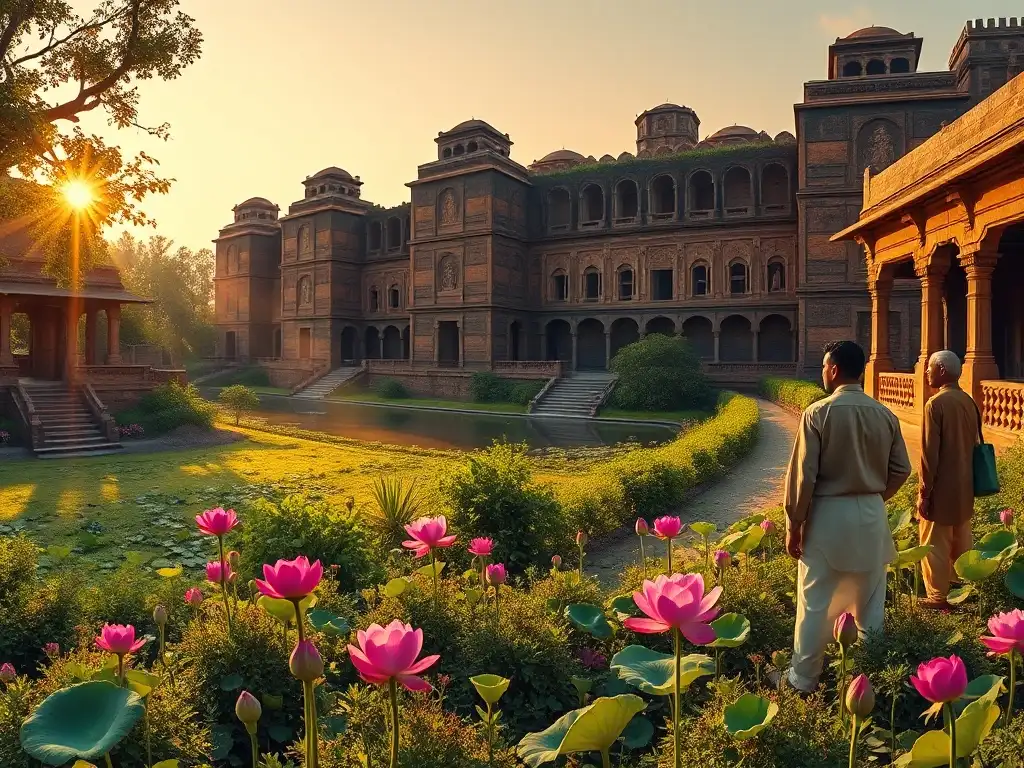
Welcome to Ancient India History, where we embark on a fascinating journey through time to unveil the rich tapestry of ancient Indian civilizations. In our featured article, "The Forgotten Universities of Ancient India: Treasures of Knowledge," we delve into the remarkable legacy of ancient Indian universities and their pivotal role in shaping education and scholarship. Discover how these centers of learning not only fostered intellectual growth but also influenced cultures across the globe.
Join us as we explore the profound impact of these institutions and uncover the hidden gems of knowledge that continue to resonate in today's world. Are you ready to unlock the secrets of ancient wisdom?
Introduction to Ancient Indian Universities History
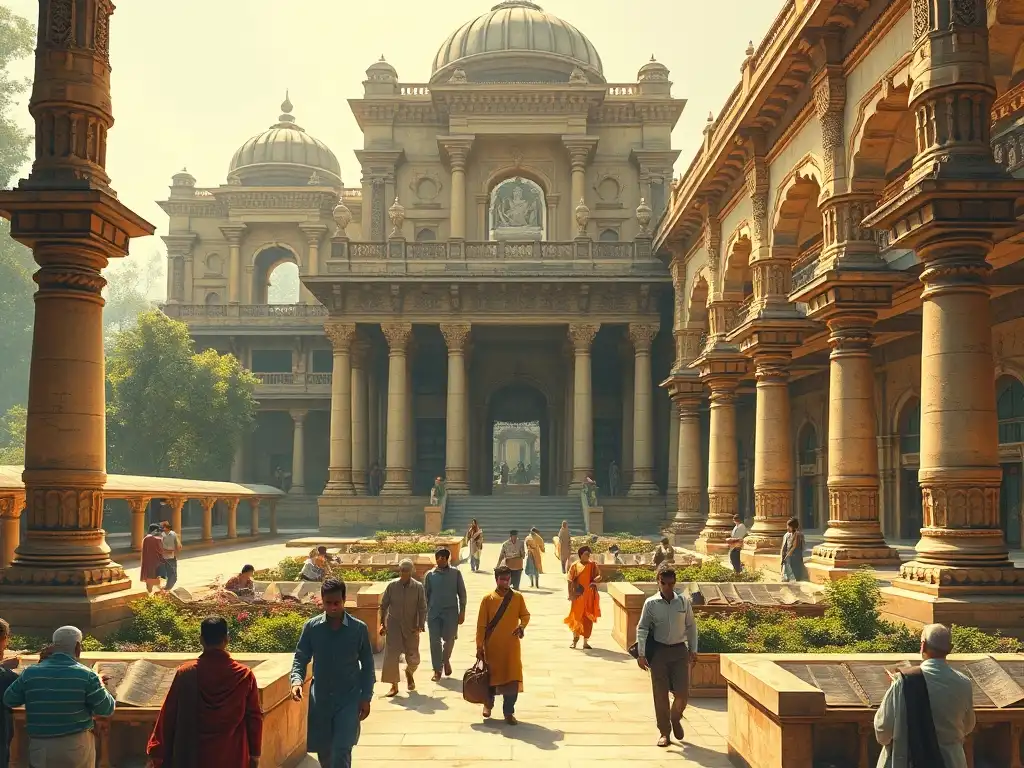
The history of ancient Indian universities is a testament to the rich intellectual and cultural heritage of India, showcasing a time when the subcontinent was a beacon of knowledge and learning. Ancient Indian universities, such as Nalanda and Takshashila, were not merely institutions of higher learning; they were vibrant hubs of scholarship that attracted students and scholars from across Asia and beyond.
These institutions thrived from the 5th century BCE to the 12th century CE, offering a diverse array of disciplines, including philosophy, medicine, mathematics, astronomy, and linguistics. This article delves into the intricate tapestry of ancient Indian universities, exploring their history, significance, and lasting legacy that continues to shape educational paradigms today.
Overview of Ancient Indian Educational Systems
Ancient Indian educational systems were characterized by their inclusive and holistic approach to learning, emphasizing both theoretical knowledge and practical skills. The education was primarily imparted through the Gurukul system, where students lived with their teacher (guru) in a residential setup, fostering close mentor-student relationships. The subjects taught varied from Vedic studies to arts and sciences, ensuring a comprehensive educational experience.
- Curricular Structure:
- Vedic Studies: Emphasis on scriptures and philosophy.
- Mathematics and Astronomy: Groundbreaking contributions in mathematics, including concepts like zero and the decimal system.
- Medicine: The ancient texts of Ayurveda laid the foundation for holistic healing practices still relevant today.
- Teaching Methods:
- Oral traditions and debates encouraged critical thinking.
- Practical experiments, especially in fields like medicine and astronomy, were integral to the learning process.
Significance of Ancient Indian Universities in Global Education
The ancient Indian universities were pivotal in shaping the educational landscape not only in India but also across the globe. They served as centers of knowledge that influenced various cultures and civilizations, facilitating the exchange of ideas and fostering intellectual growth.
- Cultural Exchange: Students from as far as China, Tibet, and Persia traveled to these universities, bringing back knowledge that enriched their own cultures.
- Preservation of Knowledge: Ancient Indian scholars played a crucial role in preserving and advancing knowledge during times when Europe was in the Dark Ages.
The Rich Legacy of Ancient Indian Universities
The legacy of ancient Indian universities is profound, leaving an indelible mark on the world of education. Their methodologies, curriculum, and emphasis on critical thinking have laid the groundwork for modern educational systems.
Contributions of Ancient Indian Universities to Knowledge
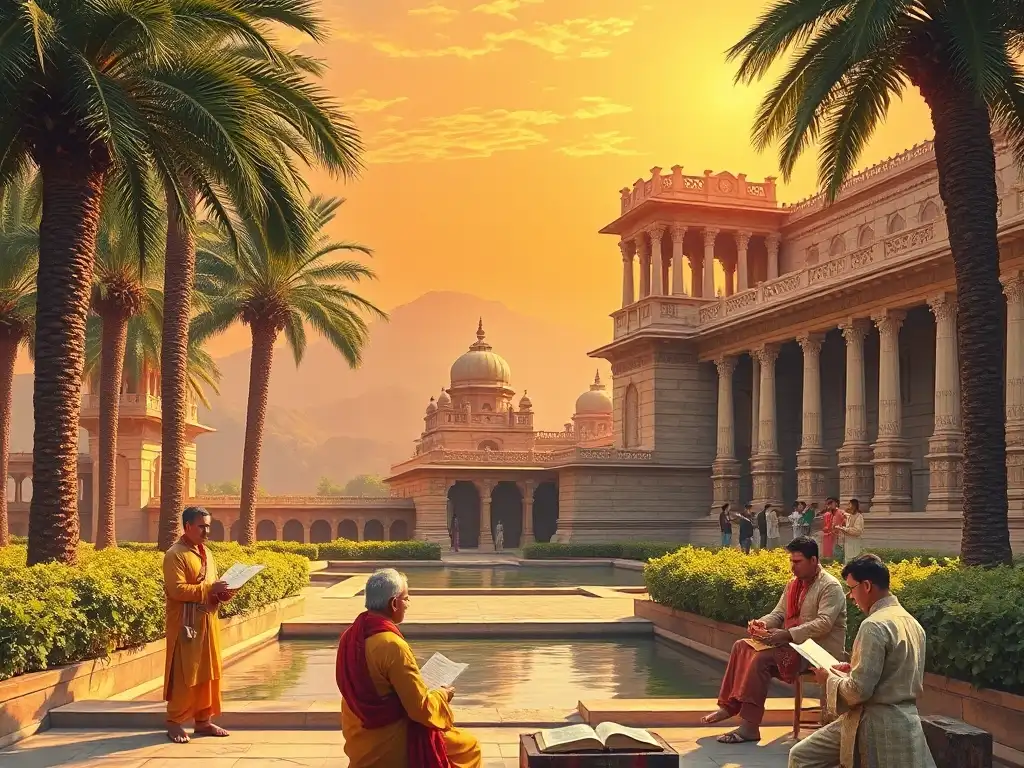
Ancient Indian universities were not just centers of learning; they were incubators of knowledge that produced brilliant minds who made significant contributions in various fields. Notable scholars like Aryabhata, who made groundbreaking advancements in mathematics and astronomy, emerged from these institutions, showcasing the depth of intellect nurtured in ancient Indian academia.
- Influential Works:
- Aryabhatiya: Aryabhata's seminal work that introduced concepts of algebra and trigonometry.
- Sushruta Samhita: A foundational text on surgery and medicine attributed to Sushruta, a scholar from ancient India.
Influence on Modern Educational Institutions
The principles and practices established by ancient Indian universities continue to resonate in contemporary educational institutions. The emphasis on inquiry-based learning, interdisciplinary studies, and the mentor-student relationship remains integral to modern pedagogy.
- Modern Parallels:
- The structure of many current universities mirrors the ancient model of specialized departments, reflecting the diverse fields of study offered in ancient times.
- The concepts of student exchange programs and global collaboration in education can trace their roots back to the ancient model of attracting international students.
The forgotten universities of ancient India represent a treasure trove of knowledge and wisdom, whose contributions and legacies continue to inspire and influence educational systems around the world today.
Prominent Forgotten Universities of Ancient India
Ancient India was home to several prestigious universities that played a crucial role in the dissemination of knowledge and the advancement of various fields of study. These institutions were not merely places of learning; they were vibrant centers of culture, philosophy, and spirituality that attracted scholars from around the world. Among the most notable of these universities are Nalanda, Takshashila, and Vikramshila, each contributing significantly to the intellectual heritage of India. Additionally, lesser-known institutions like Odantapuri and Somapura Mahavihara also made their mark in the annals of ancient education.
Nalanda University: The Beacon of Knowledge
Nalanda University, founded in the 5th century CE, stands as one of the most illustrious universities of ancient India. Located in present-day Bihar, it was renowned for its vast library, which housed thousands of manuscripts and texts covering diverse subjects, including philosophy, astronomy, mathematics, and medicine. The university attracted scholars from various regions, including China, Korea, Japan, and Tibet, fostering a rich exchange of ideas and cultures.
Courses at Nalanda were taught through rigorous debate and dialogue, emphasizing critical thinking and analytical skills. Notable figures such as the philosopher Nagarjuna and the scholar Xuanzang were associated with Nalanda, and their contributions have left an indelible mark on Buddhist philosophy and education.
Takshashila (Taxila): The Cradle of Learning
Takshashila, often referred to as Taxila, was another prominent ancient university located near the modern-day city of Taxila in Pakistan. Established around the 6th century BCE, it is considered one of the first universities in the world. Takshashila was a melting pot of various cultures and religions, offering a diverse curriculum that included subjects such as politics, warfare, medicine, and philosophy.
The university is famous for its emphasis on practical knowledge and experiential learning. Notable alumni include Chanakya, the ancient Indian philosopher and political strategist, who authored the Arthashastra, a seminal text on governance and economics. The legacy of Takshashila continues to resonate, highlighting the importance of interdisciplinary education in shaping ancient Indian thought.
Vikramshila University: A Hub of Buddhist Studies
Founded in the 8th century CE by King Dharmapala, Vikramshila University was established as a significant center for Buddhist studies and philosophy. Situated in Bihar, it was designed to complement Nalanda and focused on the study of Mahayana Buddhism and tantric practices. Vikramshila was known for its rigorous academic standards and its commitment to preserving and propagating Buddhist teachings.
The university housed several monasteries and attracted scholars from various parts of Asia, contributing to the spread of Buddhism across the continent. The famous scholar Atisha, who played a pivotal role in the resurgence of Buddhism in Tibet, was one of Vikramshila's most notable figures. The institution's dedication to scholarly excellence and its role in fostering cross-cultural dialogue are vital aspects of ancient Indian educational history.
Others: Odantapuri and Somapura Mahavihara
In addition to the more famous universities, Odantapuri and Somapura Mahavihara also contributed to the rich tapestry of ancient Indian higher education.
- Odantapuri: Founded during the Pala dynasty in the 8th century CE, Odantapuri was primarily a Buddhist monastic university. It was known for its focus on Tantric studies and attracted a significant number of students, including those from Southeast Asia.
- Somapura Mahavihara: This UNESCO World Heritage site, located in modern-day Bangladesh, was one of the largest monasteries in ancient India. Established in the 8th century CE, it served as a prominent center for Buddhist learning and was unique for its architectural design, featuring a large central courtyard surrounded by numerous cells for monks.
Together, these institutions illustrate the vibrant educational landscape of ancient India, showcasing the depth and diversity of knowledge that flourished during that era.
The Curriculum and Subjects Taught in Ancient Indian Universities
The curriculum of ancient Indian universities was comprehensive and diverse, reflecting the rich intellectual traditions of the time. Students engaged in a wide range of subjects, from philosophy and theology to mathematics and the arts, allowing for a holistic approach to education.
Traditional Subjects: Philosophy, Medicine, and Arts
Ancient Indian universities placed a strong emphasis on subjects such as:
- Philosophy: Philosophical discourse was central to the curriculum, with schools of thought including Vedanta, Nyaya, and Buddhism. Students explored metaphysics, ethics, and epistemology through rigorous debate and study of classical texts.
- Medicine: The study of Ayurveda, the ancient system of medicine, was prevalent in universities. Texts such as the Charaka Samhita and Sushruta Samhita were core components of the medical curriculum, teaching students about herbal remedies, surgery, and holistic health practices.
- Arts: The arts, including music, dance, and drama, were integral to the educational experience. Universities often included training in performing arts, fostering creativity and cultural expression among students.
Unique Educational Practices and Methods
The educational practices in ancient Indian universities were characterized by distinctive methods that promoted active learning and critical engagement:
- Interactive Learning: The Socratic method of questioning and discussion was common, encouraging students to engage deeply with the material and develop their own perspectives.
- Mentorship: Students often studied under the guidance of a guru, fostering a close mentor-mentee relationship that facilitated personalized learning.
- Practical Experience: Learning was not confined to classrooms; students frequently engaged in practical experiences, including field studies and apprenticeships, to apply theoretical knowledge in real-world contexts.
These unique practices contributed to a rich educational atmosphere that nurtured critical thinkers and innovative scholars, laying the groundwork for the intellectual achievements of ancient Indian civilization.
The Role of Teachers and Students in Ancient Indian Universities
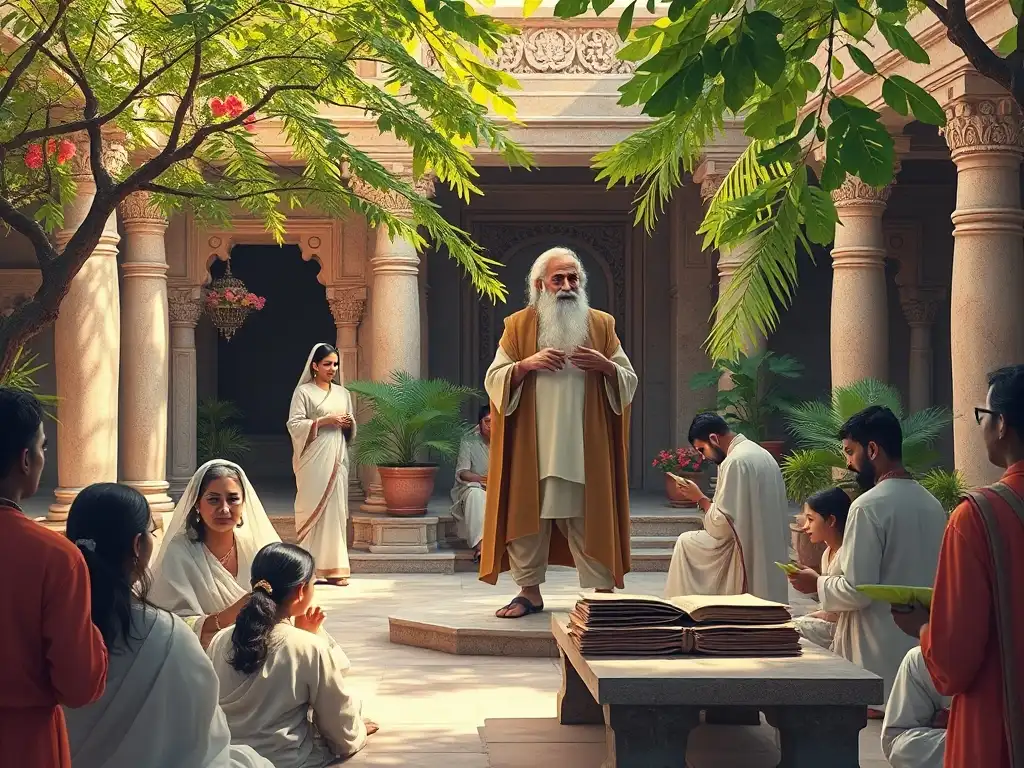
In ancient Indian universities, the relationship between teachers and students was pivotal to the educational system. The role of teachers, often referred to as Gurus, was not merely to impart knowledge but to guide students through a holistic learning experience that encompassed spiritual, intellectual, and practical dimensions. This relationship was built on mutual respect and reverence, with students expected to honor their Gurus while also engaging actively in their education.
Teachers in these universities were highly esteemed individuals, often scholars in philosophy, mathematics, astronomy, medicine, and various other disciplines. They were responsible for creating an environment conducive to learning, fostering critical thinking, and encouraging debate and inquiry among students. This dynamic greatly enriched the educational experience, as students were not passive recipients of knowledge but active participants in discussions and explorations of complex concepts.
The Guru-Shishya Tradition: Teaching and Learning Dynamics
The Guru-Shishya tradition is a cornerstone of ancient Indian education, characterized by a close mentor-student relationship. This system emphasized personalized learning, where the Guru would tailor their teaching methods to suit the individual needs and abilities of each student. The process often involved one-on-one instruction, allowing for deep engagement with the subject matter.
In this tradition, learning was not confined to textbooks; instead, it involved experiential learning through discussions, debates, and practical applications. Students would engage in various activities, such as rituals, arts, and sciences, under the guidance of their Gurus. The emphasis on character building and moral education was equally significant, as Gurus aimed to cultivate not just intellectual prowess but also ethical values in their students.
Student Life and Cultural Exchange in Ancient Universities
Student life in ancient Indian universities was vibrant and dynamic, marked by a rich tapestry of cultural exchange. Students came from diverse backgrounds, including various regions of India and even foreign lands like Greece, China, and Persia. This diversity fostered a melting pot of ideas, philosophies, and cultural practices.
Daily life for students involved rigorous academic schedules, but it also included various extracurricular activities. Students participated in festivals, debates, and performances, which were integral to their education. This blend of academics and cultural engagement nurtured a sense of community and collaboration among students, enhancing their learning experiences.
Moreover, ancient universities served as hubs for intellectual discourse and cultural exchange, where scholars and students could share ideas, conduct research, and collaborate on various projects. This vibrant academic environment laid the groundwork for many advancements in science, philosophy, and the arts, contributing significantly to the rich heritage of ancient Indian civilization.
Decline and Rediscovery of Ancient Indian Universities
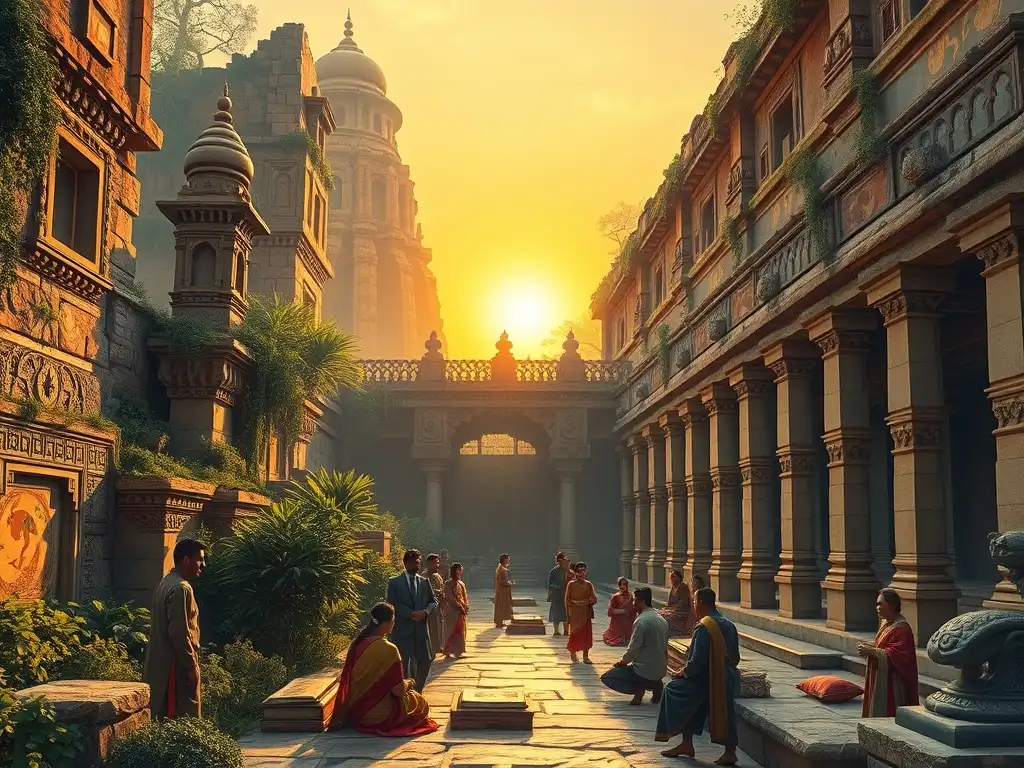
The decline of ancient Indian universities marks a significant chapter in the history of education in India. Various factors contributed to this decline, leading to the loss of invaluable knowledge and traditions.
Factors Leading to the Decline of Ancient Indian Universities
Several interconnected factors led to the decline of ancient Indian universities, most notably political instability, foreign invasions, and changing economic conditions. The invasions by various foreign powers, including the Huns and later Islamic rulers, disrupted the educational landscape, resulting in the destruction of numerous universities and centers of learning.
Additionally, the shift in focus towards religious orthodoxy during some periods led to a decline in the emphasis on scientific and philosophical inquiry. Economic challenges, including the decline of patronage from royal courts, further exacerbated the situation, as many scholars were forced to abandon their pursuits due to lack of support.
The cumulative effect of these factors resulted in the gradual obsolescence of many ancient universities, leading to a significant loss of knowledge and a gap in the continuity of the educational tradition in India.
Modern Efforts to Revive Ancient Indian Educational Traditions
In recent years, there has been a resurgence of interest in reviving the educational traditions of ancient India. Efforts are underway to reconstruct the teachings and methodologies of ancient universities, recognizing their value in today's educational landscape.
Institutions like Nalanda University have been reestablished, aiming to recreate the spirit of ancient learning while integrating modern educational practices. These initiatives seek to promote not only academic excellence but also a holistic approach to education that includes spiritual and ethical development.
Furthermore, various organizations are working towards preserving ancient texts and manuscripts, ensuring that the vast reservoir of knowledge from the past is not lost to time. By fostering interdisciplinary studies and encouraging collaboration among scholars from various fields, modern efforts aim to honor and revitalize the legacy of ancient Indian universities, making their contributions to knowledge and education accessible to future generations.
Conclusion: The Enduring Legacy of Ancient Indian Universities
The ancient universities of India, such as Nalanda, Takshashila, and Vikramshila, stand as monumental testaments to the remarkable intellectual heritage of the subcontinent. These institutions not only fostered advanced learning across various disciplines, including philosophy, medicine, mathematics, and astronomy, but also attracted scholars from around the world. The enduring legacy of these universities is reflected in the foundational principles of education they established, which continue to influence modern educational paradigms.
Their decline, often attributed to invasions and subsequent neglect, serves as a poignant reminder of the fragility of knowledge systems. Yet, the spirit of inquiry and scholarship that characterized these ancient institutions remains alive in contemporary discourse. Recognizing their contributions allows us to appreciate the diverse tapestry of human thought and encourages a deeper understanding of how ancient knowledge can inform present and future educational practices.
Reflection on the Importance of Preserving Ancient Knowledge
Preserving the knowledge of ancient Indian universities is crucial for several reasons. Firstly, it provides insight into the methodologies of learning and teaching that were prevalent in ancient times. The holistic approach to education, emphasizing both practical skills and theoretical understanding, serves as a model for contemporary educational frameworks.
Secondly, these institutions were melting pots of cultures and ideas, fostering dialogue among scholars from different backgrounds. This intercultural exchange enriched philosophical thought and scientific inquiry, highlighting the importance of inclusivity in education. By preserving this knowledge, we can cultivate a more global perspective in our educational systems today, promoting understanding and cooperation among diverse cultures.
Lastly, the preservation of ancient knowledge fosters a sense of identity and continuity. It connects us to our past and provides a framework for understanding our present. In an age where rapid technological advancements often overshadow historical context, revisiting the wisdom of our ancestors can inspire a more grounded and thoughtful approach to education.
Call to Action: Learning from the Past to Inspire Future Education
As we reflect on the rich history of ancient Indian universities, it is imperative to take actionable steps to integrate their lessons into our modern education systems. Educators and policymakers should consider adopting a more interdisciplinary approach, much like the ancient curricula that blended arts, sciences, and humanities.
Additionally, fostering environments that encourage critical thinking, debate, and collaboration among students can help replicate the vibrant academic culture of ancient universities. Institutions of higher learning should aim to create spaces that not only impart knowledge but also inspire innovation and creativity.
Moreover, community engagement and outreach programs that draw upon ancient educational philosophies can help bridge gaps in modern education. By collaborating with local communities to promote lifelong learning and cultural exchange, we can cultivate a more inclusive and enriched educational landscape.
References and Further Reading on Ancient Indian Universities History
For those seeking to delve deeper into the history and contributions of ancient Indian universities, a wealth of resources is available. These references not only provide comprehensive insights but also celebrate the enduring legacy of these centers of learning.
Recommended Books and Articles
-
"Nalanda: The Ancient University of India" by R. C. Majumdar
This book offers a detailed exploration of the history, curriculum, and cultural significance of Nalanda University.
-
"Ancient Indian Education: An Historical Outline" by H. C. Dutta
A thorough examination of the educational practices in ancient India, highlighting key institutions and their impact on society.
-
"The Lost University: Takshashila" by A. K. Narain
This article discusses the historical significance of Takshashila, its curriculum, and its role in shaping educational thought in ancient India.
-
"Vikramshila: The Forgotten Gem of Ancient India" by S. R. Sharma
An exploration of Vikramshila University’s contributions to Buddhist studies and its influence on education in ancient times.
Online Resources for Further Exploration
-
Digital Library of India
A vast collection of digitized books and manuscripts related to ancient Indian education and cultural history.
-
Ancient History Encyclopedia
A comprehensive online resource featuring articles and research on various aspects of ancient Indian universities.
-
Indira Gandhi National Centre for the Arts (IGNCA)
Offering access to research papers, articles, and lectures on ancient Indian educational systems and their legacies.
By engaging with these resources, enthusiasts and scholars alike can contribute to the awareness and preservation of the invaluable heritage of ancient Indian universities, ensuring their wisdom continues to inspire future generations.
- Introduction to Ancient Indian Universities History
- Overview of Ancient Indian Educational Systems
- Significance of Ancient Indian Universities in Global Education
- The Rich Legacy of Ancient Indian Universities
- Contributions of Ancient Indian Universities to Knowledge
- Influence on Modern Educational Institutions
- Prominent Forgotten Universities of Ancient India
- The Curriculum and Subjects Taught in Ancient Indian Universities
- The Role of Teachers and Students in Ancient Indian Universities
- The Guru-Shishya Tradition: Teaching and Learning Dynamics
- Student Life and Cultural Exchange in Ancient Universities
- Decline and Rediscovery of Ancient Indian Universities
- Conclusion: The Enduring Legacy of Ancient Indian Universities
- References and Further Reading on Ancient Indian Universities History
Frequently Asked Questions
What were the ancient Indian universities known for?
Ancient Indian universities were renowned for their intellectual rigor and diverse fields of study, including philosophy, mathematics, and medicine. Institutions like Nalanda and Takshashila attracted students from across the globe.
How did ancient Indian universities contribute to education?
These universities served as centers of learning and scholarship, fostering critical thinking and debate. They played a crucial role in preserving ancient texts and promoting cultural exchanges.
What is the significance of Nalanda University?
Nalanda University is often regarded as one of the first residential universities in the world. It was a hub for Buddhist studies and attracted scholars like Xuanzang, who documented its rich academic traditions.
Were there any notable subjects studied at ancient Indian universities?
Yes, ancient Indian universities offered a wide range of subjects, including astronomy, grammar, logic, and the arts. This diversity reflects the holistic approach to education in ancient India.
How did the decline of these universities impact Indian society?
The decline of ancient Indian universities led to a significant loss of knowledge and scholarship, disrupting the intellectual landscape of India. This shift contributed to the cultural stagnation during subsequent centuries.
Final Reflection: Rediscovering the Wisdom of Ancient Indian Universities
The legacy of ancient Indian universities is not merely a relic of the past; it is a profound testament to the enduring pursuit of knowledge and enlightenment. As we navigate the complexities of modern education and the challenges of our times, the principles and teachings that emerged from these esteemed institutions remain strikingly relevant. The emphasis on holistic learning, critical thinking, and the integration of diverse disciplines offers a blueprint for contemporary education that we must not overlook.
The influence of these ancient centers of learning continues to resonate in our cultural and social landscapes. From the philosophical inquiries of Nalanda to the scientific advancements of Takshashila, these universities shaped not only the intellectual fabric of India but also contributed significantly to global knowledge. Their teachings remind us that education is a lifelong journey, one that transcends geographical and temporal boundaries. As Mahatma Gandhi once said, Live as if you were to die tomorrow. Learn as if you were to live forever.
This sentiment encapsulates the spirit of inquiry that these ancient institutions fostered and that we must strive to embody today.
As we reflect on the invaluable lessons from the forgotten universities of ancient India, let us take a moment to consider how we can apply their wisdom in our own lives. Embrace the pursuit of knowledge with an open heart and mind, and seek to learn from every experience. Whether through formal education, self-study, or engaging in meaningful conversations, let us honor the legacy of these ancient scholars by fostering a culture of curiosity and lifelong learning. The treasures of knowledge they left behind are not just historical artifacts; they are guiding lights for our future.
Unveil the Knowledge of Ancient India!
Thank you for diving into the fascinating world of the forgotten universities of Ancient India! Your interest in these historical treasures highlights the importance of preserving and understanding our rich academic heritage. Now, it’s time to take that inspiration a step further!
Here are some powerful actions you can take to continue your journey:
- Explore more: Visit our website for in-depth articles and resources about other ancient educational institutions that have shaped human thought and knowledge.
- Share your insights: Connect with fellow history enthusiasts by sharing this article on your social media platforms and initiating discussions about the significance of these universities in today’s world.
- Engage with history: Consider joining a local historical society or attending a webinar focused on ancient Indian civilization to deepen your understanding of its impact on modern education.
Which ancient Indian university intrigues you the most, and in what ways do you believe its teachings could influence contemporary educational practices?