
The Significance of Ethics and Morality in Ancient Indian Education


Welcome to Ancient India History, where we embark on a fascinating journey through the rich tapestry of ancient Indian civilizations. Dive deep into the intriguing world of ancient Indian education ethics, a cornerstone of societal development that shaped the minds and values of generations. In our featured article, "The Significance of Ethics and Morality in Ancient Indian Education," you'll uncover how these principles not only influenced educational systems but also laid the foundation for moral conduct that resonates even today.
Prepare to be captivated as we explore the profound contributions of ancient Indian scholars and the enduring impact of their teachings. Join us in unraveling the wisdom of the past!

The exploration of ancient Indian education unveils a rich tapestry of knowledge, philosophy, and ethical principles that shaped the lives of individuals and the society at large. At the core of this educational framework lies a profound understanding of ethics and morality, which served as guiding principles in the teaching and learning processes.
Ancient Indian education was not merely a means to acquire skills or knowledge; it was a holistic approach aimed at nurturing the moral character and ethical consciousness of learners. This article delves into the significance of ethics and morality within ancient Indian education, highlighting its foundational role in shaping educational practices and the curriculum that sustained various civilizations, from the Indus Valley to the Gupta Empire.
Understanding Ancient Indian Education Ethics
Ancient Indian education ethics encompassed a broad spectrum of moral values and ethical principles that were integral to the learning environment. The concept of education, or vidya, went beyond academic instruction; it aimed at fostering virtues such as honesty, respect, compassion, and discipline.
Definition of Ethics and Morality in Ancient Indian Context
In the ancient Indian context, ethics ( dharma) and morality were viewed as essential components of a well-rounded education. Ethics referred to the principles that govern individual behavior and the broader societal norms, while morality emphasized the distinction between right and wrong actions. The teachings were deeply rooted in religious texts, philosophical discourse, and cultural practices that promoted a sense of responsibility towards oneself and the community.
Historical Overview of Ancient Indian Educational Systems
The educational systems in ancient India evolved significantly over time, adapting to the socio-political and cultural shifts. Key educational institutions such as Gurukulas, Ashrams, and universities like Nalanda and Takshashila emerged as centers of learning, where ethics and morality were pivotal in shaping the curriculum. Education was primarily oral, with an emphasis on philosophical inquiry, logic, and spiritual teachings, which were transmitted through direct mentorship and communal engagement.
The Role of Ethics in Ancient Indian Educational Practices
Ethics played a crucial role in guiding the pedagogical approaches and methodologies employed in ancient Indian education. The emphasis on moral development ensured that education was not just about intellectual growth but also about fostering character and virtue.
Ethical Foundations of Gurukula System
The Gurukula system exemplified the integration of ethics into education, where students lived with their teachers (gurus) and engaged in a holistic learning experience. This system emphasized mutual respect, discipline, and the importance of moral conduct. The relationship between the guru and the student was built on trust and ethical guidance, ensuring that learners not only absorbed knowledge but also developed a strong moral compass.
The Influence of Vedic Texts on Moral Education
Vedic texts played a fundamental role in shaping the ethical framework of ancient Indian education. These texts, including the Upanishads, Bhagavad Gita, and various Sutras, provided profound insights into ethical living and moral responsibilities. The teachings emphasized the importance of dharma (righteousness) and urged individuals to align their actions with the greater good, thereby nurturing a society that valued justice, truth, and harmony.
Morality as a Core Component of Ancient Indian Curriculum
In ancient Indian education, morality was not merely an ancillary topic; it was central to the curriculum. Educational institutions, such as the renowned Gurukuls and Buddhist monasteries, placed a significant emphasis on the ethical upbringing of students. The aim was to cultivate virtuous individuals who could contribute positively to society. The concept of Dharma, which encompasses duty, righteousness, and moral law, was intricately woven into the educational framework, guiding students to understand the impact of their actions on the community and the world.
Ethics were taught through various means, including storytelling, dialogues, and practical demonstrations, ensuring that students absorbed these lessons in a holistic manner. The moral dimensions of subjects like mathematics, science, and literature were explored, encouraging students to reflect on their responsibilities and the ethical implications of their knowledge. This comprehensive approach fostered a culture of integrity, respect, and compassion, essential qualities for leadership and citizenship in ancient Indian society.
Moral Stories and Their Educational Impact
Moral stories played a pivotal role in imparting ethical lessons to students in ancient Indian education. These narratives, often derived from epics like the Mahabharata and Ramayana, as well as Panchatantra tales, were not just entertainment; they served as powerful tools for moral instruction. Each story was designed to illustrate virtues such as honesty, bravery, compassion, and humility, making complex ethical concepts accessible to young minds.
For example, the tale of King Harishchandra, known for his unwavering commitment to truth, taught students about the value of honesty even in dire circumstances. By engaging with these stories, students learned to navigate moral dilemmas and developed a framework for ethical decision-making. The storytelling tradition also fostered critical thinking, as students were encouraged to analyze characters' motivations and the consequences of their actions, reinforcing the importance of making morally sound choices.
Integration of Dharma in Education
The integration of Dharma into the educational system was fundamental to shaping the moral compass of students in ancient India. Dharma, often interpreted as the ethical and moral duties specific to an individual’s role in society, was seen as essential for personal development and social harmony. This concept was not static; it evolved with the learner's growth and societal changes, allowing for a personalized approach to moral education.
Educators emphasized that understanding one’s Dharma involved recognizing the interconnectedness of all beings and the responsibilities that come with knowledge and power. This perspective encouraged students to act with compassion and integrity, aligning their actions with the greater good. The teachings of great philosophers, such as Chanakya, who stressed the importance of righteous governance, further solidified the role of Dharma in shaping ethical leaders.
Key Philosophical Schools Influencing Ethics in Education
Ancient Indian education was profoundly influenced by various philosophical schools that emphasized ethics and morality. These schools provided diverse perspectives on the nature of good, the purpose of life, and the importance of ethical conduct, significantly shaping the moral framework within educational contexts.
The Contributions of Jainism to Ethical Education
Jainism, with its strong emphasis on non-violence ( Ahimsa) and truthfulness, made significant contributions to ethical education in ancient India. Jain educational institutions were known for their rigorous ethical standards, which were integrated into the curriculum. The principle of Ahimsa not only advocated for the welfare of all living beings but also encouraged students to develop empathy and compassion.
Jain teachings emphasized self-discipline, respect for life, and the importance of ethical conduct in daily life. The five great vows of Jainism—non-violence, truth, non-stealing, celibacy, and non-possessiveness—were central themes in educational discussions, guiding students toward a morally upright life. As a result, Jain scholars played a crucial role in establishing a legacy of ethical thought that influenced various aspects of Indian education and culture.
Buddhism’s Perspective on Morality and Education
Buddhism introduced a unique perspective on morality and education, focusing on the Four Noble Truths and the Eightfold Path as foundational ethical frameworks. Buddhist monasteries served as centers of learning where ethical conduct was paramount. Education was not solely about acquiring knowledge; it was about cultivating wisdom and compassion.
Buddhist teachings encouraged students to reflect on the impact of their actions, promoting mindfulness and moral responsibility. The concept of Karma illustrated the connection between one's actions and their consequences, reinforcing the importance of ethical behavior. Through practices like meditation and ethical discussions, students were trained to develop a clear understanding of right and wrong, preparing them to lead lives rooted in compassion and morality.
The Influence of Hindu Philosophy on Ethical Values in Learning
Hindu philosophy has profoundly shaped the ethical values embedded in ancient Indian education. Concepts such as Satya (truth), Dharma (righteousness), and Karma (action and its consequences) were integral to the educational ethos. The teachings of influential sages and texts, such as the Bhagavad Gita, provided moral guidance and ethical frameworks for students.
Hindu educational practices emphasized the importance of self-realization and spiritual growth, encouraging learners to internalize ethical values as part of their personal development. Students were taught to view knowledge as a means to achieve not only personal success but also to fulfill their duties toward society. The holistic approach of integrating ethics with academic subjects ensured that students emerged not just as learned individuals but as morally responsible citizens.
The Significance of Teacher-Student Relationships in Ancient Indian Education

In ancient Indian education, the relationship between the teacher (guru) and the student (shishya) was foundational to the learning process. This dynamic was characterized by deep respect, trust, and a shared commitment to the pursuit of knowledge and virtue. The guru was not merely a source of information; rather, he or she was a mentor and a moral guide, embodying the ethical principles that students were expected to internalize.
The significance of this relationship cannot be overstated. The guru often lived with the shishya, fostering a personal bond that extended beyond academic instruction. This intimate setting allowed for a holistic educational experience, integrating ethics and morality directly into the curriculum. The teacher was responsible for instilling values such as honesty, compassion, and self-discipline, which were seen as essential for the student's development not only as a scholar but also as a moral individual.
Moreover, the reverence for the teacher was rooted in the belief that knowledge is sacred and that the transmission of this knowledge must occur within a framework of ethical integrity. This strong bond created an environment where learning was seen as a spiritual journey, with both the guru and the shishya striving toward higher truths.
Ethical Responsibilities of Gurus and Shishyas
The ethical responsibilities of both gurus and shishyas were clearly defined within ancient Indian educational systems. Gurus were expected to exemplify moral virtues and to provide guidance that transcended mere academic instruction. Their duties included:
- Imparting Knowledge: Gurus were responsible for teaching various subjects, including philosophy, mathematics, and the arts, while ensuring that these lessons were intertwined with ethical considerations.
- Moral Guidance: Beyond academics, they were tasked with mentoring students in ethical conduct and personal integrity, shaping their character and worldview.
- Creating a Safe Learning Environment: Gurus had the moral obligation to foster an environment of trust and respect, where students felt safe to express their thoughts and questions.
On the other hand, shishyas were expected to approach their education with sincerity, dedication, and respect. Their responsibilities included:
- Respecting the Guru: Students were to treat their teachers with utmost reverence, acknowledging their role not just as educators but as moral authorities.
- Commitment to Learning: Shishyas were expected to engage actively in their studies, demonstrating a willingness to absorb both knowledge and ethical teachings.
- Carrying Forward Knowledge: The ultimate goal for students was to not only learn but also to apply their knowledge ethically and pass it on to future generations, perpetuating the cycle of moral education.
The Moral Imperatives of Knowledge Transmission
The transmission of knowledge in ancient Indian education was imbued with moral imperatives, emphasizing that knowledge should be pursued for the betterment of society rather than for personal gain. This perspective is evident in various ancient texts, such as the Upanishads and the Bhagavad Gita, which highlight the responsibility that comes with knowledge.
The moral imperative centered around the idea that knowledge should lead to the realization of truth and self-awareness. It was believed that true knowledge was not merely intellectual but also ethical, guiding individuals toward righteous living and societal harmony. This aligns with the notion of Dharma, which refers to moral duty and righteousness.
Furthermore, the ethical framework surrounding knowledge transmission reinforced the idea that educators must be responsible stewards of information. It was not enough to convey facts; educators had to ensure that the knowledge imparted would contribute positively to the individual's character and, by extension, to society as a whole. This sense of duty highlighted the interconnectedness of learning, ethics, and the greater good.
Comparison of Ancient Indian Education Ethics with Other Civilizations
The ethical frameworks surrounding education in ancient India can be compared to those found in other civilizations, notably Ancient Greece and Ancient China. Each civilization had its own unique approach to education ethics, shaped by its cultural and philosophical contexts.
Similarities with Ancient Greek Philosophical Education
Both ancient Indian and Greek educational systems emphasized the importance of moral development alongside intellectual growth. In Ancient Greece, philosophers like Socrates and Plato underscored the significance of virtue and ethics in education. Similar to the guru-shishya relationship, Greek educators sought to cultivate not just knowledgeable individuals but virtuous citizens.
Both traditions viewed education as a means of achieving a higher understanding of life and ethics. In Greece, the concept of Arete (excellence) paralleled the Indian notion of Samskara (cultivation of character). Furthermore, discussions about moral philosophy were central to both educational systems, reinforcing the idea that the pursuit of knowledge must be aligned with ethical considerations.
Distinctions from Ancient Chinese Educational Ethics
While there are similarities, the ethical approach to education in ancient China differed significantly. In Confucianism, which greatly influenced Chinese education, the focus was primarily on hierarchical relationships and filial piety. The teacher-student dynamic was characterized by a more rigid structure, where the teacher's authority was paramount and largely unchallenged.
In contrast, the ancient Indian model allowed for a more personal and egalitarian relationship between the guru and shishya. The emphasis on mutual respect and the spiritual dimension of learning in India fostered a sense of collaboration, whereas the Chinese model tended to emphasize obedience and adherence to societal norms.
Additionally, while both cultures valued moral education, the emphasis in ancient India was on the individual’s journey toward self-realization and ethical living, whereas ancient China focused more on social harmony and the individual's role within the community.
The ethical frameworks of ancient Indian education were distinct yet shared certain philosophical similarities with other ancient civilizations, underscoring the universal importance of morality and ethics in the pursuit of knowledge.
The Legacy of Ancient Indian Education Ethics in Modern Context

The legacy of ancient Indian education ethics is profound and multifaceted, influencing not only the educational paradigms of India but also resonating across the globe. Ancient Indian scholars, such as those from the Vedic and post-Vedic periods, emphasized ethics and morality as foundational components of education. This holistic approach stressed the importance of not just acquiring knowledge but also nurturing character and virtue among students.
The Gurukula system, in which students lived with their teachers, fostered an environment where ethical values were imparted through daily interactions and teachings. This legacy continues to find relevance in modern education systems, pushing educators to integrate ethical training into curricula.
In contemporary contexts, the principles derived from ancient texts like the "Bhagavad Gita" and the "Upanishads" offer frameworks for ethical reasoning and moral decision-making. These texts advocate for virtues such as honesty, integrity, and compassion, which remain essential in nurturing well-rounded citizens. Moreover, the emphasis on experiential learning and mentorship from ancient practices inspires modern educational methodologies, encouraging a more personalized and values-driven approach to learning.
Relevance of Ancient Ethical Principles in Contemporary Education
Ancient ethical principles, such as those derived from Indian philosophies, continue to hold significant relevance in contemporary education. These principles advocate for a balanced approach to knowledge and character development, emphasizing that education should not merely be about intellectual growth but also moral and ethical cultivation. In today’s diverse and often morally ambiguous world, integrating these ancient ethical frameworks can help in shaping students into responsible and conscientious individuals.
For instance, concepts such as "Dharma" (righteousness) from Hindu philosophy encourage students to understand their responsibilities towards society. This can be reflected in modern curricula that promote social responsibility, environmental stewardship, and global citizenship. By rooting educational practices in these timeless ethical principles, educators can better prepare students to navigate complex moral landscapes and contribute positively to society.
Modern Interpretations of Morality in Educational Frameworks
Modern interpretations of morality in educational frameworks often draw inspiration from ancient Indian ethics, adapting them to suit contemporary societal needs. Today’s educators recognize the importance of teaching moral philosophy alongside traditional subjects, incorporating discussions around ethical dilemmas, empathy, and social justice into classrooms. This approach not only enhances critical thinking but also fosters a sense of community and belonging among students.
Furthermore, the emphasis on character education reflects a growing recognition of the necessity for ethical values in personal and professional contexts. Programs that promote virtues such as honesty, respect, and kindness are increasingly incorporated into school curriculums, echoing the teachings of ancient Indian educators. Such initiatives aim to create well-rounded individuals who are not only academically proficient but also morally grounded, capable of making ethical decisions in their lives.
Conclusion: The Enduring Impact of Ethics and Morality in Ancient Indian Education
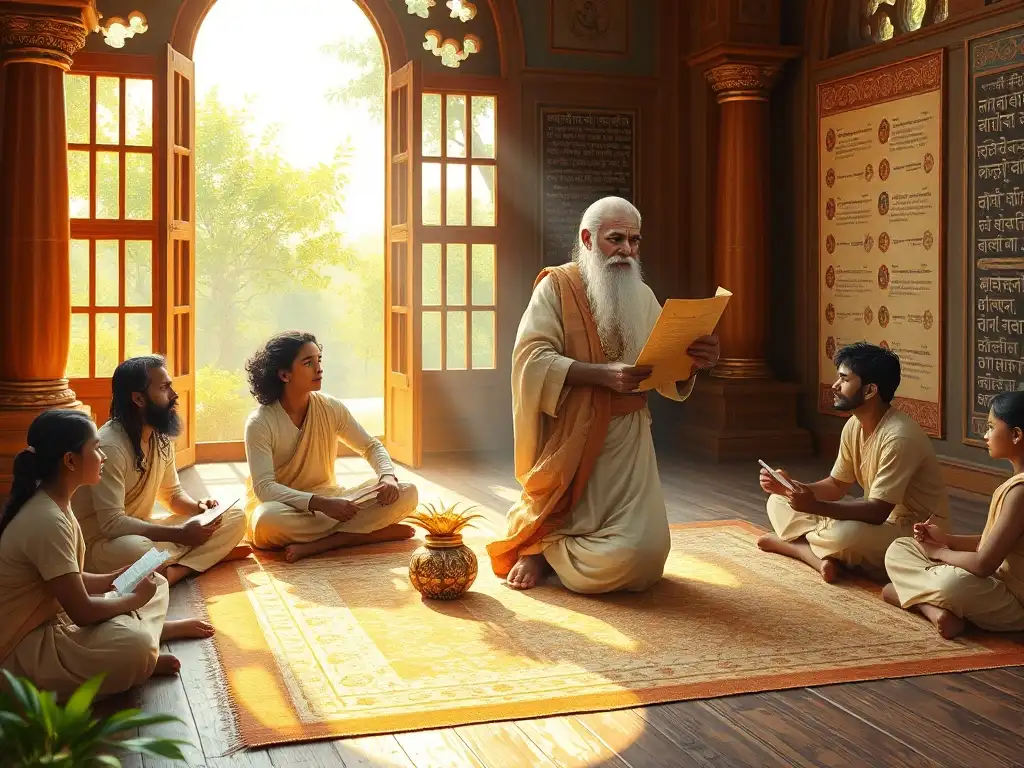
The enduring impact of ethics and morality in ancient Indian education is evident in the way these values continue to shape educational practices and philosophies today. The ancient Indian focus on the integration of ethics within the learning process has laid the groundwork for contemporary educational reforms that prioritize character development alongside academic achievement. This holistic approach serves as a reminder that education is not solely about intellectual advancement but also about nurturing the moral fabric of society.
As we look back on the teachings and practices of ancient Indian educators, it becomes clear that their insights into ethics and morality are vital in addressing today’s educational challenges. By emphasizing the importance of ethical decision-making and moral responsibility, modern education can cultivate leaders who are not only knowledgeable but also principled and compassionate.
Reflection on the Importance of Ethical Education Today
Reflecting on the importance of ethical education today reveals a pressing need to incorporate moral reasoning into educational systems. As society faces complex ethical dilemmas—ranging from environmental issues to social inequality—the role of education in fostering ethical awareness and responsibility is more critical than ever. Ancient Indian educational ethics provide a robust framework for addressing these challenges, encouraging students to think critically about their actions and their implications for the broader community.
Moreover, ethical education helps in developing emotional intelligence, which is essential for effective communication and interpersonal relationships. By instilling values such as empathy and respect, educators can prepare students to engage with diverse perspectives and work collaboratively towards common goals. Thus, the lessons from ancient Indian education ethics remain a vital component in shaping the moral landscape of future generations.
Future Directions for Research on Ancient Indian Education Ethics
Future research on ancient Indian education ethics should explore the diverse methodologies employed in ancient educational systems and their applicability in modern contexts. Investigating how these ethical principles can be effectively integrated into contemporary curricula, teacher training, and educational policies will be crucial. Additionally, comparative studies between ancient Indian educational ethics and other global ethical frameworks could yield valuable insights into universal values shared across cultures.
Another important area of focus could be the impact of technology on ethical education. As digital platforms become increasingly prominent in teaching and learning, understanding how to instill ethical values in virtual environments poses a significant challenge. Researchers should examine how ancient ethical teachings can inform the development of responsible digital citizenship among students.
By delving deeper into these areas, scholars can contribute to a richer understanding of the role of ethics in education, ensuring that the legacies of ancient Indian education ethics continue to inform and enhance the educational experiences of future generations.
- Understanding Ancient Indian Education Ethics
- The Role of Ethics in Ancient Indian Educational Practices
- Morality as a Core Component of Ancient Indian Curriculum
- Key Philosophical Schools Influencing Ethics in Education
- The Significance of Teacher-Student Relationships in Ancient Indian Education
- The Moral Imperatives of Knowledge Transmission
- Comparison of Ancient Indian Education Ethics with Other Civilizations
- The Legacy of Ancient Indian Education Ethics in Modern Context
- Relevance of Ancient Ethical Principles in Contemporary Education
- Modern Interpretations of Morality in Educational Frameworks
- Conclusion: The Enduring Impact of Ethics and Morality in Ancient Indian Education
- Reflection on the Importance of Ethical Education Today
- Future Directions for Research on Ancient Indian Education Ethics
Frequently Asked Questions
What role did ethics play in ancient Indian education?
Ethics were considered fundamental in ancient Indian education, guiding students in moral conduct and personal responsibility, which were essential for a virtuous life.
How were moral values integrated into the curriculum?
Moral values were integrated through scriptural teachings, stories, and discussions that emphasized the importance of dharma (duty) and ahimsa (non-violence).
What was the influence of gurus on education ethics?
Gurus played a crucial role in shaping education ethics by serving as mentors and role models, instilling values and guiding students through personal character development.
Did ancient Indian education emphasize community service?
Yes, ancient Indian education often included community service as a means to instill a sense of responsibility and compassion, reinforcing the idea of serving society as part of one's duty.
How did the Gupta Empire contribute to education ethics?
The Gupta Empire saw a flourishing of educational institutions that emphasized ethics and morality, fostering a culture of intellectual pursuit and societal well-being that influenced future generations.
Final Reflection: The Enduring Legacy of Ethics in Ancient Indian Education
The exploration of ancient Indian education ethics reveals a profound connection between moral principles and the pursuit of knowledge that remains relevant today. In a world increasingly driven by technological advancement and material success, the foundational teachings of ancient Indian education remind us that true wisdom is rooted in ethical understanding and moral integrity. As we navigate the complexities of modern life, we must recognize that the lessons from the past are not merely historical artifacts but vital guides for our contemporary existence.
The influence of ethics and morality in ancient Indian education continues to shape our cultural and social landscapes. These teachings foster a sense of responsibility, compassion, and interconnectedness that is essential in today's diverse society. The wisdom imparted through ancient texts and practices encourages us to reflect on our actions and their impact on others. As Mahatma Gandhi once said, The best way to find yourself is to lose yourself in the service of others.
This sentiment underscores the importance of integrating ethical considerations into our daily lives, reminding us that our choices resonate far beyond our individual experiences.
As we conclude this exploration, I invite you to reflect on how the principles of ethics and morality from ancient Indian education can be woven into your own life. Consider the ways in which you can embody these values in your interactions, decisions, and aspirations. Let the teachings of the past inspire you to cultivate a deeper understanding of your role in the world, fostering a commitment to ethical living that not only honors your heritage but also contributes to a more compassionate and just society.
Embrace the Wisdom of Ancient Ethics Today!
Thank you for exploring the profound significance of ethics and morality in ancient Indian education! Your interest in these timeless principles is a crucial step toward enriching your knowledge and fostering personal growth. Now, it’s time to take action and apply what you’ve learned.
Here are a few ways to deepen your journey:
- Reflect on your ethical values: Spend some time journaling about how ancient Indian moral teachings resonate with your life today. Consider the practices you can adopt to embody these principles.
- Share your insights: Engage in discussions with friends or family. Invite them to explore ancient philosophies alongside you, fostering a community of learning and growth.
- Explore further: Delve into additional resources on ancient Indian philosophy. Reading influential texts, such as the Bhagavad Gita, or joining a local discussion group can enhance your understanding.
What ethical lessons do you find most relevant in your life, and how do you plan to integrate them moving forward? We encourage you to share your thoughts below!