
The Mahabharata: A Cultural Lens Through Which to View Ancient India

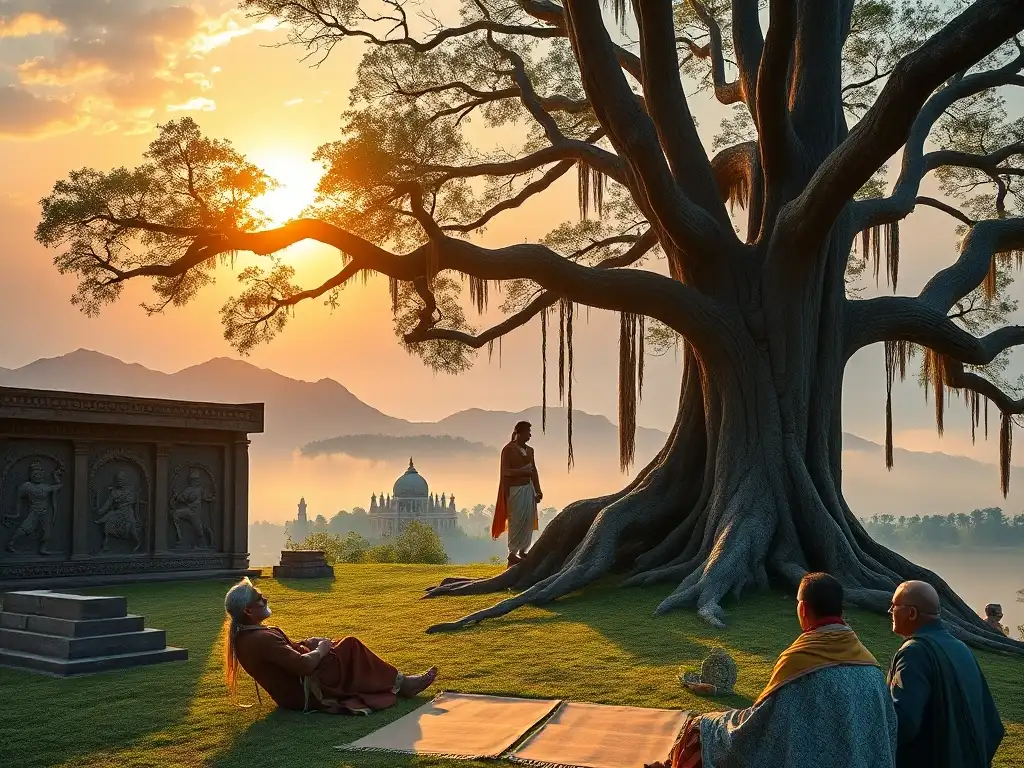
Welcome to Ancient India History, where we embark on an enthralling journey through the rich tapestry of India's past. Today, we delve into the profound influence of the Mahabharata on ancient India, exploring how this epic not only shaped the cultural landscape but also reflected the values and philosophies of its time. Prepare to uncover the layers of meaning within this monumental text and discover how it serves as a cultural lens through which we can better understand the complexities of ancient Indian civilization.
Join us as we unravel the stories, characters, and moral dilemmas that continue to resonate through the ages. Your adventure into the depths of history begins now!
The Mahabharata Influence on Ancient India
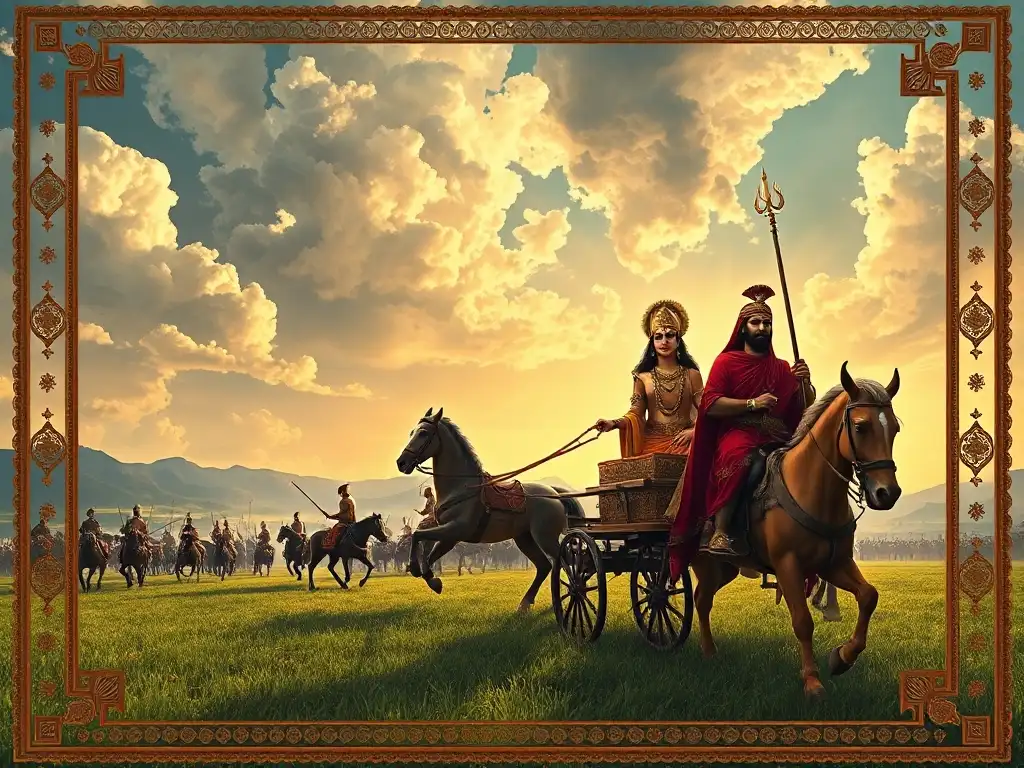
The Mahabharata, one of the two major Sanskrit epics of ancient India, serves as a profound cultural lens through which we can explore the rich tapestry of ancient Indian civilization. This epic, attributed to the sage Vyasa, not only narrates a tale of familial conflict and moral dilemmas but also encapsulates the philosophical, spiritual, and socio-political ethos of its time.
As we delve into the Mahabharata's influence on ancient India, we uncover how its narratives, characters, and teachings have shaped various aspects of life, culture, and thought throughout the ages. From the intricacies of dharma (duty) to the exploration of human emotions, the Mahabharata stands as a monumental work that illustrates the complexities of life and governance, providing invaluable insights into the ancient Indian psyche.
Introduction to the Mahabharata
Overview of the Epic
The Mahabharata, composed over several centuries, is a sprawling epic that encompasses more than 100,000 verses, making it the longest epic poem in the world. It is divided into 18 books, or "parvas," and weaves together a multitude of stories that revolve around the Kurukshetra War and the fates of the Kaurava and Pandava princes.
Central to this narrative is the Bhagavad Gita, a philosophical dialogue between Prince Arjuna and Lord Krishna, which addresses profound moral and ethical dilemmas faced by individuals. The epic is not merely a tale of war but a complex exploration of duty, righteousness, and the human condition.
Significance of the Mahabharata in Ancient Indian Culture
The Mahabharata's significance transcends mere storytelling; it serves as a critical cultural artifact that reflects and shapes the values, traditions, and beliefs of ancient Indian society. Its themes of justice, loyalty, and virtue resonate deeply within Indian culture, influencing literature, art, and religious practices.
The characters within the epic, such as the noble Yudhishthira and the tragic figure of Karna, have become archetypes that are referenced in various cultural contexts, embodying the moral complexities of life. Furthermore, the Mahabharata has played a pivotal role in the development of Indian philosophy and spirituality, providing a framework for discussions on ethics and morality.
Historical Context of the Mahabharata
The Era of the Mahabharata: Timeline and Background
The Mahabharata is believed to have been composed during a period that spans from around 400 BCE to 400 CE, a time marked by significant socio-political changes in ancient India. This era saw the rise of kingdoms and republics, the evolution of social structures, and the emergence of diverse philosophical schools of thought.
The events of the epic are thought to reflect the historical realities of this time, showcasing the struggles for power and the complexities of governance. The Kurukshetra War, central to the narrative, symbolizes the conflicts that were prevalent in society, as well as the moral and ethical dilemmas faced by leaders.
Key Historical Figures in the Mahabharata
Numerous historical figures are woven into the fabric of the Mahabharata, each contributing to the epic's rich narrative. Key figures include:
- Krishna: A central character who serves as a charioteer and guide to Arjuna, embodying divine wisdom and strategic acumen.
- Arjuna: The heroic prince whose internal conflict and moral struggles are pivotal to the epic's teachings.
- Draupadi: The strong and complex female figure whose plight highlights issues of gender and justice.
- Bhishma: The venerable elder whose commitment to duty and sacrifice offers deep insights into dharma.
These characters not only move the narrative forward but also provide reflections on leadership, ethics, and human behavior that remain relevant to contemporary discussions.
The Societal Structure of Ancient India Reflected in the Mahabharata
The societal structure depicted in the Mahabharata mirrors the complexities of ancient Indian life, encompassing the varna (class) system, familial ties, and the role of women. The epic presents a patriarchal society where power dynamics play a crucial role, yet it also challenges these norms through strong female characters and moral dilemmas. The interactions between characters reveal the nuances of loyalty, ethics, and social responsibilities, illustrating how these values were integral to the functioning of society. The Mahabharata thus serves as a critical historical document, providing insights into the cultural, social, and political fabric of ancient India.
Themes and Philosophical Insights of the Mahabharata
The Mahabharata is not just an epic tale of conflict and heroism; it is a profound exploration of various themes and philosophical insights that have shaped Indian thought and culture. At its core, the Mahabharata delves into the complexities of human nature, ethics, and the societal norms of ancient India. Each character embodies different moral dilemmas and virtues, allowing readers to engage with the text on a deeper philosophical level. Themes such as dharma, fate, morality, and the nature of justice resonate throughout the narrative, making it a rich source for understanding ancient Indian civilization.
One of the remarkable aspects of the Mahabharata is its ability to portray the multifaceted nature of life and the human experience. The epic does not shy away from presenting the ambiguities of right and wrong, thereby encouraging reflection on the moral fabric of society. The lessons drawn from the Mahabharata remain relevant even in contemporary discourse, influencing various aspects of Indian philosophy, literature, and cultural practices.
Dharma: The Concept of Righteousness
Dharma, often translated as righteousness or duty, is a central theme in the Mahabharata. The epic intricately weaves the idea of dharma into the lives of its characters, showcasing how adherence to duty can lead to both noble outcomes and tragic consequences. For instance, Arjuna's initial reluctance to fight in the Kurukshetra War stems from his moral conflict regarding his dharma as a warrior versus his love for his family members on the opposing side.
The Mahabharata elucidates that dharma is not a one-size-fits-all concept; it varies according to one's role in society, age, and circumstances. This nuanced portrayal of dharma prompts readers to consider the complexities of moral decisions in their lives. The epic also emphasizes that failing to fulfill one's dharma can lead to chaos and destruction, as demonstrated by the fallout of the Kurukshetra conflict.
The Role of Fate and Free Will in the Mahabharata
The interplay between fate and free will is another significant philosophical insight in the Mahabharata. Throughout the narrative, characters often grapple with their fates, leading to profound questions about predestination and human agency. While certain events appear predetermined—such as the prophecy regarding the downfall of the Kauravas—individual choices ultimately shape the course of the story.
This duality highlights the tension between adhering to one's destiny and exercising free will, creating a rich canvas for exploring human behavior. The epic suggests that while fate sets the stage for events, it is the choices made by individuals that determine their paths. This philosophical inquiry into fate and free will has influenced various schools of Indian thought, deepening the understanding of human existence.
The Influence of the Mahabharata on Indian Philosophy
The Mahabharata's profound philosophical insights have significantly influenced Indian philosophy, particularly in the realms of ethics, morality, and governance. The epic serves as a foundational text for numerous philosophical discussions, including the nature of good and evil, the concept of justice, and the importance of duty.
Scholars and philosophers have drawn from the Mahabharata to formulate theories about the ideal ruler, as depicted in the character of Yudhishthira, who embodies truth and righteousness. Additionally, the text's exploration of conflicting duties and the dilemmas faced by its characters has inspired ethical frameworks that continue to inform contemporary Indian philosophy.
The Mahabharata's Influence on Art and Literature
The Mahabharata's impact extends beyond philosophy to the realms of art and literature, where its themes and narratives have inspired countless creative expressions. From visual arts to performing arts, the epic has left an indelible mark on various artistic traditions throughout Indian history. Its rich storytelling and complex characters provide fertile ground for artistic interpretation and representation.
As a cultural touchstone, the Mahabharata has been adapted and transformed across different mediums, allowing for a diverse range of artistic expressions. This adaptability has ensured that the epic remains relevant and continues to resonate with audiences, both in historical contexts and in modern interpretations.
Artistic Representations of the Mahabharata
Artistic representations of the Mahabharata span several forms, including painting, sculpture, and textiles. Traditional Indian art forms, such as Pahari paintings and miniature art, often depict key scenes and characters from the epic, capturing the essence of its narrative and emotional depth. Each artwork reflects the cultural and regional interpretations of the Mahabharata, showcasing the diversity of artistic expression influenced by the epic.
In addition to traditional art, contemporary artists have also drawn inspiration from the Mahabharata, reinterpreting its themes and characters through modern lenses. This ongoing dialogue between the epic and the visual arts demonstrates the timeless relevance of the Mahabharata, allowing it to evolve while remaining rooted in its historical context.
Literary Adaptations and Transformations of the Mahabharata
The Mahabharata has inspired numerous literary adaptations and transformations across languages and cultures. Since its inception, the epic has been retold in various forms, including prose, poetry, and dramatic adaptations. Notable adaptations include the works of renowned authors such as R.K. Narayan and C. Rajagopalachari, who have reimagined the epic for modern audiences.
These adaptations often emphasize different aspects of the Mahabharata, whether focusing on specific characters, events, or moral lessons. Such literary reimaginings not only preserve the core themes of the original text but also offer fresh perspectives that resonate with contemporary readers, ensuring the Mahabharata’s continued legacy in literature.
The Mahabharata in Performance Arts: Dance and Drama
The Mahabharata has also played a significant role in performance arts, particularly in the realms of dance and drama. Traditional forms of Indian dance, such as Kathakali and Bharatanatyam, often incorporate narratives from the Mahabharata, allowing performers to bring its characters and stories to life through movement and expression. These performances serve as both a celebration of the epic and a means of preserving its cultural significance.
In theatrical productions, the Mahabharata has been adapted for stage performances, exploring its themes through dialogue and acting. These adaptations vary in style and interpretation, ranging from traditional renditions to experimental interpretations that challenge conventional narratives. The integration of the Mahabharata into performance arts enriches the cultural landscape of India, highlighting its enduring influence on various artistic forms.
The Mahabharata and Its Impact on Religion
The Mahabharata, one of the longest epics in the world, serves as a critical cultural and religious text that has profoundly influenced various aspects of Hinduism and Indian spirituality. Its narratives not only depict the complexities of dharma (duty/righteousness) but also provide moral and ethical frameworks that have been integral to Hindu beliefs and practices for centuries. The epic's rich tapestry intertwines with the spiritual and philosophical discourses of ancient India, offering insights that continue to resonate in modern times.
The Mahabharata's Role in Shaping Hindu Beliefs
The Mahabharata's impact on Hindu beliefs can be seen through its exploration of fundamental concepts such as karma, dharma, and moksha (liberation). The characters within the epic, especially figures like Yudhishthira, Arjuna, and Krishna, embody various aspects of these beliefs, guiding readers toward understanding the importance of righteousness and moral conduct in life.
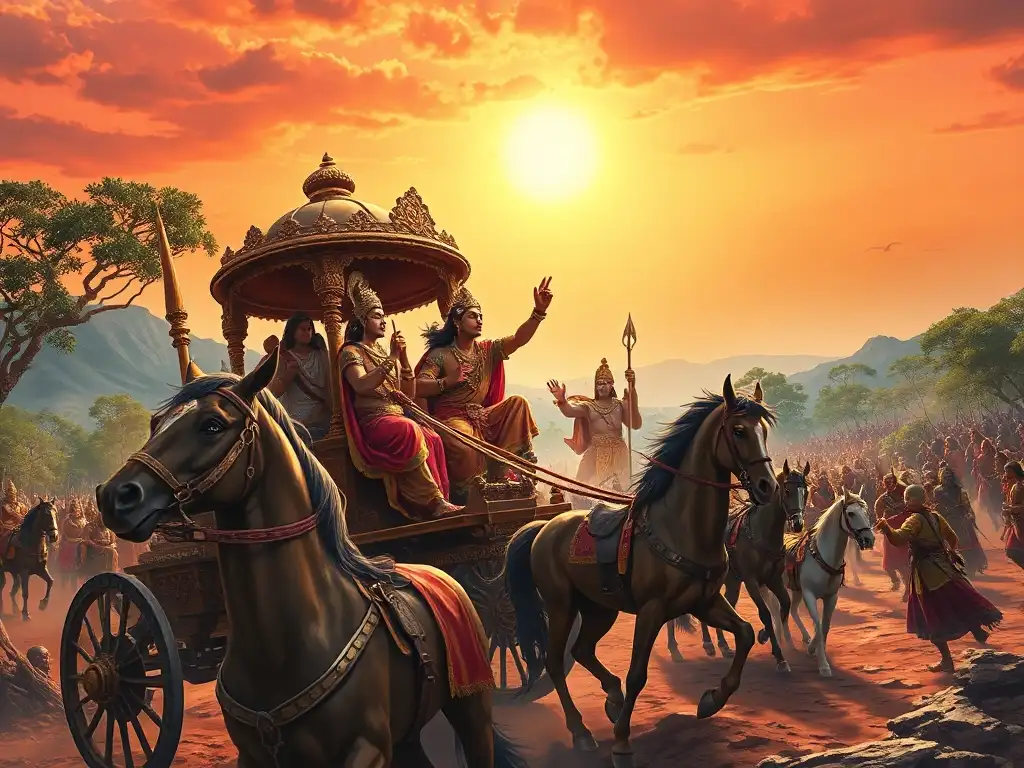
For instance, the Bhagavad Gita, a 700-verse section of the Mahabharata, specifically addresses the dilemmas of duty faced by Arjuna on the battlefield. Krishna's teachings emphasize the importance of performing one's duty without attachment to the results, a principle that has become foundational in Hindu philosophy. The epic's narratives serve as a moral compass, influencing generations' views on ethics and spirituality.
The Epic's Influence on Rituals and Worship Practices
The Mahabharata has also significantly shaped rituals and worship practices in Hinduism. Its stories and characters are often invoked in various religious ceremonies, festivals, and rites of passage. The epic provides a wealth of mythological references that influence the way deities are worshipped, particularly through the veneration of figures like Krishna and Draupadi.
Rituals such as the Puja (worship) often incorporate elements from the Mahabharata, with devotees reciting verses and engaging in storytelling to connect with the divine. Festivals like Holi and Diwali are also infused with narratives from the epic, demonstrating its enduring relevance in the cultural and religious fabric of India.
Comparative Analysis: The Mahabharata and Other Religious Texts
When compared to other religious texts, the Mahabharata stands out for its narrative complexity and philosophical depth. Unlike the rigid structures often found in sacred texts like the Vedas or the Upanishads, the Mahabharata encompasses a broad spectrum of genres, including mythology, philosophy, and moral discourse.
For example, while the Bible provides a linear narrative of divine intervention and salvation, the Mahabharata presents a multifaceted view of human experience, emphasizing the struggle between good and evil within the context of human choice. This comparative analysis highlights the Mahabharata's unique contribution to the understanding of morality and ethics in a religious framework.
Modern Interpretations and Relevance of the Mahabharata
As society evolves, so too do interpretations of the Mahabharata. Its themes of conflict, morality, and human relationships remain relevant in contemporary discussions about ethics and governance. Modern adaptations of the epic serve to bridge the gap between ancient wisdom and present-day issues, making its lessons accessible to new generations.
Contemporary Adaptations of the Mahabharata
In recent decades, the Mahabharata has seen numerous adaptations across various media, including literature, theatre, and digital platforms. Authors have reimagined the epic through novels such as "The Palace of Illusions" by Chitra Banerjee Divakaruni, which presents the story from Draupadi's perspective, offering a fresh and feminist interpretation of the narrative.
Additionally, graphic novels and animated series have emerged, making the epic's complex themes more approachable for younger audiences. These adaptations not only preserve the essence of the Mahabharata but also invite critical discourse on its themes, encouraging readers to engage with its moral quandaries in modern contexts.
The Mahabharata in Popular Culture: Films and Television
The Mahabharata has had a significant impact on popular culture, particularly in Indian cinema and television. Iconic adaptations, such as the 1988 television series directed by B.R. Chopra, have left an indelible mark on the cultural landscape, captivating audiences with its portrayal of epic battles and moral dilemmas.
Films such as "Mahabharat" and various animated adaptations continue to explore its narratives, expanding its reach beyond traditional audiences. The epic's portrayal of heroism, sacrifice, and the complexities of human relationships resonates universally, making it a rich source for storytelling across diverse platforms.
Lessons from the Mahabharata for Today's Society
The Mahabharata offers profound lessons that are applicable to contemporary society. Its exploration of ethical dilemmas, the importance of justice, and the consequences of war serves as a reflection on modern-day conflicts and moral challenges.
In an age where questions of duty, loyalty, and righteousness are increasingly relevant, the teachings of the Mahabharata encourage individuals to reflect on their own roles in society. The epic's emphasis on dialogue, understanding, and the pursuit of justice serves as a guiding principle for navigating the complexities of modern life, reminding us that the struggles of the past resonate in our present and future.
Conclusion
The Mahabharata stands as one of the most significant literary and cultural foundations of ancient India, offering insight into the moral, philosophical, and social fabric of its time. Its vast narrative encompasses a multitude of themes, including duty (dharma), justice, and the complexities of human relationships. By examining the Mahabharata, one can gain a deeper understanding of how ancient Indian societies viewed life, ethics, and governance, ultimately shaping the cultural and spiritual landscape that endures to this day.
Summary of the Mahabharata's Enduring Influence on Ancient India
The influence of the Mahabharata on ancient India is profound and multifaceted. This epic not only served as a literary masterpiece but also functioned as a moral compass for generations. Its teachings have permeated various aspects of Indian culture, including:
- Religious Practices: The Mahabharata integrates numerous philosophical ideas that form the basis of Hindu thought, particularly concepts of karma and dharma. These principles continue to influence religious practices and beliefs in modern India.
- Art and Literature: The stories and characters from the Mahabharata have inspired countless works of art, literature, and performance throughout history. From classical dance forms to contemporary adaptations in film and theater, the epic remains a source of creative expression.
- Social Structure: The narrative reflects and critiques the social dynamics of ancient Indian society, providing insights into the roles and responsibilities of individuals within the community. This has left a lasting impact on social norms and values.
- Political Philosophy: The epic discusses governance, justice, and the responsibilities of rulers, which have influenced political thought and leadership ideals in ancient and modern contexts.
Final Thoughts on the Legacy of the Mahabharata
The Mahabharata's legacy extends beyond its historical context, resonating with contemporary issues and challenges. Its exploration of ethical dilemmas, the nature of conflict, and the quest for truth serves as a mirror to the complexities of human existence. As scholars and enthusiasts continue to study this epic, its relevance is reaffirmed in discussions of morality, leadership, and social justice.
The Mahabharata is not merely an ancient text; it is a living document that continues to shape the cultural and spiritual narrative of India. Its enduring influence on ancient India reflects the timeless nature of its themes and the profound wisdom that it imparts, making it an essential part of India’s historical and cultural identity. Through the lens of the Mahabharata, we can better appreciate the rich tapestry of ancient Indian civilization and its contributions to the world.
Frequently Asked Questions
What is the Mahabharata and its significance in ancient India?
The Mahabharata is an ancient Indian epic that narrates the Kurukshetra War and the fate of the Kaurava and Pandava princes. It holds significant cultural, moral, and philosophical importance, influencing art, literature, and spirituality in ancient India.
How did the Mahabharata influence Indian culture?
The Mahabharata's influence extends to various aspects of Indian culture, including festivals, rituals, and performing arts. Its themes of dharma (duty) and morality continue to resonate in contemporary Indian society.
What are the key themes explored in the Mahabharata?
Prominent themes in the Mahabharata include war, justice, loyalty, and the complexities of human relationships. These themes are crucial for understanding the moral dilemmas faced by individuals in ancient Indian society.
How does the Mahabharata reflect ancient Indian values?
The Mahabharata encapsulates the values of ancient India, such as dharma, karma, and the importance of family and duty. It serves as a cultural guide, teaching lessons that are still relevant today.
In what ways does the Mahabharata contribute to literature and philosophy?
The Mahabharata is not just a narrative; it is a philosophical text that discusses ethics, governance, and human nature. Its impact on Indian literature is profound, inspiring countless adaptations and interpretations throughout history.
Final Reflection: The Enduring Influence of the Mahabharata on Ancient India
The Mahabharata remains a profound cultural touchstone that continues to shape our understanding of ancient India. Its intricate narratives and moral dilemmas resonate with contemporary society, reminding us that the struggles of humanity are timeless. The epic not only serves as a historical account but also as a mirror reflecting the complexities of human nature, ethics, and the quest for justice. In a world increasingly divided, the Mahabharata's lessons on duty, righteousness, and the consequences of our choices are more relevant than ever.
Culturally and socially, the Mahabharata has left an indelible mark on Indian society and beyond. Its themes of conflict, loyalty, and the quest for truth have inspired countless adaptations in literature, theater, and film, fostering a rich dialogue about morality and human relationships. As we navigate the challenges of our modern lives, the wisdom embedded in this ancient text continues to guide us. The Mahabharata is not just a story; it is a reflection of our own lives, our own struggles, and our own choices.
As you reflect on the lessons of the Mahabharata, consider how its teachings can inform your own life and decisions. Embrace the complexity of your own narratives, recognizing that every choice carries weight and every action has consequences. Let the epic inspire you to seek truth, foster compassion, and engage in the ongoing dialogue of humanity. In doing so, you not only honor the legacy of the Mahabharata but also contribute to a more thoughtful and connected world.
Unveil the Wisdom of the Mahabharata Today!
Thank you for diving into the depths of the Mahabharata and exploring its rich cultural significance. You've gained valuable insights that connect us to ancient Indian wisdom and the human experience. Now, it's time to take your newfound knowledge further!
- Start a discussion: Share your thoughts on social media about how the themes of the Mahabharata resonate in today's world. Use the hashtag #MahabharataWisdom to connect with a community of like-minded explorers!
- Read further: Explore other ancient texts that have shaped cultures globally and broaden your understanding of their societal impact.
- Get creative: Craft a piece of art or write a short story inspired by your favorite character or theme from the Mahabharata—express your interpretation in a unique way.
How do you see the lessons from the Mahabharata influencing modern life? **We invite you to share your insights in the comments below! **