
The Mahabharata: A Study of Loyalty, Betrayal, and Redemption

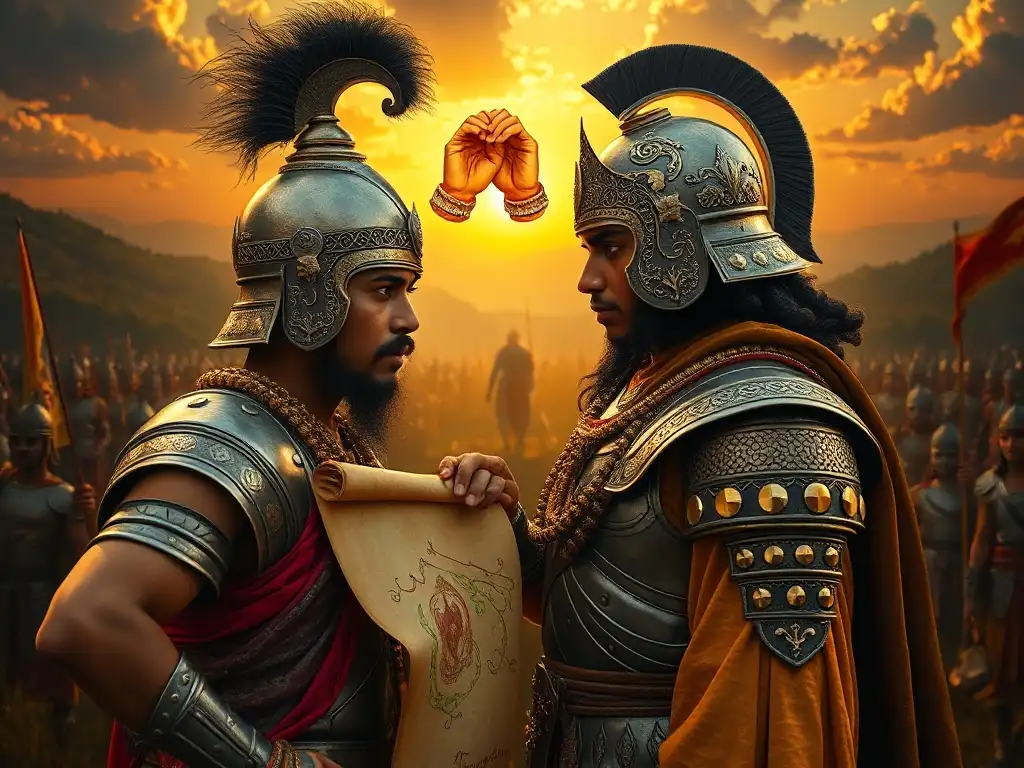
Welcome to Ancient India History, where we invite you to embark on a fascinating journey through the rich tapestry of India's ancient civilizations. In our featured article, “The Mahabharata: A Study of Loyalty, Betrayal, and Redemption,” we delve deep into the intricate themes of loyalty that define this monumental epic. Discover how the struggles and triumphs of its characters reflect timeless human values and the complexities of allegiance.
As you explore, prepare to unlock the profound lessons woven into the fabric of this legendary tale—lessons that resonate through the ages and continue to inspire. Join us as we unravel the layers of meaning behind the Mahabharata's unforgettable narratives and their impact on culture and society.
- Introduction to the Mahabharata
- Exploring the Themes of Loyalty in the Mahabharata
- The Theme of Betrayal in the Mahabharata
- Redemption: A Central Theme in the Mahabharata
- The Interplay of Loyalty, Betrayal, and Redemption
- Conclusion: The Enduring Relevance of Mahabharata Themes
- Further Reading on Mahabharata Themes
- Frequently Asked Questions
- Final Reflection: The Enduring Legacy of Loyalty in the Mahabharata
- Unveil the Lessons of the Mahabharata Today!
Introduction to the Mahabharata
The Mahabharata, one of the longest epic poems in the world, holds a preeminent place in Indian literature and culture. This ancient text not only narrates the grand tale of the Kurukshetra War and the fateful lives of the Pandavas and Kauravas but also serves as a profound exploration of complex themes such as loyalty, betrayal, and redemption.
These themes resonate deeply within the human experience, making the Mahabharata not just a story of ancient warriors, but a timeless reflection on moral dilemmas and ethical choices faced by individuals and societies alike. Understanding these themes is crucial for appreciating the depth and richness of the epic, which has influenced countless generations and remains relevant in modern discourse.
Overview of the Mahabharata Epic
The Mahabharata, attributed to the sage Vyasa, is a monumental work that encompasses over 100,000 shlokas (verses), divided into 18 parvas (books). It tells the story of the dynastic struggle between the Kauravas and the Pandavas, two factions of the same royal family, culminating in a devastating war. The narrative is interwoven with numerous subplots, philosophical discourses, and teachings that address the complexities of dharma (righteousness).
Key elements of the Mahabharata include:
- Characters: The epic features a vast array of characters, each embodying various virtues and flaws, from the noble Yudhishthira to the cunning Duryodhana.
- Plot Structure: The narrative is intricate, with flashbacks and parallel storylines that enrich the main plot, offering insights into the characters' motivations and the historical context.
- Philosophical Teachings: Concepts such as karma, duty, and the nature of reality are explored through dialogues, especially in the Bhagavad Gita, a part of the Mahabharata that stands as a philosophical treatise in its own right.
Importance of Themes in Epic Literature
Themes in epic literature serve as the backbone of the narrative, providing depth and meaning to the story. In the context of the Mahabharata, the themes of loyalty, betrayal, and redemption are not merely plot devices but are essential for understanding the moral framework within which the characters operate.
- Loyalty: Loyalty is a recurring theme that manifests in various forms, such as familial loyalty, loyalty to friends, and loyalty to one's principles. The decisions made by characters like Arjuna and Karna highlight the complexities and consequences of loyalty in times of conflict.
- Betrayal: Betrayal is another significant theme that drives the narrative forward. Instances of betrayal, such as the deceitful game of dice and the subsequent fallout, illustrate the fragile nature of trust and the devastating effects it can have on relationships and society.
- Redemption: The theme of redemption is woven throughout the epic, as characters seek to atone for their mistakes and find forgiveness. This quest for redemption adds a layer of humanity to the story, reminding readers that the path to righteousness is fraught with challenges.
In sum, the Mahabharata is not just a tale of war; it is a rich tapestry of human emotions and ethical dilemmas, where themes of loyalty, betrayal, and redemption play a pivotal role in shaping the narrative and its characters. Understanding these themes is essential for a deeper appreciation of this epic and its relevance to contemporary life.
Exploring the Themes of Loyalty in the Mahabharata
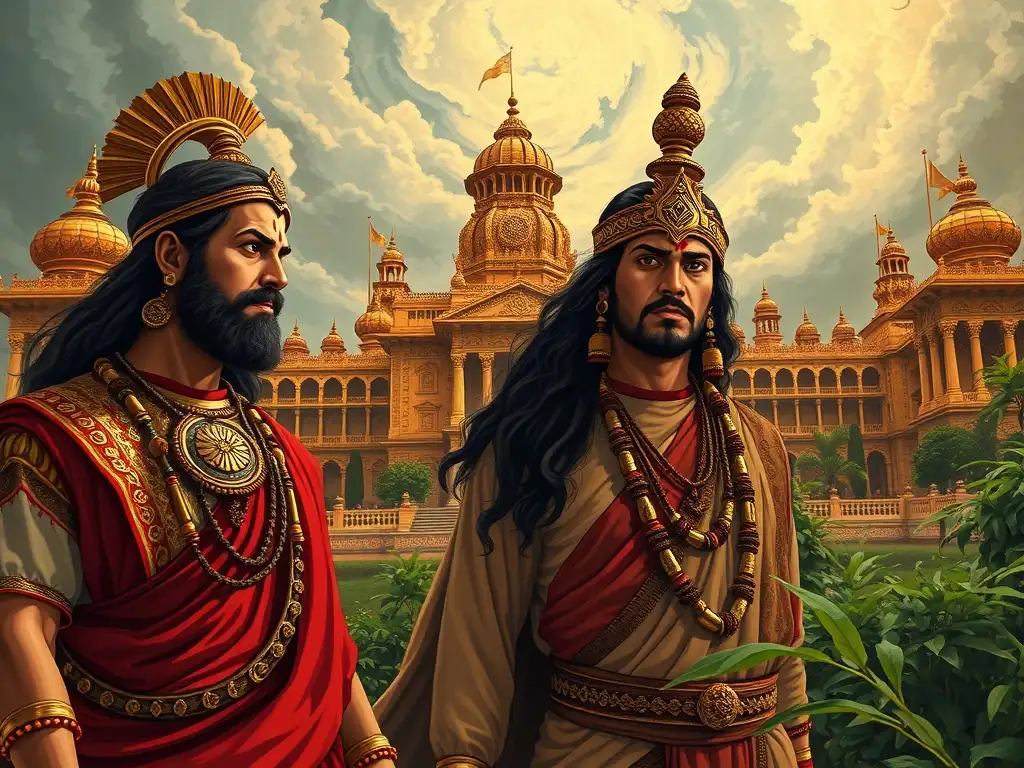
Definition and Significance of Loyalty in Ancient Indian Culture
Loyalty, or "bhakti," holds a profound place in ancient Indian culture, particularly within the context of epic narratives like the Mahabharata. It is not merely an emotion but a moral imperative that shapes relationships and societal structures. In the Mahabharata, loyalty is intricately linked to concepts of duty (dharma) and righteousness, illustrating how these principles govern human interactions.
The significance of loyalty in this epic can be observed through various relationships, including those between brothers, friends, and rulers. It acts as a binding force that can lead to both noble acts and tragic outcomes. Characters often find themselves at a crossroads where loyalty to family, duty, or personal ethics must be weighed against each other, leading to complex moral dilemmas. This exploration of loyalty reflects the broader ancient Indian ethos, where personal loyalty is often intertwined with societal expectations and cosmic order.
Key Characters Representing Loyalty
The Mahabharata features a plethora of characters who embody the theme of loyalty in diverse ways. Through their actions and dilemmas, the narrative delves into the complexities and consequences of loyalty, highlighting its multifaceted nature.
Yudhishthira: The Embodiment of Loyalty
Yudhishthira, the eldest of the Pandavas, is often regarded as the epitome of loyalty in the Mahabharata. His unwavering commitment to dharma is a defining characteristic that influences his decisions throughout the epic. Yudhishthira's loyalty manifests in several pivotal moments:
- To His Brothers: Yudhishthira consistently prioritizes the well-being of his brothers over personal gain. His decision to gamble away their kingdom is a testament to his loyalty, albeit leading to tragic consequences.
- To Dharma: He often struggles with the tension between loyalty to his family and adherence to dharma. For instance, during the game of dice, his loyalty to his elder brother and the Kauravas blinds him to the moral implications of his actions.
- In Exile: Yudhishthira's loyalty is evident during the Pandavas' exile, where he remains steadfast in his commitment to reclaiming their rightful place, showcasing his resilience and sense of duty.
Ultimately, Yudhishthira's journey illustrates that loyalty, while noble, can lead individuals into moral quandaries that test the very fabric of their ethics.
Dharmaraja: Navigating Duty and Loyalty
Dharmaraja, a title often associated with Yudhishthira, signifies the duality of duty and loyalty. In the Mahabharata, Dharmaraja faces numerous challenges that force him to navigate the delicate balance between these two concepts:
- Loyalty to Kingdom: As a ruler, Dharmaraja must ensure the welfare of his subjects, which can sometimes conflict with personal loyalties to family members who may act against the state.
- Moral Conflicts: The character grapples with loyalty to his father, Dharma, and the expectations placed upon him as a king. This internal conflict is vividly depicted during the war, where he must make choices that may favor loyalty to his family or the greater good.
- The Final Test: In the aftermath of the Kurukshetra War, Dharmaraja's loyalty is further tested as he reflects on the consequences of his actions. His commitment to rectify the wrongs, despite the losses incurred, showcases his integrity and sense of duty.
Through Dharmaraja, the Mahabharata poignantly illustrates how loyalty can be both a guiding principle and a source of inner turmoil, reinforcing the epic's exploration of human relationships against a backdrop of moral complexity.
The Theme of Betrayal in the Mahabharata
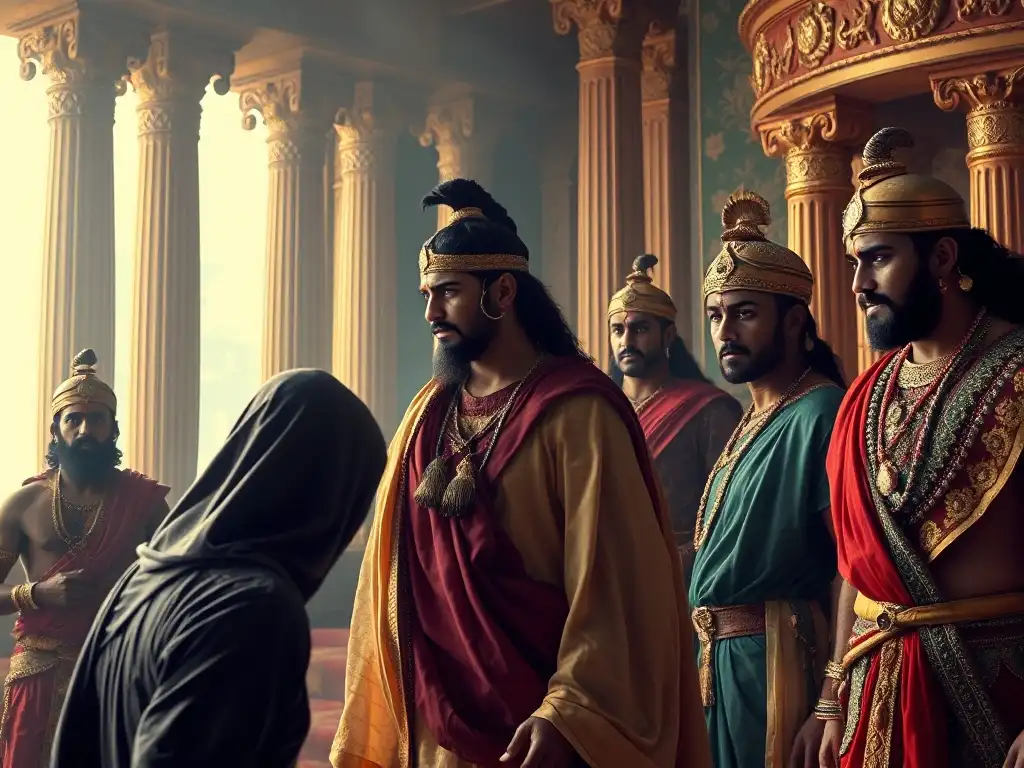
Betrayal is a central theme in the Mahabharata, intricately woven into the fabric of its narrative. This epic not only illustrates the consequences of betrayal but also explores the motivations and psychological complexities behind such actions. The theme of betrayal serves as a catalyst for the unfolding drama, influencing the destinies of characters and the course of the epic itself.
Understanding Betrayal in the Context of the Epic
In the Mahabharata, betrayal is not merely an act of treachery; it is often depicted as a complex interplay of loyalty, ambition, and moral dilemmas. Characters are frequently faced with choices that pit their obligations to family against their personal desires or ambitions. This duality enhances the emotional depth of the narrative and invites readers to reflect on the nature of loyalty.
The implications of betrayal extend beyond individual relationships; they resonate throughout the social and cosmic order. When a character betrays another, it often results in chaos, leading to larger conflicts that reflect the struggle between dharma (righteousness) and adharma (unrighteousness). This theme raises questions about the nature of justice and the consequences of moral failures, making it a profound aspect of the Mahabharata’s philosophical exploration.
Major Betrayals and Their Impact
The Mahabharata features several pivotal betrayals that significantly impact the storyline and the destinies of its characters. Among these betrayals, two stand out due to their far-reaching consequences: Duryodhana’s betrayal of the Pandavas and the infamous game of dice.
Duryodhana’s Betrayal of the Pandavas
Duryodhana's betrayal is rooted in jealousy and ambition. As the eldest son of Dhritarashtra, he perceives the Pandavas as threats to his claim to the throne of Hastinapura. This rivalry culminates in his decision to deny the Pandavas their rightful share of the kingdom. Duryodhana’s actions set into motion a series of events that ultimately lead to the Kurukshetra War.
His betrayal is not just a personal vendetta; it symbolizes the broader conflict between good and evil. Duryodhana, despite being aware of the moral implications of his actions, chooses to follow the path of deceit, showcasing how personal ambitions can overshadow ethical considerations. This betrayal serves as a critical lens through which the themes of loyalty and righteousness are examined, revealing the tragic consequences of unchecked ambition.
The Game of Dice: A Turning Point
The game of dice is one of the most significant betrayals in the Mahabharata, acting as a turning point in the narrative. In a calculated move to defeat the Pandavas, Duryodhana, along with his uncle Shakuni, invites them to a game that is rigged in their favor. The stakes are incredibly high, leading to the Pandavas losing everything, including their kingdom, wealth, and even their wife, Draupadi.
This betrayal highlights the duplicitous nature of Duryodhana and the lengths to which he will go to secure his position. The consequences are catastrophic, igniting the flames of war and leading to the eventual destruction of many noble families. The game of dice embodies the themes of betrayal, ambition, and the fragility of loyalty, showcasing how a single act can alter the course of fate for entire civilizations.
The theme of betrayal in the Mahabharata is multifaceted, intertwining personal relationships with broader moral and ethical questions. The betrayals committed by characters like Duryodhana not only drive the plot but also serve as critical reflections on the nature of loyalty and the repercussions of moral transgressions. Through its exploration of these themes, the Mahabharata continues to resonate with readers, inviting them to contemplate the complexities of human relationships and the eternal struggle between loyalty and betrayal.
Redemption: A Central Theme in the Mahabharata
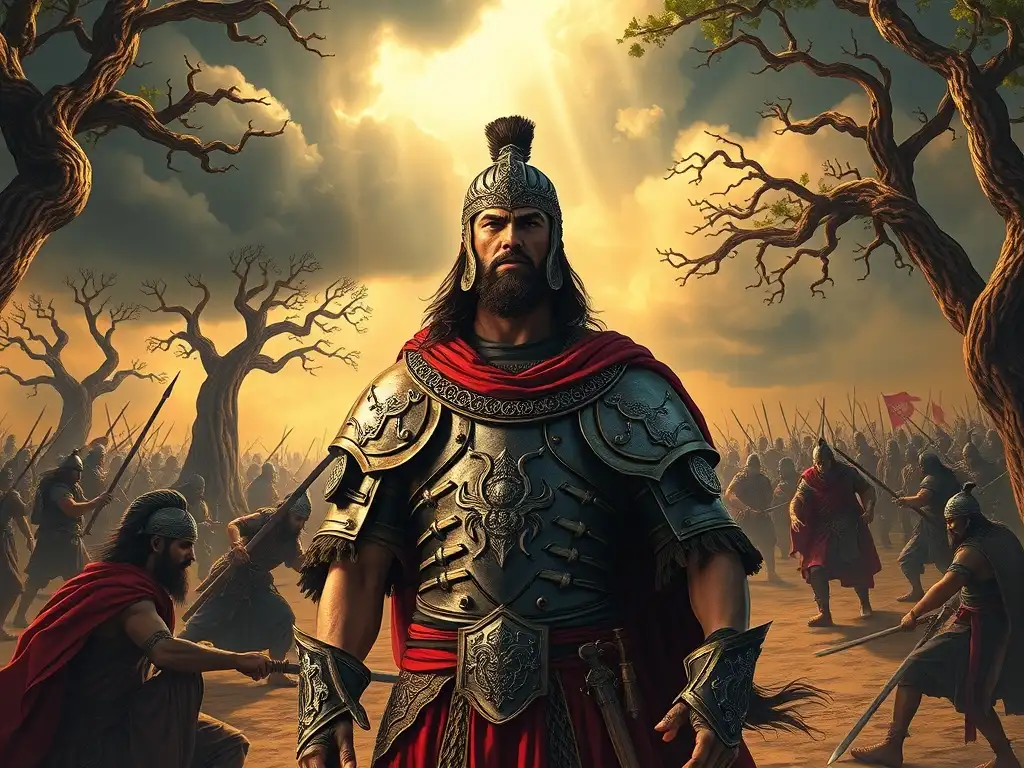
The Mahabharata, one of the greatest epics of ancient India, intricately weaves themes of loyalty, betrayal, and redemption into its narrative. Among these, redemption stands out as a central theme that resonates profoundly with the characters and the moral dilemmas they face. In the context of the Mahabharata, redemption is not merely a personal quest but also reflects the broader social and ethical dimensions of the epic. The characters' journeys toward redemption illustrate the complexity of human emotions and the possibility of transformation, even in the face of monumental challenges.
Concepts of Redemption in Ancient Texts
Redemption in the Mahabharata can be understood through various philosophical and theological lenses. The concept often aligns with the idea of Dharma (moral duty), where characters strive to rectify their past mistakes and restore balance in their lives.
- Moral Rebirth: Redemption is portrayed as a pathway to moral rebirth, emphasizing the importance of atonement and self-reflection. Characters are often faced with the consequences of their actions, compelling them to seek forgiveness and make amends.
- Spiritual Redemption: The epic also delves into the spiritual aspect of redemption, where characters like Yudhishthira and Bhishma explore deeper truths about life, duty, and the soul’s journey. Their realizations lead to a form of spiritual redemption that transcends earthly concerns.
- Community and Redemption: The Mahabharata highlights the interconnectedness of individual redemption and communal harmony. The characters’ attempts to seek forgiveness and restore relationships underline the epic's moral fabric, suggesting that personal redemption contributes to societal well-being.
Paths to Redemption for Key Characters
The Mahabharata features several characters whose paths to redemption are marked by their struggles with loyalty and betrayal. Their stories serve as poignant reminders of the complexities of human nature and the quest for forgiveness.
Karna: The Tragic Hero’s Quest for Redemption
Karna, one of the most compelling figures in the Mahabharata, embodies the tragic hero archetype. His life is a testament to the themes of loyalty and betrayal, and his quest for redemption is fraught with internal and external conflicts.
- Loyalty to Duryodhana: Despite knowing the ethical implications of the Kauravas' actions, Karna remains fiercely loyal to Duryodhana. This loyalty, while admirable, ultimately leads him into a moral quagmire. His unwavering allegiance becomes a source of inner turmoil, pushing him to seek redemption for his choices.
- Search for Identity: Karna's journey is also about self-discovery. Learning about his true lineage as the son of Kunti, he grapples with feelings of abandonment and betrayal. This revelation ignites a desire to redeem himself not only in the eyes of his mother but also in the eyes of society.
- Final Acts of Redemption: In the climactic battle, Karna's decisions reflect his struggle for redemption. His choice to give away his divine armor and earrings as charity symbolizes his longing for forgiveness and acceptance, showcasing the theme of self-sacrifice.
Ashwatthama: The Consequences of Betrayal and the Search for Forgiveness
Ashwatthama's narrative arc presents a complex exploration of betrayal and the quest for redemption. As the son of Drona, he is deeply entwined in the conflicts of the Mahabharata.
- Vengeful Actions: Ashwatthama's actions, particularly the massacre of the Pandava sons, stem from his profound sense of betrayal and desire for revenge. This act, rooted in despair, leads him down a dark path, resulting in immense guilt and a craving for redemption.
- The Burden of Guilt: Following the war, Ashwatthama is haunted by the consequences of his actions. His journey illustrates the heavy burden of guilt and the realization that vengeance does not lead to redemption. Instead, it perpetuates a cycle of suffering.
- Quest for Forgiveness: In the aftermath of his vengeful actions, Ashwatthama seeks forgiveness, not only from the Pandavas but also from himself. His story raises poignant questions about healing and the possibility of redemption even after grave sins, making it a powerful exploration of the human condition.
The Mahabharata’s exploration of redemption provides profound insights into the complexities of loyalty and betrayal, revealing the timeless nature of these themes in human experience. Through the journeys of characters like Karna and Ashwatthama, the epic underscores the potential for transformation and the enduring hope for forgiveness and redemption.
The Interplay of Loyalty, Betrayal, and Redemption
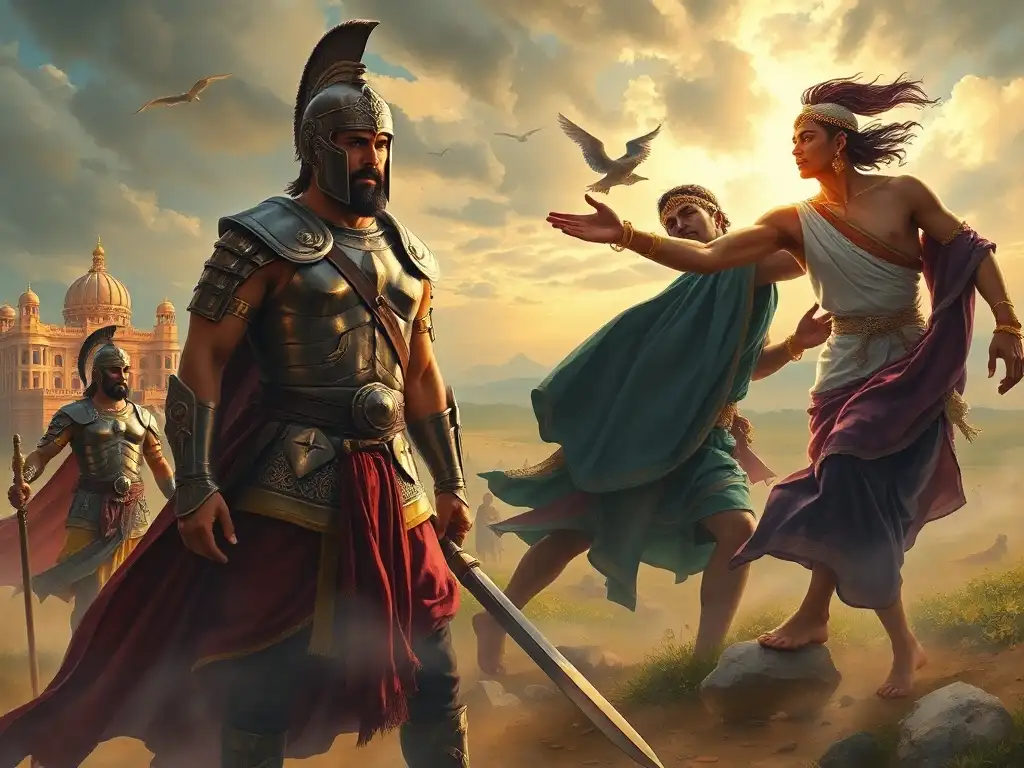
The Mahabharata, one of the oldest and most revered epics in Indian literature, intricately weaves themes of loyalty, betrayal, and redemption throughout its expansive narrative. These themes not only drive the plot but also shape the destinies of its characters, offering profound insights into human relationships and moral dilemmas. At the heart of the epic lies the conflict between the Pandavas and the Kauravas, a rivalry that encapsulates the essence of loyalty and betrayal.
How These Themes Interconnect in the Narrative
The Mahabharata presents a complex tapestry where loyalty is often tested by betrayal, leading to moments of redemption. For instance, the character of Yudhishthira, the eldest Pandava, epitomizes loyalty. His unwavering commitment to truth often puts him at odds with practicality, especially during the infamous game of dice where he loses everything. This act of loyalty to his principles ultimately leads to betrayal—not only of his kingdom but also of his brothers and wife, Draupadi.
Conversely, Draupadi embodies the struggles of loyalty amidst betrayal. Her loyalty to her husbands is challenged when she is humiliated in the Kaurava court. This pivotal moment sparks a quest for redemption that propels the narrative forward, leading to the great war of Kurukshetra. The interplay of these themes illustrates that loyalty can be a double-edged sword, where adherence to duty and ethics may lead to personal and collective downfall.
The notion of redemption is also prevalent through the character of Ashwatthama, who, despite being a fierce warrior, ultimately seeks redemption after committing heinous acts during the war. His journey reflects how betrayal can lead to a desire for atonement, making the narrative a profound exploration of moral complexities.
Lessons from the Mahabharata for Modern Readers
The themes of loyalty, betrayal, and redemption in the Mahabharata resonate powerfully with contemporary audiences. One of the key lessons is the significance of loyalty in relationships, whether familial, political, or social. In a world often fraught with betrayal, the epic reminds readers of the value of steadfastness and integrity.
Moreover, the Mahabharata emphasizes that betrayal can lead to unforeseen consequences. The choices made by characters like Duryodhana and Karna, who grapple with their loyalties and the repercussions of their actions, serve as cautionary tales for modern readers. They highlight the importance of examining one's motivations and the broader impact of one's decisions on others.
Finally, the theme of redemption underscores that no matter how grave the betrayal, the possibility of redemption exists. Characters like Bhishma and Vidura demonstrate that even amid conflict, the pursuit of righteousness can lead to reconciliation and healing.
The Mahabharata offers timeless lessons on loyalty through its rich narrative, challenging readers to reflect on their values and actions in the face of betrayal and the quest for redemption. These themes remain relevant in today’s context, urging us to navigate our relationships with integrity and compassion.
Conclusion: The Enduring Relevance of Mahabharata Themes
Reflection on Loyalty, Betrayal, and Redemption in Contemporary Society
The themes of loyalty, betrayal, and redemption in the Mahabharata resonate profoundly in modern society. As individuals navigate complex relationships and moral dilemmas, the struggles depicted in this ancient epic serve as a mirror reflecting contemporary human experiences. Loyalty, often celebrated as a virtue, is challenged by circumstances where betrayal emerges as a necessary evil.
For instance, characters like Karna, who remains fiercely loyal to Duryodhana despite the latter's moral failings, illustrate the conflict between personal bonds and ethical integrity. This dynamic can be paralleled in today's world, where individuals may grapple with their commitments in the face of changing societal expectations or personal beliefs. The internal conflict experienced by Karna encourages readers to reflect on their own relationships and the compromises they make for loyalty.
Meanwhile, betrayal, a recurring theme in the Mahabharata, prompts a critical examination of trust and its fragility. The betrayal of the Pandavas by their own kin serves as a stark reminder of the potential for treachery within familial bonds. This theme resonates in contemporary scenarios, where the experience of betrayal can lead to deep psychological impacts, echoing the profound emotional turmoil faced by characters like Yudhishthira and Draupadi.
Redemption, on the other hand, is an important motif that offers hope amid despair. The epic suggests that redemption is attainable through self-awareness and moral courage. In an age where personal and collective redemption narratives are gaining prominence, the Mahabharata encourages individuals to confront their failures and seek atonement, emphasizing that the journey towards forgiveness is as significant as the act itself.
The Mahabharata's exploration of loyalty, betrayal, and redemption transcends its narrative to provide a blueprint for understanding and navigating the complexities of human relationships today.
The Mahabharata's Influence on Indian Culture and Literature
The Mahabharata has left an indelible mark on Indian culture and literature, shaping not only storytelling traditions but also the moral and ethical frameworks of society. Its themes, particularly those related to loyalty, have permeated various aspects of Indian life, influencing everything from drama and dance to philosophy and law.
Cultural Impact
- Festivals and Rituals: The Mahabharata is celebrated in various regional festivals, such as Dussehra, where the victory of good over evil is dramatized. These celebrations often emphasize the moral lessons drawn from the epic, reinforcing the values of loyalty and justice.
- Art and Performance: The epic has inspired countless adaptations in classical and folk dance forms, plays, and movies. Each rendition often highlights the themes of loyalty and betrayal, making the stories accessible to diverse audiences.
- Philosophical Discussions: Philosophers and scholars have explored the moral dilemmas presented in the Mahabharata, leading to rich discussions about duty (dharma) and the consequences of loyalty and betrayal. These discussions continue to influence contemporary ethical thought in Indian society.
Literary Legacy
The Mahabharata has also paved the way for a plethora of literary works across genres. Writers have drawn from its themes to create modern novels, poetry, and essays that echo the complexity of human emotions and societal obligations. For example:
- Retellings: Modern authors like Chitra Banerjee Divakaruni have reimagined the Mahabharata from the perspectives of its female characters, providing a fresh lens on loyalty and betrayal.
- Philosophical Works: Texts exploring the intricacies of dharma and ethics, often referencing the Mahabharata, remain significant in both academic and spiritual discourses.
The Mahabharata's enduring influence on Indian culture and literature underscores its relevance in discussing themes of loyalty. It serves not only as a historical document but as a living text that continues to inspire and challenge the moral compass of society. Through its rich narrative and profound themes, the Mahabharata remains a cornerstone of Indian identity and ethos.
Further Reading on Mahabharata Themes
Recommended Texts and Resources for Deeper Understanding
To fully appreciate the Mahabharata themes of loyalty, a range of texts and resources can deepen your understanding of this epic. Here are some recommended readings and materials:
-
The Mahabharata (translated by Ramesh Menon)
This translation captures the essence and intricacies of the original Sanskrit text, emphasizing themes of loyalty and betrayal.
-
The Mahabharata: A Modern Rendering by Kamala Subramaniam
This version offers a contemporary perspective on the epic, making it accessible while retaining the core themes, including loyalty.
-
Loyalty and Betrayal in the Mahabharata by John Smith
This scholarly article analyzes the dualities of loyalty and betrayal in the epic, exploring character motivations and moral dilemmas.
-
Epic India: A Cultural History of the Mahabharata by Anuradha Roy
This book contextualizes the Mahabharata within Indian culture, providing insight into its lasting impact on loyalty and ethics in society.
-
Online Lectures and Courses
Websites like Coursera and edX offer courses on Indian epic literature that include modules specifically focused on the Mahabharata. Lectures by scholars such as Wendy Doniger delve into its themes, including loyalty.
These resources can provide valuable insights into the complex nature of loyalty depicted in the Mahabharata, enriching your understanding of its characters and narratives.
For those interested in exploring more about epic literature and the historical context of the Mahabharata, the following articles are highly recommended:
-
The Role of Dharma in the Mahabharata
This article discusses how the theme of dharma intertwines with loyalty and betrayal, shaping the characters’ choices and actions.
-
Understanding the Epic Narrative Structure of the Mahabharata
An exploration of how the narrative techniques used in the Mahabharata enhance its themes, particularly loyalty and conflict.
-
Comparative Analysis of the Mahabharata and the Ramayana
This piece compares the themes of loyalty in both epics, highlighting the unique approaches taken by each narrative.
-
The Historical Context of the Mahabharata
An in-depth look at the socio-political landscape of ancient India that influenced the creation and themes of the Mahabharata, including loyalty.
-
Women in the Mahabharata: Loyalty and Sacrifice
This article examines the roles of female characters in the Mahabharata, focusing on their expressions of loyalty amidst the epic's conflicts.
These articles provide a broader understanding of the Mahabharata, its themes, and its significance in ancient Indian history and culture.
Frequently Asked Questions
What are the key themes in the Mahabharata?
The Mahabharata explores several key themes, including loyalty, betrayal, and redemption, highlighting the complexities of human relationships and moral dilemmas faced by its characters.
How does loyalty manifest in the Mahabharata?
Loyalty is a central theme, depicted through characters like Bhishma, who remains loyal to the throne of Hastinapura, and Draupadi, whose loyalty to her husbands drives crucial events in the narrative.
What role does betrayal play in the story?
Betrayal significantly impacts the plot, as seen in the actions of Duryodhana and his allies against the Pandavas, leading to the great war of Kurukshetra and the unraveling of familial bonds.
How does the theme of redemption appear in the epic?
Redemption is portrayed through characters like Ashwatthama, who seeks to correct his wrongs, and Yudhishthira, whose journey reflects the struggles for moral integrity and the quest for atonement.
Why is the Mahabharata significant in understanding Indian culture?
The Mahabharata is a cornerstone of Indian culture, offering insights into moral values, social duties, and the complexities of human emotions, making it not just a story but a guide for ethical living.
Final Reflection: The Enduring Legacy of Loyalty in the Mahabharata
The themes of loyalty, betrayal, and redemption in the Mahabharata resonate deeply in today's world, illustrating the complexities of human relationships and moral dilemmas. In an era where trust can be fleeting and loyalty is often tested, the epic serves as a timeless reminder of the consequences of our choices and the value of steadfastness. The Mahabharata's exploration of these themes not only captivates readers but also challenges us to reflect on our own lives and the allegiances we uphold.
The Mahabharata has profoundly influenced cultural narratives and social dynamics, shaping our understanding of loyalty in the face of adversity. Its characters embody the struggles and triumphs of loyalty, offering lessons that are relevant across generations. As philosopher and writer Jiddu Krishnamurti once said, The ability to observe without evaluating is the highest form of intelligence.
This perspective encourages us to examine our loyalties critically, understanding that they can be both a source of strength and a catalyst for conflict.
As we conclude our exploration of the Mahabharata's themes, I invite you to reflect on your own relationships and the loyalties you hold dear. Consider how the lessons of loyalty, betrayal, and redemption can inform your actions and decisions moving forward. Let the epic inspire you to cultivate genuine connections, navigate conflicts with integrity, and seek redemption when faced with moral challenges. In doing so, we not only honor the legacy of the Mahabharata but also enrich our own lives and the lives of those around us.
Unveil the Lessons of the Mahabharata Today!
Thank you for diving into the intricate world of the Mahabharata with us! By exploring themes of **loyalty**, **betrayal**, and **redemption**, you've gained valuable insights that can inspire meaningful reflections in your own life. Now, it's time to take those lessons to heart and put them into action.
Here's how you can continue your journey:
- Reflect and Journal: Take a few moments to think about your own experiences with loyalty and betrayal. Write down your thoughts or share them on social media to inspire others to do the same.
- Engage with the Community: Join our forum to discuss your insights and learn from others about their interpretations of the Mahabharata.
- Read and Share: Delve deeper into the text by exploring various translations or retellings of the Mahabharata and share your favorite passages with friends or book clubs.
As you consider these actions, reflect on this: How can the timeless lessons from the Mahabharata shape the way you approach relationships and decisions in your life today?