
The Mahabharata: Exploring the Themes of Love and Sacrifice

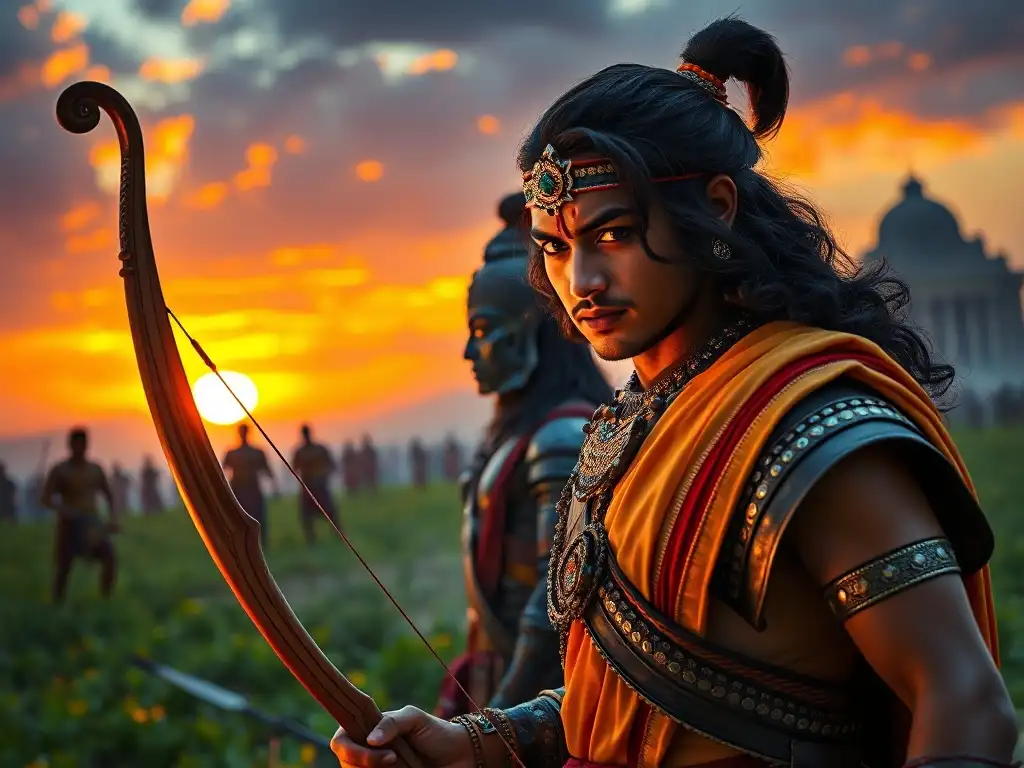
Welcome to Ancient India History, where we embark on a fascinating journey through the rich tapestry of ancient Indian civilizations. Today, we delve into the profound world of the Mahabharata, a timeless epic that beautifully intertwines the themes of love and sacrifice. What can this monumental text teach us about human connections and the moral dilemmas faced by its characters?
Join us as we uncover the intricate layers of this legendary narrative, revealing insights that resonate deeply even in today's world. Prepare to be captivated and inspired as you explore the depth of ancient wisdom waiting just beyond this introduction!
The Mahabharata Themes: Love and Sacrifice
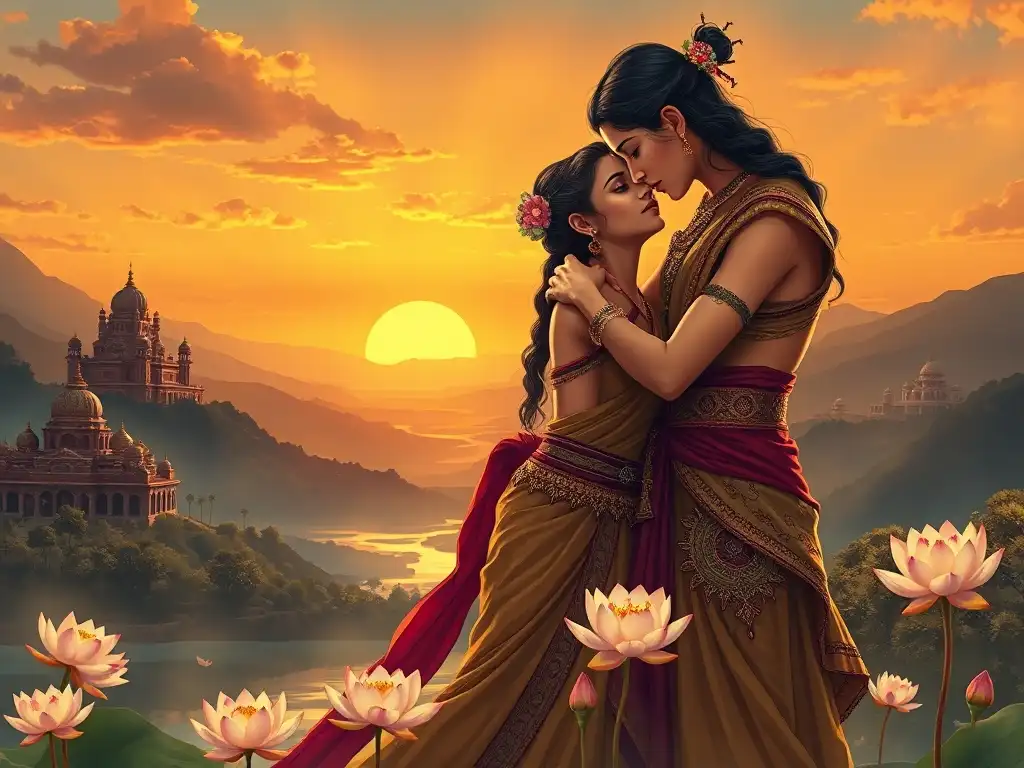
Introduction to the Mahabharata
The Mahabharata, one of the longest epics in world literature, is not merely a tale of conflict between two families; it is a profound exploration of the human experience. This ancient Indian text weaves together a tapestry of themes that resonate deeply with the complexities of life, particularly those of love and sacrifice.
As we delve into the Mahabharata themes of love and sacrifice, we uncover the moral dilemmas, emotional turmoil, and the enduring spirit of humanity that have captivated audiences for centuries. This article aims to illuminate how these themes shape the narrative and contribute to the epic's enduring relevance in both historical and contemporary contexts.
Overview of the Mahabharata Epic
The Mahabharata, attributed to the sage Vyasa, is a monumental work that encompasses a wide array of stories, philosophies, and teachings. It chronicles the epic battle of Kurukshetra between the Pandavas and Kauravas but delves much deeper into the lives of its characters, their relationships, and the moral choices they face. Central to this narrative are intricate themes that address the nature of dharma (duty/righteousness), the consequences of actions, and the emotional landscapes of love and sacrifice, making it a rich source for philosophical and ethical reflection.
Importance of Themes in Ancient Indian Literature
Themes in ancient Indian literature, particularly in epic narratives like the Mahabharata, serve as crucial vehicles for imparting moral and ethical lessons. They allow readers to engage with the text on multiple levels, fostering a deeper understanding of human emotions and societal values. The themes of love and sacrifice are particularly significant; they reflect the dualities of human nature—selflessness and selfishness, joy and sorrow—while also providing a lens through which to examine the complexities of relationships. By exploring these themes, the Mahabharata remains a timeless work that continues to speak to the human condition across cultures and eras.
Exploring the Theme of Love in the Mahabharata
Love in the Mahabharata is multifaceted, encompassing various forms that reflect the diverse relationships between characters. It is not confined to romantic love but extends to familial bonds, friendship, and even loyalty to one's duty.
Different Forms of Love Portrayed in the Mahabharata
The Mahabharata illustrates several forms of love, including:
- Parental Love: The bond between parents and children, exemplified by Kunti's sacrifices for her sons and Dhritarashtra's love for his children.
- Fraternal Love: The deep connections between brothers, particularly the loyalty between the Pandavas and their unwavering support for one another.
- Romantic Love: The complex relationships between figures such as Arjuna and Draupadi, highlighting the challenges of love amidst duty and conflict.
- Divine Love: The devotion of characters like Bhishma and Draupadi, who navigate their love for the divine and its impact on their earthly lives.
These varied expressions of love contribute to the intricate emotional fabric of the epic, showcasing how love can both inspire and lead to profound challenges.
Love as a Motivating Force in the Mahabharata
Love serves as a powerful motivating force throughout the Mahabharata, influencing characters' actions and decisions. It drives individuals to sacrifice, face adversity, and confront their destinies. For instance, Arjuna's love for his family and commitment to righteousness propel him into the battlefield, wrestling with his duty to fight against relatives. This tension between love and duty is a recurring theme, illustrating the epic's exploration of how love can compel individuals to make difficult choices, often leading to tragic consequences.
The Mahabharata themes of love and sacrifice are not only pivotal to the narrative but also serve as timeless reflections on the human experience. They invite us to ponder the complexities of our own relationships and the sacrifices we make in the name of love.
The Theme of Sacrifice in the Mahabharata
The theme of sacrifice is intricately woven throughout the narrative of the Mahabharata, representing not just the physical act of giving up something valuable, but also the moral and ethical dilemmas faced by its characters. Sacrifice in this epic is multifaceted, encompassing personal loss, duty (dharma), and the greater good. Characters often find themselves at crossroads where their choices demand a deep understanding of sacrifice, revealing the profound implications of their decisions on their lives and the lives of others.
Definition and Importance of Sacrifice in Ancient Indian Culture
In ancient Indian culture, sacrifice (yajna) is not merely a ritualistic act but a foundational principle that governs interactions, relationships, and societal structures. It embodies the essence of selflessness and duty, underpinning the philosophy that personal desires must sometimes be subdued for the welfare of the community or society. Sacrifice is celebrated as a virtue, with figures like King Harishchandra and Lord Rama exemplifying the highest forms of personal sacrifice for truth and duty.
The Mahabharata reflects this cultural ethos by showcasing various characters who embody or struggle with the concept of sacrifice. The importance of sacrifice is further emphasized through the belief that it can lead to spiritual elevation and fulfillment of dharma, making it a crucial aspect of the epic's moral framework.
Key Instances of Sacrifice in the Mahabharata
The Mahabharata is rich with instances of sacrifice, each revealing the complexities of human emotions and ethical decisions:
- Karna's Sacrifice: Karna, the son of Kunti, epitomizes sacrifice by choosing loyalty over his own desires. He gives up his claim to the throne and his identity to serve Duryodhana, showcasing the theme of loyalty and personal sacrifice.
- Draupadi's Humiliation: Draupadi’s plight during the game of dice is a significant moment of sacrifice. Her dignity is sacrificed, leading to a quest for justice that ultimately drives the narrative of the Kurukshetra War.
- Bhishma's Vow: Bhishma’s vow of celibacy and his commitment to uphold the Kuru dynasty's honor exemplifies the idea of sacrificing personal happiness for the greater good. His unwavering dedication to his vow creates a tragic but noble dimension to his character.
- Yudhishthira's Choices: Throughout the epic, Yudhishthira faces moral dilemmas that require him to sacrifice personal gains for ethical considerations, highlighting the sacrifices made in the name of righteousness.
These instances underscore the profound implications of sacrifice in the Mahabharata, reflecting the broader societal values and the personal struggles of its characters.
The Interconnection Between Love and Sacrifice
Love and sacrifice are deeply interconnected themes in the Mahabharata, where love often necessitates sacrifice. The epic illustrates how love can compel individuals to make significant sacrifices for the sake of others. For instance, the bond between the Pandavas and Draupadi is a testament to how love drives them to protect her dignity, leading to the great conflict of the Mahabharata.
Moreover, parental love is highlighted through the sacrifices made by Kunti for her sons, illustrating how love can lead to difficult decisions that weigh personal desires against familial duty. This interconnection emphasizes that true love often requires selflessness and the willingness to endure hardship for the sake of loved ones.
The Relevance of Love and Sacrifice Themes Today
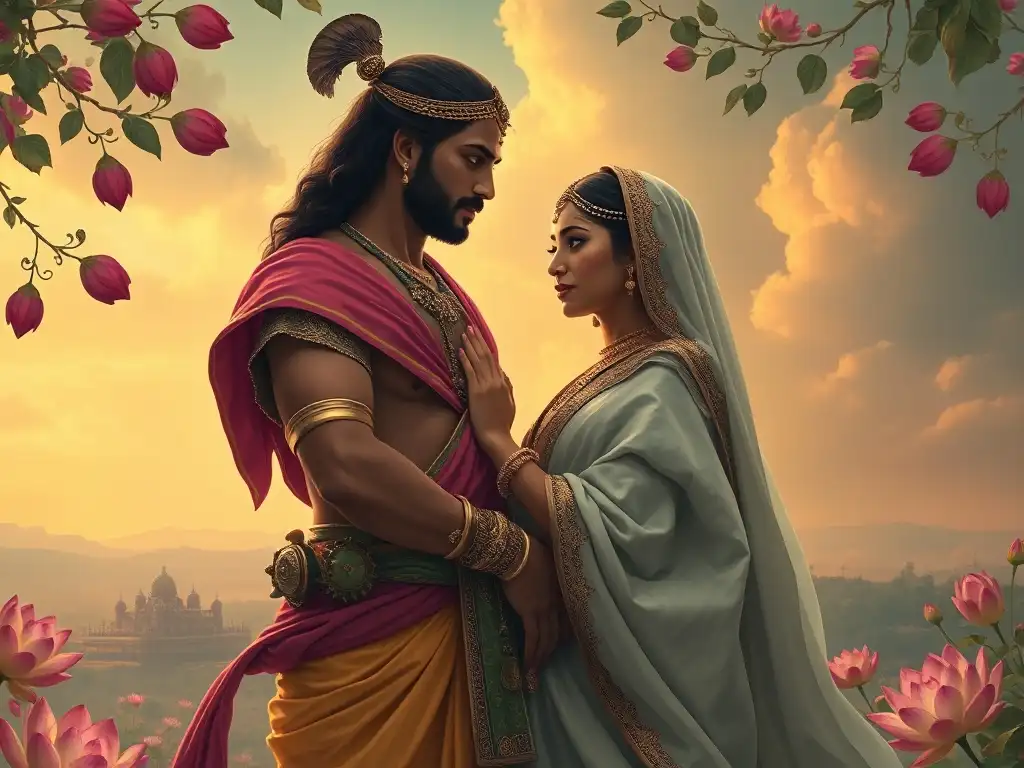
The themes of love and sacrifice in the Mahabharata continue to resonate in contemporary society, providing valuable lessons in ethics, relationships, and personal growth. The struggles of the characters highlight the timeless nature of these themes, encouraging individuals to reflect on their own values and the sacrifices they are willing to make in the name of love.
Contemporary Interpretations of Mahabharata Themes
Modern interpretations of the Mahabharata often focus on the relatability of its characters and the moral dilemmas they face. Many contemporary retellings explore how the themes of love and sacrifice apply to current societal issues, such as familial loyalty, social justice, and personal integrity.
In literature, theater, and film, these themes are reimagined, allowing new generations to engage with the epic's profound messages. The sacrifices made by characters are often seen as metaphors for the sacrifices individuals face in their daily lives, whether in personal relationships, careers, or social responsibilities. This ongoing dialogue around the Mahabharata not only honors its historical significance but also reaffirms its relevance in understanding human nature and the complexities of love and sacrifice.
Conclusion: The Enduring Legacy of Love and Sacrifice in the Mahabharata
The Mahabharata stands as one of the most profound epics in ancient Indian literature, weaving intricate themes of love and sacrifice into its sprawling narrative. These themes not only resonate within the story but also reflect the moral and ethical dilemmas faced by the characters, thereby enhancing the epic's relevance across generations. The enduring legacy of love and sacrifice in the Mahabharata continues to influence contemporary thought, illustrating the complexities of human relationships and the sacrifices made for the greater good.
In the Mahabharata, love is depicted in various forms, from the romantic love between Krishna and Radha to the deep familial bonds that connect the Pandavas and Kauravas. Sacrifice is portrayed not just as an act of giving up personal desires but as a profound commitment to duty, righteousness, and the well-being of others. This duality of love and sacrifice creates a rich tapestry that invites readers to reflect on their own lives and choices.
Summary of Key Themes Explored
Throughout the Mahabharata, several key themes emerge that highlight the interplay of love and sacrifice:
- Familial Bonds: The relationships among the Pandavas, Kauravas, and their mother Kunti illustrate the complexities of loyalty and love within families. The tragic conflict between brothers underscores the heart-wrenching sacrifices made in the name of duty and honor.
- Dharma (Righteousness): The concept of dharma is central to the narrative, representing the moral obligations one has toward family, society, and oneself. Characters often face dilemmas where personal desires must be sacrificed for adherence to dharma.
- Friendship and Loyalty: The bond between Krishna and Arjuna exemplifies the theme of friendship as a source of strength and moral guidance. Krishna’s unwavering support emphasizes how love can lead to selfless acts of sacrifice.
- Divine Love: Divine intervention in the form of Krishna's guidance reveals the theme of divine love, showcasing how love transcends human limitations and instills hope in times of despair.
These themes collectively highlight the moral complexities faced by the characters and serve as a reflection of the human experience, making the Mahabharata a timeless narrative.
Final Thoughts on the Impact of the Mahabharata on Ancient Indian History and Culture
The Mahabharata has had a profound impact on ancient Indian history and culture, serving as a source of moral and ethical guidance for centuries. Its exploration of love and sacrifice resonates deeply within the societal fabric of India, influencing various aspects of life, from literature and art to philosophy and spirituality.
The themes of love and sacrifice have inspired countless interpretations in dance, theater, and storytelling, fostering a rich tradition of cultural expression. Moreover, the lessons embedded within the Mahabharata continue to provide insights into the complexities of human relationships and the importance of making sacrifices for the greater good.
In essence, the Mahabharata remains a cornerstone of Indian heritage, with its themes of love and sacrifice encouraging individuals to reflect on their values and actions. The epic's enduring legacy serves as a reminder of the power of love and the necessity of sacrifice in the pursuit of truth, justice, and harmony in society.
Frequently Asked Questions
What are the main themes of the Mahabharata?
The Mahabharata encompasses several themes, with love and sacrifice being among the most prominent. These themes illustrate the complexities of human relationships and the moral dilemmas faced by its characters.
How does love manifest in the Mahabharata?
Love in the Mahabharata is depicted through various relationships, such as the bond between Krishna and Arjuna, and the romantic entanglements of characters like Draupadi and Karna. These connections often lead to significant consequences within the epic.
What does sacrifice symbolize in the Mahabharata?
Sacrifice in the Mahabharata symbolizes the selflessness and duty of individuals who prioritize the greater good over personal desires. Characters like Yudhishthira embody this theme, making difficult choices for the sake of righteousness.
How do love and sacrifice intertwine in the Mahabharata?
The themes of love and sacrifice are deeply intertwined, as characters often face choices that pit their affections against their obligations. This interplay highlights the tragic nature of their decisions and the moral complexities they navigate.
What lessons can modern readers learn from the Mahabharata's themes?
Modern readers can glean insights into the importance of relationships, the complexity of human emotions, and the value of self-sacrifice for the greater good. These timeless lessons remain relevant in today's world.
Final Reflection: The Enduring Legacy of Love and Sacrifice in the Mahabharata
The themes of love and sacrifice in the Mahabharata resonate profoundly in today's world, reminding us that these timeless values are as relevant now as they were in ancient times. In a society often driven by individualism and self-interest, the epic's exploration of selfless love and the sacrifices made for the greater good serves as a powerful reminder of our shared humanity. The Mahabharata challenges us to reflect on our own relationships and the lengths we are willing to go for those we cherish.
The influence of the Mahabharata extends far beyond its narrative; it has shaped cultural and social landscapes across generations. The themes of love and sacrifice are not just historical concepts but are woven into the fabric of our daily lives, influencing our decisions and relationships. As Mahatma Gandhi once said, "> The Mahabharata is a great book of life, and it teaches us how to live." This quote encapsulates the essence of the epic, urging us to embrace its lessons and apply them to our own journeys.
As you reflect on the themes of love and sacrifice, consider how they manifest in your life and the lives of those around you. Take a moment to think about the sacrifices you make for your loved ones and the love that drives those actions. Let the Mahabharata inspire you to cultivate deeper connections and to recognize the profound impact of selflessness in a world that often overlooks it. Embrace these themes, and allow them to guide your choices, fostering a legacy of love and sacrifice that transcends time.
Embrace the Lessons of Love and Sacrifice!
Thank you for diving into the depth of The Mahabharata with us! Your exploration of its profound themes of love and sacrifice not only enriches your understanding but also honors the timeless wisdom captured within this epic. Now, let's take what you've learned and transform it into meaningful action.
- Reflect on your own relationships and identify moments of sacrifice you can embrace. Small acts of love can create monumental change!
- Share your favorite lessons from The Mahabharata with friends or on social media to inspire others in their own journeys.
- Explore community groups or forums where people discuss the themes of this epic and how they relate to our contemporary world.
What will your commitment to love and sacrifice look like in your own life? Join the conversation below and share your thoughts!