
The Ramayana's Impact on Indian Festivals and Rituals

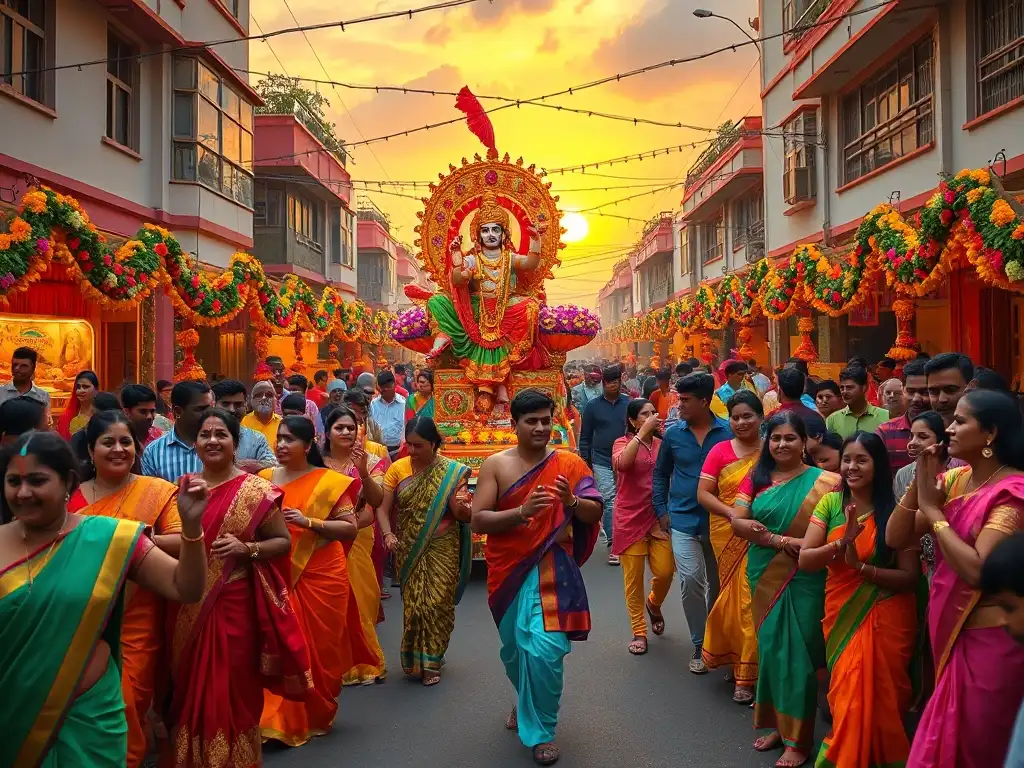
Welcome to Ancient India History, where we embark on a fascinating journey through the vibrant tapestry of India's past. In this exploration, we delve into the profound influence of the Ramayana on Indian festivals, revealing how this epic literature has shaped our cultural celebrations and rituals for centuries. Prepare to uncover the intricate connections between myth and festivity, and discover how these timeless stories continue to resonate in modern India. Join us as we unveil the layers of history and tradition that enrich our understanding of this remarkable civilization. Let's dive deeper into the enchanting world of the Ramayana!
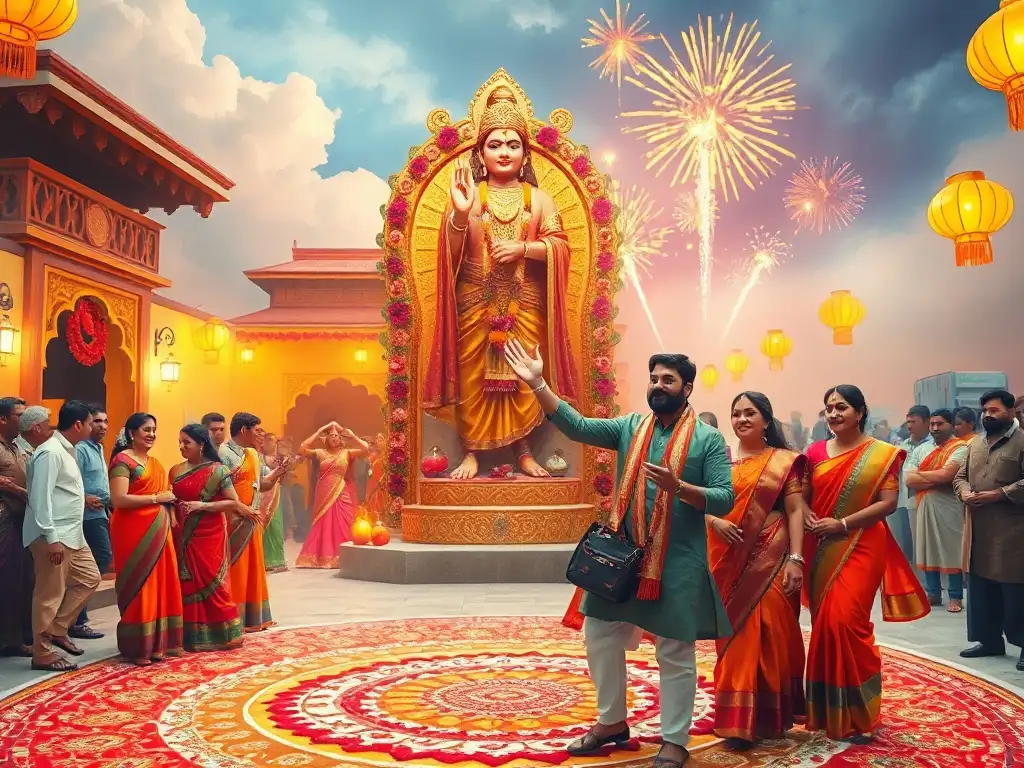
The Ramayana, one of the two great epics of ancient Indian literature, transcends mere storytelling to become a profound cultural touchstone that continues to influence various aspects of life in India. As a narrative deeply embedded in the spiritual and cultural fabric of the country, its themes of duty, righteousness, and devotion resonate through different strata of society. The epic not only narrates the tale of Lord Rama's journey to rescue his wife Sita from the demon king Ravana but also serves as a blueprint for moral and ethical living.
This foundational text has significantly shaped Indian festivals and rituals, embedding its teachings and characters into the celebrations and practices observed across the nation. In this article, we will explore the Ramayana's influence on Indian festivals, demonstrating how its rich narrative has left an indelible mark on the cultural practices that define India's diverse heritage.
Introduction to the Ramayana and Its Cultural Significance
Overview of the Ramayana as an Epic
The Ramayana, traditionally attributed to the sage Valmiki, is not merely a story of heroism and adventure; it is a complex narrative that intertwines mythology, philosophy, and moral teachings. Composed in Sanskrit over two millennia ago, the epic is divided into several books, or Kandas, detailing the life of Lord Rama, his exile, the abduction of Sita, and the eventual battle against Ravana. This timeless tale is celebrated not just for its literary merit but also for its deep spiritual insights and cultural teachings, making it a cornerstone of Indian literature.
The Ramayana's Role in Shaping Indian Culture
The Ramayana has played a pivotal role in shaping the moral and ethical framework of Indian society. Its characters symbolize various virtues: Lord Rama embodies dharma (righteousness), Sita represents purity and devotion, and Hanuman symbolizes unwavering loyalty and devotion. These archetypes have influenced countless generations, guiding individuals in their personal and communal lives. The teachings of the Ramayana have permeated various art forms, including dance, theatre, and literature, thus enriching the cultural landscape of India.
The Ramayana Influence on Indian Festivals
Major Festivals Inspired by the Ramayana
The influence of the Ramayana is vividly observed in several Indian festivals which celebrate its themes and characters. Some of the major festivals inspired by this epic include:
- Diwali: Celebrated as the festival of lights, Diwali marks Lord Rama's return to Ayodhya after defeating Ravana. Homes are illuminated with diyas (oil lamps) and adorned with rangoli, symbolizing the victory of light over darkness and good over evil.
- Rama Navami: This festival celebrates the birth of Lord Rama. Devotees across the country organize processions, recite the Ramayana, and engage in various rituals to honor the divine figure.
- Dussehra (Vijaya Dashami): Dussehra commemorates the victory of Rama over Ravana. The festival features dramatic reenactments of the Ramayana, known as Ramlila, culminating in the effigy of Ravana being burned to symbolize the triumph of good over evil.
These festivals not only embody the teachings of the Ramayana but also reinforce community bonds and cultural identity, showcasing the epic's enduring legacy in shaping the rituals and celebrations that define Indian society today.
Rituals Derived from the Ramayana
The Ramayana, an ancient Indian epic, not only narrates the story of Lord Rama but also lays down a foundation for various rituals and practices that have become integral to Indian culture. Many of these rituals are performed during festivals, commemorating the events depicted in the epic. The influence of the Ramayana is evident in the way communities engage with their traditions, from re-enacting scenes from the text to celebrating the triumph of good over evil, as symbolized by Rama's victory over Ravana.
One of the most significant rituals derived from the Ramayana is the Rama Navami celebration, which honors the birth of Lord Rama. During this festival, devotees perform pujas (worship rituals) and read excerpts from the Ramayana. The recitation not only strengthens the spiritual connection to the epic but also fosters community bonding through collective worship.
Another important ritual is the Ravana Dahan, celebrated during Dussehra (Vijayadashami). This ritual symbolizes the destruction of evil, as effigies of Ravana are burned to commemorate Rama's victory. The act of burning Ravana's effigy serves as a reminder of the moral lessons taught through the Ramayana, emphasizing the triumph of righteousness.
Key Rituals Associated with Ramayana Festivals
Several key rituals are closely associated with festivals that celebrate the Ramayana. These rituals not only echo the narrative of the epic but also reinforce the values and teachings inherent in the text.
- Recitation of Ramayana: During festivals like Rama Navami, the recitation of the Ramayana is a common practice. Families gather to listen to or narrate the story, often emphasizing specific chapters that highlight virtues such as duty (dharma), honor, and loyalty.
- Dramatic Performances (Ramlila): The reenactment of the Ramayana through dramatic performances known as Ramlila is a vibrant ritual during festivals. These performances take place in various forms across India, replete with elaborate costumes and sets, and are crucial in educating communities about the epic's moral teachings.
- Processions and Offerings: Many festivals feature grand processions with images or idols of Lord Rama, Sita, and Hanuman. Devotees offer flowers, sweets, and other items as a mark of respect and devotion, which draws communities together in a shared celebration of their cultural heritage.
Regional Variations in Celebrating Ramayana Influenced Festivals
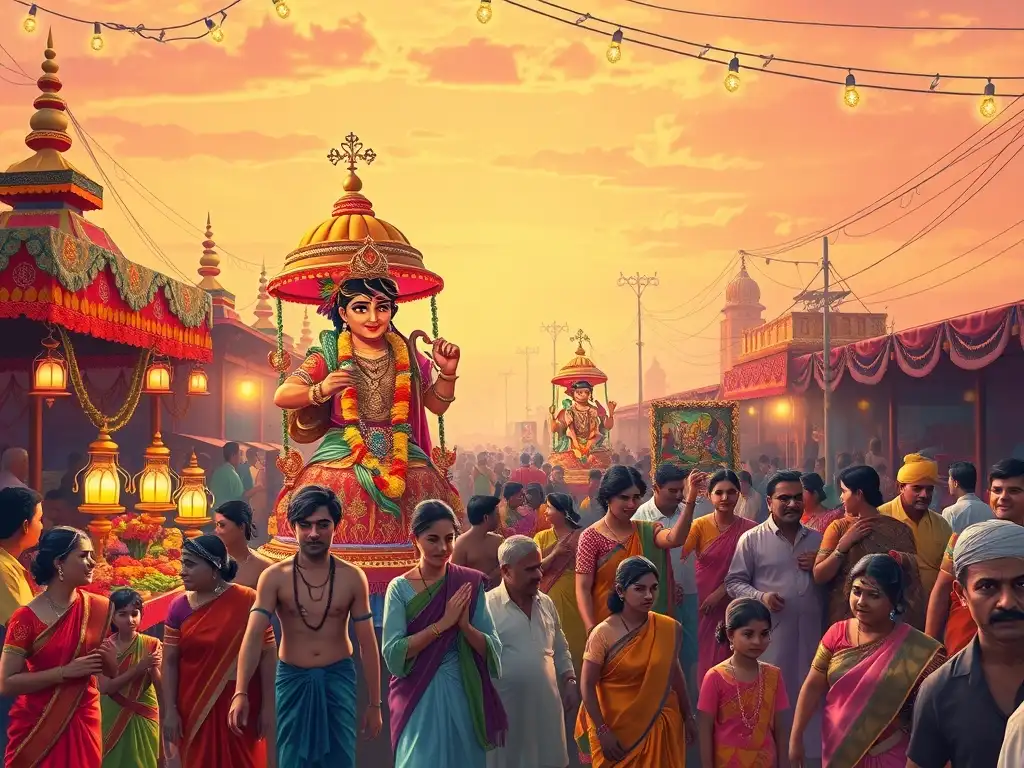
The Ramayana's influence on festivals is not uniform across India; rather, it manifests in various regional adaptations that reflect local cultures, traditions, and beliefs. Each region adds its unique flavor to the celebrations, enriching the overall tapestry of Indian spiritual life.
North Indian Festivals and Ramayana Influence
In North India, festivals such as Rama Navami and Dussehra are celebrated with great fervor. The region is known for its vibrant Ramlila performances, particularly in places like Varanasi and Ayodhya, where the Ramayana is deeply embedded in local lore.
During Dussehra, large effigies of Ravana are constructed, and the day concludes with their spectacular burning, symbolizing the victory of good over evil. This ritual is often accompanied by fairs, cultural programs, and community feasting, highlighting the communal spirit of the celebrations.
South Indian Adaptations of Ramayana Rituals
In South India, the Ramayana influences festivals such as Pongal and Dasara in unique ways. The festival of Pongal includes rituals that honor the harvest and invoke blessings from Lord Rama and his family. Special dishes are prepared, and the spirit of togetherness is emphasized through community celebrations.
During Dasara, different regions in South India, such as Mysore, showcase elaborate decorations and celebrations that often include the display of dolls (Golu), depicting scenes from the Ramayana. This practice allows families to express their devotion through art and storytelling.
Eastern and Western India: Diverse Interpretations
In Eastern India, particularly in West Bengal, the Durga Puja festival may incorporate elements from the Ramayana, reflecting the blend of various mythologies. The narratives of Rama and Durga often intertwine, showcasing the fight against evil forces.
In Western India, celebrations like Diwali are influenced by the Ramayana as well. This festival marks the return of Lord Rama to Ayodhya and is celebrated with the lighting of lamps and bursting of fireworks. The rituals during Diwali, such as Lakshmi Puja, also reflect the overarching themes of prosperity and victory, echoing the core messages of the Ramayana.
The Ramayana’s influence on Indian festivals and rituals is profound and multifaceted, with each region interpreting and celebrating its teachings in ways that resonate with local customs and cultural practices.
The Ramayana's Influence on Contemporary Indian Festivals
The Ramayana, one of the most revered texts in Indian culture, continues to shape contemporary Indian festivals in profound ways. Its narratives and characters are deeply woven into the fabric of various celebrations, illustrating the epic's enduring relevance. Festivals such as Diwali, Dussehra, and Ram Navami prominently feature themes and stories from the Ramayana, showcasing the triumph of good over evil and the significance of dharma (righteousness).
For instance, Diwali commemorates the return of Lord Rama to Ayodhya after defeating the demon king Ravana, symbolizing the victory of light over darkness. Similarly, Dussehra marks the slaying of Ravana, serving as a reminder of the consequences of adharma (unrighteousness). These celebrations not only engage communities in joyous festivities but also reinforce moral values and cultural heritage through reenactments, rituals, and storytelling.
How Modern Celebrations Reflect Ancient Traditions
Modern celebrations of festivals influenced by the Ramayana exhibit a blend of ancient traditions and contemporary practices. Rituals like the Ramlila, a theatrical folk drama depicting the life and adventures of Lord Rama, are performed during Dussehra across various regions in India. These performances are not merely entertainment but serve as a medium for imparting moral lessons and reviving the cultural ethos associated with the Ramayana.
In urban areas, while the essence of these festivals remains rooted in the Ramayana, the form and methods of celebration have adapted to contemporary lifestyles. For example, community events and public celebrations are often organized with elaborate decorations, music, and dance, appealing to younger generations while still honoring the epic's core themes. This synergy of ancient and modern practices ensures that the Ramayana continues to resonate with people of all ages, fostering a sense of unity and cultural identity.
The Evolution of Festivals Inspired by the Ramayana
The evolution of festivals inspired by the Ramayana reflects the dynamic nature of Indian culture. While traditional observances have persisted, new interpretations and practices have emerged, influenced by regional variations, socio-political changes, and globalization. For instance, the celebration of Ram Navami, which marks the birth of Lord Rama, has transformed in various locales. In some regions, it is marked by grand processions and public gatherings, while in others, it remains a more intimate family affair with prayers and offerings.
Additionally, the incorporation of technology and social media has significantly altered how these festivals are celebrated. Live streaming of rituals, online events, and digital storytelling are some of the modern adaptations that engage a broader audience, especially among the youth. Despite these changes, the underlying messages of love, devotion, and righteousness from the Ramayana remain central to the festivities, showcasing the epic's ability to evolve while staying relevant.
Conclusion: The Enduring Legacy of the Ramayana on Indian Festivals
The Ramayana's legacy in shaping Indian festivals is profound and multifaceted. Through its rich narratives, the epic has instilled values that resonate with the moral fabric of society. The festivals inspired by the Ramayana not only celebrate divine themes but also serve to reinforce community bonds and cultural identity across generations.
Summary of Ramayana's Cultural Impact
The Ramayana has significantly influenced Indian festivals, embedding essential moral teachings and cultural practices into the celebratory ethos. The stories of Lord Rama, Sita, and their companions continue to inspire rituals, performances, and community gatherings, fostering a deep sense of belonging and shared heritage. The epic's characters symbolize virtues such as courage, loyalty, and righteousness, which are celebrated during various festivals, allowing individuals to connect with their roots while navigating modern life.
Future of Ramayana Influence on Indian Societies
Looking ahead, the influence of the Ramayana on Indian societies is likely to persist. As globalization continues to shape cultural narratives, the Ramayana's themes of virtue and morality can serve as guiding principles, adapting to new contexts while retaining their core significance. The ongoing engagement with the Ramayana through festivals, literature, and education will ensure its continued relevance, fostering a deeper understanding of India's rich cultural heritage among future generations. Thus, the epic will remain a vital part of India's socio-cultural landscape, inspiring celebrations that resonate with both tradition and contemporary values.
- Introduction to the Ramayana and Its Cultural Significance
- The Ramayana Influence on Indian Festivals
- Rituals Derived from the Ramayana
- Key Rituals Associated with Ramayana Festivals
- Regional Variations in Celebrating Ramayana Influenced Festivals
- The Ramayana's Influence on Contemporary Indian Festivals
- Conclusion: The Enduring Legacy of the Ramayana on Indian Festivals
- What is the Ramayana and its significance in Indian culture?
- How does the Ramayana influence Indian festivals?
- Which Indian festivals are directly linked to the Ramayana?
- Are there specific rituals associated with Ramayana-inspired festivals?
- What role does the Ramayana play in contemporary Indian festivals?
Frequently Asked Questions
What is the Ramayana and its significance in Indian culture?
The Ramayana is an ancient Indian epic that narrates the life of Lord Rama. It holds significant cultural importance, influencing values, traditions, and festivals throughout Indian society.
How does the Ramayana influence Indian festivals?
The Ramayana influences Indian festivals by inspiring rituals, celebrations, and themes that reflect its moral teachings and narratives, such as Diwali, which celebrates the return of Lord Rama to Ayodhya.
Which Indian festivals are directly linked to the Ramayana?
Festivals such as Diwali, Ram Navami, and Dussehra are directly linked to the Ramayana, celebrating events from the epic like Rama's victory over Ravana and his coronation.
Are there specific rituals associated with Ramayana-inspired festivals?
Yes, many rituals are associated with Ramayana-inspired festivals, including the lighting of lamps during Diwali and the recitation of Ramayana verses during Ram Navami celebrations.
What role does the Ramayana play in contemporary Indian festivals?
In contemporary times, the Ramayana continues to play a crucial role in reinforcing cultural identity, as its stories and teachings are celebrated through various festivals and rituals across India.
Final Reflection: The Enduring Legacy of the Ramayana on Indian Festivals
The Ramayana's influence on Indian festivals is not merely a historical footnote; it is a vibrant thread woven into the fabric of contemporary cultural celebrations. As we navigate through the complexities of modern life, the epic's teachings and narratives continue to resonate, reminding us of the values of duty, honor, and devotion. The way we celebrate festivals today is a testament to the timeless relevance of these ancient stories, illustrating how they shape our collective identity and spiritual practices.
Celebrations inspired by the Ramayana have become more than just rituals; they are a means of cultural expression and community bonding. The stories of Rama, Sita, and Hanuman serve as powerful symbols of virtue and resilience, influencing not only religious observances but also social interactions and moral teachings. The Ramayana is not just a story; it is a way of life that guides us through our trials and tribulations.
This quote encapsulates the essence of how these narratives continue to inspire generations, fostering a sense of belonging and purpose in an ever-evolving society.
As we reflect on the profound impact of the Ramayana on our festivals and rituals, I invite you to consider how these teachings can be integrated into your own life. Take a moment to explore the values represented in the Ramayana and think about how they can guide your actions and decisions. Whether it’s through participating in local celebrations or simply embracing the principles of love, duty, and sacrifice, let the spirit of the Ramayana inspire you to create a more meaningful connection with your community and heritage.
Thank you for diving into the fascinating world of the Ramayana and its profound influence on Indian festivals and rituals. We hope you’ve gained valuable insights into how this epic continues to shape cultural celebrations today. Now, it’s time to bring that knowledge to life!
Here are some exciting actions you can take to deepen your connection and share the joy of these traditions:
- Join a local festival that celebrates the Ramayana—experience the rituals and community spirit firsthand!
- Share your favorite stories from Ramayana-inspired festivals on social media. Use the hashtag #RamayanaCelebrations to connect with others who cherish these traditions.
- Create a personal reflection journal where you can explore how the themes of the Ramayana resonate in your own life and celebrations.
What aspect of the Ramayana do you find most inspiring in relation to your own celebrations? Let’s spark a discussion in the comments below!