
The Mahabharata's Influence on Modern Indian Literature and Film

Welcome to Ancient India History, where we embark on a captivating journey through the rich tapestry of India's past! Dive deep into the profound influence of the Mahabharata on modern Indian literature and film, and discover how this timeless epic has shaped narratives and creative expressions across generations. What secrets does this ancient text hold that continue to resonate in today's stories? Join us as we unravel the threads of history, culture, and creativity that connect the past to the present, and prepare to be inspired by the enduring legacy of one of the greatest epics ever told!
Introduction to the Mahabharata
The Mahabharata, one of the two major Sanskrit epics of ancient India, is not only a monumental literary work but also a profound source of philosophical and moral guidance. Spanning over 100,000 shlokas (verses) and comprising 18 parvas (books), this epic intricately weaves a narrative that explores the complexities of human existence, duty, righteousness, and the consequences of war.
Its themes resonate deeply within the Indian psyche, influencing not just literary forms but also the cultural and spiritual fabric of the nation. As we delve into the Mahabharata's influence on literature, we uncover how this timeless tale continues to inspire modern Indian literature and film, shaping narratives and characters across various genres.
Overview of the Mahabharata Epic
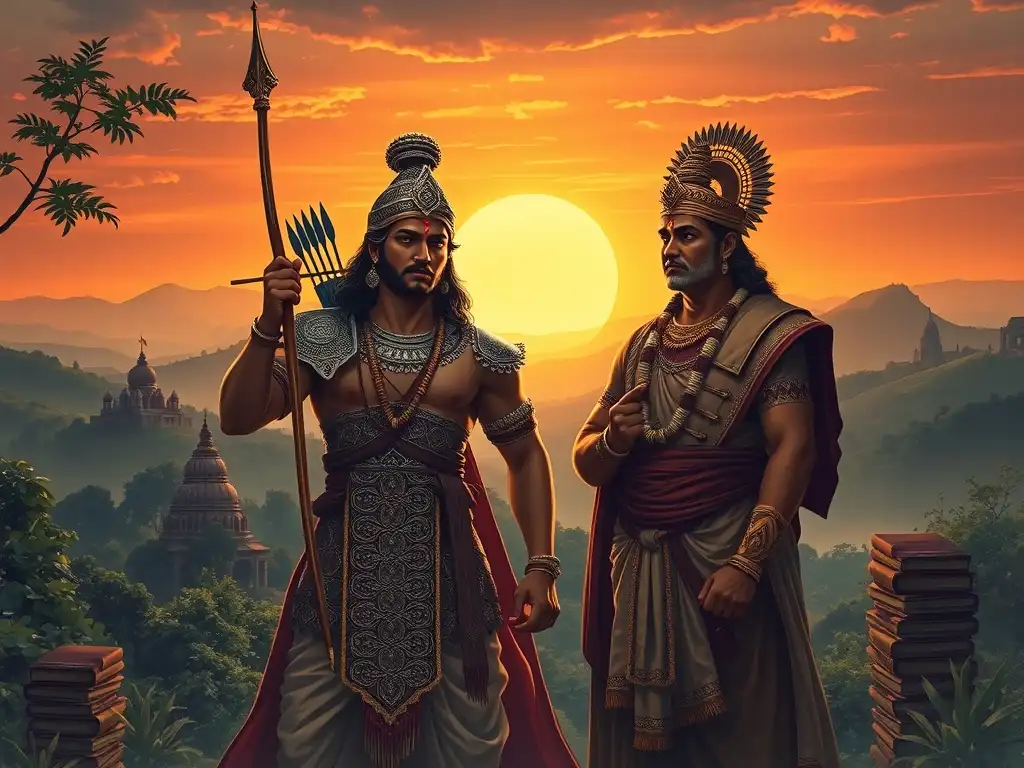
The Mahabharata narrates the story of the Kurukshetra War and the fates of the Kaurava and Pandava princes. The text encompasses a diverse array of stories, including the Bhagavad Gita, which presents a philosophical dialogue between Prince Arjuna and Lord Krishna. This epic is rich with characters whose dilemmas and virtues reflect the moral complexities of life, making it a timeless resource for understanding human nature and ethics.
Significance in Ancient Indian Culture
In ancient Indian culture, the Mahabharata served as more than just a tale of war; it was a means of imparting knowledge and values. Scholars and sages used its narratives to teach principles of dharma (duty/righteousness), artha (prosperity), and moksha (liberation). The epic's impact transcended its narrative, as it shaped various aspects of Indian society, including art, architecture, and performance traditions. Its characters became archetypes in the cultural consciousness, influencing not only literature but also the moral compass of society.
The Mahabharata Influence on Literature
The Mahabharata's themes and narratives have significantly shaped modern Indian literature, inspiring countless authors and poets to explore its characters and moral dilemmas in new contexts. This influence is evident across genres, showcasing the epic's adaptability and relevance in contemporary storytelling.
Themes of the Mahabharata in Modern Indian Literature
The themes present in the Mahabharata—such as conflict, justice, love, and betrayal—are prevalent in modern literature. Authors often draw parallels between the epic's moral quandaries and contemporary societal issues. For instance:
- Conflict and Resolution: Many modern stories echo the epic's exploration of familial loyalty and conflict.
- Feminine Perspective: The portrayal of characters like Draupadi has inspired feminist retellings, emphasizing women's voices and struggles.
- Philosophical Undertones: The ethical dilemmas faced by characters resonate with current philosophical debates on morality and justice.
Notable Indian Authors Inspired by the Mahabharata
Several prominent authors have drawn inspiration from the Mahabharata, weaving its essence into their works. Some notable figures include:
- R.K. Narayan: His novel "The Mahabharata" presents a simplified narrative that brings the epic to modern readers.
- Devdutt Pattanaik: Known for his retellings and interpretations of Indian mythology, Pattanaik's works often highlight the Mahabharata's relevance to contemporary life.
- Chitra Banerjee Divakaruni: In her novel "The Palace of Illusions," she offers a unique perspective through the eyes of Draupadi, reflecting on female agency and identity.
Modern Adaptations and Retellings of the Mahabharata
The Mahabharata has been adapted into various forms of media, including television, theater, and cinema, showcasing its enduring appeal. Some noteworthy adaptations include:
- Television Series: The iconic 1980s series "Mahabharat," directed by B.R. Chopra, brought the epic into the living rooms of millions, introducing it to a new generation.
- Films: Movies like "Mahabharat" and "Gunaah" explore the epic's themes while presenting modern interpretations.
- Theater Productions: Numerous plays and performances have reimagined the epic, making it accessible to diverse audiences.
The Mahabharata continues to exert a profound influence on modern Indian literature and film, serving as a wellspring of inspiration that transcends time and cultural boundaries. Its themes remain relevant, prompting new interpretations and adaptations that keep the essence of this ancient epic alive in today's world.
The Mahabharata's Impact on Contemporary Indian Cinema
The Mahabharata, one of the two great epics of ancient India, has significantly shaped contemporary Indian cinema, providing a rich tapestry of themes, characters, and moral dilemmas that resonate deeply with modern audiences. Its narratives of conflict, duty, righteousness, and the complexities of human relationships serve as fertile ground for filmmakers seeking to explore profound philosophical questions through the medium of film.
Many directors have drawn inspiration from the Mahabharata's multifaceted storylines, translating its ancient wisdom into cinematic narratives that reflect contemporary societal issues. This adaptation has not only revitalized the epic's themes but has also made them accessible to younger generations, thereby ensuring the epic's continued relevance in modern society. Consequently, the Mahabharata has become a touchstone in Indian cinema, influencing not just storytelling but also visual aesthetics and character development.
Key Themes from the Mahabharata in Film
The Mahabharata encompasses a myriad of themes that filmmakers have embraced, including:
- Dharma (Righteousness): The concept of duty and moral responsibility is central to the Mahabharata. Films often explore characters' struggles to uphold dharma in the face of personal and societal challenges, reflecting contemporary moral dilemmas.
- Conflict and Reconciliation: The epic's portrayal of conflict, both external and internal, resonates in modern narratives. Many films depict family feuds and societal divisions, drawing parallels to the Kurukshetra War.
- Fate and Free Will: The tension between destiny and personal choice is a recurring theme. Filmmakers often delve into how characters navigate their fates, inviting audiences to ponder their own life choices.
- Love and Betrayal: The intricate relationships between characters, including loyalty and betrayal, provide rich emotional landscapes for cinematic exploration, allowing filmmakers to connect deeply with viewers.
These themes not only enhance the narrative depth of films inspired by the Mahabharata but also foster rich discussions around ethical and philosophical questions relevant to contemporary society.
Significant Films Inspired by the Mahabharata
Several noteworthy films have drawn inspiration from the Mahabharata, showcasing its enduring legacy in Indian cinema. Some significant examples include:
- Mahabharat (1989): This television adaptation directed by B.R. Chopra is one of the most famous renditions, bringing the epic to millions of homes across India. Its faithful representation of the text has left a lasting impact on the cultural consciousness.
- Kalyug (1981): A modern retelling of the Mahabharata, this film explores the themes of greed and betrayal in the context of contemporary society, drawing parallels between the epic's characters and modern-day scenarios.
- Gandharva (1994): This film presents a unique interpretation focused on the character of Arjun and his relationships, blending the epic's themes with contemporary issues of love and identity.
- Mahabharat Aur Barbareek (2013): This animated film focuses on the lesser-known character of Barbareek, offering a fresh perspective on the epic's narrative and its characters.
These films exemplify the diverse approaches to interpreting the Mahabharata, ensuring that its core messages resonate with modern audiences.
The Influence of Mahabharata Characters in Film
The characters of the Mahabharata have transcended their epic origins, becoming archetypes in Indian cinema. The complexity of figures like Arjuna, Draupadi, and Krishna allows filmmakers to explore diverse narratives.
- Arjuna: Often portrayed as the quintessential hero, Arjuna's struggles with duty and morality are mirrored in many modern protagonists who grapple with personal and societal dilemmas.
- Draupadi: As a symbol of strength and resilience, Draupadi's character has inspired numerous films to depict female empowerment and the fight against injustice.
- Krishna: Represented as a divine guide, Krishna's wisdom and playfulness are frequently invoked in films to underscore themes of guidance and moral clarity.
These characters not only enrich cinematic narratives but also serve as vehicles for exploring contemporary values and social issues, making them relevant to today's audiences.
Cultural Interpretations of the Mahabharata in Literature and Film
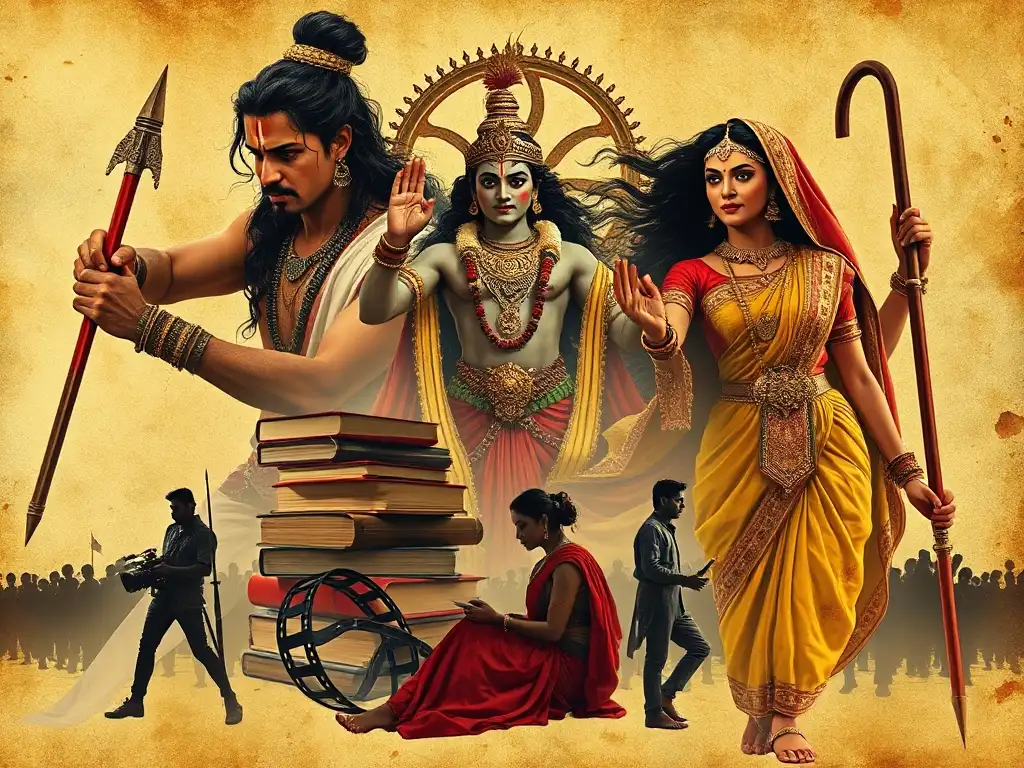
The Mahabharata has inspired a rich tapestry of cultural interpretations that reflect India's diverse regional identities. Through literature and film, the epic has been reimagined in various languages and styles, showcasing the multiplicity of Indian culture.
Regional Variations in Adaptations
Different regions of India have interpreted the Mahabharata in unique ways, incorporating local customs, dialects, and cultural nuances.
- Bengali Adaptations: In Bengal, the Mahabharata has been adapted into various forms, including theater and literature, often emphasizing the philosophical aspects of the epic.
- Marathi Theatre: The Mahabharata has found a prominent place in Marathi theater, where local artists have reinterpreted its themes through folk performances, emphasizing community participation and storytelling.
- South Indian Films: In Tamil and Telugu cinema, adaptations often highlight the epic’s dramatic elements, merging them with local traditions to create culturally resonant narratives.
These regional variations not only celebrate the Mahabharata's universal themes but also showcase the rich diversity of Indian culture, making the epic a living tradition.
The Mahabharata's Role in Shaping Indian Identity
The Mahabharata serves as a foundational text in shaping Indian identity, providing ethical guidelines and cultural values that resonate across generations. Its narratives of justice, loyalty, and sacrifice continue to influence contemporary discussions about Indian society and its values.
- Cultural Unity: The epic acts as a common thread that connects various regions and communities, fostering a sense of shared heritage and cultural identity.
- Philosophical Reflection: The Mahabharata encourages introspection and philosophical inquiry, prompting individuals to engage with their moral beliefs and societal responsibilities.
- Representation in Modern Media: The ongoing adaptations of the Mahabharata in literature and film reflect its adaptability and relevance, continually shaping and reshaping the narrative of what it means to be Indian.
Through these avenues, the Mahabharata remains a vital component of Indian cultural discourse, influencing not only the arts but also the collective consciousness of the nation.
Conclusion: The Enduring Legacy of the Mahabharata
The Mahabharata stands as a monumental epic that has left an indelible mark on various forms of art and storytelling, shaping the landscape of modern Indian literature and film. Its profound themes of duty, justice, love, and conflict resonate deeply within contemporary narratives, offering rich material that inspires countless adaptations and reinterpretations.
The enduring legacy of the Mahabharata is not merely confined to its historical context; rather, it thrives in the vibrant expressions of creativity seen today. Its characters, dilemmas, and philosophical discourses continue to engage audiences, ensuring that the epic remains relevant and influential in the cultural fabric of India.
The Mahabharata's influence extends beyond the traditional boundaries of literature and film, permeating into areas such as theater, dance, and even graphic novels. This adaptability speaks to the universal appeal of its themes and the flexibility of its narratives, allowing creators to explore and reimagine its stories for new audiences. As we delve deeper into the ways the Mahabharata has been reinterpreted, it becomes clear that its legacy will endure, evolving with each generation that encounters its timeless wisdom.
Summary of the Mahabharata's Influence on Modern Literature and Film
The Mahabharata's influence on modern literature and film can be observed through several key aspects:
- Thematic Richness: Themes of morality, ethics, and the complexity of human relationships are central to both the Mahabharata and contemporary narratives. Writers and filmmakers often draw inspiration from its multifaceted characters and their moral dilemmas.
- Character Archetypes: Iconic figures such as Arjuna, Krishna, and Draupadi have transcended their origins, serving as archetypes in various modern stories. Their struggles and transformations resonate with contemporary audiences, making them relevant in today's context.
- Narrative Structure: The epic's intricate narrative, characterized by subplots and flashbacks, has influenced storytelling techniques in literature and cinema. Modern works often mimic its style to create layered and engaging narratives.
- Adaptations in Various Media: From novels to films, TV series, and theatrical productions, the Mahabharata's stories have been reinterpreted across diverse platforms, showcasing its versatility and continued relevance.
This intricate web of influence highlights not only the epic's significance but also its capacity to inspire creativity and provoke thought in modern storytelling.
Future Directions: The Mahabharata in Global Literature and Cinema
As the world becomes increasingly interconnected, the Mahabharata's narratives are poised to reach broader audiences beyond Indian culture. Future directions for the epic's influence include:
- Global Adaptations: We can anticipate adaptations that incorporate diverse cultural perspectives, allowing the epic to resonate with international audiences. This could lead to reinterpretations that blend Mahabharata themes with local myths and traditions.
- Interdisciplinary Studies: Scholars from various fields, including literature, anthropology, and film studies, will likely continue to explore the Mahabharata's impact, leading to a richer understanding of its global significance.
- Digital Media: The rise of digital storytelling platforms offers new opportunities for the Mahabharata's narratives to be told through innovative formats, such as interactive games and virtual reality experiences, thus engaging younger audiences in new ways.
- Cross-Cultural Collaborations: Future projects may involve collaborations between Indian and international artists, fostering a cross-cultural dialogue that can further enrich the interpretations of the Mahabharata.
These potential developments indicate that the Mahabharata will remain a vital source of inspiration, influencing not only Indian literature and cinema but also contributing to the global narrative landscape.
References
Key Texts and Films for Further Reading
- Books:
- "The Mahabharata" translated by Ramesh Menon
- "Mahabharata: An Inquiry in the Human Condition" by V. Raghunathan
- "The Palace of Illusions" by Chitra Banerjee Divakaruni
- Films:
- "Mahabharat" (1989) – A television adaptation that remains iconic in Indian culture.
- "Ganguly's Mahabharat" (2013) – A modern retelling with a fresh perspective.
- "Kurukshetra" (2019) – A Kannada film that explores the epic's themes in a contemporary context.
Academic Resources on the Mahabharata's Influence
- Journal Articles:
- "The Mahabharata and Its Relevance in Contemporary Literature" – A research article analyzing the enduring themes of the epic in modern narratives.
- "Cinematic Interpretations of the Mahabharata" – A critical examination of various film adaptations and their cultural implications.
- Online Courses:
- Courses on platforms like Coursera and edX exploring Indian epic literature, focusing on the Mahabharata's impact on storytelling.
- Conferences and Workshops:
- Academic conferences dedicated to the study of ancient texts and their influence on modern literature and film, providing forums for scholars to present their research findings.
By exploring these resources, readers can gain deeper insights into the Mahabharata's multifaceted influence on literature and film, encouraging further exploration and appreciation of this timeless epic.
- Introduction to the Mahabharata
- The Mahabharata Influence on Literature
- The Mahabharata's Impact on Contemporary Indian Cinema
- Cultural Interpretations of the Mahabharata in Literature and Film
- Conclusion: The Enduring Legacy of the Mahabharata
- References
- What is the Mahabharata and why is it significant?
- How has the Mahabharata influenced modern Indian literature?
- In what ways has the Mahabharata impacted Indian cinema?
- Are there any notable modern authors who draw from the Mahabharata?
- How does the Mahabharata continue to shape cultural identity in India today?
Frequently Asked Questions
What is the Mahabharata and why is it significant?
The Mahabharata is an ancient Indian epic that narrates the story of the Kurukshetra War and the fates of the Kaurava and Pandava princes. It is significant for its moral dilemmas, philosophical insights, and its influence on Indian culture and literature.
How has the Mahabharata influenced modern Indian literature?
The Mahabharata has inspired countless authors, poets, and playwrights, leading to the creation of retellings and adaptations that explore its themes of duty, justice, and morality, thereby enriching modern Indian literature.
In what ways has the Mahabharata impacted Indian cinema?
The Mahabharata has profoundly influenced Indian cinema, with numerous films and television series adapting its stories, characters, and moral lessons, making it a significant source of narrative inspiration in Indian film.
Yes, many modern authors, such as Chitra Banerjee Divakaruni and Devdutt Pattanaik, have drawn inspiration from the Mahabharata, exploring its characters and themes to create new narratives that resonate with contemporary readers.
How does the Mahabharata continue to shape cultural identity in India today?
The Mahabharata remains a vital part of Indian cultural identity, influencing everything from festivals and performing arts to philosophical discussions, thus perpetuating its relevance and impact on modern society.
Final Reflection: The Enduring Legacy of the Mahabharata in Modern Storytelling
The Mahabharata's influence on literature and film remains profoundly relevant today, as it continues to shape narratives and inspire creativity across various mediums. This ancient epic, with its intricate characters and timeless themes of duty, morality, and the human experience, resonates with contemporary audiences in ways that transcend cultural and temporal boundaries. The Mahabharata is not just a story from the past; it is a living testament to the power of storytelling that informs and enriches our understanding of the world.
The impact of the Mahabharata is evident in the cultural and social landscape of modern India, where its themes are woven into the fabric of contemporary literature and cinema. The epic's exploration of complex relationships and ethical dilemmas encourages us to reflect on our own lives and the choices we make.
As noted by scholar Ramesh Menon, “The Mahabharata is not just a tale of war; it is a mirror reflecting the struggles of humanity.” This observation highlights how the epic continues to provide a framework for understanding the complexities of human nature and societal dynamics, making it a vital source of inspiration for writers and filmmakers alike.
As we contemplate the lessons embedded in the Mahabharata, I invite you to reflect on how these timeless narratives can inform your own journey. Consider the moral dilemmas and character arcs that resonate with your experiences, and think about how you can incorporate these insights into your life. Let the Mahabharata inspire you to embrace the complexities of your own story, fostering a deeper understanding of yourself and the world around you. In doing so, we not only honor this ancient epic but also ensure that its wisdom continues to illuminate our paths forward.
Unveil the Legacy: Take Action on the Mahabharata's Inspiration!
Thank you for diving into the rich world of the Mahabharata and its profound impact on modern Indian literature and film! Your interest helps keep this extraordinary heritage alive. Now, let's transform that inspiration into action!
- Explore contemporary works inspired by the Mahabharata – start with a book or film that you haven’t experienced yet!
- Join a local or online discussion group focused on Indian epics to deepen your understanding and connect with others who share your passion.
- Share this article with friends or on social media to spark conversations about how the Mahabharata continues to shape creativity today.
What aspect of the Mahabharata do you find most compelling in today’s storytelling? **We invite you to share your thoughts in the comments below! **