
The Vedas and Meditation: Pathways to Inner Peace and Enlightenment

Welcome to Ancient India History, where we embark on a captivating journey through the rich tapestry of ancient Indian civilizations. Delve into the profound wisdom of the Vedas, exploring how their teachings on meditation serve as vital pathways to inner peace and enlightenment. As you navigate through our insights, prepare to uncover the transformative power of these ancient texts and their lasting impact on modern spirituality. What secrets lie within the verses of the Vedas? Join us as we unravel the mysteries and ignite your curiosity about this timeless legacy!
- Introduction to the Vedas and Meditation
- The Vedas: A Deeper Look
- Meditation in the Vedic Tradition
- Pathways to Inner Peace Through Vedic Meditation
- Enlightenment: The Ultimate Goal of Vedic Meditation
- Case Studies: Real-Life Applications of Vedic Meditation
- Conclusion
- Additional Resources for Further Exploration
- Frequently Asked Questions
- Final Reflection: The Vedas as a Timeless Guide to Inner Peace and Enlightenment
- Unveil Your Inner Peace Today!
Introduction to the Vedas and Meditation
The Vedas, regarded as the oldest sacred texts of ancient India, serve as the foundation of Hindu philosophy, spirituality, and culture. Composed in Sanskrit over 3,000 years ago, these texts encompass a vast array of knowledge, including hymns, rituals, and philosophical treatises. Among the myriad themes explored within the Vedas, meditation emerges as a profound practice aimed at achieving inner peace and enlightenment.
As we delve into the intricate relationship between the Vedas and meditation, we uncover a pathway that not only fosters personal tranquility but also connects individuals to the larger cosmic order. This article will explore the historical context of the Vedas, their significance in ancient Indian culture, and the transformative power of meditation as a means to attain inner peace.
Understanding the Vedas: Historical Context
The Vedas consist of four main texts: the Rigveda, Samaveda, Yajurveda, and Atharvaveda. Each of these texts represents a unique aspect of Vedic knowledge and practice:
- Rigveda: The oldest of the Vedas, containing hymns dedicated to various deities.
- Samaveda: Primarily a collection of melodies and chants used in rituals.
- Yajurveda: A guide for rituals, providing instructions and descriptions of sacrificial offerings.
- Atharvaveda: Focused more on daily life, it includes spells, charms, and philosophical discourses.
The Vedas were composed during the Vedic period (approximately 1500–500 BCE), a time marked by significant social, spiritual, and intellectual developments in ancient India. Oral traditions played a crucial role in preserving Vedic knowledge, with Brahmins, the priestly class, responsible for its transmission. The texts reflect the socio-political landscape of the time, revealing insights into the early Indo-Aryan civilization and its evolving beliefs.
The Significance of Meditation in Ancient Indian Culture
Meditation, or dhyana, is an integral aspect of Vedic philosophy, deeply embedded in the spiritual practices of ancient Indian culture. The Vedas emphasize the importance of meditation as a means to attain higher states of consciousness and self-realization. Here are some key points highlighting its significance:
- Spiritual Connection: Meditation fosters a deep connection between the individual and the universe, facilitating a sense of unity with all living beings.
- Inner Peace: The practice of meditation is seen as a pathway to achieving shanti (peace) and harmony within oneself, promoting mental well-being and emotional stability.
- Self-Realization: The Vedas teach that through meditation, one can transcend the ego and realize their true self, uncovering the divine essence within.
- Ritualistic Integration: Meditation is often incorporated into Vedic rituals, enhancing the spiritual experience and deepening the practitioner's connection to the divine.
The Vedas not only serve as a historical repository of knowledge but also as a guide to achieving inner peace and enlightenment through meditation. As we continue to explore this rich tradition, we uncover timeless wisdom that remains relevant in today's fast-paced world.
The Vedas: A Deeper Look
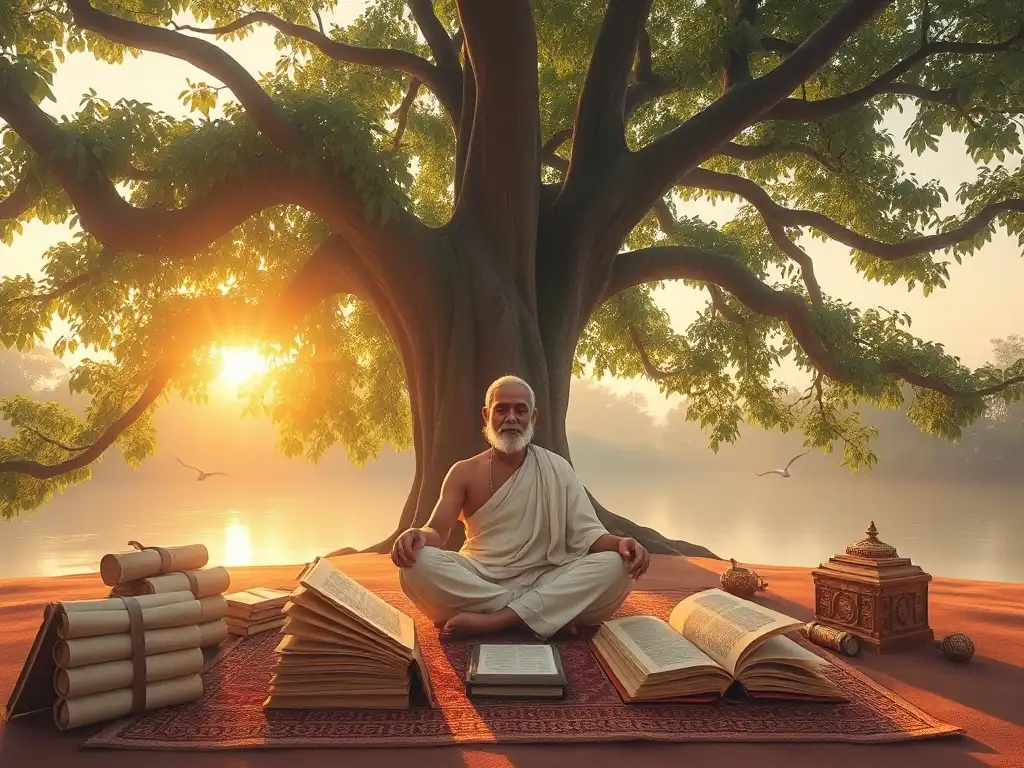
Overview of the Four Vedas
The Vedas, composed in ancient Sanskrit, are a collection of hymns, prayers, and rituals that form the foundation of Hindu philosophy and spirituality. They are categorized into four distinct texts: Rigveda, Samaveda, Yajurveda, and Atharvaveda. Each of these texts serves a unique purpose and contributes to the spiritual and cultural fabric of ancient India.
- Rigveda: The oldest and most revered of the Vedas, it consists of hymns dedicated to various deities.
- Samaveda: Known for its musical quality, it is primarily a collection of melodies used in rituals.
- Yajurveda: This Veda provides detailed instructions for performing rituals and sacrifices.
- Atharvaveda: It includes hymns and spells that address everyday life and practical concerns.
Understanding these texts is essential for grasping the spiritual practices and meditation techniques that emerged from Vedic traditions.
Rigveda: The Foundation of Knowledge
The Rigveda is often regarded as the cornerstone of Vedic literature. Comprising over 1,000 hymns, it encapsulates a wealth of knowledge concerning cosmology, philosophy, and morality. The hymns are structured in a poetic form, invoking various gods and expressing profound ideas about the universe.
- Philosophical Depth: The Rigveda introduces concepts such as Brahman (the ultimate reality) and Atman (the individual soul), laying the groundwork for later philosophical discussions.
- Meditative Practices: Many hymns encourage meditation on the nature of existence and the pursuit of inner peace through the contemplation of divine principles.
The Rigveda's emphasis on knowledge and introspection makes it a vital text for those seeking enlightenment through Vedas meditation.
Samaveda: The Harmony of Sound
The Samaveda is often described as the "Veda of Melodies" due to its focus on music and sound. It consists of chants that are primarily used in the context of rituals and ceremonies.
- Musical Composition: The text is structured in a way that highlights the importance of sound in achieving spiritual elevation. The rhythm and melody are believed to enhance the effectiveness of rituals.
- Meditation through Sound: The practice of chanting Sama (musical verses) fosters a meditative state, allowing practitioners to experience a deeper connection with the divine.
Through its emphasis on sound, the Samaveda offers a unique pathway to inner peace and spiritual awakening.
Yajurveda: The Art of Ritual
The Yajurveda stands out for its practical focus on rituals and sacrificial offerings. It serves as a guide for priests in performing the complex rites essential to Vedic worship.
- Ritual Instructions: The text is divided into two parts: the Shukla (white) Yajurveda, which is prose-based, and the Krishna (black) Yajurveda, which contains a mixture of prose and verse.
- Spiritual Significance: By understanding and performing the rituals described in the Yajurveda, practitioners can cultivate a sense of discipline and devotion, leading to an inner state of peace.
The Yajurveda's detailed instructions on rituals provide a structured approach to achieving spiritual fulfillment.
Atharvaveda: The Wisdom of Everyday Life
The Atharvaveda differs from the other three Vedas by focusing on the practical aspects of life. It includes hymns, spells, and incantations that address health, prosperity, and social harmony.
- Everyday Concerns: This Veda tackles issues such as illness, success, and relationships, offering solutions that are relevant to daily life.
- Meditative Applications: The Atharvaveda encourages meditation on the interconnectedness of life, promoting a holistic approach to inner peace.
Its practical wisdom makes the Atharvaveda a valuable resource for those seeking balance and tranquility in their lives.
The Role of the Vedas in Spiritual Practices
The Vedas play a crucial role in the spiritual practices of Hinduism, particularly in meditation and the pursuit of inner peace. They provide a framework for understanding the nature of existence and the relationship between the individual and the cosmos.
- Meditational Techniques: The teachings of the Vedas encourage various forms of meditation, including Dhyana (focused meditation) and Mantra chanting, which facilitate a deeper connection with the divine.
- Spiritual Guidance: The Vedic texts serve as a guide for practitioners, offering insights into ethical living, devotion, and the cultivation of inner tranquility.
Incorporating Vedas meditation into one’s spiritual practice can lead to profound experiences of inner peace and enlightenment. The rich tapestry of knowledge embedded within the Vedas continues to inspire those on the path of self-discovery and spiritual awakening.
Meditation in the Vedic Tradition
The Vedic tradition, which forms the bedrock of ancient Indian philosophy, places significant emphasis on meditation as a pathway to achieving inner peace and enlightenment. Rooted in the sacred texts known as the Vedas, meditation is not merely a practice but a profound spiritual discipline aimed at transcending the mundane and connecting with the divine. This section delves into the intricate relationship between the Vedas and meditation, exploring its principles, techniques, and the overarching goal of attaining inner tranquility.
The Concept of Meditation in the Vedas
In the Vedic texts, meditation (Dhyana) is often described as a means of achieving union with the ultimate reality (Brahman). The Vedas articulate that through meditation, individuals can quiet the mind, still their thoughts, and foster a deeper understanding of their true nature. The concept of meditation in the Vedas encompasses several key principles:
- Inner Reflection: The Vedas advocate for introspection, encouraging practitioners to turn their focus inward and explore the depths of their consciousness.
- Tranquility of Mind: A central tenet of Vedic meditation is establishing a state of mental peace, free from distractions and external disturbances.
- Connection to the Divine: Meditation is viewed as a sacred practice that facilitates a direct connection with the divine, allowing individuals to experience a sense of oneness with the universe.
The Vedic texts also emphasize the importance of a disciplined approach to meditation, where consistency and dedication can lead to profound spiritual insights and a lasting sense of inner peace.
Techniques of Vedic Meditation
The Vedic tradition encompasses a variety of meditation techniques, each designed to cater to different aspects of the mind and spirit. These techniques are rooted in the teachings of the Vedas and can be practiced by individuals seeking to enhance their spiritual journey.
Mantra Meditation: Harnessing the Power of Sound
One of the most prominent techniques in Vedic meditation is the use of mantras—sacred sounds or phrases that are repeated during meditation. The practice of mantra meditation involves:
- Selection of Mantra: Practitioners typically choose a mantra that resonates with their spiritual aspirations, such as "Om" or "So Hum."
- Repetition: The mantra is repeated silently or audibly, allowing the sound vibrations to penetrate the mind and promote concentration.
- Focus on Sound: By concentrating on the mantra's sound and meaning, practitioners can quiet their thoughts and deepen their meditative experience.
The vibrational quality of mantras is believed to align the practitioner's energy with universal consciousness, facilitating a pathway to inner peace.
Visualization and Concentration Techniques
Another essential aspect of Vedic meditation involves visualization and concentration. This technique emphasizes the following elements:
- Imagery: Practitioners visualize calming images, such as serene landscapes or sacred symbols, to create a peaceful mental environment.
- Breath Awareness: Focusing on the breath serves as an anchor, helping to ground the practitioner in the present moment and reduce mental chatter.
- Focused Attention: Maintaining concentrated awareness on a single point or image aids in developing deeper states of meditation and enhances overall mental clarity.
By integrating visualization with concentration techniques, individuals can cultivate a heightened state of awareness and foster a profound sense of inner peace and enlightenment. The combination of these practices reflects the rich tapestry of Vedic meditation, offering a comprehensive approach to spiritual growth and self-discovery.
Pathways to Inner Peace Through Vedic Meditation
The Vedas, the ancient scriptures of India, serve as a profound source of wisdom that guides individuals on their journey toward inner peace and enlightenment. Vedic meditation, rooted in these texts, provides a structured approach to achieving mental tranquility and spiritual awakening. This section explores how Vedic meditation serves as a pathway to inner peace, emphasizing its philosophical underpinnings and practical benefits.
Understanding Inner Peace: A Vedic Perspective
Inner peace, from a Vedic perspective, is not merely the absence of conflict or anxiety; it is a state of profound stillness and harmony within oneself. The Vedas articulate that true peace arises when one aligns with the cosmic order (Dharma) and transcends the fluctuations of the mind. Within the Upanishads, a part of the Vedic texts, the concept of Atman (the inner self) and Brahman (the universal consciousness) highlights the interconnectedness of all existence, suggesting that inner peace is achieved through the realization of this unity.
Meditation, as prescribed in the Vedic tradition, is a tool to quiet the mind and access deeper layers of consciousness. It involves techniques such as mantra chanting, breath control (Pranayama), and focused attention. By engaging in these practices, individuals can transcend their everyday thoughts and emotions, leading to a profound sense of calm and clarity.
Benefits of Vedic Meditation for Mental Well-being
The practice of Vedic meditation offers numerous benefits for mental well-being, contributing significantly to achieving a state of inner peace. Below are some key benefits:
Stress Reduction and Emotional Balance
- Alleviation of Stress: Vedic meditation has been shown to reduce stress levels by lowering the production of stress hormones such as cortisol. Regular practice allows the mind to shift from a state of reactivity to one of calm awareness.
- Emotional Regulation: Engaging in Vedic meditation fosters emotional balance. Practitioners often report a greater ability to manage their emotions, reducing anxiety and promoting a more stable emotional state.
- Neuroplasticity: Studies have indicated that meditation can lead to changes in brain structure, enhancing areas associated with emotional regulation and resilience. This adaptability promotes a healthier mental landscape.
Enhanced Focus and Clarity
- Improved Concentration: One of the primary benefits of Vedic meditation is its ability to enhance focus. By training the mind to concentrate on a single point or mantra, practitioners develop sharper attention skills, which can be applied to various aspects of daily life.
- Mental Clarity: Vedic meditation clears mental clutter, allowing individuals to think more clearly and make better decisions. This clarity arises from the quieting of the mind, enabling a deeper understanding of thoughts and feelings.
- Creativity Boost: Many practitioners find that meditation enhances their creativity. By accessing a calm state, the mind becomes more open to new ideas and perspectives, facilitating innovative thinking.
Vedic meditation serves as a powerful tool for cultivating inner peace and enriching mental well-being. Its integration of ancient wisdom and practical techniques offers a pathway toward emotional balance, enhanced focus, and a profound sense of tranquility. As individuals engage with these practices, they embark on a journey that not only transforms their mental state but also fosters a deeper connection with their true selves and the universe.
Enlightenment: The Ultimate Goal of Vedic Meditation
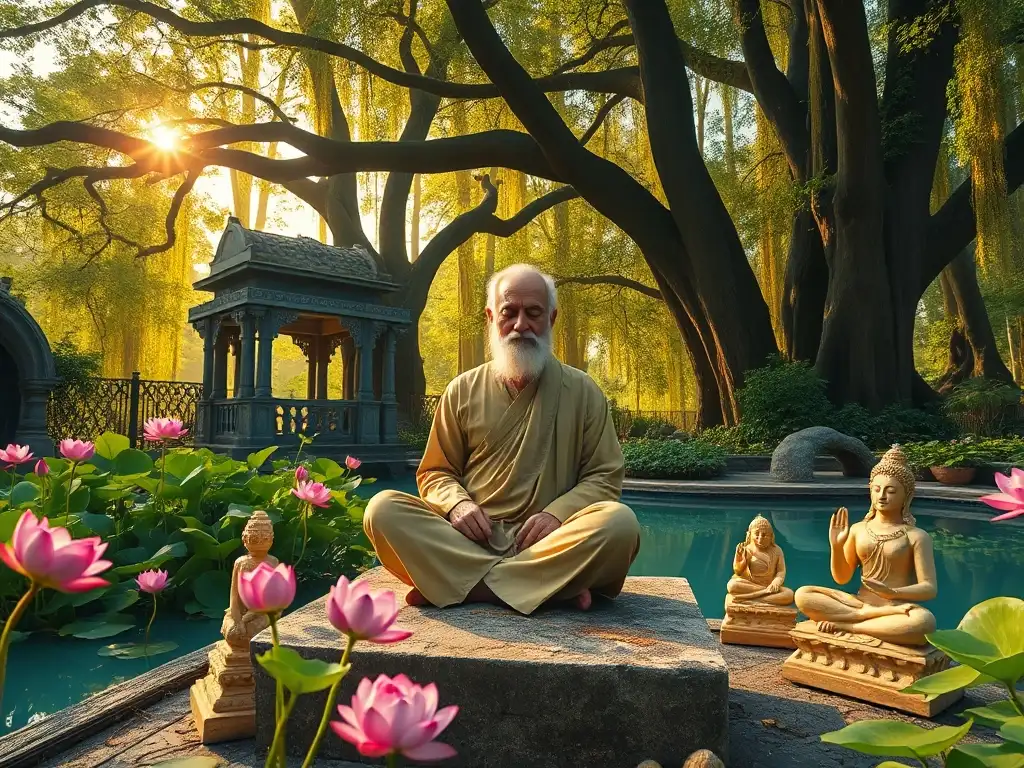
In the context of Vedic meditation, enlightenment represents the pinnacle of spiritual growth and self-realization. This state, often referred to as moksha or nirvana, signifies liberation from the cycles of birth and rebirth (samsara) and a profound union with the divine consciousness. Vedic texts elucidate that enlightenment is not merely an abstract concept but a tangible experience that every practitioner can attain through disciplined meditation practices rooted in the Vedas.
The Journey Towards Enlightenment in Vedic Philosophy
The journey towards enlightenment in Vedic philosophy is intricate and multi-faceted, encompassing various practices that lead to inner peace and self-awareness. Central to this journey is the understanding that each individual possesses a divine essence, often obscured by ignorance and worldly distractions.
-
Understanding the Self:
Vedic meditation emphasizes the exploration of the Atman (the individual soul) and its relationship with Brahman (the ultimate reality). Through deep meditation, practitioners cultivate self-awareness, recognizing the illusion of separation from the divine.
-
Meditative Practices:
The Vedas prescribe specific techniques such as Dhyana (meditation) and Mantra chanting, which serve as tools for focusing the mind and transcending ordinary thought patterns. These practices help in quieting the mental chatter, allowing individuals to connect with their deeper selves and experience moments of profound stillness.
-
Ethical Living:
Enlightenment is also rooted in living a life that aligns with Vedic values, which include truthfulness ( satya), non-violence ( ahimsa), and compassion. Adhering to these principles creates a harmonious environment conducive to meditation, enhancing the spiritual journey.
-
Guidance from the Gurus:
Vedic traditions place great importance on the role of spiritual teachers or gurus. Their wisdom and guidance can help practitioners navigate the complexities of their spiritual path, offering insights that are crucial for attaining enlightenment.
As one progresses on this journey, the cumulative effects of meditation foster a deeper understanding of existence and a greater sense of inner peace.
Personal Transformations Through Meditation
The transformative power of Vedic meditation extends beyond the individual, influencing various aspects of life. Practitioners often report profound changes in their mental, emotional, and spiritual states, which can be summarized as follows:
-
Clarity of Mind:
Regular practice of Vedic meditation leads to enhanced concentration and mental clarity. This heightened awareness allows individuals to recognize their thoughts and emotions without judgment, fostering a more balanced perspective on life's challenges.
-
Emotional Resilience:
Meditation cultivates emotional stability. As practitioners learn to observe their emotions rather than react impulsively, they develop resilience against stress and anxiety. This emotional fortitude is essential for maintaining inner peace amidst external turmoil.
-
Deep Sense of Connection:
Many experience a profound sense of connection with themselves and the universe through meditation. This interconnectedness fosters empathy and compassion towards others, enriching their relationships and community interactions.
-
Spiritual Growth:
Personal transformations often culminate in a strengthened spiritual practice. As individuals deepen their meditation, they may encounter significant spiritual insights and experiences, guiding them closer to the ultimate goal of enlightenment.
Vedic meditation serves as a powerful pathway not only to inner peace but also to profound personal transformations. By engaging with the practices outlined in the Vedas, practitioners embark on a journey that leads them toward the ultimate goal of enlightenment, reflecting the rich and diverse philosophical heritage of ancient India.
Case Studies: Real-Life Applications of Vedic Meditation

Individual Experiences of Inner Peace
Vedic meditation, rooted in the ancient texts of the Vedas, has transformed the lives of countless individuals seeking inner peace. Many practitioners report profound changes in their mental and emotional well-being after incorporating this practice into their daily routines.
For instance, a study conducted by researchers at the University of Massachusetts found that participants who practiced Vedic meditation for just 20 minutes a day showed significant reductions in stress and anxiety levels. One participant, a corporate executive, shared her experience:
After just a few weeks of meditating, I noticed that my ability to manage stress improved dramatically. I felt more centered and calm, even in high-pressure situations.
The benefits of Vedic meditation extend beyond mere stress relief. Many individuals report enhanced clarity of thought, improved focus, and a greater sense of purpose in life. A survey of over 500 Vedic meditation practitioners revealed that 82% experienced a marked improvement in their overall quality of life after adopting this practice.
Community Impact: Group Meditation Practices
The communal aspect of Vedic meditation also plays a vital role in fostering a sense of belonging and collective inner peace. Group meditation sessions, often held in community centers and spiritual retreats, create a powerful environment for participants to connect deeply with themselves and each other.
In cities like Mumbai and Bangalore, group meditation has gained popularity as a means to bring people together. One notable initiative, the "Vedic Meditation Collective," organizes weekly sessions that attract individuals from various backgrounds. Participants have reported transformative experiences that extend beyond personal peace.
For example, during one session, attendees shared their stories of overcoming personal challenges through the shared energy and support of group meditation. The founder of the collective stated:
When we meditate together, we amplify the benefits. It's not just about individual peace; it’s about creating a ripple effect in the community.
The impact of group meditation is evident in the community's mental health statistics. A recent study indicated that areas with active group meditation practices saw a 30% decrease in reported cases of anxiety and depression among residents. This demonstrates the potential of Vedic meditation not only as a personal tool for inner peace but as a catalyst for collective healing and harmony.
By understanding these real-life applications of Vedic meditation, we can appreciate its profound influence on individual lives and community well-being, ultimately highlighting its importance as a pathway to inner peace and enlightenment.
Conclusion
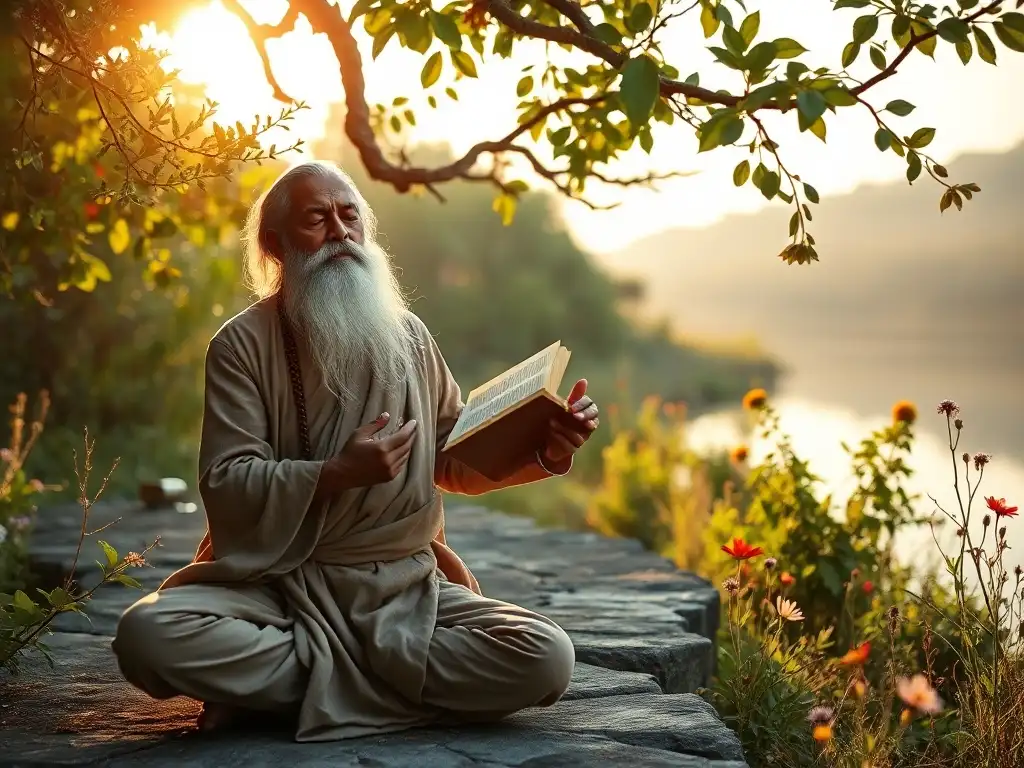
The Vedas, as the foundational texts of ancient Indian philosophy, have profoundly influenced the spiritual landscape of not only India but also the world. Their teachings extend beyond mere rituals and hymns, offering a pathway to inner peace and enlightenment through meditation. This conclusion reflects on the enduring legacy of the Vedas in shaping modern meditation practices and invites readers to embrace these ancient wisdoms for a tranquil mind.
The Lasting Influence of the Vedas on Modern Meditation Practices
The influence of the Vedas on contemporary meditation practices is both extensive and profound. As the earliest scriptures of Hinduism, the Vedas encapsulate a rich philosophy of life that underscores the importance of self-realization and inner tranquility.
- Philosophical Foundations: The Vedas introduce concepts such as Brahman (the ultimate reality) and Atman (the individual self), which are central to meditative practices today. Understanding these principles encourages practitioners to seek a deeper connection with themselves and the universe.
- Meditation Techniques: Various meditation techniques rooted in Vedic literature encourage mindfulness and concentration. For instance, the practice of Dhyana (meditative absorption) is derived from the Vedic texts, promoting mental clarity and emotional stability.
- Chanting and Mantras: The recitation of mantras, which are often derived from Vedic verses, plays a crucial role in modern meditation. These sound vibrations help practitioners focus their minds and connect with higher states of consciousness.
- Holistic Approach: The Vedic texts advocate a holistic approach to meditation, integrating physical, mental, and spiritual practices. This balance is essential for achieving true inner peace, as emphasized in various contemporary mindfulness programs.
Embracing Vedic Wisdom for a Peaceful Mind
To cultivate a peaceful mind, it is essential to embrace the timeless wisdom of the Vedas. Here are some practical ways to incorporate Vedic principles into daily life:
- Daily Meditation Practice: Setting aside time each day for meditation can foster a sense of calm and clarity. Techniques such as Trataka (candle gazing) and Ajapa Japa (the repetition of a mantra) can be easily integrated into modern routines.
- Mindful Living: Adopting a mindset of mindfulness in daily activities encourages a deep sense of presence and peace. Reflecting on Vedic teachings during everyday tasks can transform mundane moments into opportunities for spiritual growth.
- Connection to Nature: The Vedas emphasize the interconnection between all living beings. Spending time in nature and reflecting on this relationship can enhance feelings of tranquility and wellbeing.
- Community and Satsang: Engaging with like-minded individuals in practices such as Satsang (spiritual gatherings) can foster a supportive environment for personal and collective growth. Sharing experiences and insights can deepen one's understanding of Vedic meditation.
The Vedas offer a rich tapestry of teachings that provide pathways to inner peace and enlightenment. By embracing these ancient practices, individuals can cultivate a harmonious mind and spirit, leading to a fulfilling and purposeful life.
Additional Resources for Further Exploration
Recommended Readings on the Vedas and Meditation
To deepen your understanding of the Vedas and their relationship to meditation and inner peace, consider exploring the following recommended readings:
-
The Vedas: An Introduction by David Frawley
This book offers a comprehensive overview of the Vedas, including their historical context, structure, and significance in Hindu philosophy.
-
Meditation and the Vedas by Swami Sivananda
A profound exploration of how the Vedic texts inform meditation practices, this work emphasizes the spiritual and psychological benefits of meditation as outlined in ancient scriptures.
-
The Essence of the Vedas: A Guide to Inner Peace by Swami Tejomayananda
This text distills the teachings of the Vedas into practical wisdom for achieving inner peace through meditation and mindfulness.
-
Upanishads: The Last of the Vedas by Eknath Easwaran
This book focuses on the Upanishads, the concluding part of the Vedic texts, which delve deeply into the concepts of self-realization and enlightenment.
-
The Bhagavad Gita: A New Translation by Stephen Mitchell
While not a Veda per se, the Bhagavad Gita is a critical text that complements Vedic teachings on meditation and inner peace, offering insights into how to live a balanced life.
Online Courses and Workshops on Vedic Practices
Engaging in structured learning can significantly enhance your practice of Vedic meditation. Here are some online courses and workshops that focus on Vedic practices:
-
Vedic Meditation Course
This course typically covers the foundational principles of Vedic meditation, including techniques, benefits, and how to integrate meditation into daily life. Many platforms offer these courses, often led by experienced instructors.
-
Understanding the Vedas: The Path to Inner Peace
An online workshop that explores the teachings of the Vedas, this course emphasizes meditation techniques and their application to achieve tranquility and spiritual enlightenment.
-
Mindfulness and Meditation in the Vedic Tradition
This course focuses on mindfulness practices rooted in Vedic philosophy, teaching participants how to cultivate awareness and inner calm through meditation.
-
The Science of Vedic Meditation
This program combines traditional teachings with modern scientific insights, discussing the psychological and physiological benefits of Vedic meditation practices.
-
Practical Vedic Wisdom for Modern Living
A holistic approach that integrates meditation, yoga, and Vedic philosophy, this workshop helps participants apply ancient wisdom to contemporary challenges for a more peaceful life.
By engaging with these resources, you can deepen your understanding of the Vedas and enhance your practice of meditation, ultimately leading to greater inner peace and enlightenment.
Frequently Asked Questions
What are the Vedas?
The Vedas are ancient Indian texts that form the foundation of Hindu philosophy and spirituality. They consist of four main collections that include hymns, rituals, and philosophical teachings.
How do the Vedas relate to meditation?
The Vedas provide extensive guidance on practices like meditation that aim to cultivate inner peace and spiritual enlightenment. They emphasize the importance of meditative practices as a means to connect with the divine.
What are the benefits of meditation according to the Vedas?
According to the Vedas, meditation offers numerous benefits, including enhanced mental clarity, emotional stability, and a profound sense of inner peace. It is seen as a key practice for personal and spiritual growth.
Can anyone practice Vedic meditation?
Yes, Vedic meditation is accessible to everyone, regardless of background or experience. The teachings of the Vedas encourage individuals to develop their own practice to achieve inner peace and harmony.
How can one start meditating using Vedic principles?
To start meditating using Vedic principles, one can begin by finding a quiet space, focusing on their breath, and using mantras or affirmations from the Vedas to guide their practice toward inner peace and mindfulness.
Final Reflection: The Vedas as a Timeless Guide to Inner Peace and Enlightenment
In a world that often feels chaotic and overwhelming, the teachings of the Vedas and their connection to meditation resonate more than ever. These ancient texts offer profound insights into achieving inner peace and enlightenment, reminding us that the journey within is just as crucial as the journey without. As we navigate the complexities of modern life, the wisdom of the Vedas serves as a beacon, guiding us toward a state of tranquility and self-awareness that is essential for our well-being.
The influence of the Vedas on contemporary culture is undeniable, as they continue to shape our understanding of mindfulness and meditation practices. Incorporating these teachings into our daily lives not only enriches our personal experience but also fosters a collective consciousness that values peace and harmony. As the renowned spiritual teacher Deepak Chopra once said, In the midst of movement and chaos, keep stillness inside of you.
This encapsulates the essence of what the Vedas teach us: that true peace comes from within, and it is our responsibility to cultivate that stillness amidst the noise of the world.
As we reflect on the lessons drawn from the Vedas, I invite you to embark on your own journey of self-discovery and inner peace. Consider how meditation can serve as a tool for personal transformation and a pathway to enlightenment. Take a moment each day to connect with your breath, explore your thoughts, and embrace the stillness that lies within. Let the wisdom of the Vedas inspire you to create a life filled with purpose, serenity, and a deeper understanding of yourself and the universe around you.
Unveil Your Inner Peace Today!
Thank you for joining us on this journey through the ancient wisdom of the Vedas and the transformative power of meditation. You've gained valuable insights into how these practices can guide you toward inner peace and enlightenment. Now, it’s time to take the next step!
- Start your meditation practice today: Set aside just 5-10 minutes to sit quietly and focus on your breath. Let the teachings you've explored guide you as you cultivate mindfulness.
- Explore Vedic texts: Dive deeper into the wisdom of the Vedas by selecting a verse to reflect on each week. Consider keeping a journal to document your thoughts and insights.
- Share your journey: Connect with others by discussing your experiences with meditation and Vedic studies in community forums or social media groups.
What unique insights have you discovered about yourself through meditation, and how do you plan to incorporate the wisdom of the Vedas into your daily life?