
Vedic Deities: Exploring the Pantheon of Ancient Indian Gods

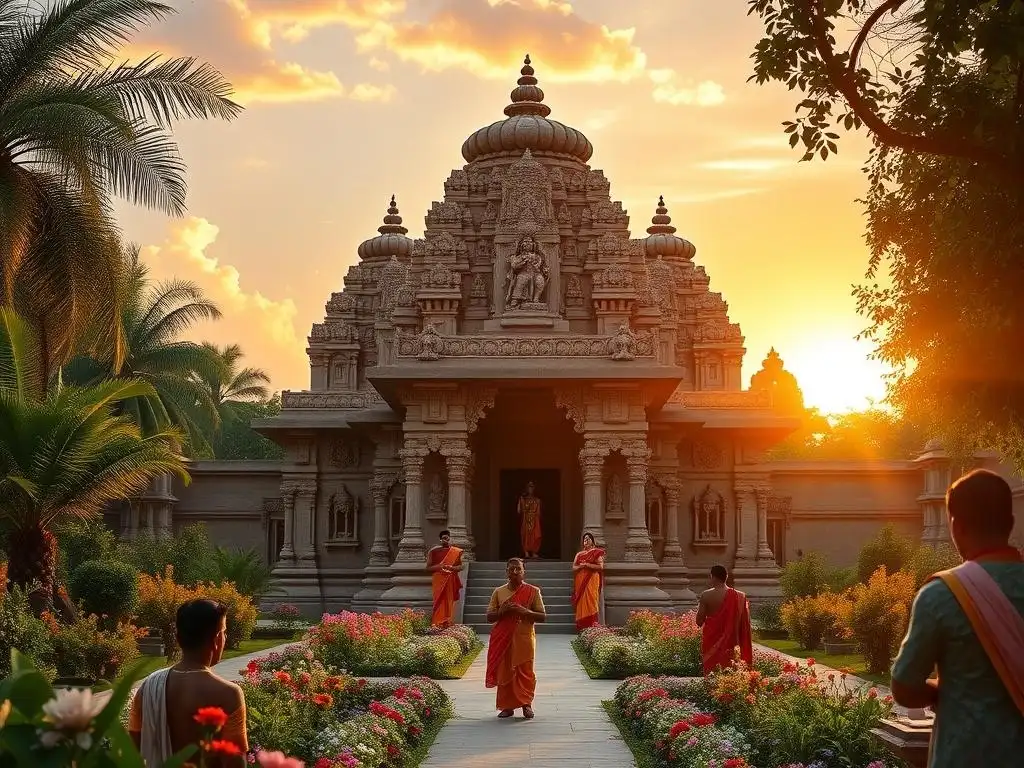
Welcome to Ancient India History, where we embark on a fascinating journey through the rich tapestry of ancient Indian civilizations. Dive deep into the world of Vedic deities as we explore the pantheon of gods that shaped the spiritual and cultural landscape of India. From the mysteries of the Indus Valley to the grandeur of the Gupta Empire, each article unveils the remarkable contributions and legacies of these ancient societies.
Are you ready to uncover the stories behind the divine figures that continue to inspire millions? Join us as we illuminate the epic literature and traditions that celebrate these timeless deities!
- Introduction to Ancient Indian Vedic Deities
- The Major Ancient Indian Vedic Deities
- The Roles and Attributes of Ancient Indian Vedic Deities
- The Evolution of Ancient Indian Vedic Deities
- The Legacy of Ancient Indian Vedic Deities
- Conclusion: The Enduring Relevance of Ancient Indian Vedic Deities
- Frequently Asked Questions
- Final Reflection: Embracing the Wisdom of Ancient Indian Vedic Deities
- Unlock the Mysteries of Vedic Deities Today!
Introduction to Ancient Indian Vedic Deities
The ancient Indian Vedic deities are central figures in the rich tapestry of India's early religious and cultural history. Rooted in the Vedic texts, these deities not only represent various natural elements and cosmic forces but also embody the spiritual beliefs and practices of the early Indo-Aryan society. The Vedic pantheon is diverse, consisting of gods who govern different aspects of life, including creation, sustenance, and destruction.
Understanding these deities provides profound insights into the values, rituals, and cosmology of ancient Indian civilizations. This exploration not only highlights their significance in religious practices but also emphasizes their lasting influence on later Hindu beliefs and practices.
Understanding the Significance of Vedic Deities in Ancient Indian Culture
The Vedic deities held a paramount position in ancient Indian culture, acting as intermediaries between the divine and earthly realms. Each deity was associated with specific aspects of nature and human experience, reflecting the society's close relationship with the environment. For example, Indra, the king of the gods, represented thunder and rain, essential for agriculture, while Agni, the fire god, symbolized purification and transformation.
The worship of these deities involved elaborate rituals and offerings, which were crucial for ensuring prosperity, health, and harmony within the community. The practice of Yajna (sacrificial rituals) was a vital means of appeasing the gods, reinforcing social order, and fostering a sense of unity among the people. Furthermore, the stories and hymns dedicated to these deities, encapsulated in the Rigveda and other Vedic texts, serve as a testament to the spiritual and philosophical inquiries of the time.
The reverence for Vedic deities also paved the way for the development of later Hinduism, where many of these deities evolved into more complex forms and were integrated into a broader pantheon. Thus, understanding Vedic deities is key to grasping the foundational elements of ancient Indian spirituality and its enduring legacy.
Overview of the Vedic Texts and Their Role in Hinduism
The Vedic texts, composed between 1500 and 500 BCE, are among the oldest sacred scriptures in the world, providing a comprehensive account of ancient Indian thought, ritual, and worship. The four primary Vedas— Rigveda, Samaveda, Yajurveda, and Atharvaveda—each serve distinct purposes but collectively emphasize the significance of Vedic deities.
- Rigveda: This is the oldest and most important Veda, containing hymns dedicated to various deities, including Agni, Indra, and Soma. These hymns articulate the philosophical and cosmological ideas of the time, revealing the deities' roles in the natural and spiritual world.
- Samaveda: Primarily a liturgical text, the Samaveda focuses on melodies and chants used during rituals, highlighting the importance of sound and music in worshipping the gods.
- Yajurveda: This Veda is dedicated to the performance of rituals, providing instructions on how to conduct sacrifices and honor the deities, thus linking the spiritual and practical aspects of worship.
- Atharvaveda: Unlike the others, the Atharvaveda encompasses a broader array of topics, including spells, charms, and incantations, showcasing the everyday concerns of ancient people while still invoking divine powers.
Together, these texts not only shaped the religious landscape of ancient India but also laid the groundwork for later philosophical developments in Hinduism. The reverence for Vedic deities continues to influence contemporary practices, ensuring that the legacy of these ancient figures remains vibrant in modern spiritual life.
The Major Ancient Indian Vedic Deities
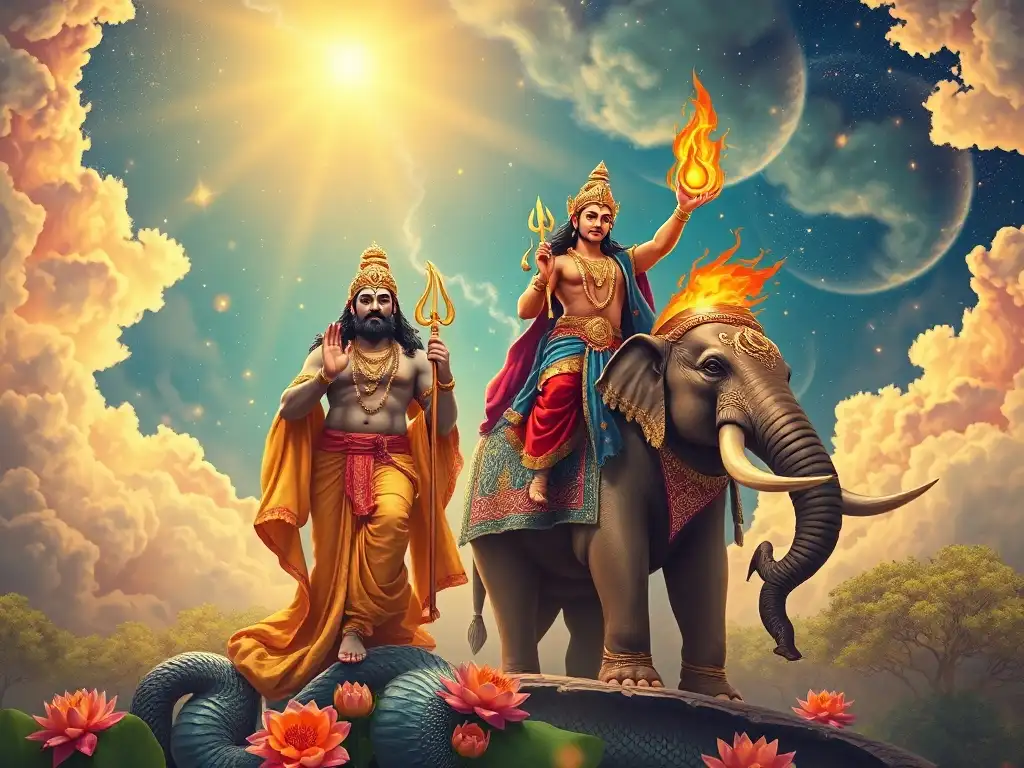
The pantheon of Ancient Indian Vedic deities reflects the complexity and richness of early Indian spirituality. These deities, worshipped in the Vedic texts, symbolize various natural forces and aspects of life, emphasizing the connection between humanity and the cosmos. Each deity is associated with specific attributes, rituals, and hymns, showcasing the diverse belief systems that flourished during the Vedic period.
Indra: The King of Gods and God of Thunder
Indra is often regarded as the most prominent deity in the Vedic pantheon, serving as the king of the gods and the god of thunder and rain. He is frequently depicted wielding a thunderbolt (Vajra) and riding a white elephant named Airavata. His character embodies the warrior spirit, and he is celebrated for his valor in battles against the forces of chaos.
- Attributes:
- Thunder and Rain: Indra is primarily associated with weather phenomena, particularly thunderstorms, which were essential for agriculture.
- Warrior Aspect: He is depicted as a protector of the heavens, defeating demons and ensuring the stability of the cosmos.
- Rituals: The Indrasyana, or offerings made to Indra, were crucial for invoking his favor during agricultural cycles.
Indra's significance is highlighted in various hymns of the Rigveda, where he is celebrated for his heroic deeds, including the slaying of the serpent Vritra, which allowed rivers to flow freely and nourished the earth.
Agni: The Fire God and Messenger to the Deities
Agni is another central figure in the Vedic pantheon, revered as the god of fire and the divine messenger between humans and the gods. He plays a crucial role in Vedic rituals, serving as the medium through which offerings are made to other deities.
- Attributes:
- Element of Fire: Agni embodies the transformative power of fire, symbolizing both destruction and purification.
- Sacrificial Role: As the primary recipient of sacrifices, Agni is invoked in various rituals to carry offerings to other gods.
- Symbol of Knowledge: He is often associated with enlightenment and the illumination of the mind.
Agni's significance is evidenced by the numerous hymns dedicated to him in the Yajurveda and Atharvaveda, where he is praised for his ability to consume offerings and facilitate the connection between the earthly and divine realms.
Varuna: The God of Cosmic Order and Water
Varuna is revered as the god of cosmic order (Rita) and water, embodying the principles of truth and moral authority. He is depicted as a celestial figure, overseeing the universe and maintaining the balance of natural laws.
- Attributes:
- Cosmic Order: Varuna represents the moral and cosmic order that governs the universe, ensuring harmony in nature.
- Water and Oceans: He is also associated with bodies of water, symbolizing the life-giving aspects of this element.
- Judgment and Law: Varuna is often seen as a judge of human actions, invoking a sense of accountability among mortals.
The importance of Varuna is highlighted in the Rigveda, where he is invoked for protection and guidance, often seen as a deity who watches over the moral conduct of humanity, reinforcing the concept of dharma.
The study of Ancient Indian Vedic deities provides profound insights into the spirituality and cultural practices of early Indian civilizations, showcasing how these divine figures shaped the beliefs and rituals of their time. Through the worship of deities like Indra, Agni, and Varuna, ancient Indians expressed their reverence for nature and the cosmos, leaving a legacy that continues to influence contemporary spirituality.
Surya: The Sun God and Symbol of Vitality
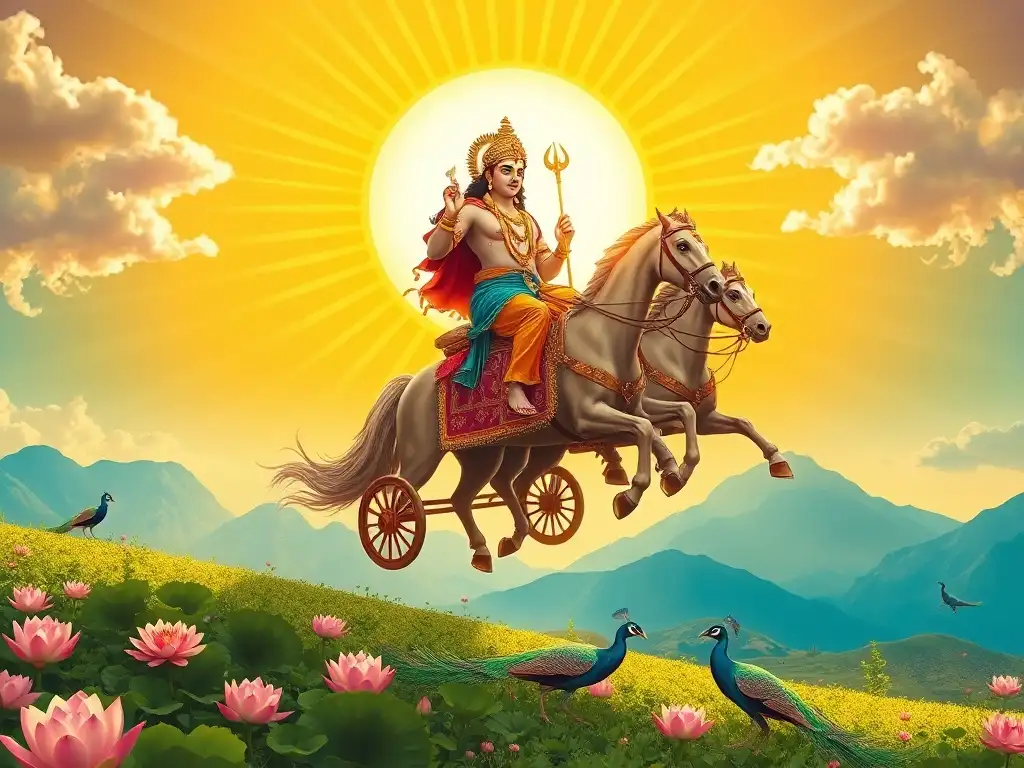
Surya, the Sun God, holds a prominent place in the pantheon of ancient Indian Vedic deities. Revered as the source of light and energy, Surya embodies vitality and health, symbolizing the life-giving properties of the sun. His significance in Vedic texts is profound, as he represents not only the physical sun but also the spiritual illumination and enlightenment that comes with knowledge.
In the Rigveda, one of the oldest sacred texts of India, Surya is often invoked in hymns, highlighting his role as a protector and a force that dispels darkness. Surya’s daily journey across the sky is seen as a metaphor for the cycle of life, death, and rebirth, emphasizing the cyclical nature of existence. Devotees chant the Gayatri Mantra, dedicated to Surya, to seek his blessings for health, prosperity, and spiritual awakening.
Surya is depicted riding a chariot drawn by seven horses, symbolizing the seven colors of light and the seven days of the week. This imagery underscores his connection to time and the rhythm of life. Festivals like Makar Sankranti celebrate Surya, marking the transition of the sun into the zodiac sign of Capricorn, and signify the return of longer days, reflecting the importance of solar cycles in agricultural practices.
In addition to his role in Vedic rituals, Surya is also associated with the Ayurvedic concept of health and wellness, where he is believed to influence the physical and mental well-being of individuals. His worship is considered essential for attaining balance and harmony in life, making Surya a central figure in the spiritual and cultural fabric of ancient Indian civilization.
Soma: The Divine Nectar and Its Importance
Soma, often referred to as the divine nectar, is a significant Vedic deity whose essence permeates ancient Indian rituals and mythology. Representing an intoxicating drink believed to bestow immortality and enlightenment, Soma is both a god and the substance itself, embodying the connection between the divine and the earthly. The rituals surrounding Soma highlight its importance in Vedic society, where it was consumed during sacrificial ceremonies to invoke the blessings of the gods.
The Rigveda contains numerous hymns dedicated to Soma, illustrating its revered status among the deities. It is described as a source of inspiration and ecstasy, granting heightened perception and insight to its drinkers. The extraction of Soma was a meticulous process, involving the crushing of specific plants, which was believed to release its divine qualities. This connection to nature reflects the Vedic understanding of the universe as an interconnected web, where natural elements play a vital role in spiritual practices.
In Vedic cosmology, Soma is often associated with the moon, symbolizing the cyclical nature of life and the balance between light and darkness. This duality mirrors the human experience, emphasizing the importance of moderation and inner harmony. The consumption of Soma during rituals was thought to strengthen the bond between humans and the divine, fostering a sense of community and shared purpose.
Beyond its ritualistic significance, Soma has also been interpreted as a metaphor for the pursuit of knowledge and the quest for immortality. Its essence represents the transformative power of enlightenment, serving as a reminder of the potential for spiritual awakening and the connection between the physical and metaphysical realms. In this way, Soma continues to be a powerful symbol in the exploration of ancient Indian spirituality and philosophy.
The Roles and Attributes of Ancient Indian Vedic Deities
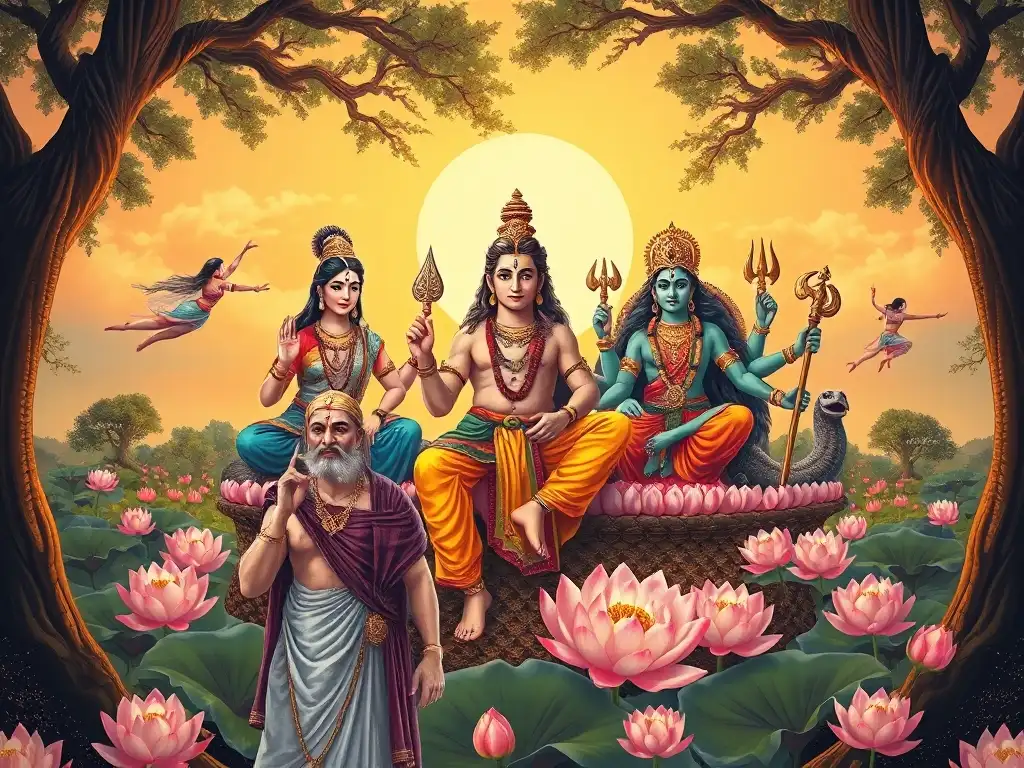
The pantheon of ancient Indian Vedic deities plays a crucial role in the understanding of Vedic literature and the spiritual landscape of early Indian civilization. Each deity embodies specific attributes, functions, and symbolism that reflect the natural world, social order, and cosmic principles. The ancient Indian Vedic deities are not merely representations of power but also serve as embodiments of concepts vital to the Vedic worldview.
The Functions of Vedic Deities in Rituals and Sacrifices
In Vedic tradition, rituals and sacrifices (Yajnas) were integral to maintaining the cosmic order (Rta) and ensuring the favor of the deities. Each Vedic deity has a distinct function in these rituals, serving various purposes:
- Agni: As the fire god, Agni is central to Vedic rituals. He acts as a mediator between humans and gods, consuming offerings and carrying them to the divine realm.
- Indra: The king of gods, Indra plays a pivotal role in battles against chaos and evil, often invoked for victory and protection during rituals.
- Varuna: Associated with cosmic order and moral law, Varuna is often called upon for forgiveness and to uphold truth (Satya).
- Soma: The deity of inspiration and the sacred drink, Soma is crucial during rituals that aim to bring about divine ecstasy and enlightenment.
These deities facilitate the connection between the earthly and divine realms, with the success of the rituals reflecting their favor.
The Symbolism Behind Vedic Deities
The symbolism associated with ancient Indian Vedic deities is deeply rooted in the natural elements and the philosophical concepts of the Vedas. Each deity's attributes reflect aspects of nature and human experience:
- Agni: Represents transformation and purity, symbolizing the transformative power of fire in both physical and spiritual realms.
- Surya (Sun God): Embodies the source of life and light, representing vitality, knowledge, and the cyclical nature of time.
- Chandra (Moon God): Symbolizes tranquility, intuition, and the nurturing aspects of nature, aligning with the lunar cycles that govern agricultural practices.
- Vayu (Wind God): Represents movement and life force (Prana), symbolizing the unseen energies that animate the universe.
These symbols serve not only as representations of the deities but also as metaphysical principles that guide human behavior and understanding of the universe.
Female Vedic Deities: Shakti and Their Influence
The role of female Vedic deities, often referred to as Shakti, embodies the feminine aspect of divine power and creativity. These deities reflect the essential qualities of fertility, nurturing, and strength, and their influence can be seen throughout Vedic literature:
- Saraswati: The goddess of knowledge, music, and arts, Saraswati represents wisdom and the pursuit of learning. She is often invoked during educational rituals.
- Lakshmi: As the goddess of wealth and prosperity, Lakshmi embodies abundance and is essential in agricultural and household rituals.
- Durga: Though more prominent in later texts, Durga is associated with the fierce protection of dharma against chaos and evil forces, illustrating the power of feminine strength.
The female Vedic deities highlight the balance of cosmic forces, emphasizing that the feminine aspect is equally significant in the divine hierarchy. Their worship reflects the reverence for Shakti in ancient Indian culture, symbolizing the vital energy that sustains both life and the universe.
The Evolution of Ancient Indian Vedic Deities
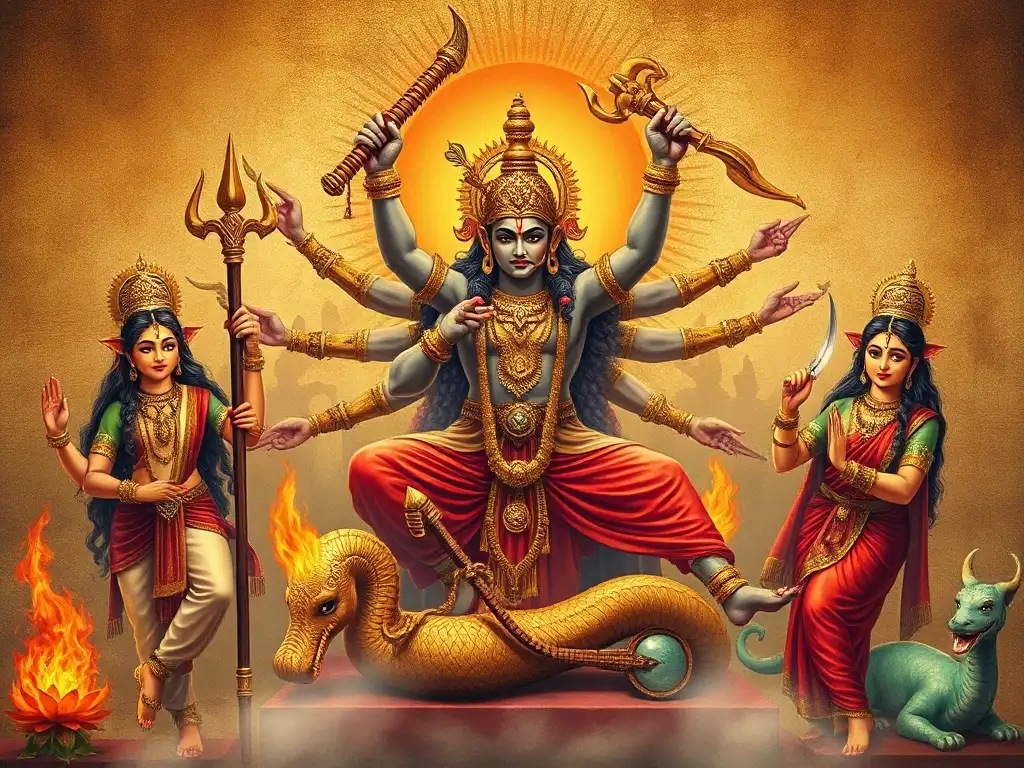
The pantheon of Ancient Indian Vedic deities represents a foundational aspect of Hindu belief systems and illustrates the evolution of religious thought in India. These deities, predominantly worshipped during the Vedic period (circa 1500-500 BCE), were closely associated with natural elements and cosmic phenomena. Their characteristics and forms were heavily influenced by the rich tapestry of societal, cultural, and environmental factors present during this era.
Transition from Vedic Deities to the Epic Literature
The transition from Vedic deities to those found in later epic literature, such as the Mahabharata and Ramayana, is marked by significant transformations.
- Integration of New Elements: As the Vedic religion evolved, many Vedic deities were integrated into the broader narrative frameworks of epic literature. For example, deities like Indra, who was revered as the king of the gods in the Vedas, maintained prominence in these epics but also began to share the stage with newly emerging figures such as Rama and Krishna.
- Shifts in Worship: The shift in worship practices can be seen through the increasing importance of dharma (duty/righteousness) and karma (action) in the context of these epics. Such concepts were less emphasized in the Vedic texts and hinted at a more complex understanding of morality and ethics.
- Mythological Stories: The Vedic deities began to be depicted in more elaborate narratives within epics, thus providing them with human-like qualities and personal stories. This led to greater emotional connections between worshippers and deities, as seen in the trials and tribulations of characters like Arjuna and his divine charioteer Krishna.
Influence of Vedic Deities on Later Hinduism
The legacy of Ancient Indian Vedic deities has had a profound impact on the development of later Hinduism, shaping theological and ritualistic practices.
- Core Beliefs and Practices: Many of the core beliefs established during the Vedic period, such as the importance of sacrifice (yajna) and the reverence for the elements, continued into later Hindu practices. Rituals evolved but retained their Vedic roots, reflecting a continuity of religious tradition.
- Adoption of Vedic Deities: Numerous Vedic deities, such as Agni (the fire god) and Varuna (the god of water), were absorbed into the broader Hindu pantheon. They were often reinterpreted and endowed with new attributes, allowing them to resonate with a wider audience.
- Philosophical Developments: The philosophical ideas surrounding these deities also evolved, as thinkers like Adi Shankaracharya later synthesized Vedic concepts with emerging philosophical schools, including Advaita Vedanta. This synthesis helped to promote a universalistic understanding of divinity in Hinduism.
Regional Variations of Vedic Deities in Ancient India
The worship and depiction of Vedic deities varied significantly across different regions of ancient India, reflecting local cultural practices and beliefs.
- Geographical Diversity: In northern India, deities like Agni were primarily associated with agricultural rituals, while in southern regions, local interpretations of these deities often took on forms that resonated with indigenous beliefs and practices.
- Local Cults and Syncretism: Many regions developed their unique cults around Vedic deities, leading to syncretism where local gods were identified with Vedic ones. For example, the worship of Mother Goddesses can be traced back to Vedic times and continues to thrive in various forms today.
- Artistic Representations: The artistic representation of Vedic deities also varied regionally, with local styles influencing iconography. This can be seen in temple architecture where deities are depicted in forms that reflect regional artistic traditions.
The evolution of Ancient Indian Vedic deities illustrates the dynamic interplay between religion, culture, and society throughout ancient Indian history, laying the groundwork for the diverse and rich tapestry of Hinduism that continues to thrive today.
The Legacy of Ancient Indian Vedic Deities
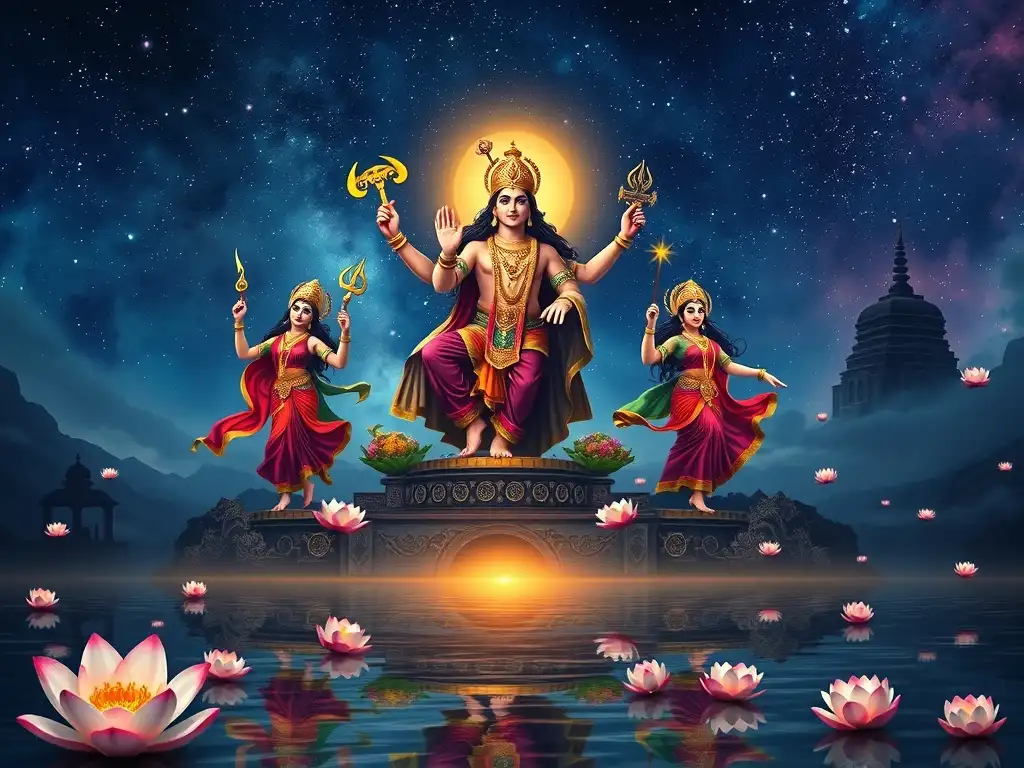
The ancient Indian Vedic deities have left an indelible mark on the cultural, spiritual, and artistic landscape of India. Rooted in the Vedic texts, these deities represent various natural forces and aspects of life, encapsulating the beliefs and practices of early Indian civilization. Their stories and characteristics not only shaped religious practices but also influenced various domains such as art, literature, and philosophy.
Impact on Indian Art, Literature, and Culture
The Vedic deities have been a profound source of inspiration for artists and writers throughout Indian history. Their symbolism and narratives have manifested in multiple art forms, ranging from sculpture to classical dance.
- Artistic Representations:
- Sculpture: Deities like Indra, Agni, and Varuna are depicted in stone carvings, often found in ancient temples. These sculptures intricately showcase their attributes—Indra with his thunderbolt and Agni with flames.
- Painting: The vibrant frescoes of ancient Indian palaces often illustrate scenes from Vedic mythology, depicting the deities in dynamic compositions, celebrating their divine actions.
- Literary Contributions:
- The Vedas themselves are a treasure trove of hymns and verses dedicated to these deities. For instance, the Rigveda contains numerous hymns praising Agni as the fire god, highlighting both his destructive and purifying nature.
- Later texts, such as the Mahabharata and Ramayana, draw heavily upon the themes and characters established in the Vedic period, weaving these deities into their narratives and establishing their significance in the moral and philosophical discussions of the time.
- Cultural Influence:
- Festivals and rituals centered around Vedic deities continue to play a critical role in Indian culture. For example, the worship of Agni during Homa ceremonies reflects ancient practices that are still observed today.
Vedic Deities in Contemporary Hindu Worship
In modern Hindu worship, the legacy of ancient Indian Vedic deities endures through various rituals and practices. Many of these deities are revered in temples and households, highlighting their ongoing relevance.
- Worship Rituals:
- Deities like Agni and Surya are honored during daily prayers and specific rituals. For instance, Sandhyavandanam, a ritual performed at dawn and dusk, includes offerings to the sun god, Surya.
- Special festivals, such as Makar Sankranti, celebrate the sun’s transition and honor the deity with offerings of sweets and prayers.
- Philosophical Interpretations:
- Contemporary worship often incorporates the philosophical aspects of these deities, emphasizing the pursuit of knowledge, righteousness, and cosmic order. The teachings related to these deities inspire modern spiritual seekers and practitioners.
- Integration into Modern Practices:
- Yoga and meditation practices often reference Vedic concepts, encouraging practitioners to connect with the cosmic energies represented by these deities.
Preservation of Vedic Traditions in Modern India
The preservation of Vedic traditions is vital for understanding the continuity of ancient Indian culture. Efforts to maintain these traditions have taken various forms in modern India.
- Educational Institutions:
- Vedic schools, or Gurukuls, continue to teach the ancient scriptures, ensuring that the knowledge of Vedic deities and rituals is passed down to future generations.
- Cultural Organizations:
- Numerous organizations promote Vedic studies and celebrate festivals that honor Vedic deities, fostering community participation and awareness. This includes events, workshops, and lectures that educate people about the significance of these deities.
- Digital Preservation:
- The advent of technology has led to the digital archiving of Vedic texts and resources, making them accessible to a global audience. This not only aids in preservation but also in the wider dissemination of knowledge regarding ancient Indian Vedic deities.
The legacy of ancient Indian Vedic deities is a rich tapestry woven into the very fabric of Indian history and culture. Their influence transcends time, continuing to shape religious practices, artistic expressions, and cultural values in contemporary society.
Conclusion: The Enduring Relevance of Ancient Indian Vedic Deities
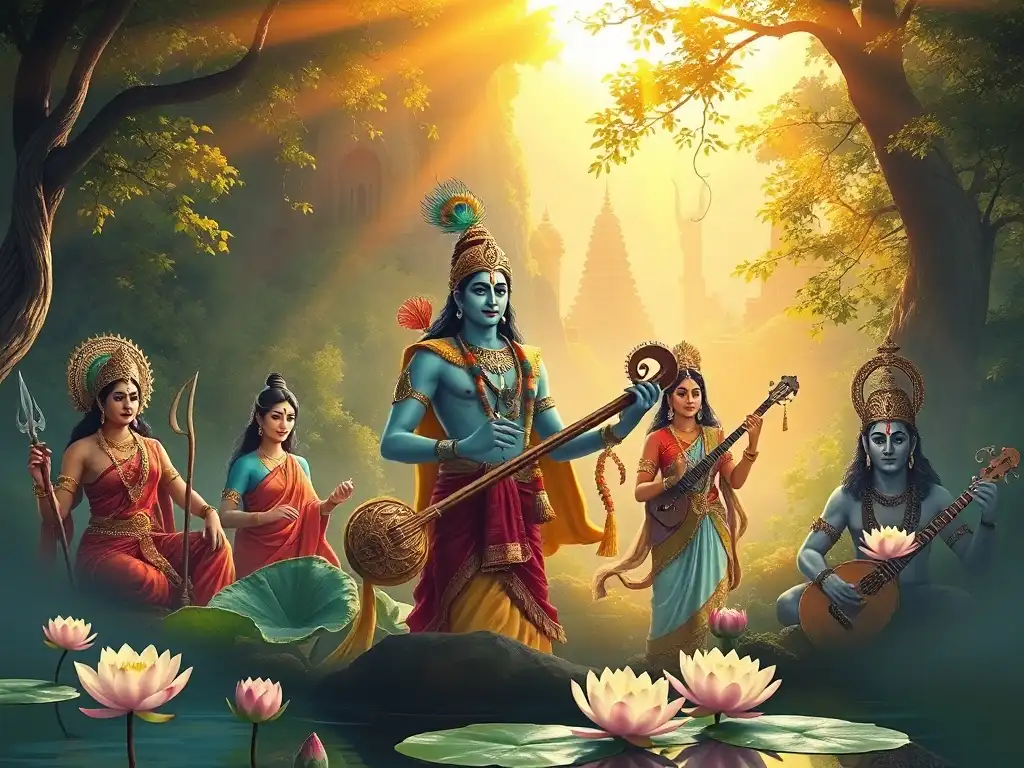
Reflection on the Importance of Vedic Deities in Understanding Ancient Indian Civilization
The pantheon of Ancient Indian Vedic deities offers profound insights into the spiritual and cultural ethos of early Indian civilization. These deities, who are central to the Vedas, not only reflect the religious practices of the time but also symbolize the values, beliefs, and social order prevalent in ancient India.
The Vedic deities, such as Agni (the fire god), Indra (the king of gods), and Varuna (the god of cosmic order), were revered not just for their divine powers but also for their roles in explaining natural phenomena and human existence. They served as embodiments of the forces of nature and societal ideals, illustrating the intricate relationship between humanity and the cosmos.
For instance, the reverence for Agni signifies the importance of fire in Vedic rituals, symbolizing purification and transformation. Similarly, Indra represents strength and courage, embodying the martial spirit that was essential for the early Indo-Aryan communities. By studying these deities, researchers gain access to the collective psyche of ancient Indian society, revealing how spirituality influenced daily life, governance, and social structures.
Moreover, the narratives surrounding these deities often convey moral and ethical lessons, showcasing the integration of spirituality with human behavior. This connection underscores the enduring impact of Vedic thought on subsequent Indian philosophies and religions, indicating a continuity of cultural values that persists to this day.
Future Research Directions on Vedic Deities and Ancient Indian History
The study of Ancient Indian Vedic deities is far from exhaustive, and there remains a wealth of opportunities for future research. Scholars can explore several avenues to deepen our understanding of these figures and their significance in ancient Indian history:
- Comparative Studies: Investigating the similarities and differences between Vedic deities and those in other ancient civilizations can provide insights into shared human experiences and cultural exchanges.
- Archaeological Evidence: New archaeological discoveries related to Vedic rituals and worship practices can shed light on how these deities were venerated and their role in the material culture of ancient India.
- Textual Analysis: A closer examination of the Vedic texts, including the Rigveda, Samaveda, and Yajurveda, can unveil nuances in the depiction and evolution of these deities over time. This includes studying their roles in rituals and hymns to understand the socio-political context of their worship.
- Interdisciplinary Approaches: Collaborating with experts in anthropology, sociology, and religious studies can yield a holistic view of how Vedic deities influenced and were influenced by societal changes, migration patterns, and intercultural interactions.
- Modern Interpretations: Analyzing how these ancient deities are perceived and represented in contemporary literature, art, and popular culture can help trace the legacy of Vedic beliefs and their relevance in modern Indian identity.
By pursuing these research directions, scholars can continue to unravel the complexities of Ancient Indian Vedic deities, enriching our understanding of their place in the historical and cultural tapestry of ancient India. The ongoing exploration of these topics promises to enhance our appreciation of the intricate connections between spirituality, culture, and history in one of the world's oldest civilizations.
Frequently Asked Questions
What are Vedic deities?
Vedic deities are gods and goddesses mentioned in the Vedas, the oldest sacred texts of ancient India. They represent various aspects of nature, cosmic forces, and human experience.
How did Vedic deities influence ancient Indian culture?
Vedic deities played a significant role in shaping rituals, mythology, and philosophy in ancient Indian culture. They were central to worship practices and influenced later traditions in Hinduism.
What is the significance of the Indus Valley in relation to Vedic deities?
While the Indus Valley civilization predates the Vedic period, it laid the foundation for many cultural aspects that would later influence the concepts of deities and ritual practices in the Vedic texts.
How do Vedic deities compare to later Hindu gods?
Many Vedic deities evolved into more recognized Hindu gods in later texts, such as the Mahabharata and Ramayana. Their attributes and stories were often expanded and integrated into the broader Hindu pantheon.
What role did the Gupta Empire play in the worship of Vedic deities?
The Gupta Empire (circa 320-550 CE) saw a revival and expansion of Vedic traditions, with an emphasis on the worship of deities and the establishment of temples, which further solidified the cultural legacy of ancient Indian gods.
Final Reflection: Embracing the Wisdom of Ancient Indian Vedic Deities
The exploration of ancient Indian Vedic deities offers profound insights into the spiritual and philosophical foundations of human existence. As we navigate through a rapidly changing world, the teachings and stories of these deities resonate with timeless wisdom that can guide us in our daily lives. The pantheon of Vedic gods not only reflects the rich tapestry of ancient Indian culture but also serves as a reminder of the universal quest for understanding our place in the cosmos.
The influence of Vedic deities extends far beyond their historical context, shaping cultural narratives and spiritual practices that continue to thrive today. Their stories inspire countless individuals to seek deeper connections with the divine and the universe. As noted by the philosopher and scholar, The gods of the Vedas are not just figures of worship; they embody the very principles of life and existence.
This ongoing relevance highlights the importance of these deities in fostering a sense of belonging and purpose in our modern lives.
As you reflect on the teachings of ancient Indian Vedic deities, I invite you to consider how their wisdom can be applied to your own journey. Take a moment to explore the values they represent—compassion, knowledge, and harmony—and think about how you can integrate these principles into your daily actions and decisions. By embracing the lessons of the past, we can cultivate a more meaningful and connected future, enriching not only our lives but also the lives of those around us.
Unlock the Mysteries of Vedic Deities Today!
Thank you for diving into the fascinating world of Vedic deities with us! You've uncovered the rich tapestry of ancient Indian gods and their significance in history. Now, it’s time to expand your understanding and connection to this vibrant tradition.
Here are a few actions you can take right now:
- Deepen Your Knowledge: Choose a Vedic deity that resonates with you and explore their mythology, significance, and stories. **Books, documentaries, and reputable websites** are excellent resources to enhance your understanding!
- Share the Wisdom: Discuss your favorite deity with friends or family—introducing them to the intriguing aspects of Vedic mythology can lead to engaging conversations and inspire newfound interests.
- Join the Community: Participate in online forums or local discussion groups focused on ancient Indian history to connect with others who share your passion for this rich cultural heritage.
How has learning about these deities influenced your perspective on ancient cultures? We invite you to share your thoughts in the comments below!