
The Ramayana and Its Influence on Dance and Performing Arts

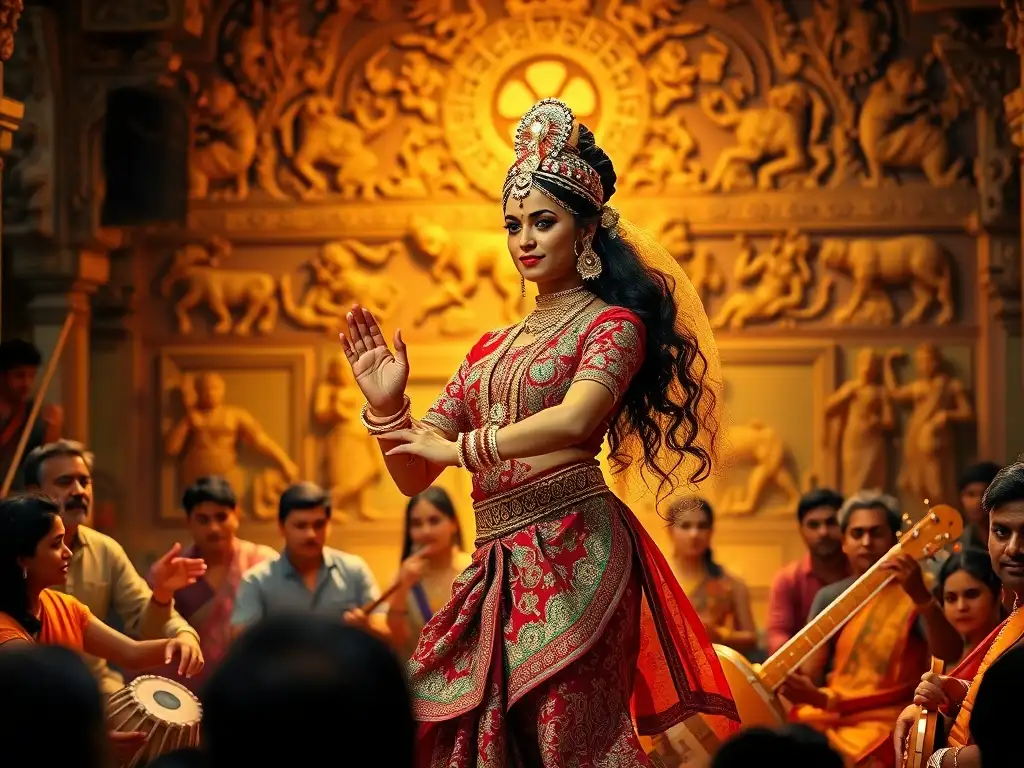
Welcome to Ancient India History, where we embark on a captivating journey through the rich tapestry of ancient Indian civilizations. Here, we delve into the profound legacy that has shaped not only India but the world beyond. In our featured article, “The Ramayana and Its Influence on Dance and Performing Arts,” we unravel the intricate connections between epic literature and the vibrant expressions of dance that continue to enthrall audiences today.
Discover how the timeless tales of the Ramayana have inspired generations of artists and performers, and prepare to be amazed by the cultural depth and artistic brilliance that awaits you. Let's explore together the historical threads that weave through the heart of India's artistic heritage!
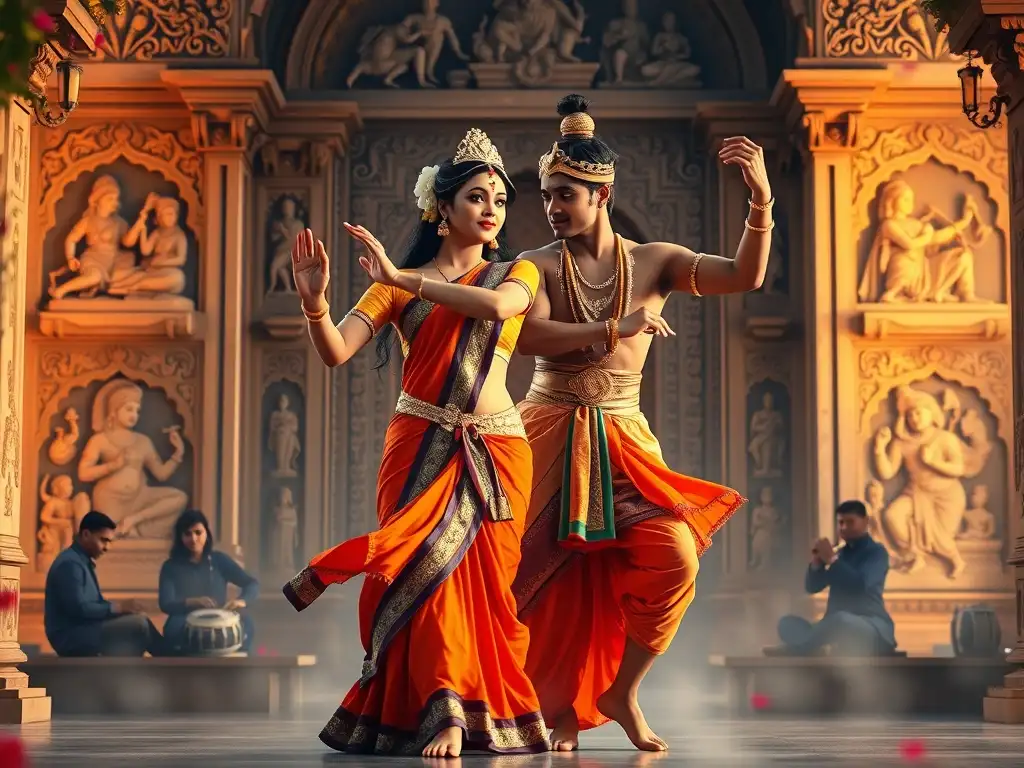
The Ramayana, one of the most revered texts in Indian epic literature, is not only a profound narrative of duty, righteousness, and morality, but it also serves as a cornerstone for various artistic expressions, particularly in dance and performing arts. This ancient epic, attributed to the sage Valmiki, chronicles the life and adventures of Lord Rama, his wife Sita, and his loyal companion Hanuman.
As we delve into the Ramayana's influence on dance, we uncover how its themes, characters, and stories have inspired countless performances across various forms of dance throughout the Indian subcontinent. From classical dance forms like Bharatanatyam and Kathak to folk traditions, the Ramayana has transcended its literary roots to become a vibrant part of India’s cultural fabric.
Introduction to the Ramayana
Overview of the Ramayana
The Ramayana is structured into seven books, known as Kandas, and consists of over 24,000 verses. It narrates the journey of Lord Rama, who embarks on a quest to rescue his abducted wife, Sita, from the demon king Ravana. The epic not only explores the virtues of dharma (duty) and devotion but also highlights the complexities of human relationships and the socio-political dynamics of its time. Its rich narrative serves as a source of inspiration for various art forms, making it a timeless treasure of Indian heritage.
- Key Components of the Ramayana:
- Main Characters: Rama, Sita, Hanuman, Ravana, Lakshmana
- Major Themes: Duty, Honor, Love, Sacrifice
- Cultural Impact: Festivals, Rituals, and Performing Arts
Significance of the Ramayana in Indian Culture
The Ramayana holds an esteemed place in the hearts of millions, shaping the moral and ethical frameworks of society. Its teachings extend beyond mere entertainment, offering lessons on virtue, sacrifice, and the ideal way of life. The recitation and dramatization of the Ramayana during festivals and cultural gatherings not only keep the narrative alive but also reinforce its messages across generations.
- Cultural Impact:
- Festivals: Diwali celebrates Rama's return to Ayodhya.
- Ramlila: A traditional performance reenacting the Ramayana’s story.
- Religious Practices: Rituals and prayers that invoke the characters’ virtues.
The Ramayana's Themes and Stories
Key Characters in the Ramayana
The characters in the Ramayana are not merely fictional figures; they embody various virtues and ideologies that resonate with audiences. Each character plays a significant role in conveying the epic's moral lessons.
| Character | Role | Virtue |
|---|---|---|
| Rama | Protagonist | Dharma (righteousness) |
| Sita | Rama's wife | Patience and fidelity |
| Hanuman | Loyal devotee | Selfless devotion |
| Ravana | Antagonist | Ego and arrogance |
| Lakshmana | Rama's brother | Loyalty and bravery |
Major Events and Their Cultural Significance
The major events of the Ramayana, from Sita’s abduction to the epic battle against Ravana, are steeped in cultural significance. Each event is not only a plot point but also an opportunity for artistic expression, often depicted in various dance forms.
- Significant Events:
- Sita Swayamvar: A pivotal moment showcasing the virtues of Rama.
- Ravana’s Abduction of Sita: Highlights themes of loss and resilience.
- The Battle of Lanka: Represents the triumph of good over evil.
The Ramayana's rich tapestry of characters and events continues to inspire and influence dance and performing arts, ensuring that its legacy endures through generations. As we explore the various dance forms that have drawn inspiration from this epic, we will uncover the intricate ways in which the Ramayana's themes are expressed through movement, music, and narrative.
Dance Forms Inspired by the Ramayana
The Ramayana, one of the two great epics of ancient India, has deeply influenced various art forms, particularly dance. The rich narrative and vivid imagery of the Ramayana have inspired choreographers and dancers to create performances that vividly portray the characters and themes of this epic. Dance forms inspired by the Ramayana often incorporate storytelling, dramatic expressions, and intricate movements that bring the narrative to life. This influence is evident across various regional styles, each adapting the epic's themes to their unique cultural contexts.
From traditional temple dance to contemporary stage performances, the Ramayana serves as a foundational text that shapes the thematic and aesthetic elements of dance. The epic's exploration of love, duty, sacrifice, and valor resonates through the movements and expressions of dancers, making it a timeless source of inspiration.
Classical Dance Styles Reflecting Ramayana Influence
Several classical dance styles in India have drawn extensively from the Ramayana, integrating its narratives, characters, and moral lessons into their performances. Among the most notable are:
- Bharatanatyam: Originating from Tamil Nadu, Bharatanatyam often features scenes and characters from the Ramayana, such as Rama and Sita, presented through expressive hand gestures (mudras) and facial expressions. The dance's rhythmic footwork and graceful movements convey the emotional depth of the narrative.
- Kathak: This North Indian dance form incorporates storytelling through intricate footwork, spins, and expressive hand gestures. Kathak performances frequently depict episodes from the Ramayana, allowing dancers to explore the emotional and dramatic aspects of the characters.
- Kathakali: Originating from Kerala, Kathakali is a highly stylized dance-drama that uses elaborate costumes and makeup to portray characters from the Ramayana. The performance often involves a combination of dance, music, and dialogue, bringing the epic's stories to life in a visually stunning manner.
- Odissi: This dance form from Odisha often features themes from the Ramayana, showcasing the relationship between Rama and Sita through fluid movements and expressive poses. Odissi dancers utilize their bodies to narrate the epic's themes of love and devotion.
In these classical styles, the Ramayana serves not only as a source of content but also as a way to preserve and transmit cultural values and artistic traditions.
The Role of the Ramayana in Contemporary Dance
In contemporary dance, the Ramayana continues to play a significant role, influencing choreographers and performers around the globe. Modern interpretations of this ancient text often seek to bridge traditional forms with contemporary expressions, reflecting current societal themes while honoring the epic's enduring legacy.
Modern Interpretations of Ramayana in Dance
Choreographers today are reimagining the Ramayana, employing innovative techniques and styles that resonate with contemporary audiences. These interpretations often blend elements of traditional dance with modern styles, such as ballet and hip-hop, creating a dynamic fusion that appeals to diverse audiences.
For example, some contemporary dance troupes have developed performances that highlight the themes of the Ramayana—such as justice, love, and resilience—while incorporating modern narratives and social issues. This approach not only revitalizes the ancient epic but also makes it relevant to contemporary contexts, allowing new generations to engage with its stories and lessons.
The Influence of the Ramayana on Global Dance Forms
The influence of the Ramayana extends beyond the borders of India, impacting dance forms globally. Various artists and choreographers have drawn inspiration from the epic, incorporating its themes and characters into their works in different cultural settings.
For instance, in Indonesia, the Ramayana has inspired traditional shadow puppet performances known as Wayang Kulit, which often include dance elements. Similarly, in Thailand, the Ramayana is adapted into the classical dance drama Khon, where performers enact scenes from the epic, showcasing its rich narrative and emotional depth.
This global influence reflects the Ramayana's universal themes of love, duty, and heroism, illustrating how its stories transcend cultural boundaries and continue to inspire artistic expression worldwide. As a result, the Ramayana's impact on dance is not only a testament to its significance in Indian culture but also a celebration of its role in the global artistic landscape.
Performing Arts and the Ramayana
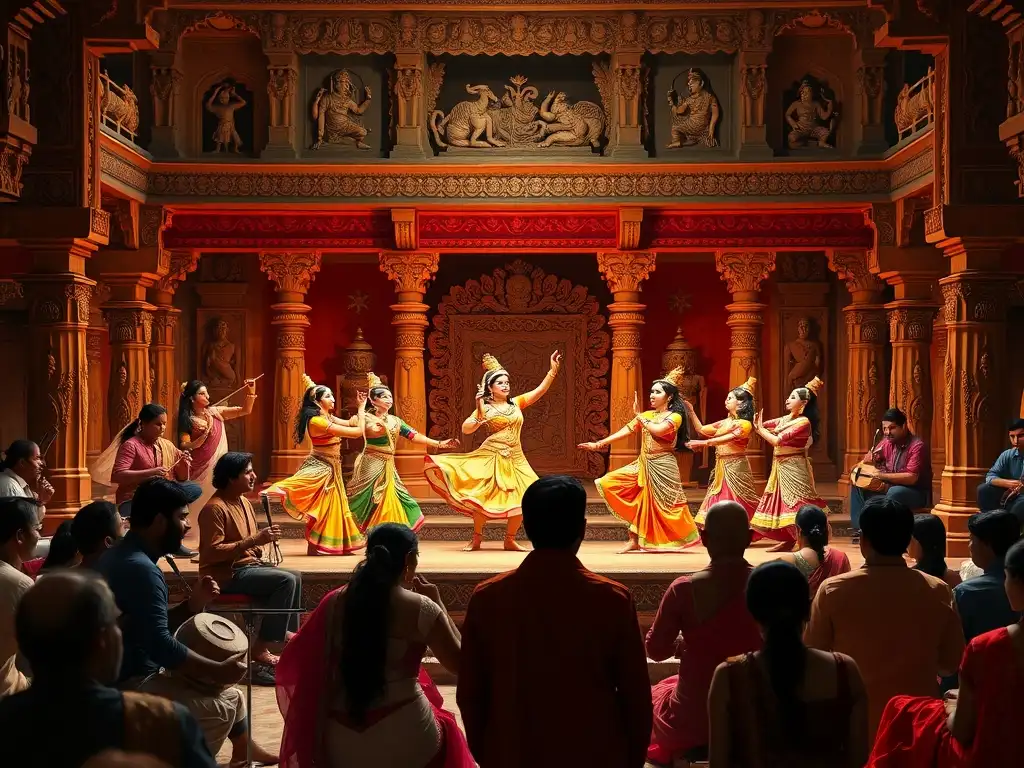
The Ramayana, one of the two great Indian epics, has profoundly influenced various forms of performing arts throughout history. This ancient text, attributed to the sage Valmiki, narrates the life of Lord Rama, his wife Sita, and his loyal companion Hanuman, encapsulating themes of duty, honor, and devotion. The rich narrative and vivid characters offer an ideal canvas for artistic expression, allowing performers to explore complex emotions and moral dilemmas.
Performing arts such as dance, theater, and music have integrated the stories and characters of the Ramayana into their frameworks, helping to keep the epic's teachings alive across generations. In numerous regions of India, local traditions have adapted the Ramayana's themes, leading to diverse interpretations and performances that reflect regional cultures, languages, and styles. This dynamic interplay between the epic and performing arts not only enriches the cultural landscape but also fosters a shared heritage among communities.
Theatrical Adaptations of the Ramayana
Theatrical adaptations of the Ramayana date back centuries and have taken many forms, from traditional shadow puppetry to grand stage productions. Each adaptation brings its unique flavor while remaining rooted in the core narrative. For instance, "Ramlila," a popular folk theater form, vividly dramatizes episodes of the Ramayana through dialogue, music, and dance, engaging audiences in a lively retelling of the epic.
In contemporary contexts, various theater companies and artists have approached the Ramayana with innovative interpretations, often addressing modern themes while preserving the essence of the original story. These adaptations serve not only as entertainment but also as a medium for cultural education, shedding light on the moral and ethical lessons that the Ramayana imparts. The theatrical performances provide a communal experience that fosters dialogue and reflection, ensuring the epic remains relevant in today's society.
The Ramayana's Impact on Dance and Performing Arts
The impact of the Ramayana on dance and performing arts is profound and multifaceted. Classical dance forms such as Bharatanatyam, Kathak, Odissi, and Kuchipudi often draw inspiration from the Ramayana, depicting its narrative through intricate movements, facial expressions, and gestures. Each dance form interprets the epic differently, highlighting the versatility of the stories and characters while emphasizing regional styles and traditions.
Moreover, the incorporation of Ramayana themes into dance allows performers to express deep emotional connections with the characters. The portrayal of Sita's trials, Rama's bravery, and Hanuman's devotion resonates with audiences, evoking empathy and contemplation. This emotional engagement enhances the audience's understanding of the Ramayana's core messages and its cultural significance.
Cultural Preservation through Dance
Dance has served as a vital means of cultural preservation in the context of the Ramayana. Through the performance of traditional dances, artists maintain the narrative's continuity, ensuring that the rich history and teachings of the epic are passed down through generations. Each performance acts as a living tradition that not only entertains but also educates spectators about their cultural heritage.
In many communities, dance performances based on the Ramayana are ritualistic, often associated with festivals and religious celebrations. This connection between dance and spirituality underscores the epic's importance in the cultural fabric of Indian society. By engaging audiences in these performances, artists contribute to the preservation of cultural identities and values linked to the Ramayana.
The Educational Role of Dance in Understanding Ramayana
Dance functions as a powerful educational tool that facilitates the understanding of the Ramayana. Through choreography, performers illustrate the epic's narratives, themes, and characters, making the complex moral dilemmas accessible to audiences of all ages. This educational aspect is particularly valuable for younger generations, as it fosters an appreciation for the epic's literary and cultural significance.
Workshops and educational programs that combine dance with storytelling allow participants to explore the Ramayana interactively. By learning the movements and narratives, individuals gain insights into the characters' motivations and the ethical lessons embedded in the text. Such initiatives not only enrich the understanding of the Ramayana but also encourage a continued engagement with India's rich cultural heritage through the performing arts.
Conclusion
The Ramayana, an epic that narrates the life and adventures of Lord Rama, has transcended generations, profoundly influencing the cultural landscape of India. Its rich narrative, compelling characters, and moral teachings have not only shaped literature but also inspired various forms of dance and performing arts. From classical dance forms like Bharatanatyam and Kathak to folk traditions, the essence of the Ramayana is vividly expressed through movement, music, and drama.
The enduring relevance of the Ramayana is reflected in its adaptability; artists continue to reinterpret its themes in innovative ways, ensuring that the epic remains a vibrant part of contemporary performance art. The emotional depth and philosophical insights offered by the Ramayana provide a wellspring of inspiration for choreographers and performers, allowing them to explore complex themes of duty, love, and righteousness through their art. As we delve deeper into the influence of the Ramayana, it becomes evident that it is not just a story from the past but a living tradition that continues to evolve and inspire.
Summary of Ramayana's Influence on Dance and Performing Arts
The influence of the Ramayana on dance and performing arts can be summarized through several key points:
- Dramatic Interpretations: Many classical dance forms incorporate narratives from the Ramayana, using expressive movements and gestures to portray characters and events. This includes the portrayal of iconic figures such as Rama, Sita, Hanuman, and Ravana.
- Symbolism and Themes: The themes of dharma (duty), devotion, and heroism in the Ramayana resonate profoundly in dance performances, allowing artists to convey moral lessons and societal values.
- Festivals and Rituals: The Ramayana is often performed during religious festivals and cultural events, serving as a medium for communal participation and reflection on the epic's teachings.
- Regional Variations: Different regions of India have developed unique dance styles that interpret the Ramayana, showcasing the diversity of Indian culture. For example, the Ramayana is depicted in the Kathakali dance form of Kerala and the Odissi dance of Odisha, each offering distinct storytelling techniques.
- Modern Adaptations: Contemporary choreographers are continually reimagining the Ramayana, blending traditional elements with modern dance forms to attract newer audiences, ensuring its relevance in today's artistic landscape.
Future Perspectives on Ramayana in Dance and Performing Arts
As we look to the future, the Ramayana's influence on dance and performing arts is poised to continue growing. Here are several perspectives on how this might evolve:
- Fusion of Traditions: The blending of traditional dance forms with contemporary styles may lead to innovative interpretations of the Ramayana, attracting diverse audiences and encouraging cross-cultural exchange.
- Digital and Virtual Platforms: With the rise of digital media, the Ramayana can be showcased through virtual performances and online platforms, enabling global audiences to engage with its themes and stories without geographical constraints.
- Interdisciplinary Collaborations: Future performances may see increased collaboration between dancers, musicians, visual artists, and playwrights, creating multi-dimensional works that explore the Ramayana from various artistic angles.
- Educational Initiatives: There is a growing emphasis on incorporating the teachings of the Ramayana into educational curricula, which may inspire younger generations to explore dance and performing arts as a means of expressing cultural heritage.
- Global Influence: As global interest in Indian culture continues to rise, the Ramayana may influence international dance forms, leading to cross-cultural adaptations that reflect a universal appreciation for its timeless messages.
The Ramayana is not only a cornerstone of Indian literature but also a powerful catalyst for artistic expression. Its continuing influence on dance and performing arts ensures that its stories and values will resonate for generations to come.
- Introduction to the Ramayana
- The Ramayana's Themes and Stories
- Dance Forms Inspired by the Ramayana
- The Role of the Ramayana in Contemporary Dance
- Performing Arts and the Ramayana
- The Ramayana's Impact on Dance and Performing Arts
- Conclusion
Frequently Asked Questions
What is the Ramayana?
The Ramayana is an ancient Indian epic that narrates the life of Prince Rama, his wife Sita, and his loyal companion Hanuman. It explores themes of dharma, devotion, and morality, significantly influencing Indian culture.
How has the Ramayana influenced dance?
The Ramayana has profoundly impacted various dance forms in India, such as Kathakali and Bharatanatyam. These styles often depict stories and characters from the epic, showcasing its cultural significance.
What are some key dance forms associated with the Ramayana?
Key dance forms include Kathak, Odissi, and Mohiniyattam. Each of these styles interprets Ramayana narratives, emphasizing expressive movements and storytelling.
How does the Ramayana contribute to performing arts?
The Ramayana serves as a source of inspiration for various performing arts, including theater and music. Its narratives are often adapted into dramas and musicals, enriching the artistic landscape.
Why is the Ramayana's influence on dance significant today?
The influence of the Ramayana on dance remains significant as it preserves traditional storytelling and cultural heritage. It connects contemporary audiences to ancient teachings, ensuring the epic's relevance continues.
Final Reflection: The Enduring Legacy of the Ramayana in Dance and Performing Arts
The Ramayana's influence on dance and performing arts is not merely a historical footnote; it is a vibrant thread woven into the fabric of contemporary culture. As we navigate a world increasingly defined by globalization and cultural exchange, the timeless narratives and characters of the Ramayana continue to resonate deeply, inspiring artists and audiences alike. This ancient epic serves as a powerful reminder of the universal themes of love, duty, and righteousness, which remain relevant in our modern lives.
The impact of the Ramayana on the cultural landscape is profound and ongoing. From classical forms like Bharatanatyam and Kathak to contemporary interpretations, the epic shapes the way we express our stories through movement and performance. The Ramayana's characters and moral dilemmas invite us to explore our own identities and values, fostering a connection that transcends generations. As noted by renowned dancer and choreographer, Dance is the hidden language of the soul,
emphasizing how the Ramayana allows us to articulate our innermost feelings and beliefs through the art of movement.
As we reflect on the teachings of the Ramayana, let us embrace the call to action it presents. I invite you to explore how these ancient stories can inspire your own creative expressions, whether through dance, theater, or any other form of art. Consider how the themes of the Ramayana resonate with your personal journey and how you can contribute to the ongoing dialogue between tradition and innovation. By engaging with this rich legacy, we not only honor the past but also pave the way for future generations to find their voices in the world of performing arts.
Unveil the Dance of the Ramayana in Your Life!
Thank you for exploring the rich world of the Ramayana and its profound impact on dance and performing arts! You've discovered not just a story, but a tapestry of culture and creativity that shapes artistic expression. Now, let's bring that inspiration into action!
- Join a local dance class focused on traditional styles inspired by the Ramayana— experience the rhythm of its tales firsthand!
- Share your favorite moments from the Ramayana on social media using #RamayanaInDance— let's spread this beautiful heritage!
- Attend a performance or cultural festival dedicated to the Ramayana— immerse yourself in the artistry and storytelling!
What aspect of the Ramayana has inspired you the most, and how do you plan to incorporate it into your artistic journey?