
The Ultimate Guide to Buying Indian Silk: Tips for the Savvy Shopper

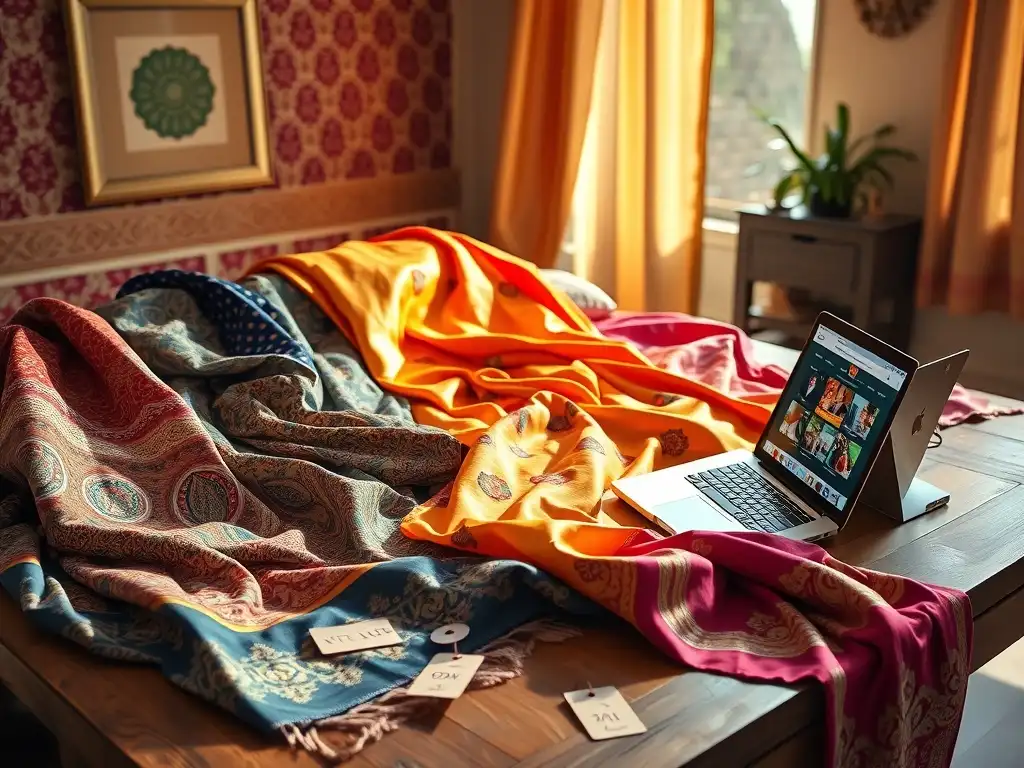
Welcome to Ancient India History, where we invite you to embark on a journey through the rich tapestry of India's past! Here, we delve into the fascinating realms of ancient civilizations, from the advanced urban landscapes of the Indus Valley to the intellectual heights of the Gupta Empire. In our featured article, "The Ultimate Guide to Buying Indian Silk: Tips for the Savvy Shopper," we’ll unravel the secrets of one of India's most luxurious exports.
Curious about how to navigate the vibrant world of Indian silk and make the best choices for your wardrobe? Let’s explore the artistry and heritage behind each exquisite thread!
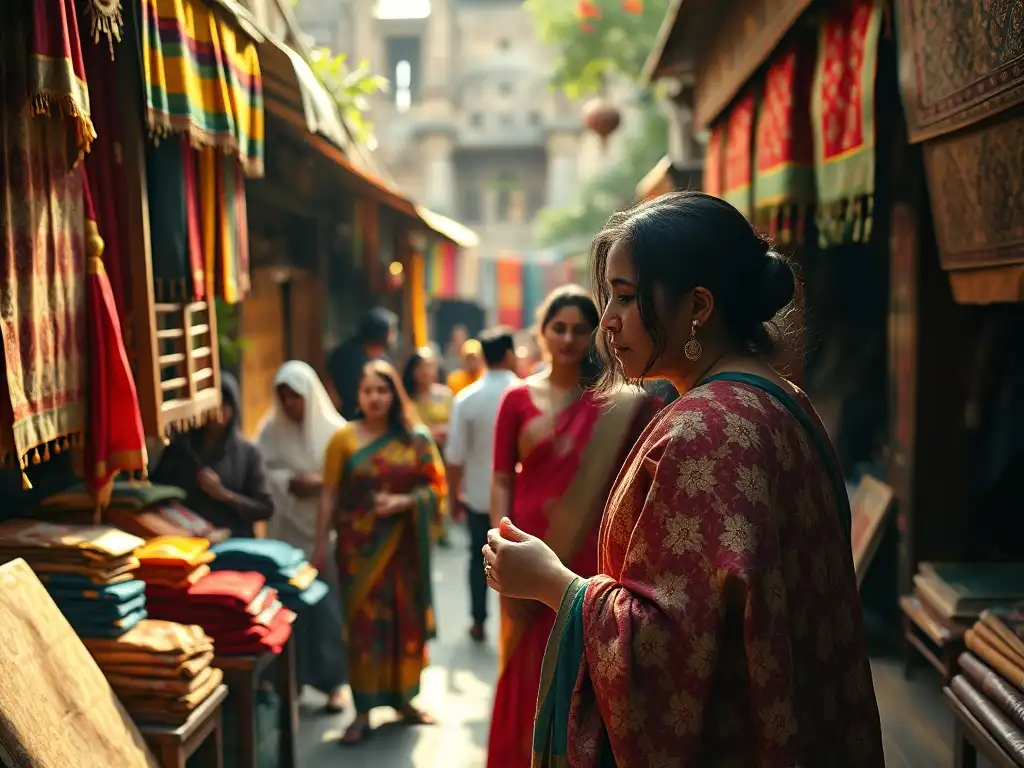
In an age where online shopping has become ubiquitous, understanding the nuances of what you purchase is vital, especially when it comes to luxurious textiles like Indian silk. This guide aims to demystify the process of buying Indian silk online, providing savvy shoppers with essential tips to ensure they make informed decisions.
Indian silk has long been celebrated for its exquisite quality, vibrant colors, and rich cultural significance, tracing back to ancient civilizations that valued this fabric for its beauty and durability. As we explore the heritage and varieties of Indian silk, we will also delve into the advantages of purchasing it online, allowing you to appreciate the craftsmanship while navigating the digital marketplace effectively.
Understanding Indian Silk: A Rich Heritage
What Makes Indian Silk Unique?
Indian silk is renowned worldwide for its unparalleled quality and luxurious feel. Originating from various regions in India, each type of silk carries distinct characteristics shaped by local traditions and techniques. The cultivation of silk in India dates back thousands of years, with historical references to silk weaving found in ancient texts and archaeological findings. The meticulous craftsmanship involved in silk production contributes to its uniqueness, making it a prized possession for both fashion enthusiasts and collectors.
The Different Types of Indian Silk Fabrics
India boasts a plethora of silk varieties, each with its own story and aesthetic appeal. Here are some of the most prominent types:
- Mulberry Silk: The most common type, known for its shine and softness, primarily produced in Karnataka.
- Tussar Silk: A wild silk that is less lustrous but has a rich texture, often associated with tribal traditions.
- Muga Silk: Exclusive to Assam, this golden silk is famed for its durability and natural sheen.
- Banarasi Silk: Originating from Varanasi, these luxurious fabrics are often adorned with intricate zari work.
- Kanchipuram Silk: Renowned for its vibrant colors and heavy texture, this silk is traditionally woven in Tamil Nadu.
The Benefits of Buying Indian Silk Online
Convenience and Accessibility
One of the primary advantages of buying Indian silk online is the convenience it offers. Shoppers can browse a wide range of options from the comfort of their homes, eliminating the need to visit multiple stores. Online platforms often provide detailed product descriptions, customer reviews, and high-resolution images, allowing you to assess the quality and aesthetics of the silk before making a purchase.
A Wider Selection of Products
When shopping online, you gain access to an extensive selection of Indian silk that may not be available locally. From traditional sarees to contemporary garments, the online marketplace features a variety of styles, patterns, and weaves. This diversity enables shoppers to explore unique pieces that reflect their individual tastes and preferences.
Comparing Prices and Quality
Online shopping allows for easy comparison of prices among different retailers, empowering you to make cost-effective choices without sacrificing quality. Many platforms also offer promotional discounts and sales, providing an opportunity to purchase high-quality Indian silk at competitive prices. By reading customer reviews and ratings, you can gauge the reliability of sellers and the quality of their products before committing to a purchase.
Factors to Consider When Buying Indian Silk Online
When purchasing Indian silk online, several key factors should be taken into account to ensure a satisfying shopping experience and a high-quality product. Understanding these elements will help you make informed decisions and select the best silk that suits your needs.
Authenticity: Ensuring You're Getting Genuine Indian Silk
One of the foremost considerations when buying Indian silk online is authenticity. Indian silk is renowned for its quality and craftsmanship, but the market is also flooded with counterfeit products. To ensure you are getting genuine silk, look for:
- Certification: Check if the seller provides certification from recognized organizations, such as the Silk Mark Organization of India, which guarantees the authenticity of silk products.
- Detailed Product Descriptions: Reputable vendors will provide thorough descriptions, including the type of silk (e.g., Mulberry, Tussar, or Eri) and the production process.
- Return Policy: A clear and fair return policy can offer peace of mind, allowing you to return the product if it doesn’t meet your expectations regarding authenticity.
Understanding Weaves and Patterns
Indian silk is famous for its intricate weaves and vibrant patterns, each with its own historical and cultural significance. Familiarizing yourself with these aspects can enhance your purchase:
- Types of Weaves: Different weaves like Banarasi, Kanchipuram, and Chanderi each showcase unique techniques and styles. Researching these can help you choose a silk that aligns with your aesthetic preferences.
- Patterns and Motifs: Pay attention to the patterns, as they often reflect regional artistry. For instance, the floral motifs of Kanchipuram silk or the geometric designs of Bhagalpuri silk carry cultural narratives that enrich the fabric's appeal.
- Usage: Consider the intended use of the silk, whether for sarees, scarves, or upholstery, as this will influence the type of weave and pattern you select.
Pricing: What to Expect When Buying Indian Silk
Pricing can vary significantly when purchasing Indian silk, influenced by factors such as weave complexity, quality of silk, and brand reputation. Here’s what to keep in mind:
- Quality Indicators: Higher-quality silk often commands a higher price. Look for finer threads and more intricate weaves, as these are indicators of superior craftsmanship.
- Market Rates: Familiarize yourself with average prices for the type of silk you are interested in. For example, a traditional Banarasi saree can range from ₹2,000 to ₹50,000 or more, depending on the intricacy and quality.
- Budgeting: Set a clear budget before shopping, allowing for flexibility if you find a piece that truly resonates with you. Be cautious of deals that seem too good to be true, as they may indicate lower-quality products.
Tips for Savvy Shoppers: How to Buy Indian Silk Online
To maximize your online shopping experience and ensure you get the best value for your money, consider these savvy shopping tips:
Research and Compare Vendors
Before making a purchase, take the time to research various online vendors. Look for:
- Reputation: Check the vendor’s history, focusing on their years in business, customer service quality, and overall reputation in the market.
- Product Range: A diverse selection often indicates a reputable vendor. Compare the offerings of multiple sellers to find the best options.
- Shipping and Handling: Review the shipping policies, costs, and estimated delivery times, as these factors can vary widely among vendors.
Reading Reviews and Ratings
Customer feedback is invaluable in online shopping. Be sure to:
- Look for Verified Purchases: Focus on reviews from verified buyers, as these are more likely to provide genuine insights into the quality of the silk.
- Evaluate Common Themes: Note recurring comments on craftsmanship, texture, and overall satisfaction to gauge the reliability of the product and vendor.
- Engage with Customer Queries: If possible, reach out to previous customers or ask questions in the review section to gain further clarity about the silk you are considering.
Taking Advantage of Sales and Discounts
Shopping online offers unique opportunities for savings. Here’s how to take advantage of them:
- Sign Up for Newsletters: Many vendors offer exclusive discounts or early notifications of sales to their subscribers.
- Seasonal Sales: Keep an eye out for major sales events, such as Diwali or New Year, when many retailers offer significant discounts on silk products.
- Utilize Coupon Codes: Before finalizing your purchase, search for coupon codes that can provide additional savings or free shipping options.
By considering these factors and employing these tips, you can confidently navigate the process of buying Indian silk online, ensuring that you acquire a beautiful and authentic piece that reflects the rich heritage of Indian textile craftsmanship.
How to Care for Your Indian Silk Purchases
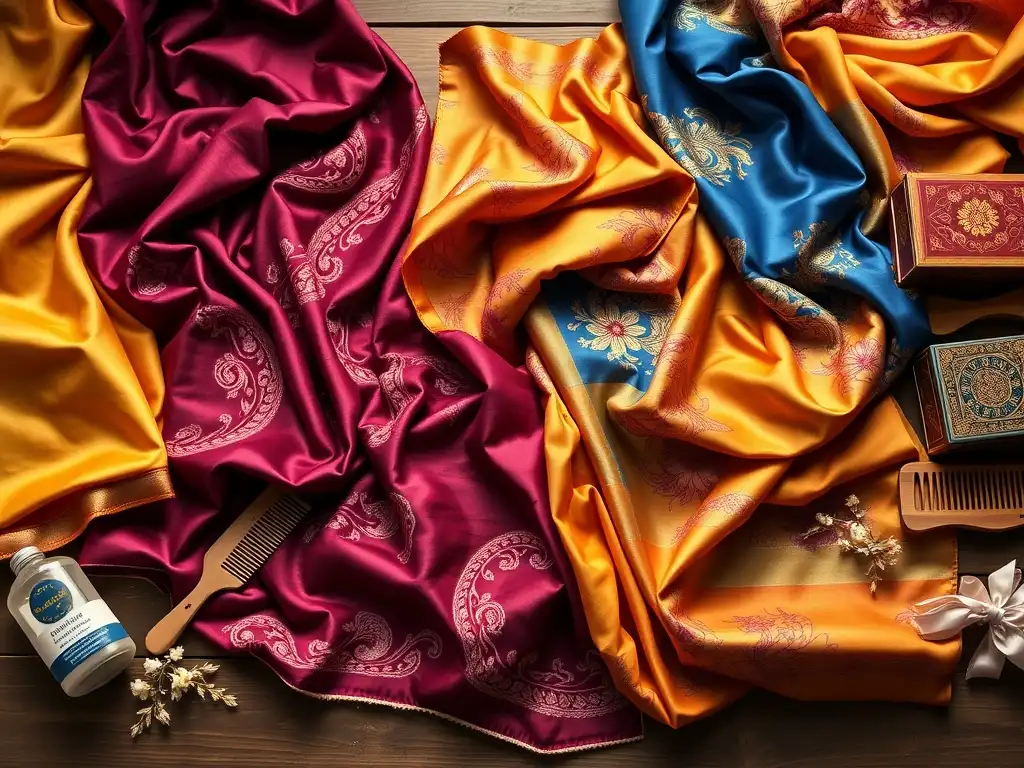
Caring for your Indian silk purchases is crucial to maintaining their beauty and longevity. Silk is a delicate fabric that requires specific handling to preserve its luster and texture. By following proper care guidelines, you can ensure that your silk garments and textiles remain vibrant and appealing for years to come.
Best Practices for Washing and Storing Silk
When it comes to washing silk, hand washing is often the best method. Here are some best practices to follow:
- Hand Wash: Fill a basin with cool water and add a few drops of mild detergent specifically formulated for silk. Submerge your garment gently and avoid wringing or twisting it. Rinse thoroughly with cool water to remove any detergent residue.
- Dry Cleaning: For more intricate silk pieces, such as sarees or embroidered items, professional dry cleaning is the best option. Always inform the cleaner that the item is silk, so they use appropriate methods.
- Storing Silk: Store your silk in a cool, dry place away from direct sunlight to prevent fading. Use breathable cotton bags to prevent dust accumulation. Avoid hanging silk garments for long periods, as this can lead to stretching; instead, fold them neatly.
Preserving Colors and Patterns Over Time
To preserve the vibrant colors and intricate patterns of your Indian silk, consider the following tips:
- Avoid Direct Sunlight: Prolonged exposure to sunlight can fade silk colors. When displaying or storing, keep silk items out of direct sunlight.
- Use Acid-Free Tissue Paper: When storing silk, place acid-free tissue paper between layers to prevent creasing and protect colors from rubbing against each other.
- Rotate Use: If you have multiple silk garments, rotate their use to avoid wear on any single piece. This not only prolongs their life but also gives you the chance to enjoy a variety of beautiful silks.
Conclusion: Elevate Your Wardrobe with Authentic Indian Silk
Authentic Indian silk is more than just a fabric; it is a testament to the rich cultural heritage and artistry of India. By investing in quality silk, you elevate your wardrobe, adding elegance and timeless beauty to your attire. Understanding how to care for your silk pieces ensures that they remain luxurious additions for years to come.
Making Informed Decisions for Your Silk Purchases
When buying Indian silk online, it's essential to make informed decisions. Here are some key factors to consider:
- Research the Seller: Verify the reputation and reviews of the online store. Look for sellers that specialize in authentic Indian textiles and have clear return policies.
- Check Fabric Authenticity: Read product descriptions carefully to ensure you are purchasing genuine silk. Look for terms like "pure silk" or "100% silk," and avoid blends if you want the full silk experience.
- Understand Pricing: Authentic Indian silk typically comes at a higher price due to its intricate craftsmanship. Be wary of prices that seem too good to be true, as they may indicate lower quality or imitation products.
Final Recommendations for Buying Indian Silk Online
To enhance your online shopping experience for Indian silk, consider these final recommendations:
- Utilize Sample Swatches: If available, request sample swatches to assess the texture, color, and quality before making a larger purchase.
- Look for Detailed Images: Ensure the online store provides high-quality images that showcase the fabric's details, texture, and patterns. This will help you gauge the product better.
- Be Mindful of Care Instructions: Always check the care instructions provided by the seller. Understanding how to maintain your silk will help you keep it looking its best.
By following these tips, you can confidently navigate the world of buying Indian silk online, ensuring that your purchases are authentic, beautiful, and enduring.
Additional Resources for Silk Enthusiasts
For those interested in delving deeper into the world of Indian silk, several resources can provide valuable insights and enrich your understanding of this luxurious fabric. From books that explore the history and techniques of silk production to websites that showcase the latest trends and designs, these resources can enhance your appreciation for Indian silk.
Books and Documentaries on Indian Silk History
-
"Silk Weaving in India" by Vijaya K. Khandekar
This comprehensive book explores the intricate art of silk weaving across various regions in India. It details traditional weaving techniques, the cultural significance of silk in Indian society, and profiles notable weavers and their contributions to the craft.
-
"The Fabric of Our Lives: Indian Textiles" by R. S. Khurana
This beautifully illustrated book provides an in-depth look at Indian textiles, including silk. It discusses the historical context of textile production in India and examines the social and economic factors influencing the industry.
-
Documentary: "The Story of Silk" (available on various streaming platforms)
This engaging documentary traces the history of silk from its origins in ancient China to its evolution in Indian culture, highlighting the craftsmanship and artistry involved in silk production.
-
"A History of Indian Silk" by R. K. Gupta
This book offers a scholarly perspective on the historical significance of silk in India, covering its origins, trade routes, and impact on the economy. It is a valuable resource for anyone looking to understand the broader implications of silk in Indian history.
Blogs and Websites Dedicated to Indian Textiles
-
The Textile Blog
This blog covers a wide array of topics related to Indian textiles, including detailed posts on silk varieties, weaving techniques, and interviews with artisans. It serves as a great platform for textile enthusiasts to learn about the latest trends and updates in the industry.
-
Indian Silk House Agencies
This website offers an extensive collection of authentic Indian silk products, along with informative articles about silk weaving, care tips, and the significance of different silk types. The resource is an excellent starting point for anyone looking to buy Indian silk online.
-
Saree Tales
A blog dedicated to Indian sarees, this platform frequently features content on silk sarees, the artisans behind them, and styling tips. It provides a unique perspective on how silk has been integrated into contemporary fashion.
-
Weaving Stories
This website focuses on the narratives behind various Indian textiles, including silk. It includes profiles of weavers, information about different weaving techniques, and the cultural significance of silk garments in India.
These resources can help you appreciate the artistry and tradition behind Indian silk, making your shopping experience more informed and enriching. Whether you're looking to purchase a piece for yourself or as a gift, understanding the history and craftsmanship of Indian silk will undoubtedly enhance your appreciation for this exquisite fabric.
- Understanding Indian Silk: A Rich Heritage
- The Benefits of Buying Indian Silk Online
- Factors to Consider When Buying Indian Silk Online
- Tips for Savvy Shoppers: How to Buy Indian Silk Online
- How to Care for Your Indian Silk Purchases
- Conclusion: Elevate Your Wardrobe with Authentic Indian Silk
- Additional Resources for Silk Enthusiasts
Frequently Asked Questions
What makes Indian silk unique?
Indian silk is known for its luxurious texture, vibrant colors, and intricate designs. The craftsmanship and traditional weaving techniques used in its production contribute to its global reputation.
How can I ensure I'm buying authentic Indian silk online?
To ensure authenticity, look for certificates of authenticity and check for trusted sellers. Reading reviews and researching the brand can also help verify the quality of the silk.
What types of Indian silk should I consider?
The most popular types include Mysore silk, Banarasi silk, and Kanchipuram silk. Each type has its own distinct patterns and weaving styles, making them suitable for various occasions.
Are there specific care instructions for Indian silk?
Yes, Indian silk requires special care. It is best to dry clean or hand wash in cold water with mild detergent to preserve its luster and color.
Where can I find the best deals on Indian silk online?
Look for reputable online marketplaces or specialty websites dedicated to Indian textiles. Seasonal sales and promotions can also provide great opportunities for discounts on authentic silk products.
Final Reflection: Embracing the Elegance of Indian Silk
In a world where fast fashion often overshadows craftsmanship, the art of buying Indian silk online stands as a testament to the enduring beauty and cultural significance of this exquisite fabric. As we navigate the complexities of modern shopping, understanding the nuances of Indian silk not only enriches our wardrobes but also connects us to centuries of tradition and artistry. The allure of Indian silk is not just in its luxurious texture but in the stories woven into each thread, reminding us of the importance of mindful consumption in today's fast-paced environment.
Culturally, the significance of Indian silk transcends mere aesthetics; it embodies a rich heritage that continues to influence contemporary fashion and social practices. The revival of interest in traditional textiles has sparked a movement towards sustainability and ethical shopping, encouraging consumers to appreciate the craftsmanship behind each piece. As Mahatma Gandhi once said, "> The true measure of any society can be found in how it treats its most vulnerable members." This quote resonates deeply in the context of Indian silk, as supporting artisans and their craft contributes to the preservation of their livelihoods and cultural identity.
As you reflect on your own shopping habits, consider the impact of your choices on both the artisans who create these beautiful textiles and the environment. Embrace the elegance of Indian silk not just as a fashion statement but as a conscious decision to support heritage and sustainability. Let this guide inspire you to explore the world of Indian silk with curiosity and respect, and remember that every purchase is an opportunity to celebrate the artistry and culture that lies behind it.
Unveil the Luxurious World of Indian Silk!
Thank you for diving into the vibrant journey of Indian silk with us! We hope you’ve discovered invaluable insights that will empower your shopping adventures. Now, it’s time to transform that knowledge into action and embrace the exquisite beauty of Indian silk fabrics in your own wardrobe.
Here are a few steps to guide you on your next adventure:
- Explore Local Sources: Visit nearby markets or select reputable online stores to discover authentic Indian silk. Be sure to read customer reviews and ratings to ensure the quality of your purchase!
- Join a Silk-Lover Community: Engage with fellow enthusiasts on social media or in local textile groups to share tips, experiences, and stories about your favorite pieces!
- Experiment with Styling: Try pairing silk fabrics with different outfits. You'll be amazed at how versatile silk can be!
Are you ready to elevate your style with the richness of Indian silk? Which piece are you most excited to add to your collection?