
Why Ancient Indian Fashion Elements Are Essential in Today’s Wardrobe

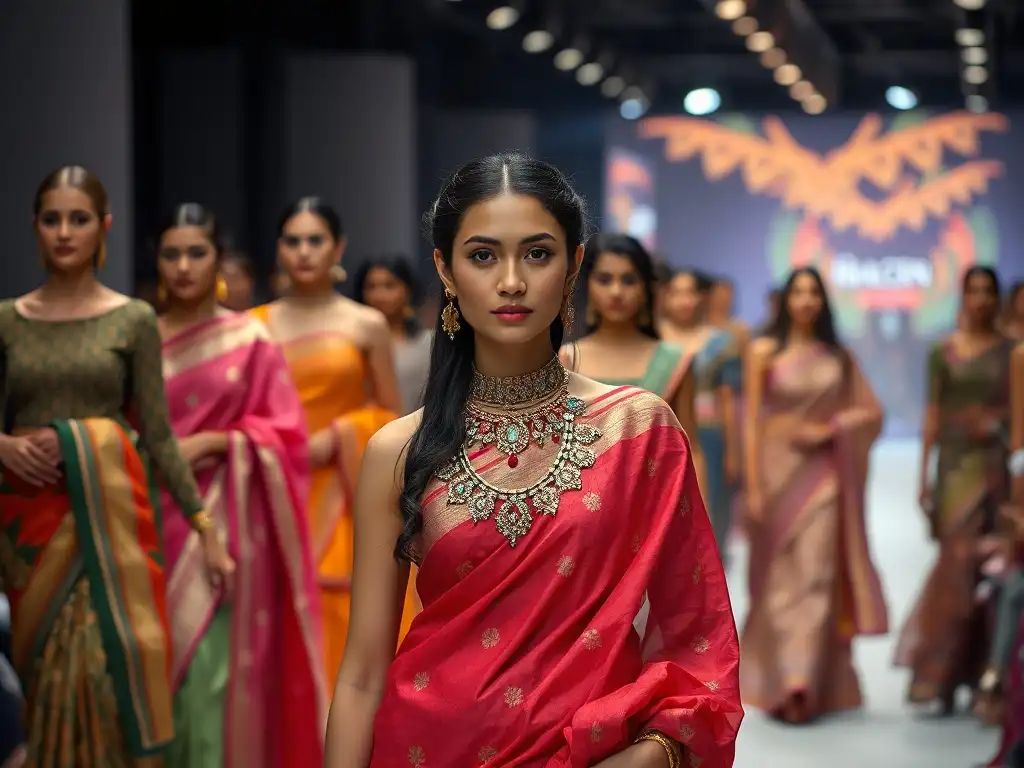
Welcome to Ancient India History, where we embark on an enthralling journey through the vibrant tapestry of India's past! Here, we delve deep into the rich and diverse history, culture, and contributions of ancient Indian civilizations, unraveling their timeless legacies. In our featured article, we explore "ancient Indian fashion influences" and uncover why these captivating elements are essential in today’s wardrobe. Prepare to be inspired as we connect the threads of history with modern style—your adventure into the world of ancient fashion awaits!
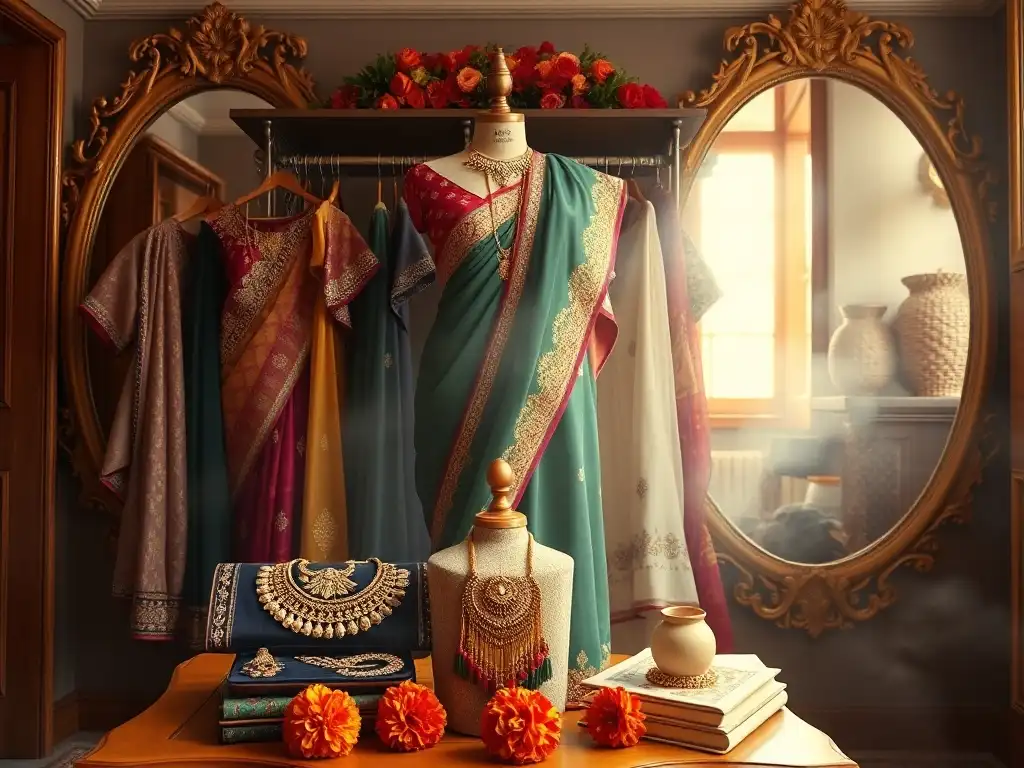
Ancient Indian fashion is not merely a relic of the past; it serves as a vibrant tapestry woven with rich cultural narratives, intricate craftsmanship, and timeless elegance. As we navigate the complexities of modern fashion, the influences of ancient Indian attire emerge as vital elements that enrich contemporary wardrobes.
From the flowing drapes of sarees to the ornate embroidery of traditional garments, these elements are not only aesthetically pleasing but also carry profound cultural significance. This article delves into the essential aspects of ancient Indian fashion influences, exploring their relevance today and how they can be seamlessly integrated into modern styles.
Introduction to Ancient Indian Fashion Influences
Ancient Indian fashion, with its diverse styles and intricate designs, has been shaped by centuries of tradition and cultural amalgamation. The fashion of ancient India reflects the lifestyle, beliefs, and social structures of its time, showcasing a unique blend of artistry and functionality. Understanding these influences provides insight into how they can be adapted and embraced in today's fashion landscape. As global fashion trends evolve, the incorporation of ancient Indian elements not only honors the past but also fosters a deeper appreciation for cultural heritage.
The Rich Tapestry of Ancient Indian Fashion
The fashion of ancient India is characterized by a variety of garments, textiles, and adornments that signify the region's rich history. The use of vibrant colors, intricate patterns, and luxurious fabrics like silk and cotton exemplifies the craftsmanship of ancient Indian artisans. Key influences stem from various dynasties and cultural intersections, including the Indus Valley civilization, Mauryan Empire, and Gupta Empire. Each period contributed distinct styles and techniques that continue to inspire modern designers.
Key Elements of Ancient Indian Fashion
- Drapes and Silhouettes
- The saree, with its elegant draping, remains a quintessential symbol of Indian fashion. Its versatility allows it to be styled in countless ways, making it suitable for various occasions.
- Cholis and Kurtas: Often paired with sarees, these garments add structure and style, making them popular in contemporary fashion.
- Textiles and Patterns
- Ancient Indian textiles, such as ikat, block prints, and brocade, are celebrated for their vibrant colors and intricate designs. Modern adaptations often incorporate these traditional techniques into contemporary clothing.
- Embellishments: Techniques like zardozi, mirror work, and embroidery are not just decorative; they tell stories and symbolize cultural heritage.
- Accessories and Adornments
- Traditional jewelry, including jhumkas, bangles, and anklets, plays a vital role in complementing outfits. These pieces often feature intricate designs that reflect ancient craftsmanship.
- Footwear: Traditional shoes like juttis and mojaris add a unique touch, blending comfort with style.
Cultural Significance of Ancient Indian Fashion
The cultural significance of ancient Indian fashion transcends mere aesthetics. Each garment and accessory often carries historical and social meanings, reflecting the wearer’s identity, status, and regional affiliations. For instance, the colors and patterns used in clothing can signify different festivals, rituals, or ceremonies, making them integral to cultural expressions. Additionally, ancient Indian fashion promotes sustainability through its emphasis on handcrafted textiles and local craftsmanship, aligning perfectly with modern values of ethical fashion.
Incorporating these ancient influences into today’s wardrobe not only revives traditional artistry but also fosters a deeper connection to one’s cultural roots, ensuring that the legacy of ancient Indian fashion continues to thrive in the modern age.
Modern Adaptations of Ancient Indian Fashion Influences
Ancient Indian fashion, with its intricate designs, vibrant colors, and rich textiles, has seen a resurgence in modern wardrobes. This revival is not just about aesthetics; it reflects a deeper appreciation for heritage and culture. By exploring these adaptations, we can understand how ancient styles have been reimagined to fit contemporary contexts while retaining their historical significance. The fusion of traditional elements with modern silhouettes and materials has led to innovative fashion statements that resonate with a diverse audience.
Incorporating Ancient Styles into Contemporary Wardrobes
Integrating ancient Indian fashion into contemporary wardrobes can be both exciting and rewarding. Key elements such as:
- Textiles: Fabrics like silk, cotton, and wool, often handwoven with traditional techniques, can be paired with modern cuts to create unique outfits. For example, a hand-embroidered kurta can be styled with tailored trousers for a chic look.
- Patterns and Motifs: Traditional motifs such as paisleys, floral designs, and geometric patterns can enhance modern apparel. Incorporating these into blouses or dresses can add a touch of elegance and history.
- Accessories: Ancient jewelry styles, like jhumkas (traditional earrings) and statement necklaces, can elevate any outfit. Pairing modern dresses with vintage jewelry creates a balanced fusion of old and new.
By thoughtfully selecting and combining these elements, individuals can create outfits that honor ancient traditions while staying relevant in today's fashion landscape.
Popular Brands Embracing Ancient Indian Fashion
Several contemporary brands have taken the initiative to embrace and promote ancient Indian fashion influences. Some notable examples include:
- Fabindia: Known for its commitment to sustainable practices, Fabindia incorporates traditional Indian textiles and crafts into their modern designs, making them accessible to a global audience.
- Anita Dongre: This designer is celebrated for her luxurious collections that often feature hand-embroidered details and indigenous crafts, blending modern silhouettes with traditional artistry.
- Biba: Focusing on ethnic wear, Biba creatively uses vibrant colors and traditional prints, making ancient styles appealing for everyday wear.
These brands not only celebrate the rich heritage of ancient Indian fashion but also promote sustainable practices, making them popular choices for the modern consumer.
Benefits of Integrating Ancient Indian Fashion into Your Wardrobe
Incorporating ancient Indian fashion elements into daily attire offers several benefits that go beyond mere aesthetics.
Sustainable Fashion Choices
One of the most significant advantages of embracing ancient Indian fashion is the emphasis on sustainability. Many traditional garments are crafted using eco-friendly methods, such as:
- Handloom Techniques: These methods reduce the carbon footprint associated with mass production, offering a more sustainable alternative.
- Natural Dyes: The use of natural dyes from plants and minerals not only results in beautiful colors but also minimizes environmental impact.
By choosing ancient styles, consumers contribute to sustainable fashion practices while supporting local artisans and preserving traditional crafts.
Unique Style Statements
Integrating ancient Indian fashion into your wardrobe allows for distinctive personal expression. The rich history and symbolism behind traditional garments can serve as conversation starters and reflect one's appreciation for culture. Mixing and matching ancient textiles with contemporary pieces results in:
- One-of-a-Kind Outfits: Each ensemble becomes a unique style statement, showcasing individuality and creativity.
- Cultural Appreciation: Wearing pieces inspired by ancient fashion demonstrates a respect for history and heritage, fostering a deeper connection to one's roots.
Blending ancient Indian fashion influences into modern wardrobes not only enriches personal style but also promotes sustainable practices and cultural appreciation. This harmonious integration is essential for anyone looking to make a meaningful fashion statement today.
Challenges and Misconceptions Surrounding Ancient Indian Fashion
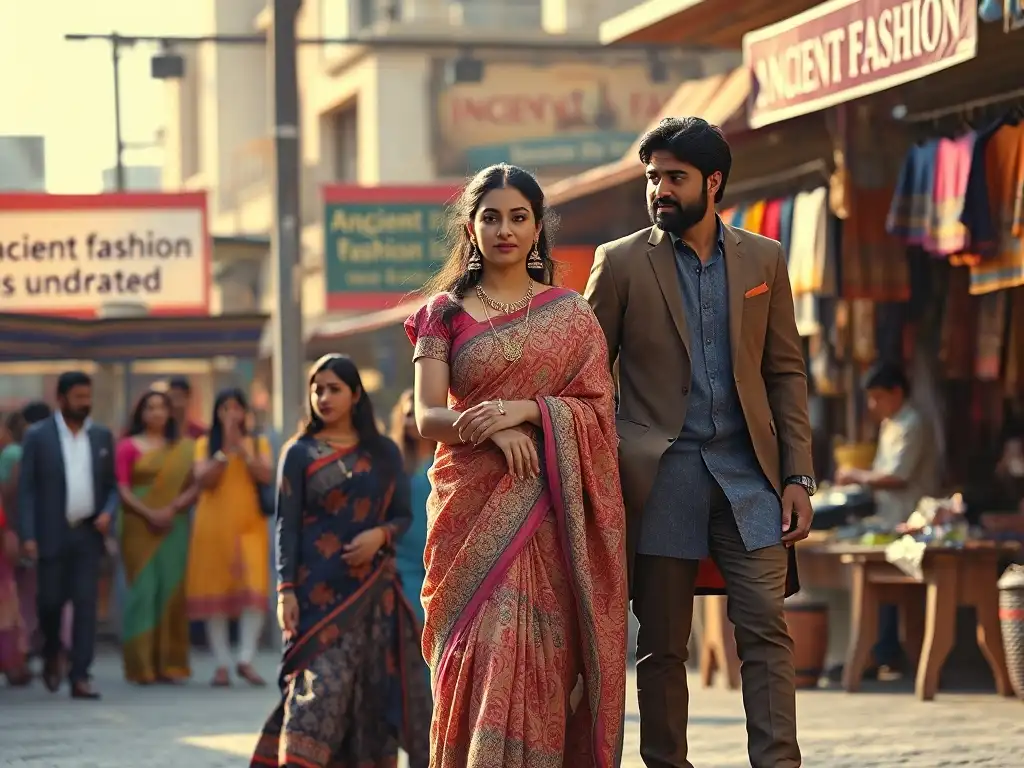
The fashion landscape of ancient India is often clouded by misconceptions and challenges that hinder a true appreciation of its rich heritage. Understanding these complexities is essential for a modern audience looking to incorporate ancient styles into contemporary wardrobes. One primary challenge is the oversimplification of Indian fashion as merely traditional or ethnic, ignoring its dynamic evolution over centuries. This narrow view limits the exploration of diverse styles that originated from various regions, climates, and communities.
Additionally, the notion that ancient Indian fashion is only suitable for specific occasions, such as festivals or weddings, creates barriers for individuals who wish to integrate these elements into their daily lives. Many modern consumers feel that wearing traditional attire might be out of place in contemporary settings, leading to the misconception that ancient styles cannot coexist with modern fashion trends. Furthermore, the lack of representation in mainstream fashion often results in a diminished understanding of the versatility and beauty of ancient Indian garments.
Common Myths about Ancient Fashion
Several myths surround ancient Indian fashion that contribute to misunderstandings. One prevalent myth is that all ancient Indian clothing was cumbersome and uncomfortable. In reality, many garments, such as the saree and dhoti, were designed for comfort and mobility, reflecting the practical needs of daily life. Fabrics were often chosen not only for aesthetic appeal but also for their suitability to the climate, ensuring wearers remained comfortable.
Another myth is the belief that ancient Indian fashion was static and unchanging. In truth, ancient Indian fashion was highly adaptable, influenced by trade, conquests, and cultural exchanges. As a result, styles evolved, incorporating elements from various regions and communities, leading to a rich tapestry of fashion that is far from uniform.
Lastly, there is a misconception that ancient Indian fashion is exclusively for women. While many traditional garments are celebrated for their elegance in women's fashion, there is a wealth of styles for men as well, such as the kurta, sherwani, and lungi, which are equally significant and offer a glimpse into the historical attire of Indian men.
Realities of Wearing Ancient Indian Fashion Today
Incorporating ancient Indian fashion into contemporary wardrobes involves navigating the realities of modern society while honoring historical significance. Today, many designers are reinterpreting traditional garments, combining them with modern silhouettes to create versatile pieces that can be worn in various settings. For example, the saree is being styled with crop tops or even jackets, making it suitable for both formal and casual occasions.
Moreover, the rise of sustainable fashion has brought ancient Indian textiles back into the spotlight. Fabrics such as khadi and handloom cotton are not only environmentally friendly but also carry stories of craftsmanship and heritage. As consumers become more conscious of their fashion choices, ancient Indian textiles present a perfect blend of style and sustainability.
The reality is that ancient Indian fashion isn't just about aesthetics; it represents cultural narratives, craftsmanship, and community values. Wearing these garments today can serve as a means of connecting with one's heritage while also making a statement about the importance of preserving traditional craftsmanship in a fast-paced fashion world.
Conclusion: The Timelessness of Ancient Indian Fashion Influences
The influences of ancient Indian fashion are timeless and continue to resonate in the modern world. By embracing the rich history and cultural significance behind ancient styles, individuals can cultivate a wardrobe that reflects both personal identity and cultural heritage. The adaptability of ancient Indian fashion means that it can be seamlessly integrated into everyday life, transcending the barriers of occasion and setting.
As contemporary designers and fashion enthusiasts draw inspiration from ancient techniques and styles, the result is a vibrant fusion that honors tradition while catering to modern sensibilities. The ongoing appreciation for ancient Indian fashion not only revitalizes interest in historical attire but also ensures that these influences remain relevant and cherished in today’s fashion landscape. Ultimately, the timelessness of ancient Indian fashion influences serves as a reminder of the depth and diversity of India's cultural narrative, encouraging a future where heritage and modernity harmoniously coexist.
Call to Action
Incorporating ancient Indian fashion influences into your wardrobe doesn't just enhance your style; it connects you to a rich history that spans thousands of years. As you explore the diverse elements of ancient Indian attire, consider the following actions to seamlessly integrate these timeless pieces into your modern fashion repertoire:
- Explore Local Boutiques and Online Stores: Seek out local artisans or online platforms that specialize in traditional Indian clothing. From vibrant sarees to intricately designed kurtas, these pieces can add a unique touch to your collection.
- Attend Workshops: Participate in fashion workshops that focus on the techniques and styles of ancient Indian textiles. Learning about the craftsmanship behind traditional garments can deepen your appreciation and inspire you to incorporate these styles into your daily wear.
- Mix and Match: Don't hesitate to blend ancient Indian elements with contemporary fashion. Pair a classic kurta with jeans or a traditional dupatta with a modern dress. This fusion not only modernizes your look but also showcases the beauty of cultural diversity.
- Support Sustainable Fashion: Choose brands that prioritize sustainable practices and ethical sourcing. Many traditional Indian garments are handcrafted with care, making them a more eco-friendly option that honors the artistry of ancient techniques.
- Engage on Social Media: Follow fashion influencers who celebrate ancient Indian fashion influences. Engage with their content, share your own outfits, and discover new ways to style traditional elements.
- Educate Yourself: Read about the history and symbolism behind various ancient Indian attire. Understanding the significance of patterns, colors, and styles can enrich your fashion choices and spark meaningful conversations.
By taking these steps, you not only elevate your personal style but also contribute to the preservation and appreciation of ancient Indian fashion. Embrace the elegance and history of these garments, and let them inspire your modern wardrobe today!
- Introduction to Ancient Indian Fashion Influences
- The Rich Tapestry of Ancient Indian Fashion
- Modern Adaptations of Ancient Indian Fashion Influences
- Benefits of Integrating Ancient Indian Fashion into Your Wardrobe
- Challenges and Misconceptions Surrounding Ancient Indian Fashion
- Conclusion: The Timelessness of Ancient Indian Fashion Influences
- Call to Action
Frequently Asked Questions
What are the key elements of ancient Indian fashion?
Ancient Indian fashion includes intricate textiles, vibrant colors, and traditional draping styles that reflect the rich cultural heritage of the time.
How has ancient Indian fashion influenced modern styles?
Ancient Indian fashion has inspired contemporary designers through its unique patterns, embroidery techniques, and the incorporation of traditional garments like saris and lehengas.
What materials were commonly used in ancient Indian clothing?
Cotton, silk, and wool were the primary materials used in ancient Indian clothing, showcasing the region’s textile craftsmanship and versatility.
How did ancient Indian fashion vary across different regions?
Fashion varied significantly across regions, with differences in fabric types, patterns, and styles reflecting local customs, climates, and resources.
Why is understanding ancient Indian fashion important today?
Understanding ancient Indian fashion provides insights into cultural identity, historical context, and artistic expressions, which are essential for appreciating contemporary fashion influences.
Final Reflection: Embracing Ancient Indian Fashion Influences for Modern Identity
The relevance of ancient Indian fashion influences in today's world cannot be overstated; they serve as a bridge connecting us to our rich heritage while simultaneously offering unique styles that resonate with contemporary aesthetics. In a time when global fashion trends often overshadow traditional attire, it is essential to recognize how these timeless elements can enrich our wardrobes and personal identities. By incorporating ancient Indian fashion into our daily lives, we not only celebrate our cultural roots but also foster a sense of individuality that stands out in a sea of fast fashion.
The impact of ancient Indian fashion on our cultural landscape is profound and ongoing. From the intricate embroidery of a traditional saree to the bold patterns of block-printed fabrics, these elements tell stories of craftsmanship and history that are often lost in modern design. As we navigate through a world that increasingly values sustainability and authenticity, the resurgence of these ancient influences is a testament to their enduring appeal. Fashion is the armor to survive the reality of everyday life.
– Bill Cunningham. This quote encapsulates how embracing our heritage can empower us to express our identities in a meaningful way.
As you reflect on the insights shared in this article, I invite you to explore how ancient Indian fashion influences can be woven into your own wardrobe. Consider the stories behind the garments you choose and the cultural significance they carry. By making conscious choices that honor tradition while embracing modernity, you can create a personal style that not only looks good but also feels authentic. Let us celebrate the beauty of our past as we step boldly into the future, allowing ancient wisdom to guide our fashion journey.
Embrace the Elegance of Ancient Fashion Today!
Thank you for exploring the timeless beauty of ancient Indian fashion with us! By delving into these rich elements, you've discovered how they can add depth and character to your modern wardrobe. Now, it’s time to take inspiration from what you've learned and infuse your personal style with these captivating trends.
Here are some actionable steps you can take right now:
- Revamp Your Wardrobe: Choose a distinctive piece of ancient Indian fashion, such as a vibrant dupatta or intricate jewelry, and incorporate it into your outfit this week.
- Explore Local Markets: Visit an artisan market to seek out traditional textiles or handcrafted pieces that resonate with you; this is a perfect way to support local crafts while enhancing your wardrobe.
- Share Your Look: Post a photo on social media showcasing your ancient-inspired outfit, and tag us using #AncientFashionRevival to inspire others!
What ancient fashion element are you most excited to incorporate into your everyday style? Let’s start a conversation!