
The Cultural Significance of Indian Silk: Why You Should Own a Piece

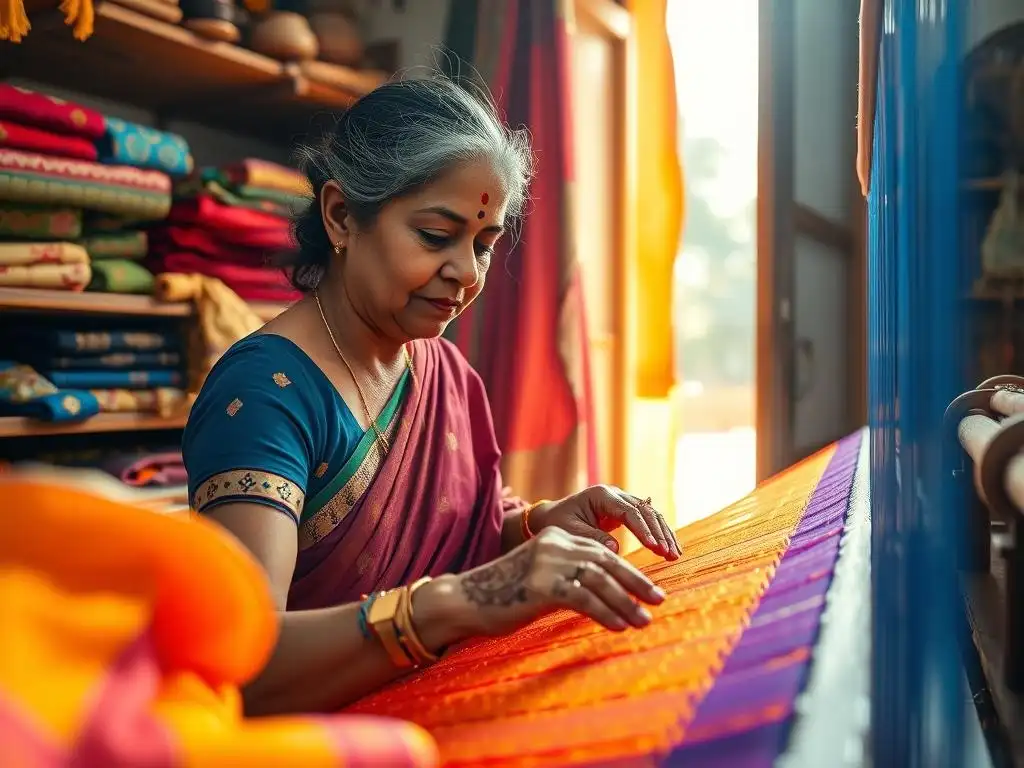
Welcome to Ancient India History, where we invite you to journey through the rich tapestry of India's past, exploring the remarkable civilizations that shaped our world. In our featured article, "The Cultural Significance of Indian Silk: Why You Should Own a Piece," we delve into the intricate stories woven into the very fabric of Indian heritage. Discover how this luxurious textile transcends mere fashion to embody a legacy of artistry, tradition, and cultural pride.
Are you ready to uncover the secrets behind one of India’s most cherished treasures? Read on to enrich your understanding and appreciation of the silk that has graced the wardrobes of emperors and commoners alike.
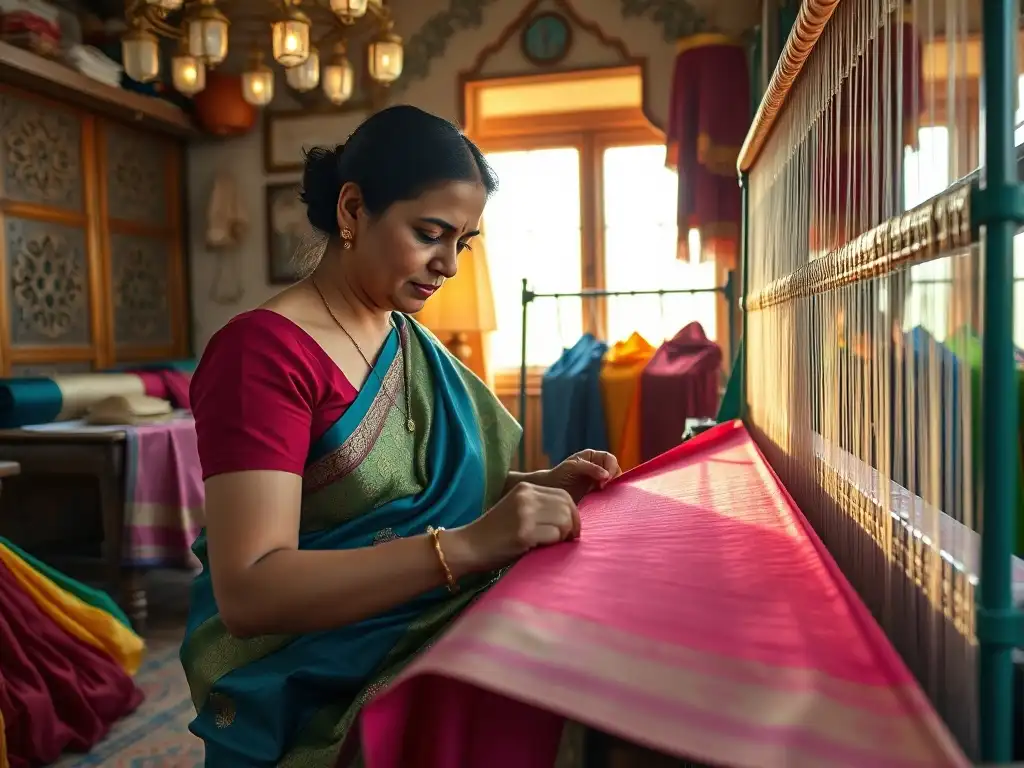
Introduction to Indian Silk Cultural Significance
Indian silk is more than just a luxurious fabric; it is a vibrant tapestry woven with threads of history, culture, artistry, and tradition. As one of the most revered textiles in the world, Indian silk has played a significant role in shaping the cultural landscape of the subcontinent.
The intricate craftsmanship involved in silk production, combined with its rich historical context, has made it a symbol of status and elegance. This article delves into the cultural significance of Indian silk, highlighting its deep-rooted heritage and the reasons why owning a piece of this exquisite fabric is not just a fashion statement, but also a connection to an ancient legacy.
The Historical Context of Indian Silk
Silk production in India dates back thousands of years, intertwining with the very fabric of Indian civilization. The history of Indian silk is marked by its ancient origins, its pivotal role in trade, and its influence on various cultures both within and beyond India's borders.
Ancient Origins of Silk Production in India
The journey of Indian silk began in the Indus Valley Civilization around 3000 BCE, where evidence of silk fabric has been discovered in archaeological excavations. The indigenous knowledge of sericulture, or silk farming, was cultivated over the centuries, leading to the development of various silk-producing regions across India.
Key points to note about the origins of silk production include:
- Sericulture Practices: Ancient texts suggest that sericulture was practiced in regions like Assam and Karnataka, where the unique climatic conditions were ideal for mulberry cultivation and silkworm rearing.
- Cultural Significance: Silk garments were often associated with royalty and religious practices, symbolizing purity and wealth. They were used in ceremonies, and their vibrant colors were believed to carry auspicious meanings.
- Traditional Techniques: Techniques such as weaving and dyeing have been passed down through generations, resulting in a diverse array of styles, including Banarasi, Kanjeevaram, and Chanderi silks.
The Influence of Indian Silk on Global Trade
Indian silk has not only shaped local culture but has also been a significant player in global trade networks. The allure of Indian silk attracted traders from various parts of the world, establishing India's reputation as a center of textile excellence.
Key aspects of this influence include:
- Silk Route: Indian silk was a vital commodity on the ancient Silk Route, facilitating cultural exchanges between India, Persia, and the Mediterranean. This trade route helped disseminate Indian art, culture, and silk textiles to distant lands.
- Cultural Exchange: The interaction between different cultures through trade led to the fusion of styles and techniques, enriching the global textile heritage. Indian silk influenced not just clothing but also art, literature, and religion across various civilizations.
- Economic Impact: The silk trade significantly contributed to the Indian economy, providing livelihoods to countless artisans and weaving communities, while also establishing India as a key player in the textile market.
The cultural significance of Indian silk is deeply ingrained in its historical roots and its lasting impact on trade and society. Owning a piece of Indian silk is not merely about possessing a beautiful fabric; it is about embracing a legacy that spans centuries, reflecting the artistry and cultural richness of ancient India.
Cultural Significance of Indian Silk
Indian silk has a profound cultural significance that transcends mere fabric; it embodies centuries of tradition, artistry, and identity. The origins of silk weaving in India can be traced back over 5,000 years, with archaeological evidence from the Indus Valley Civilization indicating its early use. The craftsmanship involved in creating Indian silk is not just a skill but a form of storytelling that reflects the history, beliefs, and values of the communities that produce it.
Silk has been a symbol of status and wealth throughout Indian history, often worn during significant life events such as weddings and religious ceremonies. The intricate patterns and vibrant colors of Indian silk fabrics serve not only aesthetic purposes but also convey cultural narratives, representing regional identities and social structures. Thus, owning a piece of Indian silk is akin to possessing a piece of history that connects the wearer to the rich tapestry of Indian culture.
Symbolism of Silk in Indian Culture
In Indian culture, silk is much more than a luxury textile; it symbolizes purity, prosperity, and respect. Traditionally, it is often associated with auspicious occasions and rituals. For instance, brides in many Indian communities wear silk sarees, which are believed to bring good fortune and blessings to their new life.
The color and design of silk fabrics also carry specific meanings. For example, deep red and gold are often chosen for weddings as they represent love and prosperity, while lighter hues may signify auspicious beginnings. Furthermore, specific types of silk, such as Kanchipuram or Banarasi, are revered not only for their beauty but for the cultural heritage they represent. These textiles serve as a tangible link to the traditions and stories passed down through generations.
Regional Variations and Their Cultural Impact
Indian silk is not uniform; it varies significantly across different regions, each with its unique history and technique. For example, the silk from Varanasi is known for its elaborate gold brocade work and intricate designs, often used for ceremonial sarees. In contrast, the Tussar silk from Jharkhand is celebrated for its natural textures and earthy tones, reflecting the region's rich biodiversity.
These regional variations also influence local economies and communities, creating jobs and sustaining traditional crafts. The cultural impact is profound; each type of silk embodies the essence of its region, allowing wearers to express their identity and connect with their roots. By understanding these regional distinctions, you can appreciate the depth of Indian silk beyond its visual appeal.
Why You Should Own a Piece of Indian Silk
Owning a piece of Indian silk is not only about fashion but also about embracing a rich cultural legacy. It is an investment in artistry, craftsmanship, and tradition that elevates any wardrobe. Here are a couple of compelling reasons to consider adding authentic Indian silk to your collection.
Timeless Fashion Statement
Indian silk is renowned for its luxurious feel and timeless elegance, making it a staple in both traditional and contemporary fashion. Whether it’s a saree, dupatta, or a silk scarf, these pieces can effortlessly enhance any outfit. The versatility of silk allows it to be styled in numerous ways, making it suitable for a variety of occasions—from festive celebrations to formal events.
Moreover, the craftsmanship involved in Indian silk production ensures that each piece is unique. The intricate handwoven designs and vibrant colors can add a touch of sophistication and individuality to your style. Investing in Indian silk means embracing a fashion statement that stands the test of time, transcending fleeting trends.
Investment in Cultural Heritage
Purchasing Indian silk is also an investment in preserving cultural heritage. By choosing to own authentic silk, you support traditional artisans and their craft, which are at risk of fading amid globalization and mass production. This support is crucial for sustaining the livelihoods of weavers and their families, many of whom have honed their skills over generations.
In addition, owning Indian silk allows you to carry forward a legacy that has historical significance. Each piece tells a story of the artistry and dedication that goes into its creation, connecting you to a lineage of tradition and cultural pride. By wearing or displaying Indian silk, you become an ambassador of this rich heritage, promoting awareness and appreciation for the artistry that defines it.
Buying Authentic Indian Silk: A Guide
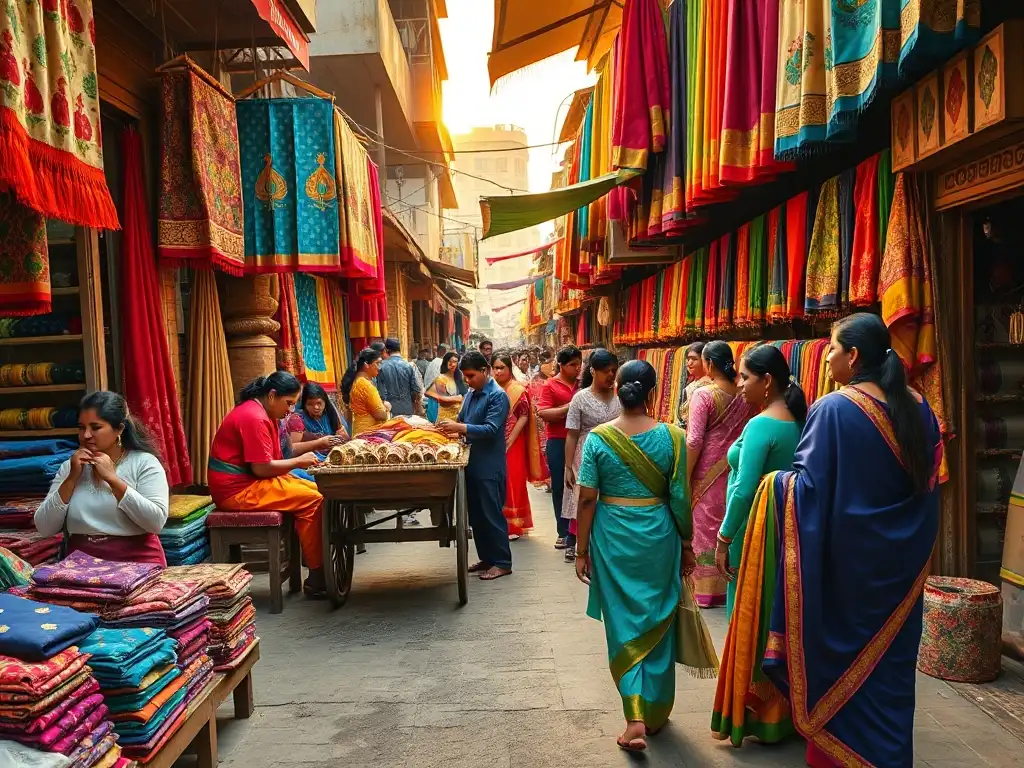
When it comes to purchasing Indian silk, understanding the nuances of authenticity is crucial. Indian silk is not just a fabric; it's a tapestry woven with history, tradition, and cultural significance. The craftsmanship involved in producing Indian silk is a time-honored tradition passed down through generations. Here’s a comprehensive guide to help you navigate the process of buying authentic Indian silk.
- Research the Types of Indian Silk: Familiarize yourself with the various types of Indian silk, such as Banarasi, Kanjeevaram, and Tussar. Each type has distinct characteristics, weaving techniques, and regional significance. For example, Banarasi silk is known for its ornate designs and gold thread work, while Kanjeevaram is famous for its vibrant colors and durability.
- Identify Reputable Sources: Look for reliable sellers who specialize in authentic Indian textiles. This could include established boutiques, online platforms with good reviews, or directly from artisans and cooperatives. Always verify the seller’s credentials and read customer feedback.
- Examine the Fabric: Authentic Indian silk should feel luxurious and smooth to the touch. Check for the natural sheen that silk exhibits, and ensure that there are no synthetic blends. A simple burn test can also be performed; genuine silk will smell like burnt hair when burned, while synthetic fabrics will have a plastic odor.
- Look for Certifications: Many artisans and companies provide certifications of authenticity, such as the Silk Mark, which guarantees that the product is made of pure silk. This certification is particularly important when purchasing high-value pieces.
- Understand Pricing: Authentic Indian silk can be expensive due to the labor-intensive processes involved in its production. Be cautious of prices that seem too good to be true, as they may indicate inferior quality or synthetic materials.
Key Factors to Consider When Buying Indian Silk
When investing in Indian silk, there are several key factors to consider to ensure you are purchasing a quality piece that embodies the richness of its cultural heritage:
- Weaving Technique: Different regions employ various weaving techniques that affect the texture and design of the silk. Understanding these techniques will help you appreciate the artistry behind the fabric.
- Color and Design: The colors used in Indian silk are often inspired by natural dyes and traditional motifs. Look for vibrant colors that reflect the culture and heritage of India, and ensure the designs resonate with your personal style.
- Sustainability: With the growing emphasis on sustainable fashion, consider purchasing silk from brands that focus on ethical sourcing and environmentally friendly practices. This not only supports artisans but also contributes to the preservation of traditional craftsmanship.
- Care Instructions: Indian silk requires special care to maintain its luster and quality. Check the care instructions provided by the seller to ensure you can properly care for your purchase.
- Cultural Significance: Each piece of Indian silk carries its own story and cultural significance. Engage with the seller to learn about the history and cultural context of the specific silk you are considering. This deeper understanding can enhance your appreciation and connection to the fabric.
Recommended Authentic Indian Silk Products
To help you get started on your journey to owning a piece of Indian silk, here are some recommended products that exemplify the cultural significance and quality of this exquisite fabric:
| Product Type | Description | Recommended Regions |
|---|---|---|
| Banarasi Sarees | Known for intricate gold and silver brocade work, these sarees are perfect for weddings and festive occasions. | Varanasi |
| Kanjeevaram Sarees | Famous for their vibrant colors and heavy silk, ideal for special occasions. | Tamil Nadu |
| Tussar Silk Stoles | Lightweight and breathable, perfect for casual wear, often featuring tribal designs. | Jharkhand |
| Silk Dupattas | Versatile in use, can be paired with various outfits, often adorned with hand-embroidered patterns. | Various regions |
| Silk Kurtas | Elegant and comfortable, suitable for both formal and casual settings. | Gujarat |
These products not only showcase the beauty of Indian silk but also represent the rich cultural heritage that comes along with them. Owning such pieces allows you to connect with the traditions and craftsmanship of India.
Conclusion: Embracing the Rich Heritage of Indian Silk
Owning a piece of Indian silk is not just about having a beautiful fabric; it is about embracing a rich heritage that spans millennia. Each thread woven into Indian silk carries stories of artisans, traditions, and cultural practices that have withstood the test of time. By investing in authentic Indian silk, you support the livelihoods of countless artisans who dedicate their lives to preserving this art form.
Moreover, incorporating Indian silk into your wardrobe allows you to express your appreciation for the intricate craftsmanship and historical significance behind each piece. As you wear or display your Indian silk, you partake in a legacy that celebrates the artistry and cultural depth of India, making every piece a meaningful addition to your collection. Whether it’s a saree, a stole, or a kurta, every item serves as a testament to the beauty and richness of Indian culture. Embrace this heritage and let it inspire you.
Call to Action
As you explore the rich cultural significance of Indian silk, consider the profound impact owning a piece can have on your understanding of this ancient craft. By investing in authentic Indian silk, you not only enhance your wardrobe with a luxurious material but also support the artisans who have kept this tradition alive for generations.
Join the movement to celebrate Indian heritage by selecting a piece that resonates with you. Whether it's a beautifully woven saree, an elegant dupatta, or a stunning silk scarf, each item tells a story of craftsmanship and culture.
👉 Take the next step: Visit local artisans, explore online boutiques specializing in Indian textiles, or attend cultural fairs where you can learn more about the intricate weaving processes. Every purchase is a step towards preserving this timeless art form while enriching your own style.
References for Further Reading
To deepen your understanding of the cultural significance of Indian silk and its historical context, consider exploring the following resources:
- Books:
- "Silk Weaving in India: A Historical Perspective" by [Author Name] - A comprehensive exploration of silk weaving traditions across various Indian regions.
- "The Fabric of Our Lives: The History of Indian Textiles" by [Author Name] - This book delves into the evolution of textiles in India and their cultural implications.
- Articles:
- "The Legacy of Indian Silk: From the Past to Present" - An insightful article discussing how traditional silk weaving practices have evolved and their significance today.
- "Understanding Indian Silk: Craftsmanship and Culture" - An analytical piece that highlights the artisans' role in preserving silk weaving techniques.
- Documentaries:
- "Threads of Tradition: The Story of Indian Silk" - A documentary that visually captures the silk weaving process and interviews with artisans.
- "Silk Road: The Cultural Exchange" - Examining the historical trade routes that influenced silk production and its significance in Indian culture.
- Online Resources:
- Cultural Heritage of India - A website dedicated to various aspects of Indian culture, including textile arts.
- The Handloom Mark - A government initiative to promote and preserve handloom products, providing insights into authentic Indian textiles.
By engaging with these resources, you will gain a deeper appreciation for the intricate artistry and cultural narratives woven into every strand of Indian silk.
- Introduction to Indian Silk Cultural Significance
- The Historical Context of Indian Silk
- Cultural Significance of Indian Silk
- Why You Should Own a Piece of Indian Silk
- Buying Authentic Indian Silk: A Guide
- Conclusion: Embracing the Rich Heritage of Indian Silk
- Call to Action
- References for Further Reading
Frequently Asked Questions
What is the cultural significance of Indian silk?
Indian silk holds immense cultural significance as it represents the rich heritage and artistry of ancient civilizations, showcasing traditional weaving techniques and motifs passed down through generations.
How has Indian silk influenced fashion?
Indian silk has profoundly influenced global fashion trends, with designers incorporating its luxurious texture and vibrant colors into contemporary collections, making it a staple in both traditional and modern attire.
What are the major types of Indian silk?
The major types of Indian silk include Mulberry, Tussar, and Eri silk, each with unique properties and traditional uses, reflecting the diverse weaving practices across different regions of India.
How is Indian silk produced?
Indian silk is produced through a meticulous process involving sericulture, where silkworms are cultivated, harvested, and spun into silk threads, followed by intricate dyeing and weaving techniques.
Why should I own a piece of Indian silk?
Owning a piece of Indian silk not only enhances your wardrobe with its elegance and versatility but also connects you to a rich cultural legacy, making it a treasured addition to any collection.
Final Reflection: Embracing the Cultural Significance of Indian Silk
The cultural significance of Indian silk transcends mere aesthetics; it embodies centuries of tradition, artistry, and heritage that resonate deeply in today's globalized world. In an era where fast fashion dominates, understanding the rich history and craftsmanship behind Indian silk serves as a powerful reminder of the value of authenticity and sustainability. By owning a piece of this exquisite fabric, we not only appreciate its beauty but also honor the artisans who have dedicated their lives to preserving this age-old craft.
Cultural heritage is a living tapestry, woven with the threads of history, identity, and community. The impact of Indian silk extends beyond its physical presence; it influences social dynamics, economic stability, and cultural pride. As we wear or display silk, we become part of a narrative that connects us to the artisans and their stories. In every thread of silk, there lies a story waiting to be told.
This ongoing dialogue between the past and present enriches our lives and fosters a deeper appreciation for the artistry involved in creating these masterpieces.
As you reflect on the significance of Indian silk, consider how you can integrate this cultural treasure into your life. Embrace the opportunity to support artisans, promote sustainable practices, and celebrate the beauty of diversity in your wardrobe. By choosing to own a piece of Indian silk, you are not just making a fashion statement; you are participating in a legacy that deserves to be cherished and shared. Let this be an invitation to explore the stories behind the fabric and to carry forward the rich heritage of Indian silk into the future.
Embrace the Rich Heritage of Indian Silk!
Thank you for diving into the world of Indian silk with us! You've uncovered its deep cultural significance, and now it's time to take the next step. Owning a piece of this exquisite fabric not only enhances your wardrobe but also connects you to a rich history that resonates through generations.
Here’s how you can celebrate and carry forward this tradition:
- Purchase a handcrafted Indian silk item — whether it's a beautiful saree or a stylish dupatta, choose a piece that truly resonates with you.
- Share this article with your friends and family to enlighten them about the beauty and significance of Indian silk.
- Participate in local cultural events or workshops that celebrate Indian textiles to deepen your understanding of their craftsmanship.
Are you ready to adorn yourself with the elegance of Indian silk while contributing to the preservation of this beautiful heritage? What piece of Indian silk are you excited to add to your collection?