
A Textile Journey: From Ancient India to Contemporary Designs

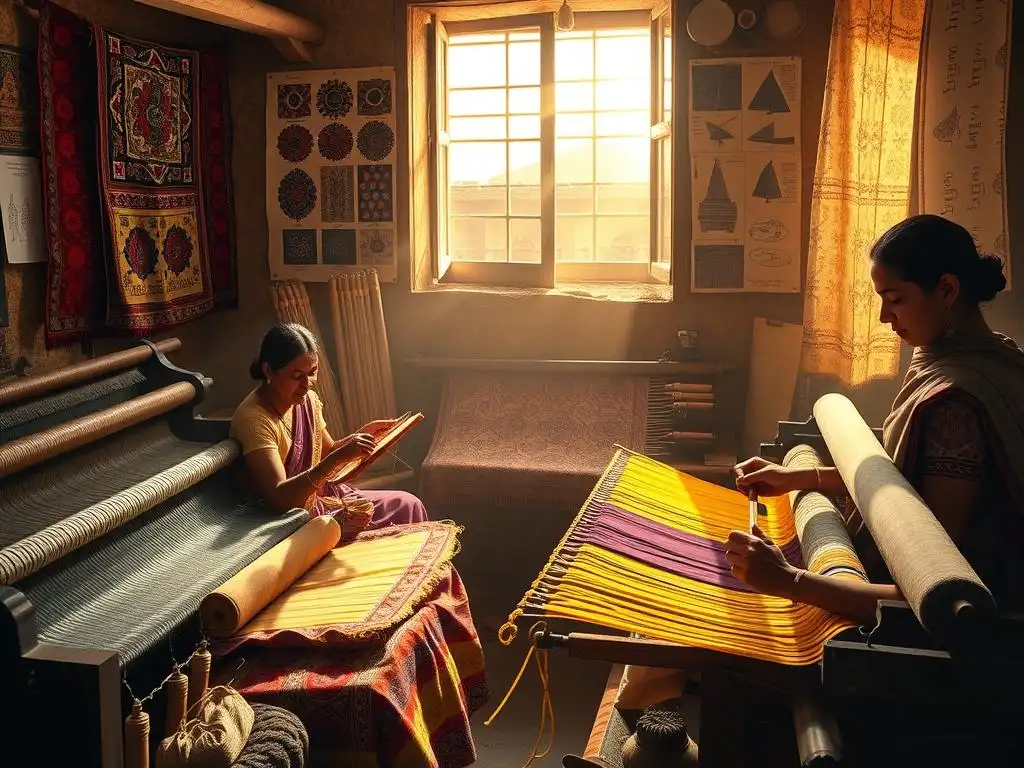
Welcome to Ancient India History, where we embark on a fascinating journey through time, exploring the rich tapestry of ancient Indian civilizations. In this article, we delve into the captivating world of Ancient Indian textile history, uncovering the intricate techniques and cultural significance behind the stunning fabrics that have shaped both history and contemporary design.
Prepare to be intrigued as we unravel the stories woven into the very threads of our past—each stitch a testament to the creativity and craftsmanship of a civilization that continues to inspire today. Join us as we explore the vibrant legacy of textiles and discover how these ancient practices influence modern fashion!
Introduction to Ancient Indian Textile History
The history of textiles in ancient India is a remarkable tapestry woven with creativity, innovation, and cultural significance. From the intricate designs of the Indus Valley Civilization to the sophisticated weaving techniques of the Gupta Empire, the evolution of textile production reflects the richness of Indian heritage. Ancient Indian textile history not only showcases the artistry and craftsmanship of its people but also reveals the socio-economic and cultural dynamics of the time. This article embarks on a journey through the vibrant world of ancient Indian textiles, exploring their origins, techniques, and lasting impact on contemporary designs.
The Origins of Textile Production in Ancient India
Textile production in ancient India dates back thousands of years, with evidence suggesting that this practice was well established by the time of the Indus Valley Civilization (circa 3300–1300 BCE). The region’s geographical and climatic diversity played a crucial role in the development of textile techniques, leading to the use of local fibers and dyes.
The Indus Valley Civilization and Early Fabrics
The Indus Valley Civilization is renowned for its advanced urban planning and craftsmanship, with textiles being a vital part of its economy. Archaeological findings have revealed:
- Cotton Cultivation: The Indus Valley is one of the earliest regions to cultivate cotton, which was spun into threads and woven into fabrics.
- Spinning and Weaving Techniques: Evidence of spindle whorls, looms, and various weaving techniques indicates a sophisticated textile industry.
- Variety of Textiles: Fabrics were used for clothing, household items, and ceremonial purposes, showcasing a range of styles and patterns unique to the civilization.
Dyeing Techniques and Materials Used
The vibrant colors of ancient Indian textiles were achieved through intricate dyeing techniques that utilized natural materials.
- Natural Dyes: Dyes were derived from plants, minerals, and insects, offering a wide spectrum of colors. For example:
- Indigo: Sourced from the indigo plant, this deep blue dye was highly valued.
- Madder Root: Used for producing reds and pinks.
- Turmeric: Provided a vibrant yellow hue.
- Dyeing Techniques: Techniques such as tie-dye, block printing, and resist dyeing were employed, revealing a deep understanding of materials and artistic expression.
This blend of natural resources and creativity laid the groundwork for the rich tradition of textile craftsmanship that would flourish throughout India's history, influencing both local and global fashion trends.
Traditional Weaving Techniques in Ancient India
The rich tapestry of ancient Indian textile history is deeply intertwined with traditional weaving techniques that have evolved over millennia. Weaving in India can be traced back to the Indus Valley Civilization, where evidence of cotton cultivation and textile production has been found. Various techniques, including plain weave, twill, and jacquard, showcase the artisans' skills and creativity.
The introduction of handlooms marked a significant advancement in textile production. Unlike machine-made fabrics, handwoven textiles possess a unique charm and character, often featuring intricate patterns and designs that reflect local culture and traditions. Artisans would typically use natural fibers such as cotton, silk, and wool, dyed with natural pigments sourced from plants, minerals, and insects. This organic approach not only ensured sustainability but also highlighted the deep connection between nature and craftsmanship.
Handlooms and Their Cultural Significance
Handlooms hold a special place in Indian society, serving as both a means of livelihood and a cultural emblem. Each region of India boasts its own distinct handloom tradition, passed down through generations of skilled weavers. For instance, the famous Banarasi sarees from Varanasi are renowned for their elaborate brocade work, while the Kanchipuram sarees from Tamil Nadu are celebrated for their vibrant colors and intricate designs.
The craft of handloom weaving is not merely a form of economic activity, but a significant aspect of cultural identity. Many communities have woven their histories, stories, and beliefs into their textiles, making every piece a narrative of its own. Handlooms also play a pivotal role in promoting sustainable fashion, as they minimize mechanization and support rural livelihoods, ensuring that the tradition continues to thrive in the modern era.
Regional Variations in Weaving Styles
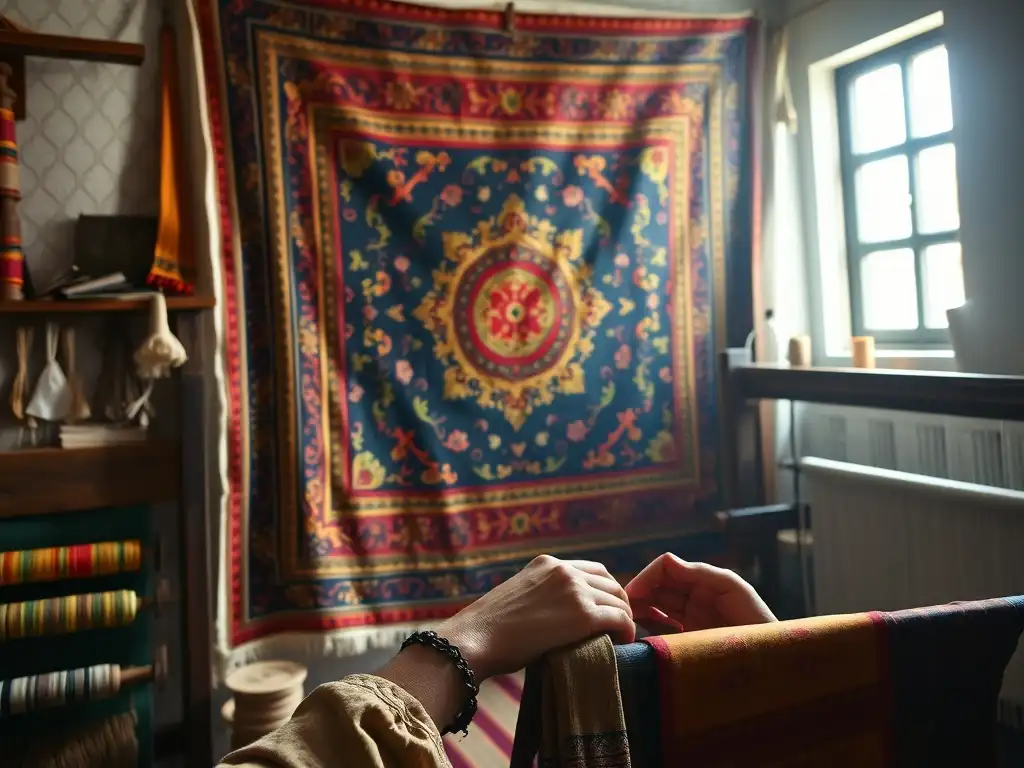
India's vast geographical diversity has led to a multitude of regional weaving styles, each with its own unique characteristics.
- Northeast India: The textiles from this region often feature vibrant colors and intricate motifs, with techniques such as ikat and backstrap weaving prominent among the tribes.
- Western India: Gujarat and Rajasthan are known for their bandhani (tie-dye) and mirror work, which add a distinctive flair to garments.
- Southern India: The intricate silk sarees of Tamil Nadu, woven using the zari technique, are celebrated for their elegance and opulence.
- Eastern India: Bengal's muslin and jamdani sarees reflect the delicate artistry of the weavers, known for their fine threads and sheer fabric.
These regional styles not only highlight the diversity of Indian textiles but also create a rich interplay of cultural expressions that continue to influence contemporary designs.
The Influence of Religion and Mythology on Textile Designs
Religion and mythology have profoundly shaped the aesthetics of ancient Indian textiles. Many designs are imbued with spiritual significance, often depicting symbols and motifs drawn from sacred texts, folklore, and religious beliefs.
In Hinduism, for example, motifs such as lotus flowers, peacocks, and elephants are commonly used, symbolizing purity, beauty, and wisdom. These designs are more than decorative; they serve as visual narratives that convey deeper philosophical and spiritual meanings.
Spiritual Symbolism in Textile Patterns
The patterns woven into textiles often carry spiritual symbolism, serving as a medium to express devotion and reverence. For instance, the use of the swastika symbol in textiles is ancient and represents auspiciousness and good fortune. Similarly, the depiction of gods and goddesses in textile designs reinforces the connection between art and spirituality, as these garments are often worn during religious ceremonies and festivals.
Moreover, the colors used in textiles also hold significance. For example, saffron is associated with purity and sacrifice, while green symbolizes prosperity and fertility. This rich symbolism enhances the aesthetic appeal of the textiles while deepening their cultural resonance.
Textiles in Rituals and Ceremonies
Textiles play a crucial role in various rituals and ceremonies across India. From weddings to religious festivals, specific garments are integral to the observance of customs and traditions. For example, the bridal trousseau often includes intricately woven sarees, each representing distinct cultural heritage and family lineage.
In addition to personal ceremonies, textiles are used in larger community rituals, such as temple decorations and processions, where vibrant fabrics and elaborate designs create a visually stunning experience. These textiles serve not only as functional garments but also as expressions of collective cultural identity, binding communities together through shared traditions and beliefs.
Through the lens of rituals and ceremonies, ancient Indian textiles emerge as a profound tapestry of history, culture, and spirituality, transcending mere fashion to embody the essence of civilization itself.
The Transition from Ancient to Contemporary Textile Designs
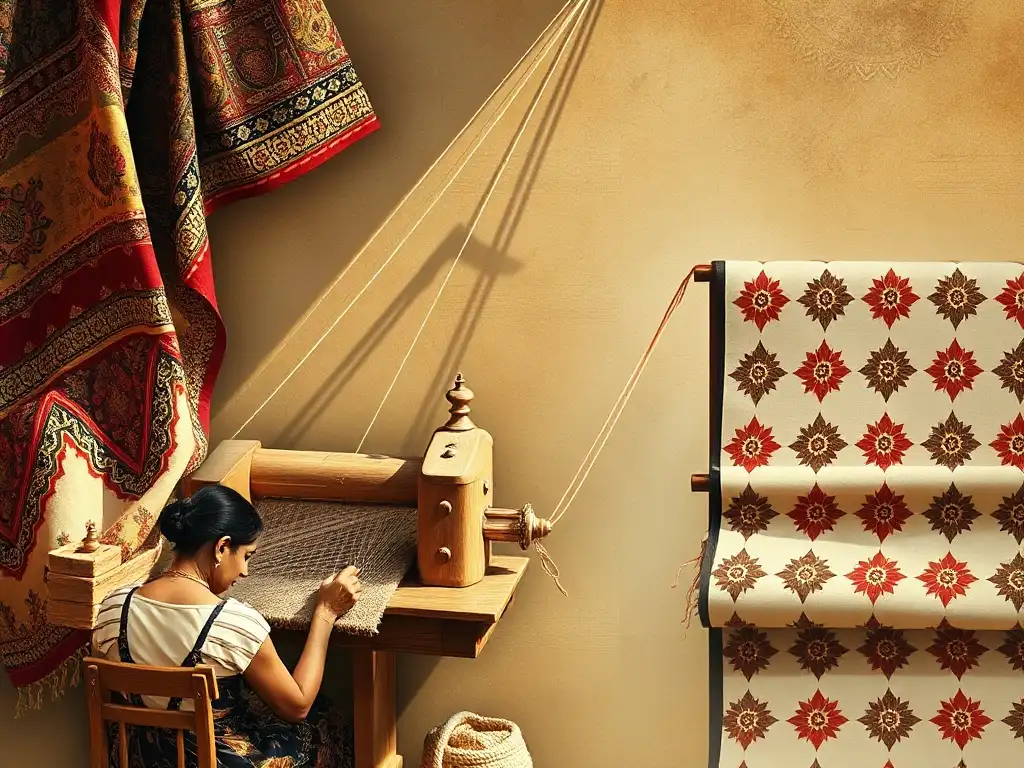
The evolution of textile designs in India is a fascinating journey that reflects the rich tapestry of the country's cultural heritage. Ancient Indian textile history showcases a variety of techniques, materials, and motifs that have been passed down through generations. As we transitioned into modern times, these traditional designs began to merge with contemporary aesthetics, resulting in a unique fusion that retains the essence of ancient artistry while appealing to current fashion sensibilities.
In ancient India, textiles were not merely items of clothing but were imbued with cultural significance and symbolism. Techniques like weaving, dyeing, and embroidery were meticulously crafted, often reflecting the social status and regional identity of the wearer. The introduction of modern materials and manufacturing processes has, however, altered the landscape of textile production. Contemporary designs often incorporate synthetic fibers and digital printing, which, while innovative, can sometimes overshadow the traditional craftsmanship that defines ancient textiles.
Despite these changes, there is a growing trend towards sustainability and ethical fashion, leading many designers to explore ancient techniques as a source of inspiration. This revival of interest in traditional designs underscores the importance of preserving ancient Indian textile history while integrating it into the contemporary fashion narrative.
The Impact of the Mughal Empire on Textile Art
The Mughal Empire, which reigned from the early 16th to the 19th century, significantly influenced Indian textile art. The Mughals brought with them a wealth of knowledge and aesthetics from Persia, which blended seamlessly with indigenous Indian traditions. This period saw the introduction of new motifs, intricate patterns, and luxurious fabrics, which transformed the textile landscape of India.
One of the most notable contributions of the Mughal era was the development of chikan embroidery, a delicate hand-embroidery technique that originated in Lucknow. The Mughals also popularized the use of zari, a metallic thread that added opulence to fabrics, and ikat, a dyeing technique that creates beautiful patterns on textiles. Mughal textiles often featured intricate floral designs, geometric patterns, and scenes from nature, reflecting the empire's appreciation for beauty and craftsmanship.
The establishment of royal workshops and the patronage of skilled artisans during this time led to the creation of exquisite textiles that were sought after both locally and internationally. As a result, the Mughal influence on textile art laid the groundwork for future developments in Indian textiles, leaving a lasting legacy that continues to inspire contemporary artisans and designers.
Modern Interpretations of Ancient Textile Techniques
Today, modern designers are increasingly turning to ancient textile techniques as a means of creating unique, sustainable fashion. By reinterpreting traditional methods such as hand-weaving, block printing, and natural dyeing, contemporary artisans are breathing new life into ancient practices. These techniques not only celebrate India's rich textile heritage but also promote environmental sustainability by reducing reliance on synthetic materials and mass production.
For instance, the resurgence of khadi, a hand-spun and hand-woven cotton fabric, reflects a growing interest in eco-friendly materials. Designers are experimenting with khadi to create contemporary silhouettes that resonate with modern consumers. Similarly, traditional block printing techniques are being adapted to produce vibrant, contemporary patterns that appeal to a global audience.
Moreover, the integration of technology into textile design has also provided new avenues for traditional artisans. Digital platforms allow for the promotion and sale of handmade textiles, reaching wider markets and increasing visibility for artisans. This blend of tradition and innovation is essential for the survival and growth of ancient textile techniques in the contemporary fashion industry.
Challenges Facing Traditional Indian Textiles Today
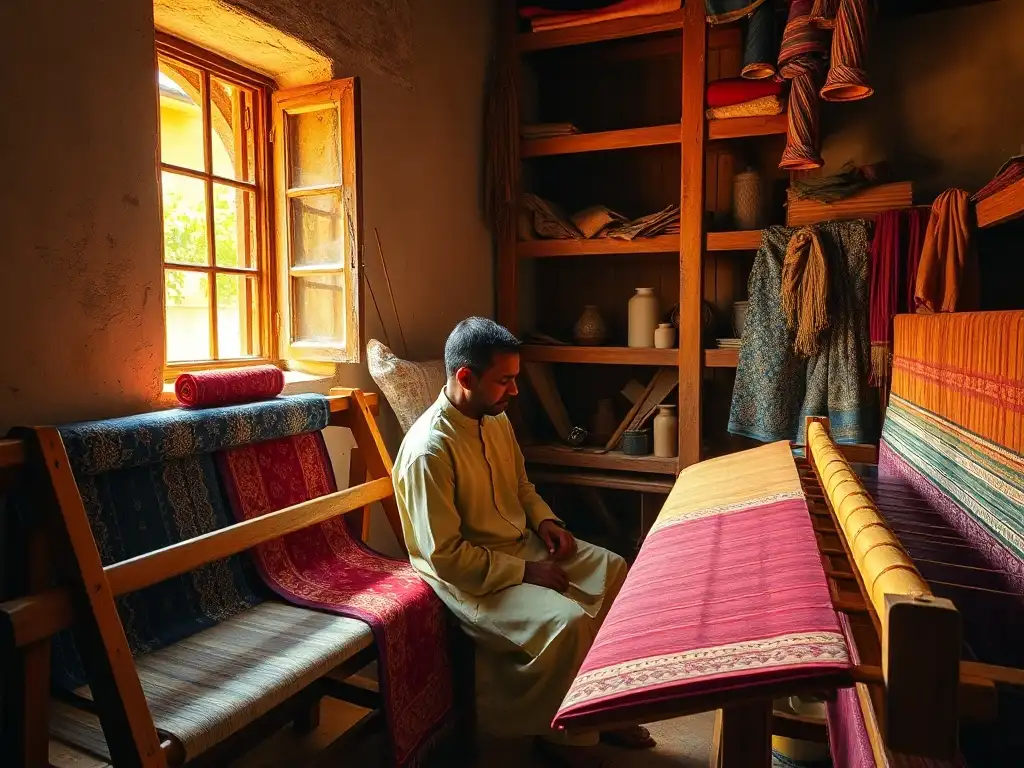
Despite the revival of interest in traditional textiles, ancient Indian textile history faces numerous challenges in today's fast-paced world. The rapid advancement of technology, changing consumer preferences, and globalization have created a complex environment for traditional artisans and textile producers.
The Threat of Modernization and Industrialization
The rise of industrialization has posed a significant threat to traditional textile practices. Mass production techniques have led to an oversupply of cheap, machine-made garments, which often overshadow the value of handcrafted textiles. Consumers, drawn by lower prices and convenience, may overlook the artistry and cultural significance behind traditional textiles.
Additionally, the influx of synthetic fabrics has further diminished the demand for natural fibers, which are integral to many traditional techniques. This shift not only affects artisans' livelihoods but also threatens the survival of ancient skills and knowledge that have been passed down through generations.
Preservation Efforts and Revitalization of Ancient Techniques
In response to these challenges, various organizations and individuals are working tirelessly to preserve ancient textile techniques and promote their relevance in contemporary society. Initiatives aimed at reviving traditional crafts often focus on providing artisans with training, resources, and access to markets.
For example, workshops and training programs are being organized to teach younger generations the intricacies of traditional weaving and dyeing techniques. Collaborations between designers and artisans help create collections that blend traditional aesthetics with modern sensibilities, ensuring that ancient skills are not lost.
Moreover, increasing awareness among consumers about the importance of sustainable fashion has led to a renewed interest in traditional textiles. As more people seek to support ethical and local production, traditional Indian textiles are finding their place in contemporary fashion narratives, contributing to a vibrant and sustainable future for ancient textile history.
Conclusion: The Ongoing Journey of Ancient Indian Textile History
The journey of ancient Indian textile history is a vibrant tapestry woven with rich traditions, intricate techniques, and cultural significance. From the sophisticated craftsmanship of the Indus Valley civilization to the elaborate designs of the Mughal era, textiles have played a crucial role in shaping the social and economic fabric of India. As we explore this history, it becomes clear that textiles were not merely functional items; they were symbols of identity, status, and artistry.
Today, the legacy of ancient Indian textiles continues to thrive, influencing contemporary designers and modern fashion trends. The revival of traditional weaving techniques and the incorporation of ancient motifs into modern designs demonstrate the timeless appeal and adaptability of these textiles. Furthermore, global interest in sustainable and ethically produced fashion has brought renewed attention to the artisanal practices of ancient India, highlighting the importance of preserving these age-old skills.
As we celebrate the ongoing journey of ancient Indian textile history, it is essential to recognize the contributions of artisans and weavers who keep these traditions alive. Their dedication ensures that the stories embedded in each piece of fabric are passed down through generations, connecting us to our past while inspiring future creativity. Thus, the exploration of ancient textiles is not merely a journey into history; it is an ongoing dialogue between the past and the present, revealing the enduring legacy of ancient Indian craftsmanship.
References and Further Reading
- Books:
- "The Fabric of India" by Rosemary Crill
- "The Art of Indian Textiles" by David Bayley
- "Indian Textiles: 5000 Years of Art and Design" by John Gillow
- Academic Journals:
- "Textile History" - A journal that explores the historical and cultural significance of textiles across various civilizations.
- "The Journal of Indian Textile History" - Focuses specifically on Indian textiles and their evolution over time.
- Online Resources:
- The National Museum of India - Provides insights and exhibitions related to ancient textiles.
- The Crafts Council of India - Offers information on traditional Indian crafts, including textiles.
These resources provide a deeper understanding of ancient Indian textile history, its cultural implications, and its impact on contemporary design. They are invaluable for anyone interested in exploring the rich heritage and artistry of Indian textiles.
- Introduction to Ancient Indian Textile History
- The Origins of Textile Production in Ancient India
- Traditional Weaving Techniques in Ancient India
- Handlooms and Their Cultural Significance
- Regional Variations in Weaving Styles
- The Influence of Religion and Mythology on Textile Designs
- Spiritual Symbolism in Textile Patterns
- Textiles in Rituals and Ceremonies
- The Transition from Ancient to Contemporary Textile Designs
- The Impact of the Mughal Empire on Textile Art
- Modern Interpretations of Ancient Textile Techniques
- Challenges Facing Traditional Indian Textiles Today
- Conclusion: The Ongoing Journey of Ancient Indian Textile History
- References and Further Reading
- What is the significance of Ancient Indian textile history?
- How did ancient textiles influence modern designs?
- What were the primary materials used in ancient Indian textiles?
- How did trade impact the development of textile techniques in ancient India?
- What role did religion play in ancient Indian textiles?
Frequently Asked Questions
What is the significance of Ancient Indian textile history?
The Ancient Indian textile history showcases the artistic skills and cultural practices of various civilizations, reflecting their social status and trade relationships.
How did ancient textiles influence modern designs?
Ancient textiles introduced unique weaving techniques and patterns that continue to inspire contemporary fashion designers, blending traditional artistry with modern aesthetics.
What were the primary materials used in ancient Indian textiles?
Ancient Indian textiles were primarily made from cotton, silk, and wool, each material reflecting the regional resources and craftsmanship of the time.
How did trade impact the development of textile techniques in ancient India?
Trade routes facilitated the exchange of textile techniques and materials, allowing ancient Indian civilizations to adopt and adapt foreign influences, enhancing their own textile production.
What role did religion play in ancient Indian textiles?
Religion influenced the designs and colors of textiles, with certain patterns and motifs symbolizing spiritual beliefs and being used in ritualistic ceremonies.
Final Reflection: Weaving Threads of Time in Textile History
The journey through ancient Indian textile history reveals a tapestry rich with culture, innovation, and artistry that continues to resonate today. As we explore the intricate designs and techniques that have evolved over centuries, we recognize their profound influence on contemporary fashion and textile practices. The legacy of these textiles is not merely historical; it serves as a vibrant reminder of our shared heritage and the enduring nature of human creativity.
Cultural narratives woven into every fabric tell stories of identity, tradition, and resilience. The impact of ancient Indian textiles extends beyond aesthetics; it shapes our understanding of craftsmanship and cultural exchange. As we witness the revival of traditional techniques in modern design, we are reminded of the words of Mahatma Gandhi: The best way to find yourself is to lose yourself in the service of others.
This sentiment echoes in the way artisans today honor their ancestors by preserving age-old practices while adapting them to contemporary needs.
As we reflect on this rich textile journey, I invite you to consider how the threads of history can inspire your own creative endeavors. Embrace the lessons of the past, and let them guide you in your personal or professional pursuits. Whether through supporting local artisans, exploring sustainable fashion, or simply appreciating the stories behind the fabrics we wear, each of us has the power to contribute to this ongoing narrative. Let us honor the legacy of ancient Indian textiles by weaving our own stories into the fabric of the future.
Unveil the Vibrant Legacy of Textiles!
Thank you for joining us on this fascinating exploration of the rich tapestry of textile history, from ancient India to modern-day designs! You've uncovered the intricate connections between culture and craftsmanship, and now it's time to take your newfound knowledge further.
Here are some empowering actions you can take:
- Dive Deeper into the world of textiles by visiting local museums or exploring online exhibits showcasing textile art.
- Share this article with friends and spark a conversation about the lasting influence of Indian textiles in today’s fashion scene.
- Consider taking up a textile craft yourself—whether it’s weaving, dyeing, or embroidery—creating your own piece connects you with this timeless tradition.
As you reflect on this journey, we’d love to hear your thoughts: Which aspect of Indian textiles resonates most with you, and how do you see it influencing your own style?