
The Indus Valley Civilization: Pioneers of Ancient Textile Innovation

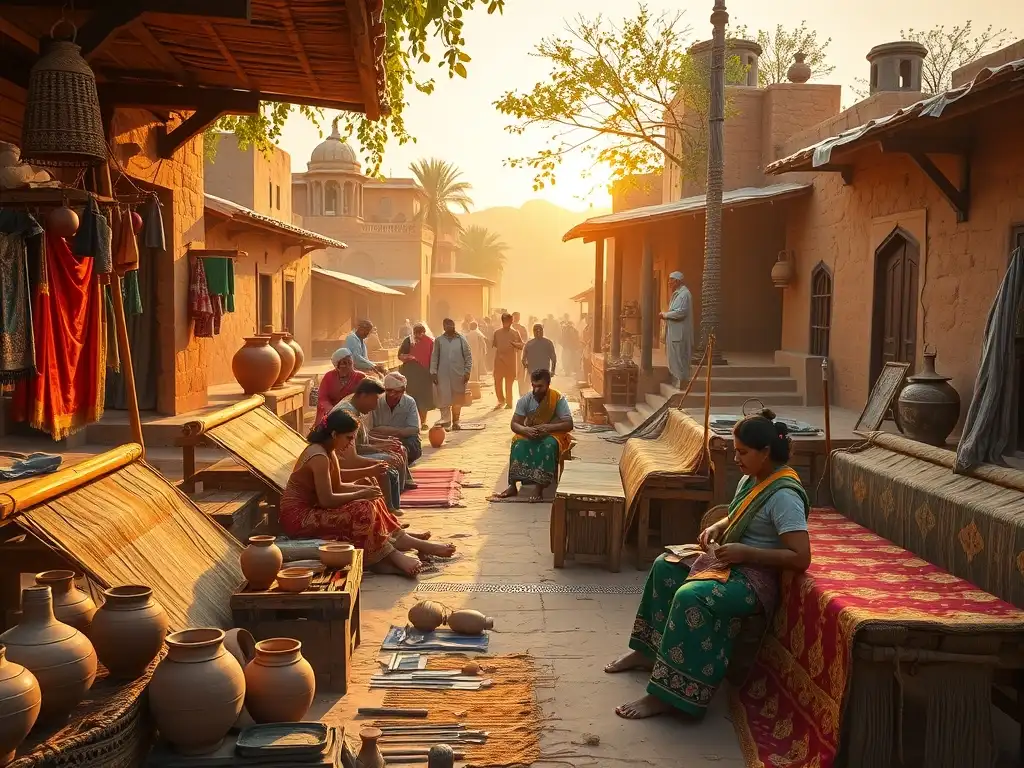
Welcome to Ancient India History, where we embark on a fascinating journey through time to uncover the rich tapestry of India's past. In this space, we delve deep into the remarkable contributions of ancient civilizations, revealing their cultural legacies and innovations. Today, we focus on the Indus Valley textile innovations—a pioneering aspect of one of the world's earliest urban societies. As we unravel the secrets of their sophisticated textile techniques, you'll discover how these ancient artisans laid the groundwork for modern fashion and textiles. Stay with us as we explore the intricate threads that connect history to the present!
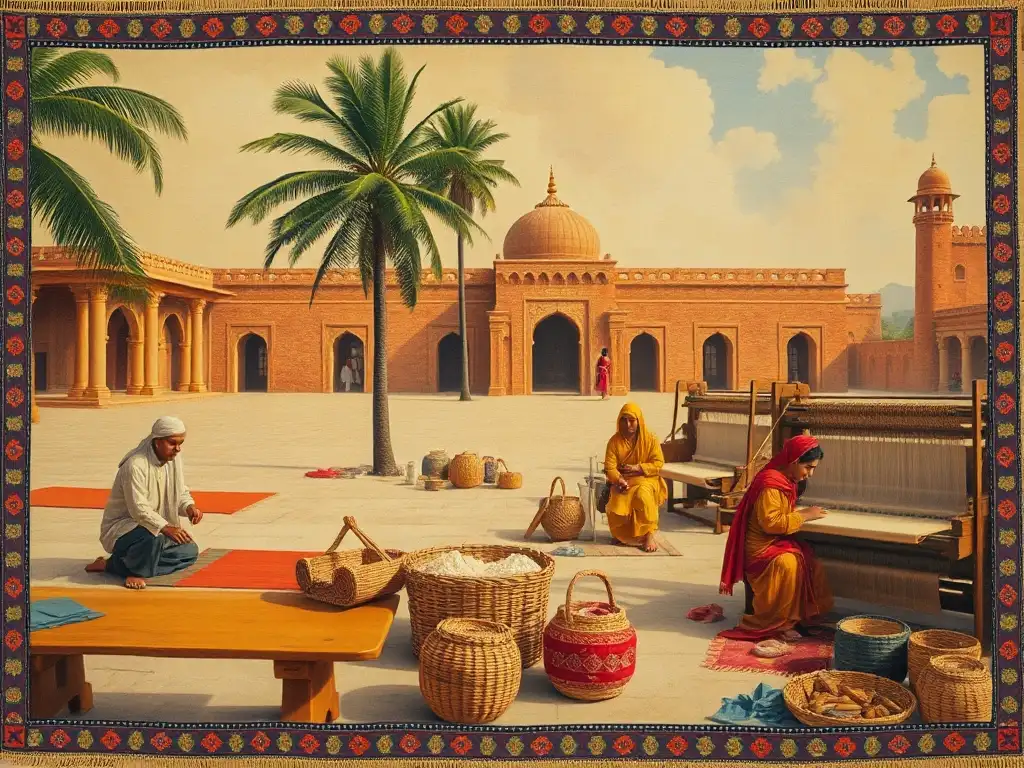
The Indus Valley Civilization, one of the world's earliest urban societies, flourished around 3300 to 1300 BCE in what is now modern-day Pakistan and northwest India. Renowned for its advanced urban planning, architecture, and social organization, this civilization also made significant strides in textile innovations that laid the foundation for future textile industries.
This article delves into the remarkable achievements of the Indus Valley in textile production, exploring their techniques, materials, and cultural significance, while highlighting how these ancient practices continue to influence modern textile arts. By examining the keyword "Indus Valley textile innovations," we aim to uncover the rich tapestry of a civilization that not only mastered the art of weaving but also contributed to the global heritage of textiles.
Introduction to the Indus Valley Civilization
Overview of the Indus Valley Civilization
The Indus Valley Civilization, often called the Harappan Civilization, was characterized by its sophisticated city planning with grid patterns, advanced drainage systems, and standardized fired bricks. Major urban centers, such as Harappa and Mohenjo-Daro, served as bustling hubs of trade and cultural exchange. The civilization thrived on agriculture, with crops such as wheat, barley, and cotton being cultivated extensively. The presence of cotton cultivation suggests that the people of this era were pioneers in the textile industry, utilizing local resources to create various fabric types.
Importance of Textile Innovations in Ancient History
Textiles played a crucial role in the economy and daily life of the Indus Valley Civilization. The innovations in textile production not only facilitated local trade but also reflected the artistry and craftsmanship of the time. Textiles were not merely functional; they held cultural significance, symbolizing status and identity. The importance of these innovations can be seen through archaeological findings, which include intricate clothing, decorative textiles, and evidence of trade routes that connected the Indus Valley with distant regions, enhancing cultural exchanges and the spread of textile practices.
The Evolution of Textile Techniques in the Indus Valley
Early Weaving Techniques and Materials
The Indus Valley Civilization is credited with developing advanced weaving techniques that utilized both cotton and wool. Archaeological evidence indicates that they employed horizontal looms and intricate patterns, showcasing their skills in creating a variety of textiles. The use of natural fibers such as cotton, which was grown in abundance, allowed for the production of lightweight and breathable fabrics that were well-suited to the region's climate. The mastery of these early weaving techniques set the stage for future advancements in textile arts across India and beyond.
Dyeing Methods: Natural vs. Synthetic Dyes
Dyeing was another area where the Indus Valley Civilization excelled. The artisans of this period used natural dyes derived from plants, minerals, and insects, resulting in vibrant colors that adorned their textiles. Commonly used sources included indigo for blue, madder root for red, and turmeric for yellow. The use of natural dyes not only demonstrated their knowledge of local flora but also contributed to the aesthetic appeal of their textiles. While synthetic dyes were not yet developed, the skill in producing long-lasting, rich colors was a testament to their innovative spirit.
Innovations in Spinning: From Spindle Whorls to Spinning Wheels
The spinning techniques in the Indus Valley Civilization showcased remarkable ingenuity. Evidence of spindle whorls, a common tool for spinning fibers into thread, has been found in numerous archaeological sites. These tools allowed for the efficient production of thread, which was integral to the weaving process. Over time, advancements led to the development of more sophisticated spinning wheels, enhancing productivity and enabling the creation of finer textiles. This evolution in spinning technology played a vital role in the growth of the textile industry, paving the way for future innovations in fabric production.
Key Textiles of the Indus Valley Civilization
The Indus Valley Civilization, which flourished around 2600 to 1900 BCE, is renowned for its advanced urban planning and sophisticated craftsmanship, particularly in textiles. This civilization is credited with several key textile innovations that laid the foundation for future developments in fabric production and trade. The primary textiles associated with this ancient culture include cotton, wool, linen, and silk, each offering unique characteristics and uses that highlight the ingenuity of Indus Valley artisans.
Cotton Textiles: The Birth of Cotton Production
Cotton production is one of the most significant achievements of the Indus Valley Civilization. Archaeological evidence suggests that cotton was cultivated as early as 5000 BCE in the region, making it one of the earliest known sources of textile fiber. The people of the Indus Valley developed advanced techniques for spinning and weaving cotton, producing soft, durable fabrics that were both comfortable and practical.
The discovery of cotton textiles has transformed our understanding of ancient textile technology. The use of cotton not only catered to the local population's clothing needs but also positioned the Indus Valley as a key player in early textile trade routes. The lightweight nature of cotton made it ideal for hot climates, and its versatility allowed for a variety of styles and patterns, showcasing the aesthetic sensibilities of the civilization.
Wool and Linen Textiles: Diversity in Fabric Choices
In addition to cotton, the Indus Valley artisans were skilled in working with wool and linen. Wool was sourced mainly from local sheep breeds, and its production involved processes such as shearing, washing, and spinning. Wool textiles were often used for warmer clothing items, reflecting the diverse climatic conditions of the region.
Linen, derived from the flax plant, was also utilized, although to a lesser extent compared to cotton and wool. The production of linen required careful processing of the flax fibers, which was labor-intensive but resulted in a luxurious and breathable fabric. The combination of cotton, wool, and linen in textile production illustrates the Indus Valley's resourcefulness and adaptability in using available materials to meet the needs of its society.
Silk Production: Origins and Techniques
While silk is often associated with later civilizations, evidence suggests that the Indus Valley Civilization may have engaged in early forms of silk production. Although definitive proof is still under research, some archaeological findings indicate interactions with regions known for silk cultivation, suggesting that the Indus Valley may have had access to this luxurious fabric.
The potential production of silk in the Indus Valley would have involved intricate techniques of sericulture, where silkworms are cultivated to produce silk threads. The incorporation of silk into their textile repertoire would have not only enhanced the variety of available fabrics but also placed the Indus Valley Civilization at the forefront of textile innovation in the ancient world.
Trade and Textile Exchange in the Indus Valley
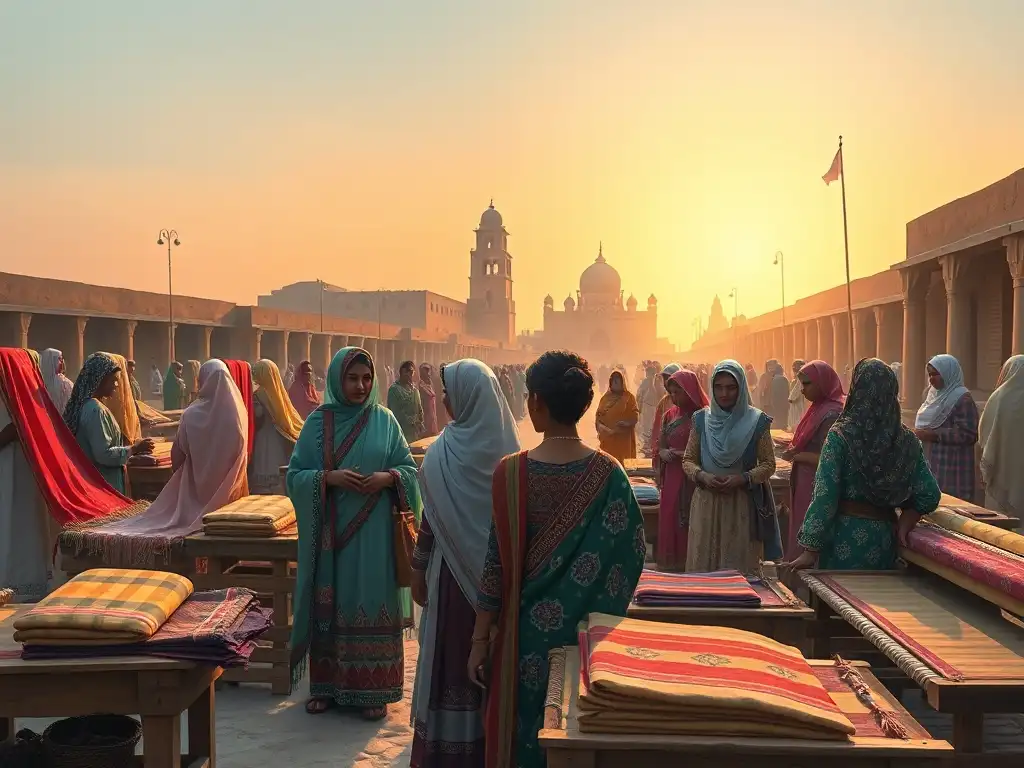
The significance of textiles in the Indus Valley extends beyond local production; it played a crucial role in trade and cultural exchange with neighboring regions. The efficient trade networks established by the Indus Valley Civilization facilitated the distribution of textiles and the exchange of ideas and techniques.
Trade Routes and Their Impact on Textile Innovations
The Indus Valley Civilization was strategically located near key trade routes connecting it to Mesopotamia, Persia, and the Arabian Peninsula. These routes enabled the movement of goods, including textiles, which not only provided economic benefits but also encouraged cultural interactions. The exchange of textiles introduced new designs, patterns, and weaving techniques, fostering an environment of innovation.
The impact of these trade routes can be seen in the diversity of textile artifacts discovered across various archaeological sites, indicating a blend of local and foreign influences. This vibrant exchange of materials and ideas contributed to the evolution of textile production techniques, enhancing the overall quality and aesthetic of the fabrics produced.
The Role of Textiles in Economic Exchange
Textiles were not merely commodities in the Indus Valley; they were vital to the economic system of the civilization. The production and trade of textiles facilitated wealth accumulation and social stratification, as certain communities became renowned for their textile craftsmanship. This specialization in textile production contributed to the economic sustainability of the civilization.
Moreover, textiles served as a form of currency; they were often exchanged for other goods, such as metals, grains, and luxury items. This economic reliance on textiles underscores their significance in the daily lives of the Indus Valley people and their broader interactions with other cultures.
Comparison with Contemporary Civilizations: Mesopotamia and Egypt
When comparing the textile innovations of the Indus Valley Civilization with those of contemporary civilizations such as Mesopotamia and Egypt, it becomes evident that each culture had unique approaches to textile production. While Mesopotamia is known for its woolen textiles and elaborate dyeing techniques, and Egypt for its linen production derived from flax, the Indus Valley stands out for its pioneering cotton cultivation.
The trade networks of the Indus Valley were distinct, allowing for a unique exchange of textiles that influenced neighboring regions. The advancements in cotton production and weaving techniques of the Indus Valley set a benchmark that would influence textile practices in surrounding civilizations, ultimately contributing to the rich tapestry of ancient textile history.
The Cultural Significance of Textiles in Indus Valley Society
The Indus Valley Civilization, flourishing around 3300 to 1300 BCE, is renowned for its advanced urban planning and intricate craftsmanship. Among its many cultural components, textiles held a significant place, serving as both practical items and symbols of wealth, social status, and artistic expression. The production and use of textiles reflected the sophistication of the society, showcasing their technological advancements in weaving and dyeing processes.
Textiles were not merely everyday items; they were deeply intertwined with the cultural identity of the people. The intricate patterns and vibrant colors of fabrics often represented different regions and communities within the civilization, reinforcing a sense of belonging. Furthermore, textiles played a pivotal role in trade, as the Indus Valley Civilization engaged extensively with neighboring regions, exchanging their finely crafted fabrics for goods, which helped establish their reputation as skilled artisans in the ancient world.
Textiles as Indicators of Social Status
In Indus Valley society, textiles functioned as significant indicators of social status and wealth. Archaeological evidence suggests that different classes of people wore distinct types of fabrics, with the elite likely donning garments made from high-quality, finely woven materials. The use of specific dyes, patterns, and embellishments would have further distinguished the upper classes from lower social strata.
As such, the textiles of the Indus Valley not only fulfilled practical needs but also reinforced social hierarchies. For instance, the presence of elaborate embroidered garments in burial sites indicates that textiles were also used to signify prestige and honor, even in death. The differentiation in textile quality and design underscores the importance of fabric as a social marker, providing insights into the societal structure of the time.
Religious and Ceremonial Uses of Textiles
Textiles in the Indus Valley Civilization were also integral to religious and ceremonial practices. Fabrics were used in various rituals, from clothing sacred images or idols to draping altars during worship. The use of bright colors and intricate designs in ceremonial textiles would have enhanced the spiritual atmosphere, reflecting the civilization's reverence for the divine.
Moreover, textiles may have played a role in the rituals surrounding life events such as birth, marriage, and death. Special garments, often made from finely woven materials, were likely used in ceremonies to signify important transitions in life. This dual role of textiles as both functional and ceremonial items emphasizes their cultural significance in the daily lives of the Indus Valley people.
Artistic Expressions in Textile Patterns and Designs
The artistry of the Indus Valley Civilization is vividly reflected in the patterns and designs of their textiles. Archaeological findings suggest that the people of this civilization employed a variety of motifs, ranging from geometric shapes to natural elements, which were often inspired by their environment.
These intricate designs not only served decorative purposes but also carried cultural meanings. For instance, certain patterns could symbolize fertility, prosperity, or protection, while others might reflect community identity. The use of vibrant dyes, achieved through advanced dyeing techniques, further enhanced the visual appeal of textiles, making them not only functional items but also canvases for artistic expression.
Archaeological Evidence of Textile Innovations
The archaeological record provides substantial evidence of the textile innovations that characterized the Indus Valley Civilization. Excavations have uncovered a wealth of artifacts, including weaving tools, dyeing facilities, and fabric samples, which collectively paint a picture of a society that prioritized textile production.
Notable sites such as Mohenjo-Daro and Harappa have revealed remnants of ancient looms and spindle whorls, indicating sophisticated weaving techniques. Additionally, the discovery of dye pits suggests that the Indus Valley people were skilled in the art of dyeing, utilizing natural materials to create a range of colors for their textiles.
Major Discoveries: Sites and Finds
Key archaeological sites such as Mohenjo-Daro and Harappa have been instrumental in uncovering the textile innovations of the Indus Valley Civilization. Excavations at these locations have yielded a variety of artifacts that provide insights into the textile industry, including remnants of woven fabrics, dyeing materials, and tools used for spinning and weaving.
One of the most significant discoveries was the finding of cotton fibers in Mohenjo-Daro, which indicates that the civilization was among the first to cultivate cotton and utilize it in textile production. The presence of spindle whorls and loom weights further suggests that textile manufacturing was a well-developed craft, highlighting the technological advancements of the time.
Analysis of Artifacts: Weaving Tools and Fabric Samples
The analysis of artifacts related to textile production has revealed much about the techniques and materials used by the Indus Valley people. Weaving tools such as spindle whorls indicate that spinning was a common practice, while loom weights found at various sites suggest that horizontal looms were prevalent in the region.
Fabric samples recovered from archaeological sites exhibit a range of weaving techniques, including plain weave and twill, showcasing the skill and creativity of the artisans. Chemical analysis of dyes on the textiles has demonstrated the use of natural dyes derived from plants and minerals, confirming the sophistication of their dyeing techniques.
The archaeological evidence of textile innovations in the Indus Valley Civilization not only highlights their advanced technological capabilities but also underscores the cultural significance of textiles in their society, serving various roles from practical garments to symbols of identity and status.
Modern Implications of Indus Valley Textile Innovations
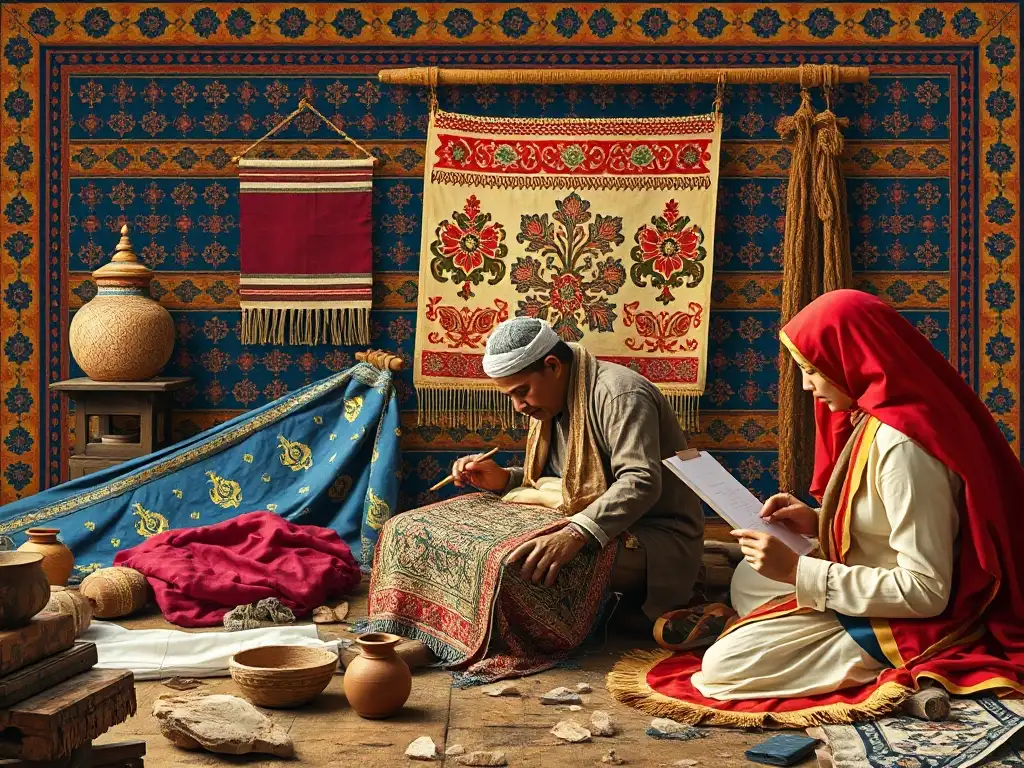
The textile innovations of the Indus Valley Civilization have left an indelible mark on the evolution of textile practices throughout history and continue to influence contemporary textile industries. By examining the advanced techniques employed by these ancient artisans, we can better understand their lasting impact on both traditional and modern practices. The legacy of the Indus Valley is reflected in the ways fabrics are produced and designed today, showcasing a blend of historical craftsmanship and modern innovation.
Influence on Contemporary Indian Textile Practices
The influence of Indus Valley textile innovations is particularly evident in contemporary Indian textile practices. Techniques such as weaving, dyeing, and embroidery have their roots in the methods developed by ancient artisans. For instance, the use of natural dyes sourced from plants and minerals, as practiced by the Indus Valley people, is still prevalent in regions like Gujarat and Rajasthan, where artisans continue to utilize these traditional methods to create vibrant fabrics.
Moreover, the intricate patterns and motifs found in Indus Valley textiles can be seen in modern Indian attire, such as sarees and lehengas. The geometric designs and nature-inspired motifs resonate with the aesthetics of current textile products, illustrating how ancient art forms persist in influencing contemporary designs. This continuity not only preserves cultural heritage but also elevates Indian textiles on a global platform, appealing to consumers seeking authenticity and craftsmanship.
Lessons from Ancient Techniques for Today’s Textile Industry
The ancient techniques employed by the Indus Valley Civilization offer valuable lessons for today's textile industry. One significant lesson is the importance of sustainability and eco-friendly practices. The Indus Valley artisans used locally sourced materials and natural dyes, which minimized environmental impact. In an era where sustainability is a pressing concern, modern textile producers can draw inspiration from these practices to develop more responsible manufacturing processes.
Additionally, the collaborative approach of artisans in the Indus Valley, who shared knowledge and skills to refine textile production, highlights the value of community and collective craftsmanship. This ethos can be applied to contemporary practices, encouraging collaboration among designers, artisans, and manufacturers to foster innovation and preserve traditional skills. By integrating these ancient techniques and philosophies, the textile industry can evolve while maintaining a deep respect for its roots.
Conclusion: The Legacy of Indus Valley Textile Innovations
The legacy of the Indus Valley Civilization's textile innovations is profound, shaping not just the history of textiles but also their future trajectory. By understanding the contributions of this ancient civilization, we can appreciate the complexity and richness of textile production that has developed over millennia.
Summary of Key Contributions to Textile History
The Indus Valley Civilization made several key contributions to textile history, including:
- Advanced Weaving Techniques: Development of complex weaving patterns that laid the foundation for intricate textile designs.
- Natural Dyeing Methods: Use of plant and mineral-based dyes, promoting colorfastness and vibrancy in textiles.
- Innovative Materials: Introduction of cotton as a primary textile material, which remains a staple in the industry today.
- Artistic Motifs: Creation of distinctive patterns and motifs, influencing generations of artisans and designers.
These contributions have established a robust framework that continues to inspire textile production across the globe.
The Ongoing Influence of Indus Valley Innovations in Modern Fashion
The ongoing influence of Indus Valley innovations is evident in modern fashion, where designers often look to ancient techniques for inspiration. The revival of traditional textile practices, such as handloom weaving and block printing, reflects a growing appreciation for heritage and craftsmanship in the fashion industry.
Moreover, contemporary fashion shows frequently feature collections that pay homage to Indus Valley aesthetics, showcasing garments that incorporate traditional motifs and sustainable practices. As consumers increasingly seek authenticity and ethical production, the timeless innovations of the Indus Valley resonate powerfully, ensuring that these ancient contributions continue to shape the narrative of modern fashion.
In this way, the legacy of the Indus Valley Civilization not only enriches our understanding of textile history but also provides a blueprint for a more sustainable and culturally aware future in the textile and fashion industries.
Further Reading and Resources
Exploring the textile innovations of the Indus Valley Civilization offers a fascinating glimpse into one of the world's earliest urban cultures. To deepen your understanding of this topic, a variety of resources, including books and online courses, are available. Below are some recommended options that will enhance your knowledge of ancient Indian textiles and the remarkable achievements of the Indus Valley people.
Recommended Books on Ancient Indian Textiles
-
"The Fabric of Indian Life: The Impact of Textiles on Indian Society" by R. S. Khokhar
This book delves into the significance of textiles in Indian culture, tracing their evolution and the techniques employed throughout history, including those from the Indus Valley.
-
"Woven History: The Textiles of India" by S. K. Gupta
Gupta's work provides an in-depth analysis of Indian textiles, emphasizing the technological advancements made during the Indus period and their influence on subsequent textile practices.
-
"The Indus Valley Civilization: A Historical Overview" by N. R. Sardar
This comprehensive overview includes a section dedicated to the textile innovations of the Indus Valley, discussing their methods, materials, and the socio-economic implications of their trade.
-
"Textiles in Indian History" by M. A. Desai
Desai's book offers a broader context of textiles in Indian history, with particular attention to the pioneering techniques developed during the ancient period, including those of the Indus Valley.
-
"Cloth and Culture: The Role of Textiles in Indian Society" by P. R. Sharma
This work explores the cultural significance of textiles in India, with specific references to the innovations from the Indus Valley civilization and their lasting impact on Indian society.
Online Courses and Documentaries on the Indus Valley Civilization
-
Coursera: "Ancient Civilizations: The Indus Valley"
This online course provides an engaging overview of the Indus Valley Civilization, covering various aspects, including its textile innovations. It includes lectures, readings, and interactive discussions.
-
edX: "The Indus Valley Civilization and Its Contribution to Indian Heritage"
This course explores the contributions of the Indus Valley to Indian culture, including its textile practices. It offers a blend of historical context and analysis of artifacts.
-
Documentary: "Secrets of the Indus Valley"
This documentary presents a captivating look at the archaeological discoveries in the Indus Valley, highlighting the civilization's advancements in technology, including textile manufacturing.
-
YouTube Series: "Textiles of Ancient India"
This series features episodes focused on various ancient Indian civilizations, with specific segments dedicated to the textile innovations of the Indus Valley, showcasing techniques and materials used by artisans.
These resources provide a wealth of information and insights into the textile innovations of the Indus Valley Civilization, enabling enthusiasts and scholars alike to appreciate the profound impact this ancient culture has had on textile history.
- Introduction to the Indus Valley Civilization
- The Evolution of Textile Techniques in the Indus Valley
- Key Textiles of the Indus Valley Civilization
- Trade and Textile Exchange in the Indus Valley
- The Cultural Significance of Textiles in Indus Valley Society
- Archaeological Evidence of Textile Innovations
- Modern Implications of Indus Valley Textile Innovations
- Conclusion: The Legacy of Indus Valley Textile Innovations
- Further Reading and Resources
- What were the textile innovations of the Indus Valley Civilization?
- How did the textile techniques of the Indus Valley influence later cultures?
- What types of fabrics were produced in the Indus Valley?
- How did trade impact textile innovations in the Indus Valley?
- What role did textile production play in the economy of the Indus Valley Civilization?
Frequently Asked Questions
What were the textile innovations of the Indus Valley Civilization?
The Indus Valley Civilization is known for its advanced textile innovations, including the use of cotton and intricate dyeing techniques, which laid the groundwork for future textile industries.
How did the textile techniques of the Indus Valley influence later cultures?
The textile techniques developed in the Indus Valley influenced neighboring civilizations, promoting the spread of cotton cultivation and weaving practices throughout ancient India and beyond.
What types of fabrics were produced in the Indus Valley?
The Indus Valley produced a variety of fabrics, notably cotton cloth, which was highly valued due to its quality and comfort, marking a significant advance in textile production.
How did trade impact textile innovations in the Indus Valley?
Trade with other civilizations facilitated the exchange of textile innovations, allowing the Indus Valley to acquire new materials and techniques, enhancing their textile production.
What role did textile production play in the economy of the Indus Valley Civilization?
Textile production was a crucial aspect of the Indus Valley Civilization's economy, providing employment and trade goods that contributed to its wealth and cultural exchange with other regions.
Final Reflection: The Enduring Legacy of Indus Valley Textile Innovations
The textile innovations of the Indus Valley Civilization are not merely relics of the past; they are a testament to human creativity and ingenuity that resonate profoundly in today's world. As we navigate a rapidly changing landscape of fashion and textile production, the principles established by these ancient pioneers remind us of the importance of sustainability, craftsmanship, and cultural heritage in our modern practices. The legacy of the Indus Valley is a striking reminder that innovation is often rooted in tradition.
The influence of Indus Valley textile innovations continues to shape our cultural and social landscape, inspiring contemporary designers and artisans alike. Their techniques and materials have laid the groundwork for countless modern practices, fostering a deeper appreciation for the artistry involved in textile creation. As we witness a resurgence in interest towards sustainable fashion, we can draw parallels to the eco-conscious methods employed by the Indus Valley artisans. The past is not dead; it is not even past.
– William Faulkner. This quote encapsulates how the lessons from ancient civilizations can inform our present and future choices.
As you reflect on the remarkable journey of the Indus Valley Civilization and its textile innovations, consider how these insights can inspire your own life and choices. Embrace the values of sustainability and creativity in your daily practices, whether in fashion, home decor, or personal expression. Let the ingenuity of the past guide you toward a future that honors both innovation and tradition, encouraging you to weave your own narrative into the rich tapestry of human history.
Unveil the Threads of History and Craft Your Knowledge!
Thank you for diving into the fascinating world of the Indus Valley Civilization! We hope this journey has illuminated the incredible textile innovations that shaped ancient societies. Your curiosity is the first step toward understanding how these pioneers influenced the world we live in today. Now, let's keep that momentum going with a few hands-on ways to deepen your exploration.
- Explore local museums to discover textile artifacts and exhibitions that showcase the artistry of ancient cultures.
- Engage with online communities passionate about ancient history—share what you learned about the Indus Valley and discuss its lasting impact!
- Try your hand at traditional textile crafts; experiment with weaving or dyeing techniques inspired by historical practices.
What aspect of ancient textiles intrigues you the most, and how do you plan to explore it further?