
From Loom to Wardrobe: The Journey of Authentic Indian Silk

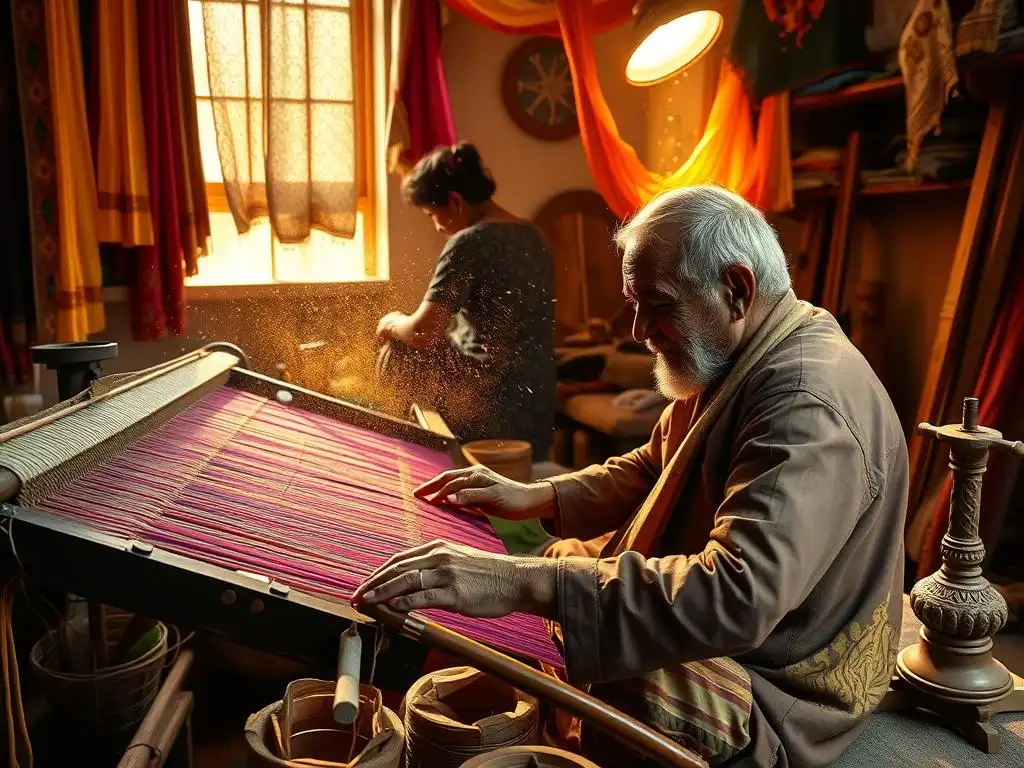
Welcome to Ancient India History, where we embark on a fascinating journey through the rich tapestry of India's past. Dive into the captivating story of Authentic Indian Silk History, where the artistry and craftsmanship of ancient weavers come to life. Discover how this luxurious fabric has transcended time, weaving its way from the looms of the Indus Valley to the wardrobes of modern fashion enthusiasts. Join us as we unravel the intricate threads of culture, trade, and heritage that define this exquisite textile. Your exploration of ancient Indian civilization begins here—let the journey unfold!
- Introduction to Authentic Indian Silk History
- The Historical Journey of Authentic Indian Silk
- Types of Authentic Indian Silk
- The Art of Weaving Authentic Indian Silk
- How to Identify Authentic Indian Silk
- The Buying Guide for Authentic Indian Silk
- Caring for Your Authentic Indian Silk Garments
- Conclusion: The Legacy of Authentic Indian Silk
- Call to Action: Explore Authentic Indian Silk Today
-
Frequently Asked Questions
- What is the significance of Authentic Indian Silk in ancient history?
- How did the silk weaving process evolve in ancient India?
- What were the major centers of silk production in ancient India?
- How did trade routes influence the distribution of Indian silk?
- What are the key cultural contributions of Indian silk in society?
- Final Reflection: The Timeless Journey of Authentic Indian Silk
- Unveil the Richness of Indian Silk in Your Life!
Introduction to Authentic Indian Silk History
Silk has long been revered as one of the most luxurious and sought-after fabrics in the world, and its history in India is as rich and intricate as the fabric itself. From the elegant drapes of the saree to the intricate patterns of silk brocades, the journey of authentic Indian silk is a tapestry woven with tradition, craftsmanship, and cultural significance.
This article delves into the history of authentic Indian silk, exploring its origins, significance in ancient Indian culture, and the meticulous production processes that have evolved over centuries. Understanding this journey not only highlights the artistic prowess of ancient Indian civilizations but also underscores the fabric's enduring legacy in contemporary fashion.
The Significance of Silk in Ancient Indian Culture
Silk played a pivotal role in ancient Indian society, symbolizing wealth, status, and artistic expression. The fabric's allure was not merely in its texture but also in its ability to convey cultural narratives and heritage. Here are key aspects of silk's significance:
- Symbol of Status and Wealth: Throughout history, silk has been associated with royalty and the elite. During ancient times, it was often worn by kings and queens, making it a symbol of power and prestige.
- Cultural Significance: Different regions of India developed unique silk weaving traditions that were reflective of local customs, festivals, and beliefs. For instance, Kanjivaram silk from Tamil Nadu is famous for its vibrant colors and intricate designs, often used in bridal attire.
- Economic Impact: The silk industry not only contributed to local economies but also facilitated trade with other civilizations. Ancient texts mention trade routes connecting India with China and the Mediterranean, showcasing silk as a valuable commodity.
Overview of the Silk Production Process in India
The production of authentic Indian silk is a meticulous process that involves several stages, each requiring skill and craftsmanship passed down through generations. Here’s a breakdown of this intricate journey:
- Silkworm Rearing: The journey begins with the cultivation of silkworms, primarily the Bombyx mori species. Farmers feed the silkworms mulberry leaves until they pupate into cocoons.
- Cocoon Harvesting: Once the cocoons are formed, they are harvested and boiled to kill the pupae, which is crucial for obtaining long silk threads.
- Thread Extraction: After boiling, the silk threads are carefully unwound from the cocoons. This delicate process requires expertise to ensure the threads remain intact and unbroken.
- Dyeing: The extracted silk threads are dyed using natural or synthetic dyes, depending on the desired color palette. Traditional methods often involve the use of plant-based dyes, which are environmentally friendly.
- Weaving: Skilled artisans then weave the dyed silk into fabric, employing various techniques such as handloom weaving, which allows for intricate patterns and designs unique to Indian heritage.
- Finishing: The final step involves finishing the fabric to enhance its texture and appearance. This may include processes like washing, polishing, and sometimes embellishing with embroidery.
By understanding the rich history and the detailed production process of authentic Indian silk, we can appreciate not only its aesthetic value but also the cultural significance it brings to Indian heritage and contemporary fashion.
The Historical Journey of Authentic Indian Silk
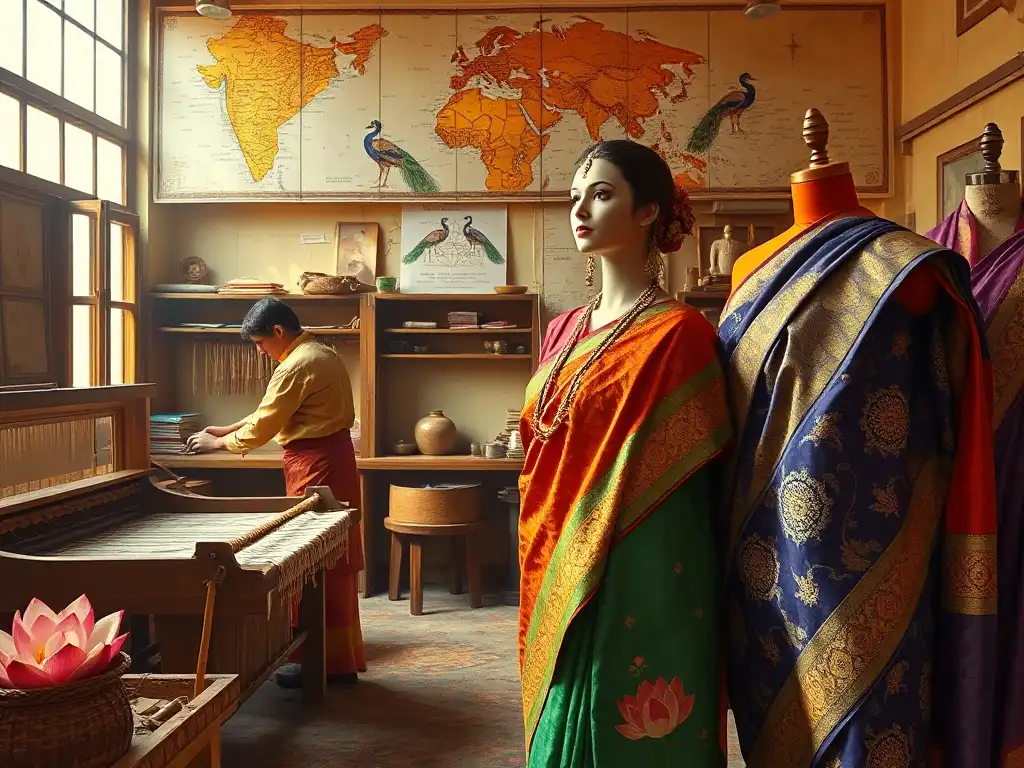
Origins of Silk in Ancient India
The Indus Valley Civilization and Early Silk Weaving
The journey of authentic Indian silk traces back to the Indus Valley Civilization (circa 3300–1300 BCE), where early evidence of silk production has been unearthed. Archaeological discoveries in sites such as Harappa and Mohenjo-Daro suggest that inhabitants were already familiar with silk, as they cultivated wild silk moths and employed rudimentary weaving techniques.
- Silk Cultivation: The primary species believed to be involved in early silk production is the Bombyx mori (the domesticated silkworm), which thrived in the region's mild climate.
- Weaving Techniques: Early artisans utilized primitive looms, likely in combination with hand-spun threads, to create textiles. The intricate patterns and designs suggest a sophisticated understanding of textile art, implying that the tradition of silk weaving was not only functional but also an expression of cultural identity.
Influence of Trade Routes on Silk Production
The establishment of trade routes significantly impacted the growth of silk weaving in ancient India. The Indus Valley Civilization was strategically located at the crossroads of major trade routes connecting India to Mesopotamia and beyond.
- Cultural Exchange: These routes facilitated the exchange of ideas, techniques, and goods, including silk. Indian artisans learned from influences in neighboring regions, enhancing their silk production techniques and design aesthetics.
- Economic Growth: As trade flourished, silk became a highly sought-after commodity. This demand led to the increased cultivation of silkworms and the establishment of specialized weaving centers, notably in regions like Bengal and Gujarat.
The Role of Indian Silk in Global Trade
The Silk Road and Its Impact on Indian Silk Export
The Silk Road was a network of trade routes that linked the East and West, and it played a crucial role in the export of authentic Indian silk. This ancient trade route not only facilitated the exchange of silk but also of culture, technology, and art.
- Export of Indian Silk: Indian silk became a prominent export, highly valued in markets as far as Persia, Rome, and beyond. The luxurious texture and vibrant colors made Indian silk garments a status symbol among the elite.
- Cultural Significance: The presence of Indian silk in foreign lands contributed to a cultural understanding of Indian artistry. It showcased the skilled craftsmanship inherent in Indian textile production, leading to a lasting global recognition of Indian silk's quality.
The historical journey of authentic Indian silk reflects an intricate tapestry of cultural exchanges, trade, and artistic evolution, establishing India as a pivotal player in the global textile market from ancient times through the present.
Types of Authentic Indian Silk
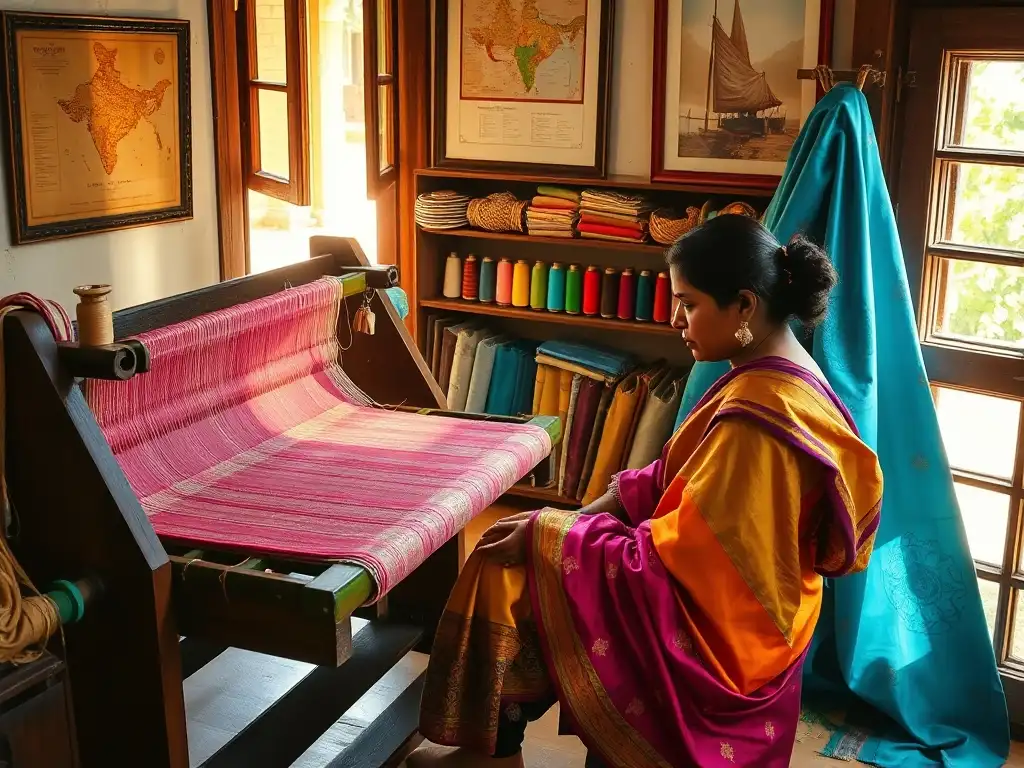
The rich tapestry of authentic Indian silk encompasses various types, each with unique characteristics, methods of production, and cultural significance. Understanding these varieties not only enhances appreciation for the craftsmanship involved but also aids consumers in making informed purchasing decisions.
Mulberry Silk: The Most Common Variety
Mulberry silk, derived from the Bombyx mori silkworms that primarily feed on mulberry leaves, is the most prevalent type of silk produced in India. This variety constitutes approximately 90% of the silk produced in the country and is celebrated for its fine quality and luster.
Characteristics and Uses of Mulberry Silk
- Texture and Quality: Mulberry silk is renowned for its smooth texture and natural sheen. It is soft to the touch and has a luxurious drape, making it ideal for a variety of garments.
- Durability: This silk is one of the strongest natural fibers, offering excellent durability while remaining lightweight. It can withstand wear and tear better than many other fabrics.
- Dye Affinity: Mulberry silk readily absorbs dyes, resulting in vibrant colors that remain true over time. This characteristic makes it a favorite for traditional Indian garments like sarees and dupattas.
- Hypoallergenic Properties: The fiber is hypoallergenic, making it suitable for sensitive skin. It is also breathable, which contributes to its comfort in diverse climates.
Mulberry silk is widely used in:
- Sarees: Traditional Indian wear that showcases intricate designs and craftsmanship.
- Shawls and Stoles: Perfect for layering, adding elegance to any outfit.
- Home Textiles: Used in luxurious cushion covers, curtains, and bed linens.
Tussar Silk: The Wild Silk Variety
Tussar silk, also known as Kosa silk, is derived from wild silkworms that feed on a variety of trees, including sal and oak. This silk is primarily produced in the forests of India and is characterized by its unique texture and natural golden hue.
Unique Features of Tussar Silk and Its Cultural Importance
- Texture and Appearance: Tussar silk has a slightly coarse texture compared to mulberry silk, which gives it a distinct rustic charm. Its natural golden tint and variations in color add to its appeal.
- Eco-Friendly Production: Tussar silk is produced in a more environmentally sustainable manner, as wild silkworms are harvested without the use of intensive farming practices, promoting biodiversity.
- Cultural Significance: Tussar silk is often associated with traditional handloom weaving techniques and is integral to various regional crafts. It is commonly used in tribal and folk art, reflecting the rich heritage of Indian textile traditions.
Tussar silk is popular in:
- Sarees: Often adorned with traditional motifs and patterns, suitable for both casual and formal occasions.
- Dupattas and Stoles: Ideal for adding a touch of elegance to any ensemble while highlighting intricate craftsmanship.
- Artistic Fabrics: Used in the creation of wall hangings and other decorative textiles that celebrate cultural narratives.
The journey of authentic Indian silk, from mulberry to tussar, encapsulates not only the intricacies of textile production but also the cultural narratives woven into each piece. Understanding these varieties allows consumers to appreciate the artistry involved and make informed choices in their silk purchases.
Eri Silk: The Eco-Friendly Alternative
Eri silk, often referred to as the "peace silk," is a unique variety of silk that stands out for its sustainable production process and ecological benefits. Originating primarily from the northeastern states of India, particularly Assam, Eri silk is produced by the Eri silkworm (Samia ricini). Unlike conventional silk, the production of Eri silk does not involve the killing of the silkworms; instead, the cocoons are harvested after the larvae have emerged, making it a more humane option for silk lovers. This practice not only supports ethical fashion but also promotes biodiversity and sustainable farming practices.
Furthermore, Eri silk is characterized by its soft, woolly texture and natural hues, ranging from creamy white to light yellow. The fabric is breathable and has excellent insulating properties, making it suitable for various climates. Its unique properties allow Eri silk to be utilized in a range of garments, from warm shawls to lightweight summer attire. As consumers become more conscious of their environmental impact, Eri silk is gaining recognition as a viable alternative to conventional silk.
Benefits of Eri Silk in Sustainable Fashion
Eri silk offers numerous benefits that align with the principles of sustainable fashion. Here are some key advantages:
- Eco-Friendly Production: The cultivation of Eri silk does not require harmful pesticides or chemicals, making it a safer option for both the environment and the farmers. The Eri silkworm feeds on castor leaves and contributes to the local ecosystem by promoting organic farming practices.
- Support for Local Artisans: The production of Eri silk is typically carried out by small-scale weavers and artisans in rural communities. By purchasing Eri silk products, consumers are supporting fair trade practices and helping to sustain traditional livelihoods.
- Durability and Longevity: Eri silk is known for its durability and resilience. Garments made from Eri silk can last for years with proper care, reducing the need for frequent replacements and thus minimizing waste.
- Versatility: Eri silk can be dyed using natural dyes, which further enhances its appeal in the sustainable fashion market. This versatility allows designers to create a wide array of products, from casual wear to high-end fashion, while adhering to eco-friendly practices.
- Thermal Regulation: The inherent properties of Eri silk make it an excellent insulator, helping to maintain body temperature in varying climates. This makes it a comfortable choice for year-round wear.
Eri silk not only embodies the essence of sustainable fashion but also provides a meaningful alternative for consumers looking to make ethical choices. Its production supports local economies, respects animal welfare, and champions environmental sustainability, making it a fabric worth exploring for anyone interested in authentic Indian silk history.
The Art of Weaving Authentic Indian Silk
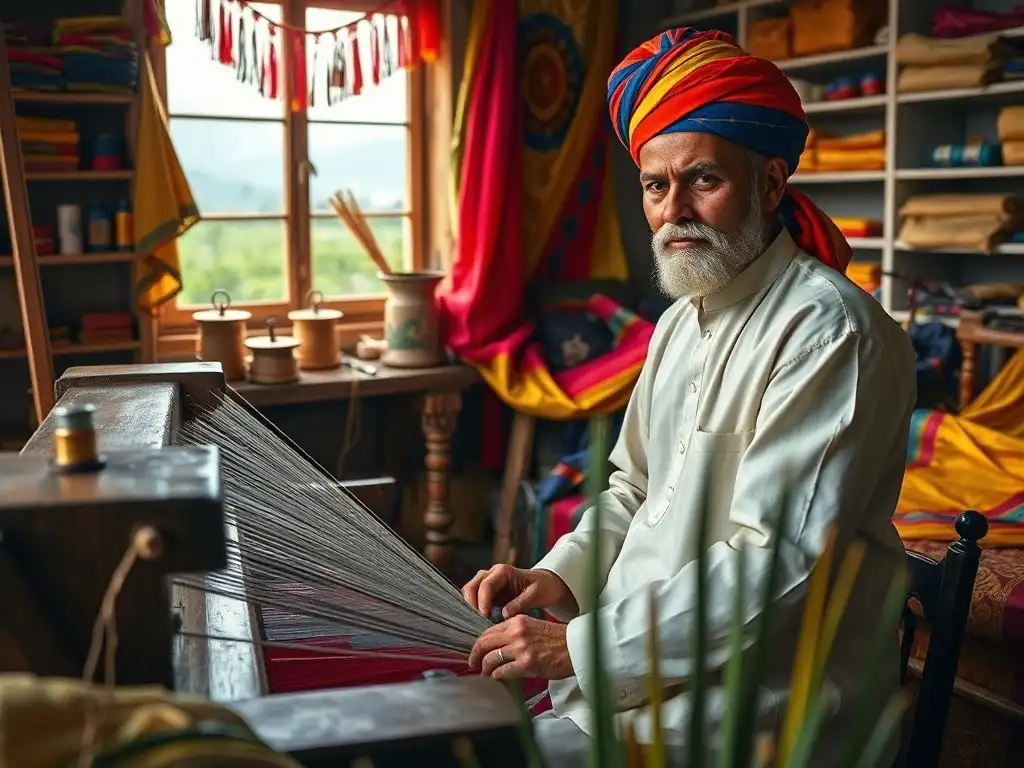
The art of weaving authentic Indian silk is a time-honored tradition that has flourished for centuries, deeply intertwined with the cultural and historical fabric of the region. This meticulous craft is not merely a means of production; it represents a rich legacy passed down through generations. The process involves several intricate steps, from silkworm cultivation to dyeing and weaving, each contributing to the unique characteristics of Indian silk.
The journey begins with sericulture, where specific types of moths, primarily the Bombyx mori, are raised to produce silk threads. These threads are then processed to extract the silk fibers, which are spun into yarn. The quality of the silk is heavily influenced by the methods used in cultivation and processing, resulting in varying textures and lusters that define authentic Indian silk.
The weaving process itself is an art form that combines creativity with technical skill. Traditional handloom techniques, which are predominant in India, allow artisans to create complex patterns and designs that reflect regional aesthetics. The use of natural dyes and motifs inspired by nature, mythology, and spirituality further enhances the artistic value of the fabric.
Traditional Techniques of Indian Silk Weaving
Indian silk weaving is characterized by a variety of traditional techniques that have evolved over time. Each region has developed its unique styles and methods, influenced by local culture and available resources.
- Ikats: This technique involves dyeing the threads before weaving, creating stunning patterns that are often intricate and colorful. The precision required in aligning the dyed threads during weaving results in beautifully detailed fabrics.
- Brocatelle: A method that combines weaving with embroidery, brocatelle is often used to create elaborate patterns that stand out against the shimmering silk background.
- Jamdhani: Originating from Bengal, this technique uses fine threads to create delicate, often floral patterns. Jamdhani is known for its lightweight and airy feel, making it a popular choice for sarees.
- Kalamkari: This is a form of hand-painted or block-printed silk that showcases elaborate designs, often depicting mythological themes and stories. The process is labor-intensive, involving multiple steps of dyeing and painting.
Handloom vs. Powerloom: A Comparative Overview
The debate between handloom and powerloom silk production is significant in the context of authentic Indian silk history.
- Handloom: This traditional method is entirely manual, allowing weavers to exercise greater control over the fabric's quality and design. Handwoven silk is typically more expensive due to the labor-intensive process but is highly valued for its craftsmanship and uniqueness. Artisans often incorporate cultural motifs, making each piece a reflection of local heritage.
- Powerloom: Introduced during the industrial revolution, powerloom weaving allows for faster production and lower costs. However, it often results in a less intricate finish compared to handloom silk. While powerloom silk can be more affordable, it may lack the soul and story that handwoven silk embodies.
Handloom silk is celebrated for its authenticity and craftsmanship, while powerloom silk caters to mass production and affordability. Both methods contribute to the diverse landscape of Indian silk, but the distinction is crucial for those seeking authentic pieces.
Famous Indian Weaving Regions and Their Signature Styles
Different regions in India are renowned for their unique silk weaving styles, each with distinct characteristics that reflect local culture and artistry.
- Banaras (Varanasi): Known for its luxurious Banarasi silk sarees, this region produces fabrics adorned with intricate zari work (gold or silver thread) and elaborate motifs inspired by Mughal designs. Banarasi silk is often used for weddings and special occasions due to its opulence.
- Kanchipuram: Located in Tamil Nadu, Kanchipuram is famous for its vibrant colors and heavy silk sarees. The weaving technique here often incorporates gold threads, creating a rich texture. Kanchipuram sarees are celebrated for their durability and grandeur, making them a staple in South Indian weddings.
- Mysore: Known for its soft and lightweight silk, Mysore silk sarees feature simple yet elegant designs with rich colors. The weaving technique emphasizes the quality of the silk, often producing fabrics that are smooth to touch. Mysore silk is preferred for daily wear and festive occasions due to its comfort and elegance.
Banarasi, Kanchipuram, and Mysore Silks
| Region | Signature Style | Characteristics |
|---|---|---|
| Banaras | Banarasi Silk Sarees | Intricate zari work, opulent designs, rich colors |
| Kanchipuram | Kanchipuram Silk Sarees | Heavy texture, vibrant colors, gold thread weaving |
| Mysore | Mysore Silk Sarees | Soft, lightweight, smooth texture, elegant designs |
Understanding the traditional techniques and regional specialties of authentic Indian silk weaving is essential for anyone looking to appreciate or purchase these exquisite textiles. Each piece carries with it a story of culture, craftsmanship, and heritage that transcends time.
How to Identify Authentic Indian Silk
Identifying authentic Indian silk is essential for anyone looking to invest in high-quality textiles. The rich heritage of Indian silk weaving has created a myriad of silk varieties, each with unique characteristics. Understanding how to differentiate genuine silk from imitations will ensure that buyers make informed decisions.
Key Characteristics of Genuine Silk
When examining silk, several key characteristics can help identify authenticity:
- Texture:
- Authentic Indian silk has a soft, smooth texture that feels luxurious against the skin. The fibers should be fine and closely woven, with no rough patches.
- Tip: Run your fingers through the fabric; genuine silk will glide effortlessly.
- Luster:
- Real silk boasts a natural sheen that reflects light beautifully. This luster is often described as a subtle glow rather than a shiny finish.
- Tip: Hold the silk under natural light to observe how it shimmers differently compared to synthetic materials.
- Burn Test Explained:
- One of the most reliable tests to determine the authenticity of silk is the burn test. When a small sample of silk is burned, it emits a smell similar to burning hair and turns to ash. In contrast, synthetic fibers melt and produce a chemical odor.
- Instructions: Carefully burn a small, inconspicuous piece of the fabric. If it crumbles to ash and smells like burnt hair, you likely have genuine silk.
Common Counterfeits: What to Avoid When Buying
While shopping for silk, it's crucial to be aware of common counterfeits that claim to be authentic Indian silk.
Recognizing Artificial and Blended Silks
- Artificial Silks:
- Fabrics labeled as "silk-like" or "silky" are often made from synthetic fibers such as polyester or nylon. These materials may resemble silk, but they lack the unique properties of genuine silk.
- Key Indicators:
- Look for a plastic-like feel and excessive shine, which can indicate synthetic materials.
- Blended Silks:
- Blends often combine silk with other fibers to reduce costs. While blends can still be beautiful, they may not provide the same quality and durability as pure silk.
- Key Indicators:
- Check the fabric label for fiber content. If it states a percentage of synthetic fibers, it is not 100% authentic silk.
- Price Discrepancies:
- If a deal seems too good to be true, it probably is. Genuine Indian silk can be expensive due to the labor-intensive production process and the quality of raw materials.
- Tip: Always compare prices across different vendors to ensure you are not being misled.
By being vigilant and knowledgeable about these characteristics, you can confidently navigate the world of Indian silk and make informed purchases that honor this exquisite textile's legacy.
The Buying Guide for Authentic Indian Silk
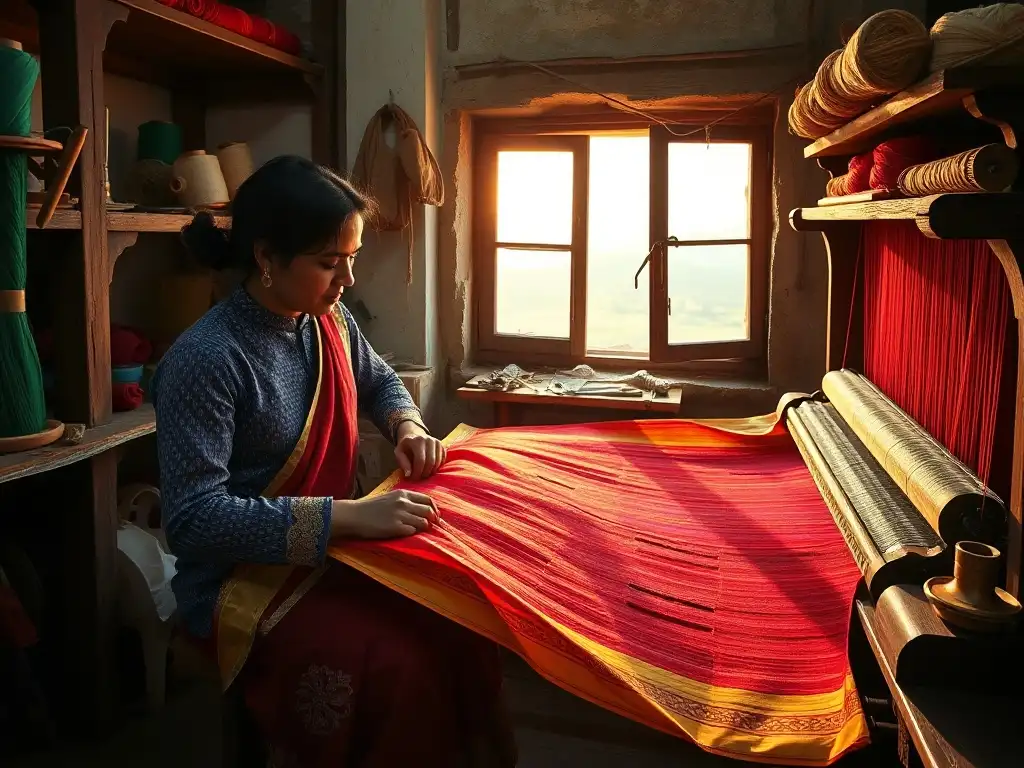
When it comes to purchasing authentic Indian silk, understanding the intricacies of the fabric, its types, and its origins is crucial. This guide aims to provide you with essential factors to consider while buying silk, as well as recommend reliable places where you can find genuine products. From the rich tapestry of history to the vibrant markets today, your journey into the world of Indian silk is both exciting and enriching.
Factors to Consider When Purchasing Silk
When selecting authentic Indian silk, there are several key factors to keep in mind to ensure you make an informed purchase.
Quality, Weave, and Price Considerations
- Quality:
- Authentic Indian silk is known for its luxurious feel and durability. Look for silk that is smooth to the touch and has a natural sheen.
- Check for imperfections; high-quality silk should be free of knots and frays.
- Weave:
- Different weaving techniques, such as Banarasi, Kanjeevaram, and Chanderi, offer unique patterns and textures.
- Each type has its own distinct characteristics, with Banarasi silk being famous for its intricate designs and Kanjeevaram for its vibrant colors and heavy texture.
- Price:
- The price of silk can vary significantly based on quality, weave, and craftsmanship.
- While it might be tempting to go for cheaper options, investing in genuine silk will pay off in the long run due to its durability and timeless appeal.
- Certification:
- Ensure that the silk you purchase comes with certification or documentation that verifies its authenticity.
- Color and Dye:
- Natural dyes are often used in authentic Indian silk, resulting in rich and vibrant colors that may vary slightly from piece to piece, adding to their uniqueness.
Recommended Places to Buy Authentic Indian Silk
Finding the right place to purchase authentic Indian silk is just as important as knowing what to look for. Here are some reputable sources:
Top Online Stores for Authentic Indian Silk
- Fabindia:
- Known for its vast selection of handcrafted products, Fabindia offers a range of authentic silk garments and textiles that reflect the rich heritage of Indian craftsmanship.
- Jaypore:
- An online marketplace specializing in traditional Indian crafts, Jaypore features a curated selection of authentic silk items, from sarees to stoles, each with a story of its own.
- Amazon India:
- While a general marketplace, Amazon also has dedicated sellers who offer genuine Indian silk products. Look for products with verified reviews to ensure quality.
- Craftsvilla:
- This platform focuses on handmade products, including a variety of authentic silk options. The artisans behind each piece often share their stories, enhancing the buying experience.
Local Markets to Explore for Genuine Silk Products
- Chandni Chowk, Delhi:
- A historic market famous for its silk sarees and fabrics, Chandni Chowk is a must-visit for anyone looking for authentic silk at competitive prices.
- Pondicherry:
- Known for its unique blend of French and Indian culture, Pondicherry offers beautiful silk products, particularly the exquisite Pondicherry silk saris.
- Kanchipuram:
- The heart of Kanjeevaram silk, Kanchipuram is home to numerous weavers and shops where you can find some of the finest silk sarees, renowned for their quality and intricate designs.
- Jaipur:
- The Pink City is famous for its vibrant markets where you can find authentic silk textiles, often embellished with traditional Rajasthani designs.
Navigating the world of authentic Indian silk requires informed choices regarding quality, weave, and sourcing. Whether you choose to shop online or explore local markets, the journey of acquiring genuine silk will bring you closer to the rich heritage of Indian craftsmanship.
Caring for Your Authentic Indian Silk Garments
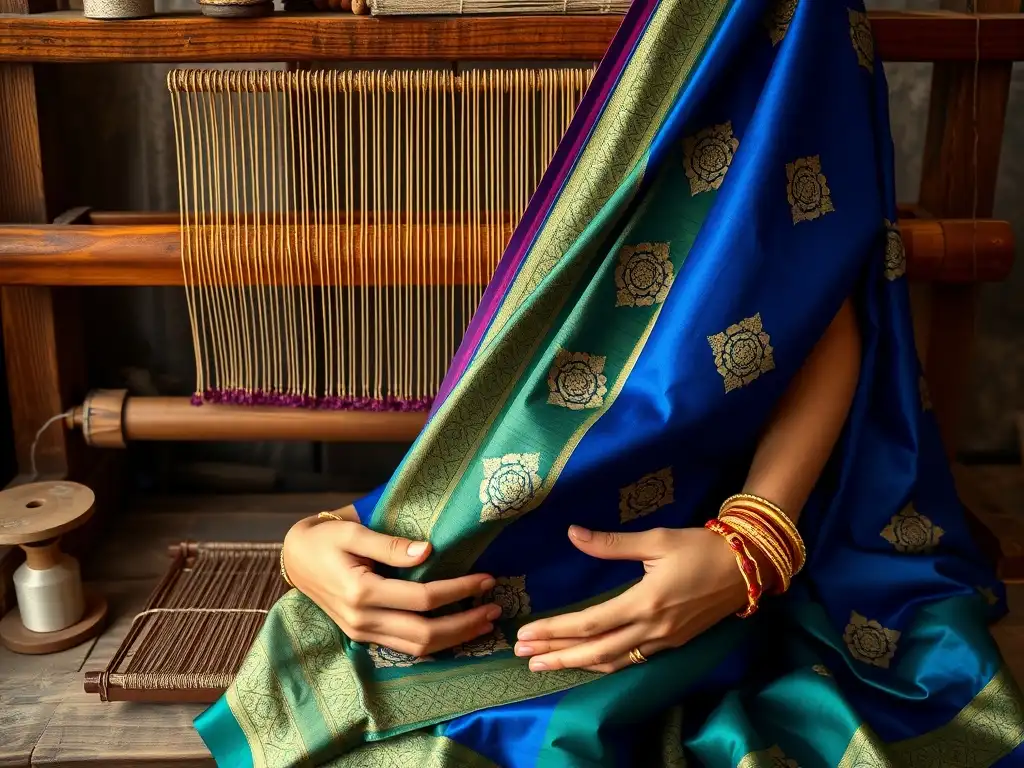
Caring for authentic Indian silk garments is essential for preserving their beauty and longevity. Silk, being a delicate and luxurious fabric, requires special attention in cleaning, maintenance, and storage. Proper care not only enhances the lifespan of your garments but also maintains their vibrant colors and intricate designs. Here’s a comprehensive guide on how to care for your authentic Indian silk.
Cleaning and Maintenance Tips for Silk Fabrics
Cleaning silk garments requires a gentle approach to avoid damaging the fibers. Here are some effective tips for cleaning and maintaining your silk fabrics:
- Hand Washing:
- Always opt for hand washing when possible, as it is gentler on silk.
- Use lukewarm water and a mild detergent specifically formulated for silk.
- Soak the garment for no more than 3-5 minutes, gently agitating the water to remove dirt without scrubbing.
- Rinse thoroughly with cool water until all detergent is removed.
- Dry Cleaning:
- If the care label permits, consider professional dry cleaning for heavily soiled or embellished silk garments.
- Inform the cleaner that the garment is silk so they can use appropriate methods.
- Spot Cleaning:
- For minor stains, immediately dab the area with a clean, damp cloth.
- Use a silk-safe stain remover if needed, but test it on a hidden seam first to avoid discoloration.
- Avoiding Sunlight:
- When drying, hang silk garments in the shade to prevent fading and damage from direct sunlight.
- Avoid wringing or twisting the fabric, as this can cause it to lose its shape.
- Ironing:
- If ironing is necessary, always do so on the lowest setting while the fabric is slightly damp.
- Place a thin cloth between the iron and the silk to prevent direct contact, which can scorch the fibers.
Storing Authentic Indian Silk to Ensure Longevity
Proper storage is crucial for maintaining the quality of your authentic Indian silk garments. Follow these guidelines to ensure your silk stays in pristine condition:
- Clean Before Storing:
- Always clean your silk garments before storing them to prevent any stains from becoming permanent.
- Ensure they are completely dry to avoid mildew.
- Use Breathable Storage:
- Store silk in breathable cotton or muslin bags rather than plastic, which can trap moisture and lead to mold.
- Avoid hanging silk garments on wire hangers; instead, use padded hangers to maintain their shape.
- Avoid Folding Creases:
- If folding silk, place acid-free tissue paper between folds to minimize creasing.
- Store silk garments in a cool, dry place away from direct sunlight, as heat and humidity can damage the fibers.
- Regular Checks:
- Periodically check stored silk for signs of moths or damage.
- Consider using cedar blocks or lavender sachets to deter pests naturally.
- Seasonal Rotation:
- Rotate your silk garments seasonally to ensure that they are not confined to storage for extended periods.
- This practice allows you to enjoy and maintain your collection effectively.
By following these cleaning and storage tips, you can ensure that your authentic Indian silk garments remain beautiful and wearable for years to come. Remember, the care you provide reflects the rich heritage and craftsmanship of the silk itself, making each piece a lasting treasure.
Conclusion: The Legacy of Authentic Indian Silk
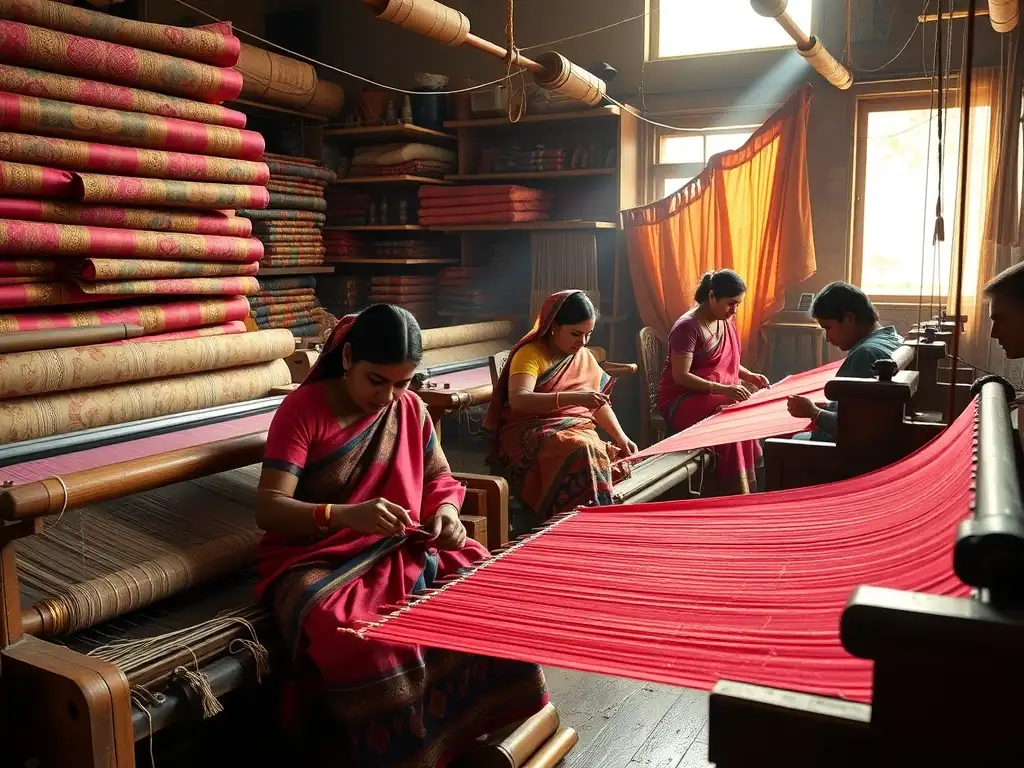
The journey of authentic Indian silk, from its origins in the ancient civilizations of India to its place in contemporary fashion, reveals a rich tapestry woven with cultural significance, craftsmanship, and sustainability. This legacy is not merely a historical footnote; it is a living tradition that continues to thrive today. The techniques and artistry of silk production have been passed down through generations, ensuring that each piece carries a story and a connection to its roots.
Indian silk, particularly from regions like Varanasi, Mysore, and Bhagalpur, is renowned for its quality, texture, and intricate designs. This deep-rooted heritage has established India as a prominent player in the global textile industry, with authentic Indian silk being sought after for its beauty and durability. The craftsmanship involved in producing silk garments speaks volumes about the artisans’ skills and the cultural narratives they embody.
The Enduring Appeal of Silk in Modern Fashion
In a world increasingly dominated by fast fashion, authentic Indian silk stands out for its timeless appeal. Designers and fashion enthusiasts alike are rediscovering the unique qualities of silk—its luxurious feel, natural sheen, and versatility. The fabric not only provides comfort but also exudes sophistication, making it a preferred choice for various occasions, from weddings to casual gatherings.
- Versatility: Silk can be fashioned into a myriad of styles, from elegant sarees to contemporary dresses and accessories. This adaptability allows it to seamlessly fit into both traditional and modern wardrobes.
- Sustainability: As consumers become more aware of the environmental impact of their choices, silk's natural and biodegradable properties make it an attractive alternative to synthetic fabrics.
- Cultural Richness: Each region in India has its unique silk tradition, reflecting local motifs and techniques. This diversity enriches the fashion landscape and offers consumers a piece of cultural heritage.
As fashion trends evolve, the enduring appeal of authentic Indian silk ensures its relevance in modern wardrobes, bridging the gap between ancient craftsmanship and contemporary styles.
Supporting Local Artisans and Sustainable Practices
Choosing authentic Indian silk is not just a fashion statement; it is an endorsement of sustainable practices and support for local artisans. Here are several ways in which this choice contributes positively to the community and environment:
- Empowerment of Artisans: Purchasing authentic silk directly supports weavers and artisans who rely on this age-old craft for their livelihood. By valuing their work, consumers help preserve traditional skills and promote fair trade practices.
- Sustainable Production: Many silk producers in India engage in environmentally friendly practices. The cultivation of mulberry trees, from which silkworms feed, often requires less pesticide use compared to other crops. Additionally, the artisanal production methods have a smaller carbon footprint than mass-produced textiles.
- Cultural Preservation: Supporting authentic silk ensures that the rich history and cultural significance of this craft are preserved. By investing in these textiles, consumers contribute to the continuation of ancient techniques that have been honed over centuries.
- Quality Over Quantity: Authentic Indian silk is characterized by durability and craftsmanship, encouraging consumers to invest in fewer, high-quality pieces rather than disposable fashion. This shift not only benefits the environment but also promotes a more thoughtful approach to consumption.
Embracing authentic Indian silk is a way to honor the legacy of this exquisite fabric while supporting sustainable practices and local artisans who are the custodians of this rich tradition.
Call to Action: Explore Authentic Indian Silk Today
The journey of authentic Indian silk is not only a tale of exquisite craftsmanship but also an exploration of cultural heritage that spans millennia. As you delve into the rich history of silk production in India, you will uncover the intricate processes that transform raw silk into luxurious garments. This is an invitation to embrace the beauty and tradition of authentic Indian silk, which has adorned royals and commoners alike throughout the ages.
Links to Recommended Products and Stores
To enhance your experience with authentic Indian silk, consider exploring the following options which showcase the diversity and craftsmanship of Indian textiles:
- Silk Sarees: Discover traditional and contemporary designs that reflect the artistry of Indian weavers.
- Silk Scarves: Lightweight and versatile, these scarves can elevate any outfit while showcasing intricate patterns.
- Silk Ties: Perfect for formal occasions, adding a touch of elegance to your wardrobe.
- Silk Cushion Covers: Bring a touch of luxury to your home decor with beautifully crafted silk cushions.
Shop Authentic Indian Silk Online (Affiliate Links)
Here are some recommended online stores where you can shop for authentic Indian silk:
- Store A: Specializes in handwoven silk sarees and garments.
- Store B: Offers a wide range of silk products, including clothing and home textiles.
- Store C: Focuses on artisanal silk accessories and decor items.
Explore these links to find unique pieces that resonate with the rich history and culture of authentic Indian silk. Each purchase supports artisans and preserves ancient weaving traditions, ensuring that the legacy of Indian silk continues to thrive.
Frequently Asked Questions
What is the significance of Authentic Indian Silk in ancient history?
Authentic Indian Silk has played a crucial role in trade and cultural exchange, showcasing the luxury and craftsmanship of ancient Indian civilizations.
How did the silk weaving process evolve in ancient India?
The silk weaving process evolved through various techniques and innovations, reflecting the artistry and technological advancements of different periods, particularly during the Indus Valley and Gupta Empire.
What were the major centers of silk production in ancient India?
Ancient India had several major centers of silk production, including Varanasi, Kanchipuram, and Mysore, each known for its unique weaving techniques and design patterns.
How did trade routes influence the distribution of Indian silk?
Trade routes, such as the Silk Road, facilitated the spread of Indian silk to various regions, significantly impacting global trade and the cultural exchange of textile arts.
What are the key cultural contributions of Indian silk in society?
Indian silk contributed to cultural identity, showcasing the artistry of local artisans and playing a prominent role in traditional attire and rituals throughout Indian history.
Final Reflection: The Timeless Journey of Authentic Indian Silk
The journey of authentic Indian silk, from the loom to the wardrobe, is not just a tale of craftsmanship; it is a vibrant tapestry woven with history, culture, and identity. Today, as we navigate a world increasingly dominated by fast fashion and synthetic materials, the significance of preserving traditional practices and honoring the artistry behind authentic Indian silk becomes ever more crucial. This rich heritage serves as a reminder of the beauty that lies in authenticity and the stories that each thread carries.
Cultural narratives surrounding authentic Indian silk continue to shape our social landscape, reminding us of the importance of sustainability and ethical consumption. The intricate designs and techniques passed down through generations not only reflect the skill of artisans but also embody the spirit of a community. As Mahatma Gandhi once said, “The best way to find yourself is to lose yourself in the service of others.” This quote resonates deeply with the artisans who dedicate their lives to this craft, ensuring that their legacy thrives in a world that often overlooks the value of tradition.
As we reflect on the journey of authentic Indian silk, let us embrace the lessons it offers and consider how we can integrate these values into our own lives. I invite you to explore the stories behind the garments you wear, to appreciate the artistry involved, and to support sustainable practices that honor our shared heritage. By doing so, we not only celebrate the beauty of authentic Indian silk but also contribute to a future where craftsmanship and culture are cherished and preserved for generations to come.
Unveil the Richness of Indian Silk in Your Life!
Thank you for diving into the enchanting world of authentic Indian silk! We hope you’ve gained a deeper appreciation for this timeless fabric and its fascinating journey. Now, it’s time to take the next step in exploring and celebrating this heritage.
Here are a few ways you can connect with the beauty of Indian silk:
- Explore local markets or online platforms to discover unique silk pieces that resonate with your personal style.
- Share your newfound knowledge and passion by inviting friends to participate in a silk-themed sewing project or discussion.
- Consider connecting with local artisans to learn about their craft and support sustainable practices in silk production.
What unique silk item would you love to incorporate into your wardrobe, and what makes it special to you? Share your thoughts below!