
The Role of Indian Silk in Fashion History: A MustKnow for Enthusiasts

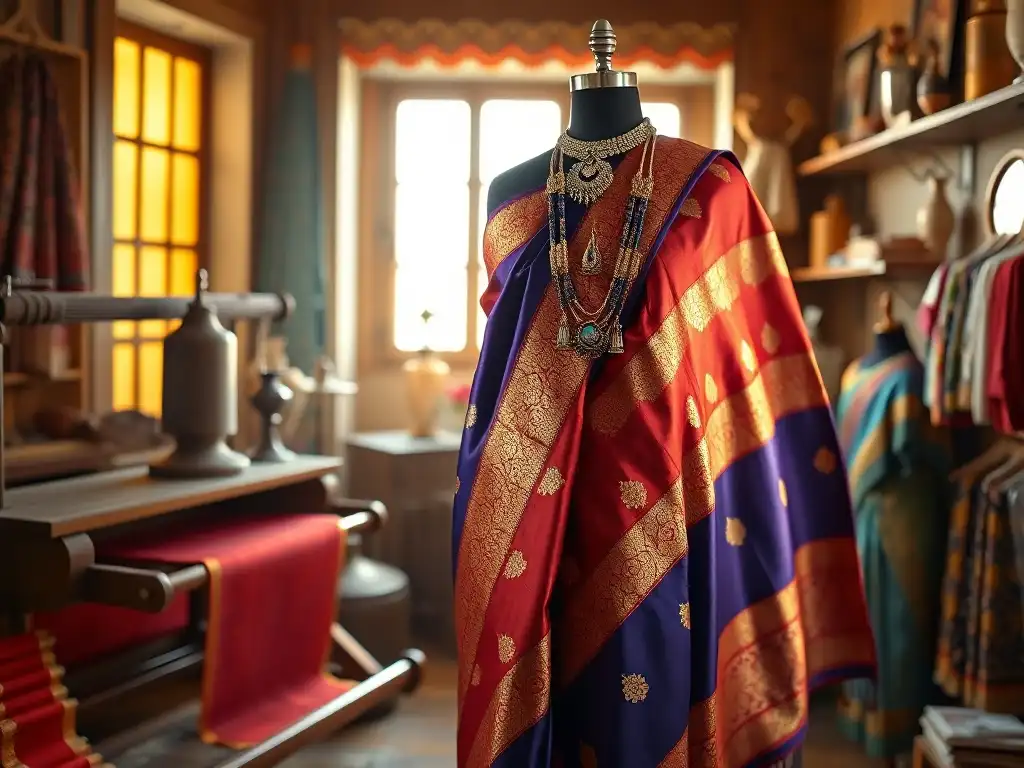
Welcome to Ancient India History, where we embark on an enlightening journey through the rich tapestry of India's past. Did you know that silk, a fabric synonymous with luxury, has roots deeply entrenched in ancient Indian civilization? In our featured article, “The Role of Indian Silk in Fashion History: A Must-Know for Enthusiasts,” we unravel the intricate connections between Indian silk and its impact on global fashion trends.
Prepare to be captivated as we explore how this exquisite textile not only shaped the wardrobes of ancient elites but also influenced contemporary styles. Join us as we delve deeper into this fascinating aspect of Indian heritage!
Introduction to Indian Silk Fashion History
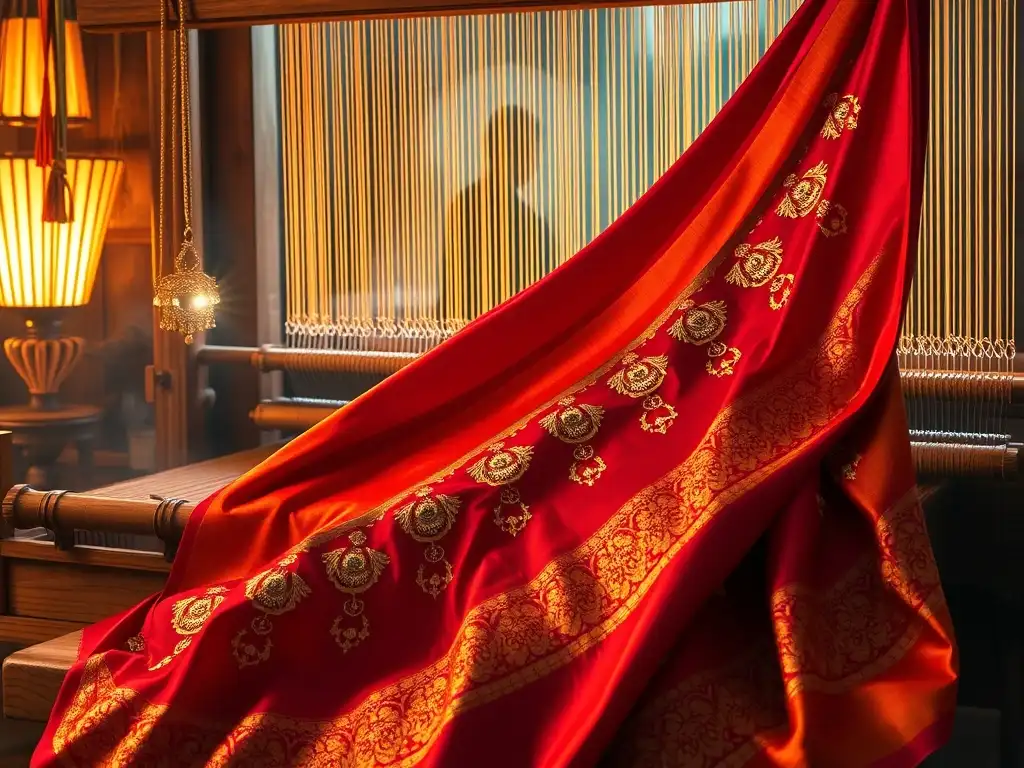
Indian silk has woven its way through the tapestry of fashion history, playing a pivotal role in the cultural and economic exchanges that shaped ancient and modern societies. From the luxurious silks of the Indus Valley civilization to the opulent garments of the Mughal Empire, the journey of Indian silk is a testament to the artistry and craftsmanship inherent in the subcontinent.
This article will delve into the fascinating world of Indian silk fashion history, exploring its origins, evolution, and lasting impact on global fashion. Understanding this rich heritage not only enriches our appreciation of textiles but also highlights the significant contributions of Indian artisans and their timeless creations.
The Historical Journey of Indian Silk
The history of Indian silk is a remarkable narrative that spans millennia, reflecting the ingenuity and creativity of its people. As we explore this journey, we will uncover the roots of silk production in India, its transformation over time, and its influence on both national and international fashion.
Origins of Silk in Ancient India
Silk production in India can be traced back to ancient civilizations, where it was revered not just for its aesthetic appeal but also for its economic significance. The earliest evidence of silk weaving dates back to the Indus Valley Civilization (circa 3300–1300 BCE). Archaeological finds suggest that silk was used in various forms, indicating a sophisticated understanding of textile production among the artisans of this era.
- Key Highlights:
- The Indus Valley was known for its advanced urban planning and trade networks.
- Silk was likely derived from the domestication of silkworms, a practice that eventually spread to other regions.
- Textiles were often used as a form of currency in trade, showcasing their value in ancient economies.
The Evolution of Indian Silk Through the Ages
As India moved through various historical phases, the significance of silk evolved, influenced by cultural shifts, trade routes, and imperial patronage.
- Maurya and Gupta Empires:
- During the Maurya (322–185 BCE) and Gupta (circa 240–550 CE) periods, silk became a symbol of luxury and status. The use of silk in royal courts adorned the elite and showcased the artistry of Indian weavers.
- Mughal Era:
- The arrival of the Mughals in the 16th century marked a golden age for silk production. Mughal emperors patronized artisans, leading to the creation of intricate patterns and motifs that are still celebrated today.
- Techniques such as ikat and zari embroidery flourished, reflecting the cultural syncretism of the time.
- Colonial Influence:
- The British colonial period brought significant changes to the silk industry, introducing mechanization while also creating challenges for traditional weavers. Despite these challenges, Indian silk maintained its allure and found new markets abroad.
The journey of Indian silk is a captivating chronicle of adaptation and artistry that has significantly shaped the fashion landscape through centuries. Understanding this evolution is crucial for any enthusiast looking to appreciate the depth and richness of Indian silk fashion history.
Types of Indian Silk Fabrics
Indian silk fabrics are renowned globally for their quality, artistry, and intricate designs. The country boasts several types of silk, each distinguished by its unique texture, weaving techniques, and regional characteristics. Understanding these varieties is essential for anyone interested in the rich tapestry of Indian silk fashion history.
Overview of Major Indian Silk Varieties
- Mulberry Silk: This is the most commonly produced silk in India, primarily sourced from silkworms that feed on mulberry leaves. Known for its smooth texture and natural sheen, mulberry silk is widely used in sarees and high-end garments. The famous Kanjivaram sarees are crafted from this type.
- Tussar Silk: Known for its rich, golden hue and slightly coarse texture, Tussar silk is produced by silkworms that live in the wild. This fabric is often used in ethnic wear and is popular for its durability and unique appeal. Tussar silk sarees are especially cherished for their earthy tones.
- Eri Silk: Also referred to as "peace silk," Eri silk comes from the domesticated silkworms that feed on castor leaves. It is characterized by its soft texture and warmth, making it ideal for winter clothing. Eri silk is often used in stoles and shawls, reflecting a blend of tradition and sustainability.
- Muga Silk: Exclusive to Assam, Muga silk is known for its natural golden color and lustrous finish. This silk is produced by silkworms that thrive on specific local plants. Muga silk is highly prized for its strength and is often used in traditional Assamese sarees and garments.
- Banarasi Silk: Originating from Varanasi, this luxurious silk is famous for its intricate zari work and elaborate designs. Banarasi silk sarees are often worn during weddings and festive occasions, symbolizing opulence and cultural heritage.
Regional Specialties in Indian Silk Production
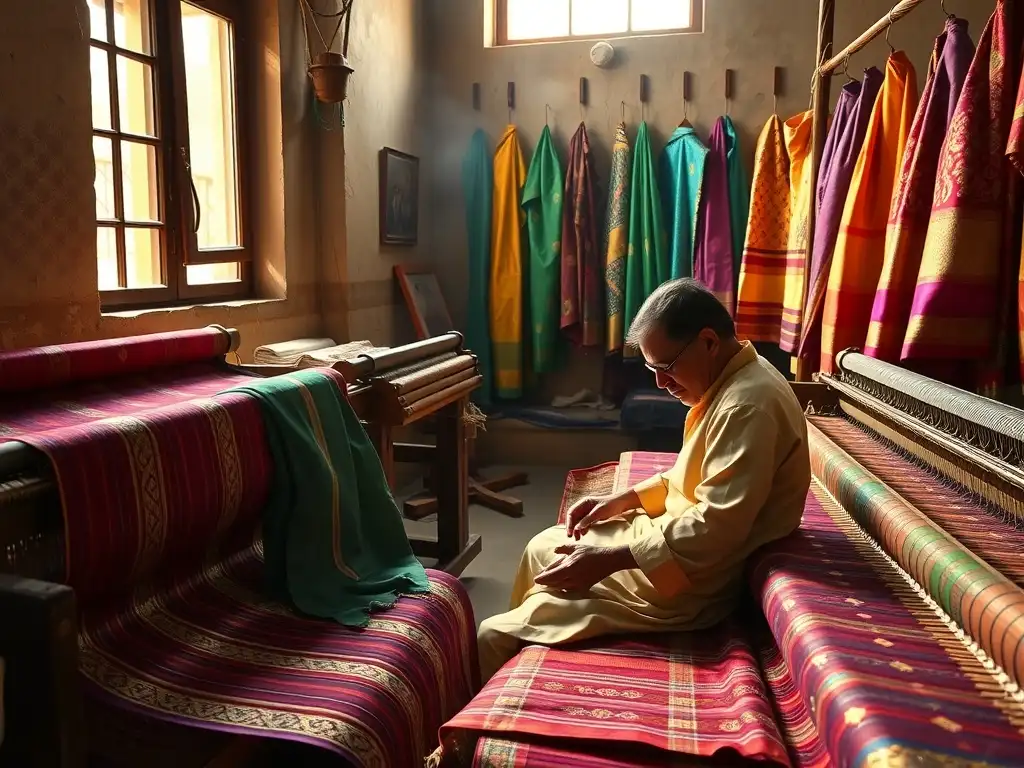
India's geographical diversity contributes to the distinct styles and techniques of silk production across different regions. Each state has developed its own specialty, which reflects local culture and artistry.
- Karnataka: Known for its Kanjivaram silk sarees, Karnataka is a hub for mulberry silk production. The intricate motifs and vibrant colors make Kanjivaram sarees a favorite among brides.
- West Bengal: The state is famous for its Tussar silk and the elegant Baluchari sarees, which depict mythological scenes and stories through exquisite weaving.
- Assam: Home to Muga and Eri silk, Assam's silk industry is characterized by sustainable practices and vibrant handloom techniques, producing unique garments that celebrate local traditions.
- Uttar Pradesh: Banarasi silk sarees from this region are often considered the epitome of Indian bridal fashion. The elaborate gold and silver brocade work sets these sarees apart in terms of luxury.
- Tamil Nadu: Renowned for its traditional weaving techniques, Tamil Nadu produces exquisite silk fabrics, including the famous Kanjivaram mentioned earlier, which is known for its durability and intricate designs.
The Cultural Significance of Indian Silk in Fashion
Silk has always held a special place in Indian culture, symbolizing wealth, elegance, and sophistication. Its presence in fashion transcends mere aesthetics, reflecting deep-rooted traditions and rituals.
Symbolism of Silk in Indian Traditions
In India, silk is more than just a fabric; it embodies a myriad of cultural meanings. Traditionally, silk garments are worn during significant life events such as weddings, religious ceremonies, and festivals. The luxurious texture and rich colors often symbolize prosperity and auspiciousness.
Moreover, silk is associated with various deities in Hindu rituals, and its use in religious ceremonies signifies purity and sanctity. Different regions also have their specific motifs and patterns that tell stories of local folklore and traditions, making silk not just a fashion choice but a representation of cultural heritage.
Indian Silk in Contemporary Fashion
In recent years, Indian silk has found its way into contemporary fashion, blending traditional craftsmanship with modern design sensibilities. Designers are increasingly experimenting with silk, creating fusion wear that appeals to younger audiences while preserving the essence of traditional styles.
From contemporary sarees, lehengas, and kurtas to chic silk blouses and dresses, Indian silk is being revitalized in the fashion industry. Sustainable fashion trends have also led to a resurgence in handloom silk, with designers emphasizing the importance of preserving artisanal craftsmanship.
Furthermore, Indian silk is being showcased on international runways, highlighting the global appreciation for its beauty and versatility. The resurgence of interest in sustainable and ethical fashion practices has brought renewed attention to the rich history and craftsmanship of Indian silk, ensuring its continued relevance in the ever-evolving world of fashion.
Buying Authentic Indian Silk: A Comprehensive Guide
When it comes to purchasing Indian silk, understanding the intricacies of this luxurious fabric is essential for both enthusiasts and casual buyers alike. Indian silk is renowned globally for its exceptional quality, vibrant colors, and intricate designs. However, with the rise in demand, counterfeit products have flooded the market, making it crucial to know how to identify and buy authentic Indian silk. This guide will provide insights into recognizing genuine silk, tips for purchasing, and caring for your silk items.
Identifying Genuine Indian Silk
Identifying genuine Indian silk requires a keen eye and understanding of specific characteristics. Here are a few key indicators to help you discern authentic silk:
- Texture and Feel: Authentic silk is soft and smooth to the touch. It has a natural sheen and drapes beautifully, creating an elegant fall. If the fabric feels rough or has a synthetic sheen, it is likely not genuine silk.
- Burn Test: A classic method to test silk is the burn test. Take a small sample of the fabric and burn it. Genuine silk smells like burnt hair and turns to ash when burnt, while synthetic fibers will emit a chemical smell and melt.
- Water Test: Silk absorbs water, and if a drop of water is placed on the fabric, it will be absorbed rather than forming a bead. This property can help in confirming the authenticity of the silk.
- Label Verification: Always check for labels indicating the fabric's origin. Genuine Indian silk products often come with certification tags that state the type of silk and its geographical origin.
- Price Point: Authentic Indian silk, due to its quality and craftsmanship, tends to be more expensive. If the pricing seems too good to be true, it probably is.
Tips for Purchasing Indian Silk
Purchasing Indian silk can be a delightful experience if you keep the following tips in mind:
- Buy from Reputable Sources: Choose well-known retailers or direct from artisans and weavers. This will ensure that you are getting genuine products.
- Research the Types of Silk: Familiarize yourself with various types of Indian silk, such as Banarasi, Kanchipuram, and Tussar. Each type has unique qualities and designs, making it easier for you to select the right one for your needs.
- Examine the Weave: Take a close look at the weave and patterns. Authentic silk often features intricate designs that showcase the skill of the artisans. A rough or poorly made design may indicate inferior quality.
- Ask Questions: Don’t hesitate to ask the seller about the origin, type of silk, and care instructions. A knowledgeable seller will provide valuable insights and help you make informed decisions.
- Trust Your Instincts: If something feels off about the product or the seller, trust your instincts. It’s better to walk away than to risk purchasing counterfeit silk.
Caring for Your Indian Silk
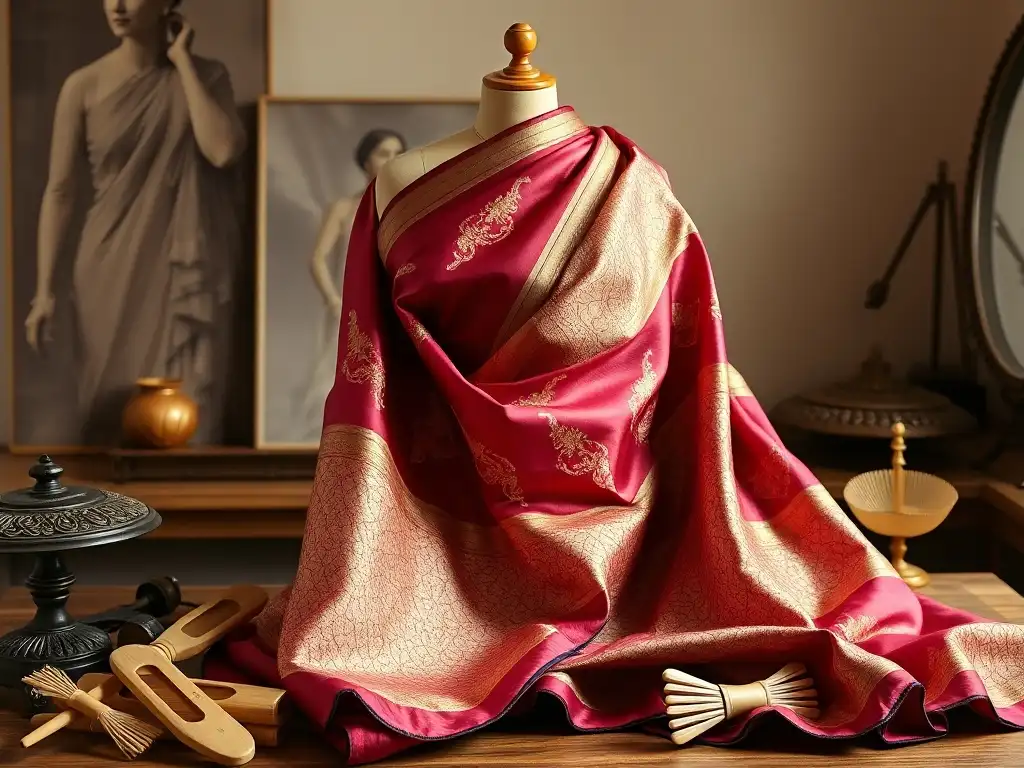
Proper care is essential for ensuring the longevity of your Indian silk garments and textiles. Silk, while luxurious, is also delicate and requires specific maintenance to keep its beauty intact.
Maintenance Tips for Longevity
To ensure your Indian silk remains vibrant and maintains its quality, follow these maintenance tips:
- Washing: Hand wash your silk items in cold water using a mild detergent specifically designed for silk. Avoid soaking for prolonged periods. If machine washing is necessary, place the silk in a mesh bag on a delicate cycle.
- Drying: Always air dry your silk items. Avoid wringing or twisting the fabric, as this can damage the fibers. Lay the silk flat on a clean towel or hang it to dry in a shaded area away from direct sunlight.
- Ironing: If your silk needs ironing, do it while it is slightly damp. Use a low heat setting and place a clean cloth between the iron and the silk to prevent scorching.
- Storage: Store silk items in a cool, dry place. Use breathable storage bags to protect them from dust and moths. Avoid plastic bags as they can trap moisture and lead to mildew.
- Avoiding Stains: Treat stains immediately with a gentle blotting motion. Do not rub, as this can spread the stain. For tougher stains, consult a professional cleaner experienced in silk care.
By following these guidelines, you can ensure that your Indian silk garments not only maintain their beauty but also tell the story of the rich tradition and craftsmanship behind them.
Conclusion: Embracing Indian Silk in Fashion History
The journey of Indian silk in the realm of fashion history is not merely about the fabric itself but rather a tapestry woven with cultural significance, craftsmanship, and a rich heritage that has transcended time. From the luxurious silk of the Indus Valley civilization to the exquisite patterns and techniques developed during the Mughal era, Indian silk has played a pivotal role in shaping fashion narratives across the globe.
As we embrace Indian silk in modern fashion, it is essential to recognize its historical importance and the stories behind each piece. The intricate weaves and vibrant dyes reflect the artistry of skilled artisans who have dedicated their lives to this craft. By choosing authentic Indian silk, fashion enthusiasts not only adorn themselves with beautiful garments but also support the preservation of traditional craftsmanship and the livelihoods of artisans.
The resurgence of interest in sustainable and ethical fashion further amplifies the relevance of Indian silk. As consumers increasingly seek out materials that are not only luxurious but also environmentally friendly, Indian silk stands out as a prime example of sustainable textile production. It is biodegradable, produced through centuries-old practices, and often crafted with minimal environmental impact compared to synthetic alternatives.
Ultimately, embracing Indian silk in fashion history means celebrating a legacy that is rich, diverse, and ever-evolving. Whether it’s a traditional saree, a contemporary dress, or an accessory, incorporating Indian silk into one’s wardrobe is an invitation to honor the past while looking towards the future of fashion.
Call to Action
Are you ready to explore the timeless elegance of Indian silk? Discover the rich array of authentic Indian silk products available today, and enhance your wardrobe with pieces that tell a story.
- Visit local artisans or boutiques to find unique silk creations that resonate with your personal style.
- Research the different types of Indian silk, such as Mulberry, Tussar, and Eri, to understand their unique qualities and how they can elevate your fashion choices.
- Share your experiences with Indian silk fashion on social media, using hashtags to connect with other enthusiasts and broaden the conversation about this magnificent textile.
Join the movement to appreciate and promote Indian silk in fashion history. Your choice not only enriches your personal style but also contributes to the preservation of a vibrant cultural heritage. 🌸
- Introduction to Indian Silk Fashion History
- The Historical Journey of Indian Silk
- Types of Indian Silk Fabrics
- Regional Specialties in Indian Silk Production
- The Cultural Significance of Indian Silk in Fashion
- Buying Authentic Indian Silk: A Comprehensive Guide
- Caring for Your Indian Silk
- Conclusion: Embracing Indian Silk in Fashion History
- Call to Action
- What is the significance of silk in ancient Indian fashion?
- How did the Indus Valley civilization contribute to silk production?
- What were the major centers of silk production in ancient India?
- How did the Gupta Empire influence Indian silk fashion?
- What is the contemporary relevance of Indian silk in fashion?
Frequently Asked Questions
What is the significance of silk in ancient Indian fashion?
Silk has played a crucial role in ancient Indian fashion, symbolizing wealth and luxury. It was often used in clothing for the elite and was integral to cultural identity.
How did the Indus Valley civilization contribute to silk production?
The Indus Valley civilization is believed to be one of the earliest producers of silk, utilizing advanced techniques in weaving and dying, which laid the groundwork for future silk craftsmanship in India.
What were the major centers of silk production in ancient India?
Major centers included Vanga, Kalinga, and Tamil Nadu, known for their high-quality silk fabrics. These regions became renowned for their unique weaving styles and trade routes.
How did the Gupta Empire influence Indian silk fashion?
The Gupta Empire saw a flourishing of art and culture, leading to an increased demand for silk garments. This period marked a significant evolution in designs and textiles, influencing fashion trends.
What is the contemporary relevance of Indian silk in fashion?
Today, Indian silk continues to be a symbol of tradition and elegance, with designers often blending ancient techniques with modern styles, making it a popular choice in both domestic and international markets.
Final Reflection: The Timeless Elegance of Indian Silk in Fashion History
**The intricate tapestry of Indian silk fashion history continues to weave its way into contemporary style, reminding us that the past is not merely a memory but a living influence on our present and future. As we navigate the ever-evolving landscape of fashion, the rich heritage of Indian silk serves as a testament to the artistry, craftsmanship, and cultural significance that define our global wardrobe. It is a reminder that every thread tells a story, and those stories deserve to be celebrated and preserved.
The impact of Indian silk on the fashion industry transcends mere aesthetics; it embodies a cultural narrative that has shaped identities and traditions for centuries. The vibrant hues and exquisite textures of Indian silk not only enhance garments but also evoke a sense of pride and connection to a rich heritage. As fashion enthusiasts, we are called to recognize this legacy and honor the artisans who have dedicated their lives to perfecting this craft. Fashion is the armor to survive the reality of everyday life.
– Bill Cunningham. This quote resonates deeply as we acknowledge that the elegance of Indian silk is not just about beauty; it is about resilience and the stories woven into every piece.
As we reflect on the lessons of Indian silk fashion history, let us embrace the opportunity to incorporate these timeless elements into our own lives. I invite you to explore the beauty of Indian silk, not just as a fabric but as a symbol of cultural richness and artistic expression. Consider how you can support sustainable fashion practices and celebrate the artisans behind these creations. By doing so, we not only enrich our personal style but also contribute to a broader narrative that honors tradition while paving the way for future generations.
Unveil the Timeless Elegance of Indian Silk!
Thank you for immersing yourself in the fascinating world of Indian silk and its pivotal role in fashion history! Your curiosity means you’ve unlocked insights into a textile that has not only shaped aesthetics but has also withstood the test of time. Now, it’s your turn to dive deeper and embody the elegance of this illustrious tradition.
Here are a few exciting actions you can take:
- Explore local markets or online platforms to find a stunning silk piece that resonates with your personal style. Embrace the richness of history in your wardrobe!
- Share this article with friends and family who appreciate the intersection of fashion and history. Help spread the magic of Indian silk and its enduring legacy!
- Join an online community or forum dedicated to textile enthusiasts. Engage in discussions about silk's influence in contemporary fashion and learn from others' experiences.
What are your favorite ways to incorporate traditional textiles into your modern style? Let’s discuss!