
How Ancient Practices Influence Contemporary Indian Dance and Drama During Festivals

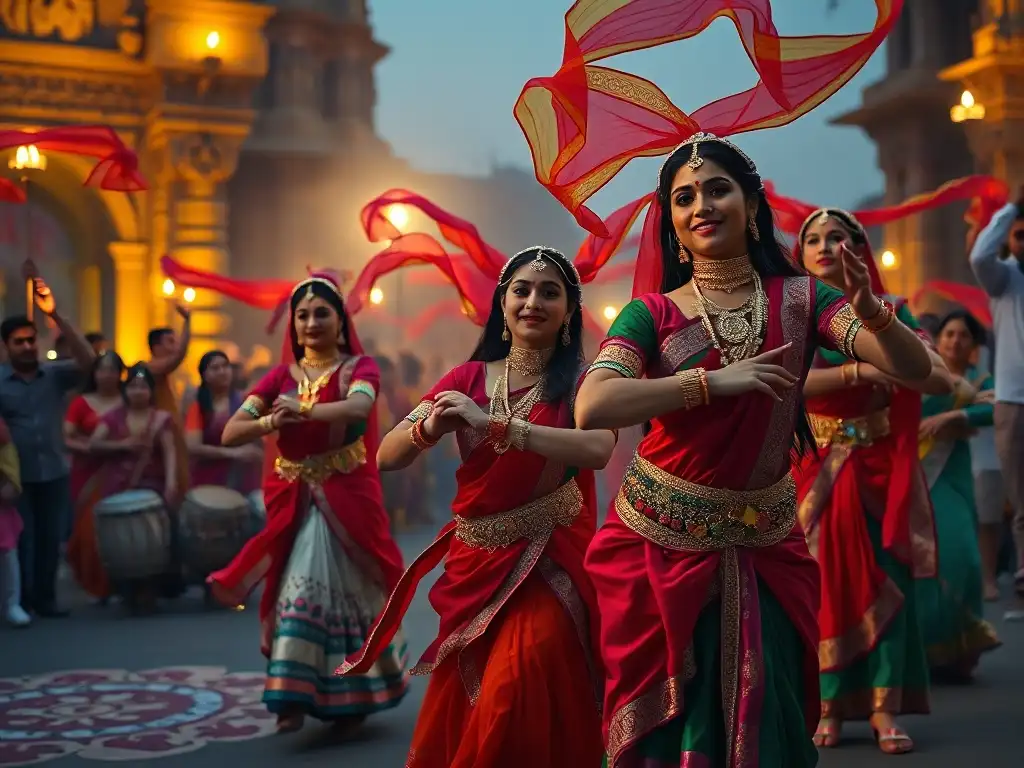
Welcome to Ancient India History, where we take you on a captivating journey through the vibrant tapestry of India’s past. Dive deep into the mesmerizing world of ancient Indian dance traditions as we uncover how these rich practices continue to influence contemporary performances, especially during the festive celebrations that fill the air with joy and color. Prepare to be intrigued as we explore the intricate connections between history and modern expression, inviting you to discover the stories that dance through time. Join us in celebrating the legacy of these timeless traditions!
- Introduction to Ancient Indian Dance Traditions
- Historical Context of Ancient Indian Dance Traditions
- Key Features of Ancient Indian Dance Traditions
- Contemporary Indian Dance Forms
- Festivals Celebrating Ancient Dance and Drama
- The Role of Ancient Practices in Contemporary Performances
- Case Studies: Festivals and Their Dance Performances
- Conclusion: The Enduring Influence of Ancient Indian Dance Traditions
-
Frequently Asked Questions
- What are some key ancient Indian dance traditions?
- How did ancient practices influence contemporary Indian dance?
- What role do festivals play in Indian dance and drama?
- Are there any specific festivals known for their dance traditions?
- How can learning about ancient Indian dance traditions benefit modern dancers?
- Final Reflection: Embracing the Legacy of Ancient Indian Dance Traditions
- Unleash the Spirit of Ancient Traditions!
Introduction to Ancient Indian Dance Traditions
Ancient Indian dance traditions are a vibrant tapestry woven from centuries of cultural expression, spiritual beliefs, and artistic evolution. These practices not only reflect the aesthetic sensibilities of their times but also serve as a mirror to the philosophical and religious ethos of ancient Indian civilizations.
From the intricate movements of classical dance forms to the lively folk performances observed during festivals, the influence of ancient practices resonates profoundly in contemporary Indian dance and drama. This article delves into how these age-old traditions continue to shape the celebratory fabric of modern Indian festivals, highlighting their significance and the enduring legacy they have left on the performing arts.
Overview of Ancient Indian Dance and Drama
Indian dance has a rich and diverse history, with roots that can be traced back to ancient texts such as the Natya Shastra, attributed to the sage Bharata Muni. This foundational work not only codified various dance forms but also established the principles of Natya (drama), Nritta (pure dance), and Nritya (expressive dance).
- Classical Dance Forms: These include Bharatanatyam, Kathak, Odissi, Kuchipudi, Manipuri, and Mohiniyattam, each with unique styles, costumes, and stories. They often draw from Hindu mythology and epics like the Ramayana and Mahabharata.
- Folk Dances: Regional folk dances, such as Bhangra from Punjab and Garba from Gujarat, celebrate local customs and are frequently performed during harvest festivals and community gatherings.
The interplay between these dance forms and drama is significant, as they often collaborate to create a holistic experience that engages audiences emotionally and spiritually. This synergy is especially pronounced during festivals, where dance and drama come alive in vibrant and dynamic performances.
Importance of Festivals in Indian Culture
Festivals in India are not merely occasions for celebration; they are deeply embedded in the cultural and spiritual fabric of society. They serve various purposes:
- Cultural Preservation: Festivals provide a platform to showcase ancient Indian dance traditions, ensuring that they are passed down through generations. Performances during these events create a sense of continuity and connection with the past.
- Community Bonding: They foster communal harmony, bringing together people from diverse backgrounds to participate in shared cultural practices.
- Spiritual Significance: Many festivals are linked to religious observances and rituals, often incorporating dance as a form of devotion and worship.
In essence, the vibrant tapestry of ancient Indian dance traditions is intricately woven into the celebrations that define Indian culture, demonstrating their importance in both historical and contemporary contexts. Through this exploration, we can better appreciate how ancient practices influence modern expressions of art during the festive seasons.
Historical Context of Ancient Indian Dance Traditions
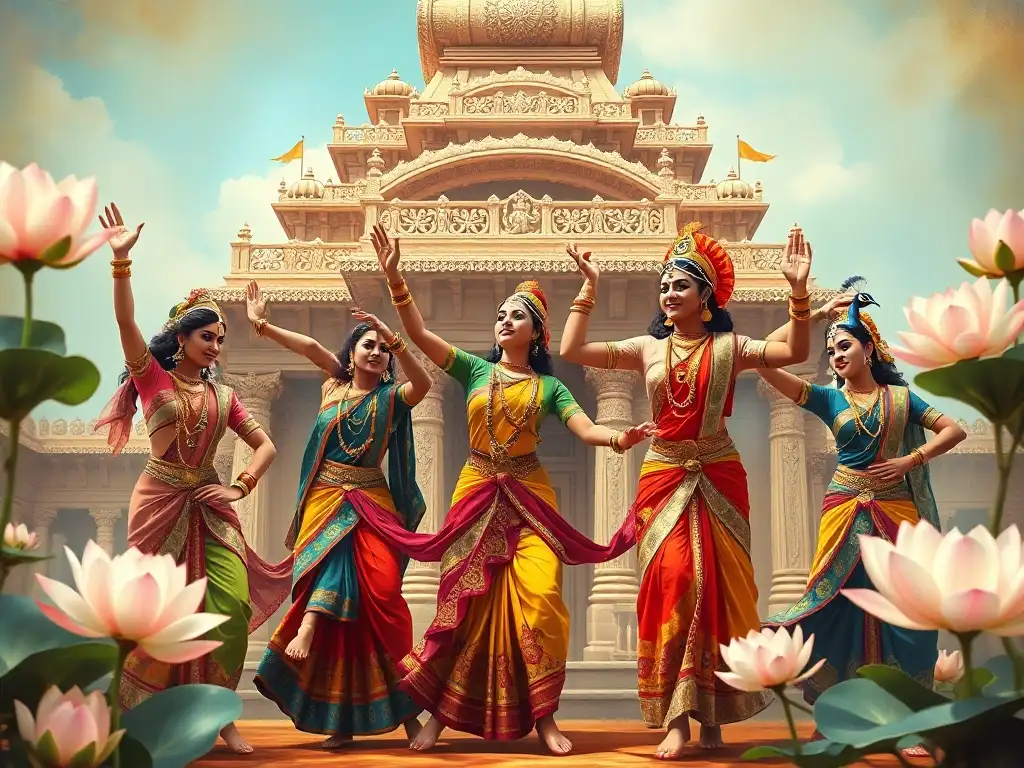
Origins of Dance and Drama in Ancient India
The origins of dance and drama in ancient India can be traced back to the prehistoric period, where archaeological findings indicate that dance was an integral part of rituals and celebrations. The earliest evidence of dance in India is found in the Indus Valley Civilization (circa 3300–1300 BCE), where figurines of dancers have been discovered. These artifacts suggest that dance was not merely a form of entertainment but also a spiritual expression linked to worship and communal gatherings.
As time progressed, dance evolved as an essential component of religious ceremonies and social events. The Vedic period (1500–500 BCE) saw the emergence of dance as a structured art form, often associated with the performance of rituals. This era laid the foundation for various dance forms, infused with symbolic meanings and mythological narratives. The concept of Natya, which embodies both drama and dance, began to take shape, emphasizing the importance of storytelling through movement.
The classical dance forms that we recognize today have roots deeply embedded in the ancient traditions. Each region of India developed its unique style, influenced by local customs and traditions, yet all share a common heritage that highlights the significance of bhava (emotion), raga (melody), and tala (rhythm) in performance.
Major Ancient Texts Influencing Dance (e.g., Natya Shastra)
One of the most pivotal texts in understanding ancient Indian dance traditions is the Natya Shastra, attributed to the sage Bharata Muni around 200 BCE to 200 CE. This comprehensive treatise on the performing arts encompasses dance, music, and drama, serving as a foundational text for classical Indian dance forms.
The Natya Shastra outlines various aspects of performance, including:
- Angika (body movements)
- Vachika (verbal expression)
- Aharya (costume and makeup)
- Sattvika (emotional expression)
These elements collectively contribute to the portrayal of different rasa (emotions) in dance, making it a profound medium of storytelling.
In addition to the Natya Shastra, other texts such as the Abhinaya Darpana by Nandikeshvara and the Sangeet Ratnakara by Sharngadeva further elaborate on the intricate techniques and styles of dance. These works emphasize the importance of abhinaya (expression) in conveying the narrative, highlighting the role of gestures (mudras) in communication.
Moreover, the influence of religious texts, particularly the Puranas and Mahabharata, cannot be overstated. They provided rich narratives that dancers would adapt for performance, thus intertwining literature and dance in a way that continues to resonate in contemporary Indian dance traditions.
The interplay of these ancient practices and texts has left an indelible mark on the evolution of dance and drama in India, showcasing a vibrant tapestry of cultural expression that continues to thrive during festivals and celebrations today.
Key Features of Ancient Indian Dance Traditions
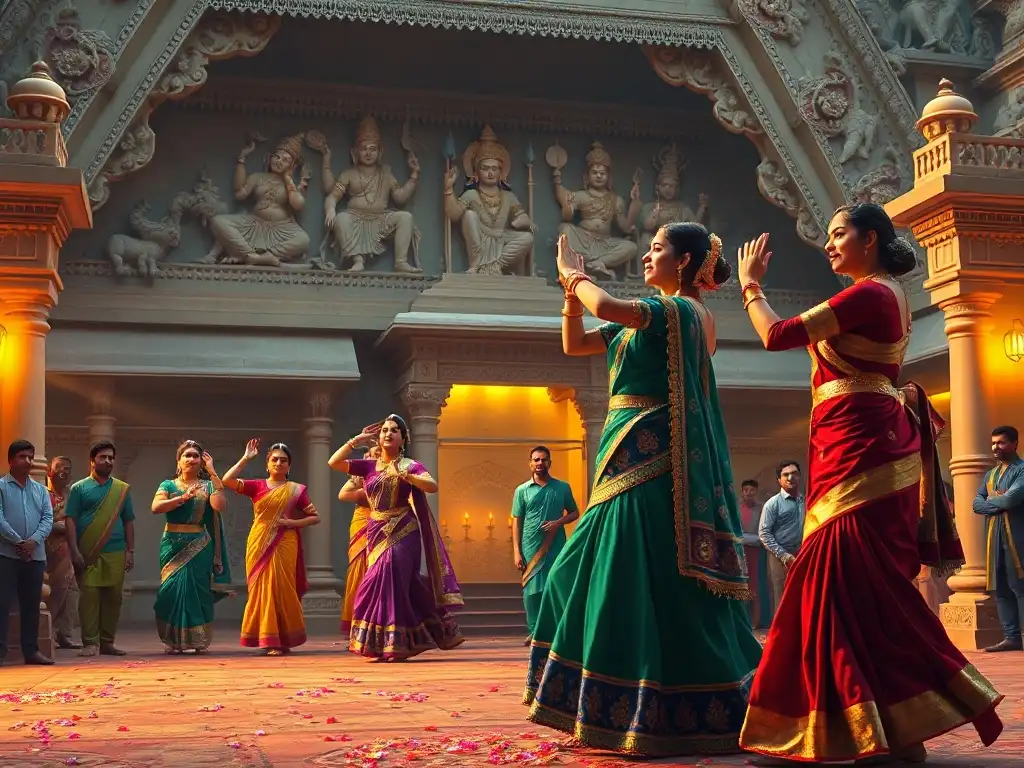
Ancient Indian dance traditions are deeply rooted in the cultural and spiritual fabric of the subcontinent, reflecting a rich heritage that spans millennia. These dance forms are not merely performative arts but are infused with symbolism, storytelling, and a profound connection to the spiritual and religious aspects of life. Several key features define these ancient practices, which continue to influence contemporary dance and drama during festivals.
Elements of Expression in Dance
The expression in ancient Indian dance is characterized by a unique blend of body movements, facial expressions, and hand gestures, collectively known as abhinaya. This multifaceted approach allows dancers to convey complex emotions and narratives, engaging the audience on a deeper level.
- Mudras: Hand gestures, or mudras, are crucial in Indian dance, as they convey specific meanings and emotions. Each gesture has symbolic significance, allowing dancers to communicate ideas without words. For example, the Pataka mudra, where the fingers are spread out, can signify a variety of concepts such as a flag, a river, or even a divine message.
- Facial Expressions: Known as sattvika abhinaya, the use of facial expressions is vital in portraying emotions ranging from joy to sorrow. Dancers employ techniques such as eyebrow movements, lip quivers, and eye movements to express these feelings effectively, creating a direct emotional connection with the audience.
- Body Movements: The intricate footwork and postures in ancient Indian dance forms, such as Bharatanatyam and Kathak, are designed not just for aesthetic appeal but also to narrate stories. The rhythms and patterns of movements often mirror the themes of the accompanying music and narrative.
Use of Music and Rhythm in Traditional Performances
Music and rhythm play an integral role in ancient Indian dance traditions, enhancing the overall experience of the performance. Each dance form is accompanied by specific musical styles that complement the movements and expressions of the dancers.
- Traditional Instruments: Ancient dance forms often feature traditional instruments such as the mridangam, tabla, and veena. These instruments provide a rich auditory backdrop that is essential for the rhythm and soul of the performance. The choice of instruments can vary significantly between different dance styles, reflecting regional influences and cultural nuances.
- Tal and Laya: The concepts of tal (rhythmic cycles) and laya (tempo) are fundamental to Indian classical music and dance. Dancers must synchronize their movements with the underlying rhythmic patterns, creating a dynamic interplay between music and dance. For instance, in Kathak, the intricate footwork is matched with the tala, allowing for a visually and sonically captivating performance.
- Vocal Accompaniment: Many traditional performances also include vocal elements, with singers reciting dhrupad or khayal styles that narrate the theme of the dance. The lyrics often draw from ancient texts and religious scriptures, grounding the performance in a historical and cultural context.
The key features of ancient Indian dance traditions encompass a harmonious blend of expressive elements and musicality, creating performances that are not only visually stunning but also rich in meaning and cultural significance. These traditions continue to thrive during contemporary festivals, reminding us of their enduring legacy in Indian culture.
Contemporary Indian Dance Forms
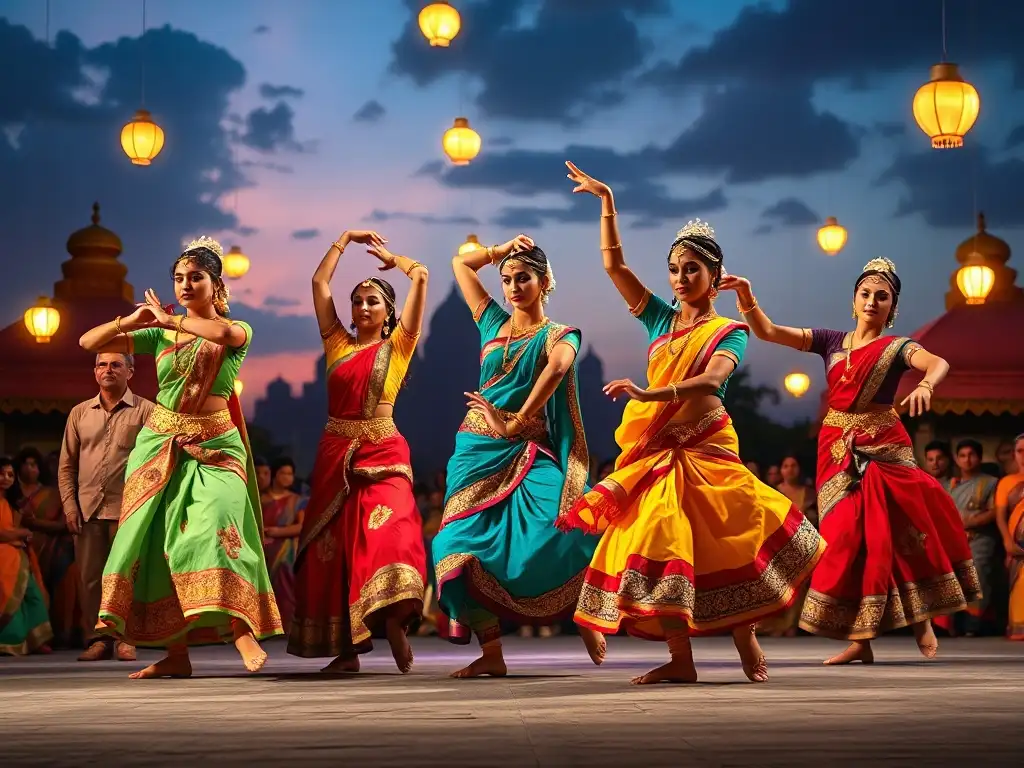
The landscape of Indian dance is as diverse as the country itself, with its roots deeply embedded in ancient traditions. Contemporary Indian dance forms embody a fusion of historical techniques and modern interpretations, reflecting both the rich heritage and the evolving cultural narrative of India. This section will delve into the evolution of dance styles and the enduring influence of ancient practices on present-day performances, particularly during festivals.
Evolution of Dance Styles from Ancient to Modern
The evolution of Indian dance styles can be traced back to ancient texts like the Natya Shastra, attributed to Bharata Muni, which codified the principles of dance, drama, and music. Over centuries, various regional and cultural influences led to the emergence of distinct dance forms. Here’s a brief overview of some key milestones:
- Classical Foundations:
- Bharatanatyam: Originating from Tamil Nadu, this dance form is characterized by intricate footwork and expressive gestures (mudras). It is one of the oldest classical dance forms, with roots tracing back to ancient temple rituals.
- Kathak: Evolving from North Indian storytelling traditions, Kathak emphasizes rhythmic footwork and spins, incorporating elements of both Hindu and Mughal influences.
- Medieval Developments:
- Odissi: From Odisha, Odissi showcases graceful movements and fluid postures, often accompanied by lyrical music. Its themes frequently draw from the lives of deities and ancient scriptures.
- Kuchipudi: This dance form from Andhra Pradesh combines storytelling with dance, highlighting dialogues and expressions, making it a theatrical performance as well.
- Modern Adaptations:
- Fusion Dance: Contemporary styles often blend traditional forms with Western influences, leading to the creation of innovative performances that attract a broader audience. Examples include Bollywood dance and folk dance adaptations that are showcased in festivals.
The transition from ancient to modern dance forms reflects not only artistic evolution but also socio-political changes in Indian society. Each dance style carries with it a narrative of its time, adapting to societal shifts while preserving its core essence.
Influence of Ancient Practices on Present-Day Performances
The influence of ancient Indian dance traditions on contemporary performances is profound and multifaceted. Key aspects include:
- Technique and Form: Many modern dancers incorporate traditional techniques, such as abhinaya (expressive facial gestures) and nritta (pure dance), to enhance their performances. This integration allows for a richer storytelling experience that resonates with audiences.
- Themes and Narratives: Contemporary performances often draw inspiration from ancient epics like the Mahabharata and Ramayana. The narratives are reinterpreted through modern themes, making them relevant to today’s audience while preserving their historical significance.
- Cultural Significance During Festivals: During festivals, traditional dance forms are not merely performances; they are rituals that honor deities and celebrate cultural heritage. Dancers often wear costumes that reflect ancient aesthetics, emphasizing the continuity of cultural practices. For instance:
- Navratri: Garba and Dandiya Raas, both rooted in ancient traditions, are performed with zeal, showcasing community participation and spiritual devotion.
- Diwali: Classical dance performances during Diwali celebrations often narrate stories of triumph and light, echoing ancient values and beliefs.
- Educational Outreach: Contemporary Indian dance schools often emphasize the importance of ancient practices in their curricula. This ensures that new generations appreciate their cultural heritage while also encouraging experimentation and innovation.
The interplay between ancient Indian dance traditions and contemporary performances creates a vibrant tapestry of cultural expression. As festivals approach, the resurgence of these ancient practices not only honors the past but also invigorates the present, ensuring that the essence of India's rich dance heritage continues to thrive.
Festivals Celebrating Ancient Dance and Drama
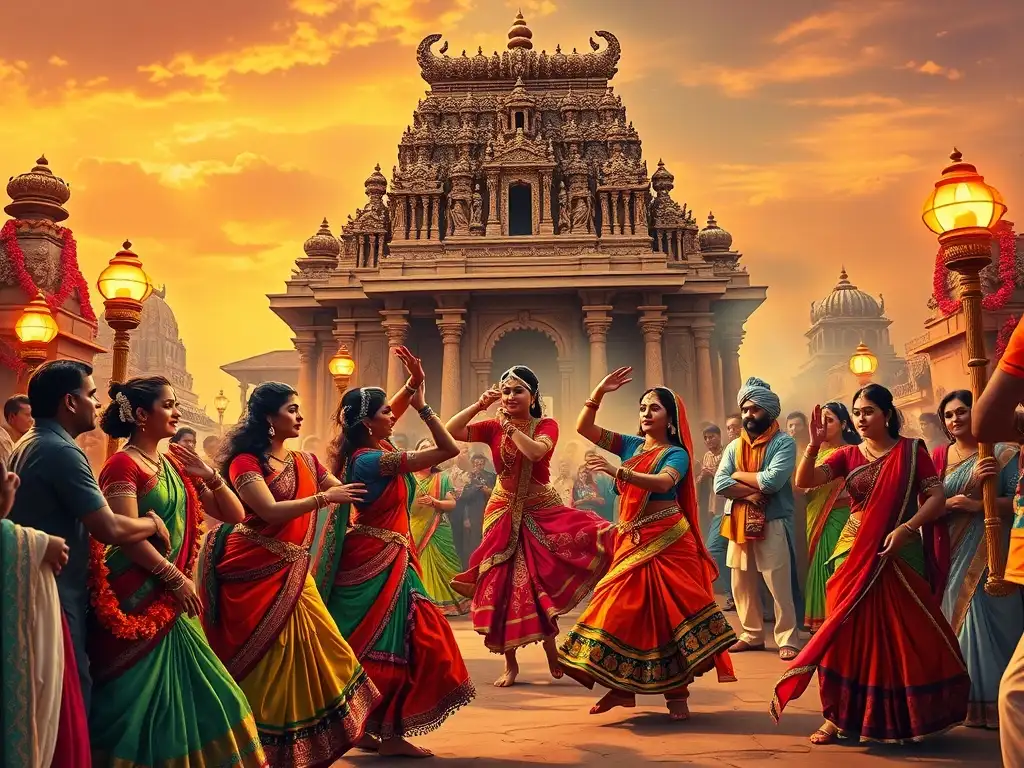
Major Indian Festivals Showcasing Dance Traditions
Ancient Indian dance traditions are deeply woven into the fabric of Indian festivals, reflecting the rich cultural heritage and artistic expressions that have evolved over centuries. These festivals serve as a vibrant platform for showcasing various dance forms, each with its own unique history and significance. The following are key festivals where ancient dance and drama traditions come to life:
Dussehra: Theatrical Representations and Dance
Dussehra, also known as Vijayadashami, is a prominent festival marking the victory of good over evil. It is celebrated with great fervor across India, particularly in the northern regions. One of the most significant aspects of Dussehra is the enactment of Rama Lila, a dramatic representation of the epic Ramayana.
- Key Features:
- Rama Lila Performances: These theatrical presentations involve elaborate costumes, dialogues, and dance movements that narrate the story of Lord Rama's battle against the demon king Ravana.
- Dance Forms: Traditional dance styles such as Kathak and Bharatanatyam are often integrated into the performances, enhancing the storytelling with intricate footwork and expressive gestures.
- Community Involvement: Local communities actively participate, making it a collective cultural event that fosters unity and shared heritage.
In addition to the performances, Dussehra is characterized by vibrant processions and the burning of effigies of Ravana, symbolizing the triumph of righteousness.
Diwali: Celebrations and Cultural Performances
Diwali, the Festival of Lights, is celebrated across India with immense joy and enthusiasm. This festival not only signifies the victory of light over darkness but also serves as an occasion for various cultural performances, including dance.
- Key Features:
- Cultural Shows: Communities organize cultural evenings where traditional dance forms such as Kuchipudi and Odissi are performed, often narrating divine tales and folklore.
- Dance Competitions: Many localities host dance competitions during Diwali, encouraging participation from all age groups and promoting the preservation of ancient dance traditions.
- Family Gatherings: Diwali celebrations are often family-oriented, where storytelling through dance becomes a medium to pass down traditions to younger generations.
The colorful decorations, diyas (lamps), and rangoli (decorative designs) complement the dance performances, making Diwali a multisensory experience.
Holi: Dance and Community Expression
Holi, the Festival of Colors, is celebrated with exuberance and joy, symbolizing the arrival of spring and the victory of love. Dance plays a crucial role in the festivities, fostering community spirit and expression.
- Key Features:
- Folk Dances: Traditional folk dances like Gidda and Bhangra are integral to Holi celebrations, encouraging people to come together, dance, and enjoy the colorful festivities.
- Community Participation: Holi transcends social barriers, as people from all walks of life participate in dance and revelry, reinforcing the idea of unity and harmony.
- Music and Rhythm: The rhythmic beats of traditional music accompany the dances, creating an atmosphere of joy and celebration that highlights the depth of ancient Indian dance traditions.
Overall, the celebration of Holi through dance not only honors ancient practices but also revitalizes them, ensuring their continuity for future generations.
These festivals exemplify how ancient Indian dance traditions continue to thrive, enriching the cultural landscape of contemporary India while fostering a sense of identity and community.
The Role of Ancient Practices in Contemporary Performances
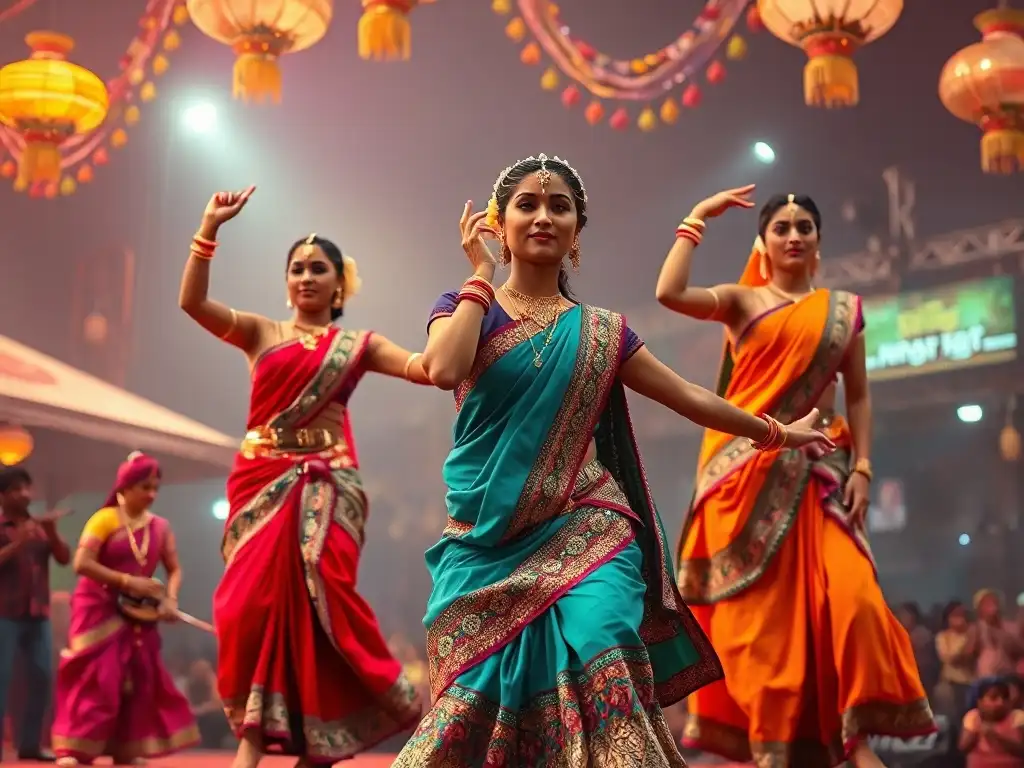
The influence of ancient Indian dance traditions on contemporary performances is profound and multifaceted. These ancient practices serve as a foundation upon which modern interpretations are built, enriching the cultural landscape of India today.
Techniques and Styles Derived from Ancient Traditions
Contemporary Indian dance forms heavily rely on techniques and styles that have their roots in ancient traditions.
- Classical Dance Forms:
- Bharatanatyam: Originating from Tamil Nadu, this dance form is characterized by its intricate footwork, expressive hand gestures, and facial expressions. It draws heavily from the Natya Shastra, an ancient treatise on performing arts attributed to Bharata Muni.
- Kathak: This northern Indian dance form combines storytelling through dance with rhythmic footwork and spins. Its origins can be traced back to the ancient temples and courts of North India, where it was performed to narrate stories from Hindu mythology.
- Folk Influences:
- Garba and Dandiya: These vibrant dance forms from Gujarat are often performed during festivals, showcasing community spirit. They incorporate traditional rhythms and movements that echo the agricultural practices of ancient times.
- Bhangra: This energetic dance from Punjab celebrates harvests and community gatherings, reflecting the joyous spirit found in ancient rural traditions.
- Integration of Themes:
- Many contemporary performances draw their themes from ancient texts like the Mahabharata and Ramayana, using dance to retell these epic stories with a modern twist.
- The use of mythological narratives not only preserves ancient traditions but also makes them accessible and relevant to today’s audiences.
The blending of these techniques and styles in contemporary performances highlights the continuity of cultural expression in India, bridging the gap between the past and present.
Preservation of Cultural Heritage Through Festivals
Festivals in India play a crucial role in preserving ancient Indian dance traditions, serving as platforms for showcasing these art forms to wider audiences.
- Cultural Celebrations:
- Festivals such as Diwali, Navratri, and Pongal are not just religious observances; they are vibrant expressions of cultural heritage. Dance performances are integral to these celebrations, often featuring both classical and folk styles that have been passed down through generations.
- Community Engagement:
- Local communities actively participate in these festivals, promoting the transmission of dance traditions. Workshops and performances often take place, allowing younger generations to learn and engage with their cultural roots.
- Revival Initiatives:
- Many cultural organizations and institutions conduct festivals that focus specifically on ancient dance traditions, encouraging performances that highlight historical significance. These initiatives help revive interest in less popular forms and ensure that they are not lost to time.
- Documentation and Promotion:
- Festivals often serve as occasions for documenting performances, creating archives of ancient practices that can be referenced by future generations. This documentation is essential for the continued appreciation and understanding of ancient Indian dance traditions.
Through these festivals, the rich tapestry of ancient Indian dance traditions is not only celebrated but also preserved, ensuring that they continue to thrive in contemporary society.
The interplay between ancient practices and modern performances during festivals underscores the dynamic and enduring nature of Indian cultural heritage.
Case Studies: Festivals and Their Dance Performances
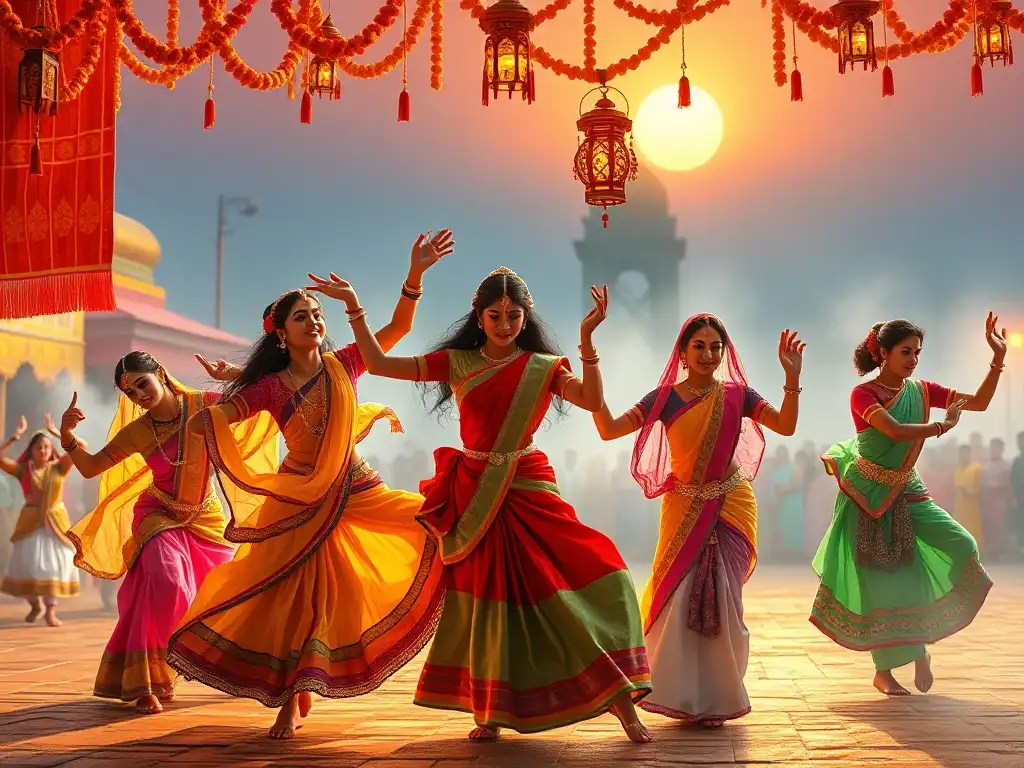
Navratri is one of the most significant festivals in India, celebrated with immense fervor and enthusiasm, particularly in the western states. This nine-night festival is dedicated to the worship of the goddess Durga and showcases a rich tapestry of ancient Indian dance traditions, particularly Garba and Dandiya Raas.
Garba, which involves rhythmic circular dance movements, is deeply entrenched in ancient rituals that celebrate the feminine divine. This dance form is characterized by its vibrant costumes, intricate footwork, and the use of clapping patterns that enhance the community spirit. The historical roots of Garba can be traced back to the Sanskrit texts, which describe the importance of dance in worship and celebration.
In contrast, Dandiya Raas is performed with colorful sticks and draws inspiration from the tales of Radha and Krishna. The dance is not only a form of entertainment but also serves as a means to convey stories from Hindu mythology. This interplay between dance and storytelling highlights the significance of cultural continuity and the preservation of ancient traditions within contemporary celebrations.
| Dance Form | Historical Significance | Contemporary Practices |
|---|---|---|
| Garba | Worship of the goddess, circular movements | Community gatherings, inclusive participation |
| Dandiya Raas | Tales from mythology, stick dance | Performances in public spaces, competitions |
The influence of ancient Indian dance traditions during Navratri also extends to the music associated with these performances. Traditional folk songs, often accompanied by instruments like the dhol, create an immersive atmosphere that connects participants with their cultural heritage.
Dance is the hidden language of the soul.
- Martha Graham
Impact of Pongal on Contemporary Dance Practices
Pongal, celebrated primarily in Tamil Nadu, is a harvest festival that symbolizes gratitude to nature and the deities for the abundance of crops. This festival is marked by various cultural practices, and dance plays a crucial role in its celebrations. Traditional dance forms like Kummi and Karagattam are significant to the festival, reflecting the ancient Indian dance traditions that have been passed down through generations.
Kummi, a dance performed by women, involves clapping and singing, fostering community bonding and celebrating the harvest. Its roots can be traced back to the agrarian practices of ancient times, where dance was an expression of joy and gratitude. The choreography typically features intricate hand movements and formations that represent the harmony of community life.
Karagattam involves balancing a pot on the head while performing acrobatic movements and is often accompanied by folk songs. This dance form serves not only as entertainment but also as a means to invoke blessings for prosperity and fertility.
| Dance Form | Cultural Context | Modern Adaptations |
|---|---|---|
| Kummi | Community celebration, agricultural roots | Performed in schools, cultural festivals |
| Karagattam | Ritualistic, celebratory aspects | Stage performances, fusion with contemporary dance |
The legacy of ancient Indian dance traditions during Pongal is evident in the way these dance forms have adapted to contemporary settings while retaining their essence. Today, they are performed not just in rural communities but also in urban centers, showcasing the vibrancy of Tamil culture and its historical significance.
Both Navratri and Pongal exemplify how ancient Indian dance traditions continue to shape contemporary practices. These festivals serve as a reminder of the deep cultural roots that influence modern expressions of art and community celebration.
Conclusion: The Enduring Influence of Ancient Indian Dance Traditions
Ancient Indian dance traditions have woven an intricate tapestry that continues to influence the cultural landscape of contemporary Indian festivals. These traditions, rooted in the spiritual and social fabric of ancient civilizations, provide a profound sense of identity and continuity for modern practitioners. The rituals, expressions, and forms of storytelling inherent in these age-old practices not only celebrate the rich heritage of India but also serve as a means of connecting future generations to their ancestral roots.
The beauty of ancient Indian dance lies in its ability to adapt and evolve while retaining core elements that reflect the philosophies and aesthetics of its origins. Today, we observe a vibrant fusion of traditional techniques with contemporary themes, enhancing the dialogue between the past and the present. This enduring influence is particularly evident during festivals, where performances often draw upon ancient texts, mythologies, and regional folk traditions, thus showcasing a living heritage that resonates deeply with audiences.
Summary of Cultural Significance in Modern Festivals
The role of ancient Indian dance traditions in modern festivals is multifaceted. These performances serve not only as entertainment but also as a medium for cultural expression and social cohesion. The following points highlight their significance:
- Cultural Identity: Dance forms such as Bharatanatyam, Kathak, and Odissi are pivotal in conveying the rich narratives of Indian mythology and history. They reinforce cultural identity among diverse communities during celebrations.
- Spiritual Connection: Many traditional dances are performed as offerings to deities, linking performers and audiences in a shared spiritual experience that echoes the devotion of ancient practitioners.
- Community Engagement: Festivals often bring together various groups, and dance becomes a platform for fostering unity and collaboration among participants from different backgrounds.
- Educational Value: Through performances, younger generations learn about their heritage, values, and the stories of their ancestors, ensuring the transmission of knowledge and culture.
- Artistic Innovation: Contemporary interpretations of ancient dance forms encourage innovation while respecting traditional roots, leading to the creation of new styles that reflect current societal themes.
Future of Ancient Practices in Contemporary Indian Arts
The future of ancient Indian dance traditions appears promising, as they continue to adapt and thrive in modern contexts. Several factors contribute to this ongoing evolution:
- Global Exposure: Increased interest in Indian culture worldwide has introduced ancient dance forms to international audiences, prompting artists to explore and reinterpret these traditions through a global lens.
- Technological Integration: The use of technology in performances, such as digital projections and live streaming, allows for innovative presentations that reach wider audiences, enhancing engagement with ancient practices.
- Cross-Cultural Collaborations: Collaborations between traditional and contemporary artists foster a rich exchange of ideas, leading to the development of hybrid forms that maintain the essence of ancient traditions while appealing to modern sensibilities.
- Revival Efforts: There is a growing movement to revive lesser-known regional dance forms, ensuring that the diversity of ancient Indian dance traditions is preserved and celebrated.
- Educational Initiatives: Workshops, seminars, and cultural festivals dedicated to ancient dance traditions are becoming more common, allowing for deeper exploration and appreciation of these art forms among enthusiasts and scholars alike.
The enduring influence of ancient Indian dance traditions on contemporary practices during festivals highlights their cultural significance and adaptability. As these traditions continue to evolve, they remain a vital part of India's artistic heritage, ensuring that the stories and values of ancient civilizations are celebrated for generations to come.
Frequently Asked Questions
What are some key ancient Indian dance traditions?
Ancient Indian dance traditions include Bharatanatyam, Kathak, Odissi, and Kuchipudi. Each of these forms has unique cultural significance and has evolved over centuries.
How did ancient practices influence contemporary Indian dance?
Contemporary Indian dance draws heavily from ancient practices, incorporating traditional techniques, themes, and mythological narratives that were prevalent in earlier dance forms.
What role do festivals play in Indian dance and drama?
Festivals serve as a platform for showcasing traditional dance and drama, helping to preserve ancient traditions while allowing for creative expression in modern performances.
Are there any specific festivals known for their dance traditions?
Yes, festivals like Navaratri, Diwali, and Pongal prominently feature dance performances that highlight ancient traditions, celebrating cultural heritage through vibrant rituals and performances.
How can learning about ancient Indian dance traditions benefit modern dancers?
Studying ancient Indian dance traditions offers modern dancers insights into technique, expression, and storytelling, enriching their artistry and helping them connect with their cultural roots.
Final Reflection: Embracing the Legacy of Ancient Indian Dance Traditions
**The vibrant tapestry of ancient Indian dance traditions continues to weave its way into contemporary celebrations, reminding us that cultural heritage is not merely a relic of the past but a living, breathing entity that shapes our present. As we witness the resurgence of these age-old practices during festivals, it becomes increasingly clear that they serve as a bridge connecting generations, fostering a sense of identity and belonging in an ever-evolving society. The rhythms and movements of these dances resonate deeply within us, echoing the stories and emotions of our ancestors.
Cultural practices are not static; they evolve while retaining their core essence. The influence of ancient Indian dance traditions on contemporary performances is profound, as they inspire artists to explore new interpretations while honoring their roots. This dynamic interplay enriches the cultural landscape, inviting audiences to engage with the past in meaningful ways. Tradition is not the worship of ashes, but the preservation of fire.
This quote encapsulates the spirit of how these ancient practices ignite creativity and innovation, ensuring that the flames of our heritage continue to burn brightly.
As we reflect on the significance of these ancient traditions, let us embrace the opportunity to engage with them in our own lives. Consider how you can incorporate elements of these rich cultural practices into your celebrations, whether through dance, music, or storytelling. By doing so, you not only honor the legacy of those who came before us but also contribute to the ongoing narrative of our shared cultural identity. Together, let us celebrate the past, enrich the present, and inspire the future through the vibrant lens of ancient Indian dance traditions.
Unleash the Spirit of Ancient Traditions!
Thank you for exploring the fascinating connection between ancient practices and contemporary Indian dance and drama during festivals! We're excited that you've taken the time to discover how these rich traditions continue to shape artistic expressions today. Now, it’s your turn to engage with and celebrate these vibrant legacies.
Here are some simple yet impactful steps you can take:
- Join a local dance or drama workshop to experience these ancient practices firsthand and reconnect with your cultural roots.
- Share your newfound knowledge with friends on social media! Use a unique hashtag to spark conversations about the significance of these art forms.
- Participate in a local festival that features traditional dance and drama—immerse yourself in the magic and community spirit!
What aspect of ancient Indian dance or drama inspires you the most to reconnect with your roots? We invite you to share your thoughts below!