
The Rituals and Celebrations of Mahashivratri: A Night of Devotion

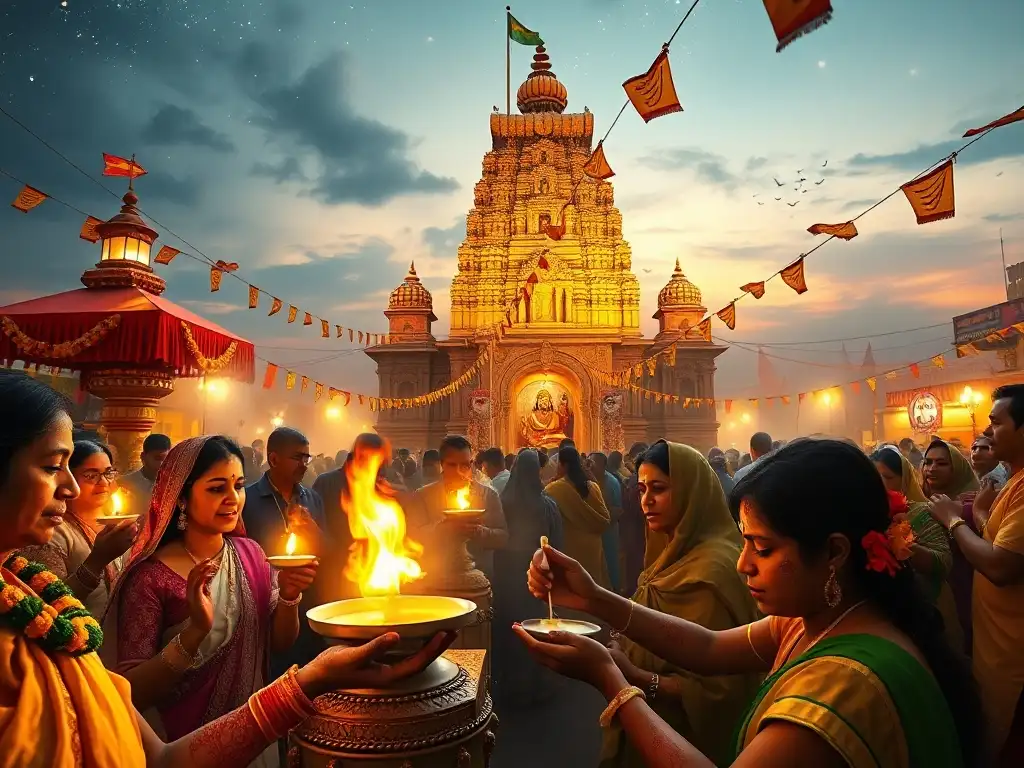
Welcome to Ancient India History, your gateway to uncovering the rich tapestry of ancient civilizations that shaped the Indian subcontinent! In this exploration, we delve into the fascinating Mahashivratri rituals and celebrations, a night steeped in devotion and cultural significance. Discover how this vibrant festival connects millions to their spiritual roots and the profound traditions that have endured through the ages. Join us as we embark on a journey through time, illuminating the customs that make Mahashivratri a remarkable celebration. Are you ready to unveil the mysteries behind this sacred night? Dive in to learn more!
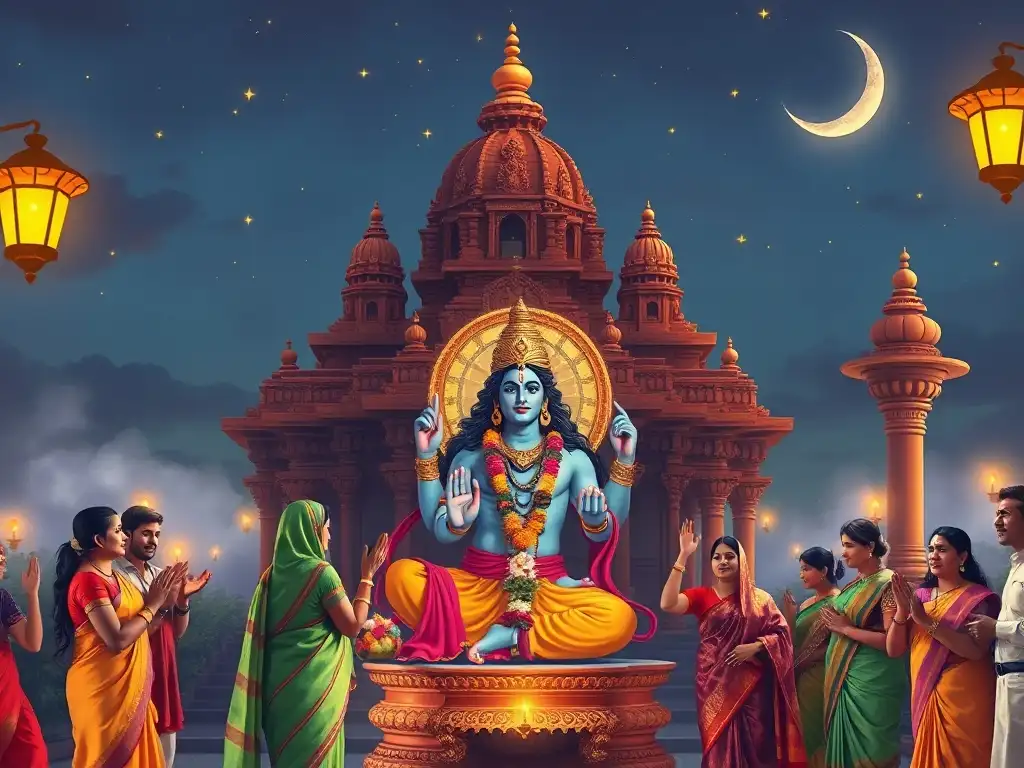
Introduction to Mahashivratri
Mahashivratri, often referred to as the "Great Night of Shiva," is one of the most significant festivals celebrated in Hindu culture, reflecting a deep reverence for Lord Shiva. This annual event is observed on the 14th night of the dark fortnight in the month of Phalguna, which typically falls in February or March.
During this auspicious night, devotees engage in a variety of rituals and celebrations, showcasing their devotion and seeking blessings for personal and spiritual growth. The festival not only highlights the rich tapestry of Hindu traditions but also serves as a reminder of the philosophy and teachings associated with Lord Shiva.
The Mahashivratri rituals and celebrations are deeply woven into the cultural fabric of India, with practices varying from region to region. This article delves into the multifaceted nature of Mahashivratri, exploring its historical roots, cultural significance, and the various rituals that make it a night of devotion and spiritual awakening.
Overview of Mahashivratri
Mahashivratri is marked by a plethora of rituals, each carrying its own significance and meaning. Devotees often observe fasting, night vigils, and the chanting of mantras dedicated to Lord Shiva. Temples across the country are adorned with flowers and lights, and special prayers are held to honor the deity. The night is characterized by a unique blend of solemnity and festivity, as people come together in community celebrations, reflecting the unity and diversity of Hindu culture.
- Common practices during Mahashivratri include:
- Fasting: Many devotees observe a strict fast, abstaining from food and water to purify the body and mind.
- Night Vigil: Staying awake throughout the night while engaging in prayers and meditation.
- Chanting of Mantras: Repeating sacred mantras like "Om Namah Shivaya" to invoke divine blessings.
Importance of Mahashivratri in Hindu Culture
The significance of Mahashivratri extends beyond mere rituals; it encapsulates profound philosophical concepts that are central to Hindu belief systems. The festival represents the convergence of the spiritual and material worlds, emphasizing the idea of overcoming darkness and ignorance through devotion and knowledge. It is a time for introspection, self-discipline, and the pursuit of spiritual enlightenment.
- Cultural Importance:
- Spiritual Awakening: Mahashivratri is seen as an opportunity for devotees to awaken their inner consciousness and connect with the divine.
- Community Bonding: The festival fosters a sense of community among devotees, encouraging collective participation in prayers and celebrations.
Significance of Mahashivratri Rituals and Celebrations
The rituals and celebrations associated with Mahashivratri carry significant spiritual and cultural meanings. Each practice is designed to purify the mind and body, allowing devotees to transcend their earthly concerns and deepen their relationship with the divine. The offerings made to Lord Shiva, such as milk, honey, and bilva leaves, symbolize devotion and surrender.
- Key Rituals:
- Abhishekam (Ceremonial Bathing): Devotees perform abhishekam on Shiva Lingams with various sacred substances, signifying purification and reverence.
- Puja (Worship): Elaborate pujas are conducted, involving the chanting of Vedic hymns and the offering of fruits and flowers.
Historical Context of Mahashivratri
To fully appreciate the significance of Mahashivratri, it is essential to explore its historical context. The festival has deep roots in ancient Indian traditions and texts, reflecting the enduring legacy of Lord Shiva in Hindu mythology.
Origins of Mahashivratri
The origins of Mahashivratri can be traced back to ancient Hindu scriptures, with various legends highlighting the significance of this night. One of the most popular legends recounts the marriage of Lord Shiva and Goddess Parvati, symbolizing the union of consciousness and energy. Another legend speaks of Lord Shiva's cosmic dance, which represents the cycle of creation, preservation, and destruction.
- Legends Associated with Mahashivratri:
- The marriage of Shiva and Parvati.
- The night Lord Shiva performed the cosmic dance of creation.
Mahashivratri in Ancient Indian Texts
Ancient texts such as the Puranas and the Mahabharata contain references to Mahashivratri, illustrating its importance in Hindu cosmology. The Shiva Purana provides detailed descriptions of the rituals and significance of the festival, emphasizing the need for devotion and worship of Lord Shiva.
- Key Texts:
- Shiva Purana: Describes the rituals and the legends associated with Mahashivratri.
- Skanda Purana: Offers insights into the observance and significance of the festival.
Evolution of Celebrations Over the Years
Over the centuries, the celebrations of Mahashivratri have evolved, adapting to the changing cultural landscape of India. While the core rituals remain intact, regional variations have emerged, showcasing the diversity of practices across different cultures. In contemporary times, Mahashivratri has gained popularity beyond religious circles, with many people participating in the festivities as a form of cultural expression.
- Modern Celebrations:
- Public celebrations in temples and community centers.
- Increased participation from youth, leading to vibrant and lively festivities.
As we explore the rich tapestry of Mahashivratri rituals and celebrations, we uncover the profound connection between devotion, culture, and the timeless teachings of Lord Shiva.
Mahashivratri Rituals
Mahashivratri, a festival dedicated to Lord Shiva, is celebrated with immense fervor across India and among Hindu communities worldwide. The night of Mahashivratri is particularly significant as it symbolizes the overcoming of darkness and ignorance in life, making it a time for introspection, devotion, and celebration. Various rituals are performed by devotees to honor Lord Shiva, each steeped in cultural significance and spiritual meaning. Here we will delve into the core rituals and celebrations that characterize this auspicious occasion.
Key Rituals Observed During Mahashivratri
The rituals performed during Mahashivratri are diverse, yet they consistently reflect the core themes of devotion, purification, and surrender to the divine. Some of the key rituals observed include:
- Fasting: Many devotees observe a strict fast on Mahashivratri, abstaining from food and water for the entire day. This practice symbolizes self-discipline and purity of heart, allowing individuals to focus on their spiritual goals.
- Night Vigil (Jagaran): The festival is celebrated through night-long vigils where devotees chant mantras, sing bhajans (devotional songs), and recite scriptures. This practice fosters a sense of community and devotion, as people come together to honor Lord Shiva.
- Abhishekam (Ritual Bathing): Devotees perform abhishekam by pouring milk, honey, ghee, and other sacred substances over Shiva Lingams. This ritual signifies the pouring of devotion and is believed to please Lord Shiva.
- Offerings: Devotees offer a variety of items to the deity, including bilva leaves, flowers, fruits, and nuts. Each offering is imbued with spiritual significance and is believed to invoke blessings from Lord Shiva.
- Chanting of Mantras: The chanting of sacred mantras, particularly the "Mahamrityunjaya Mantra," is a central aspect of the rituals. This mantra is revered for its power to invoke health, well-being, and spiritual awakening.
Specific Traditions Across Regions
The observance of Mahashivratri varies significantly across different regions of India, each adding unique cultural flavors to the celebrations. Here are some notable traditions:
- North India: In states like Uttar Pradesh and Himachal Pradesh, devotees celebrate by visiting temples dedicated to Lord Shiva, such as Kashi Vishwanath and Bhimashankar. The night is filled with bhajans and collective prayers.
- South India: In Tamil Nadu and Karnataka, the celebration includes elaborate temple rituals and processions. The devotees often adorn themselves in traditional attire and engage in communal singing and dancing.
- West India: In Gujarat, people celebrate with lively Garba dances, while in Maharashtra, the focus is on performing rituals at home with family and friends, emphasizing the importance of familial bonds.
- East India: In West Bengal, the festival is marked by community feasts and cultural events, where local artists perform traditional dances and songs, celebrating the spirit of Mahashivratri.
Celebrations and Festivities
The celebrations of Mahashivratri extend beyond individual rituals, encapsulating community spirit and cultural expressions. The festival creates a vibrant atmosphere filled with joy, music, and devotion.
Community Celebrations and Public Gatherings
Mahashivratri serves as a vital occasion for community bonding, bringing people together in the spirit of devotion. Public gatherings are common, where large groups of devotees converge at temples or designated prayer spaces. These gatherings often include:
- Processions: Many regions conduct grand processions featuring decorated idols of Lord Shiva, accompanied by music, dancing, and chanting. These processions are a spectacle of devotion and enthusiasm, attracting devotees from far and wide.
- Community Feasts: In various communities, especially in rural areas, people prepare and share simple meals after the fasting period. This act of sharing food symbolizes unity and fosters communal harmony.
- Cultural Programs: Events featuring local artists performing traditional dances, music, and dramas based on Hindu mythology are often organized. These programs highlight the cultural richness of the festival and engage participants of all ages.
Role of Temples in Mahashivratri Celebrations
Temples play a pivotal role in Mahashivratri celebrations. They become the focal point for devotees, providing a space for worship, reflection, and community engagement. Key aspects include:
- Increased Footfall: Temples experience a surge in visitors during Mahashivratri, with devotees coming to offer prayers, participate in rituals, and seek blessings from Lord Shiva.
- Special Pujas: Temples conduct special pujas (rituals) throughout the night, including the lighting of lamps and offering of special prasadam (consecrated food). These rituals enhance the spiritual ambiance and attract more devotees.
- Spiritual Guidance: Many temples offer spiritual discourses and teachings during this time, helping devotees deepen their understanding of Shiva's teachings and philosophies.
Cultural Performances and Artistic Expressions
The cultural essence of Mahashivratri is vividly expressed through various artistic forms. These performances not only entertain but also educate participants about the rich mythology surrounding Lord Shiva. Some prominent artistic expressions include:
- Classical Dance: Traditional dance forms such as Bharatanatyam and Kathak often depict stories of Lord Shiva, showcasing his divine attributes and tales of devotion.
- Theatrical Productions: Many communities stage plays or skits that narrate episodes from Shiva's life, emphasizing moral lessons and the significance of devotion.
- Music Festivals: Musical events featuring classical and folk music dedicated to Lord Shiva are common. These performances create an atmosphere of reverence and joy, allowing devotees to connect with the divine through melody and rhythm.
Through these rituals and celebrations, Mahashivratri becomes a profound night of devotion, fostering a deeper connection between individuals and the divine, while also strengthening community bonds and cultural heritage.
Spiritual Significance of Mahashivratri
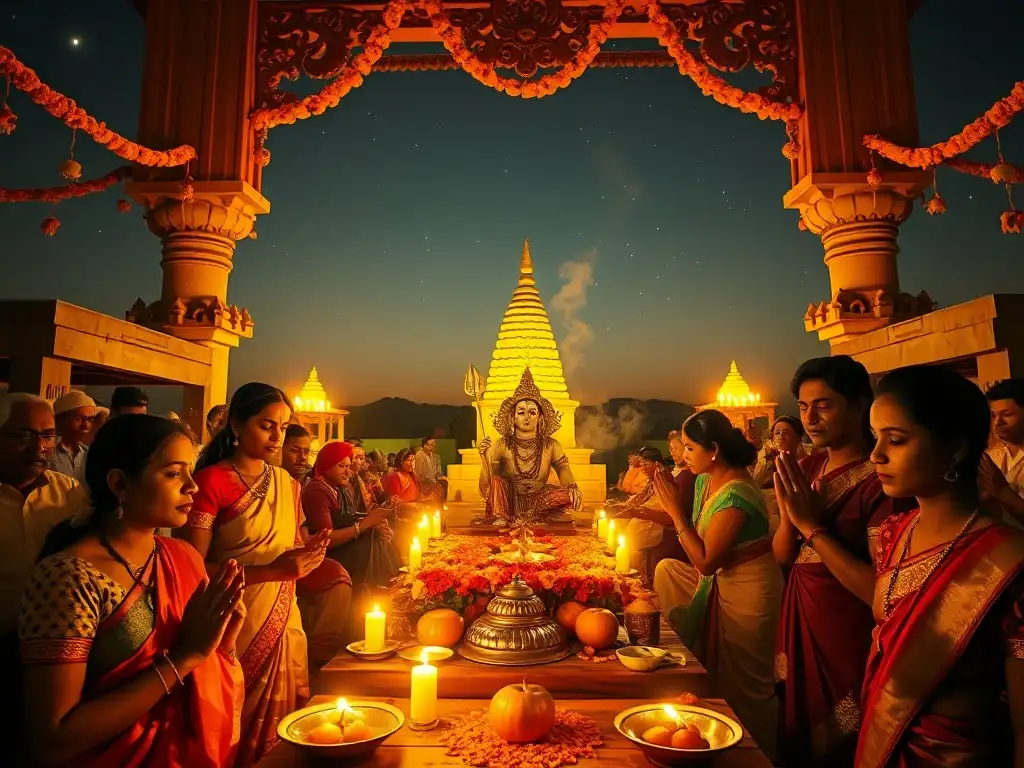
Mahashivratri, literally meaning "the Great Night of Shiva," holds profound spiritual significance in Hinduism. It is celebrated annually in honor of Lord Shiva, one of the principal deities of the Hindu pantheon. The festival is believed to symbolize the convergence of spiritual energy and the human soul, representing the union of the divine with the mortal. Devotees consider this night as an opportunity for deep spiritual introspection, meditation, and connecting with the Supreme Being.
On this auspicious night, it is believed that the energy of the universe is at its peak, providing an ideal time for believers to seek forgiveness for past sins and to purify their souls. Many engage in fasting and night-long vigils, emphasizing the importance of self-discipline and devotion. The rituals performed are not merely ceremonial but serve as a means to attain spiritual awakening and enlightenment. The night is characterized by the chanting of mantras and hymns dedicated to Shiva, fostering a sense of community and shared spirituality among the participants.
Devotion and Worship During Mahashivratri
The core of Mahashivratri revolves around the unwavering devotion and worship of Lord Shiva. Devotees flock to Shiva temples, where they participate in elaborate rituals that showcase their reverence. The day typically begins with a ceremonial bath, symbolizing purification, followed by offerings of milk, honey, and bel leaves to the Shiva Linga, representing the deity. Many devotees observe a fast, refraining from consuming food or water, as a demonstration of their dedication.
The night is marked by continuous recitation of the Shiva Stotra and chanting of "Om Namah Shivaya." This mantra is considered to be a potent invocation of Lord Shiva, believed to cleanse the mind and heart. Additionally, various cultural performances, including dance and music, are organized to celebrate the occasion, creating an atmosphere of devotion and joy. Many individuals also engage in night-long vigils, reflecting on their lives and the teachings of Lord Shiva, deepening their connection with the divine.
The Symbolism of Lord Shiva
Lord Shiva embodies multiple symbols and meanings, each contributing to the rich tapestry of Mahashivratri's significance. He is often depicted in a meditative posture, symbolizing tranquility and self-realization. The crescent moon on his forehead signifies the cyclical nature of time and the importance of self-control. His third eye represents the ability to see beyond illusions and to discern the truth, serving as a reminder for devotees to seek enlightenment and wisdom.
The trident, or trishula, that Shiva wields symbolizes the balance of creation, preservation, and destruction—essential aspects of the universe. Furthermore, Shiva's blue throat, a result of consuming poison during the churning of the ocean, highlights his self-sacrifice for the welfare of the cosmos. These symbols not only embody the essence of Lord Shiva but also convey profound life lessons on balance, resilience, and the pursuit of truth.
Lessons and Teachings from Mahashivratri
Mahashivratri is not merely a festival of rituals but also a time for learning and self-reflection. The teachings associated with this celebration emphasize the importance of inner peace, humility, and the pursuit of knowledge. By observing fasts and engaging in prayers, devotees learn the value of self-discipline and sacrifice. The night-long vigil encourages individuals to reflect on their life choices, fostering a sense of accountability and moral responsibility.
Moreover, the festival teaches the significance of overcoming darkness—both literal and metaphorical. Just as Lord Shiva represents the destruction of ignorance and negativity, devotees are inspired to shed their own shortcomings and embrace a path of righteousness. The stories and legends recounted during Mahashivratri serve as moral compasses, guiding individuals toward a life of virtue and integrity.
Contemporary Practices of Mahashivratri
In contemporary society, the celebration of Mahashivratri has evolved while retaining its core spiritual essence. Urbanization and globalization have influenced the way rituals and festivities are conducted, resulting in a fusion of traditional practices with modern interpretations.
Modern Interpretations of Mahashivratri Rituals
Modern interpretations of Mahashivratri rituals often incorporate elements of convenience and technology. Many devotees now participate in online prayers and virtual gatherings, which allow for broader participation across geographical boundaries. Social media platforms are flooded with messages of devotion, sharing experiences, and teachings related to Lord Shiva.
Despite these changes, the fundamental essence remains intact. Rituals such as the offering of water and flowers, the chanting of mantras, and the lighting of lamps continue to play pivotal roles, albeit with adaptations that cater to contemporary lifestyles. For instance, community gatherings may now feature cultural programs that combine traditional music and dance with modern artistic expressions, making the festival more accessible and relatable to younger generations.
Influence of Technology on Celebrations
Technology has significantly impacted the way Mahashivratri is celebrated today. Virtual platforms enable devotees to connect with spiritual leaders and participate in live-streamed rituals, creating a sense of community even when physically apart. Mobile applications providing guidance on rituals, mantras, and even reminders for fasting have become popular, facilitating greater involvement.
Moreover, social media has transformed the sharing of experiences and knowledge. Hashtags related to Mahashivratri trend on various platforms, allowing individuals to express their devotion and share insights with a wider audience. This technological integration not only enhances the celebration but also fosters a global sense of unity among devotees.
Mahashivratri in Urban vs. Rural Settings
The celebration of Mahashivratri varies significantly between urban and rural settings, reflecting the cultural and social dynamics of each environment. In urban areas, the festival is often marked by large gatherings, organized events, and public celebrations in temples, with extensive use of technology to facilitate participation. Temples may host elaborate cultural programs, drawing crowds from diverse backgrounds, while online platforms enable individuals to partake from home.
Conversely, rural celebrations tend to emphasize traditional rituals and community involvement. Devotees may gather in smaller groups, engaging in more personalized forms of worship that highlight local customs and practices. The sense of community is often stronger in rural areas, where families come together to celebrate, share meals, and participate in community prayers. This contrast showcases the adaptability of Mahashivratri celebrations while emphasizing the core values of devotion and spirituality that transcend geographical boundaries.
Conclusion
The celebration of Mahashivratri is a profound testament to the rich tapestry of Indian culture and spirituality. This festival not only honors Lord Shiva but also serves as a platform for devotees to reconnect with their spiritual selves through various rituals and celebrations. From the solemnity of fasting and night vigils to the joyous chanting and communal gatherings, Mahashivratri encapsulates the essence of devotion and reverence.
Recap of Mahashivratri Rituals and Celebrations
Throughout the night of Mahashivratri, numerous rituals are observed that hold deep significance for devotees. Key activities include:
- Fasting: Many devotees observe a strict fast, abstaining from food and sometimes even water, as an act of devotion and purification.
- Night Vigil: Followers often stay awake throughout the night, participating in prayers, reciting hymns, and chanting the “Om Namah Shivaya” mantra.
- Puja (Worship): Offering milk, honey, bel leaves, and flowers to the Shivalinga is a central part of the worship, symbolizing purity and devotion.
- Community Gatherings: Temples are often filled with devotees who come together to celebrate, share stories, and find solace in their collective spirituality.
These rituals not only strengthen individual faith but also foster a sense of community among participants, creating a shared experience of devotion and celebration.
The Enduring Legacy of Mahashivratri in Indian Culture
Mahashivratri's legacy extends far beyond a mere festival; it is an embodiment of the spiritual and cultural ethos of India. The festival resonates with themes of renewal, introspection, and the cyclical nature of life—echoing the philosophies found in ancient texts.
Over the centuries, Mahashivratri has influenced various art forms, including dance, music, and literature, further enriching the cultural landscape of India. Temples dedicated to Lord Shiva become hubs of artistic expression during this time, showcasing traditional performances and rituals that have been passed down through generations.
The celebration of Mahashivratri also promotes values such as discipline, devotion, and communal harmony, reinforcing its importance in contemporary society. It serves as a reminder of the timeless connection between spirituality and daily life, encouraging individuals to seek balance and harmony.
Invitation to Experience Mahashivratri Traditions
For those interested in understanding the depth and beauty of Mahashivratri, participating in the rituals and celebrations can be an enlightening experience. Whether joining in the festivities at a local temple or observing the practices from home, embracing the spirit of Mahashivratri offers a unique opportunity to delve into Indian culture and spirituality.
Engaging with these traditions not only deepens one's understanding of Lord Shiva's significance but also fosters a greater appreciation for the diverse cultural practices that make up the Indian heritage. Everyone is invited to witness and partake in the rituals of Mahashivratri, to feel the devotion in the air, and to celebrate the night of Shiva with an open heart.
References
Suggested Reading on Mahashivratri
- “Mahashivratri: The Night of Lord Shiva”: - A comprehensive guide exploring the origins, significance, and various rituals associated with this auspicious occasion.
- “The Practices of Hinduism: A Cultural Perspective”: - This book dives into the diverse practices within Hinduism, including the celebrations of major festivals like Mahashivratri.
Links to Related Cultural Practices and Celebrations
- Holi: The Festival of Colors: - An exploration of another major Indian festival, highlighting its rituals and cultural significance.
- Diwali: The Festival of Lights: - A detailed look at the traditions and celebrations associated with one of the most beloved festivals in India, showcasing the richness of Indian cultural practices.
- Introduction to Mahashivratri
- Historical Context of Mahashivratri
- Mahashivratri Rituals
- Celebrations and Festivities
- Spiritual Significance of Mahashivratri
- Contemporary Practices of Mahashivratri
- Conclusion
- References
Frequently Asked Questions
What is Mahashivratri?
Mahashivratri is a Hindu festival celebrated in honor of Lord Shiva, marked by night-long vigils, fasting, and special prayers.
What are the main rituals performed on Mahashivratri?
The main rituals include offering water, milk, and bel leaves to Shiva Lingams, chanting mantras, and performing pujas throughout the night.
How is Mahashivratri celebrated across different regions?
Celebrations vary, with some regions focusing on processions, music, and dance, while others emphasize meditation and prayer for spiritual growth.
What is the significance of fasting during Mahashivratri?
Fasting is believed to purify the body and mind, allowing devotees to attain spiritual clarity and devotion to Lord Shiva during this sacred night.
How can one participate in Mahashivratri celebrations?
One can participate by visiting temples, performing pujas, joining community celebrations, or simply observing the day with prayer and reflection at home.
Final Reflection: Embracing the Spirit of Mahashivratri
The rituals and celebrations of Mahashivratri resonate deeply with the essence of devotion and spirituality in today's fast-paced world. As we navigate through our daily lives, the significance of this sacred night serves as a reminder to pause, reflect, and connect with our inner selves. The vibrant traditions and practices associated with Mahashivratri not only honor Lord Shiva but also inspire us to cultivate a sense of mindfulness and reverence in our own lives.
Celebrating Mahashivratri is more than just a religious observance; it is a cultural phenomenon that weaves together communities and fosters a sense of belonging. The night of Mahashivratri brings people together in a shared experience of devotion, transcending boundaries and differences. As Mahatma Gandhi once said, The best way to find yourself is to lose yourself in the service of others.
This sentiment echoes through the rituals of Mahashivratri, where acts of devotion and service create a profound sense of unity and purpose.
As you reflect on the lessons of Mahashivratri, I invite you to embrace the spirit of this celebration in your own life. Consider how you can incorporate the values of devotion, self-discipline, and community into your daily routine. Whether through acts of kindness, moments of reflection, or simply taking time to appreciate the beauty around you, let the essence of Mahashivratri inspire you to create a more meaningful existence. Together, let us honor the traditions of this sacred night and carry its teachings forward into the future.
Embrace the Spirit of Mahashivratri Today!
Thank you for taking the time to explore the rich traditions and deep devotion associated with Mahashivratri! Your interest in these rituals not only honors the divine but also connects you to centuries of cultural heritage. Now, let’s transform that knowledge into action!
Here are some inspiring ways you can deepen your connection to Mahashivratri:
- Participate in local celebrations. Seek out temples or community gatherings in your area, and immerse yourself in the night of devotion and festivity.
- Create your own ritual. Design a personal evening of reflection, prayer, or meditation dedicated to Lord Shiva. Use this time to set intentions for the year ahead.
- Share your experience. Connect with others by sharing what Mahashivratri means to you. Consider writing about it or discussing it on social media to inspire your friends and family.
What unique rituals or traditions have you embraced in your Mahashivratri celebrations? We’d love to hear your stories and ideas!