
The Legend Behind Dussehra: Triumph of Good Over Evil in Ancient Texts

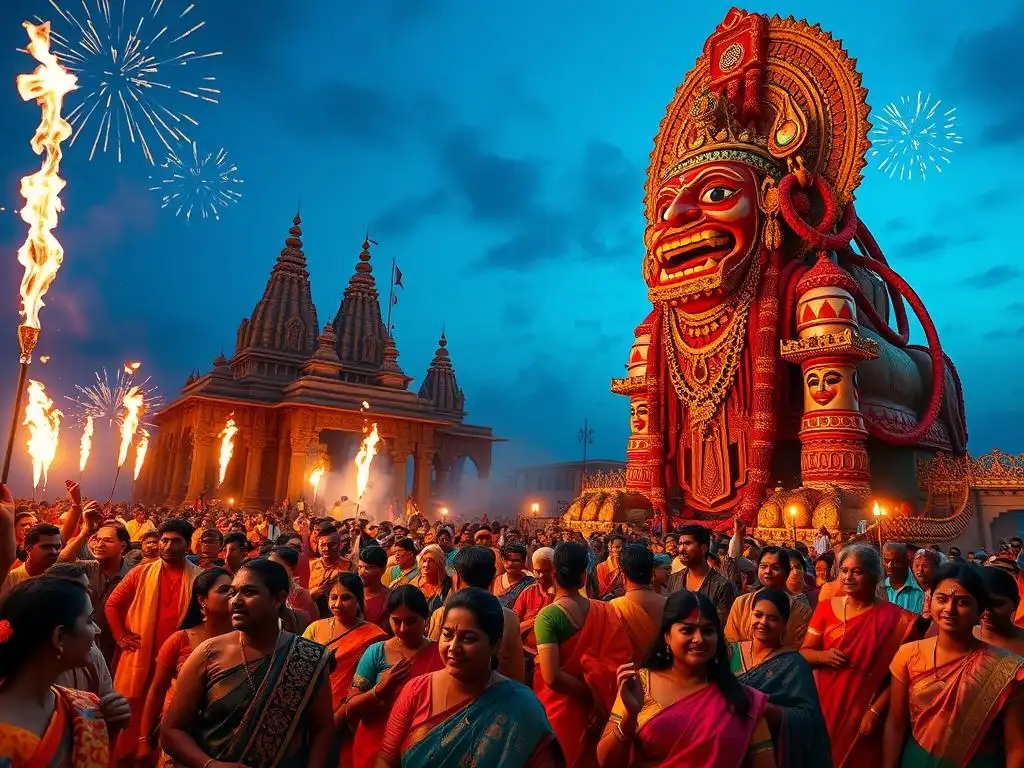
Welcome to Ancient India History, where we embark on a captivating journey through the rich tapestry of ancient civilizations. Here, we delve into the profound significance of Dussehra in ancient India, a festival that not only celebrates the triumph of good over evil but also serves as a window into the cultural and spiritual ethos of the time. Have you ever wondered how ancient texts portrayed this legendary victory? Join us as we unravel the stories and traditions that have shaped this vibrant festival, and discover the deeper meanings that echo through the ages. Let the exploration begin!
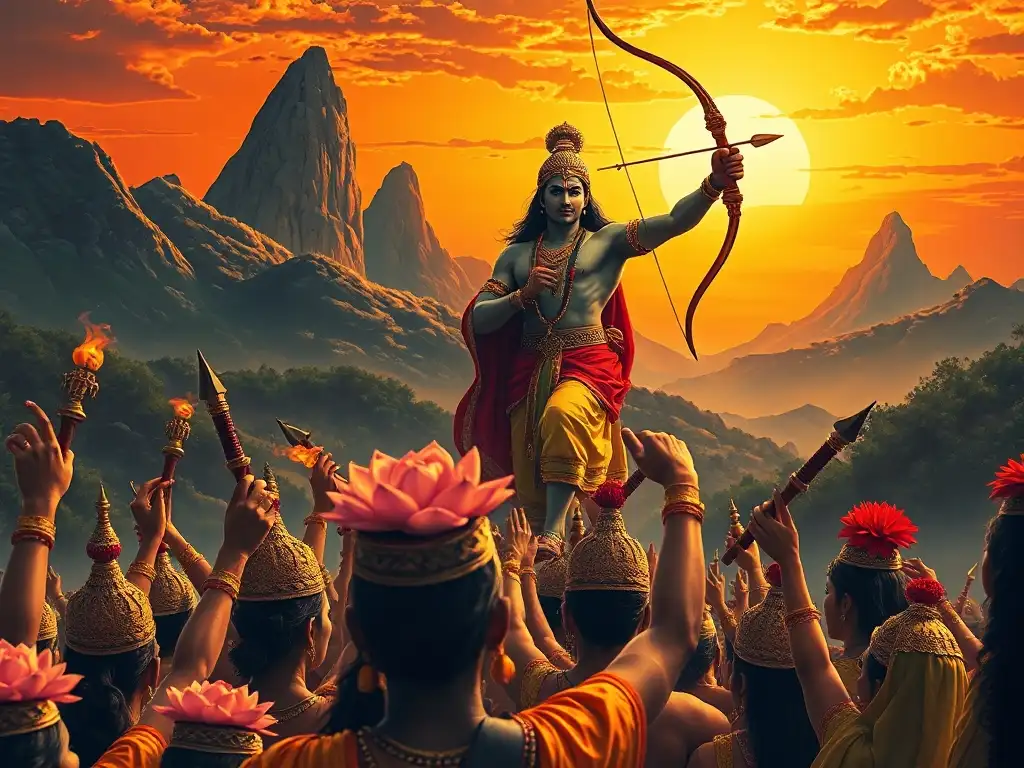
Dussehra, a festival celebrated with great fervor across India, embodies the timeless struggle between good and evil. Rooted in ancient Indian traditions, this festival not only marks the victory of Lord Rama over the demon king Ravana but also symbolizes the broader moral lesson of triumphing over darkness.
The significance of Dussehra in ancient India extends beyond mere celebration; it serves as a reminder of the values embedded in the rich tapestry of Indian culture and mythology. This article delves into the layers of history, mythology, and cultural significance that shape the essence of Dussehra, exploring its profound impact on ancient Indian society and its enduring relevance today.
Introduction to Dussehra in Ancient India
Dussehra, also known as Vijayadashami, is celebrated on the tenth day of the Hindu lunar month of Ashwin, typically falling between September and October. The festival is a culmination of the nine-day Navaratri celebration, during which devotees honor the goddess Durga. The significance of Dussehra lies in its dual narrative: it commemorates not only the victory of Rama over Ravana but also the victory of the goddess Durga over the buffalo demon Mahishasura. This duality reflects the complexities of good and evil in ancient Indian texts and the overarching theme of dharma (righteousness) prevailing over adharma (unrighteousness).
Overview of Dussehra Significance in Ancient India
The Dussehra significance in ancient India can be seen through the lens of various texts and traditions. It serves as a pivotal moment that reinforces the values of duty, righteousness, and moral courage. Ancient scriptures such as the Ramayana and Mahabharata not only narrate these epic tales but also offer deeper insights into the societal values of the time. The festival encourages people to reflect on their own lives, inspiring them to overcome their personal demons and strive for a path of righteousness.
The observance of Dussehra can vary across regions, but its core message remains the same: the victory of good over evil. This festival also includes rituals such as the burning of effigies of Ravana, which symbolize the destruction of negative forces. Such practices are deeply rooted in ancient customs, emphasizing the community's collective effort to uphold dharma.
Historical Context of Dussehra Celebrations
To fully appreciate Dussehra's significance, one must look at its historical context. The festival's origins can be traced back to various ancient practices and regional traditions. Archaeological evidence suggests that celebrations akin to Dussehra may have taken place as early as the Indus Valley Civilization, evolving over centuries into the festival we recognize today.
In addition, the Gupta Empire (circa 320-550 CE) played a crucial role in shaping this festival's cultural landscape, as the period is often referred to as the Golden Age of India. Literature and art flourished, and the tales of Rama and Ravana became integral to the societal ethos. Temples dedicated to these deities were built, further entrenching the festival within the fabric of ancient Indian culture.
The Mythological Roots of Dussehra
The mythological underpinnings of Dussehra are rich and multifaceted, primarily revolving around the epic narratives found in ancient texts. The festival serves as a reminder of the stories that shaped the moral compass of society.
The Ramayana: The Epic Tale of Good vs. Evil
The Ramayana, attributed to the sage Valmiki, is the primary source of the Dussehra narrative. This epic details the life of Lord Rama, his exile, the abduction of his wife Sita by Ravana, and ultimately, Rama's quest to rescue her. The climactic battle between Rama and Ravana epitomizes the eternal struggle of good versus evil.
Rama's unwavering commitment to dharma, even in the face of insurmountable odds, serves as a guiding principle for generations. The narrative illustrates how virtues such as honor, loyalty, and righteousness can lead to victory, reinforcing the significance of these values in ancient Indian society.
Key Characters in the Dussehra Legend
The legend of Dussehra is populated by pivotal characters whose traits and actions embody various moral lessons.
- Lord Rama: The epitome of virtue and dharma, Rama's character represents the ideal hero.
- Sita: Symbolizing purity and devotion, Sita's trials highlight the strength of women in ancient texts.
- Ravana: While often depicted as the villain, Ravana's knowledge and devotion to Shiva add complexity to his character.
- Hanuman: The devoted monkey god who assists Rama, Hanuman exemplifies loyalty and selflessness.
These characters not only enrich the narrative but also serve as archetypes that continue to influence modern interpretations of morality and ethics in society.
The festival of Dussehra stands as a testament to the rich tapestry of ancient Indian civilization, weaving together themes of morality, duty, and the perennial struggle between good and evil. The exploration of its significance and mythological roots provides a deeper understanding of its enduring relevance in contemporary society.
Ancient Texts and Their Insights on Dussehra
The festival of Dussehra is steeped in rich traditions and narratives that can be traced back through various ancient texts. These texts not only provide insights into the significance of Dussehra but also illustrate the cultural ethos of ancient Indian civilization. The festival symbolizes the eternal struggle between good and evil, a theme that resonates deeply within the philosophical and spiritual framework of ancient Indian literature. From the Vedas to the Puranas, the references to Dussehra encapsulate a narrative of divine intervention, valor, and the ultimate triumph of dharma (righteousness) over adharma (unrighteousness).
Vedic References to Dussehra Significance
While the Vedas do not explicitly mention Dussehra as a festival, they lay the foundational beliefs that underpin its significance. The concept of dharma is central to Vedic philosophy, and the Vedas emphasize the importance of righteousness in achieving cosmic order. The Atharva Veda speaks of the defeat of demonic forces, which can be seen as an allegory for the victory celebrated during Dussehra. Additionally, the seasonal changes marked during this time align with the agrarian cycles celebrated in ancient rituals, which were often tied to the themes of renewal and victory over adversity.
Puranic Accounts of the Dussehra Festival
The Puranas provide a more detailed narrative regarding the origins and significance of Dussehra. The Markandeya Purana recounts the fierce battle between Goddess Durga and the buffalo demon Mahishasura, symbolizing the triumph of good over evil.
This text illustrates how the goddess, embodying shakti (divine energy), vanquished the demon, leading to the celebration of Durga Puja, which is integral to Dussehra festivities. Furthermore, the Ramayana, particularly the Yuddha Kanda, depicts the battle between Lord Rama and Ravana, emphasizing the significance of righteousness in the context of divine warfare, reinforcing the essence of Dussehra as a celebration of victory over evil.
The Interpretation of Dussehra in Sanskrit Literature
Sanskrit literature offers a plethora of interpretations regarding Dussehra, especially through epic narratives and poetic expressions. Notable works such as Kalidasa's plays and various Mahakavya (epic poems) often reflect themes of heroism, sacrifice, and the moral dilemmas faced by characters in their struggles against evil forces.
The character of Rama, as depicted in these texts, embodies the ideal king and virtuous individual, whose journey underscores the significance of adhering to dharma. The portrayal of Dussehra in this literature serves as a reminder of the moral battles that individuals face in their lives, reinforcing the festival's ongoing relevance in contemporary contexts.
Rituals and Traditions Associated with Dussehra
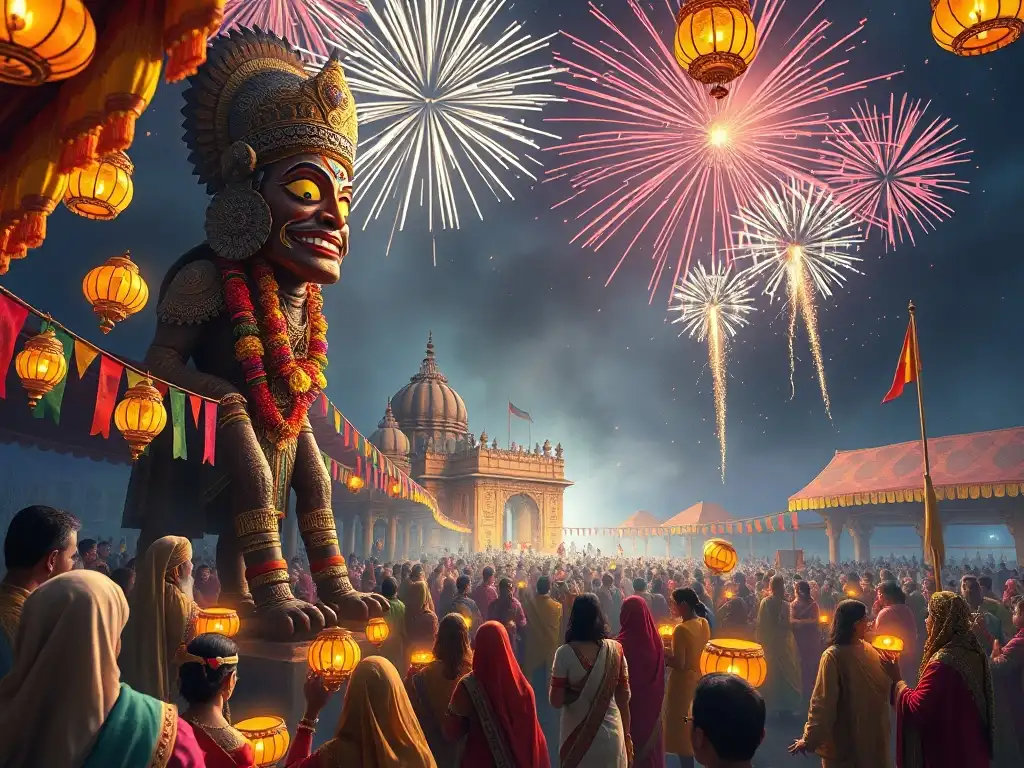
Dussehra is celebrated with a variety of rituals and traditions that vary across regions but share a common theme of celebrating the victory of good over evil. These rituals not only enhance the festive spirit but also connect the community through shared cultural practices. Each tradition offers a unique perspective on the underlying significance of the festival, emphasizing themes of devotion, valor, and the triumph of righteousness.
The Significance of Durga Puja in Dussehra Celebrations
Durga Puja is a pivotal aspect of Dussehra, especially in the eastern parts of India. It commemorates the goddess Durga's victory over Mahishasura, symbolizing the power of femininity and the divine. The elaborate rituals involved in Durga Puja, including the creation of intricately designed idols and the chanting of mantras, serve to invoke the goddess's blessings. This celebration not only fosters a sense of community but also reinforces the cultural identity rooted in ancient traditions, illustrating the festival's enduring relevance across generations.
Ramlila: The Dramatic Representation of the Dussehra Story
Ramlila, a traditional folk theatre performance, narrates the story of Lord Rama and his battle against Ravana. This dramatic representation is an integral part of Dussehra celebrations, particularly in northern India. Ramlila serves as both entertainment and a moral lesson, as the audience witnesses the triumph of good over evil through the lens of storytelling. The performances often culminate in the burning of effigies of Ravana, symbolizing the eradication of evil, and subsequently, the restoration of dharma. This tradition not only engages the community but also educates the younger generations about the values represented in the epic tales.
The Symbolism of Effigy Burning in Dussehra
The act of burning effigies during Dussehra serves as a powerful symbol of the destruction of evil. The effigies of Ravana, Meghnath, and Kumbhakarna, crafted from various materials, are set ablaze to signify the victory of righteousness. This tradition encapsulates the essence of the festival, reminding participants of the transient nature of evil and the inevitability of justice. Additionally, the public spectacle of effigy burning fosters communal harmony, as people come together to witness this dramatic conclusion to the festival, reinforcing the collective belief in the triumph of good over evil.
Cultural Impact of Dussehra in Ancient Indian Society
Dussehra, celebrated to signify the victory of good over evil, has profound cultural implications in ancient Indian society. This festival not only marked the end of the monsoon season but also served as a pivotal moment for communities to come together in celebration.
The tales of Lord Rama's battle against the demon king Ravana, as narrated in the epic Ramayana, provided a rich narrative framework that reinforced moral values and ethical behavior. Throughout ancient India, Dussehra was a time for storytelling, with bards and sages recounting the victories of deities, ultimately reinforcing the social fabric and shared beliefs within various communities.
Additionally, Dussehra was an opportunity for people to engage in various cultural practices, including dance, music, and drama. The enactments of Ram Lila, depicting the life of Lord Rama and the battle with Ravana, fostered a sense of community identity and collective memory. These performances not only entertained but also educated the populace about their cultural heritage, emphasizing the importance of righteousness and the virtues of dharma (duty). The festival thus played a crucial role in sustaining and propagating ancient Indian cultural values through generations.
Dussehra as a Unifying Festival in Ancient India
In ancient India, Dussehra served as a catalyst for unity among diverse communities. As a pan-Indian festival, it transcended regional and linguistic barriers, allowing people from different backgrounds to come together in a shared celebration. This was particularly significant in a land characterized by its myriad traditions and practices. Local variations of the festival reflected the unique cultural identities of different regions while maintaining the core theme of victory over evil.
Moreover, Dussehra acted as a communal event where people from all walks of life participated, fostering a sense of belonging and solidarity. Streets adorned with colorful decorations, communal feasts, and collective prayers created an atmosphere of joy and camaraderie. This unifying aspect of Dussehra not only strengthened community bonds but also promoted social harmony, transcending caste and class distinctions. The festival thus became a powerful symbol of collective identity, reinforcing the idea that good triumphs when people stand together.
Dussehra's Influence on Art and Literature
The significance of Dussehra has permeated various forms of art and literature throughout ancient Indian history. The narratives surrounding the festival inspired countless artists, poets, and playwrights, leading to a flourishing of creative expressions. The epic Ramayana, which serves as the backbone of Dussehra’s narrative, has been adapted into numerous regional languages, showcasing its universal appeal and the enduring themes of righteousness and valor.
In the realm of visual arts, sculptures and paintings depicting scenes from the Ramayana and the Dussehra celebrations have been pivotal in preserving the cultural heritage of ancient India. Temples dedicated to Lord Rama and other deities associated with the festival often feature intricate carvings that narrate these stories, acting as a bridge between the divine and the mortal.
Additionally, traditional dance forms like Kathak and Bharatanatyam often incorporate elements of Dussehra, bringing the stories to life through movement and expression. Thus, Dussehra has not only influenced ancient art and literature but has also become a vibrant canvas for cultural expression.
The Socio-Political Implications of Dussehra Celebrations
Dussehra celebrations in ancient India were not merely religious observances; they also held significant socio-political implications. The festival often coincided with the agricultural harvest, symbolizing prosperity and abundance. Rulers and local leaders would organize grand festivities to showcase their power and benevolence, using Dussehra as a means to strengthen their political position among the populace. This connection between the festival and governance highlighted the role of leaders in upholding dharma and protecting their subjects from evil.
Moreover, Dussehra provided a platform for people to voice their grievances and aspirations. The communal gatherings during the festival allowed for dialogues between rulers and their subjects, fostering a sense of accountability and responsiveness. In many ways, the celebrations became a barometer for social cohesion and the public sentiment of the time. Thus, Dussehra played a dual role, reinforcing cultural values while simultaneously reflecting the socio-political dynamics of ancient Indian society.
Conclusion: The Enduring Legacy of Dussehra
The legacy of Dussehra continues to resonate through the ages, firmly establishing its place in the cultural consciousness of India. The festival's core narrative of the triumph of good over evil remains relevant, inspiring generations to uphold moral values and fight against injustice. The rituals, traditions, and stories associated with Dussehra have evolved, yet they retain the essence of their ancient roots, showcasing the adaptability of cultural practices in modern society.
The Modern-Day Relevance of Dussehra Significance in Ancient India
In contemporary times, Dussehra has retained its significance as a festival that unites people across various backgrounds. The celebrations often encompass not only religious observances but also cultural fairs, showcasing India's rich artistic heritage. The emphasis on communal harmony and the collective fight against evil resonates strongly in today's context, where societal issues often challenge the ideals of justice and equality. Dussehra serves as a reminder to uphold these values, encouraging individuals to reflect on their responsibilities toward society.
Reflections on the Triumph of Good Over Evil in Today's Context
The theme of good triumphing over evil is timeless and universally relevant, particularly in today's world, where conflicts and moral dilemmas persist. Dussehra encourages a reflective approach to personal and societal challenges, urging individuals to embody the virtues of courage, integrity, and resilience exemplified by figures like Lord Rama. As people celebrate Dussehra, they are invited to engage with the narrative actively, contemplating their roles in promoting justice and righteousness in their lives and communities. The festival thus transcends its historical context, offering enduring lessons that inspire action and commitment to a better world.
- Introduction to Dussehra in Ancient India
- The Mythological Roots of Dussehra
- Ancient Texts and Their Insights on Dussehra
- Rituals and Traditions Associated with Dussehra
- Cultural Impact of Dussehra in Ancient Indian Society
- Conclusion: The Enduring Legacy of Dussehra
- What is the significance of Dussehra in ancient India?
- How did ancient texts influence the celebration of Dussehra?
- Are there any archaeological findings related to Dussehra in ancient India?
- How is Dussehra celebrated differently across regions in India?
- What lessons from Dussehra are relevant to today's society?
Frequently Asked Questions
What is the significance of Dussehra in ancient India?
Dussehra symbolizes the triumph of good over evil, commemorating Lord Rama's victory over Ravana. This festival reflects moral values and the importance of righteousness in ancient Indian culture.
How did ancient texts influence the celebration of Dussehra?
Ancient texts like the Ramayana narrate the story of Rama and Ravana, shaping the cultural practices associated with Dussehra. These texts are pivotal in understanding the mythological roots of the festival.
While specific archaeological evidence for Dussehra is scarce, findings from the Indus Valley Civilization suggest that festivals celebrating victories and harvests were integral to ancient Indian life.
How is Dussehra celebrated differently across regions in India?
Dussehra is celebrated with various local customs, including Ramlila performances in North India and Durga Puja in the East, showcasing the diversity of ancient Indian traditions.
What lessons from Dussehra are relevant to today's society?
The festival teaches the importance of dharma (righteousness) and the inevitability of justice, encouraging individuals to confront and overcome their own internal evils and challenges.
Final Reflection: Embracing the Triumph of Good Over Evil
The significance of Dussehra in ancient India resonates profoundly in today's world, reminding us of the timeless battle between good and evil. In a society often overshadowed by conflict and moral ambiguity, the lessons drawn from this festival serve as a beacon of hope and resilience. The stories of valor and righteousness that have been passed down through generations not only celebrate the victories of the past but also inspire us to confront our own challenges with courage and integrity.
Cultural narratives like those surrounding Dussehra continue to shape our social fabric, fostering a sense of unity and purpose. The tales of Lord Rama's unwavering commitment to dharma and the ultimate defeat of Ravana remind us that righteousness will always prevail, even in the darkest times. As Mahatma Gandhi once said, "> The best way to find yourself is to lose yourself in the service of others." This sentiment echoes the essence of Dussehra, urging us to embody the values of compassion and justice in our daily lives.
As we reflect on the significance of Dussehra, let us challenge ourselves to embody the spirit of this ancient festival in our modern lives. Consider how you can contribute to the triumph of good over evil in your own community. Whether through acts of kindness, standing up against injustice, or simply spreading awareness about the values that Dussehra represents, each of us has the power to make a difference. Embrace this opportunity to reflect on your role in the ongoing narrative of good versus evil, and let the lessons of Dussehra guide you toward a brighter, more just future.
Embrace the Spirit of Dussehra: Take Action Today!
Thank you for exploring the rich legacy of Dussehra with us! You've uncovered the timeless tale of good triumphing over evil, a story that resonates deeply within our culture. Now, let's bring this powerful message to life!
Here are some ways you can honor the spirit of Dussehra:
- Join a local celebration: Attend a Dussehra event in your community to connect with others and witness vibrant cultural traditions firsthand.
- Share the story: Discuss the legend and its significance with family and friends to inspire reflection on the values of courage and righteousness.
- Reflect through art: Create an artwork or write a short poem that embodies the theme of triumph over adversity. Share it on social media and encourage others to do the same!
What does the legend of Dussehra teach you about overcoming challenges in your own life? **We invite you to share your thoughts in the comments below! **