
The Ancient Festivals of Jainism: A Celebration of Nonviolence and Peace

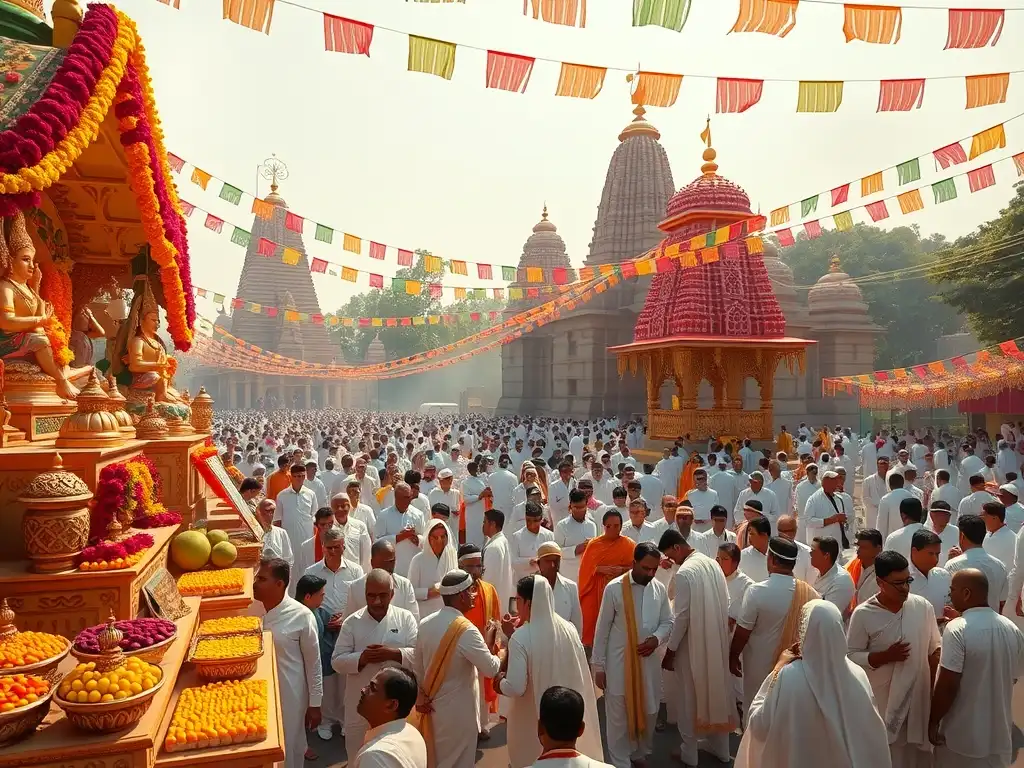
Welcome to Ancient India History, where we embark on a captivating journey through the rich tapestry of ancient Indian civilizations. Today, we invite you to delve into the significance of ancient Jain festivals, where vibrant celebrations intertwine with profound principles of nonviolence and peace. Discover how these festivals not only honor age-old traditions but also illuminate the remarkable contributions of Jainism to India's cultural heritage. Prepare to be inspired as we explore the depths of these timeless festivities and their enduring impact on society. Join us as we uncover the stories that have shaped a civilization!
Exploring the ancient festivals of Jainism reveals a profound connection to the core principles of nonviolence and peace that define this rich tradition. Jain festivals are not merely occasions for celebration; they embody the essence of Jain philosophy, which emphasizes the sanctity of life, compassion, and spiritual growth. From the revered rituals of Paryushana to the joyous observances of Mahavir Jayanti, these festivals serve as pivotal moments in the Jain calendar, fostering a sense of community and reinforcing the values of ahimsa (nonviolence) and aparigraha (non-possessiveness).
As we delve into the significance of these ancient Jain festivals, it becomes evident that they are deeply rooted in the spiritual and cultural landscape of India. Each festival offers unique insights into the teachings of Lord Mahavira and the historical evolution of Jain communities. Understanding the significance of these celebrations not only enhances our appreciation for Jainism but also sheds light on the broader tapestry of ancient Indian traditions.
In this article, we will explore the various ancient Jain festivals, their historical context, and their enduring relevance in contemporary society. Join us as we celebrate the legacy of Jainism through its vibrant festivals, which continue to inspire millions around the world with their message of peace and harmony.
- Introduction to Jainism and Its Festivals
- The Significance of Ancient Jain Festivals
- Major Ancient Jain Festivals
- Rituals and Practices Associated with Jain Festivals
- The Impact of Ancient Jain Festivals on Society
- Conclusion: The Enduring Legacy of Ancient Jain Festivals
- Frequently Asked Questions
- Final Reflection: Celebrating Nonviolence Through Ancient Jain Festivals
- Embrace Peace: Celebrate Jain Festivals Today!
Introduction to Jainism and Its Festivals
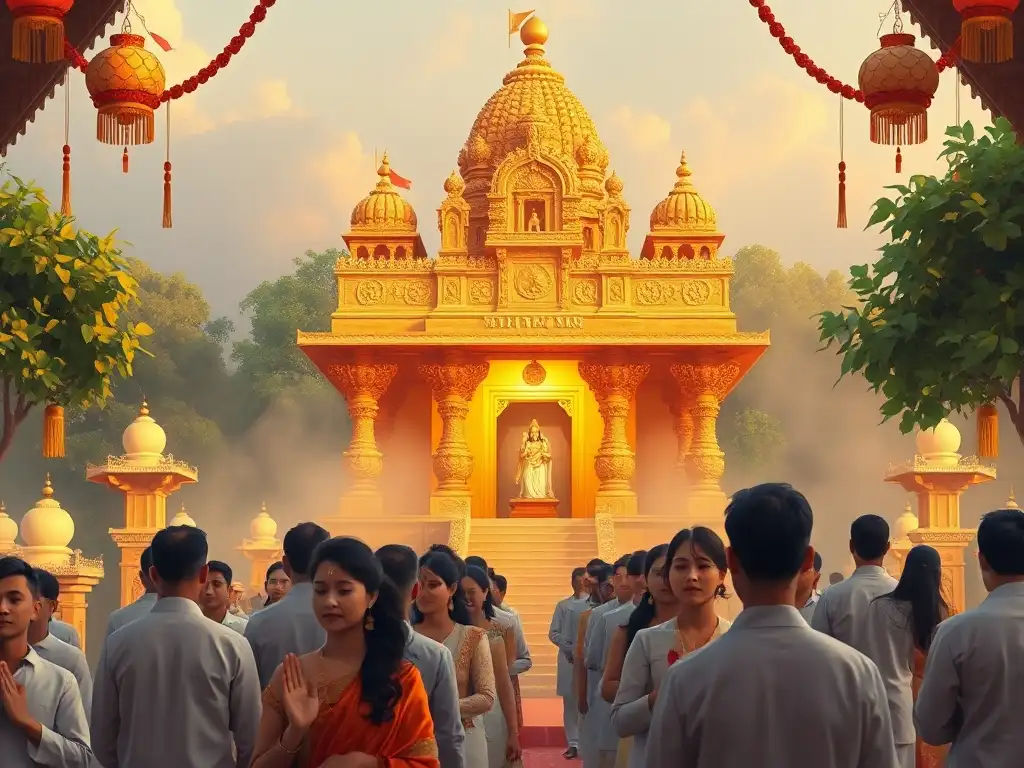
Jainism, one of the oldest religions in the world, has a profound influence on the cultural and spiritual landscape of ancient India. With its foundational principles rooted in nonviolence (ahimsa), truth (satya), and asceticism, Jainism has cultivated a rich tapestry of festivals that celebrate these core values. These ancient Jain festivals are not merely occasions for celebration; they embody significant teachings and practices that reinforce the commitment to a peaceful existence.
Overview of Jainism and Its Core Principles
Jainism is characterized by its unique philosophical approach, which emphasizes the importance of individual souls (jivas) and their journey toward liberation (moksha). This journey is guided by the following core principles:
- Ahimsa (Nonviolence): The most crucial tenet of Jainism, ahimsa promotes the avoidance of harm to any living being. This principle extends beyond human interactions to encompass all forms of life, including animals, plants, and even microorganisms.
- Satya (Truthfulness): Truth is regarded as a vital virtue in Jainism. Practitioners strive to uphold honesty in their thoughts, words, and actions, fostering an environment of trust and integrity.
- Asteya (Non-stealing): This principle encourages respect for others’ possessions and promotes the ethical pursuit of wealth through honest means.
- Brahmacharya (Celibacy or Chastity): For ascetics, brahmacharya embodies complete renunciation of sexual activity, while for laypersons, it denotes fidelity and self-control in relationships.
- Aparigraha (Non-possessiveness): This principle advocates for detachment from material possessions and desires, emphasizing spiritual growth over material gain.
These principles not only guide the lives of Jains but also serve as the foundation for their numerous festivals, each designed to reinforce and celebrate these values.
Importance of Nonviolence and Peace in Jainism
The significance of nonviolence and peace in Jainism cannot be overstated. These principles are woven into the very fabric of Jain festivals, which serve as platforms for education, reflection, and community bonding.
- Celebration of Ahimsa: Festivals such as Paryushana highlight the importance of nonviolence. During this period, Jains engage in fasting, prayer, and reflection, seeking to purify their souls and reaffirm their commitment to ahimsa.
- Community Engagement: Jain festivals encourage communal harmony and peace. Events like Mahavir Jayanti, which celebrates the birth of Lord Mahavir, feature processions and gatherings that promote unity and compassion among attendees.
- Spiritual Reflection: Festivals provide an opportunity for Jains to reflect on their actions and their impact on the world. The practice of forgiveness during the festival of Kshamavani emphasizes the importance of resolving conflicts and nurturing peaceful relations with others.
- Cultural Transmission: Through rituals and shared experiences, ancient Jain festivals transmit the values of nonviolence and peace to future generations, ensuring that these principles remain integral to Jain identity and practice.
The ancient Jain festivals not only celebrate the rich heritage of Jainism but also serve as vital expressions of its core principles, particularly nonviolence and peace. The significance of these festivals transcends mere ritual; they are essential to the preservation and propagation of Jain values within society.
The Significance of Ancient Jain Festivals
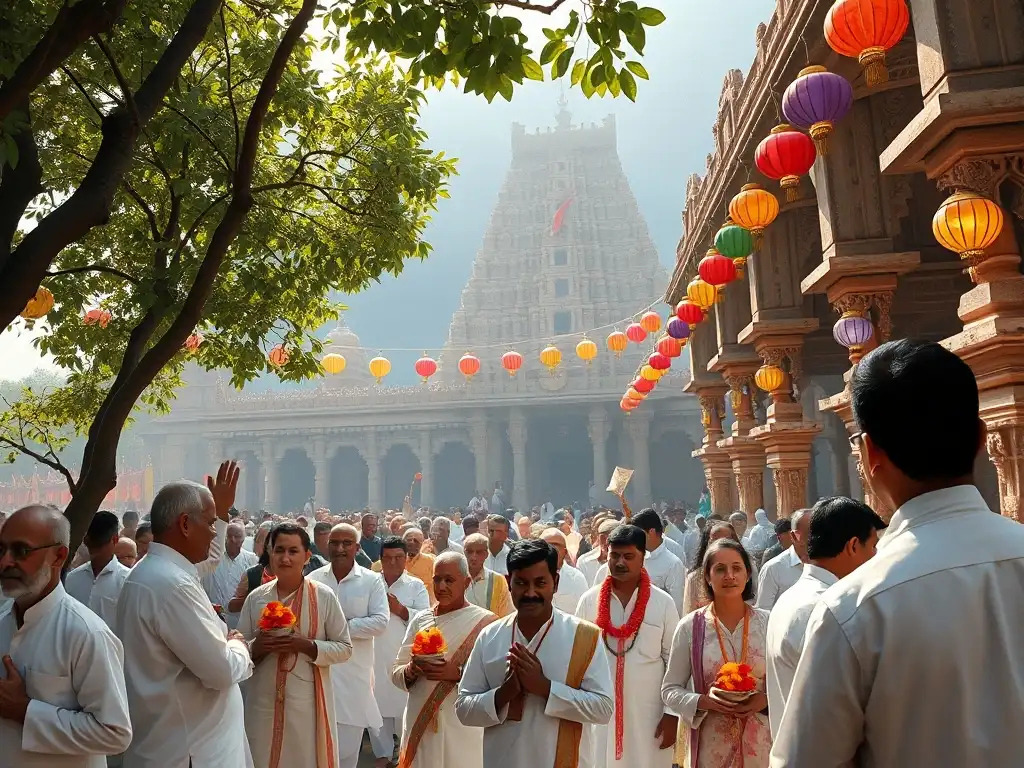
Jain festivals play a pivotal role in promoting the core tenets of Jainism, particularly the principles of nonviolence (ahimsa), truth (satya), and asceticism. These festivals serve not only as occasions for community gathering and celebration but also as opportunities for introspection, spiritual growth, and the reaffirmation of ethical values. By engaging in various rituals, prayers, and communal activities, Jains strengthen their commitment to a lifestyle rooted in peace and compassion.
Understanding the Role of Festivals in Jain Culture
Festivals in Jain culture are rich in symbolism and meaning, reflecting the philosophical foundations of Jainism. Each festival is associated with specific historical events, revered Tirthankaras (spiritual teachers), or the cycle of nature, which further emphasizes the connection between spirituality and environmental consciousness.
- Commemoration of Tirthankaras: Many festivals celebrate the birth, enlightenment, or liberation of Tirthankaras, particularly Mahavira, the last Tirthankara. These commemorations are significant as they remind followers of the teachings and virtues embodied by these spiritual leaders.
- Community Bonding: Festivals foster a sense of unity among Jains. They provide an opportunity for communal prayers, feasting, and sharing of resources, reinforcing the importance of togetherness and mutual support within the community.
- Moral Reflection: The rituals and practices observed during these festivals encourage practitioners to reflect on their actions and intentions. Engaging in acts of charity and nonviolence during these times cultivates a deeper understanding of Jain ethics.
- Rituals and Practices: Common practices during Jain festivals include fasting, performing puja (worship), and participating in processions. These activities not only hold religious significance but also serve as a means to express devotion and gratitude.
Ancient Jain Festivals Significance in Promoting Nonviolence
The significance of ancient Jain festivals extends beyond mere celebration; they are a powerful platform for promoting the principle of nonviolence. Through various observances, Jains are reminded of the importance of compassion towards all living beings and the ethical implications of their actions.
- Ahimsa Day: One of the most notable observances is Ahimsa Day, where practitioners engage in activities that promote nonviolence. This day serves as a reminder of the commitment to refrain from causing harm to any living being, aligning with the fundamental principles of Jainism.
- Paryushana: This festival, often regarded as a time for self-reflection and forgiveness, emphasizes the importance of nonviolence in personal conduct. During Paryushana, Jains seek to purify their souls by practicing forgiveness and renunciation, fostering a spirit of peace.
- Celebration of Nature: Festivals often coincide with seasonal changes, highlighting the Jains' reverence for nature. By celebrating the natural world, Jains reinforce their commitment to protecting the environment and all forms of life, showcasing how spirituality and ecological responsibility intertwine.
- Acts of Charity: Festivals encourage acts of charity, which is a practical manifestation of nonviolence. By helping those in need, Jains demonstrate their commitment to compassion and altruism, further instilling the values of Jain philosophy in everyday life.
The ancient Jain festivals not only commemorate historical and spiritual milestones but also serve as vital instruments for nurturing a culture of peace and nonviolence, which remains essential to the essence of Jainism today.
Major Ancient Jain Festivals
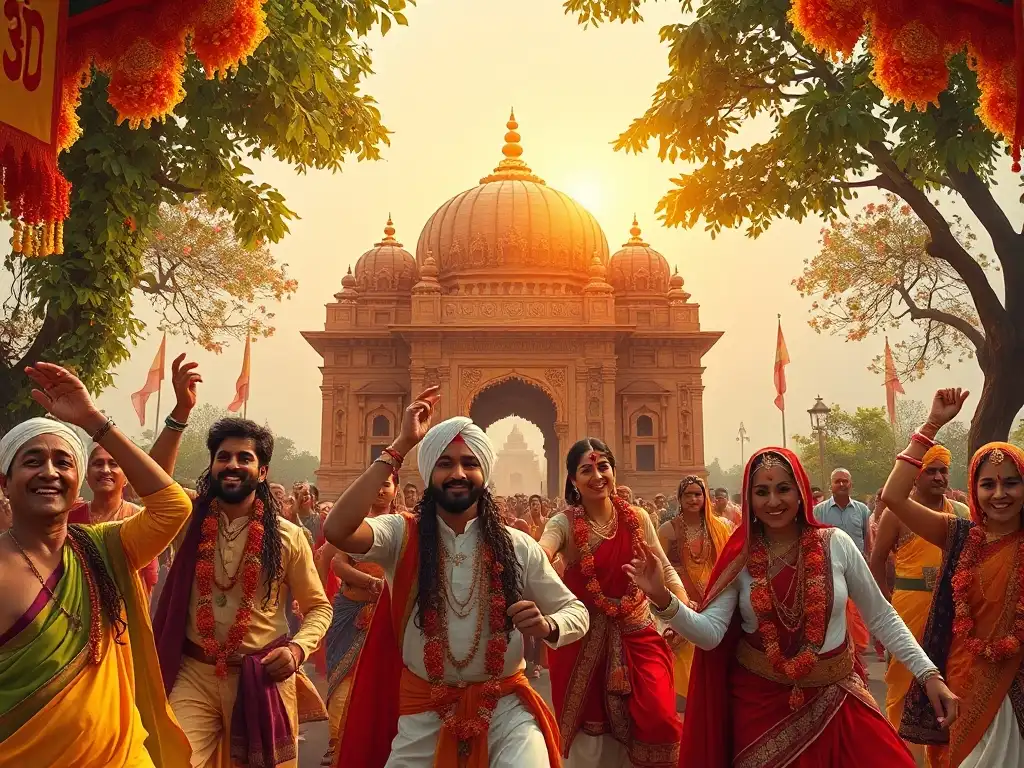
Paryushana: The Festival of Forgiveness
Historical Context of Paryushana
Paryushana, one of the most significant festivals in Jainism, is celebrated annually by the followers of both the Digambara and Svetambara sects. The festival typically occurs in the month of Bhadrapada (August-September) and lasts for eight days for the Svetambaras and ten days for the Digambaras. Historically, Paryushana symbolizes the culmination of the spiritual journey undertaken by Jains during the monsoon season when many monks and nuns refrain from travel.
This period allows practitioners to reflect on their actions, seek forgiveness, and strengthen their resolve toward nonviolence and compassion. The term "Paryushana" itself means "to stay in one place," which aligns with the tradition of monks residing in a single location to facilitate deeper meditation and contemplation.
Rituals and Celebrations during Paryushana
During Paryushana, Jains engage in a variety of rituals and practices that emphasize introspection and spiritual growth. Key activities include:
- Pratikraman: A ritual of repentance performed daily, where followers recite prayers that seek forgiveness for any harm caused to living beings, intentionally or unintentionally.
- Meditation and Penance: Devotees often observe stricter vows, including fasting and increased meditation, to purify their souls.
- Community Gatherings: Temples become centers of activity where devotees come together for communal prayers, discourses, and discussions on Jain philosophy.
- Candle Offerings: Lighting lamps symbolizes the dispelling of ignorance and the illumination of the path toward enlightenment.
This festival serves as a profound reminder of the principles of Jainism, focusing on ahimsa (nonviolence), truth, and harmony.
Mahavir Jayanti: Honoring Lord Mahavir
Significance of Mahavir Jayanti
Mahavir Jayanti marks the birth of Lord Mahavir, the 24th Tirthankara of Jainism, and is celebrated with great reverence by Jains across the globe. This festival typically falls in March or April, on the 13th day of the month of Chaitra.
The significance of Mahavir Jayanti goes beyond mere celebration; it is a day to reflect upon the teachings of Lord Mahavir, who espoused the principles of nonviolence, truthfulness, and asceticism. His teachings serve as a guiding light for millions, fostering a deep commitment to ethical living and spiritual growth. The festival underscores the importance of living in harmony with all living beings and promotes the core values of Jainism.
Traditional Practices and Celebrations
The celebrations of Mahavir Jayanti are rich with traditional practices that highlight the teachings of Lord Mahavir. Notable practices include:
- Processions: Devotees participate in grand parades carrying flags and images of Lord Mahavir, often accompanied by music and chanting of prayers.
- Temple Rituals: Temples are adorned with flowers, and special prayers and hymns are recited to honor Mahavir's life and teachings.
- Acts of Charity: In the spirit of giving, many engage in charitable activities, such as donating food and clothing to the less fortunate, embodying the principles of compassion and service.
- Lectures and Discourses: Scholars and spiritual leaders deliver talks emphasizing the relevance of Mahavir's teachings in contemporary life, inspiring the community to embrace his ideals.
Through these diverse activities, Mahavir Jayanti serves as a vibrant celebration of faith, encouraging followers to embody the virtues of peace and nonviolence in their everyday lives.
Diwali: The Festival of Lights in Jainism
Diwali, widely celebrated across India, holds a particularly significant place in Jainism. For Jains, this festival commemorates the attainment of liberation (moksha) by Lord Mahavira, the 24th Tirthankara, who achieved nirvana on this auspicious day. The festival is marked by a deep sense of spirituality, reflecting the Jain principles of nonviolence and peace.
During Diwali, Jains often participate in rituals that express gratitude for the teachings of Mahavira and reaffirm their commitment to the principles of Jainism. The festival is not just a time for celebration but also for introspection and spiritual renewal. Homes are adorned with earthen lamps (diyas), symbolizing the dispelling of ignorance and the welcoming of knowledge and enlightenment.
The observance of Diwali in Jainism encompasses several days, each with its unique significance and rituals, emphasizing the core values of the faith.
Jain Observances during Diwali
Jains observe Diwali over a span of five days, each day dedicated to specific rituals and reflections:
- Dhanteras: The festival kicks off with Dhanteras, which is a day dedicated to worshipping wealth and prosperity. Jains clean their homes and purchase new items, particularly metal utensils and gold, as a sign of good fortune.
- Naraka Chaturdashi (Choti Diwali): The second day, known as Naraka Chaturdashi, commemorates the victory of Lord Krishna over the demon Narakasura. Jains observe this day by performing rituals to seek purification and forgiveness.
- Diwali: The main day of Diwali is marked by spiritual gatherings and prayers. Jains visit temples to offer prayers and perform rituals in honor of Lord Mahavira. The lighting of lamps is a significant aspect, symbolizing the inner light of knowledge dispelling darkness.
- Govardhan Puja: The day following Diwali is celebrated as Govardhan Puja, where Jains acknowledge the importance of nature and the environment. It is a time for reflection on the interconnectedness of life.
- Bhai Dooj: The festival concludes with Bhai Dooj, celebrating the bond between brothers and sisters. Jains express love and gratitude towards family, reinforcing the values of compassion and care.
These observances are not merely festive activities but are imbued with deep spiritual significance, reminding Jains of their commitment to nonviolence and the pursuit of truth.
The Symbolism of Light and Knowledge in Jainism
In Jainism, light symbolizes knowledge, wisdom, and the eternal soul. The Festival of Lights serves as a poignant reminder of the journey from ignorance to enlightenment. The illumination of lamps during Diwali signifies the dispelling of darkness, which metaphorically represents ignorance and delusion.
Jains believe that just as a lamp requires oil to burn, the soul requires knowledge to attain liberation. This understanding reinforces the significance of learning and spiritual growth in Jain philosophy. The act of lighting lamps is seen as an offering of gratitude for the teachings of Tirthankaras, who illuminate the path toward liberation.
Furthermore, the emphasis on nonviolence (ahimsa) during this festival resonates with the broader principles of Jainism. The celebration of Diwali encourages individuals to reflect on their actions, promote peace, and cultivate compassion towards all living beings. It is a powerful reminder that enlightenment comes not only through knowledge but also through the practice of love and nonviolence in everyday life.
Through these observances and their underlying symbolism, the ancient Jain festivals like Diwali serve to reinforce the significance of knowledge, peace, and the eternal quest for spiritual awakening in the lives of Jains.
Rituals and Practices Associated with Jain Festivals
Common Rituals in Jain Festivals
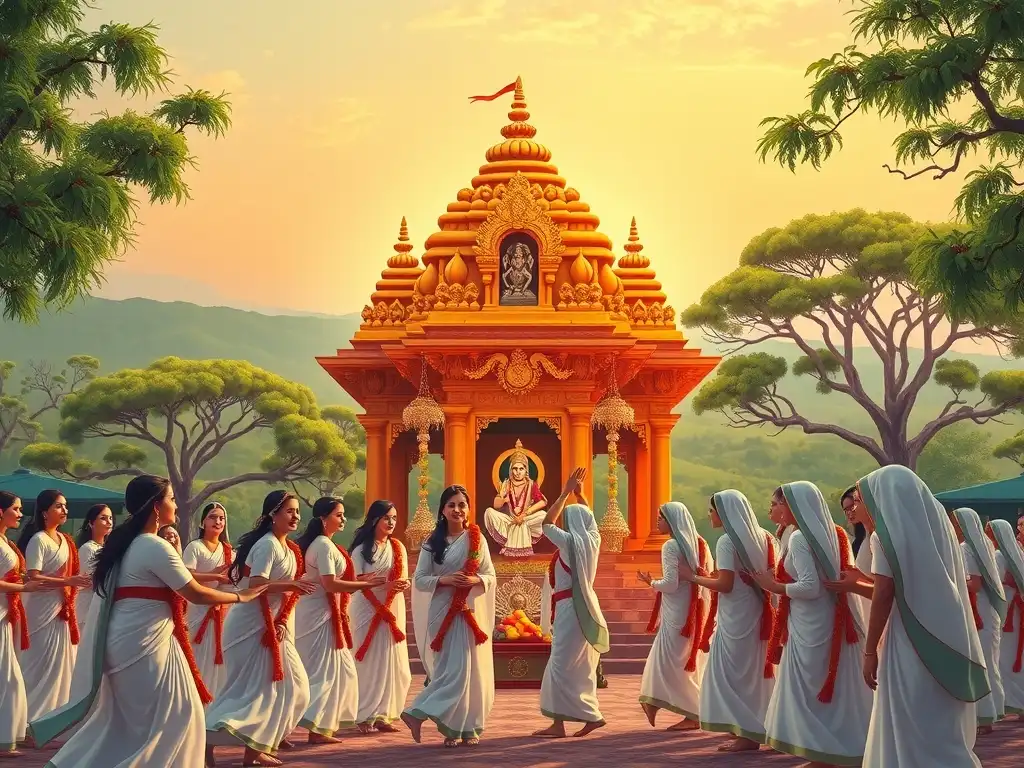
Jain festivals are marked by a variety of rituals that embody the core principles of Jainism, particularly the emphasis on nonviolence (ahimsa) and spiritual purification. These rituals often serve to foster community bonds and reinforce the teachings of Jainism. Common practices include:
- Puja (Worship): This involves the ceremonial worship of Tirthankaras (enlightened beings) through offerings of flowers, fruits, and incense. Devotees engage in prayers that reflect their reverence and seek blessings for spiritual growth.
- Meditation and Reflection: During festivals, Jains dedicate time to meditate and reflect on their actions and intentions. This practice promotes inner peace and aligns with the festival's themes of nonviolence and compassion.
- Recitation of Scriptures: Many festivals include the recitation of sacred texts, such as the Agamas and other Jain scriptures. These readings serve to educate participants about Jain philosophy and ethics.
Importance of Fasting and Prayer
Fasting is a significant aspect of Jain festivals, symbolizing self-discipline and spiritual purification. Jains practice various forms of fasting, ranging from complete abstention from food to partial fasting, depending on the festival's significance. For example, during the festival of Paryushana, many Jains observe an eight-day fast, culminating in a day of forgiveness.
The act of fasting is complemented by prayer, which serves multiple purposes:
- Spiritual Cleansing: Fasting is believed to cleanse the soul and reduce karma, which aligns with the Jain principle of liberation from the cycle of birth and death.
- Focus on Nonviolence: By abstaining from certain foods, especially those that involve harm to living beings (like root vegetables), Jains practice ahimsa in their daily lives.
- Community and Family Bonds: Fasting often includes family gatherings, where members come together to share meals and support each other's spiritual journeys.
Role of Community in Celebrations
The communal aspect of Jain festivals is vital in fostering a sense of belonging and shared identity among adherents. Community involvement manifests in various ways:
- Organized Gatherings: Festivals often feature community-wide gatherings, where Jains come together to participate in rituals, listen to discourses, and partake in communal meals (sharbat).
- Charitable Acts: During festivals, Jains engage in acts of charity, such as feeding the less fortunate or supporting local welfare initiatives. These acts reinforce the teachings of compassion and nonviolence.
- Cultural Performances: Many festivals include cultural activities, such as dance and drama, that depict Jain teachings and stories. These performances not only entertain but also educate the community about their rich heritage.
Unique Traditions of Each Festival
Every Jain festival has its own unique traditions that reflect the diversity within Jain practices. While the core principles of nonviolence and spirituality remain constant, the way these festivals are celebrated can vary significantly.
Regional Variations in Celebrations
The celebrations of Jain festivals differ across regions, influenced by local customs and cultural practices. Here are a few examples:
- Paryushana: In Western India, especially in Gujarat and Rajasthan, Paryushana is celebrated with intense fervor, involving extensive fasting and community gatherings. In contrast, in Southern India, the focus may be more on individual prayer and meditation.
- Mahavir Jayanti: This festival marks the birth of Lord Mahavira, the last Tirthankara. Celebrations in North India often include processions and public gatherings, while in South India, the emphasis is on temple worship and personal devotion.
- Diwali: For Jains, Diwali signifies the attainment of moksha by Lord Mahavira. While Hindus celebrate it as the return of Lord Rama, Jains focus on lighting lamps as a symbol of knowledge dispelling ignorance. The regional differences may include variations in the types of sweets prepared and the rituals performed.
These regional variations highlight the adaptability of Jain traditions and the importance of local culture in shaping the celebration of ancient Jain festivals. Each festival, while rooted in the same fundamental beliefs, offers a unique perspective on the principles of Jainism, fostering a rich tapestry of communal and spiritual life.
The Impact of Ancient Jain Festivals on Society
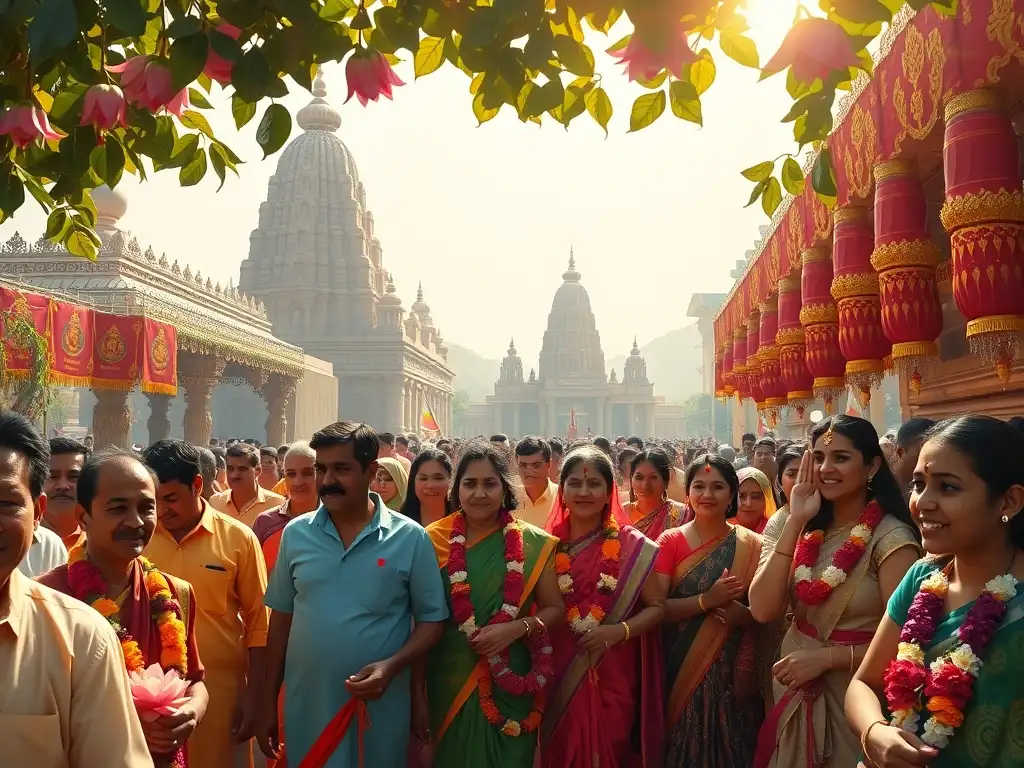
Jain festivals, deeply rooted in the principles of nonviolence (ahimsa) and compassion, have historically played a pivotal role in shaping societal values and community interactions. These festivals are not merely religious observances but are significant events that promote social cohesion, cultural identity, and ethical living among the followers of Jainism. The essence of these celebrations reflects a commitment to peace and harmony, influencing both individual behavior and collective community dynamics.
Ancient Jain festivals serve as a vital platform for fostering social harmony and strengthening community bonds. Key festivals such as Paryushana and Mahavir Jayanti encourage participation not only among Jains but also invite individuals from diverse backgrounds to engage in dialogues about nonviolence and ethical living.
- Community Gatherings: During these festivals, communities come together for prayers, discussions, and celebrations, reinforcing relationships and promoting unity. The communal aspect is essential as it allows individuals to share their experiences, thus fostering a sense of belonging.
- Acts of Charity: Festivals often emphasize acts of charity, with many Jains practicing dana (giving) during these times. This tradition encourages social responsibility and collective action towards communal welfare, further solidifying community ties.
- Cultural Exchange: Festivals also act as a medium for cultural exchange. By inviting people from different faiths and backgrounds to partake in celebrations, ancient Jain festivals promote understanding and respect among diverse groups, which is crucial in maintaining social harmony.
In essence, these celebrations embody the values of Jainism, encouraging adherents to live peacefully and harmoniously with others, while also inviting non-Jains to appreciate the significance of nonviolence in society.
Festivals as a Means of Cultural Preservation
Ancient Jain festivals play a crucial role in preserving and transmitting Jain culture and heritage across generations. Through rituals, narratives, and communal practices, these festivals ensure that essential teachings and traditions remain vibrant and relevant.
- Ritual Practices: The rituals performed during festivals like Diwali (celebrated as the day of Lord Mahavir's attainment of nirvana) and Navapad Oli reinforce core Jain philosophies. These practices not only celebrate historical events but also educate participants about the principles of Jainism, such as nonviolence and truthfulness.
- Storytelling and Education: Festivals provide an opportunity for storytelling, where tales of revered Tirthankaras and historical figures are shared. These narratives serve to instill moral values and ethical guidelines among community members, especially the youth, ensuring that the teachings of Jainism are passed down through the ages.
- Art and Craft: The artistic expressions seen during Jain festivals, such as rangoli designs or the creation of intricate jain mandirs (temples), reflect the rich cultural heritage of Jainism. These artistic practices not only celebrate the faith but also keep traditional crafts alive, linking the past with the present.
Ancient Jain festivals are far more than mere celebrations; they are instrumental in promoting social harmony and preserving cultural identity. By embodying the principles of nonviolence and community spirit, these festivals continue to hold significant relevance in contemporary society, contributing to a peaceful and cohesive social fabric.
Conclusion: The Enduring Legacy of Ancient Jain Festivals
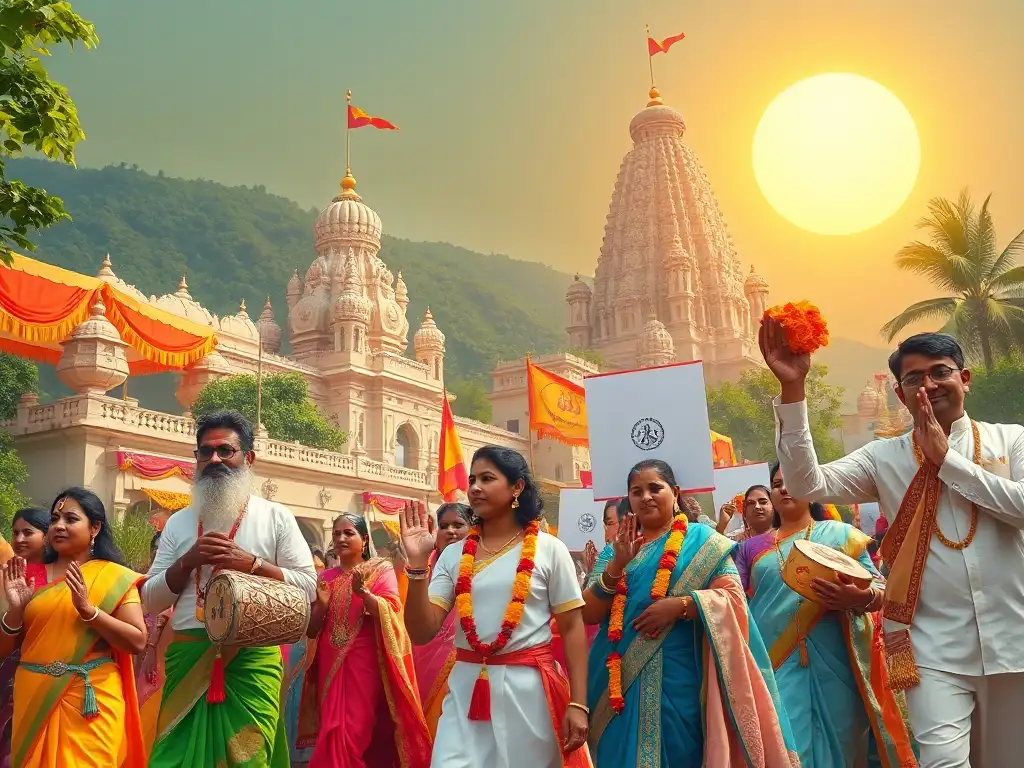
The ancient Jain festivals hold a profound significance that transcends time, reflecting the core principles of Jainism, such as nonviolence (ahimsa), truth (satya), and compassion (karuna). These festivals, deeply rooted in the teachings of Tirthankaras, serve not only as occasions for celebration but also as reminders of the ethical and spiritual values that guide the Jain community. By commemorating events such as Paryushana and Mahavir Jayanti, Jains reinforce their commitment to peace and the pursuit of spiritual enlightenment.
The legacy of these festivals is evident in their ability to foster community bonds, promote ethical living, and inspire individuals to engage in self-reflection and personal growth. The rituals and practices associated with these festivals encourage devotees to renew their vows of nonviolence and compassion, reinforcing their dedication to living harmoniously with all beings.
Reflection on the Continued Relevance of Jain Festivals Today
In contemporary society, the relevance of ancient Jain festivals remains robust. As the world grapples with conflicts and environmental challenges, the principles embodied in these festivals resonate more than ever. The celebration of nonviolence, especially in the context of ecological sustainability, offers a vital framework for addressing modern dilemmas.
Moreover, Jain festivals are instrumental in passing down cultural values to younger generations. They provide a platform for community gatherings, allowing families to connect with their heritage while fostering a sense of belonging. Events like Paryushana, which emphasize introspection and forgiveness, encourage individuals to engage in dialogue and reconciliation, promoting peace within and beyond the Jain community.
Future of Jain Festivals and Their Significance in Modern Society
Looking towards the future, Jain festivals are poised to evolve while retaining their foundational significance. The increasing global interest in ethical living and sustainability aligns with Jain teachings, presenting opportunities for broader outreach and engagement. As more people become aware of the importance of nonviolence and compassion, Jain festivals can serve as a model for promoting these values in various cultural contexts.
Innovative approaches to celebrating these festivals, including interfaith dialogues and community service initiatives, can help integrate Jain principles into the wider societal fabric. The potential for collaboration with other spiritual and cultural traditions presents an avenue for shared learning and mutual respect, further amplifying the significance of Jain festivals in a diverse world.
The ancient Jain festivals embody enduring principles that continue to inspire individuals and communities today. As society navigates complex challenges, the teachings of Jainism, celebrated through these festivals, serve as a beacon of hope for a more peaceful and compassionate world.
Frequently Asked Questions
What are the main ancient Jain festivals celebrated?
Ancient Jain festivals include Paryushana, Mahavir Jayanti, and Diwali. Each festival has its own significance in promoting values of nonviolence and spiritual growth.
How does Paryushana reflect the principles of Jainism?
Paryushana emphasizes self-reflection and forgiveness. During this festival, Jains engage in fasting and introspection, seeking to purify their souls and cultivate compassion.
What role does Mahavir Jayanti play in Jain culture?
Mahavir Jayanti celebrates the birth of Lord Mahavir, the 24th Tirthankara. It holds a significant place in Jainism, inspiring followers to embrace the principles of truth and nonviolence.
Why is the significance of Diwali different for Jains?
For Jains, Diwali marks the liberation of Lord Mahavir’s soul. It is a time for celebration and spiritual reflection, emphasizing the triumph of light over darkness and knowledge over ignorance.
How do ancient Jain festivals contribute to modern Jain identity?
These festivals reinforce the values of Jainism, such as ahimsa (nonviolence) and aparigraha (non-attachment). They help in maintaining cultural heritage and fostering a sense of community among Jains today.
Final Reflection: Celebrating Nonviolence Through Ancient Jain Festivals
The significance of ancient Jain festivals resonates profoundly in today's world, where the principles of nonviolence and peace are more crucial than ever. In a time marked by conflict and division, the teachings and celebrations of Jainism offer a powerful reminder of the values we must embrace to foster harmony in our communities. These festivals not only commemorate historical events but also serve as a call to action, urging us to reflect on our own behaviors and the impact they have on others.
Celebrating ancient Jain festivals is not merely a ritual; it is a cultural touchstone that continues to shape our understanding of compassion and coexistence. The teachings of Jainism encourage us to live with mindfulness and respect for all living beings, influencing social movements and personal choices alike. As Mahatma Gandhi once said, "> Nonviolence is the greatest force at the disposal of mankind." This sentiment echoes through the ages, reminding us that the essence of these festivals is not confined to the past but is a living, breathing philosophy that can guide our actions today.
As we reflect on the lessons embedded within the ancient festivals of Jainism, I invite you to consider how you can incorporate the values of nonviolence and peace into your daily life. Take a moment to pause, reflect, and act with intention. Whether through small acts of kindness, promoting understanding in your community, or simply practicing patience, each step contributes to a larger movement towards a more peaceful world. Let the spirit of these ancient celebrations inspire you to be a beacon of nonviolence in your own life, fostering a legacy of compassion for future generations.
Embrace Peace: Celebrate Jain Festivals Today!
Thank you for diving into the fascinating world of Jain festivals! You've uncovered how these ancient celebrations embody the principles of nonviolence and peace. Now, it’s time to take that inspiration and channel it into action.
Here are some simple and meaningful ways to connect with the essence of Jainism:
- Participate in a local Jain festival: Seek out nearby celebrations to experience the vibrancy and teachings of these traditions firsthand.
- Share what you’ve learned: Discuss the values of nonviolence with friends and family, and inspire them to reflect on their own practices.
- Explore Jain literature: Dive into texts that celebrate these principles and deepen your understanding of this peaceful way of life.
Which Jain festival resonates with you the most, and how will you incorporate its teachings into your daily life? **We encourage you to share your thoughts and experiences below! **