
The Role of Music and Dance in Ancient Indian Festivals

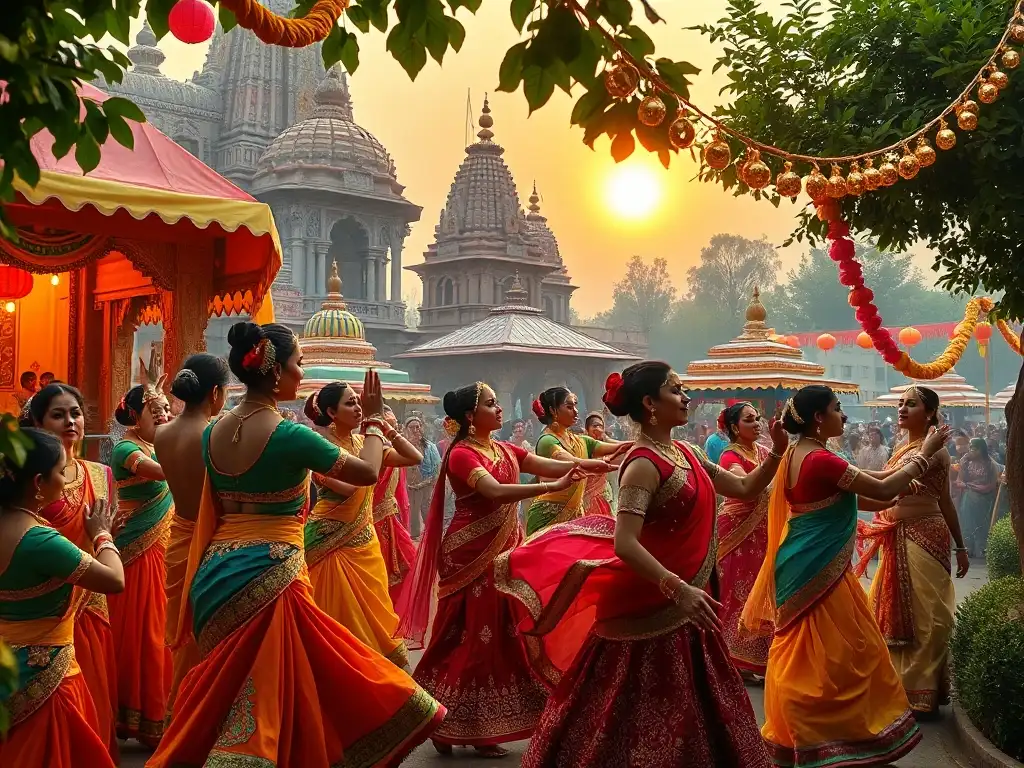
Welcome to Ancient India History, where we invite you to journey through the vibrant tapestry of one of the world's oldest civilizations. In this exploration, we delve into the captivating realm of ancient Indian music and dance, uncovering how these art forms played a pivotal role in shaping the festivals and traditions of the time.
From the rhythmic beats that echoed in the grand celebrations to the graceful movements that told stories of devotion and joy, the significance of music and dance in ancient Indian culture will leave you enchanted. Stay with us as we unveil the mesmerizing connections between art, spirituality, and community that have resonated through the ages.
- Introduction to Ancient Indian Music and Dance
- Historical Context of Ancient Indian Music and Dance
- Types of Music in Ancient Indian Festivals
- Dance Forms Associated with Ancient Indian Festivals
- The Role of Music and Dance in Specific Ancient Indian Festivals
- Symbolism and Themes in Ancient Indian Music and Dance
- Conclusion: The Enduring Legacy of Ancient Indian Music and Dance
-
Frequently Asked Questions
- What was the significance of music in ancient Indian festivals?
- How did dance contribute to ancient Indian culture?
- What types of music were popular during ancient Indian festivals?
- How did ancient Indian music influence modern practices?
- Were there specific instruments associated with ancient Indian music and dance?
- Final Reflection: The Enduring Legacy of Ancient Indian Music and Dance
- Experience the Rhythms of Ancient Celebration!
Introduction to Ancient Indian Music and Dance
Exploring the intricate tapestry of ancient Indian music and dance reveals the profound role these art forms played in the vibrant festivals of various Indian civilizations. From the Indus Valley Civilization to the flourishing Gupta Empire, music and dance were not merely entertainment; they were integral to religious ceremonies, social gatherings, and cultural expressions.
These performances were often steeped in symbolism, connecting the earthly to the divine, and embodying the rich spiritual beliefs of the time. As we delve into this fascinating subject, we will uncover how music and dance not only enriched ancient festivals but also served as a medium for storytelling, community bonding, and the preservation of traditions.
Overview of Music and Dance in Ancient Indian Festivals
Ancient Indian festivals were characterized by a celebration of life, spirituality, and community, with music and dance serving as central elements. Festivals such as Diwali, Holi, and Pongal featured a variety of musical styles and dance forms, reflecting regional diversity and cultural richness.
- Types of Music:
- Vedic Chants: Integral to rituals and ceremonies, these chants were believed to invoke divine blessings.
- Folk Music: Rooted in local traditions, folk music varied from region to region, celebrating harvests, weddings, and other communal events.
- Classical Music: Emerging from ancient texts, Hindustani and Carnatic music became prominent, with structured ragas and talas that enriched festival celebrations.
- Dance Forms:
- Classical Dances: Styles such as Bharatanatyam, Kathak, and Odissi were performed during festivals, narrating tales from mythology and epics.
- Folk Dances: Each region had its unique folk dances, like Bhangra in Punjab and Garba in Gujarat, fostering communal spirit and joy.
Through these art forms, festivals became a canvas for expressing devotion, celebrating nature, and reinforcing social bonds, making music and dance indispensable to the ancient Indian festival experience.
Importance of Music and Dance in Cultural Expression
The significance of music and dance in ancient Indian festivals transcends mere entertainment; they were vital expressions of cultural identity and community cohesion.
- Religious Significance: Music and dance were often part of worship rituals, believed to please deities. For instance, during Navaratri, dance forms like Garba and Dandiya are performed to honor the goddess Durga.
- Storytelling Medium: Through expressive movements and lyrical compositions, ancient performance arts conveyed epic tales and moral lessons, ensuring the transmission of cultural narratives across generations.
- Social Cohesion: Festivals brought together people from diverse backgrounds, fostering unity and a shared sense of belonging. The communal participation in music and dance helped reinforce community ties and collective identity.
The role of music and dance in ancient Indian festivals not only enriched the celebratory atmosphere but also served as a vital link to the spiritual, social, and cultural fabric of ancient Indian life. As we continue to explore this topic, we will delve deeper into specific festivals and their unique musical and dance traditions.
Historical Context of Ancient Indian Music and Dance
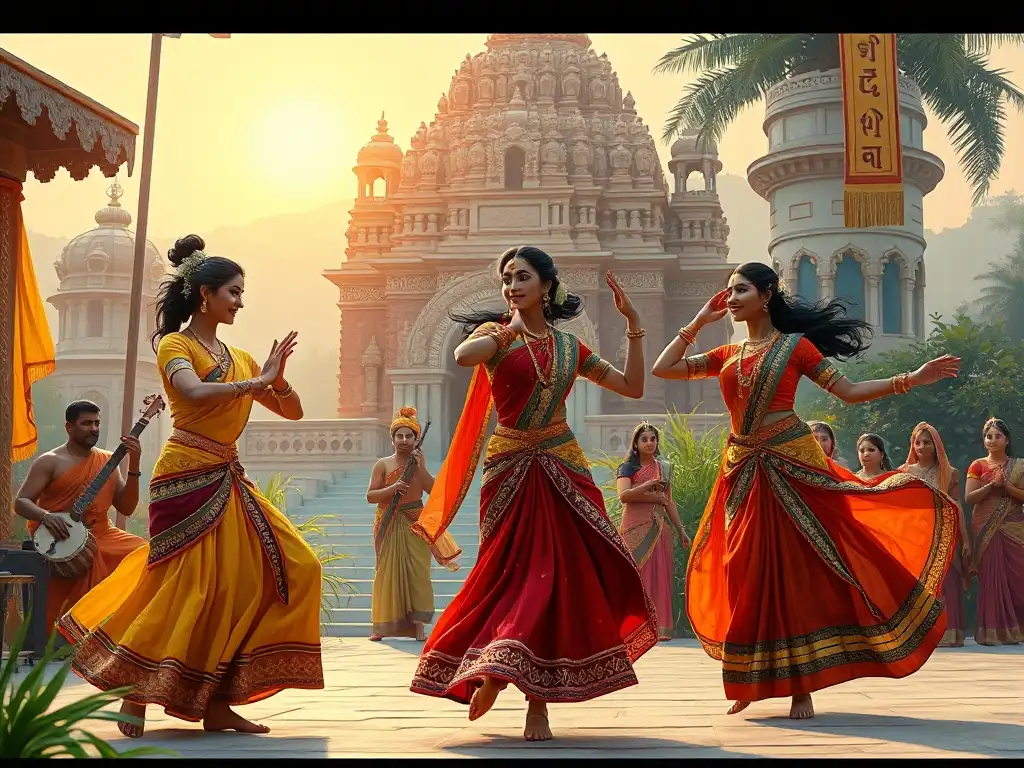
Origins of Music and Dance in Ancient India
The origins of ancient Indian music and dance can be traced back to the Vedic period (circa 1500 – 500 BCE), where music was an integral part of rituals and ceremonies. The Vedas contain hymns that were chanted during sacrifices, reflecting the early connection between the spiritual and musical realms. The Samaveda, in particular, is noteworthy for its melodies, which were performed in conjunction with the rituals.
- Vedic Chanting: This form of chanting is characterized by its rhythmic patterns and intonations, laying the groundwork for future musical traditions in India.
- Dance in Rituals: Dance was often performed as an offering to deities, with movements symbolizing various aspects of life and spirituality.
The significance of music and dance in ancient Indian culture is further emphasized in texts like the Natya Shastra, attributed to Bharata Muni around the 2nd century BCE. This ancient treatise systematically categorized various dance forms and musical notes (swaras), establishing a framework that influenced subsequent generations.
Evolution of Musical Instruments and Dance Forms
The evolution of musical instruments and dance forms in ancient India is a reflection of cultural exchanges and innovations over centuries.
Musical Instruments
- String Instruments: The vina, a stringed instrument, has roots in the Vedic era and has undergone various modifications to become a quintessential part of Indian classical music.
- Percussion Instruments: Instruments like the mridangam and tabla evolved, with the mridangam serving as a primary rhythmic accompaniment in many classical dance forms.
- Wind Instruments: The bansuri (bamboo flute) and shehnai (a double-reed instrument) emerged, adding distinctive sounds to the musical landscape.
Dance Forms
- Classical Dance: Forms such as Bharatanatyam and Odissi started to formalize during the Gupta period (circa 320 – 550 CE), characterized by their intricate footwork and expressive gestures (mudras).
- Folk Dance: Folk traditions varied regionally and were often performed during festivals, celebrating agricultural cycles or local deities.
The diversification of these art forms illustrates how ancient Indian music and dance were influenced by regional cultures, creating a rich tapestry of artistic expression.
Influence of Religion on Music and Dance Traditions
Religion played a pivotal role in shaping the music and dance traditions of ancient India. The intertwining of spiritual beliefs with artistic expressions is evident in several ways:
- Devotional Music: Bhakti movements led to the emergence of devotional songs (bhajans) dedicated to various deities, making music a medium for personal and communal worship.
- Dance as Worship: Classical dance forms often narrate stories from Hindu epics like the Ramayana and Mahabharata, with performers embodying divine characters, thus transforming the stage into a sacred space.
- Festivals and Rituals: Festivals such as Diwali and Durga Puja incorporated music and dance as essential components, enhancing the celebratory atmosphere and fostering community spirit.
The influence of religion on ancient Indian music and dance is profound, as these art forms were not merely for entertainment but served as a means of connecting with the divine and expressing cultural identity. The integration of these traditions into festivals highlights their enduring significance in the cultural fabric of India.
Types of Music in Ancient Indian Festivals
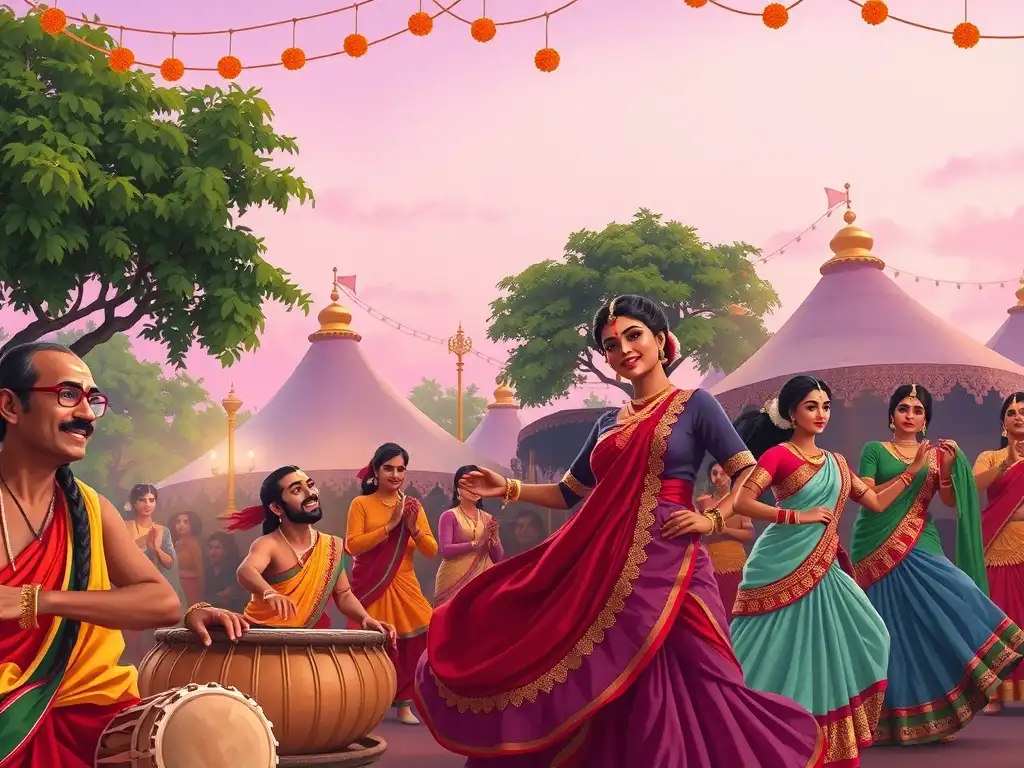
Folk Music and Its Role in Celebrations
Folk music has played a pivotal role in ancient Indian festivals, serving as a reflection of the vibrant cultural heritage and traditions of various regions. Each community has its unique folk songs that signify the essence of their customs, beliefs, and celebrations. The simplicity and relatability of folk music make it a favorite among the masses, often performed during festivals to instill joy and unity.
Key themes often found in folk music include:
- Harvest and Agricultural Celebrations: Songs that celebrate the harvest season, such as the popular Punjabi "Bhangra" or the "Gidda," highlight the joy of reaping the crops.
- Rituals and Ceremonies: Folk songs are integral to rituals, often accompanying traditional dances like "Garba" during Navratri or "Dandiya" in Gujarat, creating an immersive atmosphere of festivity.
- Regional Diversity: Each region has its distinct folk music styles, such as the "Bhavageet" of Maharashtra or the "Baul" music of Bengal, showcasing the rich diversity of ancient Indian culture.
The participatory nature of folk music fosters a sense of community, as people come together to sing and dance, strengthening social bonds during festivals.
Classical Music Traditions: Hindustani and Carnatic
Classical music in ancient India is categorized primarily into two main traditions: Hindustani and Carnatic. Both traditions have deep historical roots and have contributed significantly to the cultural landscape of ancient Indian festivals.
- Hindustani Music: Predominantly practiced in Northern India, Hindustani music is characterized by its improvisational nature and emphasis on ragas. During festivals, Hindustani music often features in classical performances, where artists perform ragas that correspond with the time of day or the mood of the occasion. Instruments like the sitar, tabla, and sarod are commonly used, enriching the auditory experience of celebrations.
- Carnatic Music: Originating from Southern India, Carnatic music is known for its intricate compositions and devotional themes. Festivals in South India often showcase Carnatic music through performances that include kritis (compositions), allowing for a deep spiritual connection. Instruments such as the veena and mridangam play a crucial role in these performances, adding layers of texture and rhythm.
Both traditions not only elevate the festive atmosphere but also serve as a medium for spiritual expression, often aligning with the religious themes of the festivals.
Instrumentation: Key Instruments in Ancient Indian Music
Instrumentation is a defining feature of ancient Indian music, particularly during festivals where specific instruments contribute to the overall ambiance and experience. Below are some key instruments that have been integral to ancient Indian music:
| Instrument | Description | Role in Festivals |
|---|---|---|
| Sitar | A stringed instrument with a rich, melodic sound. | Often featured in Hindustani classical performances during major festivals. |
| Tabla | A pair of hand-played drums that provide rhythm. | Used in both Hindustani and some folk music, crucial for dance accompaniments. |
| Veena | A string instrument prominent in Carnatic music. | Central to many classical performances during South Indian festivals. |
| Dhol | A double-headed drum popular in folk music. | Played during celebrations like Baisakhi and Navratri, encouraging communal dancing. |
| Flute | A wind instrument known for its soothing melodies. | Often used in devotional music, enhancing the spiritual ambiance of festivals. |
These instruments not only create a captivating soundscape but also embody the cultural identity of various regions. The use of specific instruments in ancient Indian music and dance reflects the traditions passed down through generations, making them an essential part of the celebratory fabric woven into festivals.
Dance Forms Associated with Ancient Indian Festivals
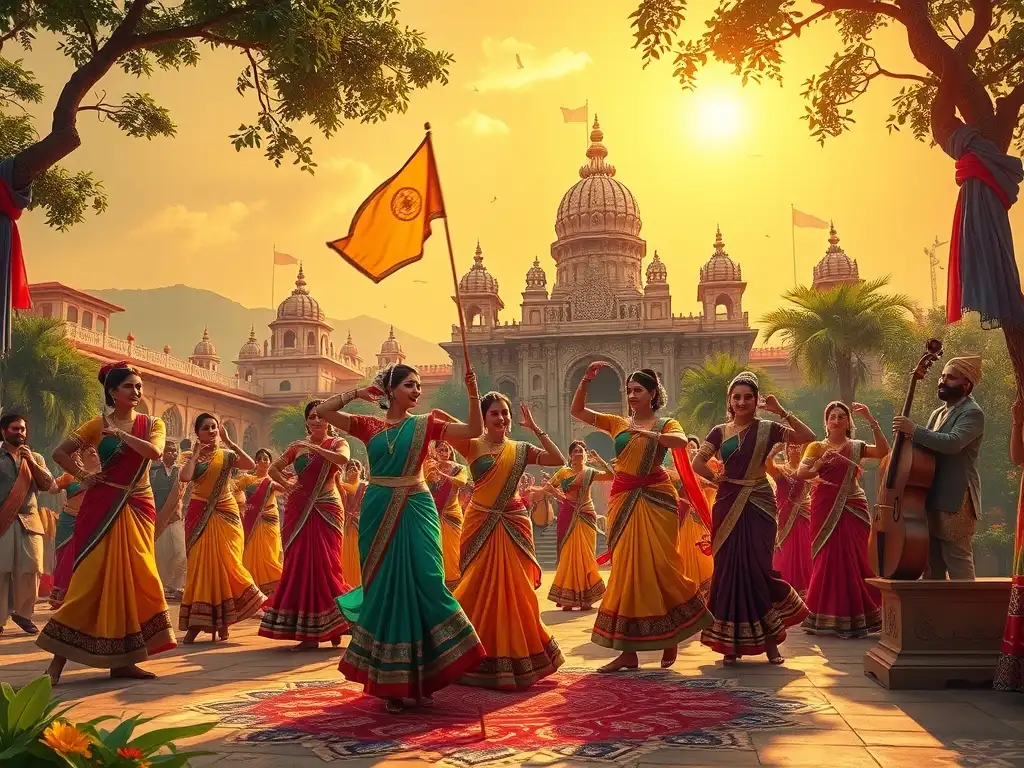
Overview of Classical Dance Styles: Bharatanatyam, Kathak, Odissi
Ancient Indian music and dance have always been intertwined with the fabric of cultural and religious festivals. Among the various classical dance styles, Bharatanatyam, Kathak, and Odissi stand out for their deep-rooted connections to ancient traditions and festivals.
- Bharatanatyam: Originating from Tamil Nadu, Bharatanatyam is one of the oldest classical dance forms in India. It is characterized by its fixed upper torso, bent legs, intricate footwork, and expressive hand gestures (mudras). The dance often narrates stories from Hindu mythology, making it a vital part of temple festivals and celebrations such as Pongal and Deepavali. The dancers wear traditional costumes adorned with intricate jewelry, enhancing the aesthetic appeal during performances.
- Kathak: This dance form hails from northern India and is noted for its fluid movements and storytelling through dance. Kathak is often performed during festivals like Holi and Diwali, where performers enact tales from the Ramayana and Mahabharata. The use of footwork, spins, and facial expressions helps convey emotions, making it an engaging form of entertainment.
- Odissi: Emerging from Odisha, Odissi is known for its graceful movements and lyrical quality. The dance is deeply connected to the worship of Lord Jagannath and is often performed during festivals such as Rath Yatra. The intricate postures and expressive facial expressions are designed to invoke divine emotions, making it a spiritual experience for both the performers and the audience.
| Dance Style | Origin | Key Features | Associated Festivals |
|---|---|---|---|
| Bharatanatyam | Tamil Nadu | Fixed torso, intricate footwork, expressive mudras | Pongal, Deepavali |
| Kathak | Northern India | Fluid movements, storytelling, spins | Holi, Diwali |
| Odissi | Odisha | Graceful movements, lyrical quality | Rath Yatra |
Folk Dances: Celebratory Movements and Cultural Significance
Folk dances play a crucial role in the festivities of ancient Indian culture, reflecting the local customs and traditions of various regions. These dances are often spontaneous, performed in groups, and are characterized by vibrant costumes and lively music.
- Bhangra: Originating from Punjab, Bhangra is a high-energy dance that celebrates the harvest season. It is marked by vigorous movements and rhythmic clapping, symbolizing joy and community spirit. Festivals like Lohri and Baisakhi witness enthusiastic performances of Bhangra, inviting all to join in the celebration.
- Garba: This dance form from Gujarat is performed during the Navratri festival. Garba involves circular movements with clapping and is often accompanied by traditional songs and music. The dance celebrates the divine feminine and is a way for communities to come together in reverence and joy.
- Dandiya Raas: Also part of the Navratri celebrations, Dandiya Raas involves dance with sticks (dandiyas) and is performed in pairs. The vibrant colors of the costumes and the rhythmic beats create an electrifying atmosphere, fostering a sense of unity among participants.
These folk dances not only serve as entertainment but also embody the cultural heritage and communal identity of the regions they represent.
Ritualistic Dances in Religious Festivals
Ritualistic dances hold a significant place in the festivals of ancient India, often performed as a form of devotion to deities. These dances are laden with symbolic meanings and are integral to various religious practices.
- Kuchipudi: This dance-drama form from Andhra Pradesh involves a combination of dance, drama, and music, often depicting religious themes. It is performed during festivals like Sri Rama Navami, where the life and teachings of Lord Rama are enacted. The blend of narrative and dance creates a captivating experience that reinforces the cultural fabric of the region.
- Chhau Dance: Originating from eastern India, Chhau is a martial dance form that incorporates acrobatics and is often performed during the Chhau Mela festival. The dance narrates stories of gods and heroes, and its performances are rich in ritualistic significance, celebrating the triumph of good over evil.
- Theyam: Practiced in Kerala, Theyam is a ritual dance that involves elaborate costumes and makeup. It is performed in temples during festivals to honor deities and is believed to channel divine energy. The performers embody the spirits of the gods, making the dance a sacred and transformative experience.
Ritualistic dances encapsulate the spiritual essence of ancient Indian festivals, serving as a medium to connect the earthly with the divine, and fostering a sense of community and shared belief among participants.
The Role of Music and Dance in Specific Ancient Indian Festivals
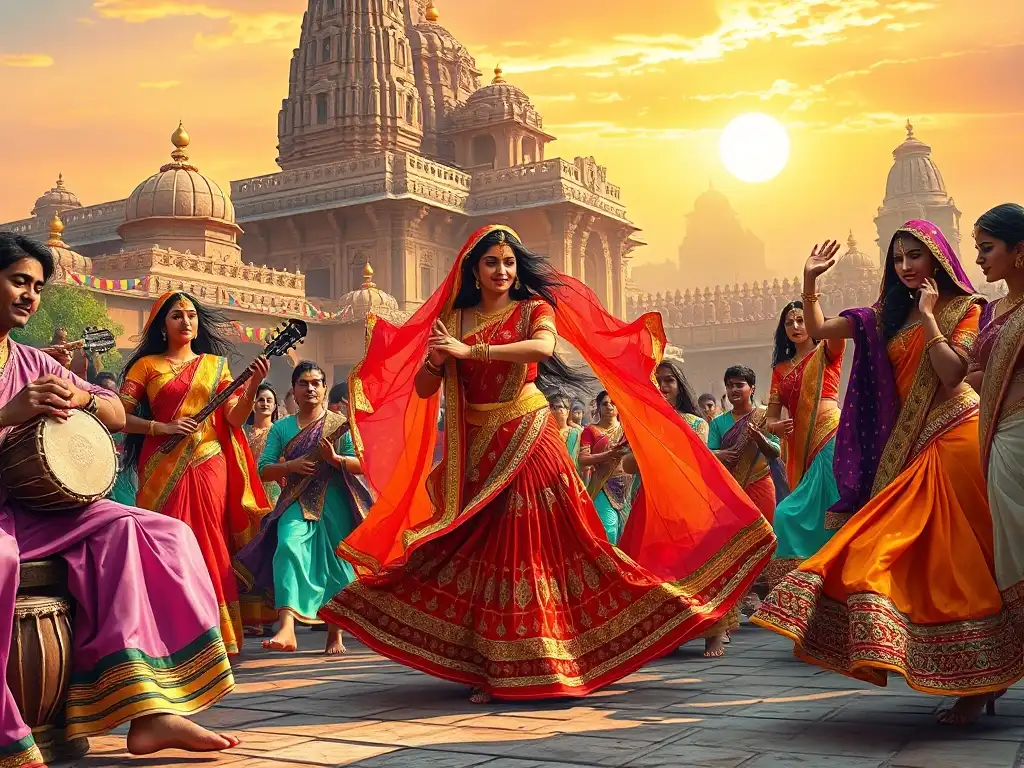
Diwali: Celebrations Through Music and Dance
Diwali, also known as the Festival of Lights, is one of the most significant ancient Indian festivals, celebrated with great fervor across the Indian subcontinent. This festival symbolizes the victory of light over darkness and good over evil. Music and dance play a crucial role in the Diwali celebrations, enhancing the festive spirit and fostering community bonding.
The sounds of traditional dhol (drum) and shehnai (wind instrument) resonate throughout the celebrations. These instruments are often accompanied by the singing of devotional songs dedicated to Goddess Lakshmi, the deity of wealth and prosperity. Families gather to perform traditional aarti (worship) while singing hymns that express gratitude and joy.
In addition to devotional music, dance forms such as Garba are integral to Diwali festivities in various regions. Garba is a lively folk dance originating from Gujarat, performed in circles with rhythmic clapping and footwork. This dance not only serves as a means of celebration but also as a way to invoke divine blessings for prosperity and happiness in the coming year.
Holi: The Vibrant Expressions of Joy
Holi, the festival of colors, is renowned for its exuberant celebrations that embody the essence of joy and unity. Music and dance during Holi are vibrant and energetic, reflecting the festival's spirit of revelry.
Traditional songs like Holi geet are sung, capturing the playful essence of the festival. These songs often depict the playful interactions between Lord Krishna and the gopis (cowherd girls), celebrating love and friendship. The joyous atmosphere is amplified by the beats of traditional instruments such as dholak and tabla, inspiring spontaneous dancing among participants.
The dance forms associated with Holi are equally energetic. One of the most popular dances is Bhangra, a folk dance from Punjab characterized by lively movements and spirited footwork. Participants often engage in playful water fights and throw colored powders at each other, creating a kaleidoscope of colors that celebrates the arrival of spring.
Navratri, a festival dedicated to the worship of the goddess Durga, spans nine nights filled with devotion, fasting, and celebration. Music and dance are central to Navratri, serving both as a form of worship and a means of community engagement.
The most iconic dance form associated with Navratri is Garba, which is performed in circles around a sacred lamp or image of the goddess. Participants wear traditional attire, adorned with vibrant colors and intricate jewelry, enhancing the visual spectacle of the celebrations. The rhythmic clapping and footwork create a mesmerizing ambiance that fosters unity and joy among worshippers.
Music during Navratri includes devotional songs that praise the goddess, often accompanied by traditional instruments like dhol and harmonium. The aarti is a significant ritual during the festival, where devotees sing hymns while performing the ceremonial worship of the goddess. This combination of music and dance not only elevates the spiritual experience but also strengthens social bonds within the community.
Ancient Indian music and dance are indispensable elements of festivals like Diwali, Holi, and Navratri, enriching the celebrations and connecting individuals through shared cultural expressions. Each festival showcases unique musical traditions and dance forms that reflect the diversity and vibrancy of ancient Indian civilization.
Symbolism and Themes in Ancient Indian Music and Dance
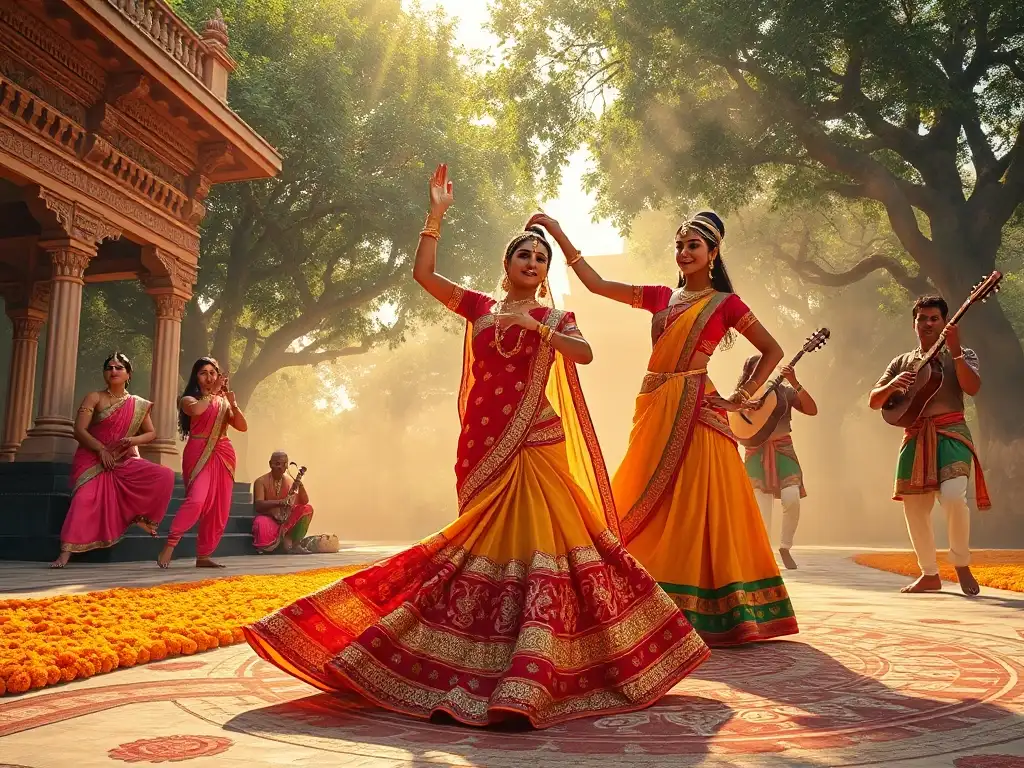
Spiritual Significance of Music and Dance in Festivals
In ancient India, music and dance were not merely forms of entertainment; they held profound spiritual significance, particularly during festivals. These art forms were integrated into various religious rituals and celebrations, serving as a medium to connect the mundane with the divine. The rhythmic beats and melodic tunes were believed to invoke the presence of deities, creating a sacred atmosphere that elevated the spiritual experience of the participants.
For instance, during the festival of Navaratri, devotional songs and dance forms such as Garba and Dandiya Raas are performed to honor Goddess Durga. The energy generated through these performances is considered a form of worship that not only pleases the deities but also brings the community together in a collective spiritual experience. The incorporation of traditional instruments, like the dhol and harmonium, adds layers of depth to the spiritual ambience, transforming spaces into sanctuaries of devotion.
Moreover, many ancient texts, including the Natya Shastra by Bharata Muni, outline the spiritual dimensions of music and dance. These texts describe how specific ragas (melodic frameworks) and talas (rhythmic cycles) can elicit emotional responses and spiritual awakening. This deep-rooted belief in the power of music and dance reflects the integral role they played in the spiritual fabric of ancient Indian society.
Themes Reflecting Nature and Mythology
Ancient Indian music and dance often drew inspiration from nature and mythology, encapsulating the beauty of the natural world and the richness of mythological tales. Festivals served as a canvas for these themes, where performers expressed stories and emotions through intricate movements and melodious compositions.
Nature-Inspired Elements:
- Seasons and Harvest: Many festivals, such as Makar Sankranti and Pongal, celebrate the changing seasons and the harvest. Dance forms like Bharatanatyam and Kathak often depict the transition of seasons, showcasing the bounty of nature through graceful movements and vibrant costumes.
- Flora and Fauna: Dancers frequently embody elements of nature, mimicking the movements of birds, animals, and trees. This connection to the environment highlights the ancient Indian belief in living harmoniously with nature.
Mythological Narratives:
The themes of ancient Indian music and dance are often steeped in mythology. Performances during festivals narrate tales from epics like the Ramayana and Mahabharata, bringing characters and events to life. For example, the dance drama of Kathakali enacts scenes from these epics, with elaborate costumes and facial expressions that convey deep emotional narratives. Additionally, the use of symbols from mythology, such as the peacock representing Lord Krishna, further enriches the performances, allowing audiences to engage with the stories on a spiritual and emotional level.
The Role of Storytelling in Dance Performances
Storytelling is a pivotal aspect of ancient Indian dance, transforming performances into vibrant narratives that resonate with audiences. Festivals provided an ideal setting for these storytelling traditions to flourish, allowing performers to convey complex tales through movement, expression, and music.
Dance as a Narrative Medium:
In classical dance forms like Odissi and Mohiniyattam, each movement is meticulously choreographed to express a specific emotion or story. The dancers use mudras (hand gestures) and facial expressions to enhance the narrative, effectively drawing the audience into the storyline. For example, in a performance depicting the love story of Radha and Krishna, the dancer's movements may reflect joy, longing, and devotion, encapsulating the essence of the tale.
Oral Tradition and Cultural Transmission:
Storytelling through dance also serves as a means of preserving ancient narratives and cultural heritage. Festivals act as communal gatherings where stories are passed down through generations, ensuring that the rich tapestry of ancient Indian mythology remains alive. This oral tradition not only educates the younger generation about their cultural roots but also reinforces community bonds as people come together to celebrate shared histories.
The integration of storytelling in ancient Indian music and dance during festivals is a testament to the enduring cultural legacy of these art forms. They embody the spirit of ancient Indian civilization, reflecting its deep connections to spirituality, nature, and mythology.
Conclusion: The Enduring Legacy of Ancient Indian Music and Dance
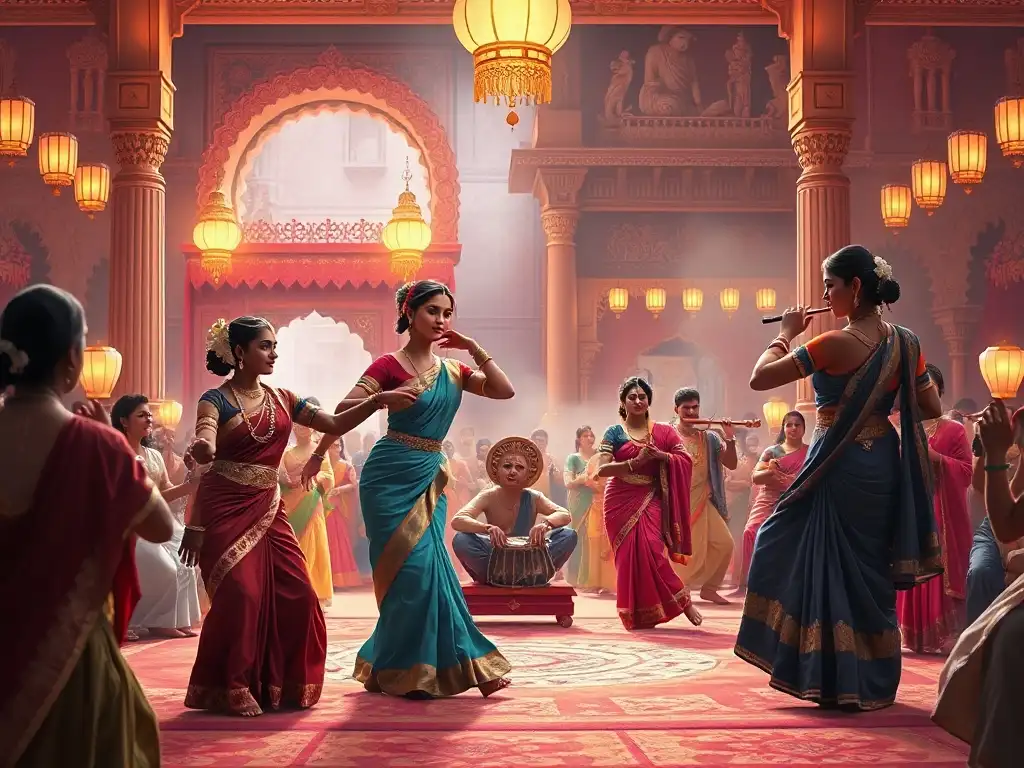
The legacy of ancient Indian music and dance is a profound aspect of the cultural fabric of India, influencing not only historical festivals but also contemporary practices. These art forms were deeply intertwined with religious and social events, serving as a medium for storytelling, spirituality, and communal bonding. The rhythms and melodies of ancient Indian music, coupled with the intricate movements of classical dance, have laid the foundation for modern interpretations and celebrations.
Impact on Contemporary Festivals and Cultural Practices
Ancient Indian music and dance continue to play a significant role in contemporary festivals across India. Many modern celebrations draw inspiration from ancient traditions, showcasing the resilience and adaptability of these art forms. For instance, festivals like Diwali, Holi, and Navratri prominently feature classical and folk dance performances, where artists revisit ancient choreographies that have been passed down through generations.
- Revival of Traditional Forms: Many cultural organizations and artists are dedicated to reviving ancient forms of music and dance. This resurgence ensures that the rich heritage is not only preserved but also reinterpreted for new audiences.
- Integration with Modern Elements: Contemporary performances often blend traditional music and dance with modern themes, making them relevant to today’s societal issues while honoring their roots. This fusion can be seen in various dance troupes that incorporate traditional movements into modern storytelling.
The importance of ancient Indian music and dance in festivals is also evident in the rituals and prayers performed during these occasions. Music is used to invoke blessings, while dance serves as an offering to the deities, bridging the divine and the earthly realms.
Preserving the Heritage of Ancient Indian Music and Dance
Preservation efforts for ancient Indian music and dance are critical to maintaining their integrity and ensuring their continuity. Various initiatives have emerged to safeguard these art forms from the threats of modernization and globalization.
- Educational Institutions: Many dance schools and music academies focus on teaching traditional forms, ensuring that the knowledge is passed on to younger generations. Programs often include intensive training in classical styles like Bharatanatyam, Kathak, and Odissi, along with traditional music forms.
- Documentation and Research: Scholars and practitioners are working to document the various styles and practices associated with ancient Indian music and dance. This includes recording performances, writing research papers, and creating digital archives that can be accessed worldwide.
Moreover, festivals themselves serve as venues for showcasing traditional music and dance, creating a vibrant atmosphere for cultural exchange and appreciation. By actively participating in these celebrations, communities not only honor their heritage but also educate others about the significance and beauty of ancient Indian music and dance.
The enduring legacy of ancient Indian music and dance is evident in their continued presence in contemporary festivals and cultural practices. The ongoing efforts to preserve and revitalize these art forms ensure that they remain an integral part of India's rich cultural landscape, celebrating both history and modernity.
Frequently Asked Questions
What was the significance of music in ancient Indian festivals?
Music played a crucial role in ancient Indian festivals as it was used to celebrate deities, enhance spiritual experiences, and foster community bonding through collective participation.
How did dance contribute to ancient Indian culture?
Dance in ancient India was not only an art form but also a means to express mythological stories, convey emotions, and serve as a ritualistic offering during festivals, enhancing the overall cultural experience.
What types of music were popular during ancient Indian festivals?
Ancient Indian festivals featured a variety of music styles, including classical forms like Dhrupad and Bhajan, as well as folk music, which reflected the diverse cultural traditions across different regions.
How did ancient Indian music influence modern practices?
The foundational elements of ancient Indian music continue to influence modern classical genres, with many ragas and talas still in use today, showcasing the continuity of cultural traditions over centuries.
Were there specific instruments associated with ancient Indian music and dance?
Yes, ancient Indian music prominently featured instruments like the veena, tabla, and flute, which were integral to festivals and performances, enhancing the aesthetic experience of both music and dance.
Final Reflection: The Enduring Legacy of Ancient Indian Music and Dance
The vibrant tapestry of ancient Indian music and dance continues to resonate in today's cultural landscape, reminding us of the profound connection between art and spirituality. As we explore the rhythms and movements that once animated festivals, we uncover not just a historical narrative but a living tradition that shapes our contemporary celebrations. The essence of these art forms transcends time, offering us a glimpse into the values and beliefs of our ancestors while enriching our modern experiences.
The influence of ancient Indian music and dance extends far beyond mere entertainment; it serves as a vital thread in the fabric of our social and cultural identity. These art forms foster community, evoke emotions, and preserve stories that might otherwise fade into obscurity. As the renowned Indian classical dancer, Rukmini Devi Arundale, once said, Dance is the hidden language of the soul.
This sentiment captures the spirit of how music and dance not only reflect our heritage but also connect us to one another, bridging generations and cultures.
As we reflect on the significance of ancient Indian music and dance, let us embrace the lessons they impart about unity, expression, and celebration. I invite you to explore these art forms in your own life—whether by attending a local performance, learning a dance, or simply listening to traditional music. By engaging with this rich cultural legacy, we can honor our past while enriching our present, ensuring that the rhythms of ancient India continue to inspire and uplift us for generations to come.
Experience the Rhythms of Ancient Celebration!
Thank you for taking the time to explore the vibrant world of music and dance in ancient Indian festivals! We hope you’ve gained a deeper appreciation of these cultural treasures and the joy they brought to communities. Now, let’s bring that inspiration to life!
- Dive Deeper: Research an ancient festival that captures your interest and explore its unique music and dance forms. You might uncover something truly fascinating!
- Join the Celebration: Attend a local cultural event or festival that showcases traditional music and dance. Experience the magic firsthand and connect with others who share your passion!
- Share Your Discovery: Discuss with your friends and family the significant role of music and dance in ancient Indian festivities. Invite them to join you in exploring this rich heritage!
Which ancient festival resonates with you the most, and how do you think its music and dance influence today’s celebrations? We’d love to hear your thoughts!