
The Role of Mythology in Shaping Indian Festival Narratives

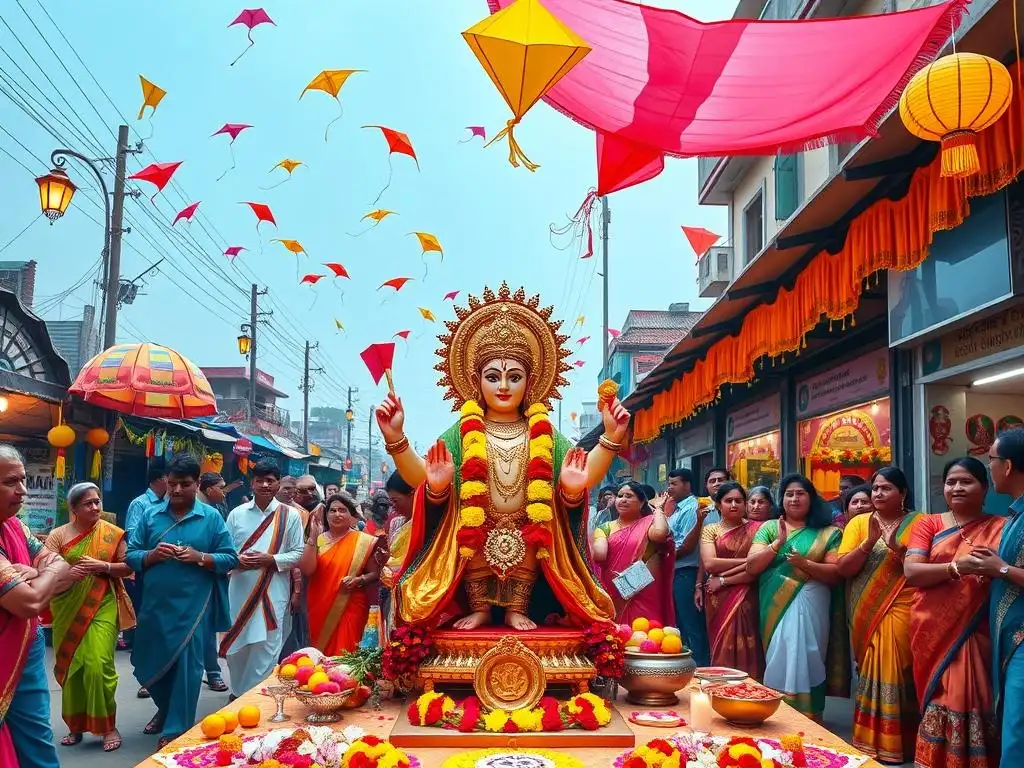
Welcome to Ancient India History, where we embark on a fascinating journey through the rich tapestry of India's past. Discover the vibrant interplay between Indian mythology and festivals, as we delve into how ancient tales and legends have shaped the narratives of contemporary celebrations. From the grandeur of the Indus Valley to the intellectual heights of the Gupta Empire, each story we uncover adds depth to our understanding of these age-old traditions. Ready to explore the enchanting role of mythology in the festivals that light up the Indian cultural landscape? Let’s dive in!
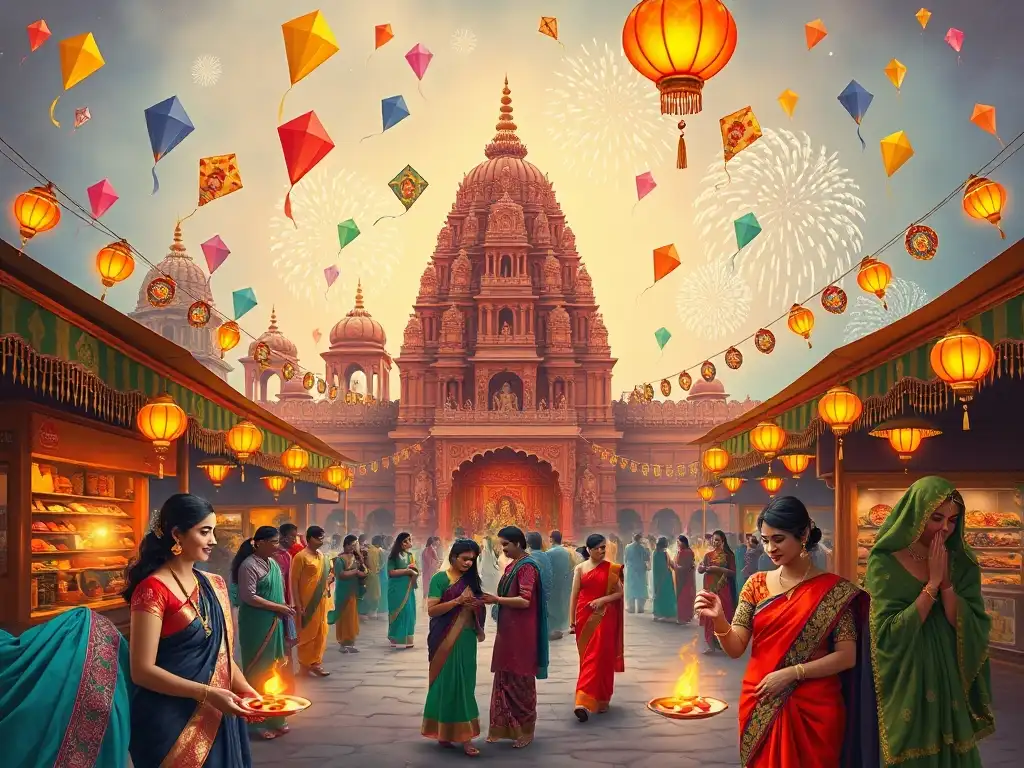
Indian festivals are not merely occasions for celebration; they are vibrant expressions of the culture, beliefs, and values that have been passed down through generations. Central to these celebrations is Indian mythology, which serves as a rich tapestry that intertwines stories, deities, and traditions that define the essence of various festivals.
Understanding the role of mythology in shaping these narratives provides insight into how ancient stories influence contemporary practices, creating a unique cultural identity that resonates with millions. This article delves into the intricate relationship between Indian mythology and festivals, exploring how these elements coalesce to form the backbone of cultural practices that have endured through time.
Introduction to Indian Mythology and Festivals
Indian mythology, a vast and diverse collection of narratives, encompasses epic tales, moral lessons, and divine interventions that reflect the ethos of ancient civilizations. It is through these stories that the essence of Indian festivals is captured, encapsulating themes of victory over evil, the cyclical nature of life, and the celebration of nature. Festivals such as Diwali, Durga Puja, and Holi are deeply rooted in mythological tales, each with its unique narrative that enriches the festival's significance.
- Key Themes in Indian Mythology:
- Dharma (duty and righteousness)
- Karma (action and consequence)
- Moksha (liberation and enlightenment)
These themes are not only foundational to the mythology itself but also play a crucial role in the narratives that accompany various festivals, weaving a complex understanding of morality and spirituality into the fabric of Indian culture.
Understanding the Connection Between Mythology and Culture
The connection between mythology and culture is profound and multifaceted. Mythology serves as a cultural repository, preserving ancient wisdom and values that guide societal norms and practices. Festivals, in turn, act as a communal platform for expressing these values, fostering unity and belonging among participants.
- Cultural Expressions through Festivals:
- Rituals and Traditions: Specific rituals associated with each festival often draw directly from mythological stories, creating a living narrative that is reenacted each year.
- Art and Music: Traditional art forms, music, and dance often depict mythological events, enriching the festival experience and creating a vibrant atmosphere.
Through these expressions, mythology and culture continuously influence one another, ensuring the preservation of identity and heritage.
Importance of Festivals in Indian Society
Festivals hold a significant place in Indian society, serving not just as occasions for merriment but as vital events that reinforce community bonds and cultural heritage. They provide an opportunity for families and communities to come together, celebrate, and reflect on shared values and traditions.
- Social and Economic Impact:
- Community Cohesion: Festivals foster a sense of belonging and mutual support among community members.
- Economic Activity: They stimulate local economies through increased commerce and tourism, showcasing the richness of cultural practices.
Moreover, festivals often transcend religious boundaries, promoting inclusivity and understanding among diverse groups within the society.
Historical Context of Indian Mythology
To fully appreciate the role of mythology in shaping Indian festival narratives, it is essential to explore its historical context. Indian mythology has evolved over millennia, drawing from various sources and influences that reflect the dynamic nature of Indian civilization.
Origins of Indian Mythology: Vedic and Epic Traditions
The origins of Indian mythology can be traced back to the Vedic texts, which laid the foundation for many subsequent myths and legends. These texts, composed around 1500 BCE, introduced key concepts that would shape Indian thought, including the ideas of gods, rituals, and cosmic order.
- Key Texts:
- Vedas: The oldest scriptures of Hinduism, containing hymns, philosophies, and rituals.
- Mahabharata and Ramayana: Epic narratives that not only recount heroic tales but also convey moral and ethical lessons that continue to influence festival observances.
These texts provide a historical backdrop that gives depth to the understanding of modern festivals, highlighting their roots in ancient beliefs and practices.
Influence of Ancient Texts on Festival Celebrations
Ancient texts have a profound influence on the way festivals are celebrated today. They serve as a blueprint for rituals, stories, and cultural practices that are integral to various festivities.
- Ritual Significance: The descriptions of rituals in texts guide contemporary practices, ensuring that they remain aligned with their mythological origins.
- Storytelling Traditions: Festivals often include recitations of epic tales, reinforcing the connection to mythology and enhancing the celebratory atmosphere.
Through these influences, ancient texts continue to shape the narratives surrounding Indian festivals, ensuring the perpetuation of cultural heritage and identity.
Major Indian Festivals Influenced by Mythology
Indian festivals are deeply intertwined with the country's rich mythology, with each celebration narrating a unique story that reflects the cultural and spiritual ethos of its people. These festivals not only commemorate historical events but also embody the moral and philosophical lessons derived from ancient texts and legends. The following festivals are prime examples of how mythology shapes their narratives and significance.
Diwali: The Festival of Lights and Its Mythological Roots
Diwali, known as the Festival of Lights, is one of the most celebrated festivals in India. It symbolizes the victory of light over darkness and good over evil, as depicted in the Hindu epic Ramayana. According to mythology, Diwali commemorates Lord Rama’s return to Ayodhya after defeating the demon king Ravana, marking the triumph of righteousness.
The festival involves lighting oil lamps, known as diyas, which represent the light of knowledge dispelling the darkness of ignorance. Additionally, the worship of Goddess Lakshmi, the deity of wealth and prosperity, is integral to the celebrations. The narrative surrounding Diwali emphasizes the importance of virtue, hope, and the power of good deeds, making it a festival rich in cultural meaning.
Holi: The Mythological Significance Behind the Colors
Holi, the exuberant festival of colors, celebrates the arrival of spring and the victory of good over evil. Its mythological roots trace back to the legend of Prahlada and Holika. Prahlada, a devout follower of Lord Vishnu, faced persecution from his father, Hiranyakashipu, who wanted to kill him for his beliefs. Holika, Hiranyakashipu’s sister, attempted to burn Prahlada by sitting in a fire with him, but her plans backfired, leading to her demise and Prahlada's survival.
This narrative symbolizes the idea that devotion and faith can overcome any obstacle, and the colorful festivities that ensue are a celebration of this victory. The act of throwing colored powders and water symbolizes the joy of life, the arrival of spring, and the unity of people, transcending social barriers.
Navaratri: Celebrating the Divine Feminine through Mythology
Navaratri, meaning 'nine nights,' is a festival dedicated to the worship of the goddess Durga. Each day of this festival is associated with different forms of the goddess, representing the divine feminine energy. The mythology surrounding Navaratri recounts the battle between Goddess Durga and the buffalo demon Mahishasura, symbolizing the struggle between good and evil.
The festival is marked by vibrant dances, music, and rituals that evoke the strength of women and the celebration of femininity. Each day is dedicated to honoring different aspects of the goddess, and the festival culminates in Dussehra, which celebrates Durga's victory over Mahishasura. Navaratri emphasizes themes of empowerment, resilience, and the importance of worshiping the feminine divine.
Raksha Bandhan: The Myth of Protection and Brotherhood
Raksha Bandhan, the festival celebrating the bond between brothers and sisters, is rooted in various mythological narratives. One popular legend tells the story of Lord Krishna and Draupadi. When Draupadi’s honor was at stake, Krishna intervened and protected her, leading Draupadi to tie a protective thread around his wrist, signifying their bond.
This festival highlights the themes of protection, love, and familial duty. Sisters tie a rakhi (a sacred thread) around their brothers’ wrists, who in return pledge to protect them. The rituals involved in Raksha Bandhan not only reinforce the importance of sibling relationships but also invoke the mythological narratives that emphasize the virtues of loyalty and protective love.
The Role of Deities in Indian Festivals
The presence of deities in Indian festivals is a crucial element that enhances their significance and spiritual depth. These divine figures serve as symbols of moral values, cultural identity, and the embodiment of various aspects of life. Their stories and characteristics often shape the way festivals are celebrated.
Key Deities in Indian Mythology and Their Festival Associations
Indian mythology is rich with deities, each associated with specific festivals. For instance, Lord Ganesha is celebrated during Ganesh Chaturthi, marking the removal of obstacles and the ushering in of new beginnings. Similarly, Goddess Saraswati is revered during Vasant Panchami, celebrating knowledge and learning.
Other notable deities include:
- Lakshmi: Celebrated during Diwali, representing wealth and prosperity.
- Durga: Honored during Navaratri, symbolizing strength and protection.
- Krishna: Central to Janmashtami, celebrating divine love and mischief.
These associations not only highlight the attributes of the deities but also deepen the cultural narratives surrounding each festival.
How Deities Shape Festival Narratives and Rituals
Deities play a pivotal role in shaping the narratives and rituals of Indian festivals. The stories of their deeds and attributes influence the customs practiced during these celebrations. For instance, during Diwali, rituals such as lighting lamps and performing puja (worship) are performed to invite the blessings of Goddess Lakshmi.
Moreover, the festivals often include re-enactments of mythological events, such as the Ram Lila during Dussehra, where the story of Lord Rama is depicted through drama and dance. This not only reinforces the narratives but also educates participants about the underlying moral values associated with each deity.
The Symbolism of Rituals in Relation to Mythological Stories
The rituals performed during Indian festivals are rich in symbolism, representing various mythological stories. For example, the lighting of diyas during Diwali symbolizes the inner light that protects from spiritual darkness, reflecting the triumph of good as narrated in the Ramayana.
Similarly, the throwing of colors during Holi represents joy and the celebration of life as experienced by Prahlada. Each ritual serves as a reminder of the moral lessons embedded in these mythological narratives, creating a bridge between ancient traditions and contemporary practices.
In essence, the intricate relationship between Indian mythology and festivals not only preserves cultural heritage but also fosters a sense of community, spirituality, and identity among the people.
Regional Variations of Mythology in Festivals
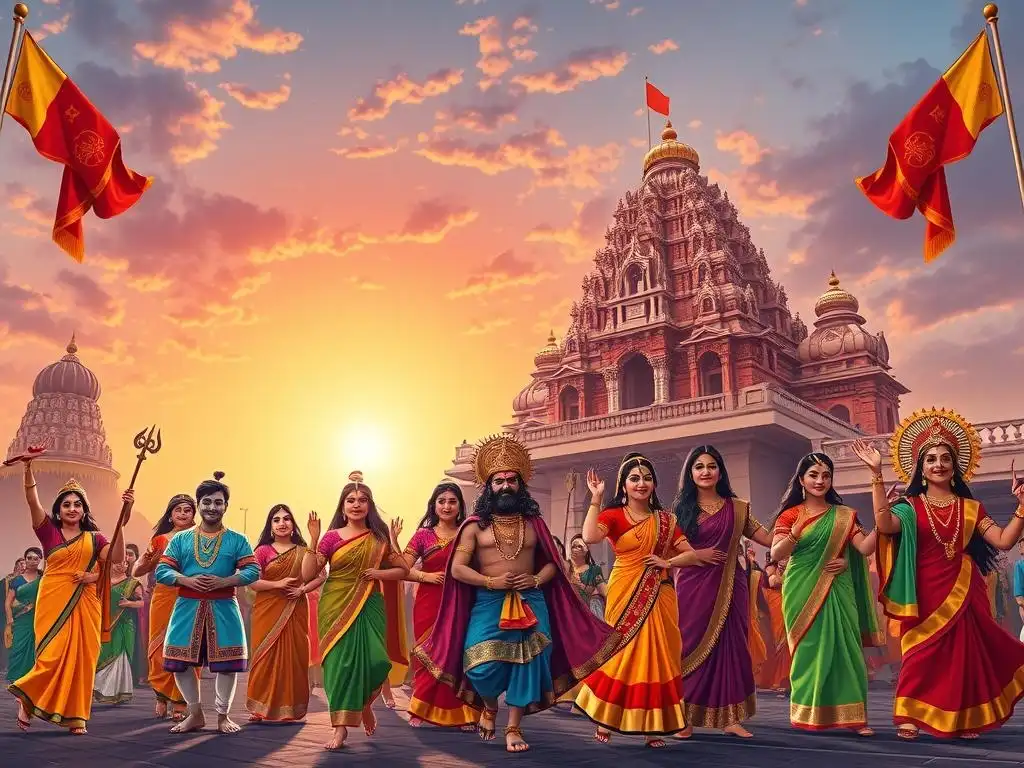
Indian festivals are deeply embedded in the nation's rich tapestry of mythology, which varies significantly across different regions. Each state in India has its unique set of myths and legends that influence the way festivals are celebrated, showcasing the diversity and cultural richness of the country. Understanding these regional variations allows us to appreciate how local beliefs and traditions shape the narratives that accompany each celebration.
Exploring Regional Myths and Their Impact on Celebrations
In India, regional myths often draw from local history, geography, and deities, creating a unique flavor for each festival. For instance, the celebration of Durga Puja in West Bengal is heavily influenced by the myth of Goddess Durga's victory over the buffalo demon Mahishasura, symbolizing the triumph of good over evil. In contrast, the festival of Onam in Kerala is rooted in the myth of King Mahabali, whose annual visit to his subjects is celebrated with grand feasts and cultural performances.
These regional myths not only dictate the rituals performed during festivals but also influence the types of food prepared, the attire worn, and the overall atmosphere of the celebrations. As a result, festivals become a reflection of local identity and pride, allowing communities to connect with their heritage.
Case Studies of Unique Festival Narratives in Different States
- Gudi Padwa (Maharashtra): This festival marks the Marathi New Year and is celebrated with the raising of the Gudi, a pole adorned with a cloth and a pot. The legend associated with Gudi Padwa is linked to Lord Brahma creating the universe and signifies prosperity and victory.
- Bihu (Assam): This agricultural festival signifies the onset of the Assamese New Year and the harvest season. The myths surrounding Bihu are tied to the worship of deities associated with fertility and agriculture, emphasizing the agrarian lifestyle of the region.
- Pongal (Tamil Nadu): Celebrated to honor the Sun God, the festival of Pongal is steeped in mythology related to the harvest. One of the prominent legends includes the tale of Lord Krishna and his victory over demon king Indra, highlighting the significance of nature and its bounties.
These case studies illustrate the diverse narratives that shape regional festivals, revealing how local mythology interweaves with cultural practices to create vibrant celebrations.
The Diversity of Indian Mythology in Festival Practices
The diversity of Indian mythology is reflected in the myriad of festival practices across the subcontinent. Each festival not only honors different deities but also embodies unique stories that resonate with the local population. For example, the festival of Navratri celebrates the nine forms of Goddess Durga and is observed with varying degrees of fervor across different states, from the Garba dances in Gujarat to the traditional performances in Bengal.
Additionally, the incorporation of local folklore, customs, and beliefs into festival practices further enriches the narrative. In many cases, festivals serve as a medium for passing down oral traditions and myths to younger generations, ensuring that the stories remain alive within the community.
Mythology plays a crucial role in shaping the psychological and social dimensions of festivals. The narratives associated with festivals often carry deep meanings that foster a sense of belonging and community. They serve as a reminder of shared values, history, and cultural heritage, reinforcing social bonds among participants.
How Mythological Narratives Foster Community and Belonging
The communal aspect of festivals is significantly enhanced by mythological narratives. When people come together to celebrate, they engage in rituals that are steeped in shared beliefs and stories. This collective participation fosters a sense of unity and identity among community members.
For instance, during Diwali, the narrative of Lord Rama's return to Ayodhya after defeating Ravana is celebrated through the lighting of lamps, symbolizing the victory of light over darkness. This shared experience not only strengthens community ties but also instills pride in cultural heritage, creating a sense of belonging among individuals.
The Role of Storytelling in Enhancing Festival Experiences
Storytelling is an integral part of Indian festivals, weaving together mythological narratives and personal experiences. Through storytelling, participants can connect with the festival on a deeper level, allowing them to engage with the themes and values represented in the myths.
During festivals like Makar Sankranti, stories of the Sun God and the end of winter are shared, enhancing the festive atmosphere and enriching individual experiences. This exchange of stories not only entertains but also educates participants about their cultural heritage, fostering a greater appreciation for the traditions that define their identity.
In essence, the role of mythology in shaping festival narratives in India is profound, influencing not only how festivals are celebrated but also how they impact social cohesion and cultural identity.
Contemporary Relevance of Mythology in Modern Indian Festivals
The influence of Indian mythology on contemporary festivals is profound, as it serves as a bridge connecting the past with the present. Festivals such as Diwali, Holi, and Navratri are not merely celebrations; they are rich narratives interwoven with mythological tales that resonate with the values, beliefs, and traditions of Indian society. These festivals reflect a blend of ancient stories and modern interpretations, creating a dynamic cultural landscape that continues to evolve.
In today’s context, the relevance of mythology can be seen in how communities gather to celebrate these festivals, often reenacting the tales associated with them. For instance, the Ramayana's narratives influence the way Diwali is celebrated, symbolizing the victory of good over evil. Moreover, these festivals provide a platform for cultural education, where younger generations are introduced to the stories that shape their identities, allowing them to appreciate their heritage while participating in contemporary society.
Reviving Ancient Myths in Today's Celebrations
In recent years, there has been a conscious effort to revive ancient myths as part of modern celebrations. This revival reflects a growing awareness of the importance of cultural heritage and a desire to connect with the roots of Indian identity. For example, during Navratri, traditional dances like Garba and Dandiya are performed not just for entertainment but as a tribute to the goddess Durga, embodying the strength and resilience celebrated in the myth.
Moreover, organizations and cultural groups are increasingly staging plays and performances that narrate ancient stories, helping to educate audiences and rekindle interest in folklore. Workshops and community events centered around mythological themes have also gained popularity, allowing participants to engage with these narratives creatively. This revival is not just about preserving the past; it also fosters a sense of community and belonging in a fast-paced, modern world.
The Influence of Globalization on Traditional Festival Narratives
Globalization has significantly impacted how Indian festivals are perceived and celebrated. With increased connectivity, traditional narratives have begun to incorporate global influences, leading to hybrid forms of celebration. While this has enriched the festival experience, it has also raised questions about authenticity and cultural dilution.
For instance, the celebration of Diwali has transcended borders, with communities around the world embracing the festival. This international recognition has led to the adaptation of practices, such as the inclusion of fireworks displays, which may not have been part of the original celebrations in India. Additionally, the fusion of cultural elements from different countries can be observed in music, dance, and even food, creating a vibrant yet complex tapestry of festive experiences that reflect both ancient and modern influences.
Conclusion: The Lasting Legacy of Indian Mythology in Festivals
The legacy of Indian mythology in festivals is one that continues to thrive and evolve. As these festivals adapt to contemporary contexts, they remain rooted in their mythological origins, providing a sense of continuity in an ever-changing world. The storytelling aspect is vital, as it not only entertains but also imparts moral lessons and cultural values that are essential for society's cohesion.
The interplay between myth and festivity ensures that the essence of ancient narratives remains alive, allowing new generations to connect with their heritage. This enduring legacy is a testament to the rich cultural fabric of India, where mythology serves as a foundational element in shaping identities and community bonds.
The Continuous Evolution of Mythological Stories in Celebrations
Mythological stories are not static; they evolve with time and societal changes. Each generation interprets these narratives in ways that resonate with their experiences and challenges. This continuous evolution is evident in festivals as new themes and motifs emerge, reflecting contemporary societal values while still honoring traditional tales.
For example, the representation of female deities in festivals like Durga Puja has evolved, highlighting themes of empowerment and gender equality in modern society. Such shifts in interpretation allow mythological stories to remain relevant, fostering dialogue about pressing social issues while providing a framework for cultural expression.
Future Directions for Understanding Mythology and Festivals in India
As we look to the future, the understanding of mythology and festivals in India will likely continue to expand. Scholars and cultural practitioners are increasingly recognizing the importance of interdisciplinary approaches that combine anthropology, history, and art to explore these narratives.
Emerging technologies, such as digital storytelling and social media, offer innovative platforms for sharing mythological tales and festival experiences, potentially reaching a broader audience. This digital engagement can foster a renewed interest in traditional narratives while allowing for creative reinterpretations that resonate with younger generations.
The interplay between Indian mythology and festivals not only preserves ancient stories but also encourages ongoing dialogue about culture, identity, and the values that shape society. As these narratives continue to evolve, they will undoubtedly remain a vital part of the cultural landscape of India.
- Introduction to Indian Mythology and Festivals
- Historical Context of Indian Mythology
- Major Indian Festivals Influenced by Mythology
- The Role of Deities in Indian Festivals
- Regional Variations of Mythology in Festivals
- The Psychological and Social Impact of Mythology in Festivals
- Contemporary Relevance of Mythology in Modern Indian Festivals
- Conclusion: The Lasting Legacy of Indian Mythology in Festivals
- What is the significance of mythology in Indian festivals?
- How do festivals reflect Indian culture and traditions?
- Can you give examples of festivals influenced by mythological tales?
- How does the Gupta Empire contribute to our understanding of Indian festivals?
- Why is it important to study Indian mythology in the context of festivals?
Frequently Asked Questions
What is the significance of mythology in Indian festivals?
Mythology plays a crucial role in shaping the narratives of Indian festivals, providing cultural context and spiritual meaning to various celebrations.
How do festivals reflect Indian culture and traditions?
Festivals are a vibrant expression of Indian culture, showcasing diverse traditions, rituals, and mythological stories that unite communities and promote shared values.
Can you give examples of festivals influenced by mythological tales?
Festivals like Diwali and Holi are deeply rooted in mythological tales, such as the victory of Lord Rama over Ravana or the playful antics of Lord Krishna, respectively.
How does the Gupta Empire contribute to our understanding of Indian festivals?
The Gupta Empire period saw a flourishing of art and literature, which enriched the mythological narratives associated with festivals, influencing their celebration in subsequent eras.
Why is it important to study Indian mythology in the context of festivals?
Studying Indian mythology in relation to festivals helps us appreciate the interconnectedness of cultural identity, spirituality, and historical narratives that shape Indian society today.
Final Reflection: The Enduring Legacy of Indian Mythology in Festivals
The intricate tapestry of Indian mythology is not just a relic of the past; it is a living, breathing force that continues to shape the narratives of our festivals today. As we celebrate these vibrant occasions, we are reminded that each story, each ritual, and each symbol carries the weight of centuries of cultural significance. The relevance of mythology in our festivals underscores the profound connection between our heritage and our contemporary identities, revealing how ancient tales resonate with modern values and beliefs.
The influence of Indian mythology extends far beyond the confines of traditional storytelling; it permeates our social fabric and cultural practices. Festivals like Diwali and Durga Puja are not merely events on the calendar; they are expressions of collective memory and identity, binding communities together through shared narratives. As noted by the renowned scholar Raghavendra Rao, Mythology is the lens through which we understand our existence, and festivals are the manifestations of that understanding.
This ongoing dialogue between myth and celebration highlights the importance of preserving these narratives for future generations, ensuring that the essence of our culture remains vibrant and relevant.
As you reflect on the stories and rituals that define your own experiences with Indian festivals, consider how you can actively engage with and contribute to this rich tradition. Embrace the lessons of mythology and allow them to inspire your celebrations, fostering a deeper connection with your heritage. Whether through storytelling, participation in community events, or simply sharing the significance of these festivals with others, you have the power to keep the spirit of Indian mythology alive. Let us honor our past while shaping a future that celebrates the beauty and wisdom embedded in our cultural narratives.
Unveil the Rich Tapestry of Indian Festivals!
Thank you for diving into the fascinating world of mythology and its influence on Indian festivals. We hope you have uncovered valuable insights into how these narratives shape cultural celebrations. Now, it’s time to take those insights and bring them to life!
Here are a few engaging actions you can take right now:
- Join a local festival and immerse yourself in the mythological stories that make it so vibrant.
- Explore the legends behind your favorite festival and share your findings with friends and family. You might spark their interest in mythology as well!
- Start a conversation online by posting about the myth associated with your favorite festival on social media and inviting others to participate.
What aspect of mythology do you find most inspiring when celebrating festivals? We’d love to hear your thoughts below!