
The Role of Women in Ancient Indian Festivals: Guardians of Tradition

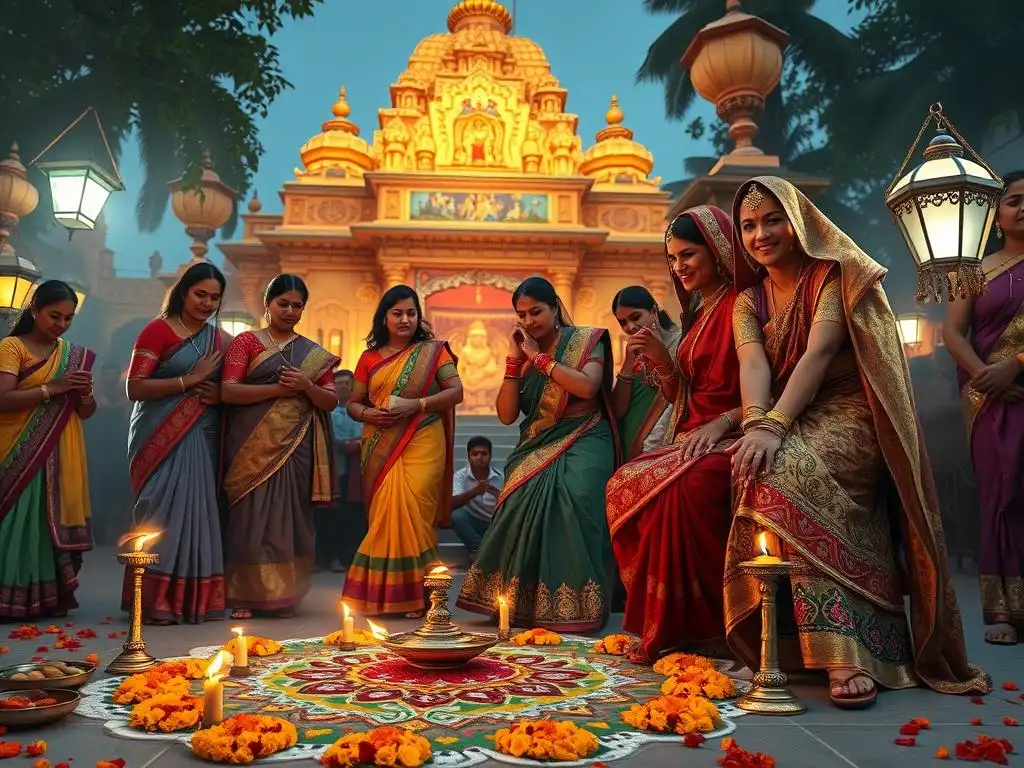
Welcome to Ancient India History, where we journey through the vibrant tapestry of time that shaped one of the world's oldest civilizations. In our latest exploration, we delve into the pivotal role of women in ancient Indian festivals, uncovering how these remarkable figures were not only the guardians of tradition but also the heartbeat of cultural celebrations. What customs did they uphold, and how did their contributions enrich the vibrant festivals we still cherish today?
Prepare to be captivated as we reveal the untold stories that have defined the spirit of ancient India. Join us in this fascinating discovery and learn how these traditions continue to resonate in modern times.
Introduction to Women in Ancient Indian Festivals
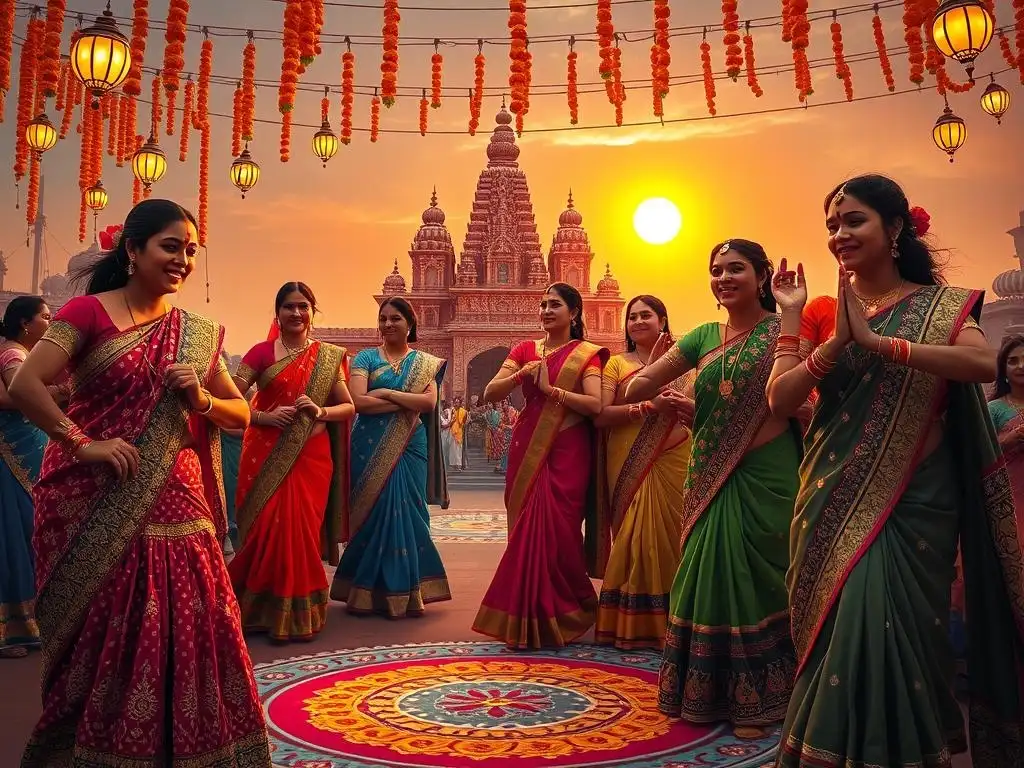
The role of women in ancient Indian festivals is a fascinating and multifaceted subject that reflects the rich cultural tapestry of India's historical landscape. Festivals in ancient India were not merely occasions for celebration; they were integral to the social, religious, and cultural fabric of society.
Women, as custodians of tradition, played a pivotal role in these festivities, shaping and preserving practices that have been handed down through generations. From the vibrant rituals of the Indus Valley Civilization to the elaborate celebrations during the Gupta Empire, women were often at the forefront, ensuring that cultural heritage was maintained and passed on.
These festivals served as a platform for women to express their creativity, spirituality, and community ties. Their participation was not only significant in terms of rituals but also in fostering unity among families and communities. As we explore the diverse roles women played in ancient Indian festivals, we uncover the layers of influence they had on tradition, identity, and social cohesion.
Significance of Festivals in Ancient India
Festivals in ancient India held profound significance beyond mere celebration. They were:
- Cultural Reflections: Festivals represented the values, beliefs, and artistic expressions of various communities.
- Religious Observances: Many festivals were tied to religious rituals and mythology, reinforcing spiritual beliefs.
- Social Cohesion: They served as a means to strengthen community bonds, bringing together families and fostering relationships.
- Agricultural Cycles: Several festivals were linked to the agricultural calendar, marking important seasonal changes and harvests.
The interplay of these elements made festivals vital to the rhythm of life in ancient India, ensuring that traditions were not only celebrated but also lived.
Overview of Women's Roles in Cultural Practices
Women in ancient India were not just passive participants in festivals; they were often the primary organizers and executors of cultural practices. Their roles included:
- Ritualistic Performers: Women frequently engaged in rituals that required specific skills, such as singing, dancing, and crafting.
- Educators of Tradition: They passed down knowledge of rituals and customs to younger generations, ensuring the continuity of cultural practices.
- Symbolic Figures: Women were often personified in festival narratives, embodying deities and mythical figures during celebrations.
The active participation of women in these roles highlights their importance in sustaining cultural heritage and nurturing the communal spirit.
Historical Context of Women in Ancient Indian Festivals
To fully appreciate the role of women in ancient Indian festivals, it is essential to understand the historical context in which these practices evolved.
Ancient Texts and References to Women in Festivals
Ancient texts, such as the Vedas and Puranas, provide rich insights into the roles women played in festivals. For instance, in many rituals, women were often depicted as essential facilitators of worship, embodying the divine feminine.
- Vedic Texts: Mention women performing rituals and participating in sacrificial ceremonies.
- Puranic Literature: Describes various festivals dedicated to goddesses, emphasizing women’s roles in worship and celebration.
These references not only highlight the importance of women in spiritual and cultural practices but also reflect their status and agency within society.
Women’s Status in Ancient Indian Society
The status of women in ancient Indian society was complex and varied across different periods and regions. While some texts celebrate women's roles as nurturers and spiritual leaders, others reflect a more restrictive view.
- Empowerment through Festivals: Festivals often provided women with opportunities to assert their identities and engage in public life.
- Social Restrictions: Despite their roles in festivals, many women faced constraints due to societal norms and expectations.
Understanding this duality is crucial for appreciating the nuanced roles women played in ancient Indian festivals and the impact these roles had on their social standing.
Major Festivals Celebrated by Women in Ancient India
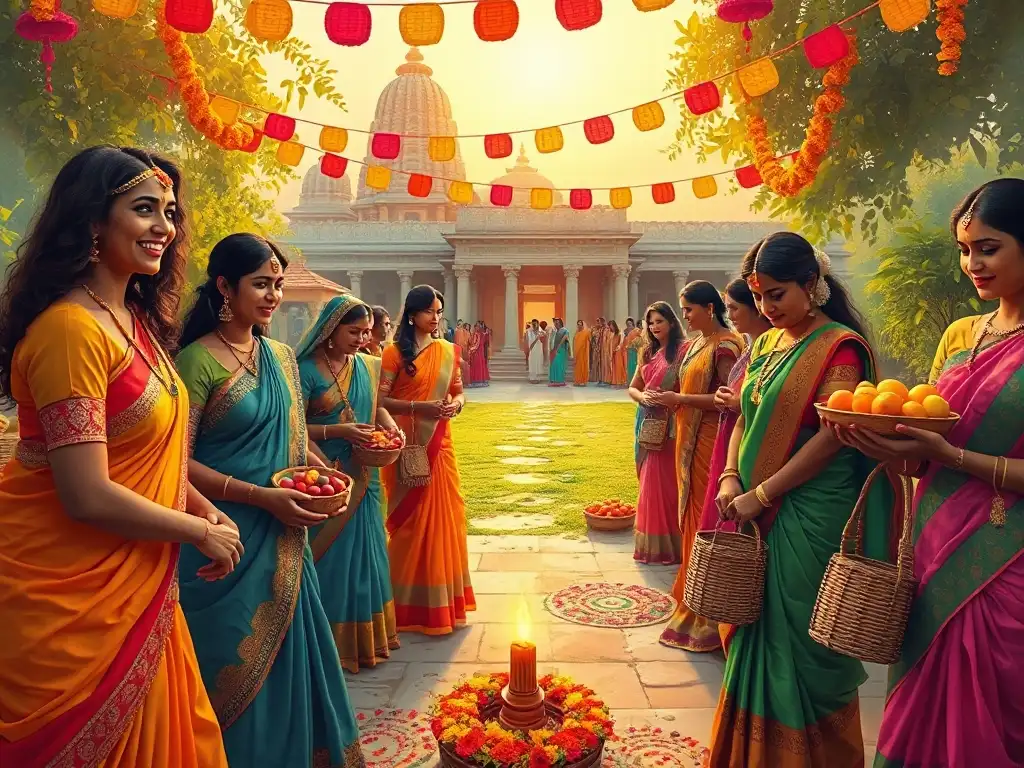
In ancient India, women played a pivotal role in the celebration of various festivals, not only as participants but also as key organizers and custodians of cultural traditions. These festivals often revolved around themes of fertility, harvest, and devotion, highlighting women's contributions to society and their integral role in upholding familial and cultural values. Some of the major festivals celebrated by women include Durga Puja, Karva Chauth, and Makar Sankranti. Each of these festivals showcases unique customs and traditions that emphasize the importance of women in the spiritual and social fabric of ancient Indian society.
Durga Puja: The Celebration of Feminine Power
Durga Puja, one of the most significant festivals in India, particularly in West Bengal, honors the goddess Durga, symbolizing feminine strength and power. Historically, women have been at the forefront of this festival, engaging in elaborate preparations that include creating intricate idols, decorating pandals, and preparing traditional foods.
The festival also serves as a platform for women to express their creativity and devotion. In many households, women lead the rituals and ceremonies, ensuring that the essence of devotion is passed down through generations. The narrative of Durga's triumph over evil resonates deeply with women's social status, portraying them as powerful figures capable of overcoming adversity. This festival not only celebrates the goddess but also empowers women by recognizing their vital role in cultural and religious practices.
Karva Chauth: A Festival of Love and Commitment
Karva Chauth is a significant festival celebrated by married women in India, characterized by fasting from sunrise until moonrise for the well-being and longevity of their husbands. This festival reflects the deep emotional bond and commitment between spouses, with women engaging in rituals that signify their devotion.
The preparations for Karva Chauth are extensive and involve wearing traditional attire, adorning oneself with jewelry, and preparing special foods for the evening meal. Women gather for communal prayers, sharing stories and experiences, which strengthens their social ties. The festival showcases not only the cultural importance of marital love but also highlights the role of women as nurturers and caretakers, essential for maintaining familial harmony.
Makar Sankranti: Women's Contributions to Harvest Celebrations
Makar Sankranti marks the transition of the sun into the zodiac sign of Capricorn, symbolizing the onset of the harvest season. This festival is celebrated with great enthusiasm across India, and women play a crucial role in its observance.
During Makar Sankranti, women participate in various activities, including the preparation of traditional sweets made from sesame seeds and jaggery, symbolizing prosperity and good health. They also engage in the decoration of homes with rangoli and the preparation of special dishes that bring families together. This festival serves as a reminder of the agricultural roots of Indian culture and the critical role women have in nurturing and sustaining these traditions through their culinary skills and community involvement.
Rituals and Responsibilities of Women in Ancient Indian Festivals
Women in ancient India were entrusted with various rituals and responsibilities during festivals, ensuring that traditions were upheld and passed on. Their roles encompassed not only the practical aspects of preparation but also the spiritual significance of the ceremonies, emphasizing their importance in maintaining cultural continuity.
Preparation of Offerings and Ritual Items
The preparation of offerings and ritual items is one of the primary responsibilities of women during festivals. This involves gathering materials such as flowers, fruits, and grains, which are considered auspicious for worship. Women meticulously prepare these offerings, often using heirloom recipes and techniques passed down through generations.
In addition to physical offerings, women also create sacred spaces for worship, decorating altars and homes to reflect the festive spirit. This hands-on involvement fosters a deep connection to the rituals and reinforces the notion that women are the custodians of sacred traditions, ensuring that the essence of the festival is preserved.
Role of Women in Performing Religious Ceremonies
Women have historically played a vital role in performing religious ceremonies during festivals. They often lead prayers and rituals, invoking blessings and participating in communal worship. Their involvement is not merely ceremonial; it is essential for the spiritual efficacy of the rites performed.
In many communities, women's participation in religious ceremonies is seen as a means of transmitting cultural values and religious beliefs to future generations. By actively engaging in these practices, they solidify their status as spiritual leaders within their families and communities, reinforcing the idea that women are integral to the religious life of ancient India.
Transmission of Traditions: Mothers as Cultural Educators
Mothers have served as the primary cultural educators in ancient Indian society, imparting knowledge about festivals, rituals, and traditions to their children. Through storytelling, practical demonstrations, and participation in celebrations, mothers instill a sense of cultural identity and continuity in their offspring.
This transmission of traditions is crucial, as it ensures that the rich tapestry of ancient Indian festivals remains vibrant and relevant. By fostering an environment where cultural practices are celebrated and cherished, mothers not only uphold their roles as guardians of tradition but also empower the next generation to appreciate and participate in their heritage.
Symbolism of Women in Ancient Indian Festival Practices
Women have played an integral role in the celebration of festivals throughout ancient Indian history, acting as custodians of cultural traditions and symbols of essential societal values. Their participation in festivals was not merely as participants but as vital elements that shaped the fabric of these celebrations. Women were often seen as the embodiment of fertility, prosperity, and nurturing, reflecting the agricultural and familial aspects that were central to many festivals. Not only did their involvement enhance the vibrancy of the celebrations, but it also reinforced their status within the community as guardians of tradition and culture.
Women as Symbols of Fertility and Prosperity
In ancient Indian festivals, women were frequently associated with fertility and prosperity, serving as symbols that connected the community to the agricultural cycles and the abundance of nature. For instance, during harvest festivals like Pongal and Makar Sankranti, women would engage in rituals that celebrated the yield of crops, often invoking blessings for future harvests. Their roles included preparing special dishes, decorating homes, and performing traditional dances that honored the earth's bounty.
Moreover, the act of women performing rituals was believed to ensure not only agricultural fertility but also the well-being of the family and community. The symbolism of women in these contexts was profound; they were seen as the nurturers who maintained the household and, by extension, the social structure. This connection between women and fertility was not limited to agriculture but also extended to family lineage, as women were responsible for passing down traditions and cultural practices to future generations.
The Depiction of Goddesses and Their Influence on Women's Roles
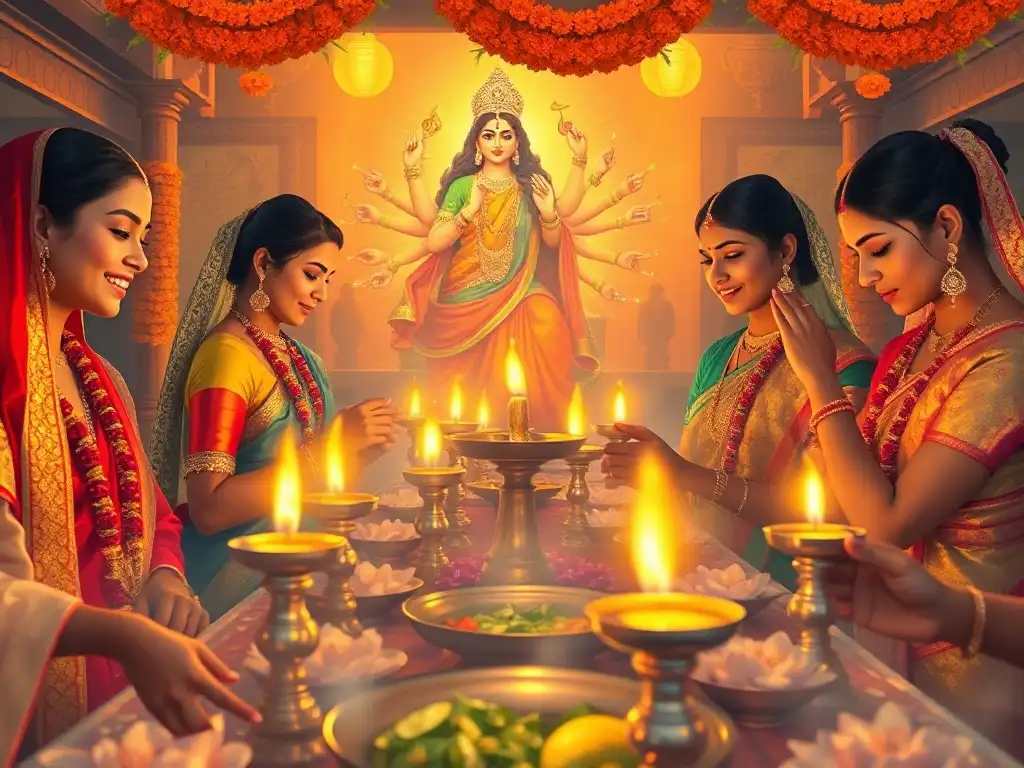
The portrayal of goddesses in ancient Indian mythology and art significantly influenced the perception of women's roles in society, particularly during festivals. Goddesses like Durga, Lakshmi, and Saraswati not only served as divine figures to be worshipped but also represented ideals of strength, wisdom, and prosperity. These deities embodied qualities that women were encouraged to emulate, thus elevating their status within the cultural narrative.
During festivals, rituals often involved invoking these goddesses, wherein women played a central role. For example, Durga Puja celebrates the goddess Durga's victory over evil, with women actively participating in the creation of idols, decorating altars, and performing dances. Such activities not only honored the divine feminine but also empowered women by affirming their contributions to spiritual and cultural practices. The reverence for goddesses reinforced the idea that women were essential to maintaining the balance of societal values and traditions.
Challenges Faced by Women in Ancient Festival Practices
Despite their pivotal roles, women in ancient Indian festivals often faced numerous challenges rooted in societal constraints and traditional gender roles. These challenges shaped their participation and influence within the broader context of cultural celebrations.
Societal Constraints and Gender Roles
Ancient Indian society was characterized by strict gender roles that often limited women's autonomy and public participation. While they were celebrated as symbols of fertility and tradition, their involvement in festival practices was frequently confined to domestic spheres. Societal expectations dictated that women focus primarily on household responsibilities, which often left them with little opportunity to engage in broader community roles during festivals.
Moreover, the rituals and customs surrounding festivals were sometimes designed to reinforce the notion of women as caretakers rather than leaders. This dynamic created a duality where women were celebrated for their nurturing qualities but were simultaneously constricted by the expectations of submission and obedience. The limitations imposed by societal norms hindered women's ability to claim agency in these celebrations, often relegating them to secondary roles despite their significant contributions.
Preservation of Traditions Amidst Changing Times
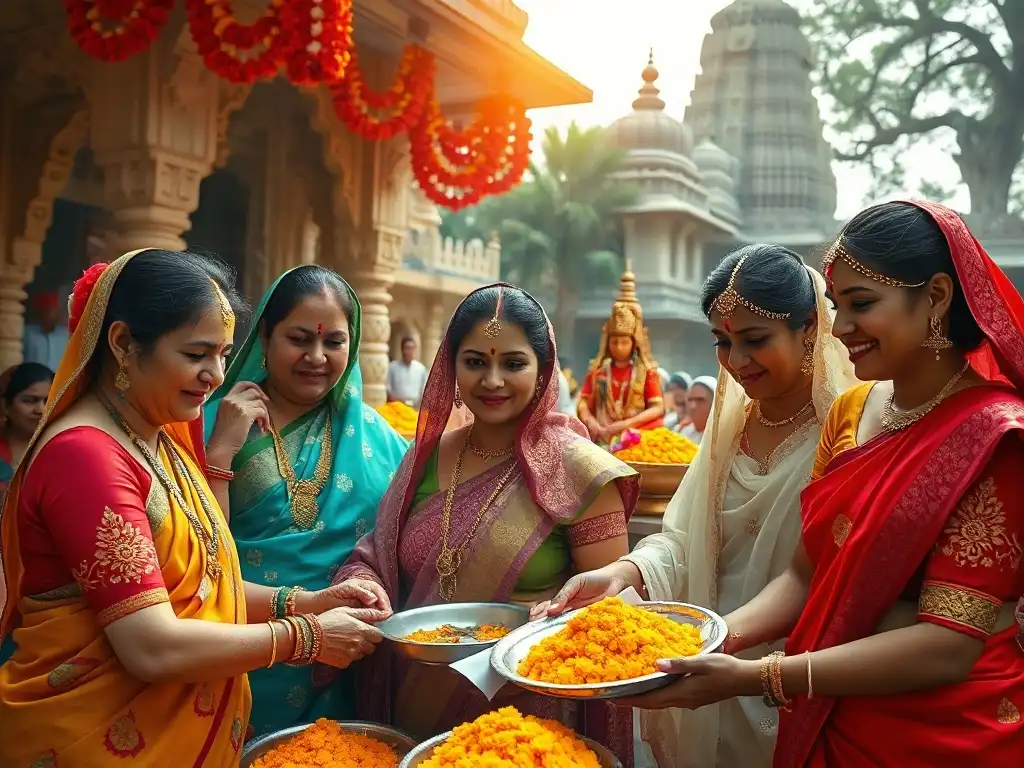
As society evolved, the role of women in ancient Indian festivals faced new challenges, particularly during periods of socio-political change. While modernization brought new opportunities, it also threatened the traditional practices that women had safeguarded for generations. The transition from agrarian to urban lifestyles often disrupted the familial structures and community ties that underpinned festival celebrations.
To preserve their cultural heritage, women adapted traditional practices to fit changing contexts, ensuring that the essence of festivals remained intact. This adaptability was evident in how women continued to organize and lead rituals, even as their roles expanded into public domains. The resilience of women in maintaining these traditions highlighted their significance as guardians of cultural identity, showcasing their ability to navigate challenges while honoring the past.
The role of women in ancient Indian festivals is a testament to their enduring spirit and influence. Despite facing societal constraints, they have served as vital symbols of fertility, prosperity, and cultural continuity, ensuring that the rich tapestry of traditions is preserved for future generations.
Conclusion: The Lasting Legacy of Women in Ancient Indian Festivals
The role of women in ancient Indian festivals extends far beyond mere participation; they were vital custodians of cultural traditions and rituals. Their influence shaped the way festivals were celebrated and preserved, thus ensuring that these vibrant customs were passed down through generations. From preparing traditional foods to performing sacred rituals, women played a pivotal part in the communal and familial aspects of festival celebrations.
The enduring legacy of women in these festivals can be seen in the way certain practices have been maintained over centuries. Their contributions not only enriched the festivals themselves but also fostered a sense of identity and community among participants. This legacy highlights the integral role women have played in sustaining the cultural fabric of ancient Indian society.
Reflection on Women's Contributions to Cultural Heritage
Women's contributions to cultural heritage during ancient Indian festivals are profound and multifaceted. They were the primary transmitters of knowledge regarding rituals, folklore, and customs, often teaching younger generations about the significance of each celebration. Through storytelling, dance, and music, women enriched the celebratory atmosphere, ensuring that these traditions remained vibrant and relevant.
The festivals themselves often reflected the dual roles women played as both nurturers and leaders within their communities. For instance, during festivals like Navaratri, women would lead devotional practices, emphasizing their spiritual authority and leadership. This dual role underscores the importance of women not just as participants, but as pivotal figures in the preservation and evolution of cultural heritage.
The Ongoing Influence of Ancient Traditions in Modern Celebrations
The influence of ancient traditions, shaped significantly by the contributions of women, continues to resonate in modern celebrations across India. Today, many festivals still retain elements of those ancient practices, showcasing traditional music, dance forms, and culinary arts that women had historically developed and perfected.
In contemporary India, women remain central to festival preparations, often taking on roles as organizers and leaders in community events. This continuity highlights the resilience of these traditions and the respect afforded to women's roles within them. Furthermore, modern interpretations of these ancient practices may include innovative adaptations that reflect current societal values while honoring their historical roots.
References
Suggested Reading on Women in Ancient Indian Festivals
- “Women and Festivals in India” - A comprehensive study analyzing the diverse roles women have played in various Indian festivals throughout history.
- “Festivals of India: History and Traditions”: - This book provides insights into the historical significance of festivals and the cultural contributions of women.
- “Goddesses in Indian Art and Literature” - Focuses on the representation of women in spiritual and cultural narratives, highlighting their roles in festivals.
Academic Sources and Historical Texts
- “The Cultural Heritage of India” - A collection of essays on various aspects of Indian culture, including the role of women in festivals.
- “Women in Ancient India” - A historical text that delves into the lives of women in ancient Indian society, including their involvement in cultural practices.
- “Rituals and Festivals: A Study of Continuity and Change”: - An academic exploration of how rituals, including those led by women, have evolved over time while retaining core traditional elements.
- Introduction to Women in Ancient Indian Festivals
- Significance of Festivals in Ancient India
- Overview of Women's Roles in Cultural Practices
- Historical Context of Women in Ancient Indian Festivals
- Major Festivals Celebrated by Women in Ancient India
- Rituals and Responsibilities of Women in Ancient Indian Festivals
- Symbolism of Women in Ancient Indian Festival Practices
- Women as Symbols of Fertility and Prosperity
- The Depiction of Goddesses and Their Influence on Women's Roles
- Challenges Faced by Women in Ancient Festival Practices
- Societal Constraints and Gender Roles
- Preservation of Traditions Amidst Changing Times
- Conclusion: The Lasting Legacy of Women in Ancient Indian Festivals
- References
- What were the primary roles of women in ancient Indian festivals?
- How did women contribute to the celebration of festivals?
- Were women allowed to participate in all festivals equally?
- What significance did women's participation hold in ancient Indian society?
- How did ancient Indian festivals reflect the status of women in society?
Frequently Asked Questions
What were the primary roles of women in ancient Indian festivals?
Women played crucial roles in ancient Indian festivals, often serving as guardians of tradition. They participated in rituals, prepared offerings, and ensured the continuity of cultural practices.
How did women contribute to the celebration of festivals?
Women contributed by organizing events, performing traditional dances, and crafting decorative items. Their involvement was essential for maintaining the spirit and essence of the celebrations.
Were women allowed to participate in all festivals equally?
While women participated in many festivals, their roles varied depending on regional customs and social norms. In some cases, they had prominent roles, while in others, they faced restrictions.
What significance did women's participation hold in ancient Indian society?
Women's participation symbolized unity and continuity within communities. Their roles in festivals reinforced their status as cultural keepers, ensuring the transmission of heritage and values to future generations.
How did ancient Indian festivals reflect the status of women in society?
Festivals often highlighted women's strengths and contributions, showcasing their influence in family and community life. Their active involvement indicated a respect for their roles within the societal framework of ancient India.
Final Reflection: Celebrating the Guardians of Tradition
The role of women in ancient Indian festivals is not just a historical account; it is a vibrant thread woven into the fabric of our cultural identity. Today, as we navigate a rapidly changing world, understanding the contributions of women in these festivals reminds us of the strength and resilience embedded in our traditions. Their influence shapes not only the celebrations but also the very essence of community and familial bonds, making their legacy profoundly relevant in our contemporary society.
The impact of women in ancient Indian festivals transcends time, echoing through generations and influencing our cultural landscape. Their roles as nurturers, organizers, and custodians of rituals have laid the foundation for the vibrant celebrations we enjoy today. As we reflect on this, we can appreciate the words of Mahatma Gandhi: A nation's greatness is measured by how it treats its weakest members.
This sentiment resonates deeply when we consider how the contributions of women have often been overlooked, yet they remain the backbone of our cultural heritage.
As we conclude this exploration, I invite you to reflect on the lessons learned from the role of women in ancient Indian festivals. Consider how you can honor and celebrate these traditions in your own life, whether through participation in local festivities or by sharing stories that highlight the importance of women in your community. Let us carry forward the legacy of these guardians of tradition, ensuring that their contributions are recognized and cherished for generations to come.
Embrace the Legacy of Women’s Wisdom in Festivals!
Thank you for diving into the rich tapestry of women’s roles in ancient Indian festivals! Your interest in preserving and honoring these traditions is both valuable and inspiring. Now, it’s time to put that knowledge into action and celebrate this legacy in your own unique way.
- Explore local festivals in your area that honor ancient traditions. Participate actively to forge connections within your community.
- Share your insights with friends and family! Host a gathering where you can discuss the remarkable contributions of women and the significance of these celebrations.
- Document your own experiences or the stories of women in your family related to festivals. Consider writing a blog post or article to contribute to the ongoing conversation about these important cultural practices.
What insights or stories about the impact of women in your cultural festivals will you share with others to inspire a new generation?