
The Unique Customs of Onam: A Cultural Odyssey of Kerala’s Harvest Festival

Welcome to Ancient India History, where we embark on a journey through the vibrant tapestry of ancient Indian civilizations. Today, we invite you to delve into the enchanting customs of the Onam festival, a celebration that epitomizes the rich cultural heritage of Kerala. As we explore the unique traditions that make this harvest festival a spectacular reflection of community and gratitude, you'll uncover the stories that bind generations together.
Join us on this cultural odyssey and discover how Onam not only marks the abundance of the season but also celebrates the spirit of unity and joy. Ready to uncover the magic behind the festivities? Let’s dive in!
Introduction to the Kerala Onam Festival Traditions
The Kerala Onam festival is a vibrant celebration that encapsulates the rich cultural heritage and agricultural traditions of the state of Kerala, India. This festival, observed annually, marks the culmination of the harvest season and is a time for family reunions, feasting, and various traditional activities. Onam provides a unique opportunity to explore the diverse customs and practices that define the identity of the Keralite people. As we delve into the various aspects of Onam, we will uncover the significance of its traditions, the historical context that shaped this festival, and the celebrations that have evolved over time.
Overview of Onam in Kerala’s Cultural Context
Onam is celebrated with great enthusiasm and joy, not only in Kerala but among Keralites worldwide. The festival spans ten days, with each day featuring distinct rituals and activities, culminating in the grand Onam feast known as Onam Sadhya. This gathering is characterized by an array of traditional dishes served on banana leaves, reflecting the agricultural bounty of the region.
The festival is steeped in various cultural practices, including:
- Pookalam: The intricate flower rangoli made at the entrance of homes.
- Vallamkali: The traditional boat races that showcase the spirit of teamwork and competition.
- Kaikottikali: The folk dance performed by women, symbolizing unity and joy.
These customs not only highlight the artistic expressions of the people but also reinforce community bonds.
Importance of Onam as a Harvest Festival
Onam signifies the end of the harvest season, marking a time of gratitude for the bountiful yield. It is a period of reflection and celebration, where people express their appreciation for nature's generosity. The festival fosters a sense of community, as families come together to share meals and partake in festivities.
The significance of Onam extends beyond mere celebration; it serves as a reminder of the agricultural roots that underpin the socio-economic fabric of Kerala. The festival encourages sustainable practices and highlights the importance of preserving traditional farming methods.
Historical Significance of Onam
The historical roots of Onam are deeply intertwined with the mythology and folklore of Kerala. Understanding these origins provides a broader perspective on its significance in contemporary society.
Origins of Onam: Mythological Roots
According to legend, Onam commemorates the annual visit of King Mahabali, a benevolent ruler who is said to visit his subjects during this time. His reign is often depicted as a golden era of prosperity and happiness. The celebrations of Onam symbolize the return of Mahabali, making it a time of joy and festivity.
The mythological narratives surrounding the festival incorporate elements of Hindu philosophy and reflect the values of justice, equality, and community spirit. These themes resonate with the collective memory of the people, reinforcing the importance of Onam in their cultural identity.
Evolution of Onam Celebrations Through the Ages
Over the centuries, Onam has evolved from its ancient roots into a multifaceted celebration that incorporates various regional practices and influences. Originally, it was primarily an agricultural festival, but it has since absorbed diverse cultural elements, making it a rich tapestry of traditions.
Today, Onam is celebrated not only in rural areas but also in urban centers, where modern interpretations of the festival have emerged. Events such as cultural performances, art exhibitions, and community gatherings are now integral to the Onam experience, bridging the gap between tradition and contemporary society.
As we continue to explore the unique customs of Onam, we will delve deeper into the specific traditions that make this festival a true cultural odyssey of Kerala.
Major Customs and Traditions of Onam
The Onam festival, celebrated primarily in Kerala, is a vibrant tapestry of customs and traditions that reflect the region's rich cultural heritage. This harvest festival, which typically falls in the month of Chingam (August-September), is marked by a series of rituals that honor the spirit of prosperity and community. Each custom serves to strengthen familial bonds and promote unity among the people of Kerala.
Among the most beloved customs are the elaborate floral designs known as Pookalam, the grand feast called Onam Sadhya, and the wearing of traditional attire. Each of these customs plays a significant role in the festivities, inviting not just participation but also a deep appreciation for the cultural identity of Kerala. The joyous spirit of Onam is further amplified by traditional games and sports, making it an occasion that resonates with both the young and the old.
Pookalam: The Art of Floral Designs
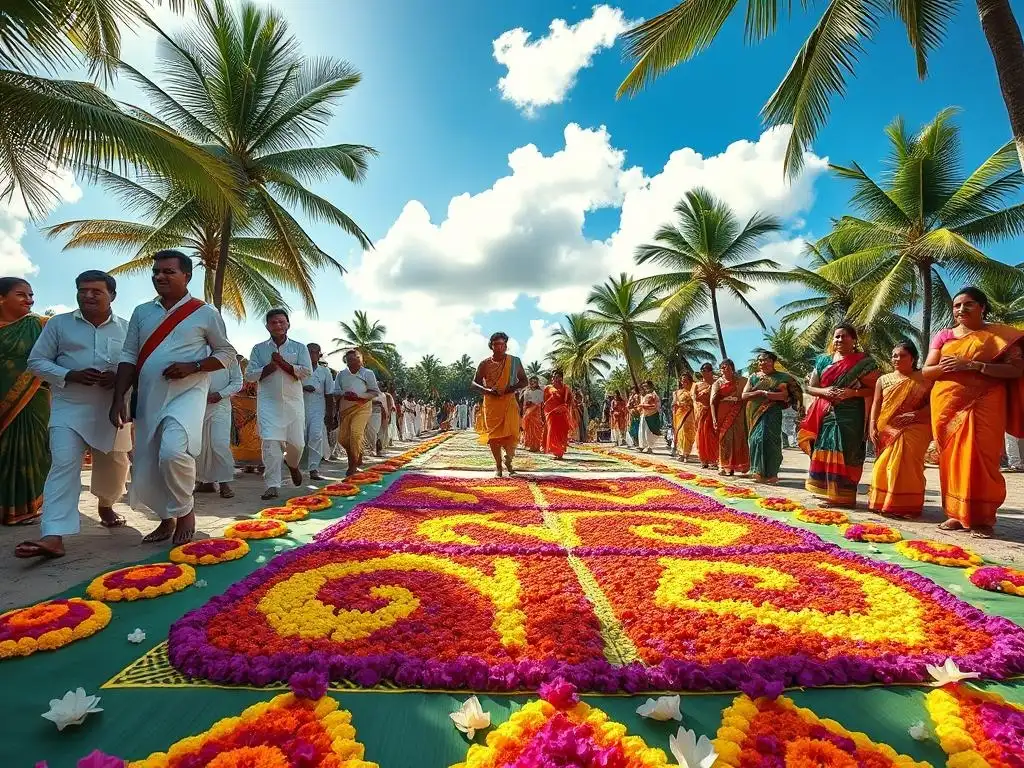
Pookalam, a beautiful arrangement of colorful flowers, is one of the first customs associated with Onam. In homes and public spaces, intricate patterns are created using various types of flowers, symbolizing prosperity and the welcoming of King Mahabali. The designs often include vibrant hues of yellow, red, white, and purple, and can range from simple circular shapes to complex geometric patterns.
Each day of the Onam festival, a new layer of flowers is added to the Pookalam, reflecting the evolving nature of the celebration. This art form is not merely decorative; it also represents the spirit of creativity and community, as families often come together to create these stunning displays. Additionally, the Pookalam serves as a symbolic invitation to King Mahabali, emphasizing the themes of hospitality and abundance.
Onam Sadhya: The Grand Feast of Kerala
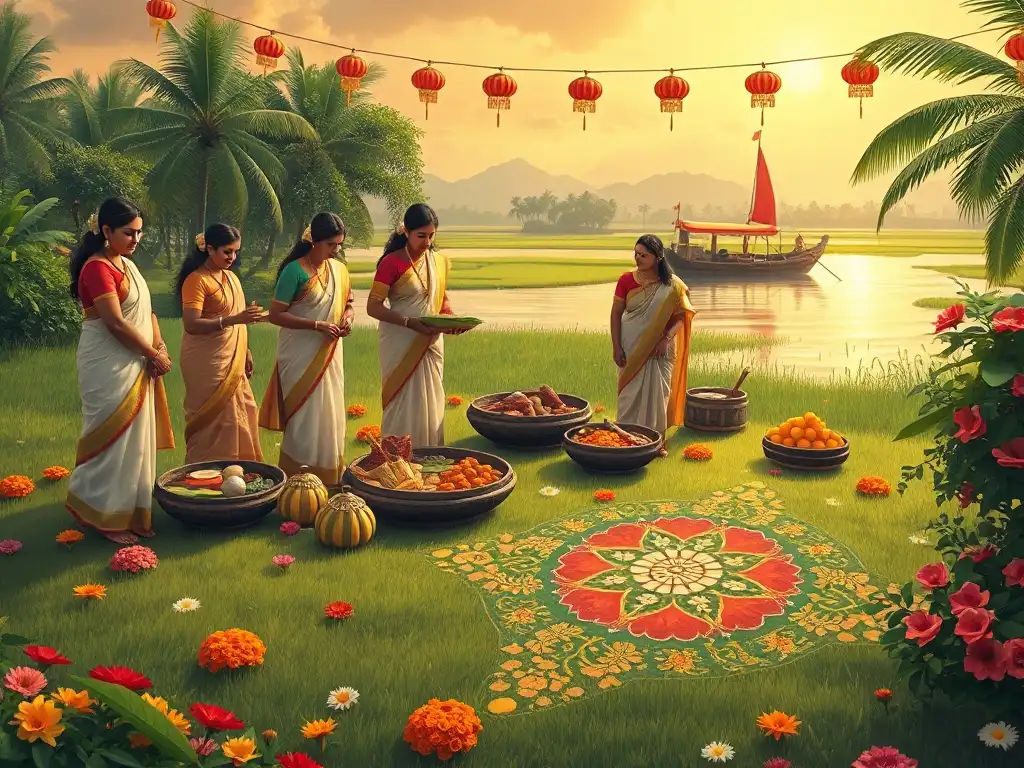
Onam Sadhya is the centerpiece of the Onam festival, a grand feast that showcases Kerala's culinary richness. Traditionally served on a banana leaf, this vegetarian meal includes a variety of dishes, each prepared with local ingredients and traditional recipes. Key items in the Sadhya include rice, sambar, avial (a mixed vegetable dish), and payasam (a sweet dessert), among others.
The preparation of Onam Sadhya is a communal effort, often involving family members gathering to cook together. This not only fosters a sense of togetherness but also allows for the sharing of culinary skills and family recipes. The feast is typically enjoyed in a leisurely manner, emphasizing the importance of mindfulness and gratitude for the bounties of nature.
Traditional Attire: Dress Code during Onam
During Onam, traditional attire plays a vital role in enhancing the festive spirit. Men typically wear a mundu, which is a garment wrapped around the waist, often paired with a shirt or kurta. Women, on the other hand, don the elegant kasavu saree, characterized by its cream color and golden borders. This attire is not only a celebration of cultural identity but also reflects the aesthetic beauty of Kerala.
Dressing in traditional attire during Onam is a way for individuals to connect with their heritage and to honor the customs of their ancestors. Families often coordinate their outfits to create a unified look, adding to the visual splendor of the celebrations. The attire serves as a reminder of the rich textile traditions of Kerala, showcasing the artistry involved in local craftsmanship.
Onam Games: Fun and Festivity
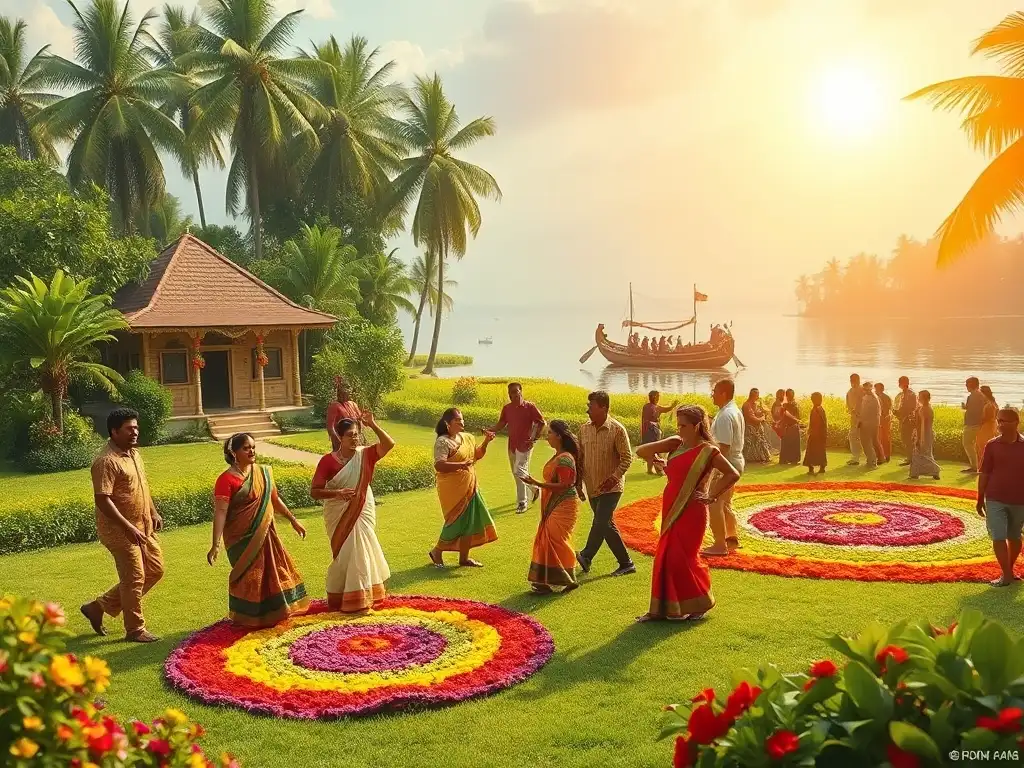
Onam is not just about rituals and feasting; it is also a time for fun and games. Traditional games, known as Onam Kaikottikali, are an integral part of the festivities. These games include activities like tug-of-war, boat races, and the famous Vallamkali (boat race), which attract participants and spectators alike.
The spirit of competition and camaraderie shines through these games, fostering a sense of community and joy. Children and adults participate together, bridging generational gaps and strengthening bonds. The games are a vibrant expression of Kerala's cultural ethos, emphasizing teamwork, strategy, and the importance of celebrating together.
Rituals and Celebrations during Onam
The rituals and celebrations during Onam are deeply rooted in mythology and tradition, each with its own significance. The festival is not just a time for merriment; it is a period of spiritual reflection and community bonding, culminating in a vibrant celebration that resonates with the essence of Kerala's heritage.
The Role of King Mahabali in Onam Celebrations
King Mahabali is a central figure in the Onam festival, symbolizing the prosperity and harmony that characterized his reign. According to mythology, he was a benevolent ruler who brought happiness and wealth to his subjects. The story of his annual visit to Kerala during Onam is celebrated with great enthusiasm, as it represents the return of good times and prosperity.
During the festival, people engage in various rituals to honor King Mahabali, including the creation of Pookalam and the preparation of Onam Sadhya. The spirit of Mahabali is believed to bless the land, ensuring a bountiful harvest and the well-being of the community. His legacy is a poignant reminder of the values of generosity, kindness, and communal harmony.
Onam Celebration Timeline: From Atham to Thiruvonam
The Onam festival spans ten days, beginning with Atham and culminating in Thiruvonam. Each day has its own significance and rituals, contributing to the overall festive atmosphere. The celebrations commence with the creation of the first Pookalam on Atham, followed by various cultural events and activities leading up to Thiruvonam, the most auspicious day.
Throughout this period, families engage in different traditions, such as cleaning and decorating their homes, preparing for the Sadhya, and participating in community events. This timeline encapsulates the essence of Onam, transforming it into a collective celebration that brings together people from all walks of life.
Community Involvement: Family and Friends Gatherings
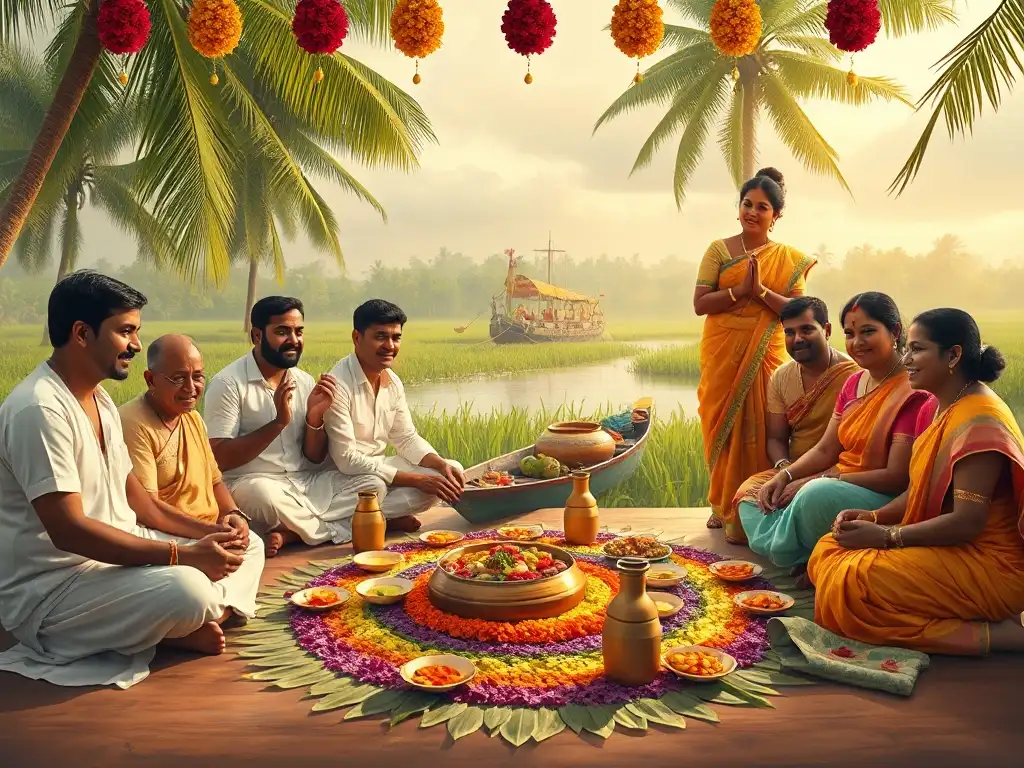
Onam is fundamentally a festival that emphasizes community and familial ties. The joyous occasion brings families and friends together, creating opportunities for bonding and shared experiences. Homes are filled with laughter, music, and the aroma of delicious food, as loved ones gather to celebrate.
Community involvement extends beyond family gatherings; it includes neighborhood celebrations and public events where people come together to engage in cultural programs, traditional games, and performances. This collective spirit reinforces the idea that Onam is not just a personal celebration but a community affair, embodying the values of unity, generosity, and cultural pride.
Regional Variations in Onam Celebrations
Onam, the most significant festival of Kerala, showcases a rich tapestry of regional variations that reflect the diversity of the state's culture. Each district in Kerala celebrates Onam with its unique flair, influenced by local traditions, customs, and historical contexts. From the grand feasts to the vibrant dances, these regional variations are a testament to the festival’s adaptability and significance across the state.
Differences in Customs Across Kerala’s Districts
The customs associated with Onam can vary considerably from one district to another. For example:
- Thiruvananthapuram: In the capital city, Onam is marked by the grand procession of the Onam parade, featuring traditional art forms like Kathakali and Chenda melam. The celebrations here are characterized by large gatherings and community feasts known as Onam Sadya.
- Kochi: In Kochi, the festival blends with maritime traditions. The local festivities often include boat races and seafood feasts, showcasing the region's connection to the water.
- Malappuram: Here, the Onam celebrations incorporate traditional Islamic customs, such as special prayers and communal meals, highlighting the district's cultural diversity.
- Kottayam: In this area, Onam is often celebrated with unique folk dances like Thiruvathira, emphasizing the local women's participation in the festivities.
These regional distinctions not only enrich the Onam experience but also foster a sense of identity and pride among the residents of each district.
Influence of Local Cultures on Onam Traditions
Local cultures profoundly influence Onam traditions, making the festival a melting pot of various customs. For instance, in areas with a significant Christian population, such as Kottayam and Idukki, the festival may see the incorporation of Christian hymns and communal prayers, merging religious practices with traditional Onam celebrations.
Additionally, the indigenous communities in the Wayanad district celebrate with unique rituals that honor nature, including honoring the harvest through dances and songs that reflect their close relationship with the land. This cultural intermingling enriches the festival and promotes a spirit of inclusivity, showcasing Kerala's diverse heritage.
The Contemporary Onam: Blending Tradition with Modernity
As Kerala progresses into the 21st century, Onam celebrations have evolved to include modern interpretations while retaining their traditional essence. The contemporary Onam reflects a blend of age-old customs and modern influences, making the festival relevant to today’s society.
Modern Interpretations of Onam Customs
Modern interpretations of Onam customs have emerged as younger generations seek to celebrate the festival in ways that resonate with their lifestyles. For example, traditional attire is often combined with contemporary fashion elements, leading to vibrant and diverse styles during Onam celebrations.
Moreover, the Onam Sadya, traditionally served on banana leaves, is now sometimes enjoyed in restaurants or catered events, adapting to modern dining preferences while still celebrating the traditional flavors of Kerala. Additionally, cultural programs and competitions organized in urban areas often incorporate innovative performances and themes that reflect current social issues, creating a dynamic atmosphere around the festival.
The Role of Technology in Celebrating Onam Today
Technology plays a crucial role in how Onam is celebrated today. Social media platforms have become vital for sharing Onam greetings, showcasing festive preparations, and organizing community events. Online marketplaces offer traditional Onam items, such as Pookalam (flower rangoli) and ethnic wear, making it easier for people to participate in the celebrations regardless of their location.
Furthermore, virtual events and live streaming of traditional performances have allowed people to connect and celebrate Onam together, even from afar. This integration of technology not only enhances the reach of the festival but also ensures that the rich traditions of Onam continue to thrive in a modern context, allowing for both preservation and innovation.
Conclusion: The Cultural Legacy of Kerala Onam Festival Traditions
The Kerala Onam festival is not merely a celebration of the harvest; it is a rich tapestry woven with historical significance, cultural practices, and communal harmony. Each custom associated with Onam, from the vibrant pookalam (floral arrangements) to the exhilarating boat races, encapsulates the spirit of unity and joy among the diverse communities of Kerala.
These traditions serve as a reminder of the agrarian roots of the region and the importance of nature's bounty in sustaining life and culture. As the festival draws people together, it reinforces social bonds, fosters goodwill, and promotes a sense of identity that is uniquely Keralite.
Moreover, the Onam festival reflects the enduring legacy of past civilizations that have influenced Kerala's culture. The stories of Mahabali and the significance of Onam transcend mere folklore, resonating with values of generosity, equality, and respect for nature. This legacy is not just a remembrance of what was but a living tradition that continues to evolve while maintaining its core essence. As Kerala embraces modernity, the customs of Onam adapt, yet they remain deeply rooted in the historical and cultural context of the region.
Reflection on the Importance of Preserving Onam Customs
Preserving the customs of the Onam festival is crucial for maintaining the cultural heritage of Kerala. As globalization and urbanization reshape lifestyles, there is a risk that traditional practices may diminish or be forgotten. The celebration of Onam serves as a vital means of transmitting cultural values and practices to younger generations, ensuring that the essence of Kerala’s identity remains intact. Through education and community participation in Onam festivities, the significance of these customs can be imparted, fostering a sense of pride and belonging among the youth.
Furthermore, the preservation of Onam traditions contributes to the cultural diversity of India. Each region's festivals, including Onam, reflect a unique blend of local customs, history, and spirituality. By honoring and practicing these traditions, communities not only celebrate their heritage but also contribute to the rich mosaic of Indian culture. This cultural preservation is essential for sustaining local economies, particularly in tourism, where visitors seek authentic experiences that showcase traditional practices.
The Future of Onam Celebrations in Kerala and Beyond
As the world evolves, so too do the celebrations of Onam. Looking to the future, it is essential to balance tradition with modern influences. While maintaining the core aspects of the festival, such as the communal feasting, traditional attire, and artistic expressions, there is an opportunity to integrate contemporary elements that appeal to younger audiences. This could include leveraging technology for virtual celebrations, promoting eco-friendly practices in pookalam designs, or incorporating modern music and dance forms into traditional performances.
Moreover, the global diaspora of Keralites presents a unique opportunity for the Onam festival to reach new audiences beyond Kerala. As Keralites settle in various parts of the world, they carry their traditions with them, celebrating Onam in diverse contexts that enhance its significance. This globalization of Onam can foster cultural exchange, allowing for a deeper appreciation and understanding of Kerala’s heritage among people from different backgrounds.
The future of Onam celebrations lies in their ability to adapt while honoring the past. By embracing innovation and inclusivity, the festival can continue to thrive, ensuring that the rich customs of Onam remain a vibrant part of Kerala’s cultural landscape for generations to come.
- Introduction to the Kerala Onam Festival Traditions
- Overview of Onam in Kerala’s Cultural Context
- Importance of Onam as a Harvest Festival
- Historical Significance of Onam
- Major Customs and Traditions of Onam
- Rituals and Celebrations during Onam
- Regional Variations in Onam Celebrations
- The Contemporary Onam: Blending Tradition with Modernity
- Conclusion: The Cultural Legacy of Kerala Onam Festival Traditions
Frequently Asked Questions
What is the significance of the Onam festival in Kerala?
Onam is celebrated as a harvest festival, symbolizing prosperity and abundance. It honors the mythical King Mahabali and celebrates the cultural diversity of Kerala.
How long does the Onam festival last?
Onam lasts for ten days, filled with various customs and celebrations including the famous Onam Sadhya feast and vibrant pookalam (floral decorations).
What are some traditional activities associated with Onam?
Traditional activities include boat races, dance performances, and the preparation of a grand feast known as Onam Sadhya, showcasing Kerala's rich culinary heritage.
How do people prepare for the Onam festival?
Preparations for Onam involve cleaning homes, creating pookalam, and shopping for new clothes. Families also plan for the elaborate feasts and community gatherings that mark the celebrations.
What makes the customs of Onam unique?
The customs of Onam are unique due to their blend of mythology, community participation, and cultural expression, reflecting the rich heritage of Kerala and its people.
Final Reflection: Embracing the Spirit of Kerala's Onam Festival Traditions
The rich tapestry of Kerala's Onam festival traditions serves as a vibrant reminder of our shared cultural heritage and the importance of celebrating diversity in our global community. As we navigate through modern life, the essence of Onam—rooted in gratitude, unity, and the bountiful blessings of nature—resonates more than ever. This festival not only marks the harvest season but also symbolizes the triumph of good over evil, a theme that remains profoundly relevant in today's world.
The influence of Onam extends beyond the borders of Kerala, weaving itself into the cultural fabric of India and beyond. The traditions of Onam, from the intricate pookalam designs to the communal feasts, reflect a deep-seated appreciation for nature and community. As we engage with these customs, we find ourselves part of a larger narrative that celebrates life and fosters connections. Tradition is not the worship of ashes, but the preservation of fire.
This quote encapsulates the enduring spirit of Onam, reminding us that while we honor the past, we must also ignite the flame of cultural continuity for future generations.
As you reflect on the lessons of the Onam festival, consider how you can incorporate its values into your own life. Embrace the spirit of togetherness, express gratitude for the abundance around you, and celebrate the diversity that enriches our world. Let the essence of Onam inspire you to create your own traditions that honor your roots while fostering connections with others. In doing so, you not only keep the spirit of Kerala's Onam alive but also contribute to a more harmonious and inclusive society.
Thank you for taking the time to immerse yourself in the vibrant customs of Onam! We hope you’ve gained a deeper appreciation for this beautiful harvest festival and its rich cultural significance. Now, let's keep the spirit alive and take action!
- Join a local Onam celebration—experience the festivities firsthand and connect with your community.
- Share your insights about Onam on social media or with friends—let’s spread the joy of Kerala’s traditions!
- Explore traditional recipes and try creating your own Onam feast at home—discover the incredible flavors that this festival has to offer!
What aspect of Onam resonates with you the most, and how will you incorporate that into your own celebrations?