
Celebrating Raksha Bandhan: The Bond of Siblings Through Time

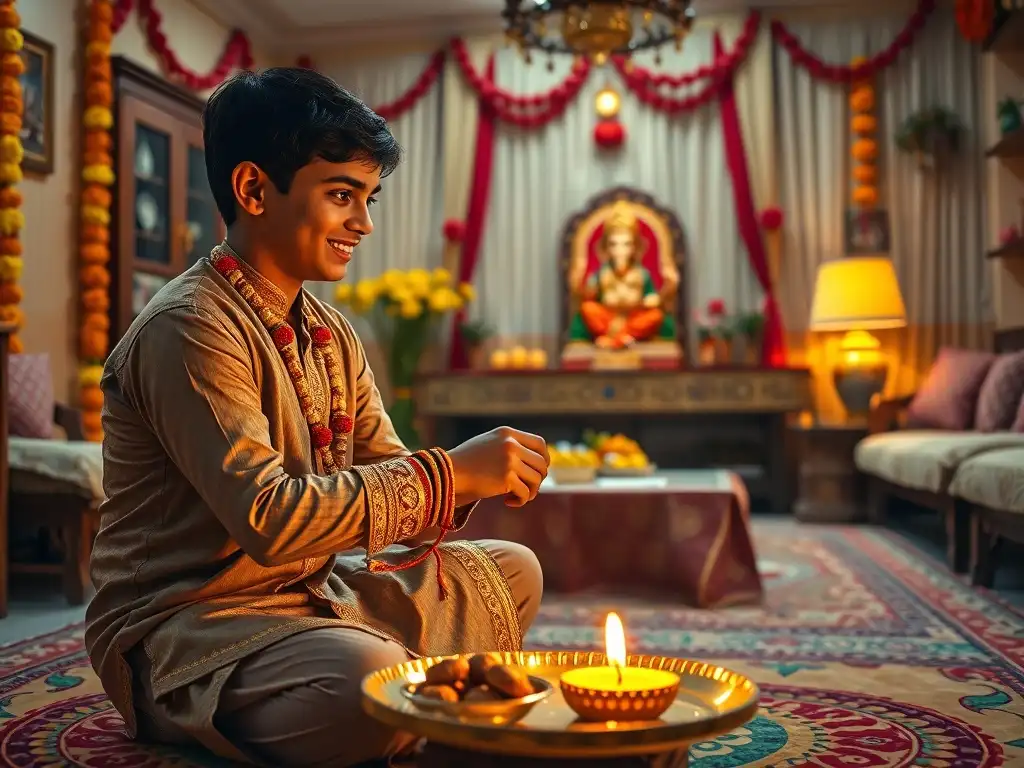
Welcome to Ancient India History, where we embark on a fascinating journey through the vibrant tapestry of ancient Indian civilizations. In this exploration, we delve into the Raksha Bandhan history and significance, uncovering the deep-seated traditions that celebrate the timeless bond between siblings. Why does this festival resonate so profoundly across generations? What stories lie beneath the colorful threads of this enduring ritual? Join us as we unravel these questions and more, inviting you to discover the rich cultural heritage that has shaped India's identity through the ages. Prepare to be captivated!
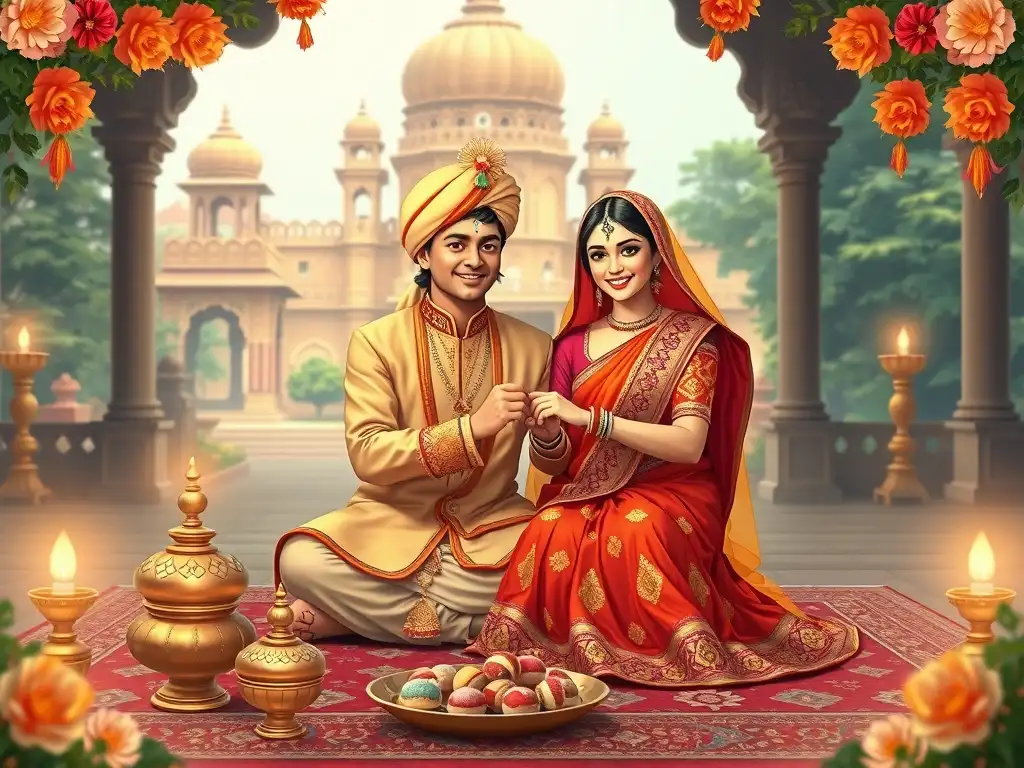
Raksha Bandhan, a cherished celebration in Indian culture, symbolizes the enduring bond between siblings. This festival, marked by the tying of a sacred thread (rakhi) by sisters around their brothers' wrists, encapsulates deep-rooted traditions, love, and promises of protection. As we explore the Raksha Bandhan history and significance, it becomes evident that this celebration transcends mere rituals, reflecting the values of duty, affection, and mutual respect that have characterized sibling relationships across generations. From ancient times to the present, Raksha Bandhan has evolved, yet its core essence remains intact, celebrating the unique ties that bind siblings together.
Introduction to Raksha Bandhan
Understanding the Festival's Essence
Raksha Bandhan, which translates to "the bond of protection," is not only a festival but a heartfelt expression of love between siblings. Traditionally celebrated on the full moon day of the Hindu month of Shravana, this day is dedicated to honoring the commitment of brothers to protect their sisters while acknowledging the sisters’ role in nurturing familial bonds through their prayers and blessings. The festival is characterized by:
- Rituals: Sisters perform aarti, apply a tilak on their brothers’ foreheads, and tie rakhis.
- Gifts: Brothers present gifts as a token of their love and commitment.
- Feasting: Families come together to share delicious meals, reinforcing familial ties.
Overview of Raksha Bandhan History and Significance
The rich tapestry of Raksha Bandhan is interwoven with historical significance and cultural ethos. Its origins can be traced back to ancient rituals that emphasized the protective bond between siblings. The festival has evolved over the centuries, adapting to changing societal norms while retaining its core values.
- Cultural Significance: Raksha Bandhan fosters a sense of unity and love among siblings, reinforcing familial connections.
- Historical Context: The festival has been referenced in various historical texts and folklore, highlighting its long-standing importance in Indian culture.
The Historical Origins of Raksha Bandhan
Ancient References to Raksha Bandhan
Historically, the roots of Raksha Bandhan can be found in ancient texts and scriptures, where the concept of protection and brotherhood was deeply valued. Some notable references include:
- Raja Ram and Rani Laxmibai: The legendary bond of protection was highlighted during the rebellion against British rule, where Rani Laxmibai tied a rakhi on her brother, symbolizing unity against oppression.
- Historical Accounts: Chronicles from various dynasties suggest that the practice of tying rakhis was prevalent long before it became a formalized festival.
Raksha Bandhan in Hindu Scriptures and Epics
The significance of Raksha Bandhan is echoed in several Hindu scriptures and epics, which underscore the importance of sibling relationships.
- Mahabharata: The famous tale of Draupadi tying a rakhi to Krishna, who later vows to protect her honor, exemplifies the protective bond celebrated through this festival.
- Other Texts: Various Puranas and folklore illustrate instances where siblings have supported and protected one another, reinforcing the festival's essence.
Evolution of the Festival Through Different Dynasties
Over the centuries, Raksha Bandhan has witnessed various transformations influenced by the socio-political landscape of India. Different dynasties contributed to the evolution of the festival, adapting its practices and significance:
- Gupta Era: During this period, the festival gained prominence as a symbol of loyalty and camaraderie among royal families.
- Medieval Period: The Mughal Empire saw the fusion of traditions, where the concept of rakhi extended beyond biological ties to include alliances between families and kingdoms.
- Modern Times: Today, Raksha Bandhan continues to be celebrated with fervor, embracing contemporary values while honoring its historical roots.
As we delve deeper into the layers of Raksha Bandhan, we uncover a celebration rich in history, significance, and emotional depth, making it an integral part of India's cultural heritage.
Cultural Significance of Raksha Bandhan
Raksha Bandhan is a celebration that transcends mere festivity; it embodies the deep-rooted cultural values and familial bonds that are intrinsic to Indian society. This festival is primarily about the relationship between brothers and sisters, symbolizing love, protection, and duty. It reinforces the idea that familial ties are sacred and deserve to be cherished. The very essence of Raksha Bandhan lies in its ability to bring families together, fostering a sense of unity and communal harmony.
Historically, Raksha Bandhan has been referenced in various texts and scriptures, demonstrating its longstanding importance. For instance, stories from ancient epics like the Mahabharata highlight the festival's significance, where Draupadi ties a rakhi to Lord Krishna, invoking his protection. This illustrates that the festival is not just a modern-day celebration but a continuation of traditions cherished over centuries.
The Symbolism of the Rakhi
The rakhi, often adorned with vibrant threads, beads, and sometimes even precious materials, serves as a powerful symbol of the bond between siblings. Traditionally, it is a sacred thread that a sister ties around her brother's wrist, signifying her love and the hope for his well-being. The act of tying the rakhi is not merely a ritual; it represents the sister's prayer for her brother's protection and prosperity.
In many ways, the rakhi embodies the spiritual connection that transcends physical boundaries. It is also seen as a promise from the brother to always look after his sister, reinforcing the protective aspect of their relationship. The rakhi's design can vary widely, with each style representing different cultural influences and personal expressions, yet its underlying significance remains constant across regions.
The Role of Siblings in Indian Culture
In Indian culture, siblings play a pivotal role in shaping an individual's identity and social standing. The relationship between brothers and sisters is often characterized by mutual respect, care, and occasional rivalry, reflecting a microcosm of societal values. This bond is nurtured through shared experiences, responsibilities, and the collective upbringing within a family.
The importance of siblings extends beyond mere companionship; they are viewed as lifelong allies who support each other through various life stages. This particularly resonates during festivals like Raksha Bandhan, reinforcing the idea that siblings are essential to one another's growth and happiness. The festival highlights the emotional depth and enduring nature of these relationships, which are celebrated and revered in Indian society.
Raksha Bandhan's Reflection of Family Values
Raksha Bandhan is a vivid reflection of the family values that pervade Indian culture. It emphasizes the significance of familial bonds, duty towards one another, and the idea of mutual support. The festival is a reminder of the responsibilities that come with these relationships; it showcases how love is intertwined with duty.
Moreover, Raksha Bandhan serves as an opportunity for family members to express their gratitude and affection. It fosters an environment of love and appreciation, where siblings can reaffirm their commitment to one another. The festival, thus, is not just a celebration but a reaffirmation of the values that bind families together, creating a sense of belonging and emotional security.
Rituals and Traditions Associated with Raksha Bandhan
Rituals and traditions associated with Raksha Bandhan vary significantly across India, each carrying its unique flavor while maintaining the core essence of the celebration. From the preparation of sweets to the ceremonial tying of the rakhi, these practices enrich the festival's cultural tapestry.
Traditional Practices during Raksha Bandhan
Traditional practices during Raksha Bandhan involve a series of rituals that enhance the celebratory atmosphere. Sisters typically begin the day by performing aarti for their brothers, which involves circling a lamp in front of them while chanting prayers. This is followed by the tying of the rakhi and the exchange of gifts, usually sweets or tokens of appreciation.
In many households, special dishes are prepared to mark the occasion, signifying the joy and festivity of the day. The act of feeding sweets to each other symbolizes the sweetness of their relationship and reinforces the bond shared. Beyond these practices, the day is often filled with laughter, storytelling, and the rekindling of cherished childhood memories, making it a truly memorable occasion.
Regional Variations in Celebrating Raksha Bandhan
India's diversity is reflected in the myriad ways Raksha Bandhan is celebrated across regions. In northern states, the festival is characterized by grand celebrations and elaborate rituals, while southern states may incorporate unique local customs into the festivities.
For example, in Maharashtra, the festival is celebrated with the tying of rakhis not just to brothers but also to male friends and relatives, emphasizing community ties. In contrast, some eastern states might focus on the familial aspect, with sisters preparing special meals for their brothers. These regional variations not only enhance the festival's vibrancy but also showcase the rich cultural heritage of India, making Raksha Bandhan a truly inclusive celebration.
The Significance of the Rakhi Ceremony
The rakhi ceremony is the heart of Raksha Bandhan, symbolizing the sacred bond and commitment between siblings. This ritual holds profound significance, as it encapsulates the essence of protection and love. During the ceremony, the sister prays for her brother's well-being, while he, in turn, pledges to safeguard her throughout his life.
The exchange of gifts following the rakhi tying further cements this bond, as it allows both siblings to express their affection and appreciation for one another. The rakhi ceremony, therefore, is more than a mere ritual; it is a heartfelt affirmation of the promises and responsibilities that define their relationship. Through this ceremony, siblings reaffirm their roles as protectors and supporters, ensuring that the spirit of Raksha Bandhan continues to thrive across generations.
Contemporary Celebrations of Raksha Bandhan
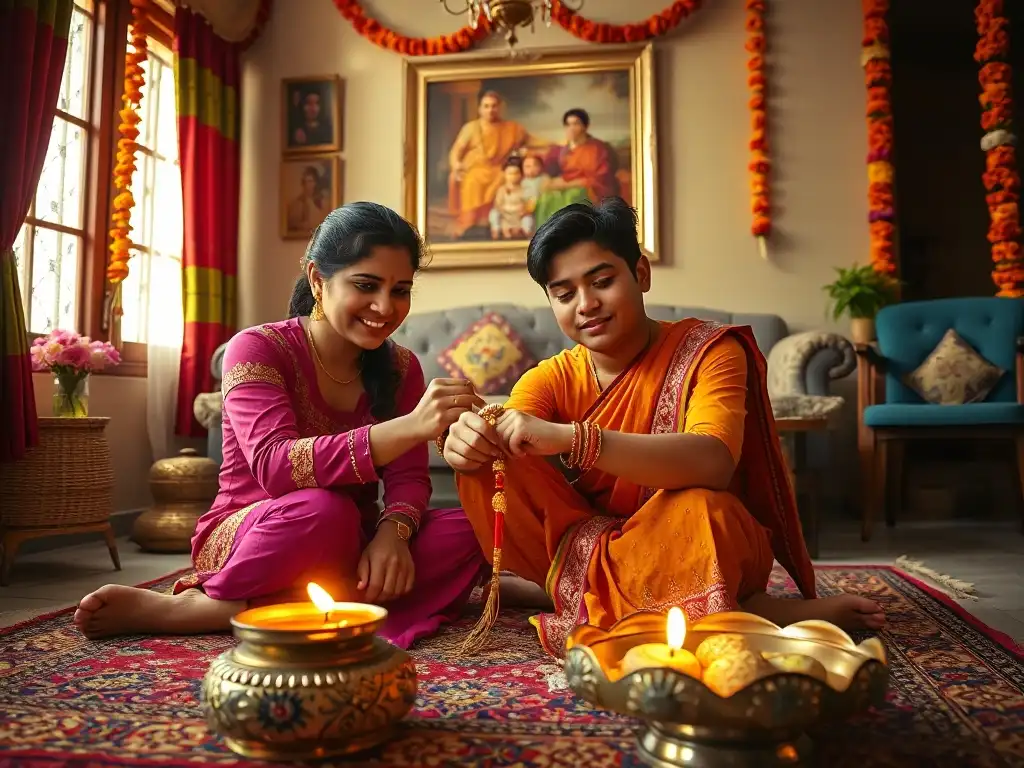
In modern times, Raksha Bandhan has evolved into a vibrant celebration that transcends geographical boundaries and cultural contexts. While the essence of the festival—celebrating the bond between brothers and sisters—remains intact, contemporary practices have infused it with new meanings and traditions. Families across India and the diaspora now celebrate the festival with elaborate rituals, including the tying of the rakhi, exchanging gifts, and sharing festive meals. The use of technology has also transformed how siblings connect, with many opting for virtual celebrations through video calls and social media, allowing them to partake in the festivities even when miles apart.
The commercialization of Raksha Bandhan has also played a significant role in shaping its contemporary celebrations. Marketplaces are flooded with an array of rakhis, from traditional ones made of thread and beads to modern, quirky designs featuring popular characters or themes. This shift has made the festival more accessible and appealing to younger generations, who often seek to express their creativity through the rakhis they choose. Additionally, many urban areas host community events and fairs that bring people together to celebrate the festival, promoting a sense of unity and shared cultural heritage.
Modern Interpretations of Raksha Bandhan
Modern interpretations of Raksha Bandhan reflect the changing dynamics of sibling relationships in contemporary society. While traditionally, the festival emphasized the protective role of brothers, today, it encompasses a more egalitarian view, celebrating the mutual love and support between siblings, regardless of gender. Sisters not only tie rakhis but also feel empowered to assert their independence and express their affection in diverse ways, such as gifting personalized items or planning special outings.
The festival has also expanded to include friendships and non-biological relationships. Many people now celebrate "Raksha Bandhan" with close friends or mentors, symbolizing the bonds formed through shared experiences and mutual care. This shift highlights the festival's adaptability and relevance in today's society, as it embraces a broader definition of familial and emotional connections.
The Influence of Urbanization on the Festival
Urbanization has significantly impacted how Raksha Bandhan is celebrated, particularly in metropolitan areas where lifestyle changes have altered traditional practices. In cities, the hustle and bustle of daily life often necessitate more streamlined celebrations. Many families opt for quick rituals amid busy schedules, leading to a focus on the symbolic aspects of the festival rather than lengthy ceremonies.
Furthermore, urbanization has fostered a blend of cultural influences, allowing for a diverse range of practices to emerge. For instance, urban celebrations may incorporate elements from other festivals, and the fusion of traditions can be seen in the variety of rakhis available, which might combine motifs from different cultures or religions. This evolution showcases the adaptability of Raksha Bandhan as it continues to resonate with people's lives in ever-changing urban landscapes.
Raksha Bandhan in the Global Context
As the Indian diaspora expands across the globe, Raksha Bandhan has found its place in various international communities. Countries like the United States, Canada, the United Kingdom, and Australia witness vibrant celebrations similar to those in India, often characterized by a mix of traditional customs and local influences. In these regions, the festival serves as a reminder of cultural heritage and a means of connecting with one's roots, especially for younger generations who may not have the opportunity to experience the festival in its traditional setting.
In recent years, the festival has garnered attention beyond Indian communities, with people from different backgrounds expressing interest in the rituals and significance of Raksha Bandhan. This growing curiosity fosters cross-cultural understanding and appreciation, allowing the festival's core message of love, protection, and unity to resonate with a broader audience.
Conclusion: The Enduring Legacy of Raksha Bandhan
The enduring legacy of Raksha Bandhan lies in its ability to adapt and thrive amidst changing cultural landscapes and societal norms. As it continues to evolve, the festival remains a vital celebration of sibling bonds, reflecting deep emotional connections that transcend time and geography.
The Timelessness of Sibling Bonds
At its core, Raksha Bandhan embodies the timeless nature of sibling relationships, which are characterized by love, loyalty, and support. Regardless of how the festival is celebrated, its fundamental message remains the same: the importance of nurturing these bonds through acts of care and affection. The rituals and customs may change, but the spirit of Raksha Bandhan—honoring the unique relationship between siblings—endures.
Future Perspectives on Raksha Bandhan Celebrations
Looking ahead, Raksha Bandhan is likely to continue evolving, influenced by emerging social trends and technological advancements. The integration of digital platforms for celebrations will likely increase, allowing siblings to maintain their connections across distances. Additionally, as societal norms shift towards greater inclusivity and recognition of diverse relationships, the festival may further expand its scope to celebrate bonds beyond traditional definitions. This adaptability ensures that Raksha Bandhan will remain a cherished celebration for generations to come, continually reinforcing the significance of sibling love and support in an ever-changing world.
References and Further Reading on Raksha Bandhan History and Significance
To gain a deeper understanding of Raksha Bandhan and its historical significance, various resources can provide substantial insights. This section compiles a selection of books, articles, and documentaries that explore the origins, traditions, and cultural relevance of this beloved festival. These references will not only enhance your knowledge but also help appreciate the rich tapestry of sibling relationships celebrated during Raksha Bandhan.
Books and Articles on Raksha Bandhan
- "Festivals of India: A Comprehensive Guide" by R. K. Sharma
- This book delves into various Indian festivals, including Raksha Bandhan, providing historical context, rituals, and significance attached to this celebration. It offers a well-rounded perspective on the cultural implications of the festival.
- "The Essence of Indian Festivals" by Meena Kumari
- Meena Kumari’s work focuses on the spiritual and cultural dimensions of Indian festivals. The chapter on Raksha Bandhan discusses its evolution over time and highlights personal anecdotes that illustrate its importance in contemporary society.
- "Siblings and Their Bonds: A Cultural Perspective" by Anjali Verma
- This academic article explores sibling relationships in Indian culture, with a significant focus on Raksha Bandhan. It examines how the festival strengthens family ties and fosters emotional connections between siblings.
- "Rakhi and Its Historical Significance" - A Journal of Indian Cultural Studies
- This journal article provides an analytical look at the historical narratives surrounding Raksha Bandhan, tracing its roots from ancient scriptures to modern-day celebrations. It discusses various interpretations of the festival across different regions of India.
Documentaries and Visual Resources on the Festival
- "Raksha Bandhan: Ties that Bind" - National Geographic
- This documentary showcases the vibrant celebrations of Raksha Bandhan across India, featuring interviews with families and cultural experts. It highlights the rituals involved and the emotional significance of the festival.
- "The Festival of Bonds" - Discovery Channel
- A captivating exploration of sibling relationships through the lens of Raksha Bandhan, this documentary provides insights into the diverse ways in which siblings celebrate this festival in different parts of India.
- "Celebrating Rakhi: A Journey Through Time" - YouTube Series
- This mini-series offers a visual narrative of Raksha Bandhan's historical roots, featuring historical sites, interviews with historians, and festive celebrations around the country. It serves as an engaging resource for those looking to understand the festival’s evolution.
- "Rakhi: A Symbol of Love and Protection" - Educational Video by History TV18
- This educational video presents a concise yet informative overview of Raksha Bandhan, discussing its origins, significance, and contemporary practices. It is an excellent resource for both students and enthusiasts of Indian culture.
These references and resources collectively provide a comprehensive understanding of Raksha Bandhan history and significance, enriching the appreciation of this cherished festival and the bonds it celebrates.
- Introduction to Raksha Bandhan
- The Historical Origins of Raksha Bandhan
- Cultural Significance of Raksha Bandhan
- Rituals and Traditions Associated with Raksha Bandhan
- Contemporary Celebrations of Raksha Bandhan
- Conclusion: The Enduring Legacy of Raksha Bandhan
- References and Further Reading on Raksha Bandhan History and Significance
Frequently Asked Questions
What is the history of Raksha Bandhan?
Raksha Bandhan has ancient roots, tracing back to rituals performed during the Indus Valley Civilization. It has evolved through centuries, symbolizing the bond between brothers and sisters.
What is the significance of Raksha Bandhan in Indian culture?
The festival represents the sacred bond of love and protection between siblings. It emphasizes values such as duty, loyalty, and the importance of family ties in Indian society.
How is Raksha Bandhan celebrated today?
Today, Raksha Bandhan is celebrated by tying a protective thread (rakhi) around the brother's wrist, followed by exchanging gifts and sweets. This tradition reflects the affection and care between siblings.
Are there any myths or stories associated with Raksha Bandhan?
Yes, several myths surround the festival, including tales of Draupadi and Krishna, and Rani Karnavati and Humayun, which highlight themes of protection and sibling loyalty throughout history.
How has Raksha Bandhan influenced sibling relationships?
Raksha Bandhan fosters a sense of responsibility and strengthens the bond between siblings. It encourages them to express their love and commitment, reinforcing the foundation of family values.
Final Reflection: Embracing the Timeless Bond of Raksha Bandhan
The celebration of Raksha Bandhan is not merely a ritual; it is a profound testament to the enduring bond between siblings that transcends time and culture. In today’s fast-paced world, where relationships often take a backseat to personal ambitions, the significance of Raksha Bandhan serves as a poignant reminder of the love, protection, and commitment that siblings share. This festival, rich in history and meaning, encourages us to pause and appreciate the invaluable connections that shape our lives.
Celebrating Raksha Bandhan has evolved into a cultural phenomenon that resonates deeply within our social fabric. The traditions surrounding this festival foster a sense of belonging and unity, reminding us of the importance of familial ties in a rapidly changing society. Siblings are the people we practice on, the people who teach us about fairness and cooperation and kindness and caring—quite often the hard way.
This quote encapsulates the essence of sibling relationships, highlighting how Raksha Bandhan not only honors these bonds but also reinforces the values that guide us through life.
As we reflect on the lessons of Raksha Bandhan, let us embrace the opportunity to strengthen our own relationships. Take a moment to reach out to your siblings, celebrate your shared memories, and reaffirm your commitment to one another. In doing so, we not only honor the rich history of this festival but also cultivate a future where love and support flourish among siblings, creating a legacy that will be cherished for generations to come.
Embrace the Spirit of Raksha Bandhan!
Thank you for taking the time to explore the beautiful traditions of Raksha Bandhan with us! Your interest in these rich cultural practices brings you closer to understanding the unique bond shared between siblings throughout time. Now, it's time to take that inspiration and make it a living part of your life!
Here are some engaging ways you can celebrate and honor the spirit of Raksha Bandhan:
- Create a heartfelt Rakhi for your sibling – Dive into your creativity and design a personal Rakhi that embodies your special connection. This thoughtful gesture will make the celebration even more meaningful!
- Host a family gathering – Bring your family together to share stories and memories associated with Raksha Bandhan, fostering connection and strengthening familial ties.
- Explore local traditions – Discover how diverse cultures celebrate this festival. Share your findings with friends or within your community to spark enlightening conversations about sibling love!
How will you express the bond you share with your siblings this Raksha Bandhan? We’d love to hear your thoughts and stories in the comments!