
Ancient Indian Herbal Remedies: The Intersection of Food and Medicine

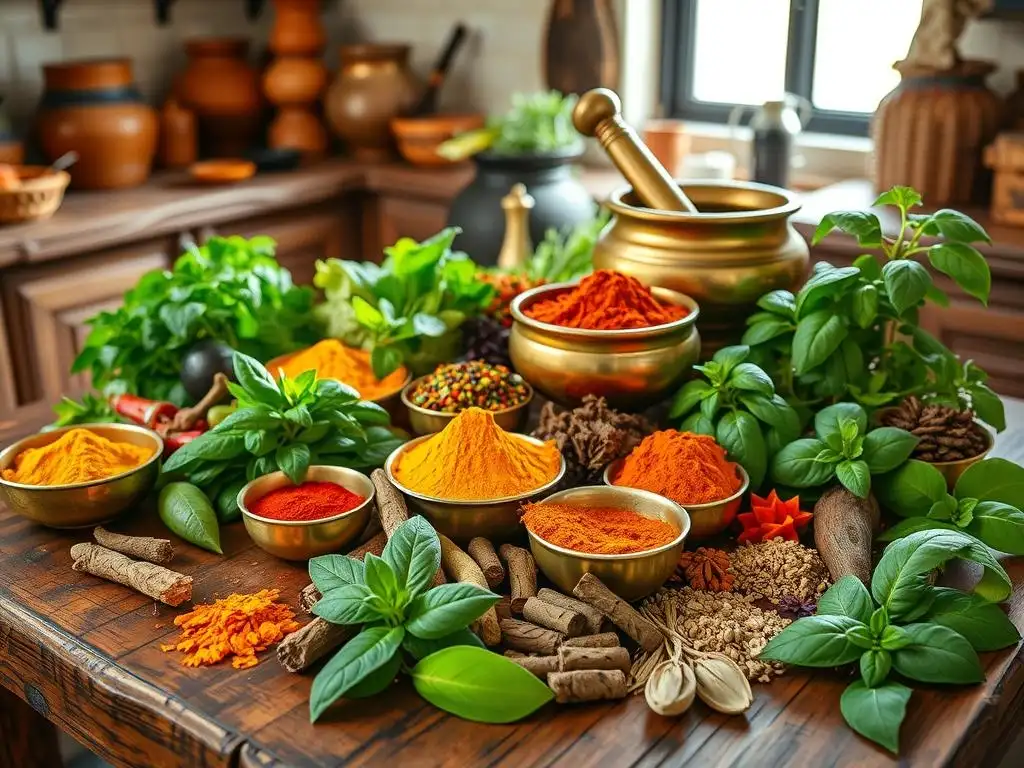
Welcome to Ancient India History, where we invite you to embark on a fascinating journey through the rich tapestry of ancient Indian civilizations. In our featured article, "Ancient Indian Herbal Remedies: The Intersection of Food and Medicine," we delve into the remarkable world of Ancient Indian herbal medicine practices—a harmonious blend of culinary art and healing traditions that have stood the test of time. Discover the secrets behind age-old remedies, and learn how the wisdom of our ancestors continues to influence modern health and wellness.
Ready to uncover the profound connections between food and medicine in ancient India? Let’s explore together!
- Ancient Indian Herbal Medicine Practices: A Historical Overview
- Prominent Herbs Used in Ancient Indian Medicine
- The Intersection of Food and Medicine in Ancient Indian Culture
- Comparative Analysis: Ancient Indian Herbal Remedies vs. Modern Herbal Practices
- How to Incorporate Ancient Indian Herbal Remedies into Modern Life
- Frequently Asked Questions
- Final Reflection: Embracing the Wisdom of Ancient Indian Herbal Medicine
- Unveil the Healing Power of Ancient Wisdom!
Ancient Indian Herbal Medicine Practices: A Historical Overview

The rich tapestry of ancient Indian herbal medicine practices is an integral part of the country's extensive history, culture, and culinary traditions. Spanning thousands of years, these practices reflect a profound understanding of the relationship between food and medicine, where herbs and natural ingredients were not merely components of a meal, but pivotal elements in promoting health and healing. Ancient Indian civilizations, such as those of the Indus Valley and later the Vedic period, laid the groundwork for what would become a sophisticated system of medicine known as Ayurveda.
This holistic approach to health emphasizes the balance of body, mind, and spirit, showcasing how dietary choices can influence overall well-being. In this article, we will delve into the origins and key principles of ancient Indian herbal medicine, exploring how these traditions continue to resonate in modern practices.
The Origins of Herbal Medicine in Ancient India
The roots of herbal medicine in ancient India can be traced back to the Vedic texts, which date as far back as 1500 BCE. These texts detail various herbs and their therapeutic properties, indicating an early recognition of the medicinal potential of plants. The Sushruta Samhita and Charaka Samhita, foundational texts of Ayurveda, further expanded on these concepts by categorizing plants based on their healing attributes and prescribing them for various ailments.
- Indus Valley Civilization: Evidence of medicinal plants used as early as 2600 BCE has been uncovered in archaeological sites. This ancient civilization utilized a variety of herbs, such as turmeric and neem, both of which possess significant health benefits.
- Vedic Period Contributions: During this era, the spiritual connection to nature was emphasized, with rituals often incorporating herbs believed to have divine properties. This laid a philosophical foundation for future herbal practices.
The integration of herbal medicine into everyday life was not solely for healing but also for spiritual and dietary purposes, highlighting a holistic view of health that is still evident in contemporary practices.
Key Principles of Ancient Indian Herbal Medicine
Ancient Indian herbal medicine is guided by several foundational principles that reflect its holistic nature. Understanding these principles is essential in appreciating the depth and efficacy of these practices.
- Holistic Approach:
- Ancient Indian medicine views health as a balance of physical, mental, and spiritual elements. This approach recognizes that diseases often arise from imbalances in these areas.
- Individualized Treatment:
- Practitioners consider each individual's unique constitution (Prakriti) and lifestyle when prescribing herbal remedies. This person-centered approach ensures that treatments are tailored to promote optimal health and healing.
- Synergy of Food and Medicine:
- Many herbs used in ancient Indian practices are also common culinary ingredients, emphasizing the belief that food can serve both as sustenance and medicine. For instance, ginger is not only used for flavor but also for its anti-inflammatory properties.
- Preventive Care:
- Ancient Indian herbal medicine places a strong emphasis on prevention. Regular use of specific herbs and dietary practices is encouraged to maintain health and prevent diseases before they manifest.
- Connection to Nature:
- There is a deep respect for nature and its offerings in ancient Indian herbal practices. The understanding of seasonal changes and the availability of herbs influenced the development of regional remedies, further enriching the diverse tapestry of ancient Indian medicine.
The intersection of food and medicine through ancient Indian herbal remedies provides a fascinating insight into how ancient civilizations approached health and well-being. As we explore these practices in more depth, we uncover not just remedies but a philosophy that continues to inspire modern health and wellness trends.
Prominent Herbs Used in Ancient Indian Medicine

Ancient Indian herbal medicine practices have played a pivotal role in the health and wellness of various civilizations throughout history. The use of herbs has been deeply intertwined with culinary traditions, where food not only nourished the body but also served as a source of healing. The following are some of the most prominent herbs that have been utilized in ancient Indian medicine, showcasing their significance and versatility.
Turmeric: The Golden Spice of Healing
Turmeric, known scientifically as Curcuma longa, is often referred to as the "golden spice" due to its vibrant yellow color and extensive health benefits. This herb has been used for thousands of years in both culinary and medicinal applications.
- Anti-inflammatory Properties: Turmeric contains curcumin, a compound known for its anti-inflammatory effects. Ancient texts detail its use in treating conditions such as arthritis and digestive disorders.
- Antioxidant Benefits: The herb is rich in antioxidants, which help combat oxidative stress in the body, potentially reducing the risk of chronic diseases.
- Digestive Aid: Turmeric has been traditionally used to improve digestion and alleviate issues like bloating and gas. It is often incorporated into various dishes as a spice, enhancing flavor while promoting health.
“Turmeric is not just a spice; it's a way to bring healing and wellness into our daily lives.”
Ginger: A Versatile Herbal Remedy
Ginger, or Zingiber officinale, has been a staple in Indian kitchens and medicine cabinets for centuries. Its distinct flavor and aroma make it a popular ingredient in culinary practices, while its medicinal properties are widely recognized.
- Digestive Health: Ginger is renowned for its ability to soothe digestive issues. Ancient practitioners often recommended it for nausea, motion sickness, and overall gastrointestinal health.
- Anti-inflammatory Effects: Similar to turmeric, ginger possesses considerable anti-inflammatory properties. This makes it useful in treating conditions like sore throats and joint pain.
- Immune System Support: Ginger has been traditionally used to bolster the immune system, particularly during cold and flu seasons. Its warming properties aid in circulation and overall vitality.
Ginger can be consumed in various forms:
- Fresh (raw slices or grated)
- Dried (as a spice)
- As a tea
Ashwagandha: The Ancient Adaptogen
Ashwagandha, scientifically known as Withania somnifera, is often dubbed the "Indian ginseng" due to its adaptogenic properties. This potent herb has been a cornerstone of Ayurvedic medicine for over 3,000 years.
- Stress Reduction: Ashwagandha is celebrated for its ability to reduce stress and anxiety levels. Ancient texts suggest that regular use can lead to improved mental clarity and resilience against stressors.
- Cognitive Function: Research indicates that ashwagandha may enhance cognitive function, making it beneficial for memory and learning. It is often recommended in formulations for mental health.
- Physical Endurance: This herb is also known for improving physical performance and stamina, making it popular among athletes and those engaged in strenuous activities.
“Ashwagandha embodies the harmonious balance of mind and body, a core principle in ancient Indian medicine.”
The integration of these prominent herbs into ancient Indian herbal medicine practices illustrates the sophisticated understanding of wellness that existed long before modern medicine. By leveraging the healing properties of these herbs, ancient civilizations fostered a holistic approach to health that continues to influence contemporary practices.
The Intersection of Food and Medicine in Ancient Indian Culture
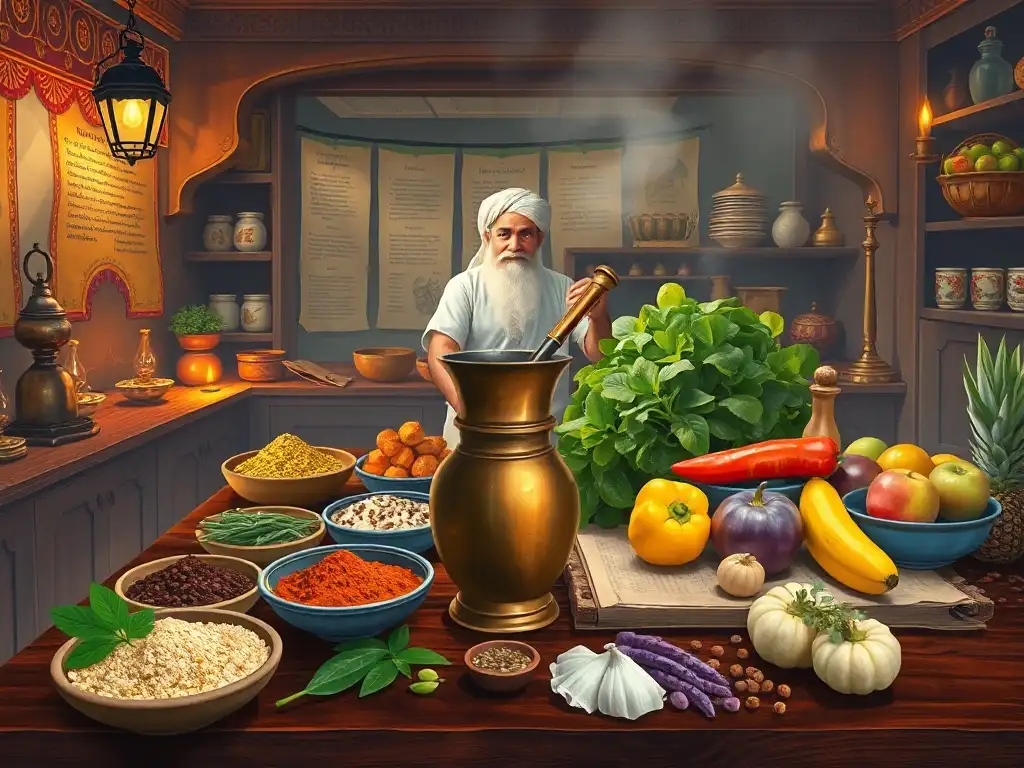
In ancient Indian culture, the boundaries between food and medicine were remarkably fluid, reflecting a deep understanding of the interconnectedness of health and nutrition. Ancient Indian herbal medicine practices were not only about treating ailments but also about enhancing overall well-being through food. This holistic approach was rooted in the belief that food could serve as medicine, a philosophy that continues to influence modern practices.
The ancient texts, such as the Charaka Samhita and Sushruta Samhita, highlighted the significance of various herbs and spices in daily cooking. Ingredients like turmeric, ginger, and cumin were not merely flavor enhancers; they were revered for their medicinal properties. For instance, turmeric, known for its anti-inflammatory and antioxidant effects, was commonly used in curries and other dishes. This integration of culinary practices with herbal remedies laid the foundation for a robust system of health and nutrition that thrived in ancient Indian society.
Culinary Practices Influenced by Herbal Medicine
The culinary landscape of ancient India was rich with herbal medicine practices that infused everyday meals with health benefits. Various regions developed unique food preparations that not only catered to taste but also addressed specific health concerns. Below are some notable aspects of these practices:
- Spice Blends:
- Masalas: Blends like garam masala, which include spices such as cloves, cardamom, and black pepper, were celebrated not just for their flavors but also for their ability to aid digestion and improve metabolism.
- Fermented Foods:
- Dahi (Yogurt): This staple not only served as a cooling accompaniment but was also recognized for its probiotic properties, promoting gut health.
- Medicinal Teas:
- Herbal Infusions: Beverages made from herbs like tulsi (holy basil) and ginger were commonly consumed to boost immunity and alleviate common ailments.
These culinary practices reflect a sophisticated understanding of nutrition, where the inclusion of specific herbs and spices was a deliberate choice aimed at enhancing health and preventing disease.
Rituals and Festivals Celebrating Herbal Knowledge
Ancient Indian culture deeply intertwined herbal knowledge with its rituals and festivals, showcasing the reverence for nature and its healing properties. These celebrations often involved the use of herbs, both in food and ceremonial practices. Here are a few significant examples:
- Navratri:
- This festival, dedicated to the worship of the goddess Durga, includes fasting and the consumption of specific foods, often featuring herbs known for their purifying and energizing qualities.
- Makar Sankranti:
- Celebrated with traditional foods like til (sesame seeds) and jaggery, this festival emphasizes the health benefits of these ingredients, which are believed to promote vitality and warmth during the winter months.
- Ayurvedic Practices:
- Rituals often included the use of herbal pastes and oils in daily life, reinforcing the role of herbs in both personal care and spiritual practices. The Puja (worship) often featured offerings of herbs and flowers, symbolizing health and well-being.
These festivals not only honored the changing seasons and agricultural cycles but also served as a reminder of the importance of herbal knowledge in maintaining health and harmony within the community.
Ancient Indian herbal medicine practices were integral to the culinary traditions and cultural rituals of the time. By weaving together food and medicine, ancient Indian societies cultivated a holistic approach to health that continues to resonate in modern wellness philosophies.
Comparative Analysis: Ancient Indian Herbal Remedies vs. Modern Herbal Practices
Benefits of Ancient Practices Over Contemporary Methods
Ancient Indian herbal medicine practices, deeply rooted in traditions such as Ayurveda, offer a unique perspective on health and wellness that contrasts sharply with many modern approaches. The following points highlight the benefits of these ancient practices:
- Holistic Approach: Ancient Indian herbal remedies prioritize a holistic view of health, considering the physical, mental, and spiritual well-being of individuals. This contrasts with modern medicine, which often focuses solely on treating symptoms rather than addressing underlying causes.
- Personalized Treatments: Ancient practices emphasize individualized treatment plans tailored to a person’s unique constitution (Prakriti) and imbalances (Dosha). This contrasts with the more generalized approach of many modern treatments, which may not account for individual variability.
- Natural Ingredients: The use of natural herbs and plants in ancient remedies minimizes the introduction of synthetic chemicals. This reliance on nature is believed to enhance the healing process while reducing the risk of side effects often associated with modern pharmaceuticals.
- Preventive Care: Ancient Indian herbal medicine places a strong emphasis on prevention through lifestyle choices, dietary habits, and the use of herbal tonics. This proactive approach can lead to long-term health benefits, as opposed to the reactive nature of many contemporary medical practices.
- Cultural Significance: The rich cultural heritage associated with ancient herbal practices fosters a sense of identity and continuity. Practices passed down through generations often incorporate rituals and traditions, adding layers of meaning that modern practices may lack.
Limitations and Considerations
While ancient Indian herbal medicine practices offer numerous benefits, there are also limitations and considerations to keep in mind:
- Lack of Standardization: Unlike modern medicine, ancient practices often lack standardized dosages and formulations. This variability can lead to inconsistent treatment outcomes and may pose risks if not guided by knowledgeable practitioners.
- Scientific Validation: Many ancient remedies have not undergone rigorous scientific testing to validate their efficacy and safety. This absence of empirical evidence can make it difficult to assess their true effectiveness compared to modern treatments.
- Accessibility and Knowledge: Access to authentic knowledge and experienced practitioners of ancient herbal medicine can be limited, especially in urban areas. The decline in traditional knowledge due to modernization may hinder individuals from benefiting fully from these practices.
- Potential for Misuse: Without proper guidance, individuals may misuse herbs or self-medicate, leading to adverse effects. The complexity of herbal interactions necessitates a careful approach, ideally under the supervision of qualified practitioners.
- Integration with Modern Medicine: A challenge arises when attempting to integrate ancient herbal practices with modern medical treatments. Understanding the potential interactions between herbs and pharmaceuticals is crucial to avoid complications.
While ancient Indian herbal medicine practices provide valuable insights into holistic health and wellness, it is essential to approach them with a balanced perspective that considers both their benefits and limitations. The intersection of ancient and modern practices can lead to innovative health solutions, provided that both traditions are respected and understood.
How to Incorporate Ancient Indian Herbal Remedies into Modern Life
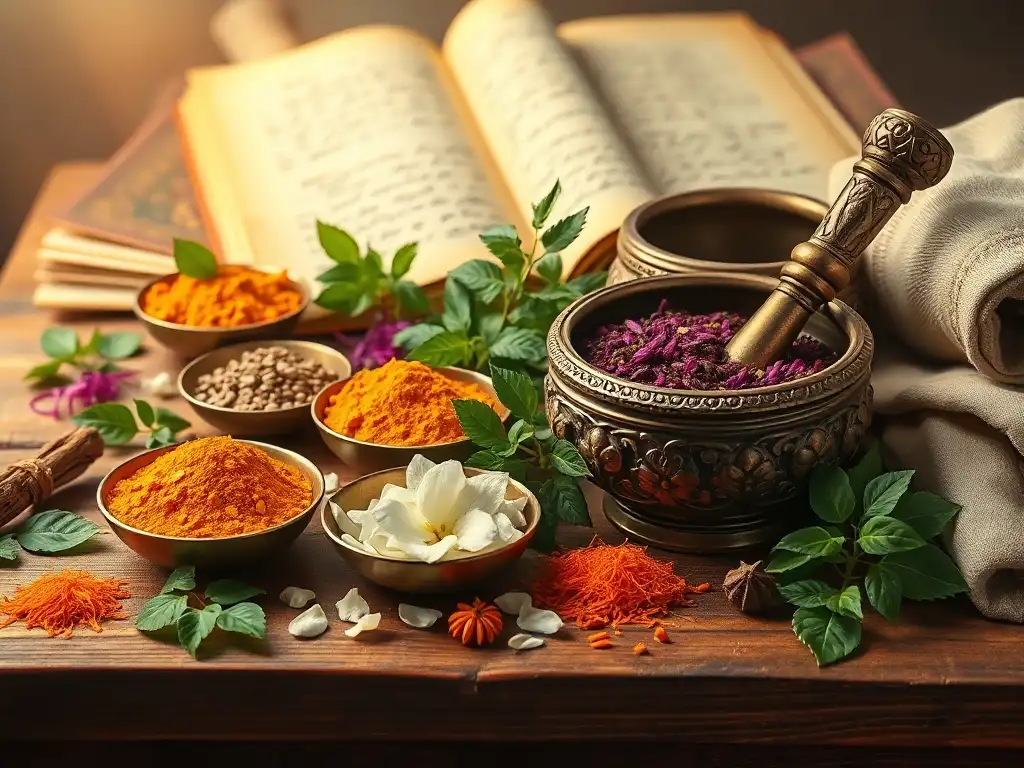
Practical Tips for Integrating Herbs in Your Diet
Integrating ancient Indian herbal medicine practices into modern life can significantly enhance both health and culinary experiences. Here are some practical tips to seamlessly incorporate these remedies into your daily diet:
- Start Small with Daily Teas:
- Begin your journey with herbal teas such as Tulsi (Holy Basil), known for its stress-relieving properties, or Ginger, which aids digestion.
- Brew a cup in the morning to kick-start your metabolism.
- Use Herbs as Seasonings:
- Incorporate spices like Turmeric and Cumin into your cooking. Turmeric, with its active compound curcumin, is a powerful anti-inflammatory and antioxidant.
- Add these spices to curries, soups, or even smoothies for a nutritional boost.
- Create Herbal Infusions:
- Infuse oils or vinegar with herbs like Rosemary or Mint. This method extracts their beneficial properties, making them perfect for dressings or marinades.
- Store these infusions in dark bottles to preserve their potency.
- Experiment with Powders:
- Utilize herbal powders such as Ashwagandha or Moringa in smoothies, yogurts, or oatmeal. These superfoods are renowned for their health benefits, including energy boost and immune support.
- Start with small amounts (1 teaspoon) to gauge your body’s response.
- Make Herbal Broths:
- Prepare broths using medicinal herbs like Fenugreek and Thyme. These broths not only provide flavor but also offer health benefits such as aiding digestion and enhancing immunity.
Building a Herbal Medicine Cabinet: Essential Herbs to Stock
Creating a herbal medicine cabinet is a practical way to ensure that you have access to the most effective ancient Indian herbal remedies. Below is a list of essential herbs that should be included:
| Herb | Properties | Usage |
|---|---|---|
| Turmeric | Anti-inflammatory, antioxidant | Used in cooking, teas, and supplements |
| Ginger | Aids digestion, anti-nausea | Fresh, powdered, or in teas |
| Tulsi (Holy Basil) | Reduces stress, boosts immunity | Teas, salads, or as a seasoning |
| Ashwagandha | Adaptogen, stress relief | Powders in smoothies or capsules |
| Moringa | Nutrient-rich, antioxidant | Powders in food or teas |
| Fenugreek | Aids digestion, regulates blood sugar | Seeds in cooking or as a tea |
| Cumin | Improves digestion, rich in iron | Seeds or powder in cooking |
| Coriander | Anti-inflammatory, promotes digestion | Fresh leaves or seeds in dishes |
By stocking these herbs, you can easily tap into the rich tradition of ancient Indian herbal medicine practices. Regular use not only promotes health but also connects you with the cultural heritage of India.
Conclusion
Incorporating ancient Indian herbal remedies into modern life doesn't require a complete overhaul of your diet. With simple practices and a well-stocked herbal cabinet, you can enjoy the benefits of these time-honored traditions while enhancing your culinary repertoire. Embrace the healing power of herbs, and let them transform your approach to food and health.
Frequently Asked Questions
What are ancient Indian herbal medicine practices?
Ancient Indian herbal medicine practices refer to traditional healing techniques that utilize plants and herbs to treat various ailments, rooted in systems like Ayurveda.
How did food play a role in ancient Indian herbal remedies?
Food was considered an essential component of healing, as many herbs and spices used in cooking also had medicinal properties, promoting overall health and wellness.
What is the significance of the Indus Valley civilization in herbal medicine?
The Indus Valley civilization is known for its advanced urban planning and sanitation, which likely contributed to the development of early herbal practices and the understanding of hygiene in medicine.
How did the Gupta Empire influence herbal medicine?
During the Gupta Empire, there was a flourishing of knowledge in various fields, including medicine. This period saw the documentation and standardization of herbal remedies in texts like the Charaka Samhita.
Are ancient Indian herbal remedies still used today?
Yes, many ancient Indian herbal remedies are still practiced today, often integrated into modern holistic health approaches, reflecting a continued appreciation for natural healing.
Final Reflection: Embracing the Wisdom of Ancient Indian Herbal Medicine
The relevance of ancient Indian herbal medicine practices in today's world cannot be overstated; they remind us of the profound connection between food and healing. In an age where modern medicine often overlooks the holistic benefits of natural remedies, we find ourselves returning to these time-honored traditions that emphasize balance, wellness, and the power of nature. The resurgence of interest in herbal remedies is not merely a trend; it is a recognition of the wisdom that has stood the test of time, urging us to reconsider our approach to health and well-being.
The influence of ancient Indian herbal medicine practices extends far beyond individual health; it shapes our cultural and social landscapes by fostering a deeper appreciation for natural healing methods. As we navigate the complexities of modern life, these practices offer us a pathway to reconnect with our roots and the environment around us. The words of Mahatma Gandhi resonate here: It is health that is real wealth and not pieces of gold and silver.
This perspective invites us to reflect on our values and priorities, encouraging a shift towards more sustainable and health-conscious choices.
As we conclude this exploration, I invite you to reflect on how you can incorporate the principles of ancient Indian herbal medicine into your daily life. Consider the foods you consume, the remedies you choose, and the lifestyle you lead. Let this be a call to action to embrace the wisdom of the past, to nourish your body and spirit with nature's bounty, and to honor the traditions that have guided generations before us. Together, we can cultivate a future where the intersection of food and medicine is celebrated, leading to a healthier, more harmonious existence.
Unveil the Healing Power of Ancient Wisdom!
Thank you for joining us on this journey through the incredible world of ancient Indian herbal remedies. You've now discovered how the fusion of food and medicine can elevate your well-being in profound ways!
Ready to take the next step? Here’s how you can start embracing this timeless wisdom in your life:
- Incorporate a traditional herbal remedy into your daily routine—consider adding **turmeric** or **ginger** to your meals for their remarkable health benefits.
- Explore local markets for fresh, organic herbs and spices to connect with authentic **Ayurvedic** practices.
- Share your newfound knowledge by discussing these remedies with friends or joining an online community focused on holistic health.
What ancient remedy will you try first, and how do you think it might transform your wellness journey?