
The Art of Plating in Ancient Indian Cuisine: A Feast for the Eyes

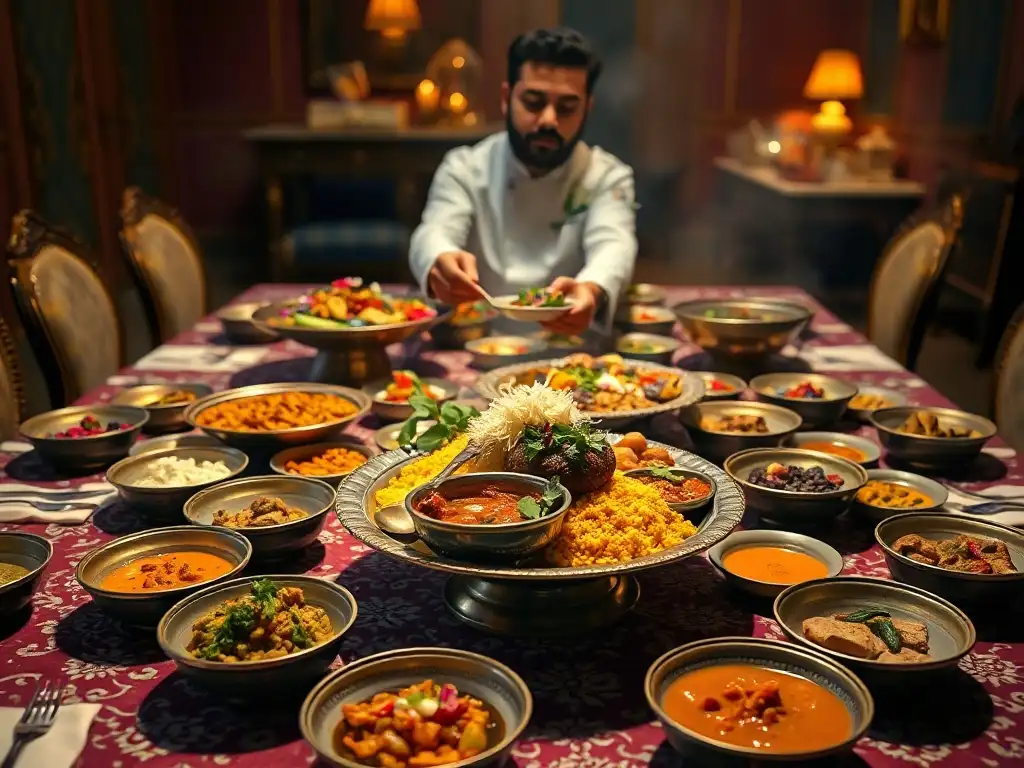
Welcome to Ancient India History, where we embark on an enthralling journey through the rich tapestry of ancient Indian civilizations. From the ingenuity of the Indus Valley to the grandeur of the Gupta Empire, our exploration reveals the profound contributions of this vibrant culture. In today's feature, we delve into the art of plating in ancient Indian cuisine, uncovering the exquisite techniques that transformed meals into visual feasts.
Prepare to be captivated as we unravel how these time-honored culinary practices not only tantalized the taste buds but also elevated the dining experience to an art form. Join us as we explore the flavors and aesthetics that defined an era, and discover how the past continues to inspire our palates today!
Introduction to Ancient Indian Cuisine Techniques
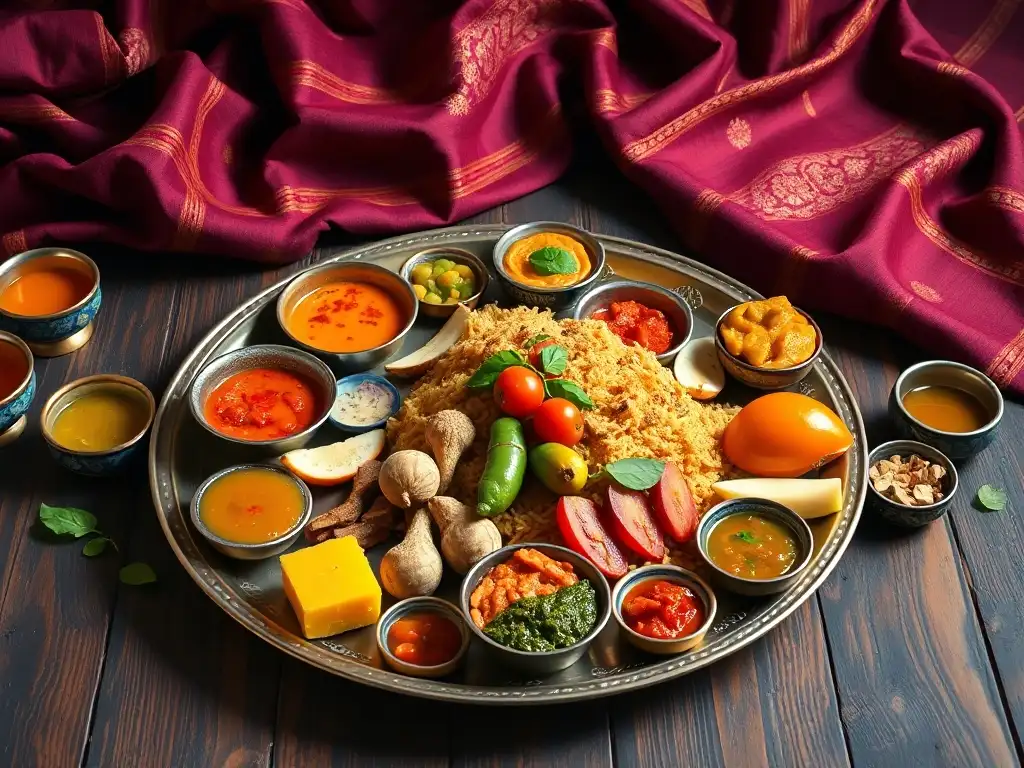
Ancient Indian cuisine is a vibrant tapestry woven from a multitude of cultures, regions, and historical influences. This culinary heritage not only reflects the diverse ingredients and techniques developed over centuries but also emphasizes the importance of presentation, or the art of plating. In ancient India, the way food was served and presented was as significant as the flavors and aromas that tantalized the senses.
The techniques of ancient Indian cuisine encapsulate a variety of practices, from the meticulous arrangement of dishes to the use of vibrant colors and textures that appeal to the eye. The aesthetic of plating was not merely for visual pleasure; it was deeply intertwined with cultural rituals, social status, and the philosophy of balance and harmony in food.
As we delve into the rich history of ancient Indian cuisine techniques, we will explore how these practices elevated food from mere sustenance to an art form worthy of celebration. The following sections will shed light on the intricate methods of plating that characterized ancient Indian meals, the significance of presentation in various cultural contexts, and how these techniques have influenced modern Indian culinary practices. Through this exploration, we aim to uncover the profound connection between food, art, and culture in ancient India, inviting you to appreciate the feast for the eyes that is ancient Indian cuisine.
- What are some key characteristics of ancient Indian cuisine techniques?
- How did presentation play a role in ancient Indian dining?
- What role did spices play in ancient Indian cuisine?
- How did ancient Indian civilizations influence modern cuisine?
- What is the significance of the Gupta Empire in the context of ancient Indian cuisine?
Historical Context of Plating in Ancient India
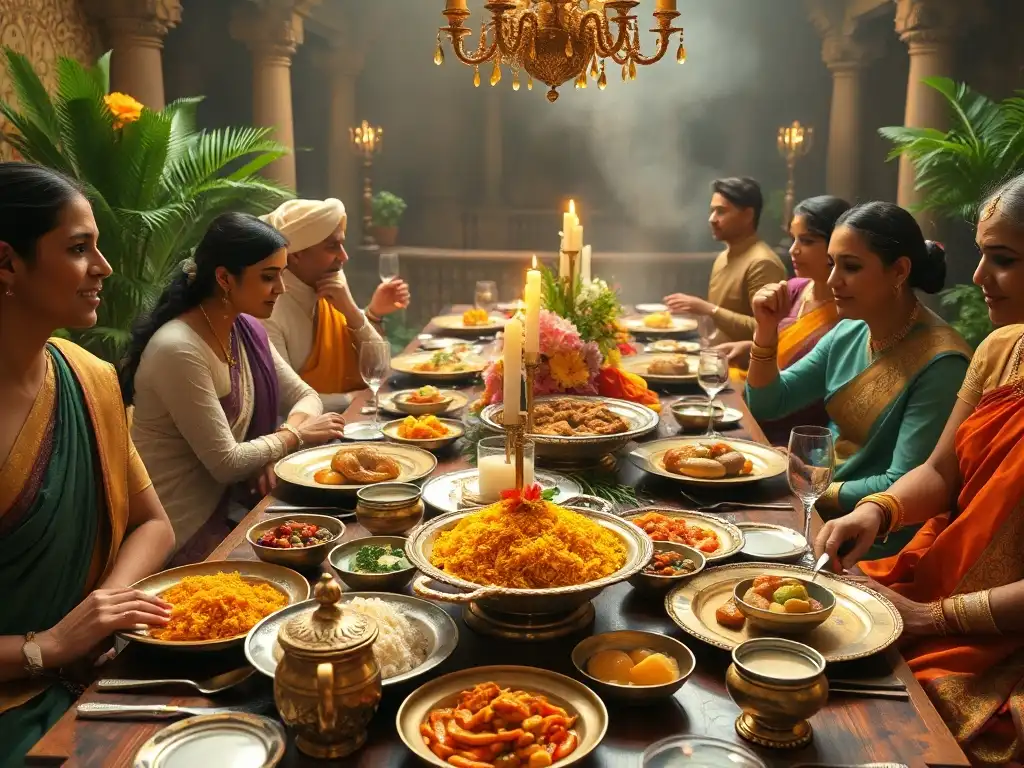
The art of plating in ancient Indian cuisine is deeply intertwined with the rich history and cultural practices of the subcontinent. During various periods, from the Indus Valley Civilization to the Gupta Empire, culinary presentation evolved significantly, reflecting the intricate social customs and artistic expressions of the time.
The Influence of Ancient Civilizations on Culinary Presentation
Culinary practices in ancient India were heavily influenced by the diverse civilizations that inhabited the region. The Indus Valley Civilization (c. 3300–1300 BCE) is known for its advanced urban planning and sophisticated lifestyle, which included an emphasis on cleanliness and order even in food preparation. Archaeological findings suggest that they utilized clay pots and utensils, which inherently influenced how food was displayed and presented.
As time progressed, the Mauryan Empire (c. 322–185 BCE), under the reign of Emperor Ashoka, brought about a significant shift. The empire's vast reach allowed for the amalgamation of various regional cuisines, leading to a new appreciation for presentation. It was during this time that elaborate banquets became popular, emphasizing not just taste but also visual aesthetics.
The Gupta Empire (c. 240–550 CE) further refined these techniques, with records indicating that food was often arranged in artistic patterns on plates. This period is often referred to as a golden age of art and culture in India, and culinary arts were no exception. Plating became a reflection of status and cultural sophistication, showcasing vibrant colors and intricate designs that tantalized the senses before the meal even began.
Key Ingredients and Their Visual Appeal
Ancient Indian cuisine techniques were characterized by the use of diverse and colorful ingredients, which played a crucial role in the art of plating. The following key ingredients not only contributed to flavor but also enhanced the visual presentation of dishes:
- Spices: Turmeric, red chili powder, and coriander not only added flavor but also vibrant colors. Turmeric, with its golden hue, was often used as a base to create visually appealing contrasts against the white of rice or the green of fresh herbs.
- Vegetables: Seasonal vegetables, such as vibrant greens and bright red tomatoes, were arranged artistically. For instance, a platter featuring a variety of sautéed vegetables could be artfully layered to create a rainbow effect, appealing to the eye as much as to the palate.
- Grains and Pulses: Dishes like biryani or khichdi were often served in distinct layers. The grains were meticulously shaped and garnished with herbs, nuts, and dried fruits, creating a feast for the eyes.
- Fruits: Fresh fruits were sometimes incorporated into savory dishes, providing a burst of color. Plates adorned with slices of pomegranate or mango not only attracted attention but also added a refreshing element to the meal.
- Edible Flowers: Intricately arranged edible flowers, like marigolds and jasmine, were used to decorate platters, symbolizing auspiciousness in Indian culture. These flowers enhanced the overall aesthetic, making the meal feel celebratory.
The art of plating in ancient Indian cuisine was a sophisticated practice that incorporated a variety of techniques, influenced by historical contexts and key ingredients. The vibrant visual presentation of food not only elevated the dining experience but also reflected the cultural richness and artistic heritage of ancient India.
Ancient Indian Cuisine Techniques: A Deep Dive into Plating Methods
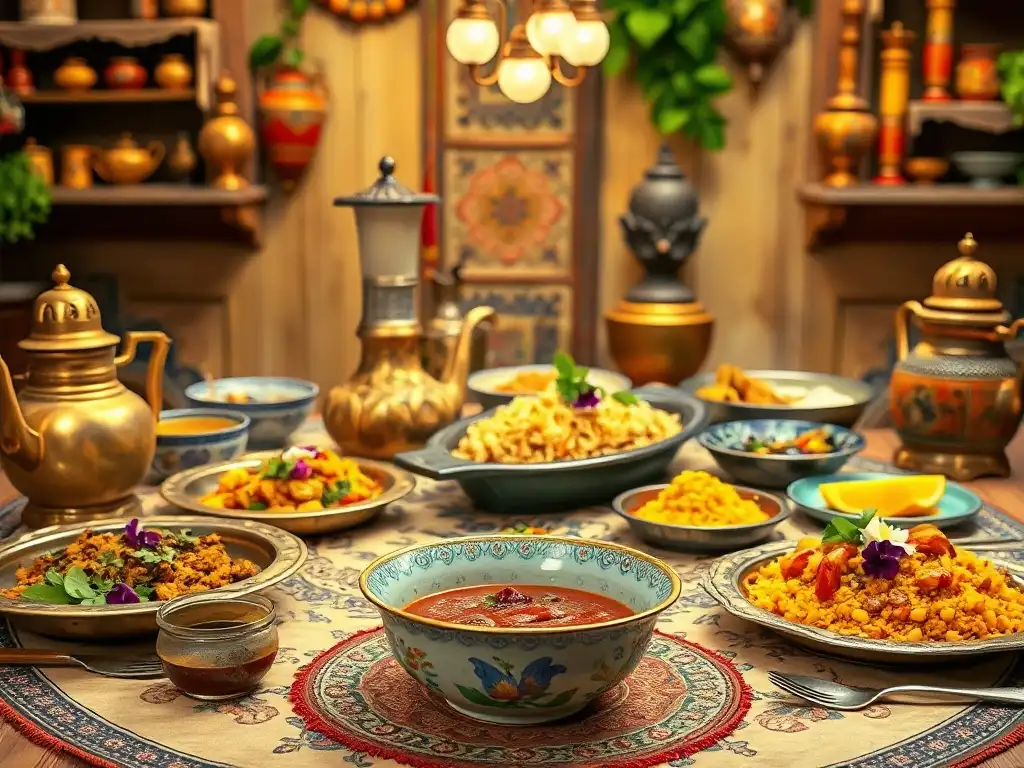
Ancient Indian cuisine is not merely a testament to the rich flavors and diverse ingredients of the subcontinent; it is also a celebration of aesthetic presentation. The techniques of plating in ancient Indian cuisine reflect the cultural significance of food as a visual art form, embodying the principles of balance, symmetry, and harmony. This section delves into the traditional plating methods and the integral role of serving dishes and utensils in enhancing the dining experience.
Traditional Plating Techniques Used in Ancient India
In ancient India, plating techniques were deeply influenced by cultural practices, regional variations, and the philosophical underpinnings of aesthetics. Some notable traditional plating techniques include:
- Layering: One of the prominent techniques involved layering different components of a dish to create visual interest. This method often showcased a spectrum of colors, textures, and flavors. For example, a traditional thali might feature a vibrant array of vegetables, lentils, and rice, presented in separate compartments to highlight each dish's unique qualities.
- Garnishing: The use of fresh herbs, edible flowers, and spices as garnishes was common. This not only enhanced flavor but also added a splash of color to the plate. For instance, dishes like pulao were often garnished with coriander leaves and fried onions, elevating their visual appeal.
- Symmetry and Balance: Plating was often designed to achieve symmetry and balance. This philosophy was rooted in ancient Indian art and architecture, where symmetry was seen as a reflection of cosmic order. A well-plated dish would typically have equal proportions of various elements, arranged to create a harmonious visual experience.
- Use of Natural Colors: Ancient Indian cooks made extensive use of natural ingredients to provide vibrant colors to their dishes. Turmeric, saffron, and beetroot were often used not just for flavor but also to impart a rich hue to the food, making it visually stunning.
- Seasonal Presentation: The presentation of food was often influenced by the seasons. For example, during harvest festivals, dishes would be plated with an abundance of colorful ingredients symbolizing prosperity and abundance, reflecting the seasonal bounty.
The Role of Serving Dishes and Utensils
The choice of serving dishes and utensils in ancient Indian cuisine played a crucial role in the overall experience of dining. Each element contributed to the aesthetics and functionality of plating:
- Thali: A traditional thali—a round platter—was typically used to serve a variety of dishes. The circular design allowed for an organized and visually appealing arrangement of food, with each dish occupying its designated space. This not only made for a beautiful presentation but also encouraged communal dining, fostering a sense of togetherness.
- Earthenware and Metal Utensils: The materials used for serving dishes varied across regions. Earthenware was common in rural areas, while brass and silver utensils were often used in more affluent households. The choice of material added to the visual appeal and reflected social status. Metal utensils, often intricately designed, enhanced the overall presentation of the food.
- Banquet Settings: In royal settings, elaborate banquet arrangements were a hallmark of grandeur. Tables would be adorned with silk cloths, and food would be served on ornate platters, showcasing not only the dishes but also the status of the host. The arrangement of food in such settings was often theatrical, with larger dishes at the center and smaller accompaniments arranged around them.
- Cultural Significance: The vessels and utensils used held cultural significance, often representing regional traditions. For instance, the use of banana leaves for serving food in South India not only provided an eco-friendly option but also contributed to the aesthetic and sensory experience of the meal.
Ancient Indian cuisine techniques in plating were a sophisticated blend of art and culture. The traditional methods of presentation, combined with the thoughtful selection of serving dishes and utensils, transformed meals into visually appealing feasts that delighted the senses. This intricate relationship between food and aesthetics continues to influence modern culinary practices and remains a testament to India's rich culinary heritage.
Cultural Significance of Plating in Ancient Indian Meals
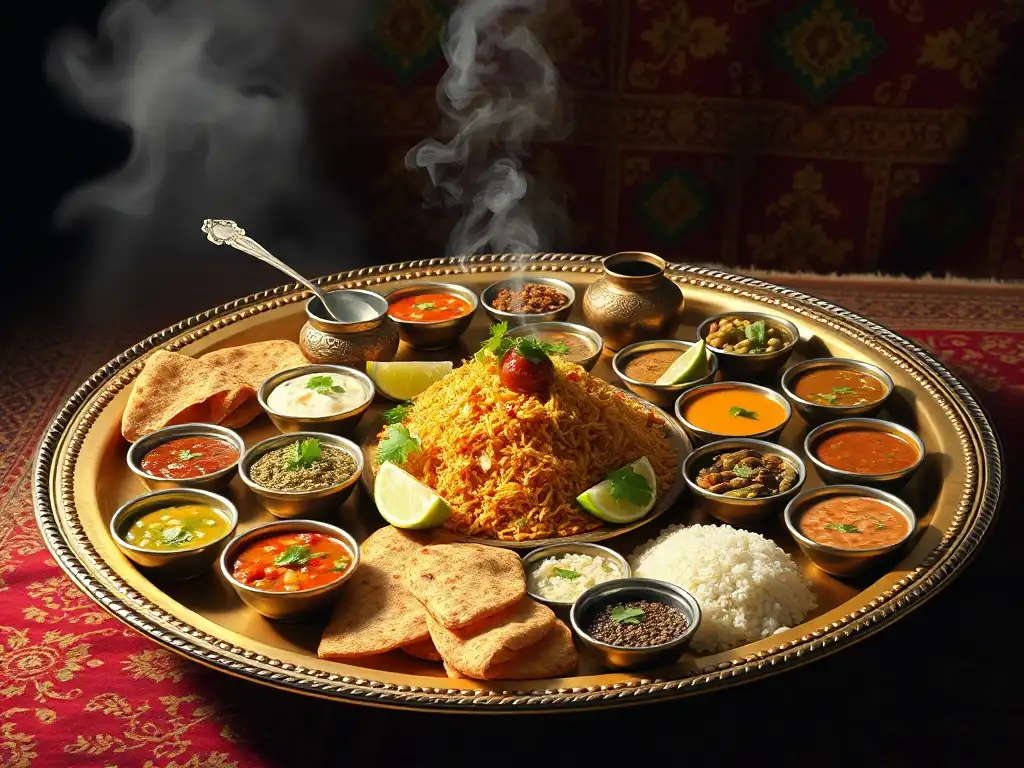
In ancient Indian culture, the way food was plated and presented was deeply intertwined with social status and ceremonial practices. The art of plating was not merely about aesthetics; it represented a hierarchy within society, where the presentation of food could convey wealth, power, and respect for tradition.
- Social Stratification: Different classes had distinct plating techniques. The elite often used ornate dishes made from precious metals, showcasing their wealth. In contrast, the common folk utilized simpler, more practical vessels. This disparity in plating served as a visual representation of one's social standing.
- Ritualistic Significance: In many rituals, the presentation of food adhered to specific guidelines that emphasized purity and sanctity. For example, during religious ceremonies, food was arranged in a particular manner, often in circular patterns, to symbolize wholeness and unity. This meticulous attention to detail reflected reverence for both the food and the divine.
- Ceremonial Feasts: During significant occasions like weddings or festivals, the grandeur of the meal presentation reached its peak. Elaborate platters with vibrant colors, intricate designs, and a variety of textures were used to create an inviting visual feast. The interplay of colors and shapes was not just for decoration; it was believed to enhance the overall dining experience, fostering an atmosphere of joy and celebration.
The Aesthetic Experience of Dining in Ancient India
The experience of dining in ancient India was designed to be a multisensory journey, where the aesthetics of plating played a crucial role. This approach was influenced by several cultural and philosophical beliefs prevalent at the time.
- Senses Engaged: The ancient Indian philosophy emphasized the importance of engaging all five senses during meals. The visual appeal of food, enhanced by thoughtful plating, was meant to stimulate the eyes and invite diners to partake in the meal. Colors like saffron, turmeric, and green coriander were not only chosen for their flavor but also for their ability to create a vibrant tableau on the dining table.
- Symbolism in Colors and Shapes: Each color and shape used in plating carried its own significance. For instance, red represented auspiciousness and prosperity, while green symbolized freshness and health. The arrangement of dishes in circular or spiral patterns was intended to reflect the cyclical nature of life and the interconnectedness of all elements in the universe.
- Mindful Eating: The aesthetic experience of dining encouraged mindfulness among diners. As they admired the beauty of the plated dishes, they were reminded to savor each bite, appreciating both the flavors and the artistry involved in the preparation. This approach to eating was believed to enhance digestion and foster gratitude towards the food and its origins.
The art of plating in ancient Indian cuisine was not only about visual appeal but was also a rich tapestry of cultural meaning, social commentary, and sensory engagement. It served as a reflection of the values and beliefs of the time, making every meal a celebration of life itself.
Modern Interpretations of Ancient Indian Cuisine Techniques
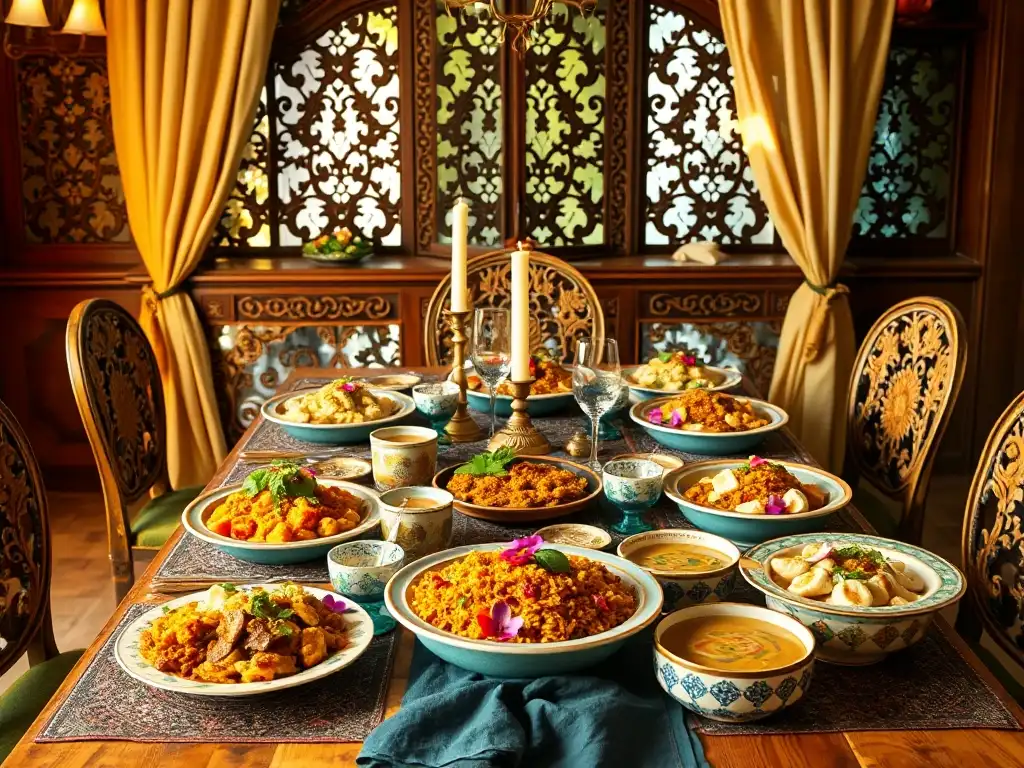
Reviving Ancient Plating Methods in Contemporary Cuisine
The art of plating has evolved significantly over the centuries, especially within the context of ancient Indian cuisine techniques. Historically, Indian chefs paid close attention not just to the flavors of their dishes, but also to their visual presentation. This attention to aesthetics can be traced back to various ancient texts and traditions that emphasize the importance of visual appeal in food.
Key Elements of Ancient Plating Techniques
- Color Harmony: Dishes were often crafted using vibrant ingredients that created a visually stunning contrast. For example, saffron rice paired with green herbs and red spices not only enhanced flavor but also created a feast for the eyes.
- Natural Elements: Ancient Indian chefs frequently incorporated natural elements like leaves, flowers, and stones into their plating. These components were not merely decorative; they added texture and aroma to the dining experience.
- Layering and Height: Dishes were often presented in layers, showcasing different components of the meal. This technique is reminiscent of modern plating styles, where height is used to create visual interest.
In contemporary settings, chefs are revisiting these ancient methods, infusing their dishes with historical significance while innovating to create unique dining experiences. For instance, many modern Indian restaurants are using traditional banana leaves as plates, reminiscent of ancient practices, but they may also use them with a contemporary twist by adding gourmet garnishes and sauces.
The Fusion of Tradition and Innovation in Indian Culinary Arts
The landscape of Indian cuisine is a dynamic interplay between tradition and innovation. As chefs explore ancient Indian cuisine techniques, many are finding ways to integrate these historic methods with modern culinary practices.
Contemporary Influences on Traditional Techniques
- Global Ingredients: With the globalization of food, many chefs are incorporating international ingredients into ancient recipes. This fusion can lead to exciting new interpretations while still honoring the original techniques.
- Plating Aesthetics: Modern plating techniques often borrow from ancient practices, such as the use of contrasting colors and textures. Chefs are now experimenting with molecular gastronomy, creating foams and gels that provide a new visual dimension while maintaining the essence of traditional flavors.
- Cultural Storytelling: Many contemporary chefs strive to tell a story through their food, connecting diners with the rich cultural history of India. This approach often involves using ancient techniques in a way that highlights their significance and places them within a modern context.
The revival of ancient Indian cuisine techniques in today's culinary arts is not merely about nostalgia; it is a testament to the adaptability and enduring appeal of these historical practices. Chefs are bridging the gap between past and present, creating dishes that are not only delicious but also deeply connected to India's rich culinary heritage. By doing so, they are ensuring that the art of plating remains a vibrant and evolving practice, inviting diners to experience the beauty of ancient Indian cuisine in a contemporary setting.
Conclusion: The Enduring Legacy of Ancient Indian Cuisine Techniques
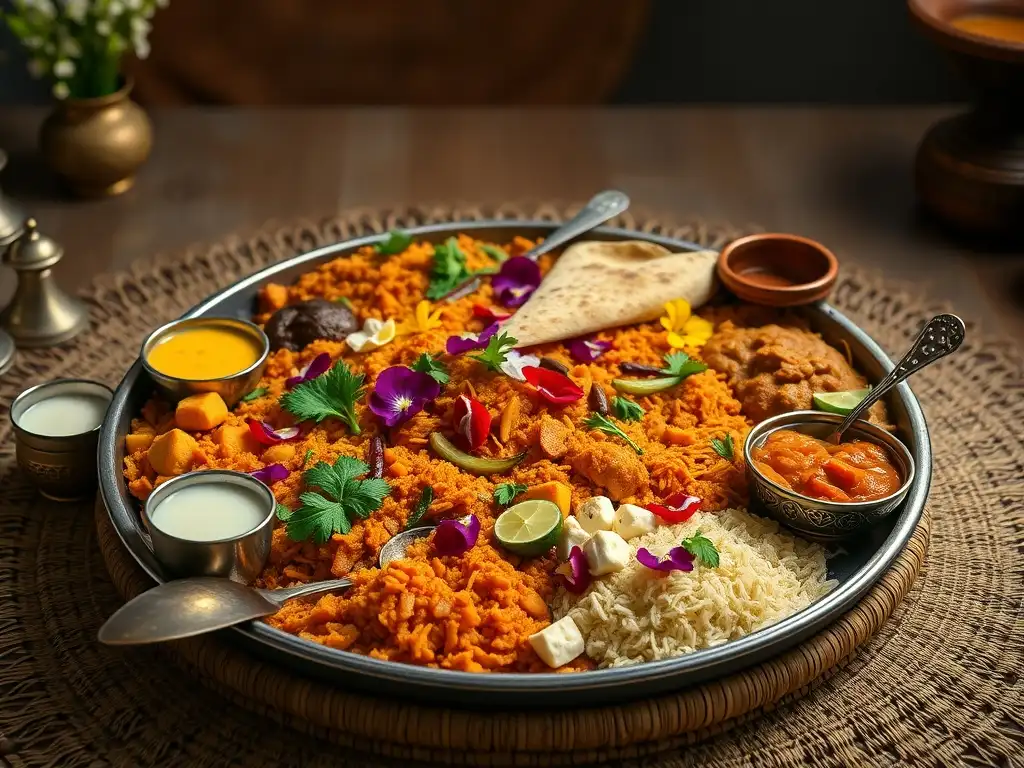
The art of plating in ancient Indian cuisine represents a profound cultural legacy that continues to influence modern culinary practices. This intricate craft not only showcases the aesthetic appeal of food but also reflects the rich history and values of various ancient Indian civilizations. Techniques such as balancing colors, arranging food in a harmonious manner, and using traditional vessels have all contributed to a unique dining experience that transcends mere sustenance.
As we delve into the various ancient Indian cuisine techniques, we recognize that these practices were often steeped in symbolism and regional significance. From the vibrant colors of spices to the careful placement of each dish, the visual presentation was an integral part of the meal, designed to engage all the senses. The meticulous attention to detail found in ancient Indian plating demonstrates a deep respect for food, which was seen not only as nourishment but also as an art form.
Preserving Culinary Traditions for Future Generations
The preservation of ancient Indian cuisine techniques is crucial for maintaining cultural heritage. Efforts to document and teach these traditional practices can ensure that future generations appreciate and continue to celebrate this rich culinary history. Here are some key approaches to preserving these traditions:
- Culinary Schools and Workshops: Introducing programs that focus on ancient cooking methods and plating techniques can inspire young chefs to explore their roots.
- Community Involvement: Engaging local communities in cooking demonstrations and food festivals can help foster a sense of pride in traditional practices.
- Digital Documentation: Creating online resources, such as video tutorials and recipe blogs, can reach a wider audience and provide easy access to ancient techniques.
By embracing these strategies, we can ensure that the vibrant legacy of ancient Indian cuisine techniques is not lost but rather celebrated and revitalized.
Call to Action: Explore Ancient Indian Cuisine Techniques
Are you ready to embark on a culinary journey that celebrates the beauty and richness of ancient Indian cuisine techniques? Here’s how you can get involved:
- Try Traditional Recipes: Experiment with ancient recipes at home, and pay attention to the art of plating. Focus on the colors, textures, and arrangements to create visually stunning dishes.
- Attend Workshops: Look for local culinary workshops that emphasize ancient Indian cuisine techniques. Learning from experienced chefs can provide invaluable insights.
- Share Your Experiences: Document your culinary creations on social media using the hashtag #AncientIndianCuisine. Inspire others to appreciate this exquisite art form.
By actively engaging with ancient Indian cuisine techniques, you contribute to a movement that honors tradition while embracing innovation. Let's keep the legacy alive, one plate at a time!
Frequently Asked Questions
What are some key characteristics of ancient Indian cuisine techniques?
Ancient Indian cuisine techniques are marked by regional diversity, the use of spices, and an emphasis on presentation. These methods were often influenced by local ingredients and cultural practices.
How did presentation play a role in ancient Indian dining?
Presentation was integral to ancient Indian dining, as it aimed to create a visual feast. Dishes were often arranged aesthetically, reflecting the importance of beauty in food.
What role did spices play in ancient Indian cuisine?
Spices were essential in ancient Indian cuisine, not only for flavor but also for their preservative qualities and health benefits. They were a crucial part of culinary techniques and cultural identity.
How did ancient Indian civilizations influence modern cuisine?
Ancient Indian civilizations contributed to modern cuisine through their innovative cooking methods, use of spices, and the art of plating. This legacy is evident in contemporary dishes that still celebrate these techniques.
What is the significance of the Gupta Empire in the context of ancient Indian cuisine?
The Gupta Empire is often regarded as a golden age for Indian culture, including cuisine. During this period, there was a flourishing of culinary arts, leading to advancements in cooking techniques and presentation that influence modern practices.
Final Reflection: The Timeless Beauty of Ancient Indian Cuisine Techniques
The art of plating in ancient Indian cuisine serves as a vivid reminder of how aesthetics and nourishment intertwine in our culinary experiences. Today, as we navigate a fast-paced world often dominated by convenience, the importance of presentation in food has never been more relevant. The intricate designs and thoughtful arrangements of ancient Indian dishes not only tantalized the taste buds but also engaged the senses, creating a holistic dining experience that resonates with our modern-day appreciation for food artistry.
The influence of ancient Indian cuisine techniques continues to shape our cultural and social landscape, reminding us that food is not just sustenance but a form of expression and connection. The meticulous attention to detail in plating reflects a deep-seated respect for ingredients and the act of sharing meals. As we embrace diverse culinary traditions, we find ourselves drawn to the stories and heritage behind each dish. Food is not just what we eat; it’s a reflection of who we are.
This quote encapsulates the essence of how ancient practices inform our identity and community today.
As you reflect on the art of plating and the techniques of ancient Indian cuisine, consider how you can incorporate these lessons into your own culinary journey. Take a moment to appreciate the beauty in your meals, whether you’re cooking for yourself or sharing with loved ones. Let the vibrant colors, textures, and arrangements inspire you to create not just food, but an experience that honors the rich traditions of the past while celebrating the present. Embrace the artistry of your plate, and allow it to be a feast for the eyes as much as for the palate.
Elevate Your Culinary Skills Today!
Thank you for diving into the captivating world of ancient Indian cuisine with us! We hope you’ve gained a newfound appreciation for the artistry of plating that transforms meals into visual masterpieces. Now, it’s time to roll up your sleeves and bring those ancient techniques to life in your own kitchen.
Here are some actionable steps you can take:
- Start your own plating journey: Experiment with the techniques discussed in this article by preparing a traditional Indian dish and focusing on presentation. Share your creations on social media with the hashtag #AncientPlating.
- Join our community: Connect with other food enthusiasts and culinary historians in our online forums. Discuss your experiences and learn from fellow members of the Ancient Indian Cuisine community.
- Explore further: Dive deeper into the rich history of Indian cooking by trying out various regional recipes. Discover hidden gems that will inspire your plating creativity.
What unique plating techniques from ancient India will you try first, and how will they enhance your dining experience?