
Royal Feasts of the Gupta Empire: A Glimpse into Ancient Indian Gastronomy

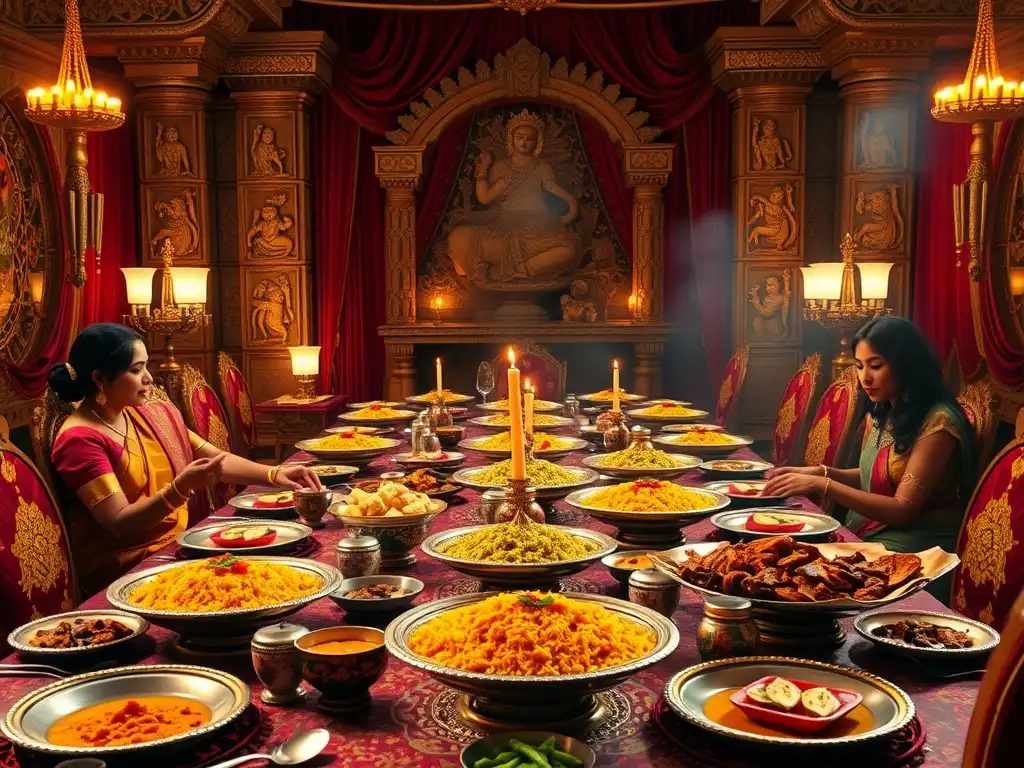
Welcome to Ancient India History, where we embark on a fascinating journey through time to uncover the rich tapestry of ancient Indian civilizations. In this exploration, we invite you to delve into the luxurious world of the Gupta Empire royal feasts, a captivating glimpse into the culinary practices that defined an era of prosperity and culture. Discover how these grand banquets not only tantalized the palate but also served as a reflection of the empire's social and political grandeur. Join us as we unravel the sumptuous flavors and traditions of ancient Indian gastronomy—your adventure awaits!
- Introduction to Gupta Empire Royal Feasts
- Understanding the Gupta Empire and Its Gastronomic Culture
- Key Ingredients in Gupta Empire Royal Feasts
- The Structure of Royal Feasts in the Gupta Empire
- Signature Dishes of the Gupta Empire
- The Art of Dining: Presentation and Rituals
- Comparative Analysis: Gupta Empire Royal Feasts vs. Other Ancient Civilizations
- Modern-Day Influences of Gupta Empire Royal Feasts
- Conclusion: The Legacy of Gupta Empire Royal Feasts
-
Frequently Asked Questions
- What were the key features of royal feasts during the Gupta Empire?
- How did royal feasts reflect the cultural diversity of ancient India?
- What role did religion play in the royal feasts of the Gupta Empire?
- Were there any special dishes associated with the Gupta Empire's royal feasts?
- How did the Gupta Empire influence modern Indian cuisine?
- Final Reflection: The Lasting Legacy of Gupta Empire Royal Feasts
- Savor the Richness of Ancient Gastronomy!
Introduction to Gupta Empire Royal Feasts
The Gupta Empire, often referred to as the "Golden Age" of ancient India, was a period marked by remarkable achievements in various fields, including art, science, literature, and, notably, gastronomy. The royal feasts of the Gupta Empire offer a fascinating glimpse into the culinary practices that flourished during this era, reflecting not only the opulence of the royal courts but also the rich cultural tapestry of the time. These feasts were more than mere gatherings; they were grand events that showcased the empire's wealth, social hierarchies, and the diverse culinary traditions that encompassed different regions of India.
As we delve into the world of Gupta Empire royal feasts, we will explore their historical significance, the variety of dishes served, and how these culinary practices contributed to the cultural identity of ancient India. From sumptuous banquets to the ingredients and cooking methods used, this article aims to uncover the layers of history embedded in these royal gatherings, illustrating how food served as a conduit for social and political expression.
The Historical Significance of the Gupta Empire
The Gupta Empire, which thrived from approximately 320 to 550 CE, is often celebrated for its advancements in various domains. The historical significance of the Gupta Empire is deeply intertwined with its contributions to Indian culture, including literature, art, and philosophy. However, the culinary practices of this era also play a crucial role in understanding its societal structure and cultural values.
- Culinary Innovation: The Gupta period witnessed a surge of culinary innovation, characterized by the blending of regional flavors and the introduction of new ingredients. This period saw the use of spices and herbs to enhance flavors, which laid the groundwork for contemporary Indian cuisine.
- Social Stratification: Royal feasts were emblematic of the social hierarchy prevalent in Gupta society. These gatherings were exclusive to the elite, showcasing lavish spreads that included a variety of meats, grains, fruits, and sweets. The extravagance of these feasts served to reinforce the power and prestige of the ruling class.
- Cultural Exchange: The Gupta Empire was a melting pot of cultures due to its extensive trade networks. As merchants and travelers exchanged goods, they also introduced new culinary practices and dishes, enriching the empire's gastronomic landscape. The inclusion of diverse ingredients in royal feasts is a testament to this cultural exchange.
Exploring the Rich Culinary Heritage of Ancient India
The culinary heritage of ancient India, particularly during the Gupta Empire, is a reflection of its geographical diversity and agricultural abundance. The royal feasts were lavish affairs, featuring an array of dishes that highlighted the empire's gastronomic richness.
- Variety of Dishes: Royal banquets typically included a wide variety of dishes, from aromatic rice preparations and lentil curries to richly spiced meat dishes. Ingredients such as saffron, ghee, and a plethora of spices were commonly used to create complex flavors.
- Presentation and Rituals: The presentation of food during these feasts was as important as the dishes themselves. Elaborate serving methods and the use of decorative plates and utensils added to the grandeur of the occasion. Additionally, certain rituals and customs were followed, reflecting the culinary etiquette of the time.
- Seasonal and Regional Influences: The ingredients used in these royal feasts varied according to the seasons and regions within the empire, showcasing the local agricultural practices. This adaptability not only enhanced the flavor profiles of the dishes but also emphasized the importance of seasonal eating in ancient Indian culture.
Through this exploration, we can appreciate how the royal feasts of the Gupta Empire not only satisfied the palate but also served as a celebration of the empire's cultural identity and the sophisticated culinary traditions that have endured through the centuries.
Understanding the Gupta Empire and Its Gastronomic Culture
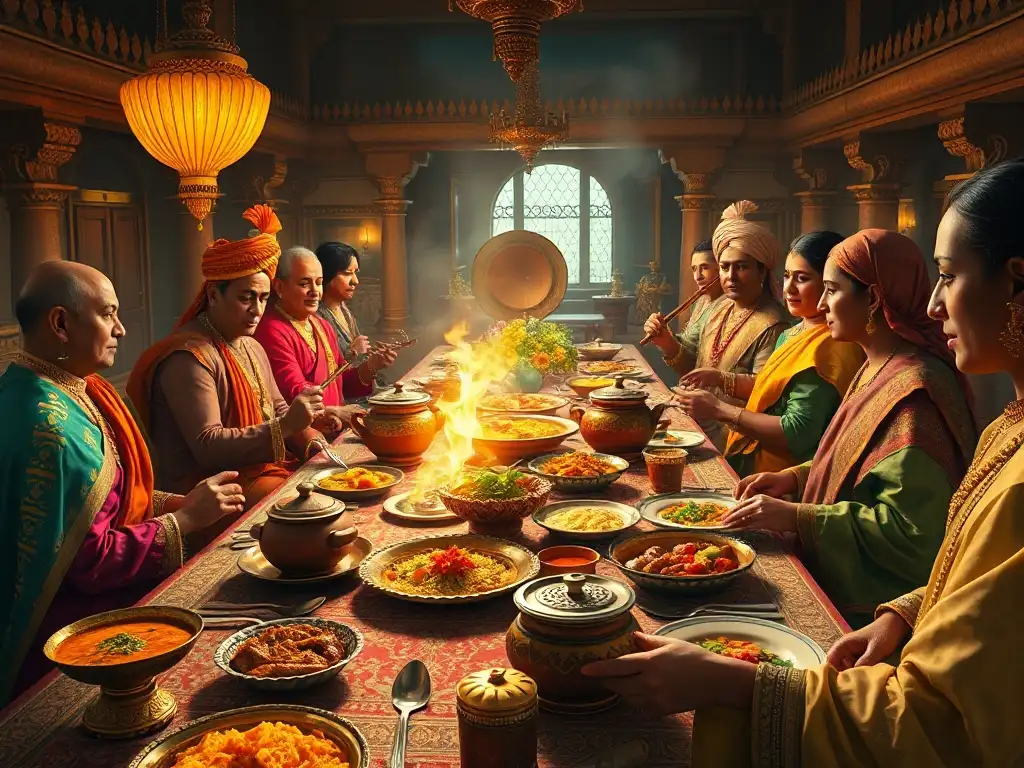
The Gupta Empire, which flourished from approximately 320 to 550 CE, is often referred to as the "Golden Age" of India due to its remarkable advancements in art, science, and culture. However, an equally fascinating aspect of this era is its culinary tradition, which reflected the empire's prosperity and cultural diversity. The Gupta royal courts were known for their opulent feasts, which not only showcased the empire's wealth but also its rich gastronomic heritage.
The Role of Food in Gupta Society and Celebrations
Food played a pivotal role in Gupta society, serving as a medium for social interaction, cultural expression, and religious practices. Royal feasts were grand affairs, often held to commemorate significant events, honor guests, or celebrate victories. These gatherings were characterized by an extravagant display of dishes, each meticulously prepared to reflect the culinary skills of the time.
- Symbol of Status:
- The variety and richness of the food served at these feasts were indicative of the host's status. Nobles and royalty would often compete to present the most lavish banquets.
- Commonly featured items included rich meats, exotic fruits, and elaborate sweets, which were not easily accessible to the average citizen.
- Cultural Significance:
- Food was intertwined with the rituals and ceremonies of the Gupta Empire. Certain dishes were prepared for specific festivals or religious occasions, emphasizing the spiritual significance of meals.
- The preparation and consumption of food were often accompanied by traditional music and dance, adding to the festive atmosphere.
- Health and Nutrition:
- Gupta feasts also reflected an understanding of nutrition and health. Ingredients were chosen not just for taste but also for their health benefits, with an emphasis on balance and moderation.
- Dishes often included a variety of grains, legumes, vegetables, and fruits, contributing to a well-rounded diet that promoted overall health.
Influences on Gupta Cuisine: Trade, Religion, and Culture
The cuisine of the Gupta Empire was shaped by various factors, including trade, religion, and the diverse cultures present within the empire's vast territory.
- Trade Routes:
- The Gupta Empire was strategically located along key trade routes, facilitating the exchange of goods and culinary practices with neighboring regions.
- Spices, herbs, and new cooking techniques were introduced through trade, enriching the local cuisine. For instance, the use of black pepper, cumin, and turmeric became prevalent during this period.
- Religious Practices:
- The influence of religion on Gupta cuisine cannot be overstated. Hinduism, Buddhism, and Jainism coexisted, each contributing unique dietary practices and restrictions.
- For example, Jain principles led to a vegetarian diet among many, emphasizing the use of fresh vegetables, grains, and pulses in royal feasts, while meat dishes were reserved for certain occasions or guests.
- Cultural Exchange:
- The Gupta Empire was home to a multitude of ethnic groups and cultures, each bringing their culinary traditions. The fusion of flavors and techniques resulted in a diverse gastronomy that included both local and foreign influences.
- Notable dishes from the Gupta period included kheer (a rice pudding), parathas (stuffed flatbreads), and sweets made from jaggery, all of which have evolved into modern Indian cuisine.
The royal feasts of the Gupta Empire not only provide a glimpse into the gastronomic culture of the time but also reflect the intricate tapestry of social, religious, and economic factors that shaped ancient Indian food traditions. Understanding this rich culinary heritage offers valuable insights into the daily lives and cultural practices of one of history's most influential civilizations.
Key Ingredients in Gupta Empire Royal Feasts
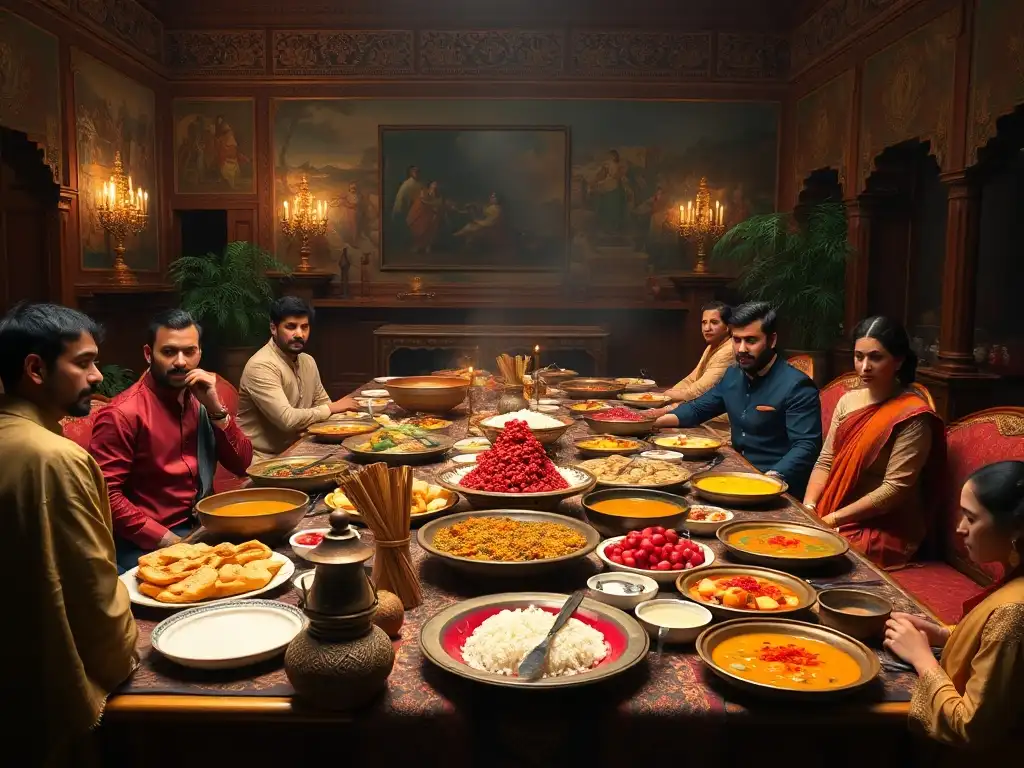
The royal feasts of the Gupta Empire were not merely meals; they were elaborate culinary events that showcased the richness and diversity of ancient Indian gastronomy. The meals served to the emperors and their guests included a variety of ingredients that reflected both the agricultural bounty of the land and the sophisticated culinary practices of the time. Understanding these key ingredients provides insight into the dietary preferences and cultural significance of food during the Gupta period.
Spices and Flavors: The Heart of Gupta Gastronomy
Spices played a pivotal role in the cuisine of the Gupta Empire, enhancing flavors and contributing to the health benefits of dishes. The extensive use of spices was not only for taste but also for preservation, making them essential components of royal feasts.
- Black Pepper (Piper nigrum): Known as "marich," this spice was highly valued for its ability to add heat and is often considered one of the earliest examples of trade in spices. It was a staple in many royal dishes.
- Turmeric (Curcuma longa): This vibrant yellow spice was used for its flavor and as a dye. Its anti-inflammatory properties were also well recognized, making it a popular ingredient in both cooking and medicine.
- Coriander (Coriandrum sativum): The seeds and leaves of coriander added a fresh flavor to dishes. This herb was commonly used in curries and sauces, highlighting the Gupta's penchant for complex flavors.
- Ginger (Zingiber officinale): Used both fresh and dried, ginger added warmth to dishes and was also popular in beverages. It was believed to have numerous health benefits, making it a staple in royal kitchens.
- Garlic (Allium sativum): A common ingredient in many dishes, garlic was used to enhance flavor and was appreciated for its medicinal qualities.
The combination of these spices created a symphony of flavors that defined Gupta royal feasts, making each meal a unique culinary experience.
Staple Foods: Grains, Pulses, and Vegetables
In addition to spices, the staple foods consumed during the Gupta Empire were foundational to the royal diet. These ingredients not only provided sustenance but were also integral to the cultural rituals associated with feasting.
- Rice: As a primary grain, rice was a central part of the Gupta diet. Various preparations, such as pulao (rice cooked with spices and vegetables) and biryani, were likely served at royal feasts, showcasing both simplicity and sophistication.
- Wheat: Another staple grain, wheat was transformed into various forms, including roti (flatbreads) and parathas (stuffed breads). These versatile preparations complemented the rich curries and lentil dishes served at feasts.
- Pulses: Lentils, chickpeas, and other pulses were essential sources of protein. Dishes like dal (lentil soup) not only provided nourishment but were also flavored with spices to elevate their appeal.
- Vegetables: Seasonal vegetables were crucial to the Gupta diet. Dishes made with eggplant, spinach, and gourds were common, often sautéed with spices to create vibrant and colorful presentations.
The careful selection and preparation of these staple foods were reflective of the Gupta Empire's agricultural practices and culinary expertise, allowing for a diverse and hearty menu during royal feasts.
The royal feasts of the Gupta Empire were characterized by an array of key ingredients that highlighted the empire's sophisticated culinary traditions. The harmonious blend of spices and staple foods created meals that were not only nourishment but also a celebration of the empire's rich cultural heritage.
The Structure of Royal Feasts in the Gupta Empire
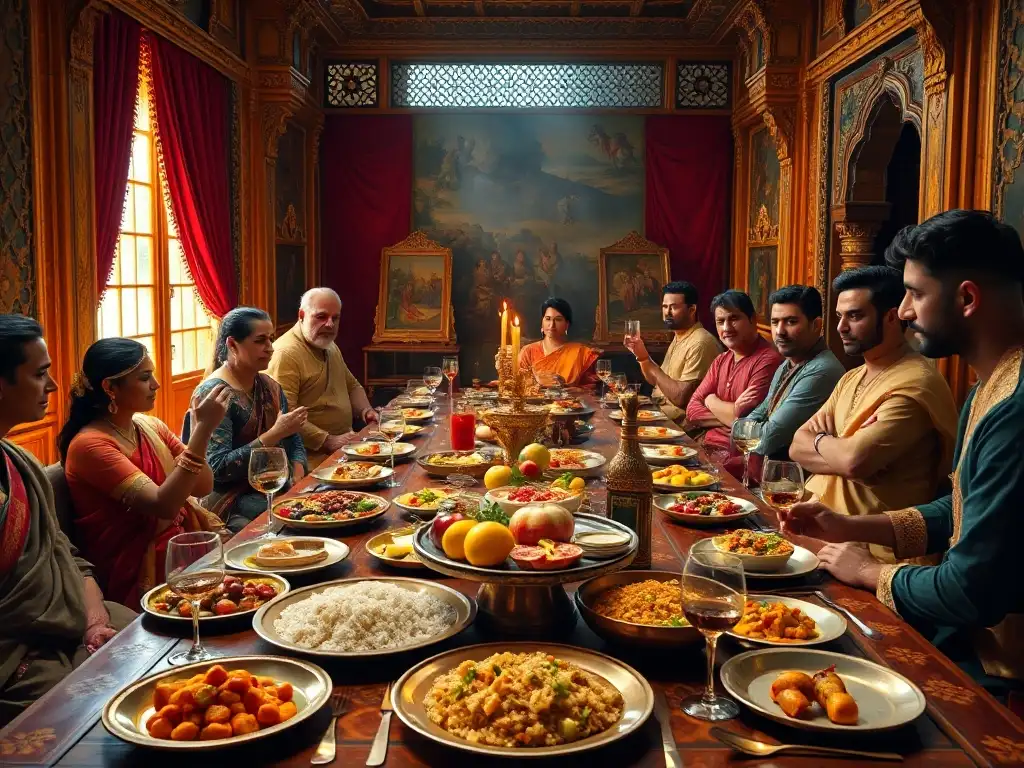
The royal feasts of the Gupta Empire were not merely gatherings for sustenance; they were grand spectacles that showcased the empire's wealth, culture, and social structure. These feasts were intricately planned events that reflected the sophisticated culinary practices of the time. The structure of these royal banquets often included a variety of elements, including elaborate decorations, entertainment, and, most importantly, a diverse array of dishes that highlighted the gastronomic richness of ancient Indian cuisine.
Types of Feasts: Festivals, Ceremonies, and Daily Life
The Gupta Empire's feasting culture can be categorized into three main types: festivals, ceremonies, and daily life gatherings. Each type served a distinct purpose and was characterized by unique culinary offerings.
-
Festivals:
Festivals were occasions that brought the community together, celebrating religious, agricultural, or seasonal events. These feasts often featured:
- Sweets and delicacies: Such as kheer (rice pudding) and laddus (sweet balls made of flour and sugar).
- Special dishes: Prepared for deities and shared among attendees, symbolizing unity and abundance.
- Ritual offerings: Food was often presented to gods before being consumed by participants, emphasizing the spiritual significance of the feast.
-
Ceremonies:
Ceremonial feasts were reserved for significant events such as royal births, marriages, and coronations. Attributes included:
- Lavish spreads: Featuring numerous courses, including meats, grains, and exotic fruits.
- Rich presentation: Dishes were often artistically arranged and served in ornate vessels, denoting the importance of the occasion.
- Guest lists: Influential members of society, including nobles and scholars, were invited, reinforcing political and social alliances.
-
Daily Life:
While daily meals were less extravagant, they still reflected culinary traditions. Regular feasts might include:
- Locally sourced ingredients: Such as lentils, vegetables, and rice, highlighting the agricultural abundance of the region.
- Community dining: Families and neighbors would gather, fostering a sense of belonging and community spirit.
- Seasonal variations: Dishes would change with the seasons, using ingredients at their peak freshness.
These various types of feasts not only nourished the body but also nourished the soul, reinforcing communal ties and cultural identity.
The Hierarchical Nature of Gupta Dining Etiquette
Dining etiquette during the Gupta Empire was deeply influenced by the social hierarchy and cultural norms of the time. The stratification of society was reflected in the way meals were served and consumed, with clear distinctions based on rank and status.
- Seating Arrangements:
- Royalty and Nobility: Positioned at the head of the table, these guests were afforded the finest dishes, often prepared with rare ingredients.
- Commoners: Sat further away, with simpler fare that reflected their social standing. The disparity in seating emphasized the social order and respect for hierarchy.
- Serving Protocols:
- Special Servers: High-ranking guests were served by dedicated attendants who ensured that their needs were met promptly.
- Ceremonial Serving: Food was often presented with great reverence, highlighting the significance of the meal and the status of the diners.
- Dining Practices:
- Utensils and Hands: While the elite often used silverware, others primarily ate with their hands, a practice that varied by class. The manner of eating could signify one's social position.
- Blessings and Rituals: Before meals, it was common to perform rituals and offer prayers, reflecting the spiritual dimensions of dining.
The Gupta Empire royal feasts were more than just opportunities to enjoy food; they were elaborate cultural expressions that reinforced social hierarchies, fostered communal bonds, and celebrated the rich tapestry of ancient Indian gastronomy. The organization, types, and etiquette surrounding these feasts provide valuable insight into the values and traditions of the Gupta period, showcasing how food played a central role in the life of the empire.
Signature Dishes of the Gupta Empire
The Gupta Empire, often regarded as the golden age of ancient India, was not just a period of remarkable achievements in art, science, and literature, but also a time of culinary evolution. The royal feasts of the Gupta Empire were a lavish affair, showcasing a variety of dishes that reflected the empire's wealth, cultural diversity, and culinary sophistication.
These feasts were meticulously planned, often featuring a blend of ingredients and flavors that delighted the palate and satisfied the senses. Here, we delve into some of the signature dishes that were served at these grand banquets, highlighting their significance in Gupta society and their enduring legacy in Indian gastronomy.
Popular Dishes Served at Royal Banquets
1. Khichdi: The Comfort Food of Kings
Khichdi, a harmonious blend of rice and lentils, was a staple dish with royal connotations during the Gupta Empire. Often considered a "comfort food," it was simple yet versatile, allowing the addition of various spices and vegetables to enhance its flavor.
- Nutritional Value: This dish was not only fulfilling but also provided essential nutrients, making it a favorite among the royals for its health benefits.
- Variations: Different versions of khichdi were prepared, with some incorporating ghee (clarified butter) and aromatic spices like cumin and turmeric, elevating its status from humble fare to royal dining.
2. Pulao: A Royal Rice Dish with Exotic Flavors
Pulao, another popular dish at Gupta royal feasts, was celebrated for its complex flavors and luxurious ingredients. This rice dish was often prepared with a variety of spices, nuts, and dried fruits, making it a centerpiece of any banquet.
- Ingredients: Ingredients such as saffron, cardamom, and cloves were commonly used, imparting a rich aroma and taste.
- Cultural Significance: Pulao was not only a dish but a symbol of hospitality and abundance, often served during significant events and celebrations.
3. Lassi: The Refreshing Beverage of the Gupta Court
Lassi, a yogurt-based drink, was a staple beverage enjoyed by the Gupta royalty. It served as a refreshing complement to the rich and spicy dishes served at their feasts.
- Types of Lassi: There were various types of lassi, including sweet and salty versions, often flavored with cardamom or mint to enhance its refreshment.
- Health Benefits: Lassi was appreciated not just for its taste but also for its digestive properties, making it a perfect drink to accompany heavy meals.
4. Sweets and Desserts: The Sweet Tooth of Ancient India
The Gupta Empire had a penchant for sweets, with a variety of desserts featuring prominently in their royal feasts. These sweets were often made from milk, sugar, and various nuts.
- Popular Desserts: Some favorites included kheer (a rice pudding), ladoos (sweet balls made from flour and sugar), and barfis (fudge-like sweets), each crafted with care and presented beautifully.
- Symbol of Celebration: Sweets were not only enjoyed for their taste but also represented joy and prosperity, making them an essential part of any festive occasion.
The Gupta Empire’s royal feasts were thus a rich tapestry of flavors and traditions, offering a glimpse into ancient Indian gastronomy that continues to influence modern culinary practices.
The Art of Dining: Presentation and Rituals
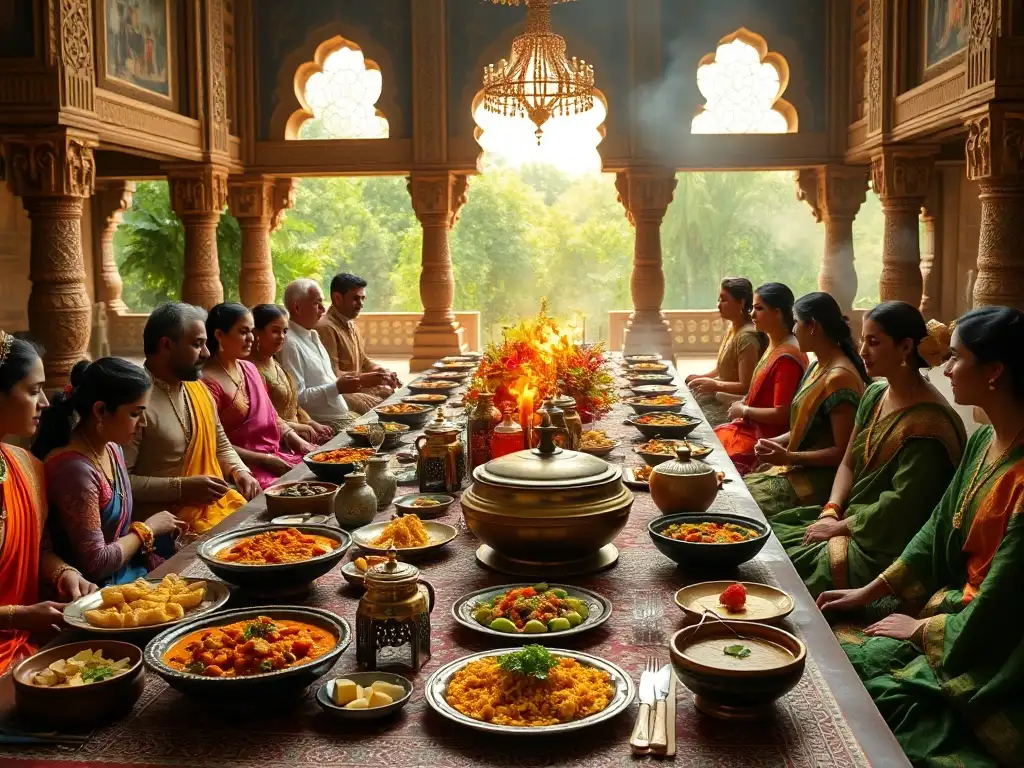
The dining traditions of the Gupta Empire were not merely about consuming food; they were intricate rituals that embodied the civilization's values, aesthetics, and social hierarchies. The art of dining during this period showcased a blend of opulence and cultural significance, reflecting the sophisticated lifestyle of the Gupta elite.
The Importance of Presentation in Gupta Feasts
In the Gupta Empire, the presentation of food was considered an essential aspect of the dining experience. Meals were often served on ornate platters made of silver or precious metals, emphasizing the wealth and status of the host. The use of vibrant colors in the dishes—thanks to the variety of spices, fruits, and herbs available—added to the visual appeal, making the dining table a feast for the eyes as much as the palate.
- Color and Arrangement:
- Dishes were meticulously arranged to create a harmonious balance of colors and textures.
- Fruits like mangoes, pomegranates, and lotus seeds were often used as garnishes, enhancing the aesthetic quality of the meal.
- Cultural Symbolism:
- Certain foods were imbued with cultural significance. For instance, rice, often regarded as a symbol of prosperity, was a staple in Gupta feasts.
- Elaborate sweets, such as kheer (a rice pudding), were not only integral to the meal but also served as offerings in religious ceremonies.
- Serveware and Utensils:
- The use of decorative serveware was prevalent, with designs that often illustrated mythological themes or significant events.
- Utensils were crafted from materials like gold and silver, signifying the importance of ritual cleanliness and the reverence associated with dining.
Rituals and Ceremonies Surrounding Dining
Dining in the Gupta Empire was often accompanied by a series of rituals and ceremonies that elevated the act of eating to a spiritual experience. These practices were deeply rooted in the cultural and religious beliefs of the time.
- Pre-Meal Rituals:
- Before the meal, it was common for participants to engage in a purification ritual, which often included washing hands and offering prayers to deities. This was believed to sanctify the food and the dining experience.
- Offerings of food to the gods were a common practice, as it was thought that divine blessings would enhance the meal's quality and prosperity for the household.
- The Role of Music and Dance:
- Gupta feasts often featured live music and dance performances, which added to the celebratory atmosphere. Musicians would play traditional instruments, while dancers performed to honor the guests and the host.
- This entertainment was not merely for enjoyment but was also intertwined with the dining experience, enhancing the overall ambiance of the feast.
- Post-Meal Customs:
- After the meal, it was customary to offer betel leaves as a digestive aid and a sign of hospitality. This practice symbolized respect and gratitude towards the guests.
- Discussions and storytelling often followed the meal, emphasizing the communal aspect of dining and allowing for the sharing of wisdom and culture.
The royal feasts of the Gupta Empire exemplified a complex interplay of culinary art, cultural practices, and social rituals that transcended mere sustenance. The elaborate presentation and the ceremonial nature of dining highlighted the empire's artistic achievements and its deep-rooted traditions, making these gatherings a significant aspect of ancient Indian gastronomic heritage.
Comparative Analysis: Gupta Empire Royal Feasts vs. Other Ancient Civilizations
Similarities with Roman and Persian Banquets
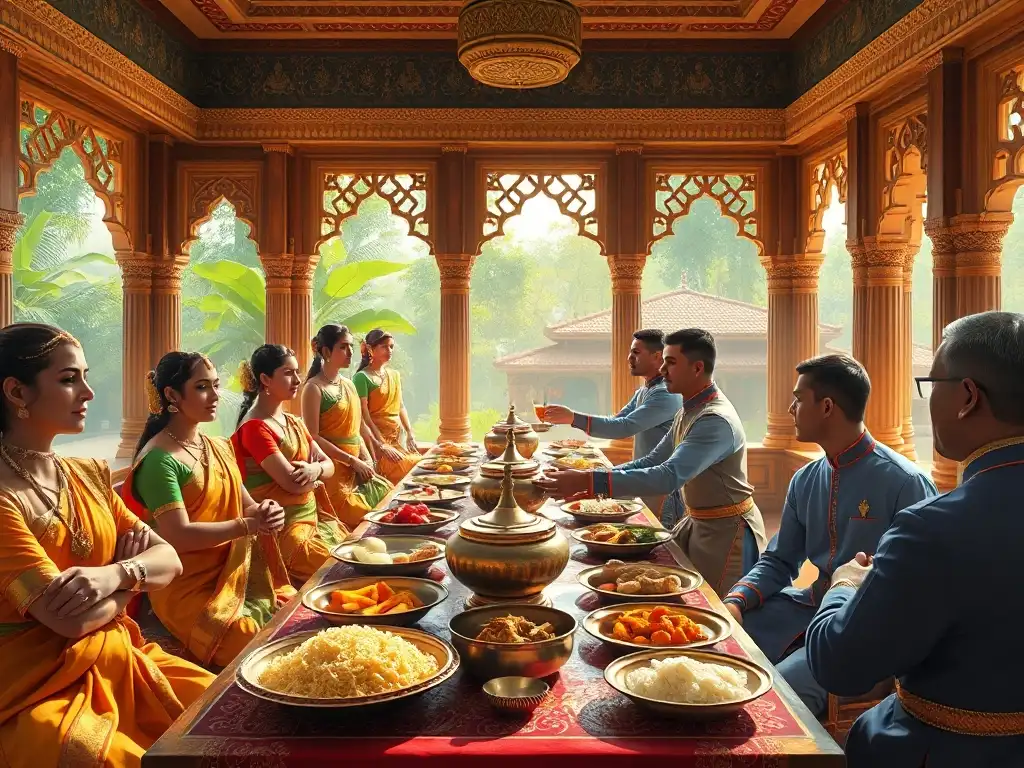
The royal feasts of the Gupta Empire share notable similarities with the banquets of other ancient civilizations, such as the Roman and Persian empires. These similarities can be observed in various aspects, including the lavishness of the meals, the cultural significance of feasting, and the social structures that influenced dining practices.
-
Lavish Spreads:
Both Gupta and Roman banquets were characterized by extravagant spreads that showcased a variety of dishes. For instance, the Romans were known for their multi-course meals featuring delicacies like peacock and dormice, while Gupta feasts included a plethora of vegetarian and meat-based dishes, such as dal, biryani, and sweets like peda and ladoos.
-
Cultural Significance:
Feasting in both the Gupta Empire and Persia served as a vital social and political tool. In the Gupta Empire, royal feasts were often held to commemorate victories, celebrate festivals, or solidify alliances. Similarly, Persian banquets were elaborate events that reinforced social hierarchies and showcased the wealth of the empire. The act of sharing food was seen as a gesture of goodwill and diplomacy in both cultures.
-
Artistic Presentation:
The aesthetics of food presentation were highly valued in both civilizations. Just as Roman banquets featured intricate arrangements of fruits and decorative elements, Gupta royal feasts also emphasized the visual appeal of dishes, often incorporating colorful spices and vibrant garnishes to enhance the dining experience.
-
Entertainment and Performances:
Both the Gupta and Roman royal feasts included forms of entertainment such as music, dance, and poetry. These elements not only served to amuse guests but also reinforced cultural identity and the status of the host. In Gupta courts, musicians and dancers played a significant role in enlivening the atmosphere during feasts.
Unique Features of Gupta Culinary Traditions
While the Gupta Empire’s royal feasts exhibited similarities with other ancient civilizations, they also possessed unique features that distinguished their culinary traditions:
-
Vegetarian Emphasis:
The Gupta Empire is renowned for its strong preference for vegetarianism, influenced by religious and cultural beliefs. Unlike the meat-heavy banquets of the Romans, Gupta royal feasts predominantly featured vegetarian dishes. Staples included rice, lentils, and an array of vegetables prepared in various styles, often spiced with local herbs and spices. This emphasis on vegetarianism reflects the cultural ethos of the time, particularly the influence of Jainism and Buddhism.
-
Use of Spices and Herbs:
The Gupta culinary tradition was marked by an intricate use of spices and herbs, which were not only essential for flavor but also for health benefits. Dishes were often seasoned with turmeric, cumin, coriander, and the use of ghee (clarified butter) was prevalent, enhancing both taste and aroma. This rich and nuanced use of spices set Gupta cuisine apart from its contemporaries.
-
Sweet Dishes:
Gupta royal feasts placed a significant emphasis on sweets, which were often served at the end of meals as a symbol of prosperity and joy. Desserts such as kheer (rice pudding), halwa, and various ladoos were integral to the feast experience. This focus on sweets can be traced back to ancient traditions and the agrarian abundance of the region, which allowed for the use of sugar and other sweeteners.
-
Ceremonial Practices:
The royal feasts of the Gupta Empire were often steeped in ceremonial practices. Rituals surrounding food preparation and consumption were significant, with offerings made to deities prior to meals. This spiritual aspect added a layer of reverence to the culinary experience, showcasing the intertwining of food with cultural and religious values.
The royal feasts of the Gupta Empire not only reflect a rich gastronomic heritage but also illustrate the unique cultural identity of ancient India, setting it apart from other ancient civilizations through its emphasis on vegetarianism, spice use, and ceremonial practices.
Modern-Day Influences of Gupta Empire Royal Feasts
Reviving Ancient Recipes: Culinary Tourism in India
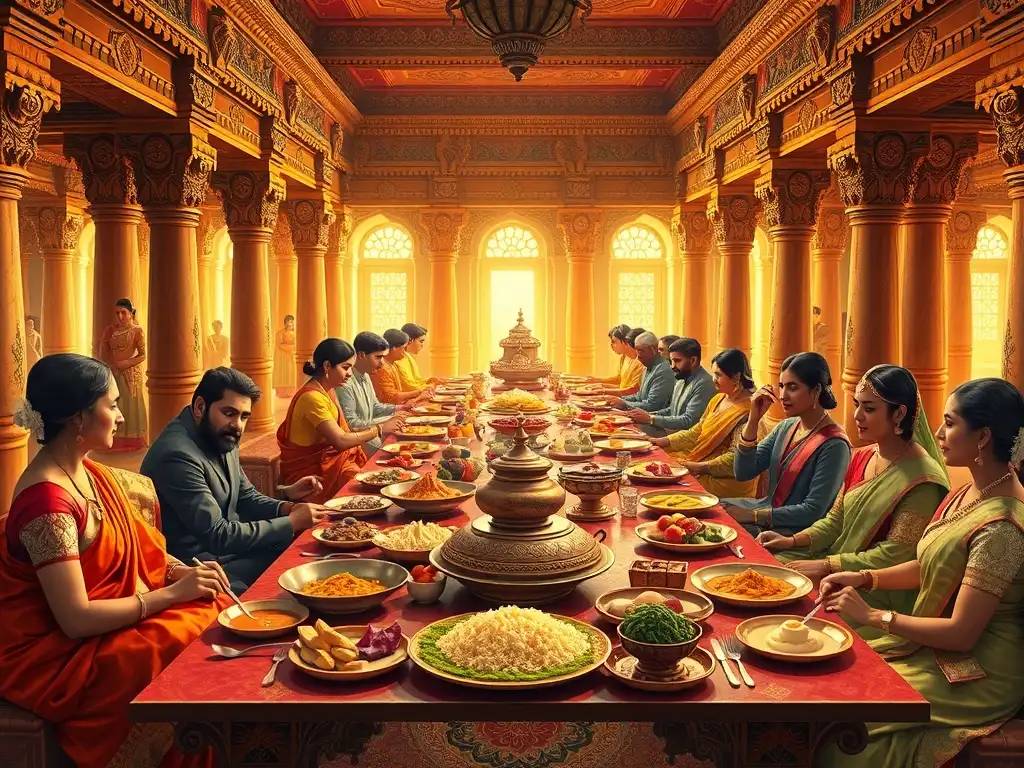
The culinary heritage of the Gupta Empire has seen a remarkable revival in modern-day India, particularly through the lens of culinary tourism. This resurgence not only showcases the rich gastronomic traditions of ancient India but also invites tourists to experience the flavors and techniques that once graced royal tables.
Key Aspects of Culinary Tourism:
- Experiential Dining: Many establishments now curate dining experiences that reflect the opulence of Gupta royal feasts. This includes recreating traditional recipes using authentic ingredients and methods.
- Workshops and Classes: Culinary workshops focusing on ancient recipes provide hands-on experiences. Participants learn to prepare dishes like Pulao and Kheer, which were staples in the Gupta diet.
- Historical Tours: Culinary tours often include visits to historic sites and temples where these feasts may have been held, enriching the experience with cultural context.
The revival of these ancient recipes not only preserves the culinary traditions of the Gupta Empire but also stimulates interest in Indian history and culture among international visitors. This approach to culinary tourism promotes a deeper understanding of India's diverse heritage.
Restaurants and Culinary Experiences Inspired by Gupta Traditions
Numerous restaurants across India are embracing the culinary traditions of the Gupta Empire, offering menus inspired by historical texts and archaeological findings. These establishments aim to recreate the lavish meals that were once served at royal banquets.
Notable Features of Gupta-Inspired Dining:
- Authentic Ingredients: Many chefs prioritize the use of locally sourced, organic ingredients that were prevalent during the Gupta period, such as millets, pulses, and spices like cumin and coriander.
- Traditional Cooking Techniques: Cooking methods such as slow-cooking and clay pot preparation are being revived, ensuring that the dishes maintain their historical integrity and flavors.
- Thematic Decor: Restaurants often feature decor that reflects the aesthetics of the Gupta period, including artistic representations of royal life, ancient pottery, and traditional textiles.
- Seasonal Menus: Inspired by the agricultural practices of the time, many restaurants create seasonal menus that highlight the availability of local produce, much like the ancient royals would have done.
This integration of Gupta culinary traditions into the modern dining scene not only honors the past but also provides a unique gastronomic experience that attracts food enthusiasts and history buffs alike. Through these efforts, the legacy of the Gupta Empire royal feasts continues to thrive, connecting the past with the present in a delicious and memorable way.
Conclusion: The Legacy of Gupta Empire Royal Feasts
The royal feasts of the Gupta Empire represent a significant chapter in the history of Indian gastronomy, reflecting the empire's prosperity, cultural sophistication, and culinary innovations. These feasts were not merely meals; they were elaborate events that showcased the wealth and power of the empire, while also highlighting the intricate relationship between food, culture, and social hierarchy.
The Gupta Empire, which flourished from approximately 320 to 550 CE, is often regarded as a golden age in Indian history. Its royal courts were vibrant centers of art, literature, and philosophy, and food played an essential role in this cultural milieu. Feasts were occasions for political diplomacy, social gatherings, and the display of generosity by the ruling elite, reinforcing the power dynamics of the time. The culinary practices of this period laid the groundwork for many modern Indian food traditions, making the legacy of Gupta Empire royal feasts enduring and influential.
Lasting Impact on Indian Cuisine and Culture
The culinary practices established during the Gupta Empire have left an indelible mark on Indian cuisine, influencing both regional specialties and broader culinary trends across the subcontinent. The incorporation of diverse ingredients, such as spices, grains, and vegetables, was prevalent during this era, leading to a rich tapestry of flavors that continues to define Indian cooking today.
Key Contributions of Gupta Royal Feasts:
- Diverse Ingredients: The royal kitchens utilized a wide array of local and exotic ingredients, reflecting trade connections with other cultures.
- Innovative Cooking Techniques: Methods such as slow cooking and the use of tandoors were refined during this period, contributing to the unique textures and tastes of Indian dishes.
- Culinary Texts: The Gupta Empire saw the emergence of texts that documented recipes and cooking methods, which served as a foundation for future culinary literature.
The emphasis on lavish presentations and the ritualistic aspects of feasting also highlighted the significance of food in social and religious contexts. Festivals and ceremonies incorporated specific dishes that were believed to have auspicious qualities, further intertwining culinary practices with cultural identity.
Encouraging Exploration of Ancient Indian Gastronomy
Understanding the royal feasts of the Gupta Empire opens a window into ancient Indian gastronomy that is rich and multifaceted. Exploring this aspect not only enhances our appreciation of historical food traditions but also encourages contemporary culinary enthusiasts and scholars to delve deeper into the roots of Indian cuisine.
Engagement with ancient recipes, cooking methods, and the cultural significance of feasts can inspire a revival of traditional practices in modern kitchens. Some ways to encourage this exploration include:
- Culinary Workshops: Organizing workshops that focus on ancient recipes and techniques can help foster a connection between past and present culinary arts.
- Cultural Events: Hosting festivals that celebrate the food of the Gupta era can spark interest in ancient gastronomy and its relevance today.
- Academic Research: Promoting studies on the culinary practices of the Gupta Empire can yield valuable insights into the evolution of Indian cuisine.
The royal feasts of the Gupta Empire not only served to satiate appetites but also played a pivotal role in the cultural narrative of ancient India. By recognizing and exploring the intricacies of these gastronomic traditions, we can preserve and celebrate a vital aspect of our shared heritage.
Frequently Asked Questions
What were the key features of royal feasts during the Gupta Empire?
Royal feasts in the Gupta Empire showcased lavish spreads, including a variety of dishes that demonstrated the culinary excellence of the time, often featuring both vegetarian and non-vegetarian options.
How did royal feasts reflect the cultural diversity of ancient India?
These feasts highlighted the regional diversity of ancient Indian gastronomy, incorporating local ingredients and cooking styles, thus celebrating the multicultural fabric of the Gupta period.
What role did religion play in the royal feasts of the Gupta Empire?
Religious significance was integral, as many feasts were held during festivals or rituals, emphasizing the connection between food, spirituality, and the royal patronage of various deities.
Were there any special dishes associated with the Gupta Empire's royal feasts?
Yes, the Gupta royals enjoyed unique dishes like pulao and sweets, which were often elaborately prepared and presented, showcasing the artistry and skill of the chefs.
How did the Gupta Empire influence modern Indian cuisine?
The culinary traditions established during the Gupta period laid the foundation for many modern Indian dishes, with an emphasis on spices, cooking techniques, and the fusion of various regional flavors.
Final Reflection: The Lasting Legacy of Gupta Empire Royal Feasts
The exploration of Gupta Empire royal feasts reveals not just the culinary practices of an ancient civilization, but also their profound cultural significance that resonates even today. As we delve into the lavish banquets and intricate dishes that characterized this era, we uncover a rich tapestry of history, tradition, and social interaction that continues to influence modern gastronomy. The opulence and variety of these feasts remind us that food has always been a powerful medium for cultural expression and community bonding.
The impact of these royal feasts extends beyond mere sustenance; they have shaped our understanding of social hierarchies, hospitality, and the artistry of cooking. Reflecting on the communal aspects of these gatherings, we can see how they fostered connections among people, transcending the boundaries of class and status. As noted by food historian K.T.
Achaya, ">Food is not just a necessity; it is a reflection of our culture, our history, and our identity." This observation underscores the importance of recognizing how ancient practices continue to inform our contemporary culinary landscape, reminding us of the shared heritage that binds us together.
As we conclude this exploration of the Gupta Empire's royal feasts, I invite you to reflect on your own relationship with food and the traditions that shape your dining experiences. Consider how the lessons from the past can inspire you to create meaningful connections through meals, whether by hosting a gathering, experimenting with traditional recipes, or simply appreciating the cultural stories behind the food you enjoy. Let us carry forward the legacy of these ancient feasts, celebrating not only the flavors but also the connections they foster in our lives today.
Savor the Richness of Ancient Gastronomy!
Thank you for diving into the decadent world of Royal Feasts during the Gupta Empire. We hope you enjoyed exploring the culinary traditions that shaped ancient Indian gastronomy and that you feel inspired by their rich history. Now, it’s time to take your newfound knowledge further!
Here are a few ways you can deepen your connection to the flavors of the past:
- Try your hand at a recipe inspired by ancient Indian cuisine! Research traditional ingredients such as rice, legumes, and spices to recreate a royal feast in your own kitchen.
- Join a food history group or online forum to share your experiences and learn from fellow enthusiasts who are passionate about ancient cuisines.
- Visit a local museum or cultural exhibition that features artifacts or information on Gupta culture to bring history to life in engaging ways.
What ancient dish are you most excited to recreate, and why? We invite you to share your thoughts in the comments!