
Analyzing the Visual Aesthetics of Ancient Inscriptions in Art

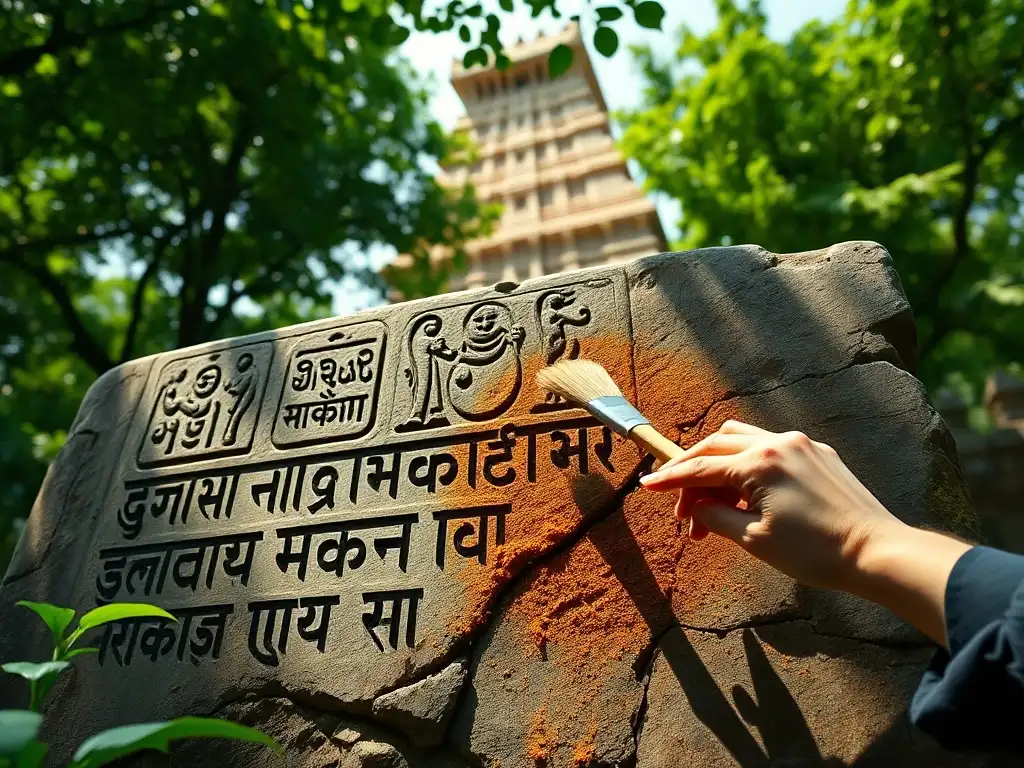
Welcome to Ancient India History, where we invite you to embark on a fascinating journey through time. Here, we delve into the rich tapestry of ancient Indian civilizations, exploring their diverse culture and remarkable contributions that have shaped our world today. In our featured article, "Analyzing the Visual Aesthetics of Ancient Inscriptions in Art," we unravel the intricate beauty and significance of ancient Indian inscriptions art.
What stories do these inscriptions tell? How do they reflect the ethos of their time? Join us as we uncover these mysteries and more, igniting your curiosity to explore the profound legacy of ancient India.
Introduction to Ancient Indian Inscriptions Art
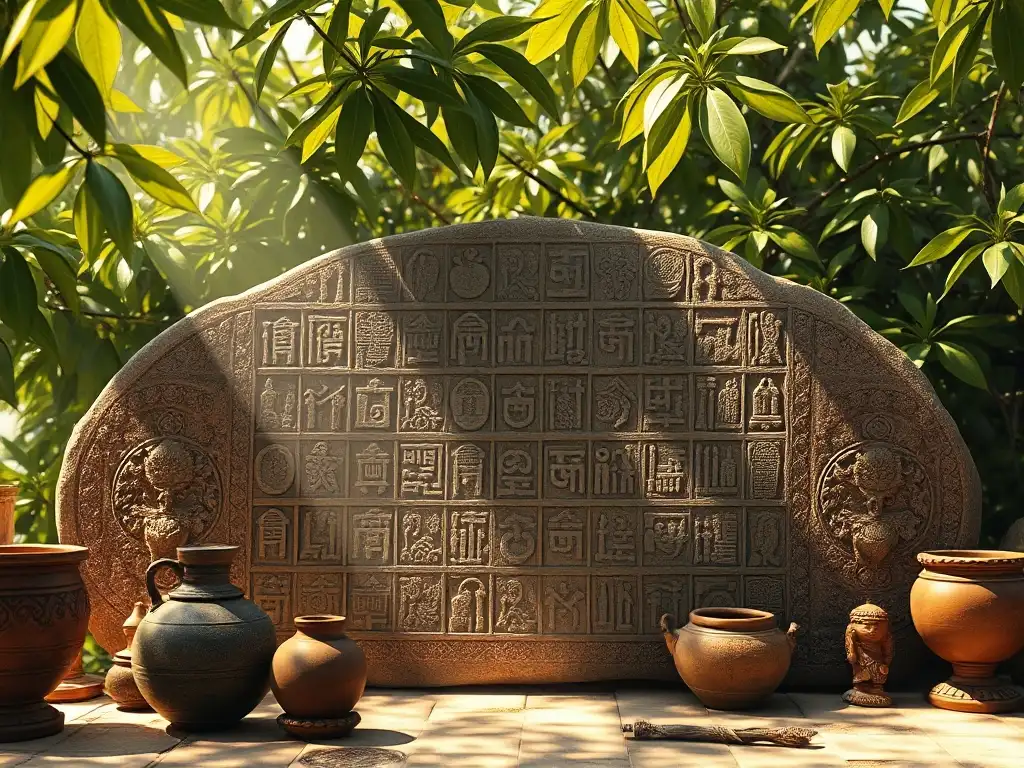
The exploration of ancient Indian inscriptions art provides a unique lens through which we can appreciate the rich tapestry of history, culture, and artistic expression that characterized ancient Indian civilizations. From the intricate carvings found in the Indus Valley to the more elaborate inscriptions during the Gupta Empire, these artifacts not only serve as historical records but also embody the aesthetic values and cultural narratives of their time.
The study of these inscriptions reveals not only the technical skills of ancient artisans but also the philosophical and spiritual beliefs that influenced their work. By delving into the visual aesthetics of these inscriptions, we can uncover insights into the social structures, religious practices, and artistic traditions that shaped ancient India.
Overview of Ancient Inscriptions in Indian History
Ancient Indian inscriptions have been pivotal in documenting the socio-political and cultural landscape of the time. These inscriptions, often carved on stone, metal, and other durable materials, serve as primary sources for historians and archaeologists alike. They encompass a range of texts, including royal edicts, religious proclamations, and commemorative messages, thus providing a comprehensive view of ancient Indian civilization.
- Types of Inscriptions:
- Royal Edicts: Issued by kings to communicate laws and decrees.
- Religious Texts: Inscriptions dedicated to deities or religious practices.
- Commemorative Inscriptions: Celebrating victories, events, or individuals.
These inscriptions often feature intricate designs and symbols, reflecting the artistic sensibilities of the era and offering a glimpse into the identity and values of ancient societies.
Importance of Visual Aesthetics in Inscriptions
The visual aesthetics of ancient inscriptions are not merely decorative; they play a crucial role in conveying meaning and enhancing the communicative power of the texts. The choice of script, the arrangement of letters, and the incorporation of imagery all contribute to the overall impact of the inscription.
- Key Aspects of Aesthetic Importance:
- Symbolism: Many inscriptions include symbolic elements that represent deeper meanings and beliefs.
- Composition: The layout and spacing of text can influence how the message is perceived and understood.
- Materiality: The choice of medium affects the visual quality and longevity of the inscriptions.
By analyzing these aspects, we can better understand how ancient Indian artists combined form and function to create compelling narratives that resonate through time.
Historical Context of Ancient Indian Inscriptions
Understanding the historical context of ancient Indian inscriptions is essential for appreciating their significance. These artifacts emerged from a confluence of various cultural influences and historical developments that shaped their creation and evolution.
Timeline of Major Inscriptions in India
A timeline of significant inscriptions in India highlights the evolution of artistic and textual expression across different periods:
| Period | Major Inscriptions | Notable Features |
|---|---|---|
| Indus Valley Civilization (c. 3300-1300 BCE) | Indus Script Inscriptions | Pictographic, undeciphered symbols |
| Maurya Empire (c. 322-185 BCE) | Ashoka's Edicts | Rock edicts with moral and legal proclamations |
| Gupta Empire (c. 240-550 CE) | Allahabad Pillar Inscription | Detailed accounts of royal achievements |
This timeline showcases how inscriptions evolved in complexity and artistic expression, providing insight into the cultural and political shifts of the time.
Cultural Significance of Inscriptions from the Indus Valley to the Gupta Empire
The cultural significance of inscriptions spans a wide range of themes, from governance and law to religion and philosophy.
- Indus Valley Civilization: The use of inscriptions in the Indus script reflects early attempts at communication and record-keeping, although the language remains largely undeciphered.
- Maurya Empire: The edicts of Ashoka highlight a transition towards moral governance, emphasizing ethical principles and social welfare.
- Gupta Empire: Inscriptions from this period are characterized by a flourishing of literature and art, reflecting the prosperity and cultural vibrancy of the time.
These inscriptions not only document historical events but also serve as a testament to the artistic and intellectual achievements of ancient Indian civilizations, thus solidifying their place in the annals of history.
Elements of Visual Aesthetics in Ancient Inscriptions
The visual aesthetics of ancient Indian inscriptions are a remarkable blend of artistic expression and communicative purpose. These inscriptions, often found on stone, metal, and pottery, showcase intricate designs that reflect the cultural significance and technological prowess of their creators. The elements of visual aesthetics in these inscriptions include composition, typography, symbolism, and the overall layout, all of which contribute to their historical and artistic value. The interplay of these elements not only enhances the visual appeal of the inscriptions but also serves as a medium for conveying messages, beliefs, and the socio-political dynamics of ancient civilizations.
Composition and Layout in Ancient Indian Inscriptions
The composition and layout of ancient Indian inscriptions are meticulously planned to convey meaning effectively while engaging the viewer's eye. Typically, inscriptions were organized in horizontal or vertical lines, often following the natural contours of the material they adorned. This layout was not arbitrary; it aimed to create a visual hierarchy, guiding the reader's attention through the text and accompanying imagery.
Inscriptions often employed symmetry and balance, reflecting the aesthetic principles of ancient Indian art. For instance, many inscriptions were framed with decorative borders or motifs that not only enhanced their beauty but also provided a context for the text within. The placement of inscriptions in public spaces, such as temples and monuments, further emphasized their importance, as they were strategically positioned to be viewed by a large audience, thus reinforcing communal identity and cultural continuity.
Typography and Script Variations in Ancient Inscriptions Art
Typography in ancient Indian inscriptions is characterized by a variety of scripts that evolved over time, each with unique stylistic features. The Brahmi script, one of the earliest writing systems used in India, showcases rounded letters that are often elegantly formed. As the centuries progressed, scripts such as Kharosthi, Gupta, and Nagari emerged, each introducing distinct characteristics that reflect the artistic trends of their respective periods.
Variations in script not only signify regional differences but also hint at the social status of the inscriber or the intended audience. For instance, inscriptions meant for royal patronage often utilized more elaborate scripts and ornamentation, while everyday inscriptions might display simpler forms. The choice of script, therefore, plays a crucial role in understanding the context and significance of the inscription, making typography a vital aspect of ancient Indian inscriptions art.
Symbolism and Imagery in Inscriptions
Symbolism and imagery are prevalent in ancient Indian inscriptions, often serving to convey deeper meanings beyond the text itself. These inscriptions frequently incorporate religious motifs, deities, and cosmic symbols that reflect the belief systems and cultural narratives of the time. For example, the depiction of animals like lions and elephants often symbolizes power and royalty, while lotus flowers may represent purity and divine beauty.
The integration of imagery with textual content enhances the interpretive richness of the inscriptions. Viewers are invited to engage with both the visual and linguistic elements, creating a multi-layered experience. Furthermore, the recurring themes and symbols provide a glimpse into the values, aspirations, and historical context of ancient Indian societies, making the study of symbolism an essential aspect of analyzing ancient inscriptions.
Techniques Used in Creating Ancient Indian Inscriptions
The creation of ancient Indian inscriptions involved various techniques that demonstrated the artisans' skills and the technological advancements of the era. These methods not only influenced the aesthetic qualities of the inscriptions but also their durability and readability. Understanding these techniques provides insights into the craftsmanship and cultural priorities of ancient Indian civilizations.
Carving Techniques in Stone Inscriptions
Stone inscriptions were primarily created using carving techniques that varied based on the type of stone and the desired effect. Artisans employed chiseling and engraving methods to create inscriptions, often utilizing tools made from harder materials to ensure precision. The depth and style of the carving could differ, ranging from shallow incised letters to deeply carved reliefs that offered a three-dimensional quality.
Inscriptions found in significant archaeological sites, such as the Edicts of Ashoka, exemplify the mastery of stone carving. The consistent application of techniques like the use of curved and straight lines formed letters that are not only legible but visually striking. Over time, these techniques evolved, incorporating influences from surrounding cultures, which enriched the artistic tradition of ancient Indian inscriptions.
Materials and Tools Used in Ancient Indian Inscriptions Art
The materials and tools used in ancient Indian inscriptions varied greatly, influencing both the technique and aesthetic outcome of the final work. Stone, metal, clay, and wood were commonly used substrates, each presenting unique challenges and opportunities for inscription. For instance, granite is favored for its durability, while softer stones like limestone allowed for more intricate designs.
Artisans utilized a range of tools, including chisels, hammers, and styluses, crafted from metals and harder stones. The choice of material and tools not only affected the inscription's longevity but also its visual impact. Metals, such as copper and bronze, allowed for detailed and ornate inscriptions, while clay tablets provided a more accessible medium for everyday communication. Understanding the interplay between materials, tools, and techniques is essential for appreciating the artistry and historical significance of ancient Indian inscriptions art.
Case Studies of Notable Ancient Indian Inscriptions
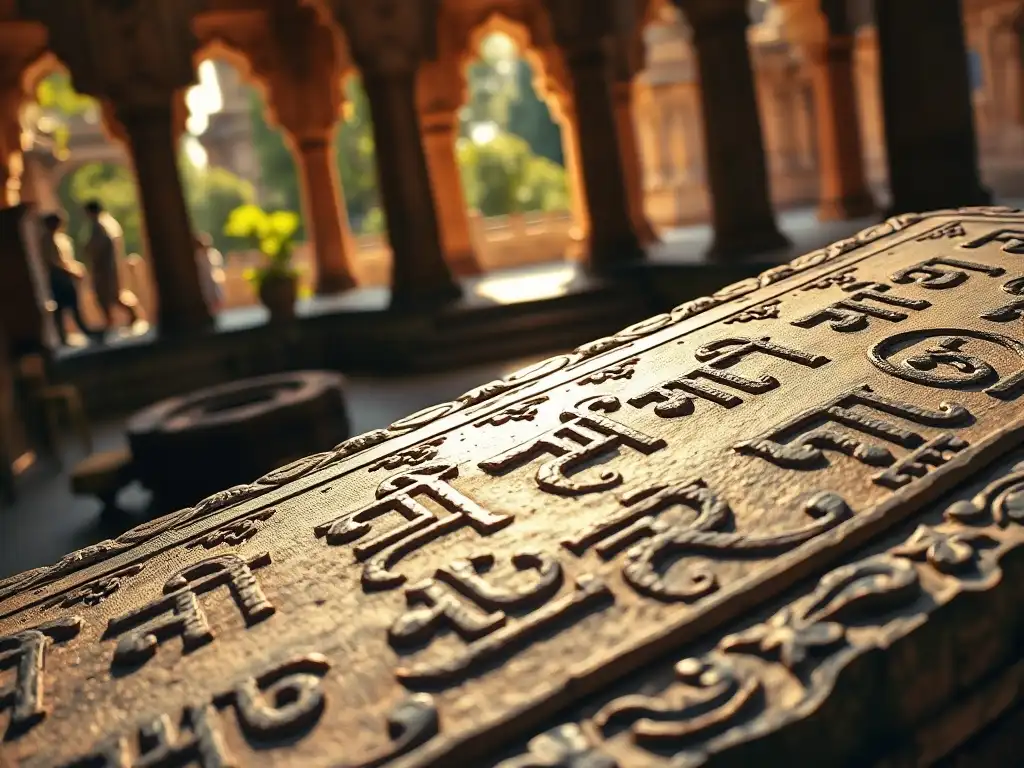
Ancient Indian inscriptions provide a treasure trove of information regarding the region's history, culture, and artistic expression. This section explores significant case studies of inscriptions that exemplify the visual aesthetics and cultural significance of ancient Indian art. The two most prominent examples include the Ashoka Edicts and the Gupta Era inscriptions. Each of these inscriptions not only conveys messages of governance and philosophy but also showcases the artistic techniques and styles prevalent during their respective periods.
Analysis of the Ashoka Edicts: Visual and Artistic Elements
The Ashoka Edicts, inscribed during the reign of Emperor Ashoka (circa 268-232 BCE), are among the most remarkable examples of ancient Indian inscriptions. These edicts were carved on rocks and pillars across the Indian subcontinent, communicating Ashoka's commitment to Dharma (moral law) and social welfare.
Visually, the edicts are characterized by their:
- Clarity and Precision: The inscriptions exhibit a high level of craftsmanship, with clear, legible characters that demonstrate the skill of ancient artisans.
- Symbolism: Many edicts incorporate symbols such as the Dharma Wheel (Ashoka Chakra), which represents the spread of Buddhist teachings. This emblematic use of imagery enhances the religious and philosophical messages conveyed through the text.
- Integration with Nature: The edicts are often situated in natural settings, emphasizing the harmony between the message and the environment. This connection enhances the visual impact of the inscriptions, allowing them to resonate with their audiences.
In addition to the text, the visual layout of the edicts—often arranged in a structured format—further reflects the aesthetic considerations of the time, showcasing a blend of functionality and artistic expression.
The Significance of the Gupta Era Inscriptions in Art
The Gupta period (approximately 320-550 CE) is often referred to as the Golden Age of India due to its remarkable advancements in arts, science, and culture. Inscriptions from this era are critical for understanding the evolution of artistic expression in ancient India.
Key features of Gupta inscriptions include:
- Sophisticated Script: The use of the Gupta script, which evolved from earlier Brahmi scripts, reflects a significant advancement in writing systems. The elegance of the characters contributes to the overall aesthetic quality of the inscriptions.
- Religious Themes: Many Gupta inscriptions highlight themes of Hinduism and Buddhism, often using intricate designs and motifs that illustrate mythological stories and deities. These elements showcase the period's rich spiritual life and artistic innovation.
- Architectural Integration: Gupta inscriptions are frequently found on temples and monuments, where they serve both decorative and informative purposes. The integration of inscriptions into architectural designs demonstrates a holistic approach to art and architecture during this period.
The significance of Gupta inscriptions extends beyond their artistic value; they are vital for understanding the socio-political and religious contexts of the time.
The Influence of Ancient Indian Inscriptions on Modern Art
Ancient Indian inscriptions have left an indelible mark on modern art, inspiring contemporary artists and movements. The aesthetics, themes, and styles derived from these inscriptions continue to influence a wide range of artistic expressions today.
Continuity of Aesthetic Traditions from Ancient Inscriptions
The visual aesthetics of ancient Indian inscriptions have been preserved and adapted through various artistic movements. Elements such as:
- Calligraphy: The intricate lettering styles found in ancient inscriptions have inspired modern calligraphers, resulting in a resurgence of interest in traditional techniques and forms.
- Symbolism and Motifs: Many contemporary artists draw upon the rich symbolism present in ancient inscriptions, incorporating motifs like the lotus, peacock, and various deities into their works.
- Narrative Art: Just as ancient inscriptions often conveyed stories and moral teachings, modern artists frequently utilize narrative elements in their work, reflecting the enduring power of storytelling in art.
This continuity illustrates the enduring legacy of ancient Indian inscriptions as a source of inspiration and cultural identity.
Modern Interpretations of Ancient Indian Inscriptions Art
Modern artists and scholars have begun to reinterpret ancient Indian inscriptions, often blending traditional motifs with contemporary themes. This reinterpretation can be seen in several ways:
- Mixed Media: Artists are increasingly experimenting with mixed media to create works that reflect the textures and visual elements of ancient inscriptions, using materials like clay, metal, and digital media.
- Cultural Dialogues: Modern interpretations may engage with global artistic movements, fostering dialogues between ancient Indian aesthetics and contemporary issues, such as identity, spirituality, and social justice.
- Exhibitions and Installations: Art exhibitions often feature works inspired by ancient inscriptions, showcasing the connection between past and present while inviting viewers to reflect on their historical and cultural significance.
The influence of ancient Indian inscriptions on modern art is profound, illustrating the timelessness of their aesthetic appeal and the ongoing conversation between tradition and innovation in art.
Conclusion: The Legacy of Ancient Indian Inscriptions in Art
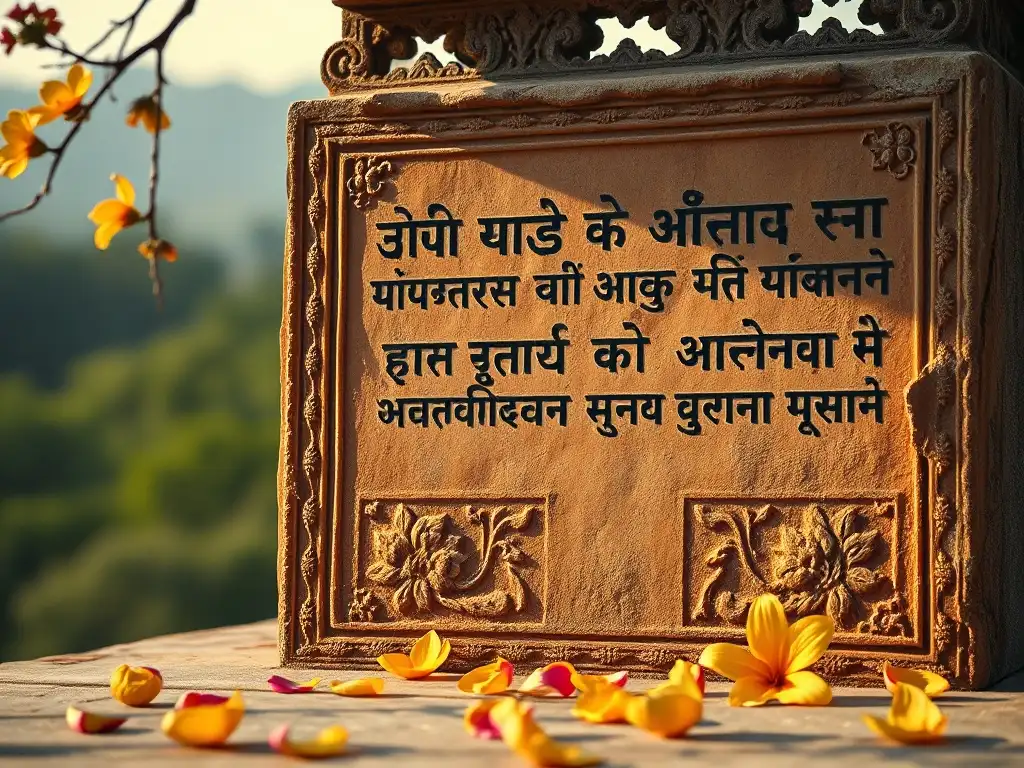
The legacy of ancient Indian inscriptions in art is profound and multifaceted, reflecting not only the artistic capabilities of the time but also the cultural, religious, and political contexts in which they were created. These inscriptions serve as a crucial link to understanding the past, providing insights into the languages, scripts, and iconography that characterized various periods in Indian history. From the intricate carvings found in the rock-cut caves of Ajanta to the beautifully scripted edicts of Ashoka, each piece contributes to a larger narrative of ancient Indian civilization.
The visual aesthetics of these inscriptions often reveal a blend of artistic styles influenced by regional variations and the integration of diverse cultural elements. The use of symmetry, proportion, and decorative motifs in inscriptions illustrates the sophistication of ancient Indian artisans. Furthermore, these artworks are not merely decorative; they carry significant historical and philosophical meanings, making their study essential for anyone interested in the evolution of Indian art and culture.
Summary of Key Insights on Visual Aesthetics
The examination of ancient Indian inscriptions art unveils several key insights:
- Diversity of Scripts: Ancient Indian inscriptions featured a variety of scripts, such as Brahmi, Kharosthi, and later Devanagari, each contributing to the aesthetic appeal and readability of the text. These scripts evolved over time, reflecting linguistic changes and regional influences.
- Symbolism and Motifs: The incorporation of symbols and motifs, such as lotus flowers, animals, and celestial beings, highlights the spiritual and cultural significance embedded in the inscriptions. These elements often convey complex ideas and beliefs central to ancient Indian philosophy and religion.
- Integration with Architecture: Many inscriptions were not standalone pieces but were integrated into architectural elements, such as temples and monuments. This fusion of text and form enhances the overall aesthetic experience, inviting viewers to ponder the relationship between the written word and its physical manifestation.
- Artistic Techniques: The craftsmanship involved in creating inscriptions showcases advanced techniques, including relief carving, engraving, and painting. These methods not only enhanced the visual quality of the inscriptions but also ensured their durability over centuries.
Reflection on the Importance of Preserving Ancient Inscriptions Art
Preserving ancient inscriptions art is vital for several reasons:
- Cultural Heritage: Ancient inscriptions are invaluable artifacts that represent the cultural heritage of India. They offer insights into societal norms, values, and historical events, serving as a testament to the richness of Indian civilization.
- Educational Resource: These inscriptions are essential for scholars and students alike, providing a primary source for the study of linguistics, history, and art. Their preservation allows future generations to learn from and appreciate the artistic and intellectual achievements of their ancestors.
- Tourism and Awareness: Well-preserved inscriptions can attract tourism, fostering greater appreciation for ancient Indian art and culture. This increased awareness can lead to further investment in preservation efforts and promote cultural pride among local communities.
- Interdisciplinary Research: The study of ancient inscriptions intersects with various disciplines, including archaeology, anthropology, and art history. Preserving these artifacts facilitates interdisciplinary research, encouraging collaboration among scholars to unravel the complexities of ancient Indian history.
The visual aesthetics of ancient Indian inscriptions in art not only enrich our understanding of the past but also highlight the importance of preserving these cultural treasures for future generations.
- Introduction to Ancient Indian Inscriptions Art
- Historical Context of Ancient Indian Inscriptions
- Elements of Visual Aesthetics in Ancient Inscriptions
- Techniques Used in Creating Ancient Indian Inscriptions
- Case Studies of Notable Ancient Indian Inscriptions
- Analysis of the Ashoka Edicts: Visual and Artistic Elements
- The Significance of the Gupta Era Inscriptions in Art
- The Influence of Ancient Indian Inscriptions on Modern Art
- Conclusion: The Legacy of Ancient Indian Inscriptions in Art
- Summary of Key Insights on Visual Aesthetics
- Reflection on the Importance of Preserving Ancient Inscriptions Art
- What are ancient Indian inscriptions in art?
- How do ancient inscriptions contribute to our understanding of Indian history?
- What materials were commonly used for ancient Indian inscriptions?
- What is the significance of the Gupta Empire in relation to inscriptions?
- How can one study ancient Indian inscriptions today?
Frequently Asked Questions
What are ancient Indian inscriptions in art?
Ancient Indian inscriptions in art refer to carvings or writings found on monuments, sculptures, and artifacts that provide insights into the culture, language, and beliefs of ancient civilizations.
How do ancient inscriptions contribute to our understanding of Indian history?
These inscriptions offer vital evidence that helps historians reconstruct the social, political, and economic context of ancient Indian civilizations, revealing their rich cultural heritage.
What materials were commonly used for ancient Indian inscriptions?
Ancient Indian inscriptions were typically made on stone, metal, and clay, showcasing the technical prowess and artistic skills of the artisans of that era.
What is the significance of the Gupta Empire in relation to inscriptions?
The Gupta Empire, often referred to as the "Golden Age" of India, saw a flourishing of inscriptional art that emphasized themes of religion, administration, and literature, reflecting the empire’s prosperity.
How can one study ancient Indian inscriptions today?
Scholars often utilize archaeological methods, epigraphy, and comparative analysis to study these inscriptions, which helps in understanding their aesthetic and historical significance.
Final Reflection: The Enduring Beauty of Ancient Indian Inscriptions in Art
The exploration of ancient Indian inscriptions in art reveals not only a rich tapestry of cultural heritage but also a profound connection to our contemporary world. As we delve into the intricate designs and meanings behind these inscriptions, we uncover the timeless narratives that continue to resonate with us today. The artistry of these ancient texts serves as a reminder of the power of visual communication, transcending time and space to inspire modern creators and thinkers alike.
Cultural landscapes are shaped by the stories we tell, and ancient Indian inscriptions are a testament to the enduring influence of art on society. The intricate carvings and inscriptions found in temples and monuments are not merely decorative; they encapsulate the beliefs, values, and aspirations of a civilization. As we reflect on their significance, we are reminded of the words of the renowned art historian, John Berger: The relation between what we see and what we know is never settled.
This observation underscores the importance of understanding the context behind these inscriptions, as they continue to inform our perceptions of identity and history in a rapidly changing world.
As we conclude this exploration, I invite you to reflect on the lessons embedded within these ancient inscriptions. Consider how the beauty and wisdom of the past can inspire your own creative journey. Whether through art, writing, or any form of expression, let the intricate narratives of ancient Indian inscriptions encourage you to weave your own story into the fabric of our shared cultural heritage. Embrace the challenge of interpreting the past, and allow it to shape your understanding of the present and future.
Unveil the Beauty of Ancient Visual Aesthetics!
Thank you for diving into the captivating world of ancient inscriptions in art with us! Your journey through visual aesthetics not only illuminates the rich history of ancient India but also encourages a deeper appreciation for the craftsmanship of the past. Now, let's turn this inspiration into action!
Here’s how you can further explore and engage with this fascinating subject:
- Share your insights: Discuss your favorite ancient inscription or artwork with friends or on social media. Engage your network in conversations about these visual histories!
- Visit a museum or gallery: Experience the beauty of ancient art in person. Check for exhibitions featuring artifacts and artworks from ancient India in your local museums.
- Join a relevant online community: Connect with others who share your passion. Find forums or social media groups dedicated to ancient art and inscriptions to exchange knowledge and ideas.
What inscription or piece of ancient art has captured your imagination, and how has it influenced your perception of history? **We would love to hear your thoughts! **