
The Journey of Understanding: From Inscriptions to Historical Contexts


Welcome to Ancient India History, where we invite you to embark on a captivating journey through the rich tapestry of ancient Indian civilization history. From the enigmatic inscriptions of the Indus Valley to the profound narratives of the Gupta Empire, our exploration delves deep into the cultural and historical contexts that shaped these remarkable societies. Join us as we unravel the stories etched in stone, each revealing a fascinating glimpse into the lives, beliefs, and innovations of the people who once thrived in this vibrant land.
Are you ready to discover how these ancient echoes continue to influence our world today? Dive into our main article, The Journey of Understanding: From Inscriptions to Historical Contexts, and let the adventure begin!
- Introduction to Ancient Indian Civilization History
- The Role of Inscriptions in Ancient Indian Civilization
- Deciphering Ancient Scripts: A Journey Through Time
- The Process of Understanding Inscriptions
- Case Studies in Ancient Indian Inscriptions
- The Cultural Context of Inscriptions
- Challenges in Deciphering Ancient Indian Civilization History
- Future Directions in the Study of Ancient Indian Inscriptions
- Conclusion: The Legacy of Ancient Indian Civilization History
-
Frequently Asked Questions
- What is the significance of inscriptions in ancient Indian civilization history?
- How did the Indus Valley Civilization contribute to ancient Indian history?
- What are the major achievements of the Gupta Empire in ancient Indian civilization history?
- How can one explore the cultural diversity of ancient India?
- What role did trade routes play in the development of ancient Indian societies?
- Final Reflection: Embracing the Depth of Ancient Indian Civilization History
- Uncover Your Next Steps in Ancient India's Rich History!
Introduction to Ancient Indian Civilization History
The history of ancient Indian civilization is a tapestry woven with rich narratives, profound cultural practices, and significant contributions that have shaped the course of humanity. From the enigmatic inscriptions of the Indus Valley Civilization to the scholarly pursuits during the Gupta Empire, the journey through ancient India is marked by a deep understanding of societal evolution, trade, religion, and governance.
This article delves into the invaluable role of inscriptions as primary sources that illuminate the lives, beliefs, and innovations of ancient Indian societies. By deciphering these historical scripts, we can uncover the intricate layers of cultural and historical contexts that define ancient Indian civilization history.
Overview of Ancient Indian Civilizations
Ancient Indian civilization encompasses a broad spectrum of societies that flourished over thousands of years, each contributing uniquely to the cultural and intellectual heritage of the region. Here are some key civilizations:
-
Indus Valley Civilization (c. 3300-1300 BCE)
This early urban society is renowned for its advanced city planning, sophisticated drainage systems, and undeciphered script, reflecting a high degree of organization and trade.
-
Vedic Period (c. 1500-500 BCE)
Marked by the composition of the Vedas, this period laid the foundation for Hindu philosophy, rituals, and social structures, providing insights into the early Indo-Aryan culture.
-
Maurya Empire (c. 322-185 BCE)
The Mauryan Empire, under rulers like Ashoka, is notable for its political unification of the Indian subcontinent and the promotion of Buddhism. Ashoka's edicts, inscribed on rocks and pillars, serve as crucial historical documents.
-
Gupta Empire (c. 320-550 CE)
Often referred to as the Golden Age of India, this era saw remarkable advancements in science, mathematics, and the arts, with inscriptions highlighting contributions to literature and philosophy.
Importance of Inscriptions in Understanding History
Inscriptions serve as vital keys to unlocking the mysteries of ancient Indian civilization history. They provide direct evidence of historical events, cultural practices, and societal norms. The significance of inscriptions can be summarized as follows:
-
Primary Sources of Historical Data
Inscriptions are often contemporaneous records that offer insights into the political, economic, and social life of the time. They help historians piece together timelines and events with greater accuracy.
-
Cultural Reflections
Through inscriptions, we gain a glimpse into the religious beliefs, rituals, and artistic expressions of ancient civilizations. They often reflect the values and ideologies prevalent at the time.
-
Linguistic Insights
The study of ancient scripts, including Brahmi and Kharosthi, not only helps in understanding language evolution but also sheds light on trade relations and interactions with neighboring cultures.
-
Preservation of Knowledge
Many inscriptions document advancements in mathematics, astronomy, and medicine, showcasing the intellectual contributions of ancient Indian scholars that continue to influence contemporary thought.
By exploring these inscriptions and their historical contexts, we can deepen our understanding of the rich tapestry of ancient Indian civilization history, revealing the interconnectedness of its diverse cultures and contributions.
The Role of Inscriptions in Ancient Indian Civilization
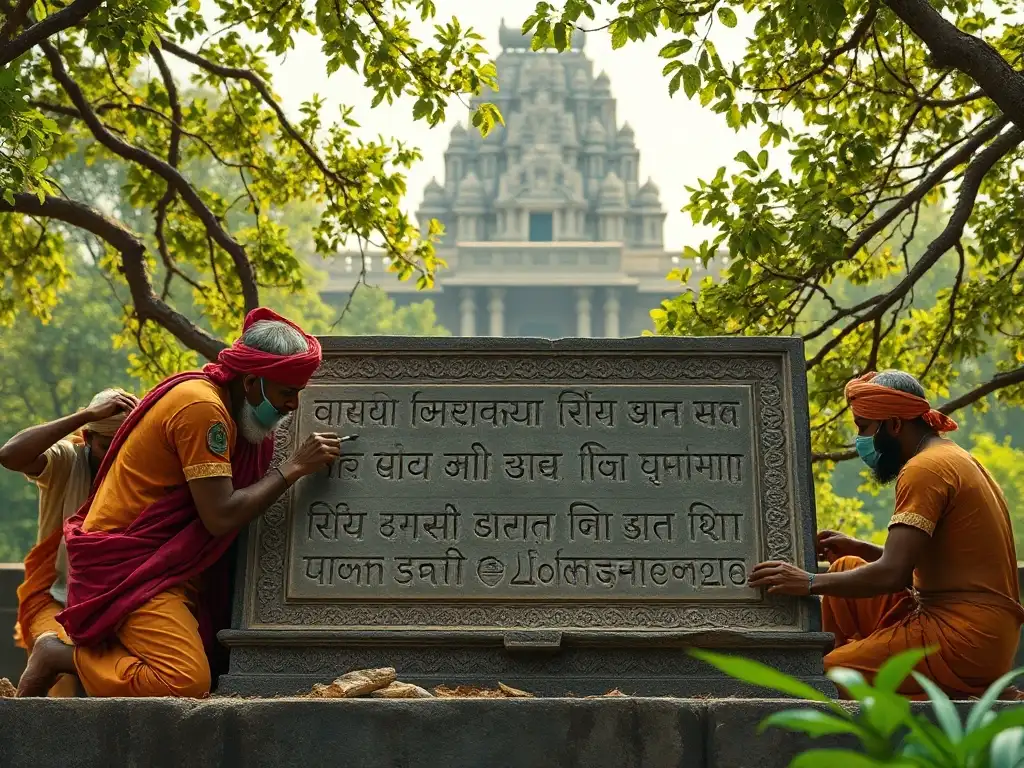
Definition and Types of Inscriptions
Inscriptions in ancient Indian civilization refer to the written records inscribed on durable materials such as stone, metal, or pottery. These inscriptions serve as crucial primary sources for understanding the socio-political, economic, and cultural contexts of the time. The definition of inscriptions can be broadly categorized into several types based on their content and purpose:
- Religious Inscriptions:
- These inscriptions often contain prayers, hymns, or dedications to deities. They provide insights into the spiritual beliefs and practices of ancient societies.
- Example: The inscriptions found in temples, detailing offerings to gods and goddesses.
- Royal Edicts:
- Issued by rulers, these inscriptions typically declare laws, edicts, or important announcements. They reflect the governance style and policies of various dynasties.
- Example: Ashoka's edicts, carved on pillars and rocks, promoting Dharma and moral governance.
- Funerary Inscriptions:
- These inscriptions are dedicated to the deceased, often found on tombstones and memorials. They reveal customs surrounding death and the status of individuals in society.
- Example: Inscriptions on the memorial stones of prominent figures in ancient India.
- Commercial Inscriptions:
- Often related to trade and commerce, these inscriptions document transactions, trade agreements, and ownership of property.
- Example: Inscriptions found on pottery, indicating trade goods or merchants.
- Commemorative Inscriptions:
- These celebrate significant events, victories, or achievements, often commissioned by rulers or wealthy patrons.
- Example: Inscriptions commemorating military victories or temple constructions.
Each type of inscription contributes to a multifaceted understanding of ancient Indian civilization history, serving as a window into the lives, beliefs, and practices of its people.
Historical Significance of Inscriptions in Ancient India
The historical significance of inscriptions in ancient India cannot be overstated; they are pivotal in reconstructing the narratives of past civilizations. Here are several key points highlighting their importance:
- Preservation of Historical Records:
- Inscriptions have preserved valuable information that might otherwise have been lost to history. They offer concrete evidence of historical events, rulers, and societal changes.
- For instance, the Rock Edicts of Ashoka not only document his reign but also provide insight into his efforts to spread Buddhism and promote ethical governance.
- Cultural Insights:
- The language, script, and content of inscriptions reveal much about the culture and society of ancient India. For example, the transition from Brahmi to Devanagari scripts illustrates linguistic evolution.
- Inscriptions detailing rituals, festivals, and daily life offer a glimpse into the cultural practices that shaped the identity of various communities.
- Political and Administrative Frameworks:
- Inscriptions often record administrative practices, territorial boundaries, and the power dynamics of different regions. They elucidate the governance structures employed by various dynasties.
- The Kalinga Edicts, for example, provide insights into the administrative reforms and the legal framework established by Ashoka after his conversion to Buddhism.
- Understanding Trade and Economy:
- Commercial inscriptions reveal the economic activities and trade networks that flourished in ancient India. They document the exchange of goods, services, and the wealth distribution within society.
- The discovery of inscriptions in trade hubs indicates the significance of these areas in ancient economic systems.
- Social Hierarchies and Relationships:
- Funerary and commemorative inscriptions often reflect social hierarchies, showing the status of individuals and their relationships within society. They provide a narrative of lineage and ancestry.
- By analyzing these inscriptions, historians can trace the evolution of social structures and community dynamics throughout ancient Indian civilization history.
Inscriptions are invaluable artifacts that illuminate the rich tapestry of ancient Indian civilization. They not only serve as historical documents but also deepen our understanding of the cultural, political, and social intricacies of the time. The continued study of these inscriptions is essential for further unraveling the complexities of India's ancient past.
Deciphering Ancient Scripts: A Journey Through Time

The exploration of ancient scripts provides invaluable insights into the history, culture, and communication of ancient Indian civilizations. These scripts not only reflect the linguistic evolution but also the socio-political dynamics of their times. Understanding these inscriptions is crucial to unraveling the complexities of ancient Indian civilization history.
Major Ancient Scripts of India
Ancient India was home to several scripts that played a pivotal role in the documentation and transmission of knowledge. Each script carries unique characteristics and historical significance, contributing to our understanding of the cultures that utilized them. Below are some of the major ancient scripts of India:
- Indus Script
- Brahmi Script
- Kharosthi Script
Indus Script: The Mysteries of the Indus Valley Civilization
The Indus Script remains one of the most enigmatic aspects of ancient Indian civilization history. Originating from the Indus Valley Civilization (circa 3300–1300 BCE), this script is primarily found on seals, pottery, and other artifacts. Despite extensive research, the script has not been conclusively deciphered, leading to various theories regarding its function and significance.
- Characteristics: The Indus Script consists of about 400 distinct symbols, including animal motifs, geometric shapes, and abstract signs. The brevity of the inscriptions, often limited to a few signs, suggests a form of proto-writing rather than a fully developed script.
- Theories of Decipherment: Several scholars have attempted to decode the Indus Script, proposing various methodologies ranging from statistical analyses to comparisons with other ancient languages. However, the lack of bilingual inscriptions akin to those found in Egyptian hieroglyphs or Mesopotamian cuneiform hampers definitive progress.
- Cultural Implications: The undeciphered nature of the Indus Script raises questions about the administrative and social structures of the Indus Valley Civilization. It hints at a complex society that engaged in trade, craft production, and possibly religious practices.
Brahmi Script: The Foundation of Indian Writing
Brahmi script, dating back to the 3rd century BCE, is considered a major precursor to many modern Indian scripts. It emerged during the Mauryan Empire and is often associated with Emperor Ashoka's edicts, which were inscribed across the Indian subcontinent.
- Characteristics: Brahmi is an abugida, where each character represents a consonant with an inherent vowel sound, which can be modified with diacritics. This script laid the groundwork for numerous writing systems in South Asia, including Devanagari, Bengali, and Tamil scripts.
- Historical Significance: The inscriptions in Brahmi provide crucial insights into the socio-political landscape of ancient India. They reveal the spread of Buddhism and the establishment of moral and ethical governance under Ashoka.
- Decipherment: The script was successfully deciphered in the 19th century by James Prinsep, who utilized the bilingual nature of inscriptions and comparative linguistics. This breakthrough not only illuminated the historical context of the Mauryan Empire but also opened doors for the study of other ancient Indian languages.
Kharosthi Script: An Overview of its Use and Importance
Kharosthi script, contemporary to Brahmi, was primarily used in the northwestern regions of ancient India, particularly in Gandhara. It is believed to have been used from the 3rd century BCE to the 4th century CE.
- Characteristics: Kharosthi is also an abugida but is written from right to left, contrasting with the left-to-right orientation of Brahmi. The script features a series of distinct symbols representing consonants and vowels.
- Cultural Context: Kharosthi inscriptions are often associated with the spread of Buddhism, particularly in the Gandhara region, which was a significant center for Buddhist art and scholarship. The script is found on coins, inscriptions, and manuscripts, reflecting the cultural and economic exchanges of that era.
- Decline and Legacy: The use of Kharosthi declined with the rise of the Gupta Empire and the emergence of more standardized scripts like Brahmi. However, its influence can be seen in the development of later scripts and its role in the dissemination of Buddhist texts.
Understanding these scripts allows us to piece together the intricate tapestry of ancient Indian civilization history, enriching our appreciation of the rich cultural heritage that has shaped the Indian subcontinent.
The Process of Understanding Inscriptions
Deciphering inscriptions from ancient Indian civilizations is a multifaceted process that involves various disciplines, including archaeology, linguistics, and history. Each of these elements plays a crucial role in piecing together the intricate puzzle of ancient Indian civilization history. This section delves into the essential processes involved in understanding inscriptions, shedding light on the methodologies, challenges, and the historical contexts that enrich our comprehension of these artifacts.
Archaeological Discoveries and Their Impact
The discovery of archaeological sites has significantly influenced our understanding of ancient Indian civilization history. Inscriptions often serve as critical evidence of cultural, social, and political dynamics of their time. Key archaeological discoveries include:
- Indus Valley Civilization (IVC): The excavations at Harappa and Mohenjo-Daro revealed numerous seals with inscriptions in a script that remains undeciphered. These seals provide insights into trade, governance, and societal structure.
- Ashokan Edicts: The inscriptions on rocks and pillars commissioned by Emperor Ashoka in the 3rd century BCE are pivotal for understanding the spread of Buddhism and the administrative practices of the Mauryan Empire. These edicts emphasize moral conduct and governance, reflecting Ashoka's vision of a unified empire.
- Gupta Inscriptions: The Gupta period (circa 4th to 6th centuries CE) produced inscriptions that document royal patronage, cultural achievements, and the flourishing of arts and sciences. The Allahabad Pillar inscription is a notable example, celebrating the achievements of Emperor Samudragupta.
Archaeological findings provide a contextual backdrop for these inscriptions, allowing historians to interpret their significance accurately. The stratigraphy and artifacts found alongside inscriptions often help date them and understand the societal conditions at the time of their creation.
Linguistic Analysis: Techniques and Challenges
Linguistic analysis is essential in deciphering inscriptions, as many of them employ ancient scripts that may be unfamiliar or challenging to interpret. The techniques involved in this process include:
- Paleography: The study of ancient writing systems helps researchers identify the script used in inscriptions. For instance, the Brahmi and Kharosthi scripts are among the earliest writing systems in India and are crucial for interpreting inscriptions from the Mauryan and post-Mauryan periods.
- Comparative Linguistics: By comparing texts from different cultures and languages, scholars can draw parallels that aid in understanding the meanings of inscriptions. For example, connections between Indo-Aryan languages and other ancient languages can provide clues to specific terms and phrases.
- Contextual Analysis: Understanding the historical and cultural context of a language can significantly affect its interpretation. For instance, certain terms used in inscriptions may have shifted in meaning over time or carried different connotations based on the socio-political climate.
Despite these techniques, challenges abound. Many inscriptions are fragmentary, weathered, or written in languages that have evolved. Moreover, the potential for multiple interpretations can lead to debates among scholars regarding their meanings and implications.
Historical Contexts: How They Shape Understanding
Historical contexts play a vital role in interpreting inscriptions and understanding ancient Indian civilization history. The significance of an inscription often extends beyond its literal content, reflecting the socio-political and cultural milieu of its time. Important aspects include:
- Political Dynamics: Inscriptions often commemorate victories, treaties, or royal achievements. For example, the Sarnath Lion Capital not only serves as a symbol of Ashoka's reign but also encapsulates the political unification and Buddhist propagation efforts during his rule.
- Cultural and Religious Influences: The inscriptions from various periods reveal the interplay between different religions and cultural practices. The emergence of Buddhism, for instance, is well-documented in Ashoka’s edicts, which reflect the emperor's commitment to promoting the faith across his empire.
- Economic Factors: Many inscriptions reference trade routes, commerce, and taxation, providing insights into the economic landscape of ancient India. The Kharavela inscription, for instance, mentions the prosperity of Kalinga through trade and military conquests, showcasing the economic vitality of the region.
Understanding inscriptions requires an integration of archaeological discoveries, linguistic analysis, and historical contexts. Each of these components contributes to a richer, more nuanced understanding of ancient Indian civilization history, allowing us to appreciate the complexities and achievements of these remarkable cultures.
Case Studies in Ancient Indian Inscriptions
Exploring the various inscriptions from ancient Indian civilizations provides a window into their rich histories and cultural dynamics. These inscriptions serve not only as historical documents but also as reflections of the socio-political environments of their times. This section will discuss two pivotal examples: the Edicts of Ashoka and the inscriptions of the Gupta Empire.
The Edicts of Ashoka: A Turning Point in Indian History
The Edicts of Ashoka, inscribed during the reign of Emperor Ashoka (c. 268-232 BCE), are a collection of inscriptions found across the Indian subcontinent. These edicts, primarily written in Brahmi and Kharosthi scripts, provide profound insights into Ashoka's policies and the ethical framework that governed his rule.
- Content and Themes:
- The edicts cover various themes, including dhamma (moral law), non-violence, and religious tolerance. Ashoka aimed to promote a compassionate society, moving away from the violent conquests of his early reign.
- They emphasize:
- Moral Conduct: Instructions on how subjects should conduct themselves, emphasizing honesty and respect.
- Social Welfare: Initiatives for healthcare, education, and infrastructure, highlighting Ashoka's commitment to his people's well-being.
- Historical Significance:
- These edicts mark a significant transformation in Indian governance, shifting from military rule to a focus on ethical leadership.
- The inscriptions also indicate the spread of Buddhism, as Ashoka became a prominent patron of the religion, influencing its expansion across Asia.
- Examples of Notable Edicts:
- The Rock Edicts at Lumbini and Sarnath are particularly important, showcasing Ashoka's conversion to Buddhism and his advocacy for peace.
- The Minor Rock Edicts detail his efforts in promoting public welfare and establishing legal rights for all citizens.
The Edicts of Ashoka are crucial in understanding the ancient Indian civilization's history, reflecting its values and governance practices that resonate even today.
The Inscriptions of the Gupta Empire: Cultural and Political Insights
The Gupta Empire (c. 320-550 CE) is often referred to as the "Golden Age" of ancient India, characterized by significant advancements in science, art, and literature. The inscriptions from this period serve as vital records of the empire's political structure, cultural achievements, and religious practices.
- Cultural Contributions:
- Gupta inscriptions highlight the flourishing of arts and literature, including the works of Kalidasa and Aryabhata. These inscriptions often commemorate achievements of patrons and scholars, emphasizing cultural patronage.
- Notable inscriptions such as the Prayag Prasasti detail the accomplishments of the Gupta rulers, showcasing their contributions to society and the arts.
- Political Structure:
- The inscriptions provide insights into the administrative framework of the Gupta Empire, illustrating the centralized governance model and the roles of various officials.
- Land grants are another common theme in Gupta inscriptions, indicating the economic practices and agrarian policies that supported the empire’s stability.
- Religious Diversity:
- The inscriptions reflect the religious pluralism of the Gupta period, noting the coexistence of Hinduism, Buddhism, and Jainism.
- Temples and stupas often had inscriptions dedicated to deities, indicating the significance of religion in both public and private life.
- Examples of Notable Inscriptions:
- The Allahabad Pillar Inscription of Samudragupta is one of the most celebrated, detailing his military conquests and his role as a patron of arts and culture.
- The Udayagiri Caves Inscriptions provide invaluable insights into the religious and artistic expressions of the time, marking significant developments in Indian sculpture and architecture.
The inscriptions from the Gupta Empire are indispensable for understanding the ancient Indian civilization history, illustrating its cultural richness and complex governance.
The study of these inscriptions not only enhances our understanding of ancient Indian civilizations but also highlights their enduring impact on contemporary society. The lessons derived from the Edicts of Ashoka and the Gupta inscriptions continue to resonate, reminding us of the values and achievements of ancient India.
The Cultural Context of Inscriptions

Inscriptions are not merely historical artifacts; they are windows into the cultures, values, and beliefs of ancient civilizations. The context in which these inscriptions were created provides invaluable insights into the societal norms, religious practices, and artistic endeavors of the time. Understanding the cultural backdrop of inscriptions allows us to appreciate their significance beyond just the textual content.
Religion and Philosophy Reflected in Ancient Inscriptions
Ancient Indian civilization history is deeply intertwined with its religious and philosophical traditions, which are prominently reflected in various inscriptions. The religious texts and inscriptions found in temples, stupas, and other sacred sites often provide insights into the spiritual life and philosophical thought of the period.
- Hinduism: Many inscriptions from the Gupta Empire, for instance, extol the virtues of Hindu deities. Temples dedicated to gods like Vishnu and Shiva often bore inscriptions that praised the divine and outlined the rituals and festivals celebrated in their honor. These inscriptions not only served a devotional purpose but also acted as a medium for disseminating religious teachings.
- Buddhism: The edicts of Emperor Ashoka, inscribed on rocks and pillars, are crucial in understanding the spread of Buddhism. These inscriptions emphasized the principles of Dharma, compassion, and non-violence. Ashoka's insistence on moral governance reflects the philosophical underpinnings of Buddhism that aimed to guide rulers and citizens alike toward ethical living.
- Jainism: Inscriptions from Jain temples often highlight the teachings of Tirthankaras and the importance of non-violence and renunciation. The detailed accounts of rituals and community contributions found in these inscriptions indicate the significance of Jain philosophy in shaping societal values.
These inscriptions serve as primary sources for understanding the evolution of religious thought and its impact on society. They reveal how religion functioned as a unifying force and influenced various aspects of life, including governance, art, and daily practices.
The Role of Inscriptions in Art and Architecture
Inscriptions are integral to the fields of art and architecture in ancient India, serving both decorative and informative purposes. They played a crucial role in enhancing the aesthetic appeal of structures while simultaneously conveying important historical and cultural narratives.
- Architectural Features: Inscriptions often adorned the walls of temples and monuments, detailing the patronage and the architectural significance of the structures. For example, the intricate carvings and inscriptions found in the Brihadeeswarar Temple provide insights into the Chola dynasty's architectural prowess and the cultural importance placed on temple construction.
- Artistic Expression: Many inscriptions are accompanied by artistic motifs and sculptures, forming a cohesive narrative that blends text and imagery. This combination not only enhances the visual experience but also deepens the understanding of the cultural context. The use of Sanskrit, Prakrit, and regional languages in inscriptions reflects the linguistic diversity and the artistic choices made by the artisans of the time.
- Commemoration and Legacy: Inscriptions often served commemorative purposes, marking significant events, victories, or the lineage of rulers. They played a vital role in preserving the legacy of dynasties, as seen in the inscriptions of the Mauryan and Gupta periods. These records ensure that the contributions of leaders and their achievements are remembered through time.
Inscriptions in ancient Indian civilization history are rich repositories of cultural context, revealing the interplay between religion, philosophy, art, and architecture. Through the study of these inscriptions, we gain a deeper appreciation of the complexities of ancient Indian societies and their enduring legacies.
Challenges in Deciphering Ancient Indian Civilization History
Deciphering the ancient Indian civilization history presents numerous challenges that scholars and researchers must navigate. These challenges stem from various factors including language and script barriers, as well as the political and cultural transformations that have occurred over millennia. Understanding these obstacles is crucial for gaining a comprehensive view of India's rich historical tapestry.
Language and Script Barriers
The diversity of languages and scripts used throughout ancient India significantly complicates the process of deciphering inscriptions and texts.
- Multiplicity of Languages: Ancient India was home to a multitude of languages, each belonging to different linguistic families. The most prominent among them were:
- Sanskrit: Used primarily in religious and scholarly texts.
- Prakrit: Common in everyday communication and inscriptions.
- Pali: The liturgical language of Theravada Buddhism.
- Tamil: One of the oldest living languages, with its own rich tradition.
- Scripts Variability: Different regions developed their own scripts which evolved over time, making it challenging to establish a direct correlation between languages and their written forms. Some significant scripts include:
- Brahmi: Considered one of the earliest writing systems in India, from which many modern scripts are derived.
- Kharosthi: Utilized in the northwest regions, particularly in Gandhara.
- Tamil script: Evolved from the Brahmi script, used predominantly in southern India.
- Inconsistent Orthography: The lack of standardized spelling conventions in ancient inscriptions leads to varied interpretations. Researchers often encounter instances where phonetic representations differ, complicating translation efforts.
- Contextual Nuances: Many inscriptions contain localized dialects, idioms, or cultural references that may not be easily understood outside their specific context. This can obscure the intended meaning, leading to misinterpretations.
Political and Cultural Changes Over Time
The political and cultural landscape of ancient India underwent significant transformations, which in turn affected the inscriptions and the historical narratives they convey.
- Dynastic Changes: The rise and fall of various dynasties such as the Maurya, Gupta, and Chola empires led to shifts in language, script, and even the content of inscriptions. Each dynasty often propagated its own narrative, impacting how history was recorded and remembered.
- Cultural Syncretism: The interaction between different cultures, particularly during trade and conquests, resulted in a fusion of ideas. For example, the influence of Hellenistic culture following Alexander’s invasion introduced new artistic and literary forms, which were reflected in later inscriptions.
- Religious Influence: The spread of religions like Buddhism and Jainism introduced new themes and philosophies, which were often documented in inscriptions. The transition from Hindu-centric to Buddhist-centric narratives during certain periods illustrates how religious shifts can alter historical interpretations.
- Geographical Variability: The vast geographical expanse of India meant that regional differences influenced the nature of inscriptions. For instance, inscriptions from the north may emphasize different themes compared to those from the south, reflecting local customs and governance.
- Temporal Gaps: Significant time gaps between the creation of inscriptions and their rediscovery can lead to a loss of context. The historical significance of an inscription might be diminished if it is separated from its original cultural and political environment.
The journey of decoding ancient Indian civilization history is fraught with complexities arising from language and script barriers, as well as the fluid nature of political and cultural changes over time. Addressing these challenges requires a multi-faceted approach that includes linguistic expertise, historical contextualization, and an appreciation for the diverse cultural influences that shaped ancient India.
Future Directions in the Study of Ancient Indian Inscriptions

The study of ancient Indian inscriptions is at a pivotal moment, where new methodologies and technologies are paving the way for exciting discoveries. As researchers delve deeper into the inscriptions left by various civilizations, the future directions in this field promise to enhance our understanding of ancient Indian civilization history dramatically.
Technological Advancements in Deciphering Scripts
The integration of modern technology in the study of ancient inscriptions is revolutionizing how we approach these texts. Some key advancements include:
- Digital Imaging Techniques:
- High-resolution imaging and multispectral imaging allow scholars to capture faint inscriptions that are otherwise difficult to read.
- Techniques such as Reflectance Transformation Imaging (RTI) enhance the surface details of inscriptions, revealing features invisible to the naked eye.
- Machine Learning and AI:
- Artificial Intelligence (AI) is being employed to recognize and analyze ancient scripts. Algorithms can be trained to identify patterns in inscriptions, leading to faster and more accurate translations.
- Projects utilizing machine learning are already underway, aiming to automate the deciphering process, thus reducing the time required for manual analysis.
- 3D Scanning and Printing:
- Three-dimensional scanning technology allows for accurate reproductions of inscriptions, making them accessible for further study without risking damage to the original artifacts.
- 3D models can be used for educational purposes, allowing students and enthusiasts to engage with ancient texts in a tangible way.
- Geographic Information Systems (GIS):
- GIS technology aids in mapping the locations of inscriptions, providing insights into their historical context and spatial distribution.
- By analyzing geographic data, researchers can draw connections between different sites, revealing patterns of cultural exchange and interaction among ancient civilizations.
Interdisciplinary Approaches to Understanding Ancient History
The study of ancient Indian inscriptions is increasingly benefiting from interdisciplinary collaboration, bringing together experts from various fields to enrich our understanding of historical contexts. Some notable approaches include:
- Archaeology and Epigraphy:
- Collaborations between archaeologists and epigraphists are essential for contextualizing inscriptions within the physical spaces where they were found. This approach helps reconstruct the socio-political and cultural environments of ancient civilizations.
- Linguistics and Philology:
- Linguistic analysis of ancient scripts is crucial for deciphering languages and understanding their evolution. Philologists contribute by examining the grammatical structures and vocabulary used in inscriptions, providing insights into the linguistic diversity of ancient India.
- History and Anthropology:
- Integrating historical narratives with anthropological insights allows researchers to explore how inscriptions reflect the lives and beliefs of ancient peoples. This approach sheds light on social structures, religious practices, and cultural norms of the time.
- Cultural Studies:
- Examining inscriptions through the lens of cultural studies helps in understanding how these texts influenced and were influenced by the cultural milieu of their time. This can involve analyzing the symbolism, themes, and motifs present in the inscriptions.
By embracing these technological advancements and interdisciplinary approaches, scholars are poised to unveil new layers of meaning in ancient Indian civilization history, enriching our understanding of the past and its relevance to contemporary society.
Conclusion: The Legacy of Ancient Indian Civilization History
The legacy of ancient Indian civilization history is intricately woven into the fabric of modern understanding of cultural and historical narratives. Inscriptions serve as vital links between the past and the present, offering insights into the socio-political, economic, and religious dynamics of ancient societies. The meticulous study of these inscriptions has unveiled a plethora of information that not only enhances our comprehension of ancient Indian civilizations but also enriches global historical narratives.
Moreover, the evolution of inscriptions—from the early pictographs of the Indus Valley to the sophisticated Brahmi script—illustrates the linguistic and cultural advancements that took place over millennia. These scripts encapsulate the thoughts, beliefs, and events that shaped ancient India, providing a treasure trove of knowledge for historians, archaeologists, and linguists alike.
The Continued Relevance of Inscriptions in Modern Studies
Inscriptions continue to play a pivotal role in modern studies of ancient Indian civilization history. They are not merely relics of the past; rather, they are active fields of research that contribute to various academic disciplines. Scholars utilize inscriptions to:
- Trace Historical Events: By analyzing the context of specific inscriptions, researchers can reconstruct historical timelines and understand the implications of significant events, such as battles, treaties, and royal proclamations.
- Understand Societal Structures: Inscriptions often provide insights into the governance, social hierarchies, and economic practices of ancient societies. For instance, the edicts of Emperor Ashoka reveal the principles of governance and moral philosophy that were prevalent during his reign.
- Analyze Linguistic Development: The evolution of scripts allows linguists to study the development of language in the Indian subcontinent, illustrating how cultural exchanges influenced linguistic diversity.
- Preserve Cultural Heritage: Inscriptions serve as a means of preserving the cultural identity of ancient civilizations. They are invaluable for understanding religious practices, artistic expressions, and local traditions.
Through interdisciplinary approaches, the study of inscriptions fosters a deeper appreciation of ancient Indian civilization history, enabling scholars to connect disparate pieces of information into coherent narratives.
Final Thoughts on the Journey of Understanding Ancient India
The journey of understanding ancient India encompasses not only the deciphering of scripts but also the interpretation of the rich tapestry of cultural and historical contexts that shaped the civilization. The study of inscriptions invites us to engage with the past, prompting reflections on how ancient societies have influenced contemporary thought and practices.
As we delve into the intricacies of ancient inscriptions, we recognize their potential to illuminate the complexities of human experience. Whether through the lens of archaeology, history, or linguistics, the exploration of ancient Indian civilization history offers profound insights into the resilience and dynamism of a culture that continues to resonate through time.
The legacy of ancient Indian civilization, encapsulated within inscriptions, remains a vital area of inquiry. It challenges us to appreciate the past while considering its enduring impact on our present and future. As research in this field continues to evolve, so too does our understanding of the rich heritage that is ancient India.
Frequently Asked Questions
What is the significance of inscriptions in ancient Indian civilization history?
Inscriptions are vital primary sources that provide insights into the languages, cultures, and governance of ancient Indian civilizations.
How did the Indus Valley Civilization contribute to ancient Indian history?
The Indus Valley Civilization showcased advanced urban planning, trade systems, and innovative technologies, setting a foundation for future cultures in India.
What are the major achievements of the Gupta Empire in ancient Indian civilization history?
The Gupta Empire is renowned for its contributions to art, science, and philosophy, marking a golden age in ancient Indian history.
How can one explore the cultural diversity of ancient India?
Exploring ancient Indian civilization history involves studying regional variations, festivals, languages, and artistic expressions that highlight its rich diversity.
What role did trade routes play in the development of ancient Indian societies?
Trade routes facilitated economic growth and cultural exchange, leading to the spread of ideas, goods, and technologies across ancient Indian civilizations.
Final Reflection: Embracing the Depth of Ancient Indian Civilization History
In exploring the intricate tapestry of Ancient Indian civilization history, we uncover not just the past but also the profound relevance it holds in our contemporary world. The inscriptions, artifacts, and narratives of this vibrant civilization serve as a mirror reflecting our own societal values, beliefs, and aspirations. Understanding these historical contexts is not merely an academic pursuit; it is a vital journey that enriches our present and shapes our future.
The influence of Ancient Indian civilization resonates deeply within our cultural and social landscapes today. From philosophical teachings to artistic expressions, the legacies of this civilization continue to inspire and inform our collective identity. As we navigate the complexities of modern life, we can draw wisdom from the past. History is not a burden on the memory but an illumination of the soul.
This quote encapsulates the essence of how understanding our historical roots can enlighten our path forward, fostering a sense of belonging and continuity.
As we conclude this exploration, I invite you to reflect on your own journey of understanding. How can the lessons from Ancient Indian civilization history inform your actions and decisions today? Embrace the opportunity to delve deeper into this rich heritage, allowing it to inspire you to contribute positively to your community and the world at large. Let us honor the past by weaving its wisdom into the fabric of our lives, ensuring that the journey of understanding continues for generations to come.
Uncover Your Next Steps in Ancient India's Rich History!
Thank you for taking the time to explore the fascinating journey of understanding inscriptions and their historical contexts in Ancient India! You've delved into the deep layers of history that shape our understanding today. Now, it's time to take those insights and transform them into meaningful actions!
Here’s how you can keep the exploration alive:
- Join our community: Connect with fellow history enthusiasts in our discussion forum at ancientindiahistory.com, where you can share your thoughts and learn from others.
- Explore further: Dive deeper into specific inscriptions by visiting our dedicated section on notable archaeological sites and their historical significance.
- Share your insights: Bring your newfound knowledge to social media—share your favorite facts or insights from this article, and tag us to join the conversation!
What aspect of Ancient India's historical context fascinated you the most, and how do you plan to explore it further?