
The Archaeological Significance of Ancient Inscriptions

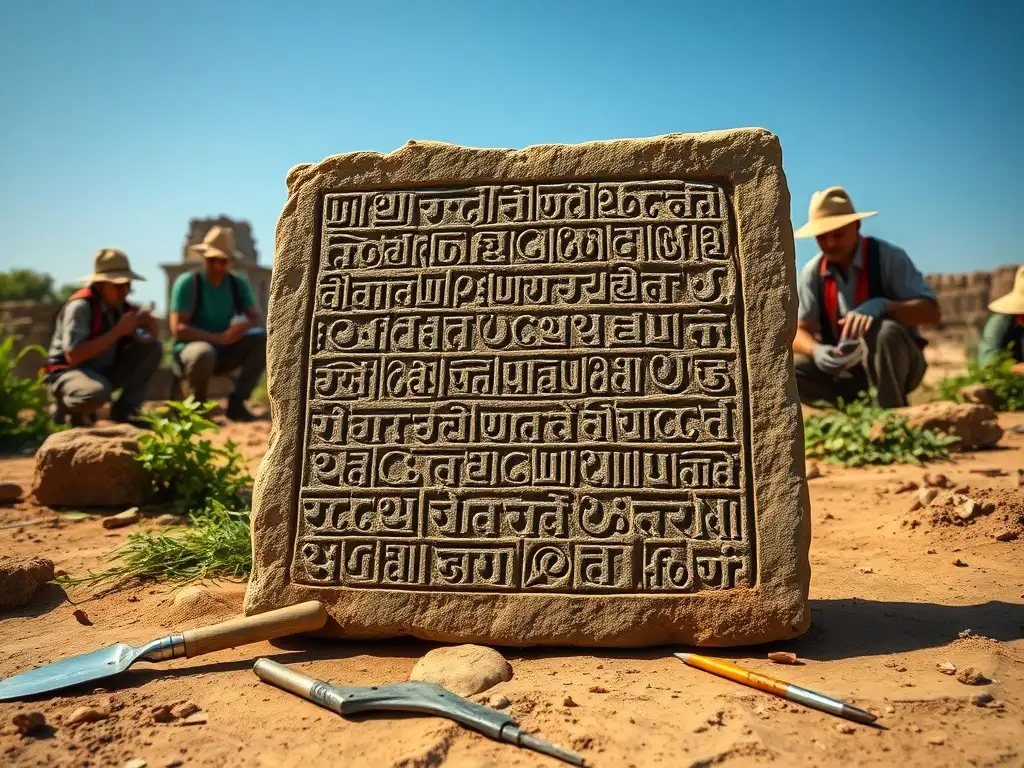
Welcome to Ancient India History, where we embark on a captivating journey through the rich tapestry of ancient Indian civilizations. In this exploration, we delve into the fascinating world of ancient inscriptions, uncovering their profound significance in illuminating the cultural, social, and political landscapes of the past. Have you ever wondered how these inscriptions shaped our understanding of history? Join us as we unravel the mysteries and stories hidden within these remarkable artifacts, setting the stage for a deeper appreciation of India's monumental heritage. Prepare to be intrigued as we guide you through the archaeological significance of ancient inscriptions!

The study of ancient Indian inscriptions holds immense archaeological significance, as these inscriptions serve as vital keys to understanding the complexities of historical narratives, cultural practices, and societal structures of ancient Indian civilizations. From the earliest marks on clay tablets of the Indus Valley Civilization to the detailed edicts of the Maurya and Gupta Empires, ancient inscriptions provide a direct link to the thoughts, beliefs, and administrative practices of people who lived thousands of years ago. This article delves into the richness of ancient Indian inscriptions and their significance, illuminating how they contribute to our understanding of the past.
Introduction to Ancient Indian Inscriptions
Defining Ancient Indian Inscriptions
Ancient Indian inscriptions are written records etched or inscribed on various materials, including stone, metal, and pottery, dating back to the early historical periods of India. These inscriptions often encompass a wide range of content, including religious texts, royal edicts, commemorative inscriptions, and administrative records. They are primarily written in scripts such as Brahmi, Kharosthi, and later Devanagari, reflecting the linguistic diversity of the region.
Overview of Their Historical Context
The historical context of ancient Indian inscriptions spans several millennia, beginning with the Indus Valley Civilization (circa 3300–1300 BCE), where early symbols and signs appeared. However, it is during the Mauryan period (circa 322–185 BCE) that we see a proliferation of inscriptions, particularly under the reign of Emperor Ashoka, who utilized inscriptions to propagate Buddhist teachings and his policies across the subcontinent. This era marked a significant shift in the use of inscriptions, transitioning from mere record-keeping to a tool for communication and governance.
The Role of Ancient Inscriptions in Indian History
How Inscriptions Serve as Historical Documents
Inscriptions are invaluable historical documents that provide insights into the political, social, and cultural dynamics of ancient Indian societies. They offer direct evidence of:
- Royal Authority: Inscriptions often document the achievements and decrees of rulers, shedding light on their governance and influence.
- Cultural Practices: Many inscriptions are dedicated to religious beliefs and practices, revealing the spiritual life of the time.
- Daily Life: Inscriptions can also reference trade, land grants, and social hierarchies, giving us a glimpse into the everyday lives of ancient peoples.
The Importance of Epigraphy in Understanding Ancient Civilizations
Epigraphy, the study of inscriptions, plays a critical role in reconstructing ancient Indian history. By analyzing the content, context, and language of inscriptions, scholars can glean information about:
- Linguistic Evolution: Inscriptions help trace the development of languages and scripts in India.
- Cultural Exchange: They reveal interactions between different cultures, including trade and diplomacy.
- Historical Chronology: By dating inscriptions, researchers can establish timelines for events and developments in Indian history.
Ancient Indian inscriptions are not merely relics of the past; they are essential tools that illuminate the rich tapestry of India's historical narrative, offering invaluable insights into its ancient civilizations and their legacies.
Major Types of Ancient Indian Inscriptions
Ancient Indian inscriptions serve as crucial documents that shed light on the history, culture, and languages of various civilizations. These inscriptions can be classified into several major types, each reflecting different aspects of society, governance, and religion. The primary categories include:
- Religious Inscriptions: These inscriptions often commemorate deities, religious rituals, and philosophical teachings. They can be found in temples, stupas, and monastic complexes.
- Administrative Inscriptions: These documents provide insight into the governance and administrative practices of ancient states. They include edicts, proclamations, and royal decrees, often detailing laws, tax regulations, and territorial boundaries.
- Commemorative Inscriptions: These inscriptions honor individuals, significant events, or achievements. They often serve as memorials and can provide personal details about historical figures.
- Funerary Inscriptions: Found on tombstones and memorials, these inscriptions offer insights into burial customs and beliefs about the afterlife.
- Commercial Inscriptions: These texts relate to trade, commerce, and economic transactions, revealing the functioning of ancient markets and economy.
Each type of inscription contributes uniquely to our understanding of ancient Indian civilizations, helping historians reconstruct the socio-political landscape of the time.
Inscriptions from the Indus Valley Civilization
The Indus Valley Civilization, one of the world's oldest urban cultures, produced a limited number of inscriptions primarily in the form of seals. These seals, often made of steatite, bear symbols and motifs that remain undeciphered. The significance of these inscriptions lies in their potential insights into the socio-economic and religious practices of the time.
The seals frequently feature animal figures, geometric designs, and possibly script, suggesting a sophisticated level of communication. These inscriptions are essential for understanding trade practices, as they likely served as identification markers for goods. The Indus script, though still undeciphered, hints at a complex system of writing that could provide vital information about the civilization's administration and cultural beliefs.
Brahmi and Kharosthi Scripts in Historical Context
Brahmi and Kharosthi are two of the earliest known scripts used in ancient India, emerging around the 3rd century BCE. Brahmi is considered the progenitor of many Indian scripts and was predominantly used in the inscriptions of the Maurya Empire, including the famous edicts of Ashoka. These inscriptions are crucial for understanding the spread of Buddhism and the moral principles upheld by Ashoka.
Kharosthi, on the other hand, was primarily used in the northwest regions of India and is associated with the Indo-Greek kingdoms. It provides valuable insights into the interactions between different cultures, as it was often used alongside Greek and Aramaic scripts. The study of these scripts allows scholars to trace the evolution of language and writing in ancient India, revealing the cultural exchanges that shaped the region.
Inscriptions from the Maurya and Gupta Empires
The Maurya and Gupta Empires are significant for their extensive use of inscriptions to communicate royal decrees, religious teachings, and administrative directives. The edicts of Ashoka, carved on pillars and rocks throughout the empire, exemplify the use of inscriptions for governance and moral instruction. They highlight Ashoka's commitment to Buddhism and his efforts to promote ethical behavior among his subjects.
During the Gupta period, inscriptions became more elaborate and artistic, often found in temples and commemorating significant events or benefactors. These inscriptions not only provide information about the rulers and their patronage of the arts but also reflect the social and cultural dynamics of the time. They are invaluable for understanding the political landscape, religious practices, and societal values of ancient India.
Key Discoveries and Archaeological Sites
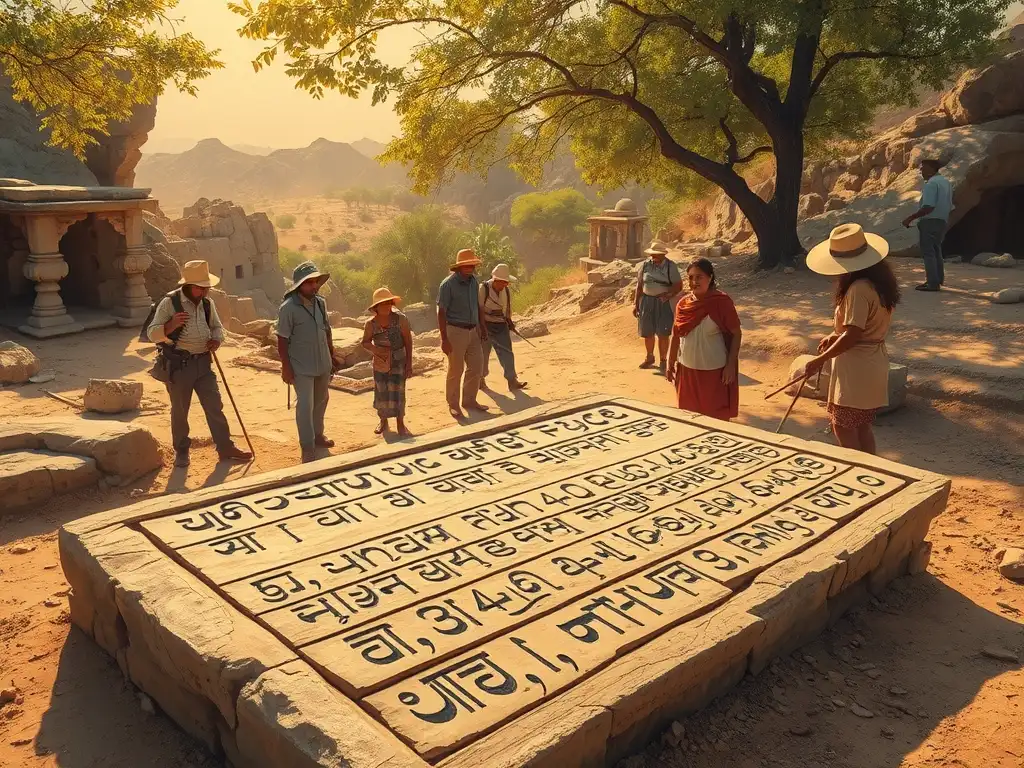
The archaeological study of ancient inscriptions has led to significant discoveries that enhance our understanding of Indian history. Key sites have yielded a wealth of inscriptions, providing context to various historical narratives.
Major Archaeological Sites Featuring Inscriptions
Several archaeological sites stand out for their rich deposits of inscriptions:
- Sarnath: This site is famous for the Lion Capital of Ashoka and contains numerous inscriptions that detail the spread of Buddhism.
- Lumbini: The birthplace of Buddha, Lumbini features inscriptions that highlight the significance of the site in Buddhist tradition.
- Pataliputra: The ancient capital of the Maurya Empire, it contains inscriptions relevant to the political and cultural development of the period.
- Udaigiri and Khandagiri Caves: These caves are adorned with inscriptions that provide insights into the Jain community and their practices during the time of the Gupta Empire.
These sites not only enrich our understanding of ancient inscriptions but also illustrate the geographical spread and cultural diversity of ancient Indian civilizations.
Case Studies: Significant Inscriptions and Their Findings
Several significant inscriptions have been pivotal in advancing our knowledge of ancient India.
- The Edicts of Ashoka: These inscriptions provide comprehensive insights into the moral and ethical guidelines established by Ashoka. They emphasize non-violence, tolerance, and the welfare of subjects, marking a significant shift in governance.
- The Allahabad Pillar Inscription: This inscription commemorates the achievements of Samudragupta, offering insights into the political prowess and military campaigns of the Gupta Empire.
- The Junagadh Rock Inscription: This inscription documents the history of the Western Indian region during the time of the Mauryas and later rulers, shedding light on administrative practices and local governance.
These case studies underline the importance of inscriptions as primary sources for reconstructing the political, cultural, and social fabric of ancient India, reinforcing their significance in the study of ancient Indian history.
The Significance of Ancient Inscriptions in Cultural Studies
Ancient inscriptions serve as vital primary sources that illuminate the cultural, social, and political dynamics of ancient Indian civilizations. Through these inscriptions, scholars can glean insights into various aspects of life in ancient India, including language, governance, trade, and ritual practices. They provide a window into the past, allowing us to understand how ancient societies functioned, their belief systems, and their interactions with neighboring cultures.
In particular, inscriptions often reflect the values and ideologies of the time, showcasing the evolution of thought and tradition. For example, inscriptions from the Mauryan period, such as the Edicts of Ashoka, illustrate the significance of dharma (moral law) and emphasize the role of benevolence in governance. By analyzing these texts, researchers can trace the development of moral philosophy and its impact on Indian culture.
Moreover, ancient inscriptions contribute significantly to the study of linguistic evolution in the subcontinent. They document the transition of languages and scripts, revealing how communication practices evolved over centuries. This linguistic data not only aids in understanding ancient Indian languages but also provides context for the cultural exchanges that occurred through trade and conquest.
Understanding Language and Communication in Ancient India
The study of ancient inscriptions is crucial for understanding the languages that were spoken and written in ancient India. Various inscriptions, written in Brahmi, Kharosthi, and later scripts, serve as critical evidence of the linguistic diversity present in the region. These inscriptions help linguists and historians trace the origins and transformations of these languages over time, contributing to the broader field of historical linguistics.
Inscriptions also highlight the modes of communication utilized by different social strata. For example, while royal inscriptions often employed formal and elaborate language, more local inscriptions might have used simpler, vernacular forms. This contrast provides insight into the literacy levels and communication practices among various populations, underscoring the significance of inscriptions in understanding everyday life in ancient India.
Furthermore, the multilingual nature of ancient Indian inscriptions points to a rich tapestry of cultural interactions. Inscriptions found in regions like Mathura or Taxila often feature multiple languages, indicating the presence of diverse communities and the necessity for effective communication across linguistic barriers. This aspect of ancient inscriptions not only enriches our understanding of language but also reveals the interconnectedness of ancient Indian societies.
The Role of Inscriptions in Religious and Cultural Practices
Inscriptions played a pivotal role in the religious and cultural practices of ancient India. Many inscriptions were dedicated to deities, commemorating religious events, or detailing the construction of temples and stupas. This is particularly evident in the inscriptions found in sites like Sanchi and Khajuraho, where they provide valuable context for understanding the religious beliefs and rituals of the time.
In addition to religious devotion, inscriptions often served as a means of legitimizing authority. Rulers frequently inscribed their achievements and divine favor on stone, reinforcing their power and connection to the divine. The famous rock edicts of Ashoka, for instance, not only convey moral teachings but also reaffirm the king's role as a protector of dharma and a promoter of social welfare.
Cultural celebrations, festivals, and public gatherings were also documented through inscriptions, showcasing how communities commemorated significant events. This aspect highlights the role of inscriptions in preserving the collective memory of societies, ensuring that cultural practices were not lost over time.
Challenges in Studying Ancient Inscriptions
While ancient inscriptions are invaluable for understanding historical contexts, their study is fraught with challenges. Scholars face numerous obstacles, ranging from the physical condition of the inscriptions to the complexities of deciphering ancient scripts.
Issues of Preservation and Accessibility
One of the primary challenges in the study of ancient inscriptions is their preservation. Many inscriptions have suffered from natural erosion, vandalism, or neglect over the centuries, leading to partial or complete loss of valuable information. Environmental factors, such as humidity and pollution, can accelerate this deterioration, making it essential for archaeologists and historians to prioritize conservation efforts.
Accessibility also poses a significant hurdle in studying ancient inscriptions. Many inscriptions are located in remote or protected areas, making it difficult for researchers to conduct field studies. Furthermore, some inscriptions may be housed in private collections or temples with restricted access, limiting scholarly engagement and public awareness of these historical treasures.
Efforts to digitize and catalog inscriptions are ongoing, but challenges remain in ensuring that these digital resources are comprehensive and accessible to a broader audience. The balance between conservation, accessibility, and scholarly study is critical for the continued understanding of ancient inscriptions.
Deciphering Challenges and Methodologies
Deciphering ancient inscriptions is an intricate process that requires specialized knowledge of ancient scripts, languages, and archaeological context. Many inscriptions are written in scripts that have undergone significant changes, complicating efforts to accurately interpret their meanings. For instance, inscriptions in Brahmi and Kharosthi can vary significantly depending on the region and time period, necessitating a careful comparative analysis.
Moreover, scholars must consider the context in which the inscriptions were created. Understanding the socio-political environment, the intended audience, and the purpose of the inscription is crucial for accurate interpretation. This often requires interdisciplinary collaboration among linguists, historians, and archaeologists to build a comprehensive understanding of the text.
New methodologies, such as digital epigraphy, are emerging to aid in the study of ancient inscriptions. These technologies allow for high-resolution imaging and 3D modeling, which can reveal details that are not visible to the naked eye. Such advancements hold the potential to revolutionize our understanding of ancient texts and enhance preservation efforts.
While the study of ancient inscriptions presents significant challenges, their significance in cultural studies, language understanding, and insights into religious practices cannot be overstated. Through continued research and innovative methodologies, scholars can unlock the rich narratives embedded in these historical artifacts, contributing to a greater understanding of ancient Indian civilizations.
The Impact of Ancient Inscriptions on Modern Understanding
Ancient inscriptions are invaluable resources that provide a direct link to the past, significantly enhancing our understanding of ancient Indian civilizations. They serve as primary sources that offer insights into the socio-political, religious, and cultural dynamics of the time. These inscriptions, found on stone tablets, pillars, and pottery, are instrumental in reconstructing historical narratives and understanding the chronology of events, societal structures, and the evolution of languages.
Furthermore, the information captured in these inscriptions often includes details about rulers, dynasties, trade practices, and religious beliefs, which helps historians to draw connections between different regions and cultures. For example, the Edicts of Ashoka reveal not only the principles of governance during the Mauryan Empire but also the spread of Buddhism as a significant cultural force. The study of inscriptions thus plays a crucial role in bridging gaps in historical records and provides a richer, more nuanced picture of ancient Indian history.
How Ancient Inscriptions Influence Contemporary Historiography
The influence of ancient inscriptions on contemporary historiography is profound. They challenge existing narratives and offer new interpretations of historical events. For instance, inscriptions can provide evidence that may contradict or complement literary texts, leading historians to reevaluate the authenticity and biases of historical accounts. This interplay between inscriptions and historical writing fosters a more critical approach to understanding ancient societies.
Moreover, the methodological advancements in epigraphy, including digital analysis and interdisciplinary approaches, have enabled historians to glean more information from inscriptions than ever before. By integrating archaeological data with textual analysis, scholars can create a more comprehensive picture of the past, which influences teaching, public history, and cultural heritage conservation.
The Role of Inscriptions in Reviving Ancient Indian Heritage
Inscriptions play a vital role in reviving and preserving ancient Indian heritage. They serve as cultural touchstones that connect modern communities to their historical roots. The deciphering and interpretation of inscriptions not only enhance our understanding of ancient languages and scripts but also contribute to the appreciation of art and architecture from those eras.
Additionally, inscriptions often contain references to festivals, rituals, and practices that can be revived or celebrated in contemporary culture. For example, the mention of local deities and rituals in inscriptions can lead to renewed interest in traditional practices, fostering cultural continuity. In this way, ancient inscriptions contribute to a sense of identity and belonging among communities, reinforcing the importance of heritage in modern society.
Conclusion: The Lasting Significance of Ancient Indian Inscriptions
The significance of ancient Indian inscriptions extends far beyond their historical context; they are vital to understanding the present and shaping the future. These inscriptions not only provide a window into the past but also encourage ongoing dialogue about cultural identity, historical interpretation, and heritage preservation. Their contributions to various fields such as linguistics, archaeology, and history underscore the intricate tapestry of ancient Indian civilization.
Summary of Key Points
- Ancient inscriptions are crucial primary sources that enhance our understanding of ancient Indian cultures and societies.
- They influence contemporary historiography by providing evidence that can reshape historical narratives and interpretations.
- Inscriptions play a significant role in reviving and preserving ancient Indian heritage, fostering cultural continuity and identity.
Future Directions in the Study of Ancient Inscriptions
As the field of epigraphy continues to evolve, future directions in the study of ancient inscriptions are likely to include the application of advanced technologies such as 3D scanning and machine learning for analysis. These innovations can provide deeper insights into inscriptions that are difficult to read or are in poor condition. Furthermore, interdisciplinary collaborations among historians, linguists, and archaeologists will enhance our understanding of the cultural and historical implications of these inscriptions.
Additionally, increasing public engagement with these studies through exhibitions and educational programs can encourage a broader appreciation of ancient Indian history, fostering a deeper connection between contemporary society and its ancient heritage. The ongoing exploration of ancient inscriptions will undoubtedly yield new discoveries and interpretations that will continue to shape our understanding of the rich tapestry of ancient Indian civilization.
References and Further Reading
The study of ancient Indian inscriptions is a rich and evolving field that provides critical insights into the history, culture, and social structures of past civilizations. For those interested in delving deeper into this subject, a variety of resources are available that explore various facets of ancient inscriptions, from their origins and meanings to their archaeological significance.
Suggested Books and Articles on Ancient Indian Inscriptions
-
"Inscriptions of Ashoka" by J. F. Fleet
This comprehensive work offers a detailed analysis of the inscriptions left by Emperor Ashoka, showcasing their significance in understanding the Mauryan Empire and its promotion of Buddhism.
-
"Indian Epigraphy" by D. C. Sircar
This book serves as an essential guide to the study of inscriptions, covering methodologies and the historical context of significant finds in India.
-
"The History of Indian Literature" by Jan Gonda
While primarily focused on literature, this text discusses the role of inscriptions in the broader context of Indian literary traditions.
-
"Ancient Indian Inscriptions: Their Historical and Cultural Significance" by V. S. Bhat
This article analyzes the impact of various inscriptions on our understanding of ancient Indian society and governance.
-
"Epigraphy: A Historical and Cultural Overview" by R. C. Sharma
This work examines the evolution of epigraphy in India, detailing key inscriptions and their contributions to our understanding of ancient cultures.
Online Resources for Epigraphy and Archaeology
-
The Epigraphical Society of India
This organization provides access to a wealth of resources, including journals, research papers, and a database of inscriptions across India.
-
Digital South Asia Library
An online repository that includes digitized versions of historical texts and inscriptions, facilitating easy access for researchers and enthusiasts alike.
-
Archaeological Survey of India (ASI)
The ASI website offers information on ongoing archaeological projects, including those focused on inscriptions, along with publications and reports.
-
The Indian Archaeological Society
This platform promotes research in Indian archaeology and provides a forum for the discussion of inscriptions and epigraphy through publications and conferences.
-
Google Arts & Culture
This resource features virtual exhibits and detailed explorations of various archaeological finds, including ancient inscriptions, enhancing public engagement with historical artifacts.
These references and resources serve as a gateway for further exploration into the significance of ancient Indian inscriptions, highlighting their invaluable contributions to our understanding of the past.
- Introduction to Ancient Indian Inscriptions
- The Role of Ancient Inscriptions in Indian History
- Major Types of Ancient Indian Inscriptions
- Key Discoveries and Archaeological Sites
- The Significance of Ancient Inscriptions in Cultural Studies
- Challenges in Studying Ancient Inscriptions
- The Impact of Ancient Inscriptions on Modern Understanding
- Conclusion: The Lasting Significance of Ancient Indian Inscriptions
- References and Further Reading
Frequently Asked Questions
What are ancient Indian inscriptions?
Ancient Indian inscriptions are written records found on stone, copper plates, and other materials, which provide insights into the cultural, political, and social aspects of ancient civilizations.
Why are ancient Indian inscriptions significant?
The significance of ancient Indian inscriptions lies in their ability to reveal historical details, such as royal decrees, religious beliefs, and trade practices, thus helping us understand the evolution of society.
Where can ancient Indian inscriptions be found?
Ancient Indian inscriptions can be discovered in various locations, including temples, caves, and archaeological sites across India, particularly in regions like Madhya Pradesh and Tamil Nadu.
How do inscriptions contribute to our understanding of ancient cultures?
Inscriptions serve as primary sources that offer direct evidence of language, governance, and daily life, allowing historians to piece together the narrative of ancient Indian civilizations.
What is the role of inscriptions in the study of the Gupta Empire?
Inscriptions from the Gupta Empire provide critical information about administrative practices, patronage of the arts, and religious tolerance, highlighting the cultural achievements during this period.
Final Reflection: The Enduring Legacy of Ancient Indian Inscriptions
The exploration of ancient Indian inscriptions significance reveals not only the historical narratives of a bygone era but also their profound relevance in our contemporary world. These inscriptions serve as a bridge connecting us to our ancestors, offering insights into their cultures, beliefs, and societal structures. As we navigate an increasingly digital age, the importance of preserving these tangible links to our past becomes ever more critical. The stories etched in stone remind us that history is not merely a collection of dates and events but a living testament to human experience.
The impact of ancient inscriptions extends far beyond their archaeological value; they continue to shape our cultural identity and social consciousness. These inscriptions are not just relics; they are the voices of our ancestors, echoing through time. Their messages resonate with the values and lessons that remain relevant today. As historian Romila Thapar once said, History is not just about the past; it is about the present and the future.
This perspective underscores the necessity of engaging with our historical artifacts, as they inform our understanding of who we are and where we come from.
As we reflect on the significance of ancient Indian inscriptions, I invite you to consider how these historical treasures can inspire your own journey. Take a moment to explore the stories behind these inscriptions and contemplate their lessons. How can the wisdom of the past guide your actions in the present? By engaging with our history, we not only honor those who came before us but also empower ourselves to shape a more informed and connected future. Let us commit to preserving these narratives, ensuring that the voices of our ancestors continue to resonate for generations to come.
Unveil the Secrets of Ancient Inscriptions!
Thank you for diving into the fascinating world of ancient inscriptions! You've uncovered invaluable insights into the archaeological significance of these historical treasures. Now, let’s take your excitement to the next level and connect more deeply with this rich heritage.
Here are a few powerful steps you can take right now:
- Explore Ancient Sites: Plan a visit to a local museum or archaeological site to see inscriptions firsthand and experience their stories.
- Join the Conversation: Share your thoughts about ancient inscriptions in the comments or on social media, and engage with fellow history enthusiasts!
- Discover More: Dive into books or documentaries focusing on ancient civilizations and their writings to broaden your understanding.
As you embark on this journey to explore our past, we’d love to know: What aspect of ancient inscriptions intrigues you the most, and how do you think they influence our understanding of history today?