
Epigraphy Unveiled: How Ancient Inscriptions Reveal India's Cultural Heritage

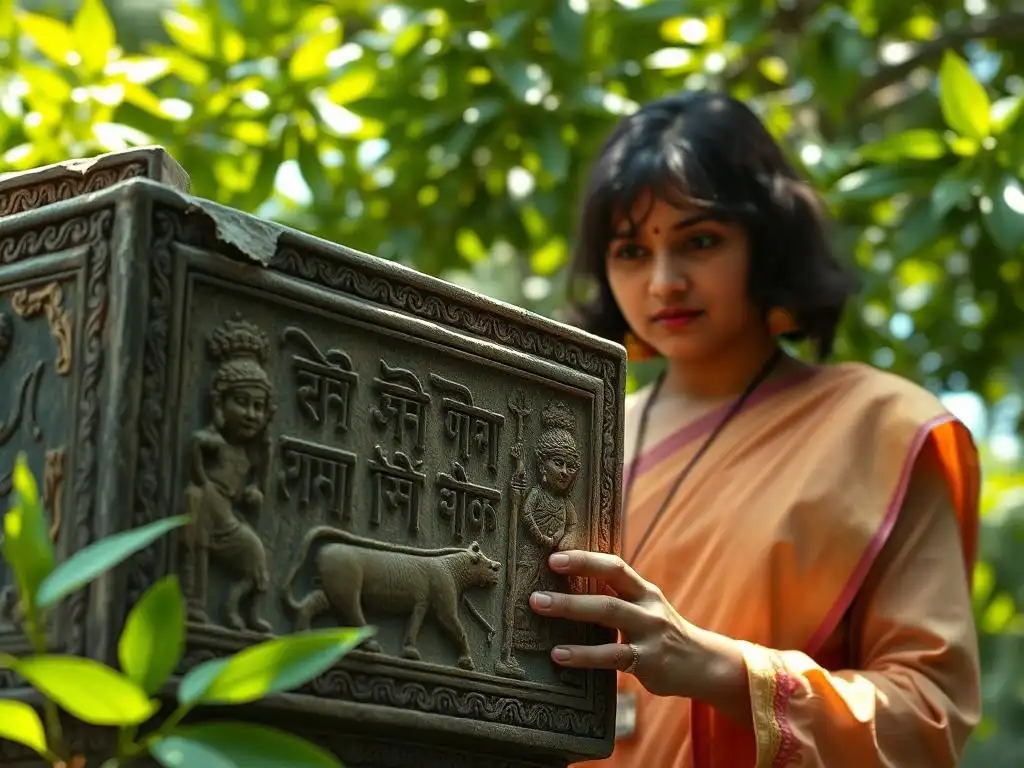
Welcome to Ancient India History, where we embark on an enthralling journey through the tapestry of India's rich and diverse past. Delve into the fascinating world of Ancient Indian inscriptions history as we unravel the secrets held within these time-honored texts. Our featured article, "Epigraphy Unveiled: How Ancient Inscriptions Reveal India's Cultural Heritage," promises to illuminate the profound connections between language, culture, and civilization that have shaped India through the ages.
Prepare to be captivated as you explore how these inscriptions serve as a window into the soul of ancient societies, beckoning you to discover the stories hidden in their strokes. Continue reading to unlock the mysteries of our shared heritage!
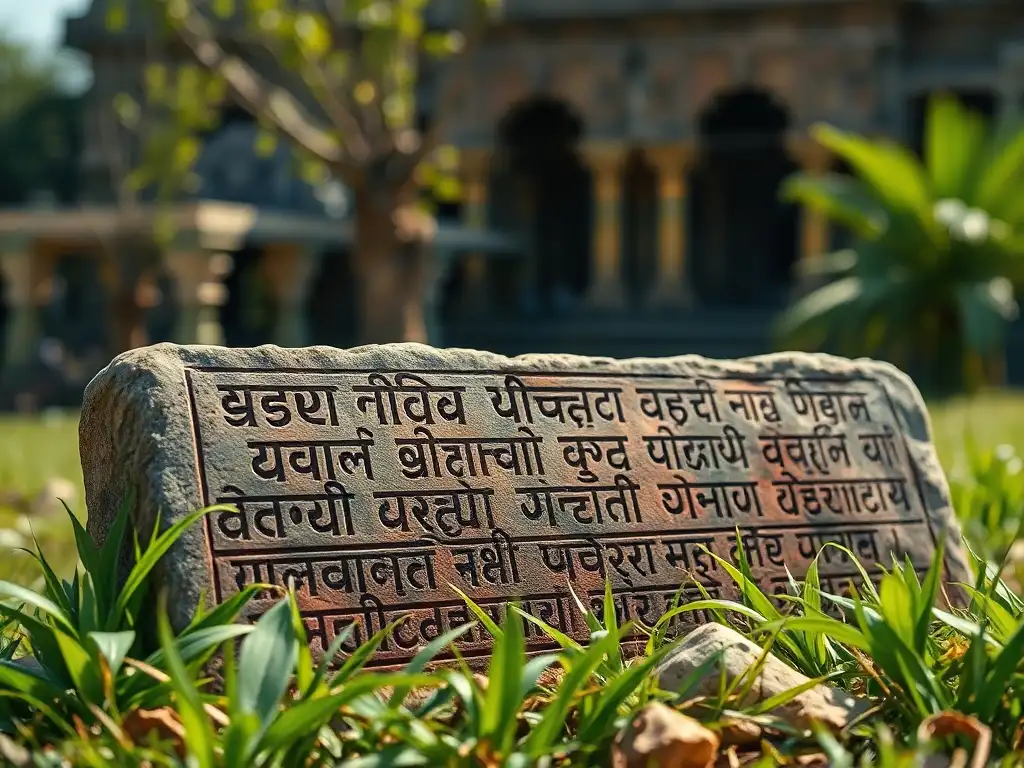
Introduction to Ancient Indian Inscriptions History
Ancient Indian inscriptions provide a fascinating glimpse into the rich tapestry of India's cultural heritage, revealing the thoughts, beliefs, and practices of civilizations that flourished over millennia. These inscriptions, often etched into stone, metal, or other materials, serve as a crucial link to understanding the socio-political and religious landscapes of ancient India. From the intricate scripts of the Indus Valley Civilization to the eloquent proclamations of emperors during the Gupta Empire, the study of these artifacts—known as epigraphy—opens a window into the past, allowing scholars and enthusiasts alike to explore the milestones of human thought and achievement.
Definition of Epigraphy in Ancient India
Epigraphy, derived from the Greek word "epigraphē," refers to the study of inscriptions as a historical source. In the context of ancient India, it encompasses a wide array of inscriptions that include religious texts, royal edicts, commemorative plaques, and everyday records. These inscriptions are not merely texts; they are a reflection of the languages, scripts, and cultural practices of their time. The study of these artifacts helps historians decipher the evolving narratives of ancient Indian civilizations, enabling a deeper understanding of their contributions to art, literature, governance, and spirituality.
Importance of Ancient Inscriptions in Understanding Cultural Heritage
The significance of ancient inscriptions extends beyond their historical value. These inscriptions act as primary sources that provide insights into various aspects of life in ancient India:
- Cultural Identity: Inscriptions often reveal the language and script in use, showcasing the linguistic diversity of ancient India and its evolution over time.
- Religious Practices: Many inscriptions contain religious texts or references, shedding light on the spiritual beliefs and practices of different communities.
- Political History: Royal edicts and proclamations document the political landscape, revealing power dynamics, territorial expansions, and administrative practices.
- Social Structure: Inscriptions can illuminate social hierarchies, economic exchanges, and community interactions, offering a comprehensive view of ancient societal frameworks.
The study of ancient Indian inscriptions is thus essential for piecing together the complex mosaic of India's past, allowing us to appreciate the profound cultural heritage that continues to influence modern society.
The Evolution of Ancient Indian Inscriptions
The history of ancient Indian inscriptions reflects an intricate evolution of writing practices and cultural expression that spans thousands of years. This journey is marked by various epigraphic traditions that emerged and flourished across different regions of India.
Overview of Epigraphic Traditions in India
Ancient Indian inscriptions are characterized by a multitude of scripts, languages, and purposes, each reflecting the cultural and regional diversity of the subcontinent. Some key epigraphic traditions include:
- Indus Valley Script: One of the earliest forms of writing, though still undeciphered, found on seals and pottery.
- Brahmi and Kharosthi: Scripts that emerged in the 3rd century BCE, used for administrative and religious texts during the Mauryan period.
- Sanskrit Inscriptions: Flourished during the Gupta Empire, often inscribed in stone temples and monuments, highlighting the importance of Sanskrit as a literary language.
These traditions illustrate the dynamic interplay between language, culture, and governance in shaping the historical narrative of ancient India.
Major Periods in Ancient Indian Inscriptions History
The history of ancient Indian inscriptions can be broadly categorized into several major periods, each marked by distinctive features and contributions:
- Pre-Mauryan Period (c. 3000 BCE - 321 BCE):
- Indus Valley Civilization: Early inscriptions with undeciphered scripts showcasing trade and administrative practices.
- Mauryan Period (c. 321 BCE - 185 BCE):
- Ashoka's Edicts: Significant inscriptions promoting Buddhism and moral governance.
- Post-Mauryan to Gupta Period (c. 185 BCE - 550 CE):
- Regional Variations: Emergence of regional languages and scripts, with inscriptions documenting local governance and cultural practices.
- Gupta Empire (c. 320 CE - 550 CE):
- Sanskrit Flourishing: Inscriptions reflecting advancements in literature, art, and science.
- Medieval to Modern Period (c. 550 CE - 1857 CE):
- Islamic Inscriptions: Introduction of Arabic and Persian scripts, marking the cultural synthesis during this era.
Each period provides valuable insights into the evolving nature of society, culture, and governance in ancient India, allowing us to piece together the complex historical narrative that defines this vibrant civilization.
Key Features of Ancient Indian Inscriptions
Ancient Indian inscriptions are remarkable artifacts that serve as a window into the past, shedding light on the historical, cultural, and social dynamics of ancient civilizations. These inscriptions possess several key features that make them significant for historical study:
- Material and Medium: Inscriptions were typically carved on durable materials such as stone, metal, and pottery. The choice of medium often reflected the importance of the message being conveyed. For instance, royal edicts or religious texts were frequently inscribed on stone pillars or rock surfaces to ensure longevity.
- Chronological Range: The chronological range of ancient Indian inscriptions spans from the early Indus Valley Civilization (approximately 2500 BCE) to the end of the Gupta Empire (around 550 CE). This broad timeline allows researchers to trace the evolution of language, script, and themes over millennia.
- Geographic Distribution: Inscriptions have been discovered across various regions of India, from the northern Himalayan foothills to the southern Deccan Plateau. This geographic diversity highlights the widespread use of inscriptions across different cultures and dynasties.
- Standardization and Variability: While there are standardized forms of scripts and languages, there is also significant variability in the style and content of inscriptions. This reflects local customs, dialects, and the influences of different ruling powers.
Language and Script Used in Ancient Inscriptions
The language and script of ancient Indian inscriptions played a crucial role in their interpretation and understanding. Different periods and regions utilized various languages and scripts, which can be categorized as follows:
- Scripts: The most prominent scripts used in inscriptions include Brahmi, Kharosthi, and later variants like Devanagari. Brahmi is one of the earliest scripts and is the ancestor of many modern Indian scripts, while Kharosthi was primarily used in the northwest regions of India.
- Languages: The language of inscriptions varied depending on the context. Sanskrit, being the liturgical language, was frequently used in religious inscriptions, while Prakrit was more common in everyday and administrative contexts. Regional languages also emerged, reflecting local dialects.
- Evolving Linguistic Features: Over time, inscriptions exhibit changes in grammar, vocabulary, and syntax, providing insights into the linguistic evolution in ancient India. This evolution is particularly notable during transitions between empires, such as from the Maurya to the Gupta period.
Common Themes and Subjects of Ancient Inscriptions
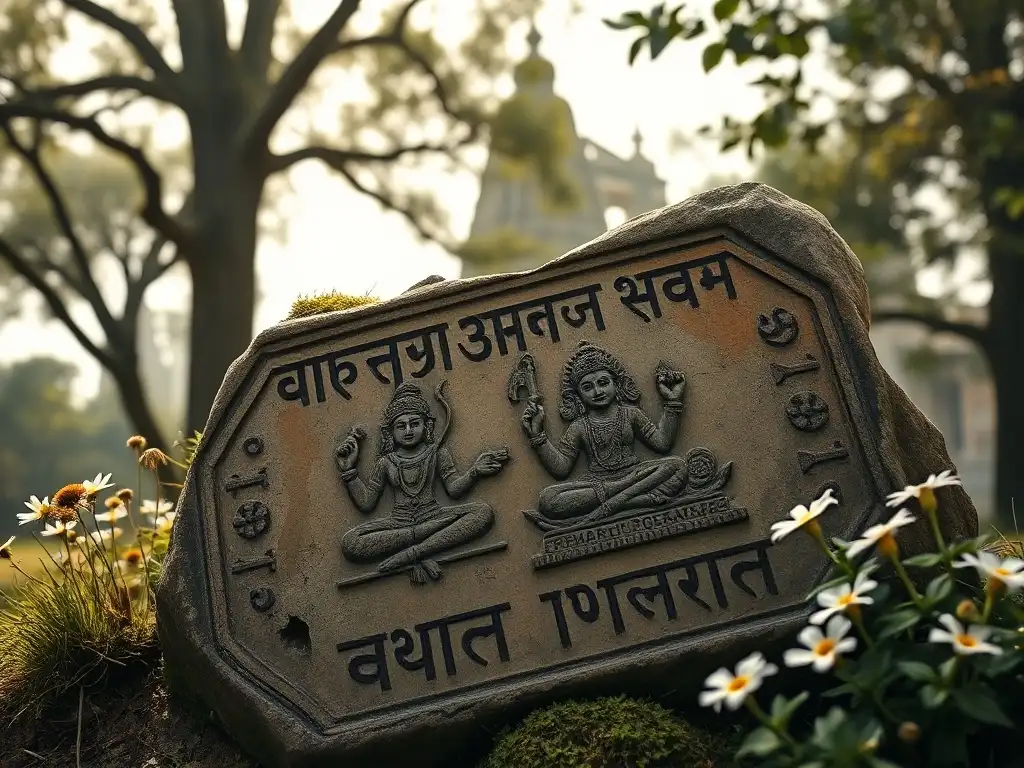
Ancient Indian inscriptions encompass a wide range of themes and subjects, reflecting the multifaceted nature of Indian society. Some prevalent themes include:
- Royal Decrees and Edicts: Many inscriptions consist of royal orders or proclamations, detailing the achievements and policies of rulers. These edicts often served to communicate governance and law to the populace.
- Religious Texts: Inscriptions often include hymns, prayers, or statements of religious significance, highlighting the importance of religion in daily life. Temples frequently featured inscriptions that honored deities or recorded donations.
- Cultural Practices: Inscriptions provide evidence of cultural practices, festivals, and rituals, reflecting the social customs of different communities. They often document significant events, such as the construction of monuments or public works.
- Commemorative Inscriptions: Many inscriptions were created to commemorate individuals, such as kings or warriors, and their achievements. These serve as historical records and highlight the values and ideals of the society at the time.
Artistic Elements in Ancient Indian Inscriptions
The artistic elements of ancient Indian inscriptions are not only vital for their aesthetic appeal but also play a significant role in conveying meaning. Some key aspects include:
- Carvings and Reliefs: The intricacy of carvings and relief work on inscriptions is a testament to the artistic skills of ancient artisans. These designs often depict narratives, mythological scenes, and symbolic motifs that enhance the inscription's significance.
- Layout and Composition: The arrangement of text and imagery within inscriptions is carefully planned. The layout often follows specific patterns, ensuring that the message is clear and visually attractive.
- Symbolism: Many inscriptions incorporate symbolic elements that convey deeper meanings. For instance, lotus flowers might symbolize purity, while certain animals could represent strength or nobility.
Major Discoveries in Ancient Indian Inscriptions
The field of epigraphy has witnessed several major discoveries that have significantly advanced our understanding of ancient Indian history and culture. These discoveries include:
- Rock Edicts of Ashoka: The inscriptions of Emperor Ashoka (c. 268–232 BCE) found in various locations across India are among the most significant. They reflect his commitment to Buddhism and ethical governance, providing insights into his policies and philosophies.
- Junagadh Rock Inscription: This inscription, attributed to Rudradaman I (c. 150 CE), is notable for its references to the local governance of the region and the importance of water management, illustrating administrative practices of the time.
- Hathigumpha Inscription: Found in Odisha, this inscription by King Kharavela (c. 1st century BCE) chronicles his achievements and military victories, offering a glimpse into the political landscape of ancient India.
Significant Inscriptions that Shaped Indian History
Certain inscriptions have played pivotal roles in shaping Indian history, as they document crucial events or ideologies. Some examples include:
- The Edicts of Ashoka: These inscriptions, inscribed on pillars and rocks, promote the principles of Dharma and non-violence, marking a significant shift in Indian governance towards ethical leadership.
- The Allahabad Pillar Inscription: This inscription by Samudragupta (c. 350–375 CE) celebrates his military conquests and the unification of northern India, highlighting the political prowess of the Gupta Empire.
- The Nasik Cave Inscriptions: These inscriptions reveal information about early Buddhist communities and their patronage during the 1st century CE, showcasing the spread of Buddhism in ancient India.
How These Inscriptions Reflect Social, Political, and Religious Life
Ancient Indian inscriptions serve as vital records that reflect the complexities of social, political, and religious life in ancient India:
- Social Structure: Inscriptions often reveal the hierarchical nature of society, detailing the roles of various classes and castes. They provide insights into the relationships between rulers, subjects, and the priestly class.
- Political Dynamics: The content of inscriptions frequently sheds light on the political landscape, including alliances, conflicts, and the expansion of territories. They document the achievements of rulers and their influence on governance.
- Religious Practices: Inscriptions provide valuable information about the religious practices and beliefs of ancient Indians. They reflect the coexistence of various religions, including Hinduism, Buddhism, and Jainism, and document rituals, festivals, and communal activities.
Through the study of these inscriptions, researchers can piece together a more comprehensive picture of ancient Indian civilization, emphasizing the interconnectedness of its social, political, and religious dimensions.
The Role of Epigraphy in Modern Archaeology
Epigraphy, the study of inscriptions, plays a crucial role in modern archaeology, serving as a key tool for uncovering the nuances of ancient civilizations. Ancient Indian inscriptions, in particular, provide invaluable insights into the linguistic, cultural, and socio-political contexts of their time. By analyzing these inscriptions, archaeologists and historians can piece together the historical narrative of ancient India, revealing information about trade, religion, governance, and daily life that might otherwise remain obscure.
Inscriptions are often found on various surfaces, including stone, metal, and pottery, which adds to their archaeological significance. The meticulous recording of these findings helps to construct a more comprehensive understanding of the past. Moreover, epigraphic studies have facilitated the dating of artifacts and sites, allowing scholars to create timelines that align with other archaeological evidence. This interconnectedness enriches the broader understanding of ancient Indian history and its diverse civilizations.
Techniques Used in the Study of Ancient Indian Inscriptions
The study of ancient Indian inscriptions employs various techniques that enhance the accuracy and depth of analysis. Some of the prominent methods include:
- Paleography: This technique involves analyzing the styles of ancient writing to determine the age and origin of inscriptions. Changes in script styles over time can provide clues to the evolution of language and communication in ancient India.
- Photographic Techniques: High-resolution photography, including infrared and ultraviolet imaging, is utilized to enhance the visibility of faded or eroded inscriptions. These methods allow researchers to capture details that may be invisible to the naked eye.
- 3D Scanning: This advanced technology creates detailed 3D models of inscriptions, enabling a comprehensive examination of their physical characteristics. This technique helps in digitally preserving inscriptions that are at risk of deterioration.
- Chemical Analysis: Scientific techniques, such as X-ray fluorescence (XRF) and mass spectrometry, can analyze the composition of the materials used in inscriptions. This information can reveal the sources of materials and the technological capabilities of ancient societies.
These techniques, combined with traditional methods of observation and comparison, allow researchers to interpret inscriptions in a multidimensional manner, shedding light on the complexities of ancient Indian cultures.
Challenges Faced in Deciphering Ancient Inscriptions
Deciphering ancient inscriptions presents a myriad of challenges that can hinder the progress of epigraphic studies. Some of the primary obstacles include:
- Erosion and Damage: Many inscriptions have suffered from natural erosion, vandalism, or damage due to human activities, making them difficult to read. In some cases, only fragments remain, complicating interpretation.
- Language and Script Variability: Ancient Indian inscriptions were written in various scripts and languages, including Brahmi, Kharosthi, and Sanskrit. The lack of standardization and the evolution of these scripts over time can pose difficulties in translation and understanding.
- Contextual Ambiguity: The meaning of inscriptions often relies heavily on their historical and cultural context. Without sufficient contextual information, the interpretation can be misleading or incomplete.
- Scholarly Disagreements: Different scholars may have varying interpretations of the same inscription, leading to debates and inconsistencies in the understanding of ancient texts.
Despite these challenges, ongoing advancements in technology and interdisciplinary collaboration continue to enhance the ability to decipher ancient inscriptions, allowing for a more nuanced appreciation of India's rich heritage.
Contributions of Epigraphy to the Understanding of Ancient Civilizations
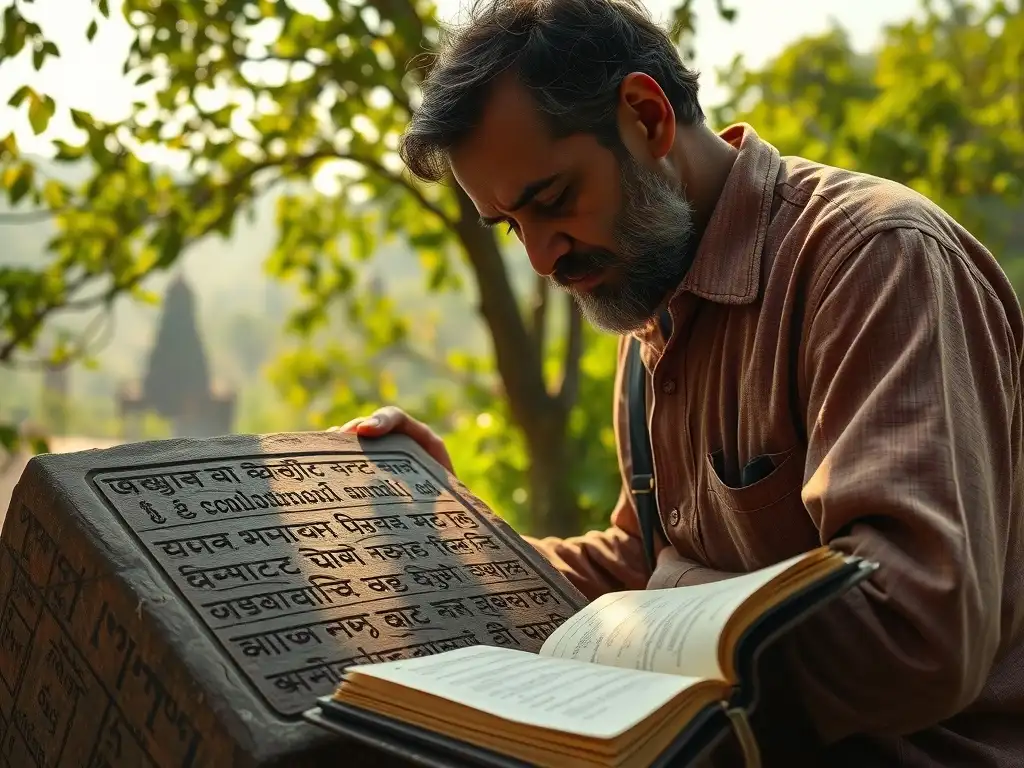
Epigraphy has made significant contributions to the understanding of ancient civilizations, particularly in the context of ancient India. The inscriptions not only document historical events but also reflect the sociocultural fabric of the times. Some key contributions include:
- Historical Documentation: Inscriptions serve as primary historical sources, recording kingship, territorial conquests, treaties, and significant events. This documentation is essential for reconstructing historical narratives.
- Cultural Insights: Inscriptions provide insights into the religious beliefs, practices, and the artistic expressions of ancient peoples. The content often reveals the patronage of temples, religious rituals, and societal values.
- Language Evolution: The evolution of language as recorded in inscriptions highlights linguistic shifts and the interactions between different cultures. This information is crucial for understanding the development of languages in the Indian subcontinent.
- Socio-Political Structures: By examining inscriptions related to governance, taxation, and law, researchers gain insights into the administrative practices and political organization of ancient societies.
Overall, the contributions of epigraphy significantly enhance the comprehension of ancient Indian civilizations, allowing for a more comprehensive exploration of their achievements and legacy.
Case Studies of Influential Ancient Indian Inscriptions
Analysis of the Junagadh Rock Edicts: Context and Impact
The Junagadh Rock Edicts, inscribed during the reign of Emperor Ashoka in the 3rd century BCE, are a collection of edicts that offer a glimpse into the moral and ethical frameworks of ancient India. Located in Gujarat, these inscriptions are notable for their content, which emphasizes principles of non-violence, tolerance, and the welfare of the people.
The context of these edicts is significant, as they were created during a time of transformation following Ashoka's conversion to Buddhism after the Kalinga War. The edicts reflect Ashoka's commitment to spreading Buddhist values and his efforts to govern with compassion. The impact of these inscriptions extends beyond their immediate historical context; they have influenced subsequent generations’ understanding of governance, ethics, and social responsibility in India.
The Junagadh Edicts also serve as linguistic artifacts, showcasing the use of Brahmi script and providing insight into the evolution of language during this period. Their preservation and study continue to inspire scholars and laypeople alike, as they embody the philosophical ideals that shaped ancient Indian thought.
The Mehrauli Iron Pillar: Cultural Significance and Insights
The Mehrauli Iron Pillar, standing at over 7 meters tall and dating back to the 4th century CE, is one of the most remarkable examples of ancient Indian metallurgy and artistry. Located in Delhi, this pillar is inscribed with a dedication to a Gupta king, showcasing the advanced technological capabilities of the time.
The inscription on the Iron Pillar reveals important information about the political and cultural aspects of the Gupta period. It highlights the significance of iron as a material and reflects the Gupta Empire's prowess in craftsmanship and engineering. The pillar's resistance to corrosion has astounded modern scientists, prompting studies into the metallurgical techniques employed by ancient artisans.
Culturally, the Mehrauli Iron Pillar stands as a testament to the artistic and intellectual achievements of ancient India. Its inscriptions contribute to the understanding of the political landscape, religious practices, and the technological innovations that characterized the era. The pillar remains a symbol of India's rich heritage and a focal point for ongoing research in epigraphy and archaeology.
Myths and Realities Surrounding Ancient Indian Inscriptions
The study of ancient Indian inscriptions is often shrouded in myths and misconceptions that can obscure our understanding of their true significance and value. These inscriptions, which can be found on stone, metal, and other materials, represent some of the earliest forms of written communication in the Indian subcontinent. However, many people mistakenly perceive them as mere artifacts, devoid of relevance to contemporary society. This section aims to clarify common misconceptions and highlight the reality of epigraphic research, showcasing its profound implications for our understanding of India's cultural heritage.
Common Misconceptions about Ancient Inscriptions
One prevalent misconception is that ancient Indian inscriptions are primarily religious texts. While many inscriptions do indeed contain religious references, they also encompass a wide range of topics, including administrative records, land grants, treaties, and social regulations. This misinterpretation diminishes the multifaceted nature of these texts, which can shed light on various aspects of daily life, governance, and social structures in ancient India.
Another myth is that ancient inscriptions are difficult to decipher and thus irrelevant to modern scholars. While it is true that some inscriptions pose challenges due to their languages, scripts, and contexts, significant advancements in epigraphy have made it possible to decode many texts. Scholars have developed methodologies and technology that enhance our understanding of these inscriptions, making them accessible and relevant for historical research.
Additionally, there is a belief that inscriptions are isolated texts with no connection to the broader historical narrative. In reality, inscriptions are often interconnected, providing a continuity of information that can help reconstruct historical events, cultural exchanges, and socio-political dynamics across different periods. Therefore, viewing them as standalone documents undermines their potential contributions to the study of ancient civilizations.
The Reality of Epigraphic Research and Its Findings
The reality of epigraphic research reveals a rich tapestry of insights that have transformed our understanding of ancient Indian history. Researchers have made significant strides in uncovering the context and meaning behind various inscriptions, leading to groundbreaking discoveries about political authority, trade relations, and social hierarchies. For instance, the edicts of Emperor Ashoka, inscribed on pillars across the Indian subcontinent, provide crucial insights into his policies on governance, ethics, and the promotion of Buddhism.
Moreover, recent epigraphic studies have illuminated the cultural diversity of ancient India, showcasing how local languages and dialects were used in inscriptions. This diversity reflects the dynamic interactions between various communities and regions, emphasizing the pluralistic nature of ancient Indian society.
The findings from epigraphic research also challenge previous historical narratives, prompting historians to reevaluate and expand their interpretations of ancient events. For example, inscriptions have revealed the existence of vibrant trade networks that connected India with distant lands, highlighting the country's role in global commerce long before the colonial era.
Conclusion: The Legacy of Ancient Indian Inscriptions in Cultural Heritage
The legacy of ancient Indian inscriptions is profound, offering a window into the past that continues to resonate with contemporary society. By preserving the voices of people from different eras, these inscriptions serve as vital records of cultural heritage, reminding us of the complexity and richness of India's historical narrative.
Summary of Key Insights from Ancient Indian Inscriptions History
Ancient Indian inscriptions provide invaluable insights into various aspects of life, governance, and culture in historical India. They reveal the evolution of languages, the significance of social structures, and the interactions among diverse communities. The myths surrounding these inscriptions often overlook their potential to enhance our understanding of ancient civilizations.
The Continuing Relevance of Epigraphy in Understanding India’s Past
The relevance of epigraphy remains significant in contemporary historical research. As new inscriptions are discovered and existing ones are reinterpreted, scholars continue to uncover layers of meaning that contribute to the broader understanding of India's past. The study of ancient inscriptions not only enriches our knowledge of history but also fosters a greater appreciation for the cultural heritage that shapes modern India. As we delve deeper into this field, the insights gained from epigraphy will undoubtedly continue to illuminate the rich tapestry of ancient Indian civilization.
Further Reading and Resources on Ancient Indian Inscriptions
The study of ancient Indian inscriptions offers profound insights into the cultural, social, and political landscapes of past civilizations. For those interested in delving deeper into this fascinating subject, a variety of resources are available, ranging from academic texts to online databases.
Recommended Books and Articles on Epigraphy
-
"Inscriptions of Ashoka" by R. C. Majumdar
This seminal work provides a comprehensive analysis of the inscriptions left by Emperor Ashoka, detailing their historical context and significance. It serves as a critical resource for understanding the spread of Buddhism and governance during the Mauryan Empire.
-
"Indian Epigraphy" by D. C. Sircar
This book is an authoritative overview of the field of Indian epigraphy, covering various aspects such as techniques, analysis, and the role of inscriptions in understanding ancient Indian society. It also offers detailed case studies of significant inscriptions.
-
"The History and Culture of the Indian People" (Volumes 1-12)
Edited by R. C. Majumdar, this multi-volume series includes discussions on the impact of inscriptions on the cultural history of India, notably in the context of different dynasties.
-
"Ancient Indian Inscriptions: A Study of the Cultural Heritage" by A. K. Narain
This article explores the diverse forms of inscriptions found across ancient India and their implications for understanding the cultural heritage of the region.
-
"Epigraphy and Archaeology: The Indian Connection" by R. S. Sharma
This paper discusses the interrelationship between archaeological findings and epigraphy, showcasing how inscriptions can enhance our understanding of ancient Indian history.
Online Resources for Exploring Ancient Indian Inscriptions History
-
Digital Epigraphy Project
This comprehensive online platform offers access to a vast database of ancient Indian inscriptions, complete with translations and photographs. It serves as an essential tool for researchers and enthusiasts alike.
-
National Archives of India
The National Archives has digitized many ancient documents and inscriptions, providing valuable resources for those studying Indian history. Their website features searchable databases and detailed descriptions of various inscriptions.
-
Inscriptions of India Database
Maintained by various universities and research institutions, this database catalogs inscriptions from different regions and eras of India, allowing users to explore the historical context and significance of each entry.
-
Indian Council of Historical Research (ICHR)
The ICHR hosts a collection of research papers and articles related to Indian epigraphy, along with information on ongoing projects and publications in the field.
-
YouTube Channels Dedicated to History and Epigraphy
Several educational channels feature documentaries and discussions on ancient Indian inscriptions, providing visual insights along with expert commentary.
These resources collectively contribute to a deeper understanding of ancient Indian inscriptions history, enabling scholars and enthusiasts to appreciate the intricate details of India's rich cultural heritage.
- Introduction to Ancient Indian Inscriptions History
- Definition of Epigraphy in Ancient India
- Importance of Ancient Inscriptions in Understanding Cultural Heritage
- The Evolution of Ancient Indian Inscriptions
- Key Features of Ancient Indian Inscriptions
- Language and Script Used in Ancient Inscriptions
- Common Themes and Subjects of Ancient Inscriptions
- Artistic Elements in Ancient Indian Inscriptions
- Major Discoveries in Ancient Indian Inscriptions
- The Role of Epigraphy in Modern Archaeology
- Techniques Used in the Study of Ancient Indian Inscriptions
- Challenges Faced in Deciphering Ancient Inscriptions
- Contributions of Epigraphy to the Understanding of Ancient Civilizations
- Case Studies of Influential Ancient Indian Inscriptions
- Myths and Realities Surrounding Ancient Indian Inscriptions
- Conclusion: The Legacy of Ancient Indian Inscriptions in Cultural Heritage
- Further Reading and Resources on Ancient Indian Inscriptions
Frequently Asked Questions
What are ancient Indian inscriptions?
Ancient Indian inscriptions are written records carved on materials like stone, metal, and clay, providing valuable insights into historical events, cultural practices, and languages of the time.
Why are inscriptions important in studying ancient India?
Inscriptions serve as primary sources of information, helping historians understand political, religious, and social structures of ancient Indian civilizations, thus enriching our knowledge of cultural heritage.
What languages were used in ancient Indian inscriptions?
Ancient inscriptions primarily utilized languages such as Sanskrit, Prakrit, and Tamil, reflecting the linguistic diversity of India and its evolution over time.
How do inscriptions contribute to our understanding of ancient Indian empires?
They provide direct evidence of administration, economics, and religion, illustrating the complexities of empires like the Maurya and Gupta and their legacies in Indian history.
Where can ancient Indian inscriptions be found today?
Ancient inscriptions can be found in archeological sites, temples, and museums across India, with significant collections housed in places like the National Museum in Delhi, preserving this vital aspect of cultural heritage.
Final Reflection: The Timeless Echoes of Ancient Indian Inscriptions
The exploration of ancient Indian inscriptions serves as a powerful reminder of how the past continues to shape our present. In an age where technology often overshadows tradition, these inscriptions provide a tangible link to our cultural heritage, revealing stories, beliefs, and practices that have endured through centuries. The significance of these inscriptions is not merely historical; they are a testament to the resilience of human expression and the enduring quest for identity.
Cultural heritage is not just a relic of the past; it is a living narrative that influences our social fabric today. The inscriptions we uncover are windows into the lives of our ancestors, offering insights into their values, governance, and spirituality. As we engage with these ancient texts, we foster a deeper understanding of our roots and the diverse tapestry that is India. History is not just about the past; it is about how we understand ourselves in the present.
As we reflect on the lessons embedded within these inscriptions, let us be inspired to cherish and preserve our cultural narratives. I invite you to explore the stories that surround you, to seek out the inscriptions—literal or metaphorical—that define your own heritage. Embrace the wisdom of the past as you navigate the complexities of the present, and let these ancient voices guide you toward a future enriched by understanding and appreciation of our shared history.
Unveil Your Connection to Ancient India Today!
Thank you for exploring the fascinating world of epigraphy with us! By delving into ancient inscriptions, you've unlocked a treasure trove of cultural heritage and history. Now, it’s time to transform that knowledge into action!
- Visit a local museum or archaeological site that showcases ancient inscriptions to deepen your understanding of India's rich past.
- Share your newfound insights with friends or on social media to spread the wonder of epigraphy and its significance.
- Join an online community dedicated to ancient history, where you can discuss inscriptions and learn from fellow enthusiasts.
Which inscription from Indian history has inspired you the most, and how do you plan to further explore its context?