
The Influence of Ancient Indian Inscriptions on Modern Historical Scholarship

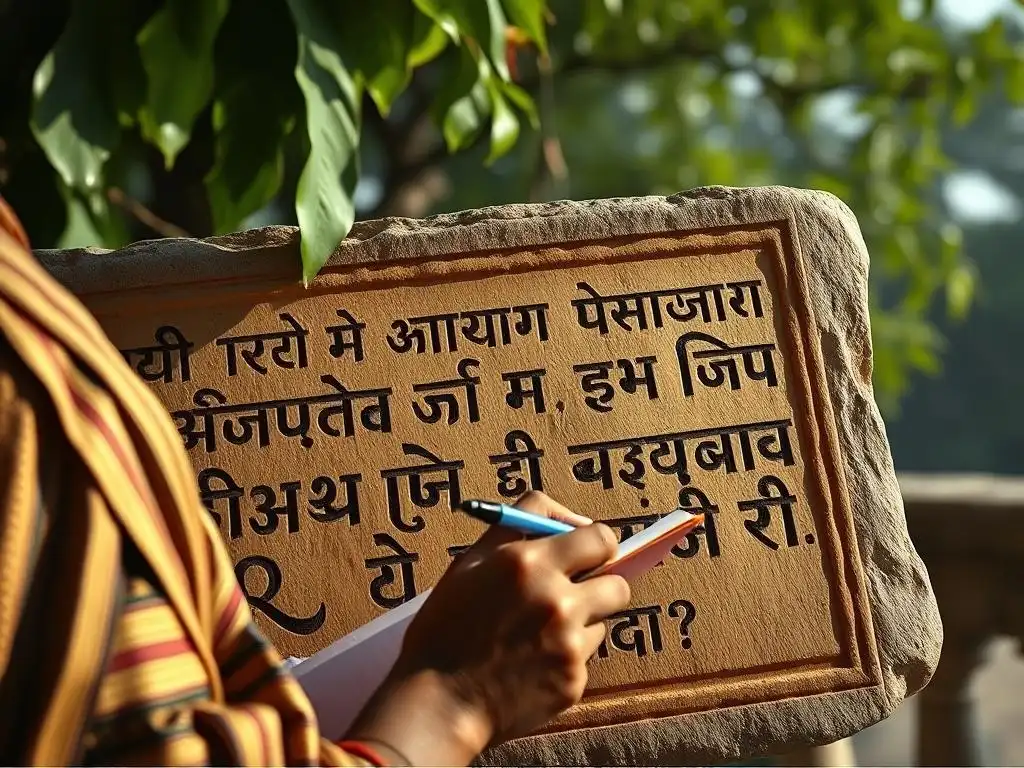
Welcome to Ancient India History, where we embark on a captivating journey through the rich tapestry of ancient Indian civilizations. From the enigmatic Indus Valley to the illustrious Gupta Empire, our exploration reveals the profound cultural and historical contributions that have shaped the world. In our featured article, we delve into the significance of ancient Indian inscriptions—a treasure trove of knowledge that continues to influence modern historical scholarship. Prepare to unlock the secrets of the past and discover how these inscriptions illuminate our understanding of ancient societies. Join us as we unravel the mysteries that await!
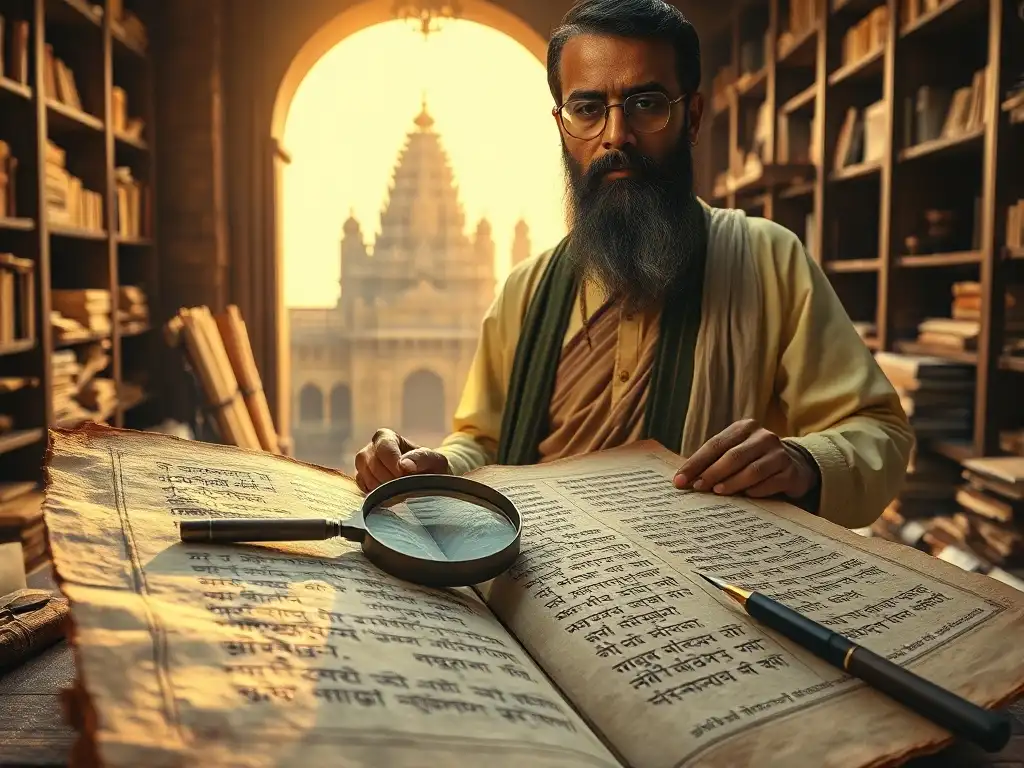
The study of ancient Indian inscriptions is a crucial element in understanding the rich tapestry of India's historical, cultural, and linguistic heritage. These inscriptions, etched in stone, metal, and other materials, serve as invaluable primary sources that provide insights into the socio-political dynamics, religious practices, and daily lives of people from ancient times. As scholars delve into these inscriptions, they not only uncover the narratives of the past but also contribute to modern historical scholarship, reshaping our comprehension of ancient Indian civilizations. This article explores the significance of ancient Indian inscriptions and their profound influence on contemporary historical studies.
Introduction to Ancient Indian Inscriptions
Ancient Indian inscriptions can be traced back to as early as the 3rd century BCE, with notable examples such as the Edicts of Ashoka. These inscriptions, written in various scripts like Brahmi and Kharosthi, reflect the linguistic diversity and cultural richness of the subcontinent. They encompass a wide range of themes, including royal decrees, religious edicts, social norms, and commemorative texts.
Overview of Ancient Indian Inscriptions
Inscriptions can be categorized into several types, including:
- Royal Inscriptions: Documenting the achievements and lineage of rulers.
- Religious Inscriptions: Highlighting the beliefs, rituals, and religious institutions of the time.
- Commemorative Inscriptions: Honoring individuals or events significant to local communities.
- Pragmatic Inscriptions: Providing administrative details, land grants, and trade agreements.
These texts, often multilingual and inscribed in various scripts, showcase the dynamic interactions between different cultures and languages in ancient India.
Importance of Inscriptions in Historical Research
The significance of inscriptions in historical research cannot be overstated. They serve multiple purposes:
- Chronological Framework: Inscriptions help establish timelines for various historical events, offering precise dates that can be correlated with archaeological findings.
- Cultural Insights: They reveal the beliefs, values, and practices of ancient societies, providing a deeper understanding of their complexities.
- Political Narratives: Inscriptions often reflect the political landscape of the time, documenting dynastic changes, wars, and treaties.
By analyzing these inscriptions, historians are able to construct a more comprehensive view of ancient Indian history.
The Significance of Ancient Indian Inscriptions
The significance of ancient Indian inscriptions extends beyond mere documentation; they are critical tools for scholarship that enhance our understanding of the past.
Understanding the Historical Context of Inscriptions
To appreciate the importance of inscriptions, it is essential to contextualize them within their historical framework. Inscriptions were often commissioned by rulers or religious leaders to convey messages to the populace. For instance, the Ashoka Edicts not only propagated Buddhist teachings but also emphasized governance based on moral values. This contextual understanding allows modern scholars to interpret the intentions behind these texts accurately.
Ancient Indian Inscriptions as Primary Sources
Inscriptions are primary sources that provide direct evidence of historical events, societal norms, and cultural practices. They are often the only surviving records of certain periods or events, making them indispensable for historians. The meticulous study of these inscriptions has led to significant discoveries, such as the establishment of trade routes, understanding of governance structures, and insights into ancient legal systems.
The Role of Inscriptions in Documenting Ancient Indian Culture
Ancient Indian inscriptions serve as a mirror reflecting the cultural diversity of the time. They document languages, scripts, art forms, and religious beliefs, showcasing the pluralistic nature of ancient Indian society. Furthermore, they often highlight the contributions of various communities, including marginalized groups, thus enriching the narrative of India's cultural history.
The study of ancient Indian inscriptions is not only significant for understanding the past but also essential for shaping modern historical scholarship. As researchers continue to uncover and analyze these inscriptions, they illuminate the complexities of ancient civilizations and their enduring legacies.
Major Ancient Indian Inscriptions and Their Impact
Ancient Indian inscriptions serve as vital records of historical events, governance, culture, and social norms. These inscriptions, etched on stone, metal, or clay, provide invaluable insights that have shaped modern historical scholarship. Among the major inscriptions, the Edicts of Ashoka and those from the Gupta period stand out for their significance.
They not only document the reigns of influential rulers but also reflect the socio-political landscape of their times. Furthermore, the diversity in inscriptions across various regions of ancient India illustrates the complexity and richness of Indian civilization. Each inscription offers a unique perspective, contributing to a more nuanced understanding of history and its interpretation.
The Edicts of Ashoka: A Turning Point in Historical Scholarship
The Edicts of Ashoka, inscribed during the reign of Emperor Ashoka in the 3rd century BCE, mark a significant turning point in historical scholarship. These edicts, carved on rocks and pillars, convey messages of moral governance, ethical conduct, and social welfare. They reflect Ashoka's transformation from a conqueror to a proponent of Buddhism and non-violence, thereby influencing modern interpretations of governance and ethics in ancient India.
The significance of these edicts extends beyond their content; they are among the earliest examples of written law and public communication in India. Scholars have utilized these inscriptions to explore themes of statecraft, religious tolerance, and the role of propaganda in ancient governance. The widespread distribution of the edicts across the Indian subcontinent also highlights the administrative capabilities of Ashoka’s empire and provides evidence of the diffusion of Buddhism. Consequently, the Edicts of Ashoka have become a cornerstone in the study of ancient Indian history, prompting scholars to re-evaluate political authority, cultural integration, and the moral underpinnings of governance.
Inscriptions from the Gupta Period: Insights into Society and Governance
The Gupta period, often referred to as the "Golden Age" of India, produced a wealth of inscriptions that offer deep insights into the social, economic, and political fabric of the time. Inscriptions from this era, such as those found in Udayagiri and the Allahabad Pillar, detail the achievements of Gupta rulers and their patronage of arts, sciences, and religion. These documents serve as primary sources for understanding the complexities of governance, including administrative divisions, trade practices, and cultural exchanges.
Additionally, Gupta inscriptions often illustrate the status of women, the caste system, and the religious pluralism of the time. For instance, inscriptions dedicated to Hindu deities and Buddhist texts indicate a synthesis of beliefs, showcasing the coexistence of various traditions. Such findings have prompted modern historians to consider the Gupta period not merely as a time of political stability but also as an era of significant cultural and intellectual advancements. The ongoing analysis of these inscriptions continues to enrich our understanding of ancient Indian society and its legacy.
Regional Variations in Inscriptions: A Broader Perspective
Ancient Indian inscriptions are not monolithic; they exhibit considerable regional variations that reflect local languages, scripts, and cultural practices. This diversity is crucial for understanding the historical significance of inscriptions beyond the mainstream narratives dominated by major empires like the Mauryas and Guptas.
For example, inscriptions from South India, such as those in Tamil, reveal the unique socio-political dynamics of the region, including the influence of the Chola and Pandya dynasties. Meanwhile, inscriptions from the northwest, including those found in Gandhara, showcase the syncretism of Indo-Greek culture and Buddhism.
The study of regional inscriptions encourages scholars to adopt a more inclusive approach to ancient Indian history, recognizing the contributions of various local traditions and communities. This broader perspective not only enhances the understanding of regional identities but also illustrates the interconnectedness of ancient Indian civilizations.
Modern Historical Scholarship: The Influence of Inscriptions
Modern historical scholarship has been profoundly influenced by the study of ancient inscriptions. These artifacts provide a tangible connection to the past, offering insights that go beyond textual histories. Scholars utilize inscriptions as primary sources to reconstruct historical narratives, analyze socio-political structures, and understand cultural practices. The integration of epigraphy into historical research has led to a more dynamic interpretation of ancient Indian history, illustrating the significance of inscriptions in shaping modern academic discourse.
Methodologies in Analyzing Ancient Inscriptions
The methodologies employed in analyzing ancient inscriptions are diverse and multidisciplinary, incorporating techniques from archaeology, linguistics, and paleography. Scholars often begin with field surveys and excavations to locate inscriptions in their original contexts, followed by comprehensive documentation and transcription.
Once documented, various analytical techniques are applied, such as:
- Linguistic Analysis: Understanding the language and script to interpret the content accurately.
- Contextual Analysis: Examining the geographical and historical context in which the inscription was created.
- Comparative Studies: Comparing inscriptions across different regions and periods to identify patterns and influences.
These methodologies not only enhance the reliability of historical interpretations but also contribute to the preservation and appreciation of ancient inscriptions as critical cultural heritage.
Case Studies: Key Scholars and Their Contributions
Several key scholars have made significant contributions to the study of ancient Indian inscriptions, shaping the field of epigraphy and historical scholarship. For instance, Sir Alexander Cunningham is often credited with pioneering the systematic study of Indian inscriptions, particularly the Edicts of Ashoka. His efforts to decipher and document these edicts laid the groundwork for future research.
Another notable figure is Dr. R. C. Majumdar, whose extensive work on Gupta inscriptions provided insights into the socio-political dynamics of the era. His analysis highlighted the importance of inscriptions in understanding the administrative structure and cultural life of ancient India.
More recently, scholars such as Dr. Romila Thapar have explored the broader implications of inscriptions in constructing historical narratives. Their interdisciplinary approach has enriched the understanding of inscriptions as vital historical sources, influencing how modern scholarship engages with ancient texts.
The Role of Technology in Studying Inscriptions
Advancements in technology have revolutionized the study of ancient inscriptions, enhancing both the preservation and analysis of these invaluable artifacts. Techniques such as digital imaging, 3D scanning, and photogrammetry allow scholars to capture intricate details of inscriptions without causing damage.
Moreover, the application of databases and GIS (Geographic Information Systems) enables researchers to map the distribution of inscriptions across regions, facilitating comparative studies and spatial analyses.
These technological innovations not only improve accessibility to inscriptions but also foster collaborative research efforts among scholars worldwide. As technology continues to evolve, it promises to further transform the field of epigraphy, ensuring that ancient Indian inscriptions retain their significance in modern historical scholarship.
Challenges in Interpreting Ancient Indian Inscriptions

Interpreting ancient Indian inscriptions presents a myriad of challenges that historians and epigraphists must navigate. These difficulties stem from several factors, including linguistic nuances, cultural contexts, and preservation issues. Understanding these challenges is crucial for accurately deciphering the significance of inscriptions and their contributions to our knowledge of ancient Indian civilizations.
Linguistic and Epigraphic Challenges
The linguistic diversity of ancient India poses significant barriers to the interpretation of inscriptions. Ancient Indian languages such as Sanskrit, Prakrit, and Tamil, along with their regional dialects, were used in various inscriptions across different periods. The evolution of these languages over time can lead to ambiguities in meaning and pronunciation.
Moreover, the script used in inscriptions—whether Brahmi, Kharosthi, or other regional scripts—can present epigraphic challenges. Variations in script styles, inscriptions' size, and the material on which they were inscribed can complicate reading and interpretation. For instance, inscriptions engraved on stone may erode over time, making them difficult to decipher. Additionally, many inscriptions are incomplete or fragmented, which can hinder a comprehensive understanding of their context and content.
Cultural Context and Its Impact on Interpretation
The cultural context in which inscriptions were created plays a vital role in their interpretation. Understanding the social, political, and religious milieu of ancient India is essential for deciphering the intended meanings and implications of inscriptions.
For example, inscriptions often reflect the power dynamics between different kingdoms, the patronage of religious institutions, or the socio-economic conditions of the time. Without a nuanced understanding of the historical background, scholars may misinterpret the significance of certain symbols, terms, or even the purpose of the inscription itself. Thus, contextualizing inscriptions within their specific cultural framework is crucial for accurate historical analysis.
Preservation Issues and Their Implications for Research
Preservation is another critical challenge in the study of ancient Indian inscriptions. Many inscriptions have suffered from natural erosion, environmental factors, and human intervention over the centuries. The deterioration of materials used for inscriptions, such as stone, metal, or clay, can lead to significant loss of information.
Moreover, the lack of systematic documentation and conservation efforts over time has resulted in many inscriptions remaining unstudied or poorly understood. This has implications for historical scholarship, as the loss of inscriptions equates to a loss of invaluable historical data. Efforts to preserve and digitize existing inscriptions are vital to ensure that future generations can continue to study and learn from these ancient texts.
Future Directions in the Study of Ancient Indian Inscriptions
The future of studying ancient Indian inscriptions is poised to evolve with advancements in technology and methodologies. As scholars continue to tackle the challenges of interpretation, several emerging trends and approaches are shaping the field.
Emerging Trends in Historical Scholarship
Recent years have seen a heightened interest in the application of technology in the study of ancient inscriptions. Techniques such as 3D imaging, digital mapping, and machine learning are being employed to enhance the analysis and preservation of inscriptions. These technologies allow researchers to visualize inscriptions in new ways, making it easier to detect patterns, decipher scripts, and restore damaged texts.
Additionally, there is a growing focus on interdisciplinary scholarship, which combines insights from linguistics, archaeology, anthropology, and history. This collaborative approach enriches the understanding of inscriptions by integrating various perspectives and methodologies, ultimately leading to a more comprehensive view of ancient Indian civilizations.
The Importance of Interdisciplinary Approaches
Interdisciplinary approaches are increasingly recognized as essential in the study of ancient Indian inscriptions. Collaborations among historians, linguists, archaeologists, and cultural anthropologists can provide a more holistic understanding of the contexts in which inscriptions were created and used.
By integrating knowledge from different fields, researchers can uncover deeper insights into the societal structures, cultural practices, and historical events that inscriptions reflect. Furthermore, this collaborative framework can encourage innovative research methodologies, fostering new interpretations and discoveries in the field of epigraphy.
Encouraging New Research on Ancient Indian Inscriptions
To advance the study of ancient Indian inscriptions, it is crucial to encourage new research initiatives. This can be achieved through funding opportunities, academic programs, and conferences focused on epigraphy and ancient history.
Encouraging young scholars to engage with inscriptions, whether through fieldwork, textual analysis, or digital humanities projects, will ensure a continuous flow of fresh perspectives and ideas. Additionally, promoting public awareness of the significance of inscriptions can inspire interest in this vital aspect of ancient Indian history, leading to greater support for research and preservation initiatives.
Addressing the challenges in interpreting ancient Indian inscriptions and embracing new research directions will enhance our understanding of their historical significance, ultimately enriching the broader narrative of ancient Indian civilizations.
Conclusion
The study of ancient Indian inscriptions offers profound insights into the civilizations that flourished in the Indian subcontinent. These inscriptions serve as critical primary sources that illuminate various aspects of life, including governance, culture, religion, and social structures. Their significance extends beyond academic interest; they actively shape modern historical scholarship, allowing historians to construct a more nuanced understanding of ancient Indian societies.
Recap of the Significance of Ancient Indian Inscriptions
Ancient Indian inscriptions are invaluable for several reasons:
- Historical Documentation: They provide firsthand accounts of historical events, royal decrees, and societal norms, allowing historians to piece together a comprehensive narrative of ancient India.
- Cultural Insights: Inscriptions reveal the values, beliefs, and practices of ancient civilizations, offering a glimpse into the daily life and spiritual beliefs of the people.
- Linguistic Development: The evolution of language and script can be traced through these inscriptions, shedding light on linguistic transitions and the spread of literacy.
- Political Context: Many inscriptions record the accomplishments of rulers and the political landscape of their times, helping scholars understand the dynamics of power and governance.
These facets make ancient Indian inscriptions a cornerstone in the study of history, contributing significantly to our understanding of the rich tapestry of ancient Indian civilization.
Final Thoughts on Their Ongoing Influence on Historical Scholarship
The ongoing influence of ancient Indian inscriptions on historical scholarship cannot be overstated. As new discoveries continue to emerge and existing inscriptions are re-evaluated with modern methodologies, historians are equipped with fresh perspectives that challenge and refine previous understandings.
The interdisciplinary approach that combines archaeology, linguistics, and cultural studies demonstrates how inscriptions serve as a bridge connecting various fields of study. This evolving landscape of research fosters a deeper appreciation of ancient India’s contributions to global history and culture.
Moreover, as scholars strive to make these ancient texts accessible to a broader audience, the importance of inscriptions in shaping modern identity and heritage is also brought to the forefront. The legacy of ancient Indian inscriptions will undoubtedly continue to influence and inspire future generations of historians, ensuring that the significance of these artifacts endures in the academic realm and beyond.
- Introduction to Ancient Indian Inscriptions
- The Significance of Ancient Indian Inscriptions
- Major Ancient Indian Inscriptions and Their Impact
- Modern Historical Scholarship: The Influence of Inscriptions
- Challenges in Interpreting Ancient Indian Inscriptions
- Future Directions in the Study of Ancient Indian Inscriptions
- Conclusion
Frequently Asked Questions
What are ancient Indian inscriptions?
Ancient Indian inscriptions are carvings or writings found on stone, metal, and other materials that provide insights into the history, culture, and languages of ancient Indian civilizations.
Why are ancient Indian inscriptions significant?
These inscriptions are significant because they serve as primary sources for understanding the social, political, and religious contexts of ancient India, influencing modern historical scholarship.
What types of information can be found in these inscriptions?
Inscriptions often contain royal decrees, religious texts, donation records, and epics, which help historians piece together the narratives of ancient Indian life and governance.
How do ancient Indian inscriptions contribute to our understanding of history?
They provide firsthand accounts that enrich our knowledge of historical events, dynasties, and cultural practices, thus allowing for a more nuanced interpretation of ancient Indian history.
Are there any famous ancient Indian inscriptions?
Yes, notable examples include the Ashoka Edicts, which convey the philosophy of Emperor Ashoka, and the inscriptions of the Gupta period, which highlight advancements in art and science.
Final Reflection: The Enduring Significance of Ancient Indian Inscriptions
The exploration of ancient Indian inscriptions reveals their profound relevance in today's historical scholarship. These inscriptions serve not only as invaluable primary sources that enrich our understanding of the past but also as bridges connecting contemporary society with its rich cultural heritage. In an era where the quest for identity and understanding of history is paramount, the significance of these inscriptions cannot be overstated; they are the keys that unlock the narratives of civilizations long gone.
Cultural and social landscapes are continually shaped by the legacies of our ancestors, and ancient Indian inscriptions play a pivotal role in this ongoing dialogue. Their influence extends beyond mere academic study; they inspire a deeper appreciation for the complexities of our shared history. As historian Romila Thapar once said, History is not just about the past; it is about the present and the future.
This sentiment underscores the importance of engaging with these inscriptions, as they provide insights that resonate with contemporary issues, fostering a sense of continuity and connection across generations.
As you reflect on the lessons gleaned from the significance of ancient Indian inscriptions, consider how these insights can inform your own understanding of history and identity. Embrace the opportunity to delve into your own cultural narratives and histories, recognizing that they, too, hold the power to shape your perspective and actions in the world today. Let the stories etched in stone inspire you to seek knowledge, appreciate diversity, and contribute to the ongoing tapestry of human history.
Uncover the Secrets of Ancient Indian Inscriptions!
Thank you for taking the time to explore the profound influence of ancient Indian inscriptions on modern historical scholarship. Your curiosity has opened the door to a wealth of knowledge that shapes our understanding of history today!
Now it's time to take action and dive deeper into this fascinating topic. Here are some steps you can take to further enrich your journey:
- Join a discussion group focused on ancient history to share your insights about inscriptions. Connecting with others will enhance your learning experience.
- Visit a local museum or archaeological site that showcases ancient Indian artifacts. Experiencing history firsthand will allow you to discover the stories behind the inscriptions.
- Share this article with friends or on social media to spark conversations about the importance of preserving our historical heritage.
What aspect of ancient Indian inscriptions fascinates you the most, and how do you believe they can influence our understanding of the present?