
The Rediscovery of Ancient Inscriptions: Recent Finds and Their Significance

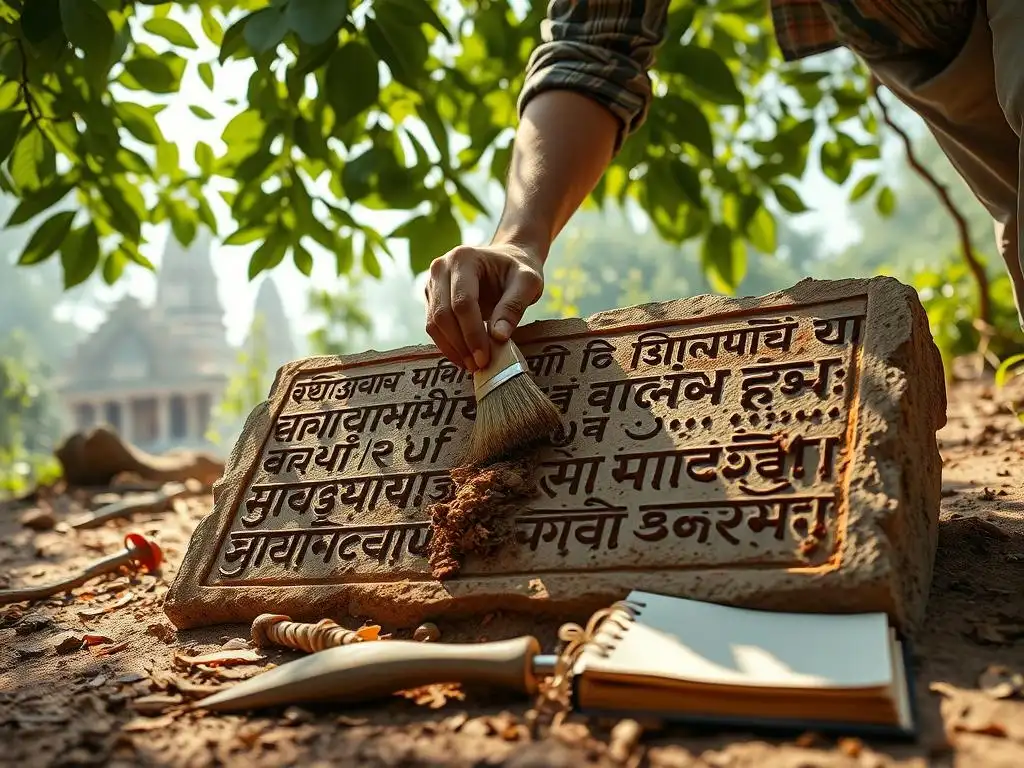
Welcome to Ancient India History, where we embark on a fascinating journey through the rich tapestry of India's past. Here, we delve into the significance of ancient Indian inscriptions, unveiling the stories etched in stone that provide profound insights into the lives, beliefs, and innovations of civilizations from the majestic Indus Valley to the illustrious Gupta Empire.
Discover the latest finds that are reshaping our understanding of history and culture, and let your curiosity guide you as you explore the intricate world of inscriptions and epigraphy. Join us as we unlock the secrets of ancient voices waiting to be heard!
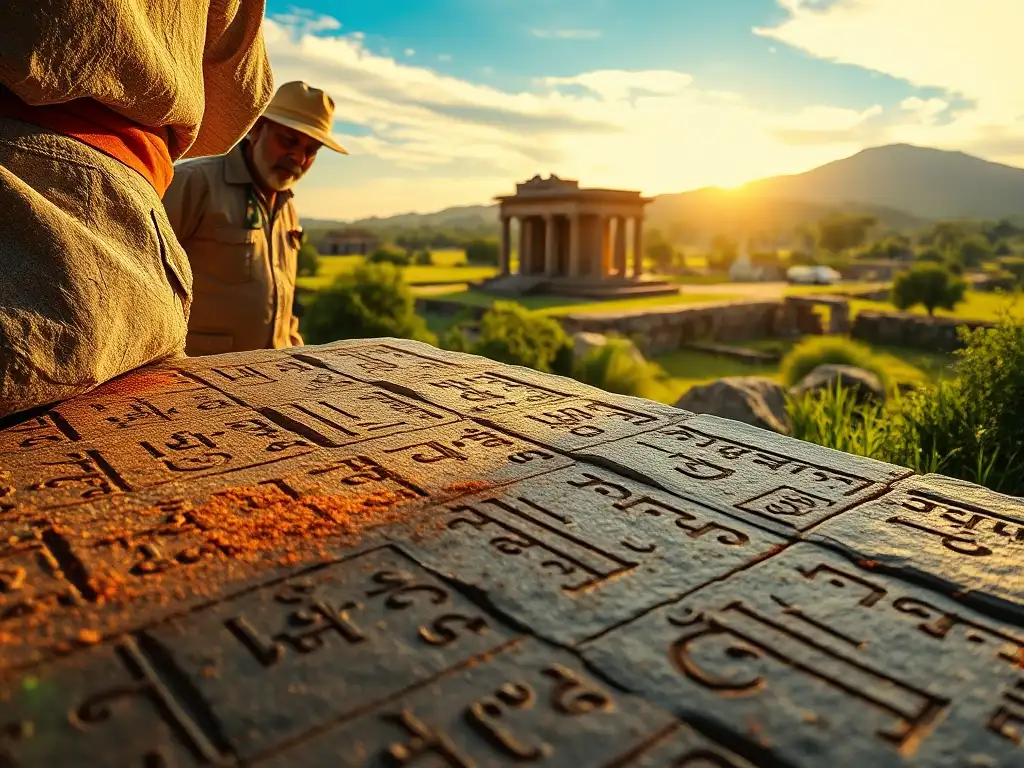
Exploring the rich tapestry of ancient Indian history often leads us to the remarkable insights provided by inscriptions. These inscriptions serve as vital records, unlocking the narratives of civilizations that thrived in the Indian subcontinent from the Indus Valley to the Gupta Empire.
The recent resurgence in the study and rediscovery of ancient inscriptions has not only illuminated forgotten aspects of our heritage but has also underscored their significance in understanding the socio-political, cultural, and economic dimensions of past societies. This article delves into the recent finds in ancient inscriptions, examining their historical context and the technological advancements that have facilitated this rediscovery, with a particular focus on the significance of these ancient Indian inscriptions in unraveling the mysteries of our ancestors.
Introduction to Ancient Indian Inscriptions
Overview of Ancient Inscriptions in Indian History
Ancient inscriptions in India date back thousands of years, serving as a crucial link to understanding the various dynasties, languages, and cultures that once flourished. These artifacts range from rock edicts and copper plates to temple inscriptions and manuscripts, each offering a unique glimpse into the lives of ancient peoples.
- Types of Inscriptions:
- Rock Edicts: Often associated with Emperor Ashoka, these inscriptions convey moral and administrative messages.
- Copper Plates: Used for land grants and royal orders, providing insights into governance.
- Temple Inscriptions: Document donations and religious practices, reflecting cultural and religious life.
Importance of Inscriptions in Understanding Ancient Civilizations
Inscriptions are invaluable for historians and archaeologists, as they provide direct evidence of historical events, language evolution, and cultural practices. The significance of these inscriptions lies in their ability to:
- Reveal Historical Context: They help in dating events and understanding the chronological sequence of rulers and dynasties.
- Enhance Linguistic Studies: Inscriptions allow scholars to study ancient languages and scripts, contributing to the understanding of linguistic evolution.
- Support Archaeological Findings: They often corroborate archaeological evidence, enriching our comprehension of ancient societies.
Recent Discoveries of Ancient Inscriptions
Highlights of Recent Finds in Ancient Indian Sites
Recent archaeological excavations across India have led to significant discoveries of ancient inscriptions. These finds, often in unexpected locations, have sparked renewed interest in India's historical narrative.
- Site Discoveries:
- Indus Valley: New inscriptions found at sites like Harappa and Mohenjo-Daro suggest advanced administrative systems.
- Kalinga Region: Inscriptions from the Mauryan period reveal insights into trade and governance.
Notable Inscriptions and Their Locations
Several notable inscriptions have emerged from recent studies, shedding light on various aspects of ancient Indian life.
- Ashoka's Edicts: These edicts, carved in multiple languages, emphasize the principles of Dharma and governance.
- Tamil Brahmi Inscriptions: Found in Tamil Nadu, these inscriptions provide evidence of early Tamil culture and language.
Technologies Used in the Discovery of Inscriptions
The rediscovery of ancient inscriptions has been greatly aided by advancements in technology. Techniques such as:
- 3D Imaging and Scanning: Allow for detailed analysis without damaging the inscriptions.
- Remote Sensing and Aerial Surveys: Help archaeologists locate sites that may have been previously overlooked.
- Digital Restoration: Enables clearer readings of worn or damaged inscriptions.
These technological innovations not only enhance the process of discovery but also ensure the preservation of invaluable historical artifacts for future generations.
The Significance of Ancient Indian Inscriptions
Ancient Indian inscriptions serve as invaluable artifacts that provide profound insights into the history, culture, and governance of early Indian civilizations. These inscriptions, etched in stone or engraved on metal plates, are crucial for understanding the sociopolitical and religious landscapes of their times. They not only document the achievements and philosophies of ancient rulers but also offer glimpses into the daily lives of ordinary people, their customs, and their beliefs.
The significance of these inscriptions extends beyond mere historical records; they are pivotal in the study of ancient Indian languages, scripts, and dialects. As scholars decipher these texts, they uncover the evolution of language and script, helping to reconstruct the linguistic heritage of the region. Overall, ancient Indian inscriptions are foundational to the discipline of epigraphy, bridging the gap between archaeological findings and historical narratives.
Understanding Historical Context Through Inscriptions
Inscriptions are essential for reconstructing the historical context of ancient India. They often provide chronological data, detailing important events such as battles, royal decrees, land grants, and religious patronage. For instance, the inscriptions of Mauryan emperor Ashoka give insight into his reign and his transformation following the Kalinga War, where he embraced Buddhism and propagated its principles through edicts.
These texts also help to contextualize archaeological findings, linking material culture with historical narratives. By analyzing the content and language of inscriptions, researchers can better understand the socio-political dynamics of specific periods, including the influence of neighboring cultures and the internal developments within Indian society.
Cultural Insights Gained from Ancient Texts
Ancient inscriptions are a treasure trove of cultural insights, revealing the values, beliefs, and practices of their time. They often reflect religious practices, social hierarchies, and the arts, providing a window into the cultural milieu of ancient India. For example, the numerous temple inscriptions from various dynasties highlight the importance of religion in public life and the patronage of art and architecture.
Moreover, inscriptions frequently commemorate significant events, such as festivals and rituals, thereby illustrating the cultural continuity and changes over time. By studying these texts, scholars can trace the evolution of cultural practices and identify the intersections between different communities, enriching our understanding of India's diverse cultural heritage.
Linguistic Contributions and Evolution of Language
The study of ancient Indian inscriptions is crucial for understanding the evolution of languages in the subcontinent. Many inscriptions are written in early forms of Sanskrit, Prakrit, or Tamil, showcasing the linguistic diversity that existed in ancient India. The scripts used, such as Brahmi and Kharosthi, also provide insights into the development of writing systems in the region.
Linguists and historians analyze the phonetic and grammatical features of these inscriptions to trace the linguistic shifts and influences that occurred over centuries. This research not only enhances our understanding of ancient languages but also contributes to the broader field of comparative linguistics, offering perspectives on language evolution across cultures.
Case Studies of Significant Ancient Inscriptions
The Edicts of Ashoka: A Model of Governance
The Edicts of Ashoka, inscribed on pillars and rocks across the Indian subcontinent, are some of the most significant ancient inscriptions. These edicts reflect Ashoka's commitment to Dharma (moral law) and his efforts to promote ethical governance and social welfare. They articulate his policies on non-violence, tolerance, and the importance of community service, providing a model of enlightened leadership.
Scholars view these edicts not only as political directives but also as a means of promoting Buddhist values across his empire. The multilingual nature of the inscriptions, featuring Brahmi and Kharosthi scripts, illustrates the diverse audience Ashoka sought to reach, emphasizing the importance of effective communication in governance.
The Inscriptions of the Gupta Period: Art and Culture Reflected
The Gupta period is often referred to as a golden age for Indian art and culture, and the inscriptions from this era provide rich evidence of this flourishing. These inscriptions often commemorate the patronage of arts, literature, and science, highlighting the contributions of rulers and scholars to cultural development.
For example, the inscriptions of the famous poet Kalidasa, as well as those related to temple construction, reflect the intricate relationship between governance and cultural patronage. They also reveal the significance of religious institutions during this period, showcasing how art and culture were integral to the identity of Gupta society.
Regional Variations: Insights from Southern Indian Inscriptions
Southern Indian inscriptions offer unique insights into the regional variations of ancient Indian culture and governance. The inscriptions from dynasties such as the Cholas, Pandyas, and Cheras reveal distinct linguistic and stylistic features that reflect local traditions and practices. These inscriptions often document land grants, temple constructions, and local governance, serving as important records of regional history.
Additionally, many inscriptions from southern India are written in Tamil, showcasing the early development of the Tamil language and script. This linguistic aspect highlights the rich literary culture of the region and its contributions to the overall tapestry of ancient Indian civilization. By studying these regional inscriptions, historians gain a more nuanced understanding of India's diverse historical landscape.
Challenges in the Study of Ancient Inscriptions
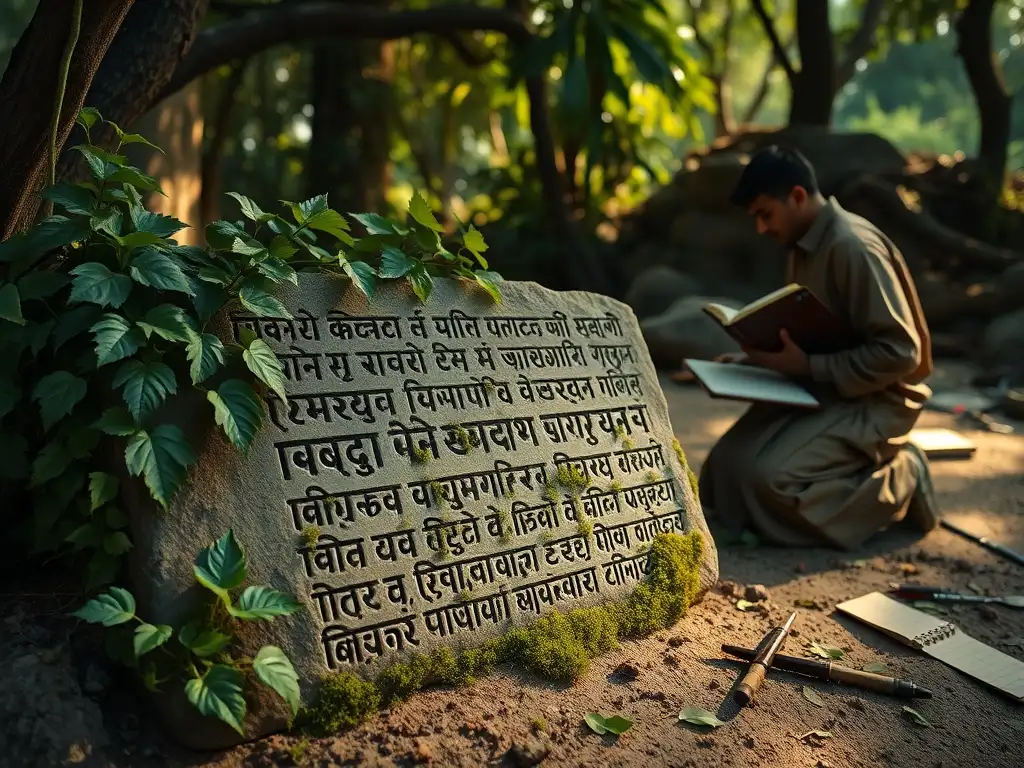
The study of ancient inscriptions presents a myriad of challenges that scholars and researchers must navigate to uncover the rich history of past civilizations. These challenges range from preservation issues to deciphering ancient scripts, each adding layers of complexity to the interpretation and understanding of these invaluable historical artifacts.
Preservation Issues: Environmental and Human Factors
Preservation of ancient inscriptions is critical to ensuring their longevity and accessibility for future generations. Various environmental factors pose significant threats to these inscriptions. For instance:
- Weathering and Erosion: Natural elements such as wind, rain, and temperature fluctuations can lead to the gradual degradation of stone surfaces, making inscriptions less legible over time.
- Pollution: Urbanization and industrialization have introduced pollutants that can corrode and damage inscriptions, particularly those located in urban areas.
- Biological Factors: Moss, lichen, and other biological growths can physically obscure inscriptions and contribute to material decay.
Human factors also play a significant role in the preservation of ancient inscriptions. Vandalism, neglect, and the lack of protective measures can lead to irreversible damage. In some instances, inscriptions have been removed or destroyed due to construction activities or illegal excavations. To combat these challenges, it is essential to implement comprehensive conservation strategies that include environmental monitoring, physical protection, and public awareness campaigns.
Deciphering Ancient Scripts: Techniques and Challenges
Deciphering ancient scripts is a complex process that combines linguistic expertise with historical context. Scholars face several challenges in this domain:
- Linguistic Diversity: Ancient Indian inscriptions often utilize a variety of scripts and languages, such as Brahmi, Kharosthi, and Sanskrit, each requiring specialized knowledge for proper interpretation.
- Fragmentation: Many inscriptions are incomplete or damaged, leading to gaps in understanding that can alter historical narratives. Scholars must rely on comparative analysis with other artifacts and texts to reconstruct lost information.
- Cultural Context: Understanding the cultural and historical context in which these inscriptions were created is crucial. This involves interdisciplinary collaboration, including archaeology, history, and anthropology, to provide a holistic view of the societal norms and values of the time.
Innovative techniques, such as digital imaging and 3D modeling, are increasingly employed to enhance the visibility of inscriptions and aid in their decipherment. However, the inherent complexity of these scripts remains a significant barrier to fully unlocking their meanings.
Future Directions in the Study of Ancient Inscriptions
As the field of epigraphy evolves, future research is poised to explore new methodologies and interdisciplinary collaborations that can enhance our understanding of ancient inscriptions. These directions promise to yield significant insights into ancient Indian civilizations and their contributions to history.
Interdisciplinary Approaches to Inscriptions and Epigraphy
The future of studying ancient inscriptions lies in adopting interdisciplinary approaches that integrate various fields of study. Collaborative efforts between historians, linguists, archaeologists, and even environmental scientists can lead to a more comprehensive understanding of inscriptions. Some potential benefits of this approach include:
- Enhanced Contextualization: By examining inscriptions within the broader context of archaeological findings and historical records, researchers can gain insights into the social, political, and economic factors influencing inscription creation.
- Innovative Research Methods: Interdisciplinary collaboration may yield new methodologies for analyzing inscriptions, such as the application of statistical models or geographic information systems (GIS) to analyze spatial relationships and patterns.
This holistic approach can lead to richer interpretations and may uncover connections between civilizations that were previously unrecognized.
The Role of Technology in Future Discoveries
Technology is set to play a transformative role in the study of ancient inscriptions. Innovations in various fields are enhancing the ways researchers can discover, preserve, and analyze these historical artifacts:
- Digital Imaging and Analysis: Advanced imaging techniques, such as multispectral and hyperspectral imaging, allow researchers to visualize inscriptions in ways that were previously impossible, revealing subtle details obscured by time.
- Artificial Intelligence: Machine learning algorithms are being developed to assist in deciphering ancient scripts, providing tools for pattern recognition and linguistic analysis that can accelerate the translation process.
- Crowdsourcing and Collaboration Platforms: Online platforms enable researchers and enthusiasts to collaborate on transcription and analysis efforts, democratizing access to knowledge and expertise.
As technology continues to evolve, it holds the potential to unlock new findings and enhance our understanding of ancient Indian inscriptions, ultimately contributing to the broader narrative of human history.
Conclusion: The Ongoing Importance of Ancient Indian Inscriptions
The rediscovery of ancient Indian inscriptions has not only augmented our understanding of historical narratives but also emphasized the enduring significance of these artifacts in contemporary scholarship. These inscriptions serve as critical primary sources that offer insights into the socio-political, economic, and cultural dynamics of ancient Indian civilizations. They reflect the thoughts, beliefs, and practices of people long gone, allowing modern scholars to piece together a more nuanced understanding of India's historical tapestry.
In recent years, advances in technology and methodologies have made it increasingly feasible to study inscriptions in greater detail. Techniques such as digital imaging, 3D scanning, and chemical analysis are unlocking information that was previously inaccessible, revealing deeper layers of meaning and context. This technological revolution in the field of epigraphy underscores the need for ongoing investment in research and preservation efforts, ensuring that these invaluable resources can be studied and understood for generations to come.
Reflecting on the Legacy of Ancient Inscriptions
Ancient Indian inscriptions are more than mere relics; they are a testament to the intellectual and artistic achievements of past civilizations. From the edicts of Emperor Ashoka to the inscriptions found in temples and palaces, each artifact tells a unique story that contributes to our collective heritage. These inscriptions not only document historical events but also encapsulate the philosophical and ethical frameworks that guided ancient Indian society.
Moreover, the language and script used in these inscriptions provide critical insights into the evolution of linguistic practices in the region. For instance, the transition from Brahmi to Devanagari illustrates significant cultural and historical shifts. By studying these inscriptions, researchers can trace the development of language and communication in ancient India, which in turn informs our understanding of cultural identity and continuity.
The legacy of ancient inscriptions is also reflected in their influence on modern art, architecture, and literature. Contemporary Indian artists often draw inspiration from these historical texts, while writers and poets incorporate their themes and narratives into modern works. This intertextual dialogue between past and present serves to keep the stories of ancient India alive, enriching the cultural landscape of today.
Encouraging Further Research and Exploration in Inscriptions Studies
As the field of inscriptions studies continues to evolve, it is crucial to encourage further research and exploration. Scholars, archaeologists, and enthusiasts alike should be motivated to delve into the vast repository of inscriptions, many of which remain unstudied or underexplored. Collaborative initiatives between universities, museums, and cultural organizations can facilitate this research, promoting interdisciplinary approaches that combine history, archaeology, linguistics, and digital humanities.
Public engagement and education are also vital to the continued exploration of ancient inscriptions. Exhibitions, workshops, and outreach programs can raise awareness about the importance of these artifacts, inspiring a new generation of researchers and enthusiasts. By fostering a deeper appreciation for ancient inscriptions, we can cultivate a sense of stewardship that encourages preservation efforts and responsible scholarship.
The ongoing study of ancient Indian inscriptions holds immense promise not only for understanding our past but also for informing our present and future. As we continue to uncover the significance of these inscriptions, we deepen our connection to the rich history of ancient India, ensuring that its lessons and legacies endure.
- Introduction to Ancient Indian Inscriptions
- Recent Discoveries of Ancient Inscriptions
- The Significance of Ancient Indian Inscriptions
- Case Studies of Significant Ancient Inscriptions
- Challenges in the Study of Ancient Inscriptions
- Future Directions in the Study of Ancient Inscriptions
- Conclusion: The Ongoing Importance of Ancient Indian Inscriptions
Frequently Asked Questions
What are ancient Indian inscriptions?
Ancient Indian inscriptions are writings found on materials like stone, metal, and pottery, which provide valuable insights into the history, culture, and languages of ancient India.
Why are ancient Indian inscriptions significant?
These inscriptions hold significance as they offer direct evidence of the social, political, and religious practices of ancient civilizations, enhancing our understanding of historical narratives.
What recent discoveries have been made regarding ancient inscriptions?
Recent archaeological efforts have led to the rediscovery of various inscriptions, shedding light on previously unknown historical events and cultural practices in ancient Indian societies.
How do inscriptions contribute to our knowledge of ancient Indian civilizations?
Inscriptions contribute by documenting royal decrees, trade activities, and religious beliefs, thus providing a comprehensive view of the complexities within ancient Indian civilizations.
What role did inscriptions play in the Gupta Empire?
During the Gupta Empire, inscriptions served as important tools for administration and governance, recording laws, achievements, and promoting cultural identity among the populace.
Final Reflection: The Significance of Ancient Indian Inscriptions in Today’s World
The exploration of ancient Indian inscriptions not only unveils the rich tapestry of our history but also underscores their significance in understanding contemporary cultural identities. As we delve into the recent discoveries of these inscriptions, we recognize their profound relevance in today's society, where the quest for identity and heritage is more pressing than ever. The echoes of the past resonate with us, reminding us that our roots shape our present and future.
The influence of ancient inscriptions extends far beyond mere historical curiosity; they serve as a bridge connecting us to our ancestors and their wisdom. These inscriptions are not just artifacts; they are living narratives that continue to inspire and inform our cultural landscape.
As we reflect on their ongoing impact, we are reminded of the words of historian Romila Thapar: > “History is not just about the past; it is about the present and the future.” This perspective invites us to consider how these ancient texts inform our understanding of social structures, belief systems, and artistic expressions that persist in modern India.
As we conclude this exploration, I invite you to reflect on the significance of these ancient inscriptions in your own life. Consider how understanding our history can empower us to navigate the complexities of the present. Let the stories etched in stone inspire you to seek out your own heritage, fostering a deeper connection to the cultural narratives that shape who we are today. Embrace the lessons of the past as you forge your path into the future, ensuring that the wisdom of our ancestors continues to illuminate our journey.
Unveil the Mysteries of Ancient Inscriptions!
Thank you for exploring the fascinating world of ancient inscriptions with us! We hope you gained valuable insights into recent discoveries and their profound significance. Now, it’s time to take action and dive deeper into this remarkable history.
- Join a community of history enthusiasts by following our blog for the latest updates and engaging discussions on recent discoveries.
- Delve into the past by visiting local museums or exhibitions that showcase ancient inscriptions and artifacts.
- Consider starting a book club focused on ancient history, where you can explore diverse perspectives and share your passion with others!
Which ancient inscription or discovery would you love to see explored further in the future?