
Preserving Ancient Inscriptions: Techniques and Technologies

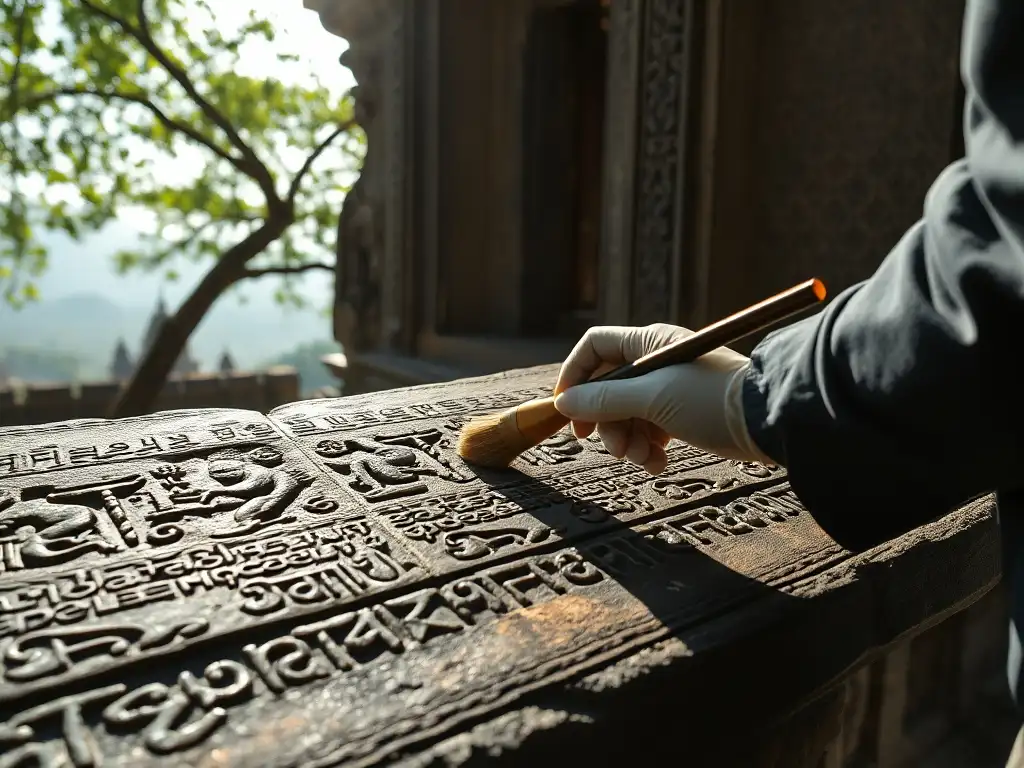
Welcome to Ancient India History, where we invite you to embark on a fascinating journey through the rich tapestry of ancient Indian civilizations. In this exploration, we delve into the art of preserving ancient inscriptions, unlocking the secrets etched in time and revealing the profound stories they tell. Our featured article, "Preserving Ancient Inscriptions: Techniques and Technologies," will guide you through innovative methods and cutting-edge technologies that safeguard these invaluable pieces of heritage. Join us as we uncover the past and inspire future generations to cherish the legacy of ancient India!
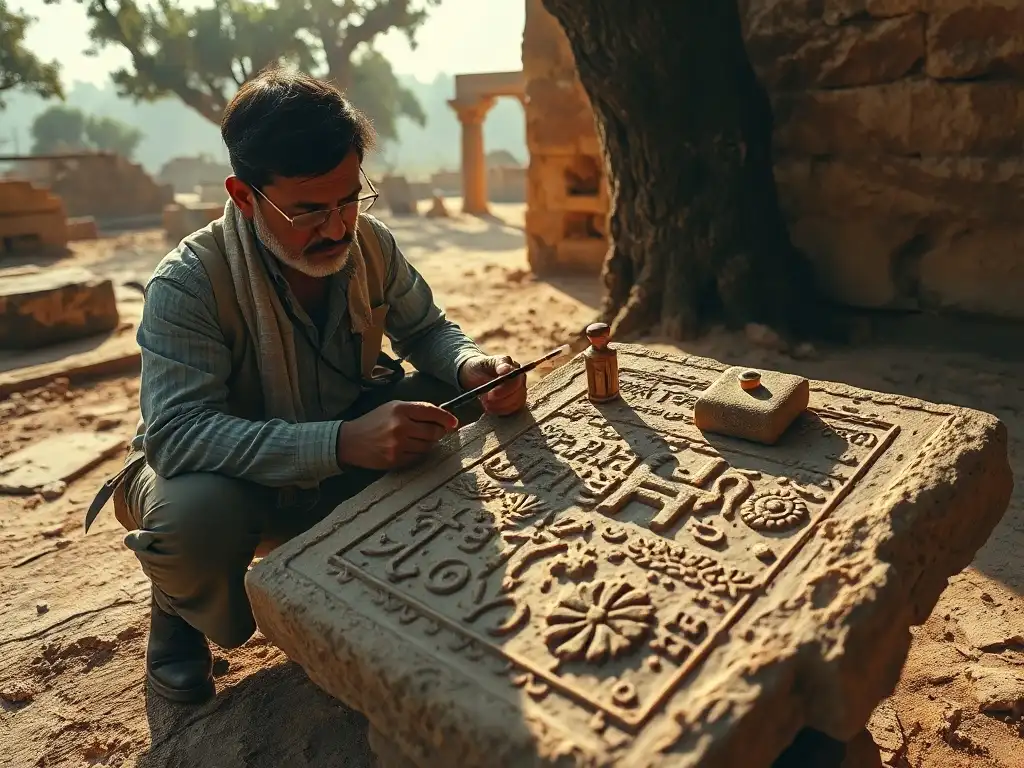
Introduction to Preserving Ancient Indian Inscriptions
The preservation of ancient inscriptions is not merely a matter of maintaining artifacts; it is a crucial endeavor that connects us to the past, offering insights into the rich tapestry of ancient Indian civilizations. These inscriptions serve as a window into the beliefs, practices, and daily lives of the people who inhabited this vibrant subcontinent, ranging from the sophisticated urban planners of the Indus Valley to the scholarly pursuits of the Gupta Empire.
As we delve into the techniques and technologies employed in preserving these invaluable records, we highlight their significance in understanding our collective heritage and the ongoing efforts to safeguard this knowledge for future generations.
Importance of Ancient Inscriptions in Indian History
Ancient inscriptions are vital historical documents that contribute significantly to our understanding of Indian history. They provide evidence of:
- Political Dynamics: Inscriptions often document royal decrees, territorial claims, and the establishment of dynasties, offering insights into the power structures of the time.
- Cultural Practices: Many inscriptions contain religious texts, rituals, and philosophical ideas that reflect the cultural and spiritual life of ancient societies.
- Economic Transactions: They frequently record trade agreements, land grants, and taxation, shedding light on the economic practices and relationships within and between ancient communities.
- Linguistic Evolution: As carriers of language, inscriptions reveal the development of scripts and dialects, contributing to our understanding of linguistic history in the region.
These inscriptions are indispensable for historians, archaeologists, and scholars alike, as they provide a direct link to the narratives of ancient India.
Overview of Techniques for Preservation
The preservation of ancient inscriptions requires a multifaceted approach, incorporating various techniques and technologies to ensure that these artifacts withstand the test of time. Key methods include:
- Physical Conservation: This involves cleaning, stabilizing, and repairing the physical structure of inscriptions. Techniques may include the careful removal of dirt and pollutants, applying protective coatings, and using specialized adhesives for fractured pieces.
- Digital Archiving: Advanced technologies allow for the digitization of inscriptions, creating high-resolution images and 3D models that can be shared and studied without risking damage to the original artifacts.
- Environmental Controls: Maintaining optimal temperature and humidity levels in storage and display areas is crucial to prevent deterioration caused by environmental factors.
- Chemical Treatments: Specialized chemical applications can protect inscriptions from corrosion and biological growth while preserving the integrity of the material.
- Community Involvement: Engaging local communities in preservation efforts not only raises awareness but also fosters a sense of ownership and responsibility for cultural heritage.
Understanding Ancient Inscriptions
Definition and Significance of Inscriptions in Ancient India
Inscriptions are defined as written records, typically engraved on durable materials such as stone, metal, or clay. In the context of ancient India, these artifacts hold immense significance as they encapsulate various aspects of life, governance, and belief systems. They serve not only as historical records but also as cultural artifacts that reflect the artistic and linguistic nuances of their time.
Types of Ancient Inscriptions Found in India
Ancient India is home to a diverse array of inscriptions, each serving unique functions and purposes. Common types include:
- Epigraphs: These are engraved texts that provide historical narratives or religious messages.
- Royal Inscriptions: Often commissioned by emperors, these inscriptions proclaim victories, lineage, and divine favor.
- Religious Inscriptions: Found in temples and pilgrimage sites, these texts often contain hymns, prayers, and philosophical discourses.
- Funerary Inscriptions: These commemorate individuals, often detailing their achievements and lineage.
By understanding these different types of inscriptions, we can better appreciate their role in the cultural and historical landscape of ancient India.
Challenges in Preserving Ancient Inscriptions
The preservation of ancient inscriptions presents numerous challenges that stem from both natural and human-induced factors. These inscriptions, often etched in stone or metal, are invaluable records of history, culture, and language. However, their longevity is threatened by a variety of degradation processes that can lead to their eventual loss.
One significant challenge is the deterioration of the material itself. Inscriptions carved into stone can be susceptible to weathering, while those made of less durable materials may suffer from corrosion or decay over time. Additionally, the location of these inscriptions often plays a crucial role in their preservation; those situated in harsh climates or exposed to environmental elements are at a higher risk.
Environmental Factors Affecting Inscriptions
Environmental conditions are one of the primary threats to ancient inscriptions. Factors such as humidity, temperature fluctuations, and pollution can accelerate the degradation process.
- Humidity can promote the growth of moss, fungi, and lichens, which can physically erode the surface of the inscriptions. For example, high moisture levels can lead to the leaching of minerals from the stone, resulting in pitting and loss of detail.
- Temperature fluctuations can cause thermal expansion and contraction, resulting in cracks and fissures in the material. This is particularly true for inscriptions in regions with extreme temperature variations.
- Pollution is another critical concern. Acid rain, a byproduct of industrial emissions, can chemically react with the minerals in stone, leading to further deterioration. In urban areas, airborne pollutants can settle on inscriptions, creating a corrosive environment that accelerates their decline.
Human Impact on the Degradation of Inscriptions
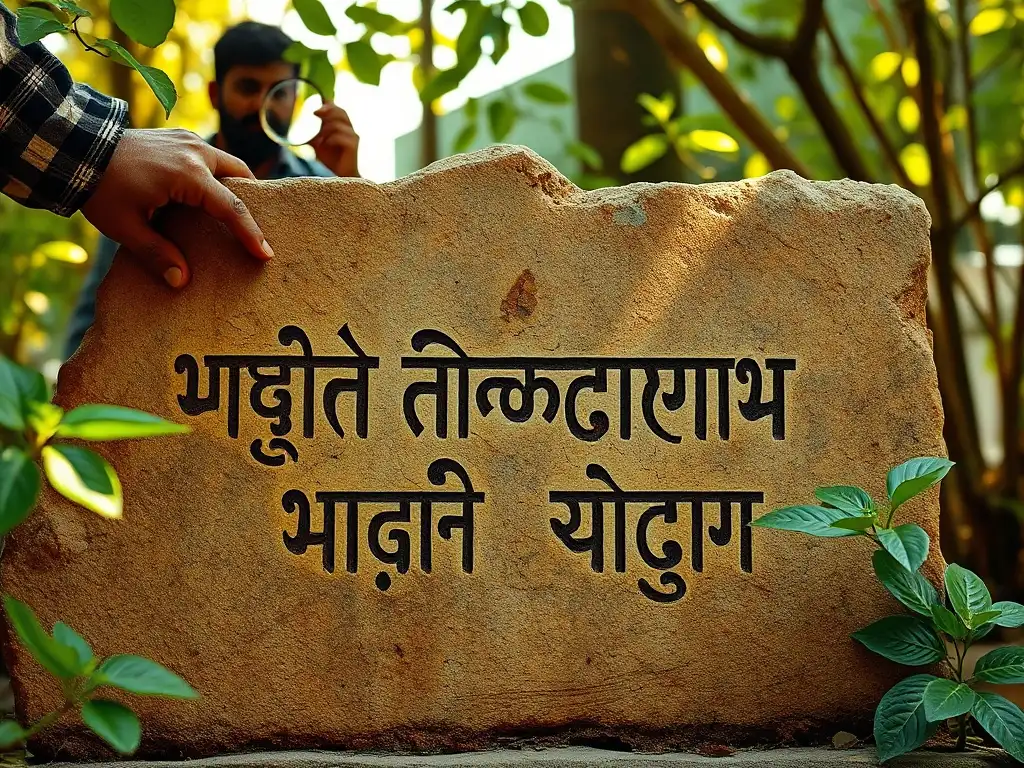
Human activity poses a significant threat to the preservation of ancient inscriptions. The impact can be both direct and indirect, often exacerbating the effects of environmental degradation.
- Vandalism is a major concern, with individuals carving their names or symbols into ancient stones, which not only defaces the inscriptions but also weakens the structural integrity of the material.
- Tourism can lead to increased foot traffic and physical contact with inscriptions, causing wear and tear. In popular sites, the lack of protective measures can result in irreversible damage.
- Urban development often leads to the destruction of sites containing inscriptions. Construction activities can disturb or entirely remove these historical artifacts, highlighting the need for greater awareness and protection.
Traditional Techniques for Preserving Ancient Inscriptions
While modern technology plays a role in preservation efforts, traditional techniques have been employed effectively throughout history to protect ancient inscriptions. These methods are rooted in cultural practices and an understanding of materials.
Manual Restoration Methods
Manual restoration methods involve skilled artisans using traditional tools and techniques to repair and stabilize inscriptions. This can include:
- Cleaning the surface using soft brushes and natural solvents to remove dirt and biological growth without causing damage.
- Re-etching lost or faded portions of the inscription, ensuring that the original style and material are respected.
- Stabilizing loose fragments or chips with natural adhesives that blend with the original material, ensuring that restorations are both effective and discreet.
The expertise of artisans is crucial in these processes, as they must balance the need for restoration with the integrity of the original inscription.
Use of Natural Materials in Preservation
Natural materials have traditionally been favored in the preservation of ancient inscriptions due to their compatibility with the original substance. Examples include:
- Clay and clay-based plasters which can be used to fill in gaps or cracks, allowing for a more seamless integration with the original structure.
- Organic compounds such as beeswax or natural oils can provide a protective layer, helping to shield inscriptions from moisture and pollutants.
These materials not only help in preserving the physical integrity of the inscriptions but also align with the historical context of the artifacts, ensuring that restoration efforts are respectful of their origins.
Case Studies of Successful Traditional Preservation
There are several noteworthy examples of traditional preservation techniques successfully applied to ancient inscriptions.
- The Ashoka Pillars: Preservation efforts in India have focused on cleaning and restoring the inscriptions on these iconic pillars, utilizing local artisans skilled in traditional methods. The use of natural materials has helped maintain the authenticity of these ancient texts.
- The Rock Edicts of Emperor Ashoka: In various locations, local communities have engaged in restoration projects that emphasize the use of manual techniques to avoid damaging the intricate carvings, showcasing the effectiveness of traditional practices.
- The Inscriptions in Ellora Caves: Here, conservationists have employed traditional cleaning methods, using soft brushes and natural solvents to protect the ancient inscriptions from degradation while maintaining their historical significance.
These case studies highlight the importance of traditional techniques in preserving ancient Indian inscriptions, ensuring that future generations can continue to explore and learn from these invaluable cultural artifacts.
Modern Technologies in Preserving Ancient Inscriptions
The preservation of ancient inscriptions is critical to maintaining the historical and cultural heritage of civilizations, especially those of ancient India. As these artifacts face threats from environmental factors, human activities, and time, modern technologies offer innovative solutions to safeguard them. Techniques such as digital imaging, chemical treatments, and advanced computational methods are revolutionizing the field of epigraphy. These technologies not only help in the physical preservation of inscriptions but also facilitate better understanding and accessibility for researchers and the general public.
Digital Imaging and 3D Scanning Technologies
Digital imaging and 3D scanning have emerged as powerful tools in the preservation of ancient inscriptions. High-resolution photography captures intricate details of inscriptions without physical contact, minimizing the risk of damage. Techniques such as photogrammetry allow researchers to create three-dimensional models of inscriptions, enabling detailed analysis from multiple angles.
3D scanning technologies, like laser scanning, produce highly accurate replicas that can be used for study and display purposes. These models can be printed or viewed in virtual reality, providing an immersive experience for scholars and enthusiasts. Additionally, digital archives created from these technologies ensure that the information is preserved for future generations, making it easier to study and share ancient texts.
Chemical Treatments and Their Effectiveness
Chemical treatments play a significant role in the preservation of ancient inscriptions, particularly those made from stone or metal. These treatments often involve the application of consolidants, which penetrate the material and strengthen its structure. For instance, alkoxysilanes are commonly used to protect stone inscriptions from weathering and decay.
However, the effectiveness of chemical treatments can vary based on the material and environmental conditions. It is crucial for conservators to conduct thorough testing before applying any treatment to ensure it does not cause adverse reactions. Regular monitoring and maintenance are also necessary to evaluate the long-term impact of these treatments on the inscriptions.
The Role of AI and Machine Learning in Deciphering Inscriptions
Artificial intelligence (AI) and machine learning are transforming the way researchers decipher ancient inscriptions. These technologies can analyze patterns in script and language, assisting scholars in identifying and interpreting texts that might be illegible to the human eye. For instance, algorithms can be trained to recognize specific characters or symbols, even in fragmented inscriptions.
Moreover, AI can automate the process of transcription, significantly speeding up research efforts. This technology also enables the comparison of inscriptions across different regions and time periods, providing insights into historical connections and evolution of scripts. By harnessing the power of AI, researchers can unlock the secrets of ancient languages and enhance our understanding of India's rich cultural heritage.
Best Practices for Preserving Ancient Indian Inscriptions
The preservation of ancient inscriptions requires a multifaceted approach that combines modern technology with traditional methods. Best practices involve a collaborative effort among conservators, archaeologists, and local communities to ensure that these invaluable artifacts are protected and maintained.
Guidelines for Conservators and Archaeologists
Conservators and archaeologists must adhere to established guidelines when preserving ancient inscriptions. These include conducting comprehensive assessments of the inscriptions' condition, using appropriate tools and materials for cleaning and stabilization, and documenting every intervention meticulously.
Training and education are vital to ensure that preservation efforts are based on the latest research and techniques. Furthermore, implementing a systematic monitoring program can help track the condition of inscriptions over time, allowing for timely interventions when necessary.
Community Involvement in Preservation Efforts
Engaging local communities in preservation efforts is crucial for the sustainability of ancient inscriptions. Community involvement fosters a sense of ownership and responsibility towards cultural heritage. Educating locals about the significance of inscriptions and the methods used for their preservation can lead to grassroots initiatives that support conservation efforts.
Workshops and outreach programs can empower communities to actively participate in protecting their heritage. Collaborating with local organizations and schools to raise awareness about ancient inscriptions not only aids in preservation but also enriches the cultural identity of the community. Through collective action, the legacy of ancient Indian inscriptions can be preserved for future generations to appreciate and learn from.
Case Studies of Successful Preservation Projects
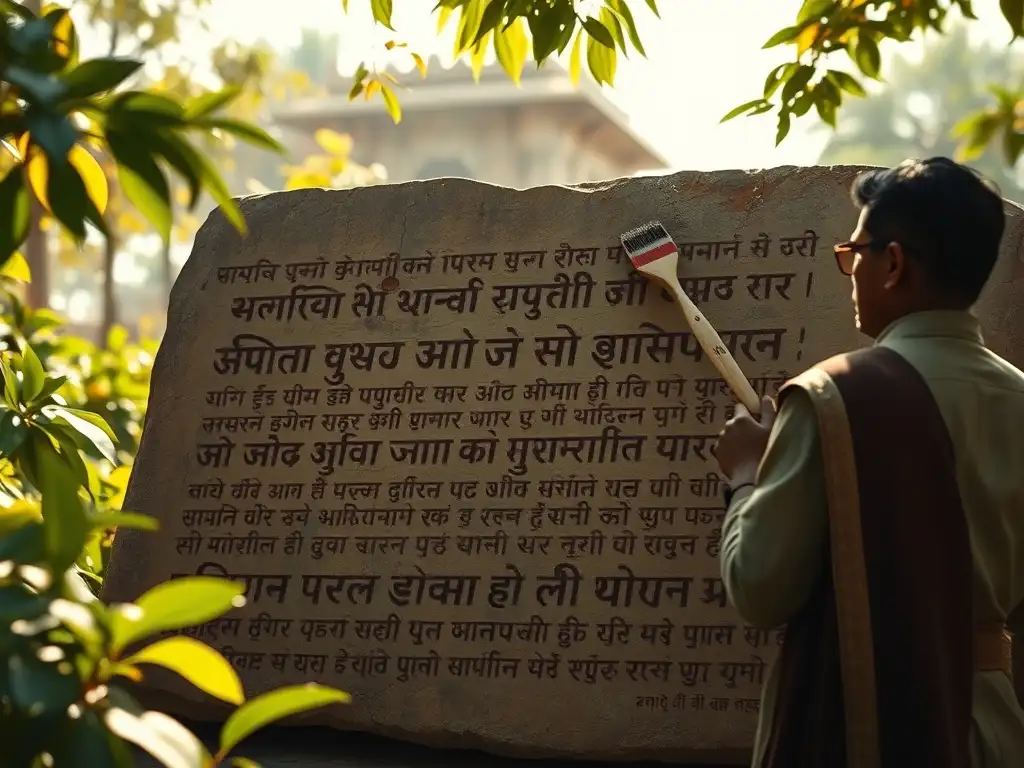
Preserving ancient Indian inscriptions has been a crucial aspect of safeguarding the rich heritage of India. Several successful preservation projects have emerged, showcasing innovative techniques and collaborative efforts. Notable among these are:
- The Archaeological Survey of India (ASI) Initiatives: The ASI has undertaken numerous projects aimed at documenting and preserving inscriptions across the country. Their efforts include the meticulous recording of inscriptions found on temples, stupas, and ancient structures, utilizing techniques such as digital imaging and three-dimensional scanning to ensure accurate representation.
- The Tamil Nadu Government's Epigraphy Project: This project focuses on the extensive collection of Tamil inscriptions, which are vital for understanding the region's history. It employs advanced photography and chemical treatments to stabilize and preserve fragile inscriptions, alongside public outreach programs to educate communities about their historical significance.
- The Indian Council of Historical Research (ICHR) Projects: The ICHR has been instrumental in promoting the study and preservation of ancient inscriptions. Their projects often involve collaborations with universities and research institutions, resulting in comprehensive publications that document the findings and preservation methodologies.
These case studies illustrate the diverse approaches taken to preserve ancient inscriptions, highlighting the importance of interdisciplinary collaboration and the application of modern technologies.
Analysis of Notable Preservation Projects in India
The analysis of notable preservation projects in India reveals a multifaceted approach to dealing with the challenges of preserving ancient inscriptions. For instance, the Sarnath Inscription Project involved not just preservation, but also interpretation, allowing historians to gain insights into the socio-political conditions of the time. This project utilized a combination of traditional techniques, such as rubbing and casting, along with modern methods like photogrammetry.
Another significant example is the Brahmi Inscriptions Preservation Initiative in Madhya Pradesh, which focused on inscriptions dating back to the 3rd century BCE. This project adopted a unique methodology by integrating local communities into the preservation process, ensuring that traditional knowledge and practices were respected and incorporated into modern techniques.
Moreover, the Hampi Inscriptions Conservation Project demonstrated the effective use of chemical treatments to stabilize weathered inscriptions. The project's success lies in the collaboration between archaeologists, chemists, and local artisans, showcasing how diverse expertise can enhance preservation efforts.
Lessons Learned from Preservation Efforts
From various preservation projects, several key lessons have emerged:
- Interdisciplinary Collaboration: Successful preservation often requires the collaboration of archaeologists, historians, chemists, and local communities. This diverse expertise enhances the efficacy of preservation methods.
- Community Involvement: Engaging local communities fosters a sense of ownership and responsibility towards cultural heritage. Community-driven initiatives have proven effective in raising awareness and ensuring the sustainability of preservation efforts.
- Adaptation of Traditional Techniques: While modern technologies play a crucial role, traditional preservation methods should not be overlooked. Techniques such as rubbing and casting can provide valuable data and should be integrated with contemporary approaches.
- Documentation and Publicity: Thorough documentation of preservation efforts and results not only aids future projects but also serves to educate the public about the importance of preserving ancient inscriptions.
These lessons highlight the need for a holistic approach to preserving ancient inscriptions, emphasizing the importance of collaboration, community engagement, and the integration of both old and new techniques.
Conclusion: The Future of Preserving Ancient Indian Inscriptions
The future of preserving ancient Indian inscriptions is promising, especially with ongoing advancements in technology and a growing awareness of cultural heritage's significance. As we move forward, it is crucial to adopt innovative strategies that incorporate modern tools while respecting traditional practices.
The Role of Technology in the Future of Epigraphy
Technological advancements, particularly in digital imaging, artificial intelligence, and 3D printing, are set to revolutionize the field of epigraphy. Tools such as hyperspectral imaging allow researchers to reveal inscriptions that are otherwise invisible to the naked eye, providing new insights into ancient texts. Furthermore, the application of machine learning algorithms can assist in deciphering complex scripts by analyzing patterns and providing predictive analysis.
Moreover, the use of online databases and platforms for sharing findings will enhance collaboration among scholars globally, ensuring that knowledge is disseminated widely and preserved for future generations. The integration of technology into preservation efforts not only improves accuracy but also engages a broader audience in the appreciation of ancient inscriptions.
Call to Action for Preservation Initiatives
To ensure the preservation of ancient Indian inscriptions, a collective effort is essential.
- Support Local Initiatives: Individuals and organizations are urged to support local preservation projects, whether through funding, volunteering, or simply spreading awareness about their importance.
- Advocate for Policies: Advocating for government support and funding for preservation initiatives can lead to more robust frameworks for safeguarding heritage sites and inscriptions.
- Promote Education: Educating younger generations about the significance of ancient inscriptions can foster a culture of respect and appreciation for heritage, ensuring that the legacy of ancient Indian civilizations continues to thrive.
Preserving ancient Indian inscriptions is not merely a task for historians and archaeologists; it requires the involvement of society as a whole. By embracing technology and fostering community engagement, we can ensure that these invaluable records of our past endure for posterity.
References and Further Reading on Ancient Indian Inscriptions
The study and preservation of ancient Indian inscriptions have garnered attention from scholars, archaeologists, and historians alike. There is a rich body of literature and resources dedicated to understanding and preserving these invaluable artifacts. This section provides key literature and recommended resources for those interested in the preservation techniques of ancient inscriptions.
Key Literature on Preservation Techniques
-
"Preservation of Cultural Heritage: A Global Perspective" by A. B. Sharma
This book explores various methods of preserving cultural artifacts, including ancient inscriptions. It discusses the importance of maintaining the integrity of inscriptions while utilizing modern techniques.
-
"Inscriptions of Ancient India: Methods and Management" by C. R. Gupta
Gupta’s work focuses specifically on ancient Indian inscriptions, detailing the methodologies used in their preservation and the challenges faced by conservators.
-
"The Art of Inscription: Techniques in Ancient India" by D. K. Sen
This publication delves into the artistic techniques employed in creating inscriptions and how these can inform preservation practices today.
-
"Conservation of Stone Inscriptions: Techniques and Case Studies" by N. R. Joshi
Joshi provides practical insights on the conservation of stone inscriptions, including case studies that highlight successful preservation strategies in India.
-
"Cultural Heritage Conservation in India: Challenges and Strategies" by P. M. Verma
This comprehensive analysis covers the broader context of cultural heritage conservation in India, discussing specific challenges related to ancient inscriptions and innovative strategies for their preservation.
Recommended Resources for Further Exploration
-
Indian Archaeological Society Publications
The society publishes a range of materials that include research papers and findings related to archaeological practices, including the preservation of inscriptions.
-
National Museum Institute of History of Art, Conservation and Museology (NMI)
NMI offers various programs and workshops focused on conservation techniques, including those for ancient inscriptions.
-
Archaeological Survey of India (ASI)
ASI's website provides access to reports and guidelines on the preservation of cultural heritage, including inscriptions found across the country.
-
Online Databases and Journals
Platforms such as JSTOR and ResearchGate host numerous academic articles and papers that explore various aspects of inscription preservation, accessible for those conducting in-depth research.
-
Documentary Series on Ancient Indian Artifacts
Various documentaries provide visual insights into the preservation processes of ancient Indian inscriptions, highlighting both the challenges and successes in the field.
By engaging with these resources, scholars and enthusiasts can gain a comprehensive understanding of the importance of preserving ancient Indian inscriptions and the techniques employed in their conservation.
- Introduction to Preserving Ancient Indian Inscriptions
- Understanding Ancient Inscriptions
- Challenges in Preserving Ancient Inscriptions
- Environmental Factors Affecting Inscriptions
- Human Impact on the Degradation of Inscriptions
- Traditional Techniques for Preserving Ancient Inscriptions
- Modern Technologies in Preserving Ancient Inscriptions
- Best Practices for Preserving Ancient Indian Inscriptions
- Case Studies of Successful Preservation Projects
- Conclusion: The Future of Preserving Ancient Indian Inscriptions
- References and Further Reading on Ancient Indian Inscriptions
Frequently Asked Questions
What are ancient Indian inscriptions?
Ancient Indian inscriptions are written records found on various materials like stone, metal, and clay, which provide insights into the culture, language, and history of ancient civilizations.
Why is preserving ancient inscriptions important?
Preserving ancient inscriptions is crucial for maintaining cultural heritage and understanding the historical context and contributions of ancient Indian civilizations to the world.
What techniques are used for preserving inscriptions?
Techniques for preserving inscriptions include cleaning, restoration, and documentation, which help prevent further deterioration and ensure that these cultural artifacts are accessible for future generations.
What technologies aid in the preservation of inscriptions?
Modern technologies such as 3D scanning, laser cleaning, and digital archiving play a significant role in preserving ancient inscriptions by providing accurate records and enabling remote access to historical data.
How can individuals contribute to preserving ancient inscriptions?
Individuals can contribute by supporting archaeological projects, advocating for cultural preservation, and raising awareness about the importance of protecting these historical treasures through community initiatives.
Final Reflection: The Timeless Importance of Preserving Ancient Inscriptions
The preservation of ancient inscriptions is not merely an academic pursuit; it is a vital connection to our shared history and cultural identity. In today's rapidly changing world, where technology often overshadows tradition, the significance of safeguarding these inscriptions has never been more critical. They serve as a bridge to our past, offering insights into the thoughts, beliefs, and practices of those who came before us. The urgency to protect these artifacts is underscored by the fact that once lost, they cannot be replaced.
Cultural heritage is the foundation of our identity, and ancient inscriptions are a testament to the rich tapestry of human experience. The techniques and technologies we employ to preserve these inscriptions reflect our commitment to honoring our ancestors and understanding our roots. As we navigate the complexities of modern life, we must remember the words of Mahatma Gandhi: > “A nation's greatness is measured by how it treats its weakest members.” This sentiment extends to our cultural heritage, reminding us that the preservation of ancient inscriptions is an act of respect for those who have shaped our world.
As we look to the future, I invite you to reflect on your role in this vital endeavor. Consider how you can contribute to the preservation of ancient inscriptions, whether through advocacy, education, or personal engagement with cultural heritage. Each of us has the power to make a difference, ensuring that future generations inherit a rich and diverse history. Let us commit to safeguarding these invaluable treasures, not just for ourselves, but for the legacy we leave behind.
Unveil the Secrets of Ancient Inscriptions!
Thank you for diving into the fascinating world of ancient inscriptions with us! We hope you’ve gained valuable insights into the techniques and technologies that keep these historical treasures alive. Now, it’s your turn to take action and help preserve our rich heritage!
Here are a few impactful steps you can take right now:
- Join a local preservation group focused on safeguarding ancient artifacts and inscriptions. Your involvement can truly make a difference in your community!
- Share this knowledge with friends and family by discussing the importance of conservation or even organizing a small talk or workshop to raise awareness.
- Explore further by visiting a museum or historical site that showcases ancient inscriptions, and consider documenting your experiences to enrich community discussions.
What ancient inscription or technique captivates you the most, and how do you plan to share your newfound knowledge with others?