
The Use of Inscriptions in Documenting Warfare and Conquests in Ancient India


Welcome to Ancient India History, where we embark on a captivating journey through the rich tapestry of ancient Indian civilizations. Dive deep into the fascinating world of warfare and conquests, as we explore how ancient Indian warfare inscriptions served as vital records, illuminating the strategies, victories, and legacies of a bygone era. What secrets do these inscriptions hold about the valor and culture of ancient warriors? Join us in uncovering the stories etched in stone that have shaped India's historical narrative. Ready to unravel the mysteries? Let's delve into the remarkable insights that await you!
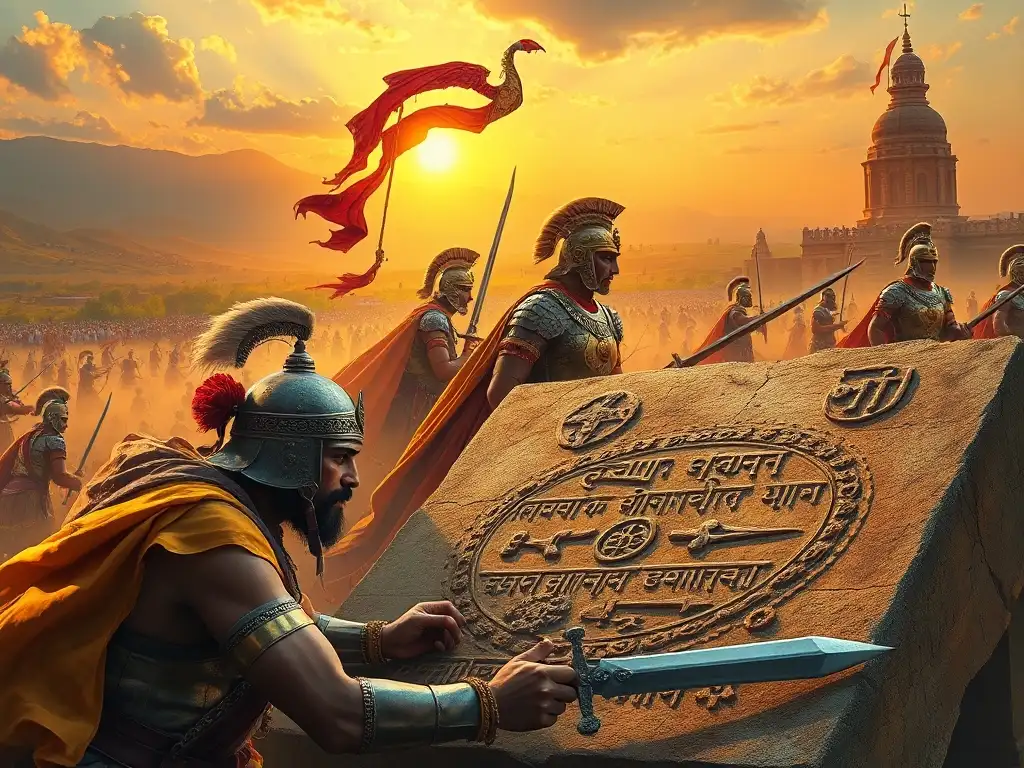
Introduction to Ancient Indian Warfare Inscriptions
The ancient Indian subcontinent, with its rich tapestry of history, culture, and civilization, has long been a subject of fascination for historians and archaeologists alike. One of the most significant aspects of this historical narrative is the use of inscriptions as a primary source of information on warfare and conquests.
These inscriptions, often etched on stone, metal, or pottery, serve as crucial records that not only document military campaigns but also provide insights into the political, social, and cultural contexts of the periods they represent. By exploring these ancient Indian warfare inscriptions, we gain a clearer understanding of the dynamics of power, territorial expansion, and the societal impacts of war throughout the ages.
Definition of Inscriptions in Historical Context
Inscriptions can be defined as written records that are engraved or carved onto durable materials. In the context of ancient India, these inscriptions often include decrees, edicts, and commemorative texts that reflect the historical significance of events, particularly those related to warfare. They serve as both artifacts and texts, preserving the narratives of battles, treaties, and military achievements for future generations. The epigraphic tradition in India dates back to the Indus Valley Civilization and evolved through various dynasties, culminating in the sophisticated inscriptions of the Gupta Empire.
Importance of Warfare Inscriptions in Ancient India
Warfare inscriptions hold immense importance in understanding ancient Indian history. They provide:
- Primary Evidence: These inscriptions offer firsthand accounts of battles, conquests, and military strategies employed by various rulers.
- Cultural Insights: They reflect the values, beliefs, and ideologies that shaped the societies involved in warfare, including concepts of heroism, honor, and duty.
- Political Dynamics: Inscriptions often reveal the relationships between different kingdoms, alliances formed, and rivalries that influenced the political landscape of ancient India.
- Chronological Framework: By dating these inscriptions, historians can construct timelines of significant military events, allowing for a more comprehensive understanding of historical progression.
Overview of Ancient Indian Warfare
Ancient Indian warfare was characterized by its diversity and complexity, shaped by various factors including geography, technology, and cultural practices. The following sections delve into the key elements that defined warfare in ancient India.
Key Periods of Warfare in Ancient India
The history of ancient Indian warfare can be divided into several key periods, each marked by distinctive strategies and technological advancements:
- Indus Valley Civilization (c. 3300–1300 BCE): Early evidence of fortifications and weapons suggests a structured approach to defense.
- Vedic Period (c. 1500–500 BCE): The emergence of large-scale battles and the establishment of warrior clans, with battles often described in epic texts like the Mahabharata.
- Maurya Empire (c. 322–185 BCE): Centralized military power under rulers like Chandragupta Maurya and Ashoka, marked by extensive conquests and the promotion of Buddhism after the Kalinga War.
- Gupta Empire (c. 320–550 CE): A period of significant military innovation and territorial expansion, with inscriptions documenting battles and conquests.
Major Civilizations Involved in Warfare
Throughout ancient Indian history, several major civilizations played pivotal roles in warfare:
- Maurya Empire: Known for its military conquests and centralized administration.
- Gupta Empire: Often referred to as the "Golden Age" of India, marked by both cultural and military advancements.
- Chola Dynasty: Renowned for its naval power and expansive campaigns in Southeast Asia.
- Rajputs: Celebrated for their valor and chivalry, engaging in numerous battles against various invaders.
Types of Warfare in Ancient Indian History
The nature of warfare in ancient India varied widely, encompassing:
- Conventional Battles: Large-scale confrontations between armies, often documented in inscriptions.
- Guerrilla Tactics: Smaller units employing surprise attacks and ambushes, particularly in difficult terrains.
- Sieges: Fortifications were common, leading to protracted sieges that are often described in contemporary inscriptions.
- Naval Warfare: Particularly during the Chola Dynasty, where maritime power was essential for trade and territorial expansion.
By investigating the role of inscriptions in documenting these aspects of warfare, we gain valuable insights into the historical significance of military conflicts in shaping ancient Indian civilization.
Role of Inscriptions in Documenting Warfare
Inscriptions have played a crucial role in documenting the history of warfare and conquests in ancient India. These inscriptions, often engraved on stone, metal, or pottery, serve as primary sources that provide insights into military strategies, significant battles, and the political climate of the times. They not only record the victories and achievements of rulers but also elaborate on the social and economic conditions that influenced these military campaigns.
The inscriptions functioned as both a means of communication and a method for legitimizing power. By commemorating victories, leaders could reinforce their authority and instill a sense of pride among their subjects. Furthermore, these records often included details about the resources allocated for wars, the scale of military mobilization, and even the impact of warfare on local populations, making them invaluable for understanding the broader context of ancient Indian warfare.
Historical Significance of Inscriptions in Warfare

The historical significance of inscriptions related to warfare in ancient India cannot be overstated. They serve as a bridge between the past and present, allowing historians and archaeologists to reconstruct events that shaped the subcontinent's history. Inscriptions like those from the Mauryan Empire, particularly the Ashoka Edicts, provide a narrative of how military conquests were not just about territorial expansion but also involved the propagation of ideology and governance.
These records often highlight the evolution of warfare techniques, the development of military organizations, and changes in weaponry over time. Moreover, inscriptions reveal the cultural exchanges and interactions that occurred during military campaigns, showcasing the influence of warfare on trade, diplomacy, and cultural assimilation.
Inscriptions concerning warfare and conquests in ancient India can be categorized into several types:
- Victory Inscriptions: Commemorating successful military campaigns, these inscriptions often detail the battles won, territories conquered, and the glory of the rulers.
- Edicts: These are formal proclamations that may discuss military conduct, the treatment of conquered peoples, and the moral implications of warfare, as seen in the edicts of Ashoka.
- Foundation Inscriptions: These inscriptions mark the establishment of forts, cities, or military outposts, emphasizing the strategic military importance of these locations.
- Grants and Donations: Some inscriptions document land grants or donations made to temples or communities following military conquests, reflecting the socio-economic impacts of warfare.
Each type of inscription contributes to a comprehensive understanding of ancient Indian warfare, shedding light on both the military and societal aspects of the time.
Notable Examples of Ancient Indian Warfare Inscriptions
The Ashoka Edicts and Military Campaigns
The Ashoka Edicts, inscribed during the reign of Emperor Ashoka (268-232 BCE), are among the most significant records of ancient Indian warfare. These inscriptions, scattered across the Indian subcontinent, not only commemorate Ashoka's military conquests, such as the Kalinga War, but also illustrate his subsequent transformation from a warrior to a proponent of dharma (moral law). The edicts reflect his commitment to non-violence and the ethical treatment of conquered peoples, marking a pivotal shift in the narrative of warfare in ancient India.
Inscriptions from the Gupta Empire
The Gupta Empire (c. 320-550 CE) also left a rich legacy of inscriptions related to warfare. These inscriptions often celebrated the military prowess of rulers such as Samudragupta, who is renowned for his extensive conquests across northern India. The Allahabad Pillar inscription, for example, details Samudragupta's military campaigns and the territories he subdued, showcasing the Empire's expansion and the consolidation of power during this golden age of Indian history.
Inscriptions from Regional Kingdoms and Their Contributions
Various regional kingdoms also contributed to the documentation of warfare through inscriptions. For instance, inscriptions from the Chola dynasty highlight their naval expeditions and conquests in Southeast Asia. These records not only celebrate military victories but also emphasize the cultural and economic exchanges that occurred as a result of conquests. Similarly, inscriptions from the Rajput clans often narrate tales of valor and honor in battles, reflecting the codes of chivalry that characterized their warfare.
Through these notable examples, it is evident that ancient Indian warfare inscriptions provide a multifaceted view of the historical, cultural, and political landscapes of the time, enriching our understanding of this complex era.
Analysis of Themes in Warfare Inscriptions
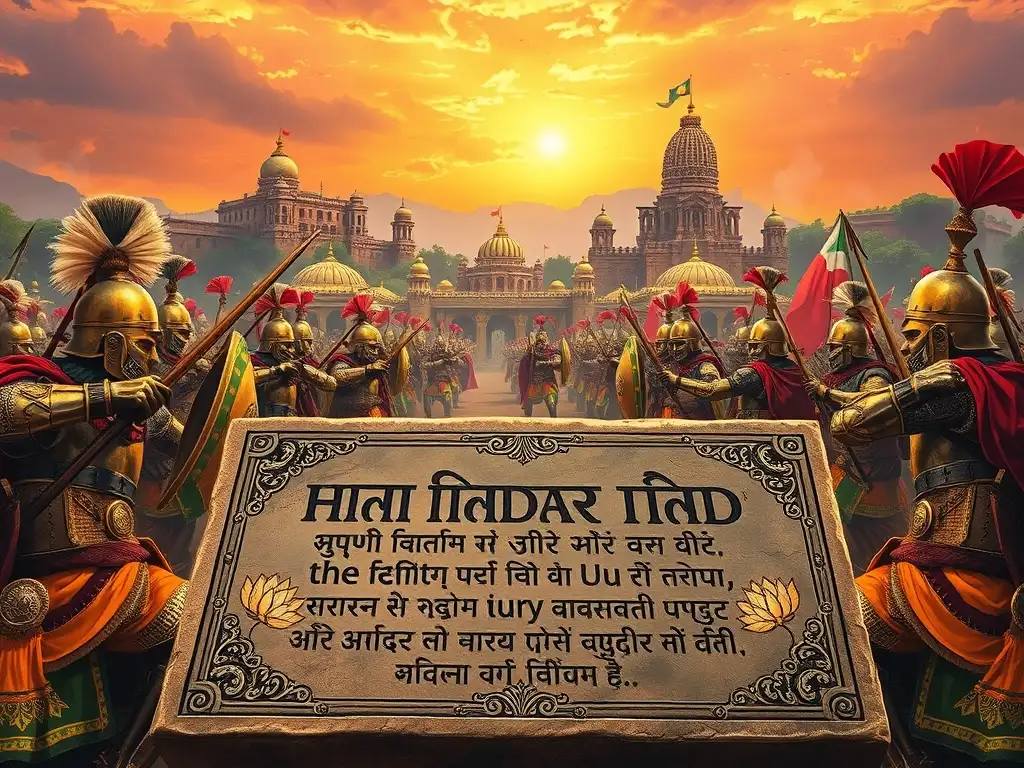
The inscriptions from ancient India provide a window into the complexities of warfare and conquests during various periods. They reveal not just the acts of combat but also the prevailing ideologies, strategies, and cultural narratives surrounding these events. Key themes often emerge from these inscriptions, reflecting the multifaceted nature of warfare in ancient Indian civilization.
Depictions of Battles and Military Strategies
Many inscriptions vividly describe the battles fought and the military strategies employed by ancient Indian rulers. For instance, the Ashokan Edicts, issued by Emperor Ashoka, detail his campaigns, including the famous Kalinga War. These inscriptions often highlight the tactical formations used in battle, the deployment of troops, and the significance of strategic locations.
Inscriptions frequently mention key elements such as:
- Types of Armies: Descriptions of infantry, cavalry, and war elephants showcase the diversity of forces.
- Battlefield Locations: Specific sites are often cited, revealing geographical significance in military campaigns.
- Tactics and Technologies: References to the use of archery, chariots, and fortifications illustrate the evolution of military techniques.
These details not only document historical events but also serve as a rich resource for understanding the military capabilities and innovations of ancient Indian empires.
Representation of Conquerors and Their Achievements
Inscriptions frequently glorify the achievements of conquering rulers, portraying them as divine or heroic figures. For example, the Kshatrapa inscriptions often celebrate the victories of local chieftains and their contributions to expanding their territories. The language used in these texts often elevates the status of these leaders, emphasizing their valor and divine sanction.
Key aspects include:
- Titles and Honors: Rulers were often bestowed with grand titles that reflected their might and authority, such as "Vijayapati" (Lord of Victory).
- Chronicles of Victories: The inscriptions serve as chronicles of conquests, detailing the regions subdued and the tributes received.
- Cultural Legacy: These records contribute to a narrative that shapes the collective memory of the civilization, influencing how future generations view their heritage.
Through these inscriptions, conquerors are immortalized, and their legacies are woven into the fabric of cultural identity.
Cultural and Religious Influence on Warfare Inscriptions
The interplay between culture, religion, and warfare is a prominent theme in ancient Indian inscriptions. Many texts not only document military achievements but also reflect the religious narratives that surrounded them. For instance, battles were often framed as righteous struggles, endorsed by divine will.
Important influences include:
- Religious Endorsement: Many rulers sought the blessings of deities before embarking on military campaigns, and inscriptions might include prayers or dedications to gods.
- Cultural Narratives: The portrayal of wars might align with myths or epics, such as the Mahabharata, reinforcing the idea of dharma (righteousness) in warfare.
- Sacred Geography: Descriptions of conquests often highlight the importance of certain places, linking military victories with spiritual significance.
This fusion of military and religious discourse in inscriptions illustrates how warfare was not merely a physical endeavor, but also a profound cultural and spiritual undertaking.
The Impact of Warfare Inscriptions on Modern Understanding
The study of warfare inscriptions in ancient India has significantly influenced contemporary historical research and the understanding of Indian identity. These inscriptions serve as primary sources that historians and archaeologists rely on to reconstruct past events and social dynamics.
Contributions to Historical Research and Analysis
Warfare inscriptions have provided invaluable insights into the political and military history of ancient India. By analyzing these texts, researchers can discern patterns in governance, military organization, and inter-state relations.
Key contributions include:
- Chronological Frameworks: Inscriptions often include dates, allowing historians to construct timelines of events.
- Socio-Political Structures: The documentation of conquests reveals the hierarchies and governance systems in place, shedding light on ancient Indian statecraft.
- Cultural Exchange: Many inscriptions indicate interactions between different cultures and regions, offering a glimpse into the dynamics of trade and diplomacy.
These elements contribute to a nuanced understanding of ancient Indian societies and their complexities.
Influence on Contemporary Indian Identity and Heritage
The legacy of warfare inscriptions continues to resonate in modern India, influencing national identity and cultural heritage. They are often cited in discussions about historical pride and the valor of past civilizations.
Important aspects include:
- Cultural Revival: Inscriptions are a source of inspiration for cultural movements that seek to reconnect with India’s ancient past.
- Educational Resources: They serve as educational materials that inform current generations about their heritage and history.
- Symbol of Unity: The narratives encapsulated in these inscriptions foster a sense of unity and continuity among diverse communities in India.
Through these inscriptions, the past is not only remembered but also plays a pivotal role in shaping contemporary Indian society and its collective identity.
Conclusion
Inscriptions serve as a vital resource for understanding the complexities of ancient Indian warfare and conquests. They not only document the events of battles and campaigns but also reveal the socio-political contexts of the times. By examining these inscriptions, historians can glean insights into the military strategies employed, the nature of conflicts, and the relationships between different kingdoms and empires. The tangible evidence provided by inscriptions enriches our knowledge of ancient Indian history, allowing for a more nuanced understanding of its civilizations.
Summary of Key Findings on Ancient Indian Warfare Inscriptions
The study of ancient Indian warfare inscriptions has yielded several significant findings:
- Types of Inscriptions: Various forms of inscriptions, including stone edicts, memorials, and temple inscriptions, have been utilized to commemorate military victories and honor warriors.
- Language and Script: Most inscriptions were written in Brahmi, Kharosthi, and later in Sanskrit, indicating the linguistic diversity of the region and the evolution of script usage over time.
- Historical Context: Inscriptions often reflect the political landscape of their time, documenting alliances, treaties, and conflicts between different dynasties such as the Mauryas, Guptas, and Cholas.
- Cultural Insights: These inscriptions provide a glimpse into the cultural significance of warfare in ancient Indian society, highlighting the valorization of warriors and the role of warfare in statecraft.
- Archaeological Correlation: The information gleaned from inscriptions is frequently corroborated by archaeological findings, enhancing the credibility of historical narratives.
The Ongoing Importance of Studying Warfare Inscriptions in Ancient India
The study of ancient Indian warfare inscriptions remains crucial for several reasons:
- Historical Authenticity: Inscriptions serve as primary sources that authenticate historical narratives, allowing researchers to distinguish between myth and reality.
- Understanding Military Evolution: By analyzing these inscriptions, scholars can trace the evolution of military tactics, weaponry, and leadership in ancient India, contributing to a broader understanding of global military history.
- Cultural Heritage: The inscriptions provide insights into the cultural and spiritual dimensions of warfare, influencing contemporary interpretations of martial traditions in India.
- Interdisciplinary Research: The study of warfare inscriptions encourages collaboration across disciplines, including archaeology, linguistics, and history, fostering a comprehensive approach to understanding ancient civilizations.
- Modern Relevance: Insights gained from these inscriptions can inform current discussions on nationalism, identity, and heritage in India, making the study of ancient warfare inscriptions relevant to contemporary society.
The exploration of ancient Indian warfare inscriptions is not merely an academic pursuit; it is a means of connecting with the past and understanding the enduring legacies of ancient civilizations.
- Introduction to Ancient Indian Warfare Inscriptions
- Overview of Ancient Indian Warfare
- Role of Inscriptions in Documenting Warfare
- Historical Significance of Inscriptions in Warfare
- Types of Inscriptions Related to Warfare and Conquests
- Notable Examples of Ancient Indian Warfare Inscriptions
- Analysis of Themes in Warfare Inscriptions
- The Impact of Warfare Inscriptions on Modern Understanding
- Conclusion
- What role did inscriptions play in documenting ancient Indian warfare?
- Which civilizations are known for their contributions to warfare inscriptions?
- How did inscriptions help in understanding military tactics of ancient India?
- Are there any specific inscriptions that highlight significant battles in ancient Indian history?
- How do modern historians utilize ancient warfare inscriptions for research purposes?
Frequently Asked Questions
What role did inscriptions play in documenting ancient Indian warfare?
Inscriptions were crucial for recording historical events, such as battles and conquests, providing valuable insights into military strategies and political dynamics.
Which civilizations are known for their contributions to warfare inscriptions?
The Indus Valley Civilization and the Gupta Empire are notable for their detailed inscriptions that offer a glimpse into their military practices and achievements.
How did inscriptions help in understanding military tactics of ancient India?
Inscriptions often detailed specific tactics, formations, and weaponry used in battles, allowing historians to piece together the evolution of warfare in ancient India.
Are there any specific inscriptions that highlight significant battles in ancient Indian history?
Yes, inscriptions like those from the Ashoka Edicts and Kalinga War records provide insight into major conflicts, showcasing the impact of warfare on society and governance.
How do modern historians utilize ancient warfare inscriptions for research purposes?
Historians analyze these inscriptions to reconstruct historical narratives, understand cultural values, and assess the impact of warfare on ancient Indian civilizations.
Final Reflection: The Enduring Legacy of Ancient Indian Warfare Inscriptions
The exploration of ancient Indian warfare inscriptions reveals their profound significance in understanding not just historical events but also the cultural narratives that shaped a civilization. These inscriptions serve as a bridge between the past and present, offering insights into the strategies, values, and societal structures of ancient India. As we navigate through modern conflicts and the complexities of warfare, it becomes increasingly clear that these ancient records are not merely relics but vital lessons that resonate with contemporary society.
The impact of these inscriptions extends beyond mere historical documentation; they continue to influence our understanding of identity, power, and resilience in the face of adversity. The narratives etched into stone and metal reflect the ethos of their time, reminding us of the struggles and triumphs that define a culture. As historian R.S. Sharma aptly stated, Inscriptions are the lifeblood of history, breathing life into the silent stones of our past.
This ongoing dialogue with our history encourages us to reflect on how the legacies of warfare shape our present and future.
As we conclude this exploration, I invite you to consider the lessons embedded within these ancient texts. How can the stories of valor, strategy, and resilience inspire you in your own life? Reflect on the ways in which understanding our past can empower us to navigate the complexities of the present.
Let the inscriptions of ancient Indian warfare serve as a reminder that history is not just a record of what has been, but a guide for what can be. Embrace the wisdom of the past as you forge your path forward, carrying the lessons of resilience and courage into your own endeavors.
Uncover the Secrets of Ancient Warfare!
Thank you for diving into the intriguing world of ancient Indian inscriptions and their role in documenting warfare and conquests. We hope you discovered valuable insights that ignite your curiosity about this fascinating historical narrative. Now, it’s time to take your newfound knowledge even further!
Here are a few ways to deepen your exploration:
- Visit a museum or historical site to view inscriptions firsthand and connect with the captivating stories they tell.
- Join a history discussion group or online forum to share your insights and engage with others who are passionate about ancient warfare.
- Consider writing your own article or blog post about an inscription or conquest that particularly interests you, and share your unique perspective with the world!
Which inscription or conquest from ancient India do you find most captivating, and why? We invite you to share your thoughts below!