
The Interactions of Indian and Persian Nobility: A Historical Insight

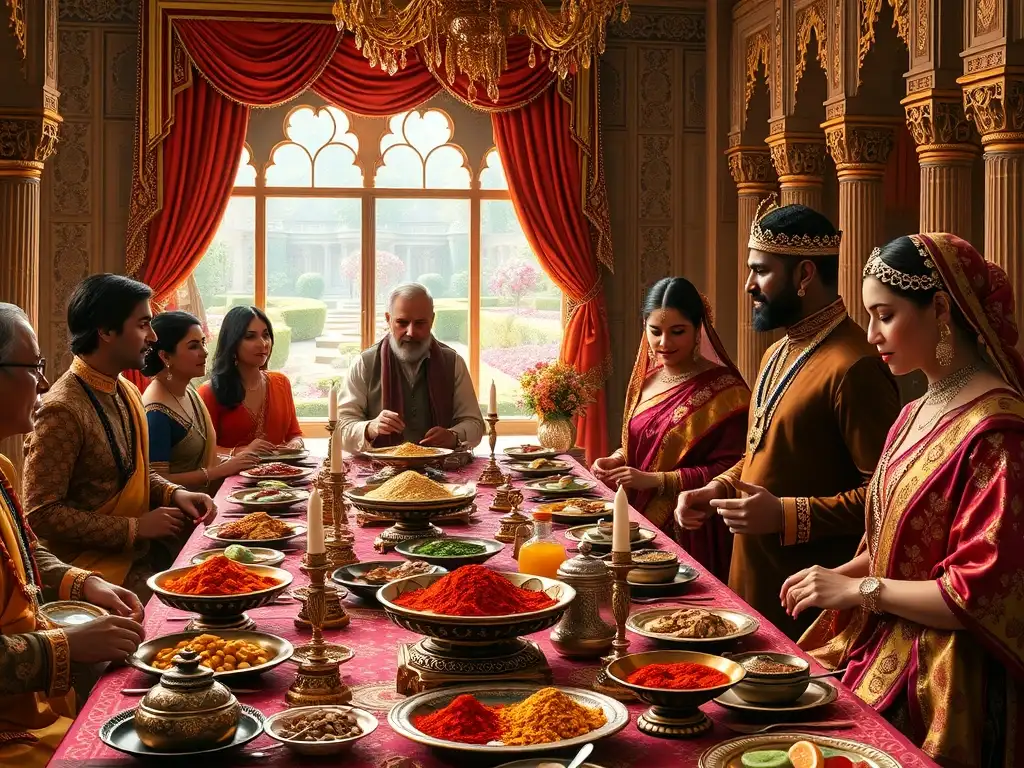
Welcome to Ancient India History, where we embark on an extraordinary journey through the rich tapestry of India's past! In this exploration, we delve into the fascinating interactions of Indian and Persian nobility, a pivotal chapter that showcases the intricate relationships forged between these two great civilizations. What secrets and cultural exchanges lay hidden in the annals of history?
Join us as we unravel the threads of diplomacy, trade, and influence that shaped the ancient world, inviting you to uncover the profound legacy of these interactions. Dive deeper into our article, and let the stories of ancient India captivate your imagination!

Introduction to Indian Persian Nobility Interactions
The interactions of Indian and Persian nobility present a fascinating tapestry woven from threads of diplomacy, trade, cultural exchange, and conflict. This historical insight delves into the nuances of these interactions that span several centuries, highlighting how they shaped not only the political landscapes of both regions but also their cultural and social fabrics.
Understanding the dynamics of Indian Persian nobility interactions is crucial for appreciating the broader narrative of ancient civilizations and their interconnectedness. From the early influences of the Achaemenid Empire in India to the intricate relationships during the Gupta Empire, this article seeks to unveil the complexities and significance of these historical ties.
Overview of Interactions between Indian and Persian Nobility
The interactions between Indian and Persian nobility can be categorized into several key phases, marked by both cooperation and rivalry.
- Trade Relations: The establishment of trade routes facilitated the exchange of goods, ideas, and cultural practices. The Silk Road and maritime routes played pivotal roles in connecting the two civilizations, allowing for the flow of textiles, spices, and precious metals.
- Political Alliances: Various Indian kingdoms often sought alliances with Persian rulers to bolster their power or resist common enemies. Notable instances include the support offered by Persian emperors to Indian kings during military campaigns.
- Cultural Exchanges: The Persian influence on Indian art, architecture, and literature is evident in various historical artifacts. The adoption of Persian administrative practices and courtly traditions by Indian nobility is a testament to this cultural intermingling.
Significance of Indian Persian Nobility Interactions in Historical Context
The significance of Indian Persian nobility interactions transcends mere bilateral relations; it reflects a broader pattern of cultural and political synthesis. Some key points include:
- Cultural Enrichment: The amalgamation of Persian and Indian cultures contributed to a rich cultural heritage, influencing poetry, music, and cuisine, which can still be seen in modern times.
- Political Dynamics: The shifting alliances and rivalries between Indian and Persian rulers often reshaped regional power balances, impacting the course of history across South Asia and the Middle East.
- Legacy of Diplomacy: The diplomatic practices established during these interactions laid the groundwork for future relations between India and Persia, influencing later empires and their interactions.
Historical Background of Indian and Persian Civilizations
To fully appreciate the interactions between Indian and Persian nobility, it is vital to understand the historical backdrop of both civilizations.
The Rise of Indian Civilizations: Key Eras and Dynasties
Indian civilization boasts a rich history marked by several key eras and dynasties:
- Indus Valley Civilization (c. 2500–1900 BCE): One of the world’s earliest urban cultures, known for its advanced city planning and trade networks.
- Vedic Period (c. 1500–500 BCE): A time characterized by the composition of sacred texts and the formation of social structures that would influence future Indian society.
- Maurya and Gupta Empires (c. 322 BCE–550 CE): These empires marked a high point in Indian political and cultural achievements, with significant advancements in science, art, and philosophy.
The Evolution of Persian Civilizations: A Historical Overview
Persian civilization has a rich history that significantly influenced its interactions with India:
- Achaemenid Empire (c. 550–330 BCE): Founded by Cyrus the Great, this empire is significant for its vast size and administrative innovations that included respect for the customs and religions of conquered peoples, including those in India.
- Sassanian Empire (224–651 CE): Known for its cultural and economic prosperity, this era saw increased interactions with Indian states through trade and cultural exchanges.
The intricate history of both Indian and Persian civilizations creates a fertile ground for understanding the nuances of their nobility's interactions, which will be explored in detail throughout this article.
Mechanisms of Interaction between Indian and Persian Nobility
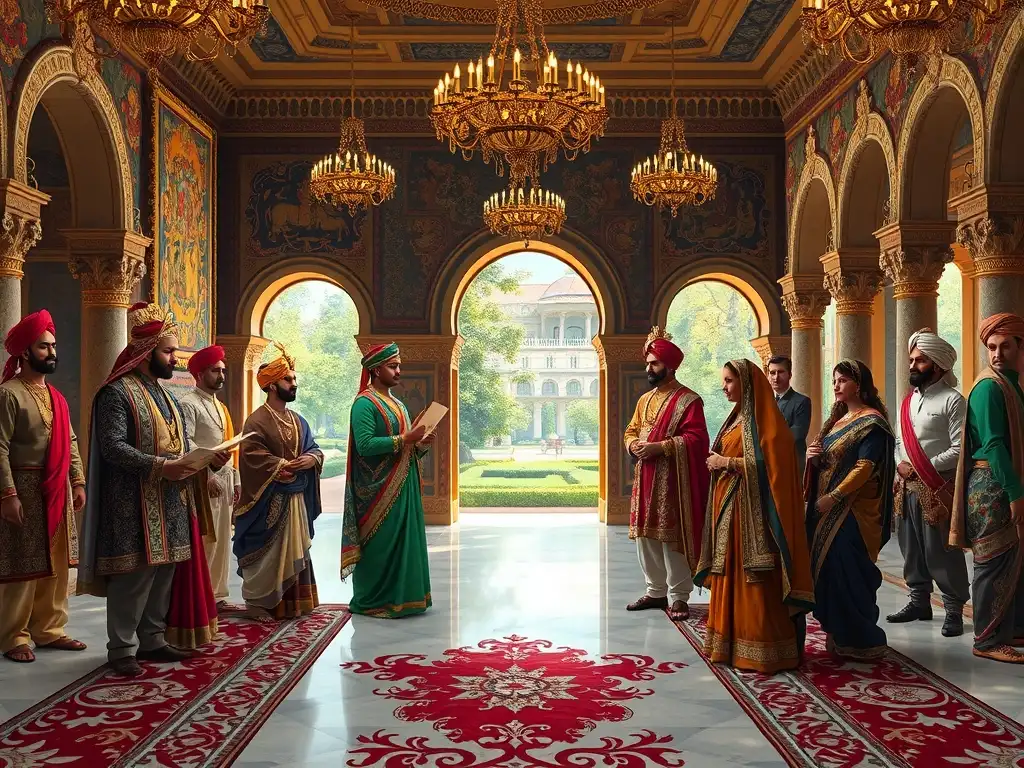
The interactions between Indian and Persian nobility were characterized by a complex web of mechanisms that facilitated cultural, economic, and political exchanges. These interactions began as early as the Achaemenid Empire, which established control over parts of the Indian subcontinent, leading to a fusion of traditions and practices. The mechanisms of interaction can be broadly categorized into trade relations, cultural exchanges, and diplomatic relations, each playing a pivotal role in shaping the socio-political landscape of the region.
Trade Relations: Economic Exchanges and Their Impact
Trade was one of the primary mechanisms through which Indian and Persian nobility interacted. The Silk Road and maritime routes allowed for the exchange of goods such as textiles, spices, precious stones, and metalwork, which were highly valued in both cultures. Indian merchants traveled to Persian lands and vice versa, establishing trade networks that enriched both economies.
The economic exchanges also had significant impacts beyond mere trade. They fostered the emergence of urban centers, where diverse cultures mingled, and ideas flowed freely. For example, the city of Taxila became a crucial hub for this interaction, facilitating not just commerce but also exchanges in knowledge and culture. Over time, these trade relations led to the establishment of diplomatic ties and alliances, further intertwining the fates of Indian and Persian nobility.
Cultural Exchanges: Art, Literature, and Language Influences
Cultural exchanges between Indian and Persian nobility were profound and multifaceted. The influence of Persian art, literature, and language on Indian culture is particularly notable. Persian poetry and prose found their way into Indian literature, with poets like Amir Khusrow blending Persian and Indian themes to create a unique literary tradition.
Moreover, the visual arts saw a significant exchange as well. Persian motifs and architectural styles influenced Indian temple architecture, while Indian artistic traditions enriched Persian art. The adoption of Persian calligraphy and the Persian language within Indian courts signified a deep cultural integration that transcended mere political alliances. This cultural fusion not only enriched both civilizations but also laid the groundwork for future artistic and intellectual endeavors.
Diplomatic Relations: Alliances and Political Marriages
Diplomatic relations between Indian and Persian nobility were often solidified through alliances and political marriages. These unions served to strengthen ties and create stability in the region. For instance, the marriage of Indian princesses to Persian kings was a common practice, symbolizing goodwill and fostering cooperation between the two powers.
Such alliances often resulted in military support and shared resources, enhancing the political landscape. The establishment of treaties and agreements further facilitated collaboration on various fronts, including military endeavors and governance. These diplomatic relations were crucial in navigating the complex political scenarios of the time, allowing both Indian and Persian nobility to maintain influence over their respective territories.
Key Figures in Indian Persian Nobility Interactions
The interactions between Indian and Persian nobility were also shaped by key figures who played significant roles in fostering relationships and bridging cultural gaps. From influential rulers to notable diplomats, these individuals became pivotal in the narrative of Indian-Persian interactions.
Prominent Indian Nobles in Persian Courts
Several Indian nobles gained prominence in Persian courts, serving as important intermediaries in fostering relationships between the two cultures. Figures such as Raja Bhoja and the Chola dynasty's ambassadors to the Persian Empire exemplified the role of Indian nobility in Persian political affairs.
These individuals not only represented Indian interests but also influenced Persian policy through their unique insights into Indian culture and governance. Their presence in Persian courts facilitated a greater understanding of Indian customs and practices, leading to a richer exchange of ideas and traditions.
Influential Persian Nobles in Indian Territories
Conversely, Persian nobles also made significant inroads into Indian territories, often serving as governors or military leaders. The most notable among them was the Persian noble Mirza Ghalib, who left a lasting impact on Indian culture through his poetry and literary contributions.
These Persian figures often brought with them their customs and administrative practices, which influenced local governance and culture. Their interactions with Indian nobility played a crucial role in shaping the socio-political dynamics of the regions they governed, bridging the gap between the two civilizations.
Case Studies of Notable Interactions and Their Outcomes
Examining specific case studies of Indian-Persian interactions reveals the depth and complexity of their relationships. One notable instance is the relationship between the Mughal Empire and the Safavid dynasty. The marriage alliances between these two powerful empires not only solidified political ties but also led to significant cultural exchanges, particularly in art and architecture.
Another example is the influence of Persian poetry on Indian literature, particularly during the reign of Akbar, where Persian became the court language. The flourishing of literature during this period exemplifies how interactions influenced not just political landscapes but also the cultural fabric of both societies.
These case studies highlight the multifaceted nature of Indian and Persian nobility interactions, showcasing the significant outcomes that arose from their complex relationships over centuries.
Impact of Indian Persian Nobility Interactions
The interactions between Indian and Persian nobility have left a significant mark on the historical landscape of both civilizations. These interactions were not merely diplomatic or political but extended into cultural, economic, and social realms, creating a complex tapestry of influence and exchange. The impact is evident in various aspects of life, including art, literature, governance, and trade, which shaped the evolution of both societies throughout the centuries.
Cultural Synthesis: The Fusion of Indian and Persian Cultures
The blending of Indian and Persian cultures resulted in a rich cultural synthesis that can be observed in architecture, literature, and art. The Persian influence is particularly notable in Indian architecture, as seen in the intricate designs of Mughal structures such as the Taj Mahal and Red Fort, which reflect Persian aesthetics combined with local traditions.
In literature, Persian served as a court language in various Indian kingdoms, leading to the creation of works that combined themes and styles from both cultures. The Diwan-e-Ghalib, for example, showcases the Persian poetic form infused with Indian philosophical thought. Furthermore, the fusion of music styles, particularly in classical music, illustrates how the two cultures influenced each other, leading to the emergence of new genres and forms.
Political Consequences: Changes in Power Dynamics
The interactions between Indian and Persian nobility also had profound political consequences, particularly in terms of power dynamics. The establishment of the Persian Empire's influence over various regions of India, especially during the Achaemenid period, altered the local political landscape. Local rulers often adopted Persian administrative practices and titles, which integrated elements of Persian governance into Indian states.
The establishment of the Mughal Empire in the 16th century marked a significant culmination of these interactions. The Mughal rulers, of Central Asian origin but heavily influenced by Persian culture, adopted Persian as the language of administration and culture. This shift not only enhanced the legitimacy of the Mughal dynasty but also facilitated the integration of Persian nobility into the Indian political framework, thus reshaping the power structure in favor of a more centralized authority.
Economic Developments: Trade Routes and Commerce Growth
Economic interactions between Indian and Persian nobility catalyzed the growth of trade routes and commerce. The famous Silk Road and maritime trade routes facilitated the exchange of goods, ideas, and culture. Indian merchants traded spices, textiles, and precious stones, while Persian merchants brought in silk, ceramics, and metalwork, leading to a vibrant economic exchange.
The establishment of trade relations fostered not only wealth accumulation but also cultural exchanges that enriched both societies. Persian nobility often patronized Indian artisans, leading to advancements in various crafts and the establishment of new industrial centers, such as textiles in Gujarat, which thrived due to Persian demand. This interdependence laid the groundwork for economic prosperity that benefitted both regions.
Challenges and Conflicts in Indian Persian Relations
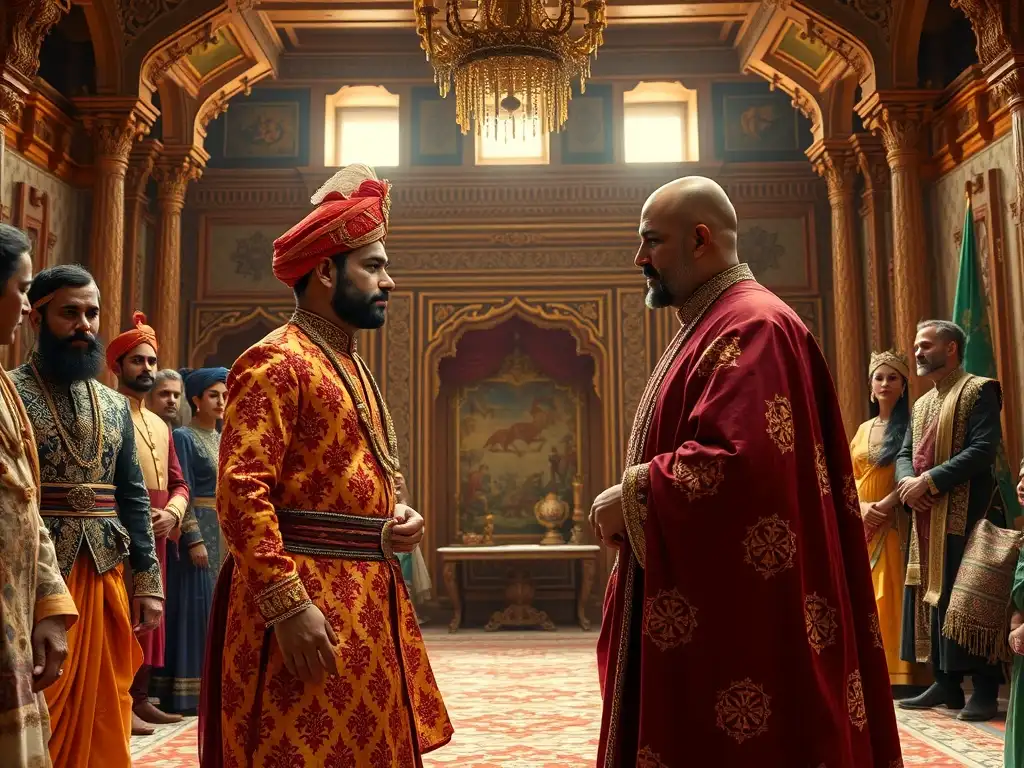
Despite the rich tapestry of interactions, the relationship between Indian and Persian nobility was not free from challenges and conflicts. Historical tensions, driven by territorial ambitions and cultural differences, often led to confrontations that shaped their interactions.
Historical Conflicts: Wars and Their Implications
The historical conflicts between Indian and Persian powers were often marked by wars that had lasting implications for both regions. Notable among these is the invasion of India by Xerxes I in the 5th century BCE, which represented a significant military engagement and marked a turning point in regional dynamics.
Later, conflicts during the Mughal period, particularly under Aurangzeb, saw military confrontations with Persian forces, leading to shifts in territorial control and influence. These wars not only caused loss of life but also disrupted trade and cultural exchanges, creating periods of tension that strained relations between the two civilizations.
Diplomatic Strains: Key Events Leading to Tensions
Diplomatic strains in Indian-Persian relations were often a result of territorial disputes and competition for influence. Key events, such as the assassination of the Persian envoy by Indian rulers or disputes over border territories, exacerbated tensions. The Safavid Empire's ambitions in the region further complicated relations, as they sought to expand their influence into northern India.
Additionally, the rise of European colonial powers introduced new dynamics to Indian-Persian relations, as both regions faced external pressures that strained their historical ties. These diplomatic strains often led to misunderstandings and hostility, creating a complex landscape of interaction marked by both cooperation and conflict.
Conclusion: The Legacy of Indian Persian Nobility Interactions
The interactions between Indian and Persian nobility have left an indelible mark on the cultural, social, and political landscapes of both regions. These exchanges, which spanned several centuries, fostered a rich tapestry of shared customs, artistic expressions, and administrative practices. The fusion of ideas led to the development of unique architectural styles, culinary practices, and linguistic influences that are still evident today. This historical relationship not only shaped the identities of these civilizations but also laid the groundwork for future interactions, creating a legacy that continues to resonate in modern times.
Lasting Influence on Modern Indian and Persian Cultures
The influences of Indian and Persian nobility interactions can be observed in various aspects of contemporary culture. Linguistically, many Persian words have been assimilated into the Hindi language, reflecting the historical connections between the two societies. Moreover, the artistic traditions that emerged from this cultural blend—such as Mughal miniature painting—demonstrate how these civilizations influenced each other’s aesthetic sensibilities.
In terms of cuisine, the amalgamation of Persian and Indian culinary practices has given rise to popular dishes like biryani, showcasing the shared gastronomic heritage. Additionally, the architectural marvels of the Mughal era, including the Taj Mahal, embody the intricate design elements that were inspired by Persian architecture. These examples underscore how the legacies of Indian and Persian nobility interactions continue to shape modern cultural expressions.
Reflections on Historical Interactions in Contemporary Contexts
Understanding the interactions between Indian and Persian nobility is essential in contemporary contexts, especially in terms of diplomacy and cultural exchange. The historical ties between these regions serve as a foundation for ongoing relationships in the modern era. Recognizing this shared heritage can foster mutual respect and collaboration in various fields, including trade, education, and technology.
Moreover, as globalization continues to blur geographical boundaries, the lessons learned from these historical interactions can guide present-day societies in achieving more harmonious relationships. By reflecting on the past, contemporary leaders and citizens alike can find inspiration for promoting cultural dialogues that celebrate diversity and shared histories.
Further Reading and Resources on Indian Persian Nobility Interactions
To delve deeper into the fascinating interactions between Indian and Persian nobility, a wide array of resources is available that explore various dimensions of this historical relationship.
Recommended Books and Articles
- "India and Iran: A Cultural History": - This book provides an in-depth analysis of the cultural exchanges between India and Persia, highlighting key historical figures and events.
- "The Mughal Empire and the Persian Connection" - An insightful exploration of how Persian influences shaped the Mughal dynasty's policies and culture.
- "Persian Influences in Indian Art and Architecture" - This article discusses the impact of Persian aesthetics on Indian architectural styles during the medieval period.
Online Resources and Archives for Research
- The Digital Library of India: A vast repository of texts and manuscripts, including works related to Indian-Persian interactions.
- Persian Heritage Foundation: Offers articles, research papers, and resources on the cultural ties between India and Persia.
- The British Museum Online Collection: Features artifacts and artworks that reflect the historical connections between Indian and Persian civilizations, accompanied by detailed descriptions and analyses.
These resources provide a comprehensive foundation for anyone interested in further exploring the rich tapestry of Indian-Persian nobility interactions and their lasting legacies.
- Introduction to Indian Persian Nobility Interactions
- Overview of Interactions between Indian and Persian Nobility
- Significance of Indian Persian Nobility Interactions in Historical Context
- Historical Background of Indian and Persian Civilizations
- Mechanisms of Interaction between Indian and Persian Nobility
- Key Figures in Indian Persian Nobility Interactions
- Impact of Indian Persian Nobility Interactions
- Challenges and Conflicts in Indian Persian Relations
- Conclusion: The Legacy of Indian Persian Nobility Interactions
- Further Reading and Resources on Indian Persian Nobility Interactions
- What were the main periods of interaction between Indian and Persian nobility?
- How did Indian and Persian nobility influence each other?
- What role did trade play in the interactions between Indian and Persian nobility?
- Were there any notable figures in the Indian-Persian interactions?
- What legacy did the interactions between Indian and Persian nobility leave behind?
Frequently Asked Questions
What were the main periods of interaction between Indian and Persian nobility?
The main periods of interaction occurred during the Achaemenid Empire and the Maurya Dynasty, as well as during the Sassanian and Gupta periods. These interactions facilitated cultural exchange and trade.
How did Indian and Persian nobility influence each other?
The interactions led to significant cultural exchanges, including art, architecture, and language. The Persian style influenced Indian court customs and vice versa, enriching both cultures.
What role did trade play in the interactions between Indian and Persian nobility?
Trade was a crucial aspect as it not only facilitated the exchange of goods but also ideas and diplomatic relationships. Key trade routes connected the Indian subcontinent with Persian territories, fostering mutual respect and alliances.
Were there any notable figures in the Indian-Persian interactions?
Yes, figures like Chandragupta Maurya and Darius I exemplified the political alliances formed through these interactions. Their engagements helped shape the political landscape of both regions.
What legacy did the interactions between Indian and Persian nobility leave behind?
The legacy includes shared artistic styles, literary influences, and the establishment of trade routes that continued to thrive in later centuries. These interactions laid the groundwork for future cultural syncretism in the region.
Final Reflection: The Enduring Legacy of Indian-Persian Nobility Interactions
The intricate tapestry of Indian and Persian nobility interactions continues to resonate in our contemporary world, illustrating how cultural exchanges shape societies. The historical connections between these two great civilizations not only enriched their respective cultures but also laid the foundation for a shared heritage that transcends borders. Today, as we navigate an increasingly interconnected global landscape, understanding these interactions offers invaluable insights into the complexities of cultural identity and mutual influence.
The interactions between Indian and Persian nobility have profoundly shaped the socio-political dynamics of both regions, fostering a rich exchange of ideas, art, and governance. This legacy is evident in various aspects of modern culture, from architecture to cuisine, and even in the languages spoken today. As historian John Keay poignantly stated, The past is not just a series of events; it is a living entity that continues to inform our present.
This ongoing influence reminds us that the threads of history are woven into the fabric of our daily lives, encouraging us to appreciate the depth of our shared human experience.
As you reflect on the lessons of Indian-Persian nobility interactions, consider how these historical exchanges can inspire your own life. Embrace the diversity around you and seek to understand the stories and cultures that shape our world. By fostering connections and appreciating the richness of different heritages, you can contribute to a more harmonious and inclusive society. Let the legacy of these noble interactions guide you in your journey, reminding you that every encounter holds the potential to enrich your understanding and broaden your horizons.
Unveil the Rich Tapestry of Indo-Persian Connections!
Thank you for exploring the fascinating interactions between Indian and Persian nobility with us! We've journeyed through a vibrant history filled with cultural exchanges and shared legacies. Now, let’s take exciting steps to delve even deeper into this shared heritage.
Here’s how you can continue your exploration:
- Dive into further research: Consider reading more about the **impact of Persian art and architecture on Indian traditions**.
- Join the conversation: Share your thoughts on our blog or **discuss with friends who appreciate history**—let's inspire a dialogue about what these connections mean for us today.
- Explore historical sites: Plan a visit to significant **Indo-Persian landmarks** or exhibitions nearby to experience this rich history firsthand.
What aspect of the Indo-Persian relationship do you find most intriguing, and why do you think it still resonates in our world today?