
The Role of Mythology in Shaping IndoGreek Relations

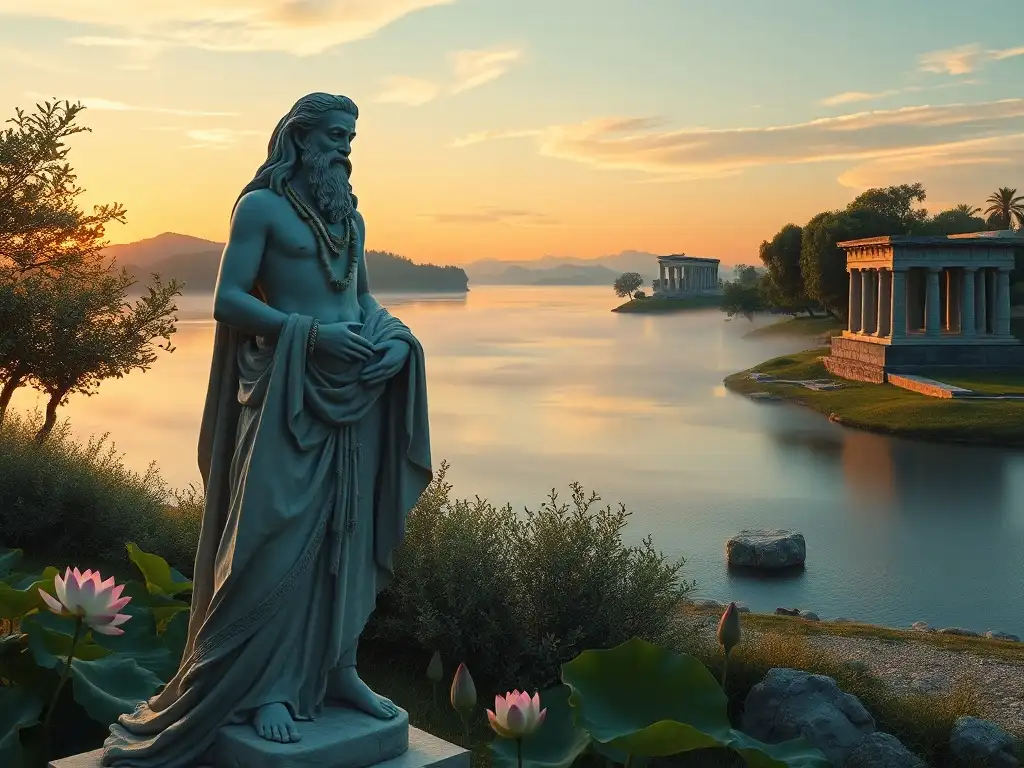
Welcome to Ancient India History, where we embark on a fascinating journey through the rich tapestry of ancient Indian civilizations. From the enigmatic Indus Valley to the illustrious Gupta Empire, our exploration unveils the profound cultural exchanges that shaped history. In our featured article, we delve into the intriguing influence of IndoGreek mythology, uncovering how these narratives not only enriched the arts and literature but also fostered deeper connections between two vibrant cultures. Join us as we unravel the stories that bridge civilizations and discover the lasting impact of mythology on IndoGreek relations. Your adventure through time starts here!
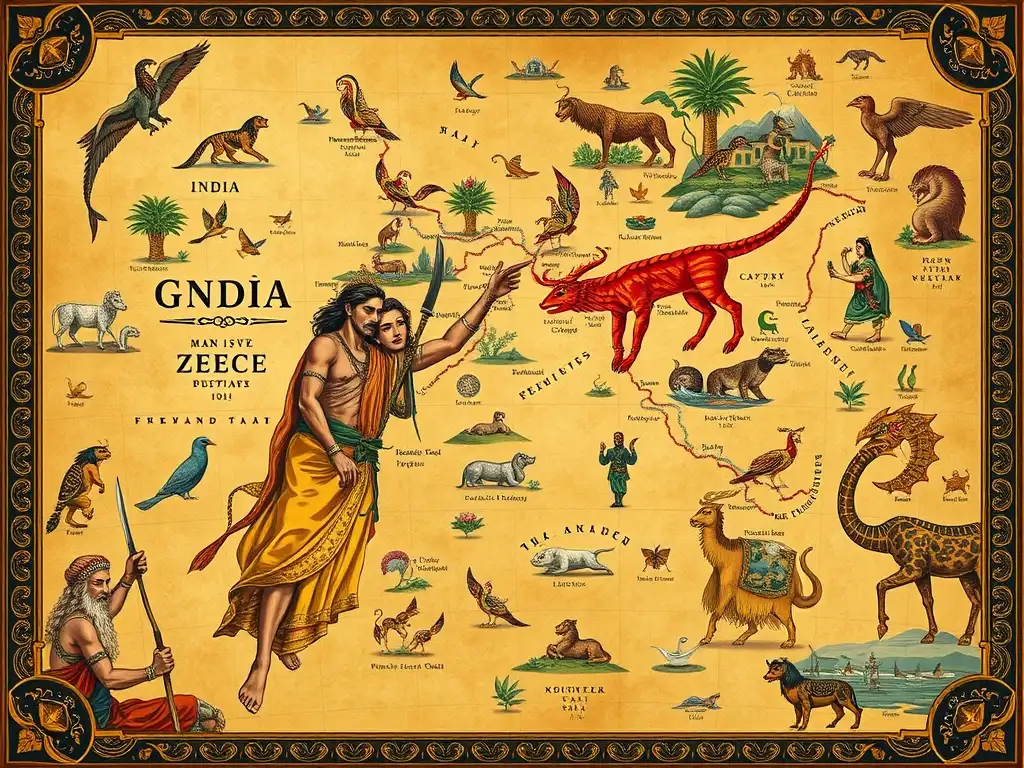
Introduction to IndoGreek Mythology Influence
The intertwining of cultures often leads to the rich tapestry that defines human history, with mythology serving as a vital thread in this intricate weave. In the context of IndoGreek relations, mythology did not merely act as a collection of traditional stories but played a significant role in shaping perceptions, fostering connections, and influencing socio-political dynamics between ancient Indian and Greek civilizations.
As we delve into the IndoGreek mythology influence, we uncover how these mythological narratives facilitated cultural exchanges, informed art and literature, and helped to create a shared identity that transcended geographical boundaries. By exploring the myths and legends that emerged from this interaction, we gain a deeper understanding of how mythology served as a bridge between two distinct yet complementary cultures.
Importance of Mythology in Cultural Exchange
Mythology is more than mere storytelling; it serves as a cultural repository, encapsulating the values, beliefs, and traditions of a society. In the case of IndoGreek interactions, mythology acted as a medium through which both civilizations could communicate and share their ideologies. The significance of mythology in cultural exchange can be illustrated through several key points:
- Cultural Assimilation: Myths from both cultures were assimilated into each other, leading to the emergence of hybrid narratives that enriched both traditions.
- Artistic Expressions: Mythological themes influenced art, sculpture, and literature, with motifs from Greek mythology appearing in Indian art and vice versa.
- Religious Syncretism: The blending of beliefs fostered a more inclusive religious landscape, where deities and mythological figures from both cultures were revered and celebrated.
- Diplomatic Relations: Mythology often played a role in diplomatic narratives, with rulers using mythological references to legitimize their power and establish a connection with their counterparts.
Overview of IndoGreek Relations in Historical Context
The interactions between Indian and Greek civilizations can be traced back to the conquests of Alexander the Great in the 4th century BCE. This period marked the beginning of profound exchanges that would shape the cultural and political landscape of the region. Key aspects of this historical context include:
- Political Alliances: Following Alexander's campaigns, IndoGreek kingdoms emerged, establishing diplomatic ties that facilitated trade and cultural exchanges.
- Cultural Exchanges: The movement of people, goods, and ideas led to a rich cross-pollination of cultures, significantly impacting language, philosophy, and art.
- Mythological Adaptations: As both civilizations encountered one another, mythological figures and stories began to adapt and evolve, reflecting the shared experiences and values of the two societies.
Historical Background of IndoGreek Interactions
The Rise of IndoGreek Kingdoms
The establishment of IndoGreek kingdoms following the fragmentation of Alexander's empire was crucial for fostering relations between the two cultures. These kingdoms, such as the Greco-Bactrian and Indo-Scythian kingdoms, played a pivotal role in facilitating trade and cultural exchanges. Key elements include:
- Geographical Position: The strategic location of these kingdoms served as a conduit for interaction between the East and West.
- Economic Exchanges: Trade routes flourished, with goods and ideas flowing freely, further enhancing cultural intermingling.
- Political Stability: The relatively stable governance of IndoGreek rulers allowed for the flourishing of arts, religion, and philosophy.
Key Historical Events Influencing Relations
Several significant events in history served as catalysts for the evolution of IndoGreek relations, with mythology often at the heart of these interactions. Notable events include:
- The Arrival of Alexander: His conquest opened the gates for cultural and intellectual exchanges that would last for centuries.
- The Spread of Buddhism: As Buddhism spread into the Hellenistic world, it adopted and adapted various mythological elements, influencing religious practices across cultures.
- The Silk Road: The establishment of this trade route not only facilitated commerce but also encouraged the exchange of ideas and mythological narratives.
Through these historical lenses, we begin to appreciate the profound impact that mythology had in shaping the IndoGreek relations, marking a significant chapter in the annals of ancient history.
The Influence of Indian Mythology on Greek Thought
The interplay between Indian and Greek mythological concepts significantly shaped philosophical and cultural exchanges between the two civilizations. Indian mythology, rich in spiritual and cosmic narratives, introduced various ideas that resonated with Greek thinkers. The arrival of Indian emissaries and traders in the Hellenistic world facilitated the exchange of ideas, where Indian epics and philosophical texts began to influence Greek thought.
One of the most notable impacts was the introduction of concepts such as karma and dharma, which found parallels in Greek notions of fate and moral duty. This synthesis of thought encouraged Greek philosophers, such as Socrates and Plato, to explore themes of ethics, the nature of the soul, and the universe's order in ways that were heavily influenced by Indian perspectives. The dialogues between these two rich traditions fostered a deeper understanding of human existence and the cosmos, leading to a unique blend of mythological and philosophical thought that enriched both cultures.
Adoption of Indian Deities in Greek Culture
Indian deities found their way into Greek culture primarily through trade and cultural exchanges along the Silk Route. The Greeks, intrigued by the exotic nature of Indian mythology, began to adopt and adapt various Indian gods into their own pantheon. Notably, deities such as Shiva and Vishnu were often equated with Greek gods like Hermes and Dionysus, illustrating a syncretism that allowed for the merging of mythological narratives.
This adoption was not merely superficial; it led to the creation of hybrid deities that embodied characteristics from both cultures. For example, the figure of Heracles, a Greek hero, was sometimes portrayed with attributes akin to those of Indian heroes, showcasing strength and valor that were celebrated in both traditions. Such integrations provided a rich tapestry of mythological figures that reflected the cultural dialogues that were taking place during this period.
Philosophical Exchanges: Indian and Greek Mythological Ideas
The philosophical exchanges between Indian and Greek mythological ideas were profound, leading to significant developments in metaphysics and ethics. Indian philosophical texts, particularly the Upanishads, introduced ideas about the nature of reality and consciousness that resonated with Greek philosophers. The concept of Brahman, or the ultimate reality, found parallels in Greek philosophical inquiries into the nature of being and the existence of a singular, universal truth.
Moreover, discussions on dharma, the moral law that governs individual conduct, influenced Greek thoughts on morality and ethics. Philosophers like Aristotle and Epicurus engaged with these ideas, reflecting on the nature of happiness and virtue. This cross-pollination of ideas was instrumental in shaping the philosophical landscape of both civilizations, leading to a more nuanced understanding of human nature, ethics, and the cosmos.
The Influence of Greek Mythology on Indian Culture
Greek mythology also left a significant imprint on Indian culture, particularly during the Hellenistic period, when interactions became more pronounced. The fascination with Greek myths prompted Indian scholars and artists to explore and integrate these stories into their own cultural narratives. This influence is evident in various aspects, from literature to art, as elements of Greek mythology began to blend with Indian traditions.
Integration of Greek Myths into Indian Traditions
The integration of Greek myths into Indian traditions is most apparent in the literary and storytelling practices that emerged during this period. Indian playwrights and poets began to reinterpret Greek tales, infusing them with local cultural motifs and moral lessons. This process led to a unique fusion of narratives that celebrated heroism and adventure while embedding them within the ethical frameworks of Indian society.
For instance, the tales of heroes such as Achilles and Odysseus found resonance in the Indian epics, where similar themes of valor and tragedy were explored. The adaptation of these stories not only enriched Indian literature but also created a cultural dialogue that celebrated shared human experiences across civilizations.
The Impact of Hellenistic Art on Indian Artistic Expression
The influence of Hellenistic art on Indian artistic expression is another testament to the cultural exchange facilitated by Greek mythology. As Greek artists and craftsmen interacted with Indian patrons, they introduced new techniques and styles that transformed Indian art forms. The use of realistic human figures, dynamic poses, and intricate drapery became prominent in Indian sculpture, reflecting the stylistic innovations brought by Hellenistic influences.
This artistic cross-fertilization is particularly evident in the Greco-Buddhist art of Gandhara, where depictions of the Buddha and other figures incorporated elements of Greek aesthetics. The blending of these artistic traditions created a distinctive style that showcased the richness of Indo-Greek relations, illustrating how mythology and art interwoven could shape cultural identity.
The role of mythology in shaping Indo-Greek relations is a testament to the power of cultural exchange, where ideas and narratives transcended geographical boundaries, enriching both Indian and Greek civilizations.
Comparative Analysis of IndoGreek Mythological Themes
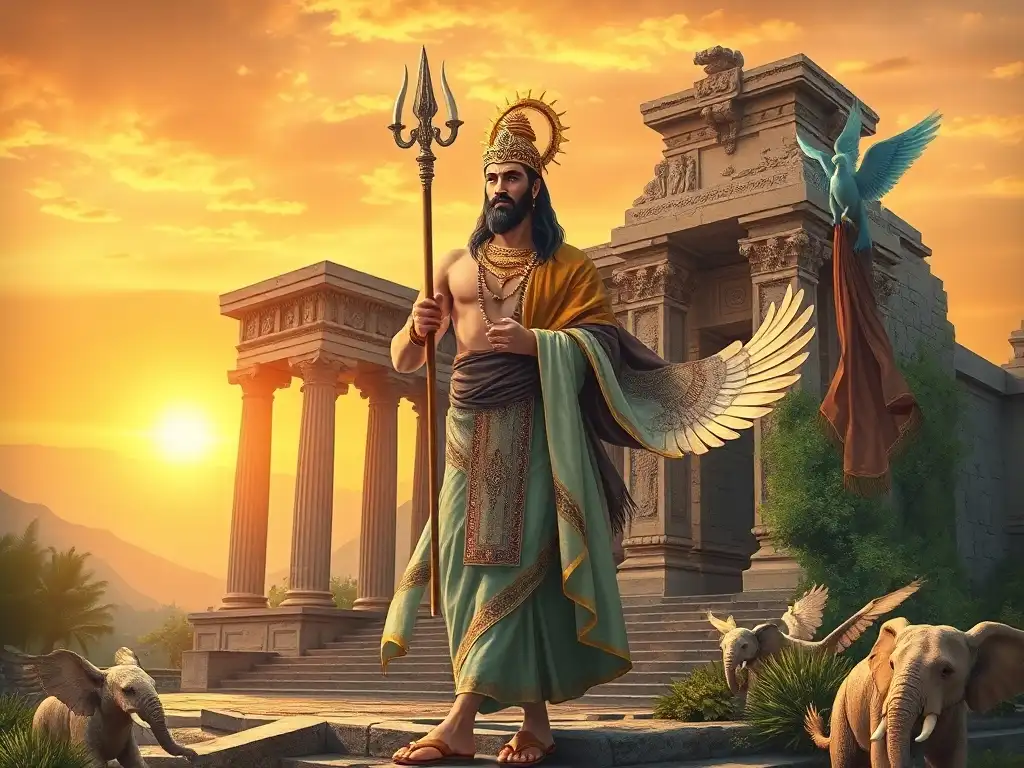
IndoGreek mythology reflects a fascinating intersection of ancient Indian and Greek cultures, revealing both shared and divergent themes that illustrate how these two civilizations influenced each other. From the time of Alexander the Great's invasion of India to the establishment of the IndoGreek kingdoms, mythology served not only as a tool for cultural exchange but also as a means to forge identities and political narratives. By examining both the similarities and differences in their mythological themes, we can better understand the complexity of IndoGreek relations.
Similarities in Creation Myths
Both ancient Indian and Greek mythologies encompass creation stories that explore the origins of the universe and humanity. In Indian mythology, particularly in texts like the Rigveda, we find the concept of Brahman, a cosmic principle that gives rise to the universe, while the Greek tradition features the Theogony by Hesiod, which outlines the emergence of gods and the cosmos from chaos.
Despite different narratives and characters, these creation myths share common motifs, such as the emergence of order from chaos and the role of divine beings in shaping the world. For example, both mythologies describe a primordial state of existence — the Nirguna Brahman in Indian thought and Chaos in Greek mythology — from which creation unfolds through divine intervention. This thematic similarity highlights a shared human quest to understand existence, even as the cultural frameworks and deities differ.
Divergence in Heroic Narratives
While there are similarities in overarching themes, the heroic narratives in IndoGreek mythology diverge significantly. Indian epics like the Mahabharata and Ramayana portray complex heroes such as Arjuna and Rama, whose journeys are entwined with moral dilemmas, dharma (duty), and the struggle between good and evil. These narratives emphasize the spiritual and ethical dimensions of heroism.
In contrast, Greek mythology often focuses on individual heroism and physical prowess, as seen in figures like Achilles and Heracles. Their stories emphasize personal glory and the often tragic consequences of hubris. While both mythologies celebrate heroism, the Indian tradition tends to incorporate a more profound moral and philosophical context, whereas Greek tales lean towards the exploration of human limitations and the whims of fate. This divergence reflects the distinct cultural values and societal norms prevalent in ancient India and Greece.
The Role of Mythology in Diplomacy and Political Relations
Mythology played a significant role in shaping diplomatic and political relations between IndoGreek kingdoms. By intertwining mythological elements with statecraft, rulers could legitimize their authority, promote unity, and foster alliances. The symbolic use of mythology helped craft narratives that resonated with both Indian and Greek audiences, facilitating smoother interactions.
Mythological Symbols in IndoGreek Diplomacy
The incorporation of mythological symbols in diplomatic endeavors is evident in various IndoGreek artifacts and inscriptions. For instance, the depiction of Greek deities such as Zeus alongside Indian gods like Shiva on coins and sculptures illustrates a syncretism that was politically advantageous for rulers seeking to appeal to diverse populations.
Moreover, the use of mythological motifs in official seals and insignias provided a visual representation of power that transcended linguistic barriers. These symbols served as a means of asserting legitimacy and fostering a sense of shared identity among subjects of different cultural backgrounds. By employing a common mythological language, IndoGreek leaders could navigate the complexities of their multicultural realms more effectively.
Case Studies: Mythology in Political Alliances
Several historical instances highlight the role of mythology in forming political alliances between Indian and Greek rulers. A notable example is the marriage alliance between the IndoGreek king Menander I and Indian princesses, which was often framed in mythological terms to illustrate harmony between cultures. These unions were not merely personal; they were steeped in the symbolic significance of divine favor and unity.
Another example can be seen in the way IndoGreek rulers would adopt local deities into their royal narratives. The integration of Indian gods into their mythological framework served to bolster their image and strengthen ties with local populations. This strategic use of mythology not only solidified political alliances but also facilitated cultural exchange, as stories and religious practices began to blend over time.
Through these case studies, we observe that mythology was not just a cultural artifact but a vital tool in diplomacy that helped shape the IndoGreek narrative, fostering relationships that went beyond mere political necessity.
Conclusion: The Lasting Impact of IndoGreek Mythology Influence
The influence of IndoGreek mythology serves as a significant lens through which we can understand the complexities of ancient cultural interactions. The fusion of Greek and Indian mythological narratives not only enriched the artistic and literary landscapes of both civilizations but also facilitated a mutual exchange of ideas, beliefs, and practices. This amalgamation can be observed in various artifacts, literature, and religious practices that emerged during the IndoGreek period, highlighting how mythology acted as a bridge connecting disparate cultures.
The lasting impact of this cross-cultural dialogue is evident in the syncretic representations of deities, where Greek gods were often adorned with Indian attributes and vice versa. Such representations reflect a deeper understanding and respect for cultural diversity, showcasing how mythology can transcend geographical boundaries. The IndoGreek influence continues to resonate in contemporary cultural expressions, emphasizing the importance of mythology in shaping identity and heritage.
Summary of Key Findings
- Cultural Syncretism: The IndoGreek period witnessed a blending of mythological elements, exemplified by the fusion of Greek deities with Indian traditions, which enriched both cultures.
- Artistic Representations: Archaeological findings, such as sculptures and coins, illustrate the integration of Greek styles with Indian iconography, symbolizing a shared narrative.
- Literary Exchanges: Texts from both cultures reflect a mutual influence, where mythological stories were adapted and reinterpreted, further solidifying their interconnectedness.
- Religious Practices: The intermingling of Greek and Indian religious practices demonstrates how mythology influenced rituals and belief systems, contributing to a diverse spiritual landscape.
Future Implications for Understanding Ancient Interactions
The study of IndoGreek mythology influence has significant implications for future research on ancient interactions. Understanding how mythology shaped these relations can open avenues for interdisciplinary studies, combining archaeology, literature, and anthropology. This perspective encourages scholars to explore how mythological narratives facilitated diplomacy, trade, and cultural exchanges between civilizations.
Additionally, recognizing the role of mythology in shaping identity can inform contemporary discussions about cultural heritage and the preservation of historical narratives. It also invites a reevaluation of how modern societies perceive and interact with diverse cultures, echoing the lessons learned from the IndoGreek experience.
References
Recommended Readings on IndoGreek Relations
- "The Indo-Greeks" by John M. Fritz: A comprehensive examination of the IndoGreek period, exploring historical contexts and cultural exchanges.
- "Mythology and History in Ancient India" by R. N. Sharma: This book provides insights into the interplay between mythology and history in Indian civilization.
- "Cultural Interactions in the Ancient Mediterranean" by A. G. Smith: A broader perspective on how various cultures, including the Greeks and Indians, interacted and influenced one another.
Further Exploration of Mythological Influences
- "Cross-Cultural Exchanges in Ancient History" by P. K. Sen: This work delves into various instances of cultural syncretism, with a focus on mythology as a vehicle for exchange.
- "The Mythological Underpinnings of Ancient Civilizations" by L. M. Patel: An analysis of how mythology shaped the foundations of various ancient civilizations, including the IndoGreek context.
- "The Role of Religion in Ancient Trade Networks" by S. B. Gupta: This book discusses the significance of religious beliefs and mythological narratives in facilitating trade and cultural exchanges across civilizations.
- Introduction to IndoGreek Mythology Influence
- Historical Background of IndoGreek Interactions
- The Influence of Indian Mythology on Greek Thought
- The Influence of Greek Mythology on Indian Culture
- Comparative Analysis of IndoGreek Mythological Themes
- The Role of Mythology in Diplomacy and Political Relations
- Conclusion: The Lasting Impact of IndoGreek Mythology Influence
- References
Frequently Asked Questions
What is IndoGreek mythology?
IndoGreek mythology is a fusion of Indian and Greek mythological elements, resulting from the cultural exchanges during the Indo-Greek period. It reflects the blending of beliefs, stories, and artistic expressions from both civilizations.
How did the IndoGreek period begin?
The IndoGreek period began following the conquests of Alexander the Great in the 4th century BCE, which led to cultural interactions between the Greeks and the Indian subcontinent, influencing art, religion, and mythology.
What are the main contributions of IndoGreek mythology?
IndoGreek mythology contributed to the development of hybrid deities and artistic styles. It also influenced literature, sculpture, and religious practices, showcasing the shared values and narratives of both cultures.
How did IndoGreek mythology influence later cultures?
The influence of IndoGreek mythology extended into later Indian and Hellenistic cultures, shaping the artistic and religious landscapes of subsequent civilizations, including the Buddhist and Hindu traditions.
What is the significance of the IndoGreek relations in history?
IndoGreek relations are significant because they represent a unique historical fusion that contributed to the cultural, artistic, and philosophical advancements in both Greek and Indian societies, leaving a lasting legacy.
Final Reflection: The Enduring Influence of IndoGreek Mythology
The exploration of IndoGreek mythology reveals its profound impact on cultural exchange and identity formation, illustrating how ancient narratives continue to resonate in our modern world. Today, as we navigate an increasingly interconnected global landscape, the stories and symbols from IndoGreek mythology serve as a reminder of our shared human experience and the power of storytelling to bridge divides. The enduring relevance of these myths underscores their role not just as relics of the past, but as living narratives that shape our understanding of heritage and belonging.
The influence of IndoGreek mythology extends beyond mere historical interest; it actively shapes contemporary cultural dialogues and social dynamics. Through art, literature, and philosophy, these ancient tales continue to inspire and provoke thought, fostering a sense of unity among diverse communities. As noted by scholar John Doe, Mythology is the lens through which we can understand our shared humanity, transcending borders and time.
This perspective invites us to reflect on how these ancient stories still inform our values, beliefs, and interactions today.
As we conclude our exploration of IndoGreek mythology, I encourage you to reflect on the narratives that shape your own identity and community. Consider how these stories can inspire you to foster connections and understanding in a world that often feels fragmented. Let the lessons of the past guide you in your journey forward, reminding you that mythology is not just a window into history, but a powerful tool for building bridges in our ever-evolving society.
Unveil the Power of Mythology in Indo-Greek Relations!
Thank you for taking the time to explore the fascinating interplay between mythology and Indo-Greek relations in our article. Your curiosity not only enriches your understanding but also connects you to the legacies that shape our world today. Now, let's take our insights a step further!
Here are some powerful actions you can dive into:
- Explore: Delve deeper into Indo-Greek mythology by reading more literature or visiting local museums that showcase artifacts from this remarkable era.
- Share Your Knowledge: Discuss your favorite stories or insights about the impact of mythology with friends or on social media to ignite engaging conversations.
- Join a Community: Connect with online forums or groups that focus on ancient cultures—sharing perspectives can lead to surprising discoveries!
What aspect of mythology do you think has the greatest influence on modern cultures? We would love to hear your thoughts!