
The Role of Trade in Fostering IndoGreek Relations: Insights from Antiquity

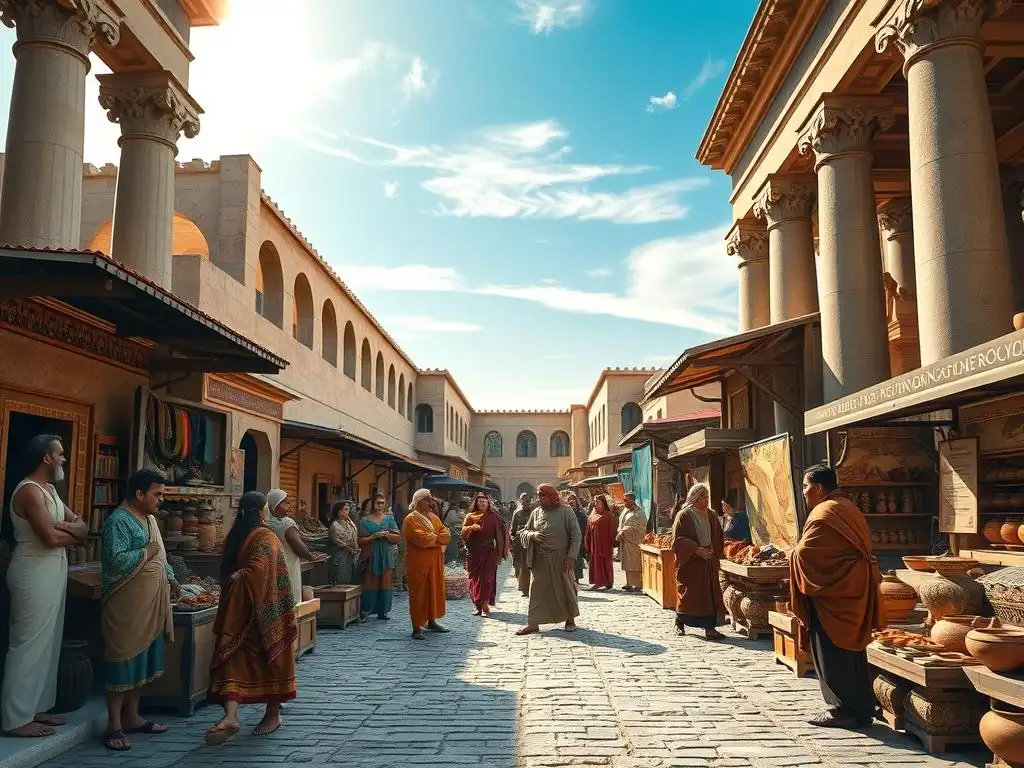
Welcome to Ancient India History, where we embark on a journey through the vibrant tapestry of India's past, uncovering the remarkable stories of its ancient civilizations. In our featured article, "The Role of Trade in Fostering IndoGreek Relations: Insights from Antiquity," we delve into the intricate web of IndoGreek trade relations history, revealing how commerce not only influenced economic exchanges but also enriched cultural interactions.
Prepare to be captivated as we explore how these connections shaped the legacy of ancient India and its relationship with the world. Join us as we open the door to a fascinating exploration of a time that continues to inspire and inform our present!
Introduction to IndoGreek Trade Relations History
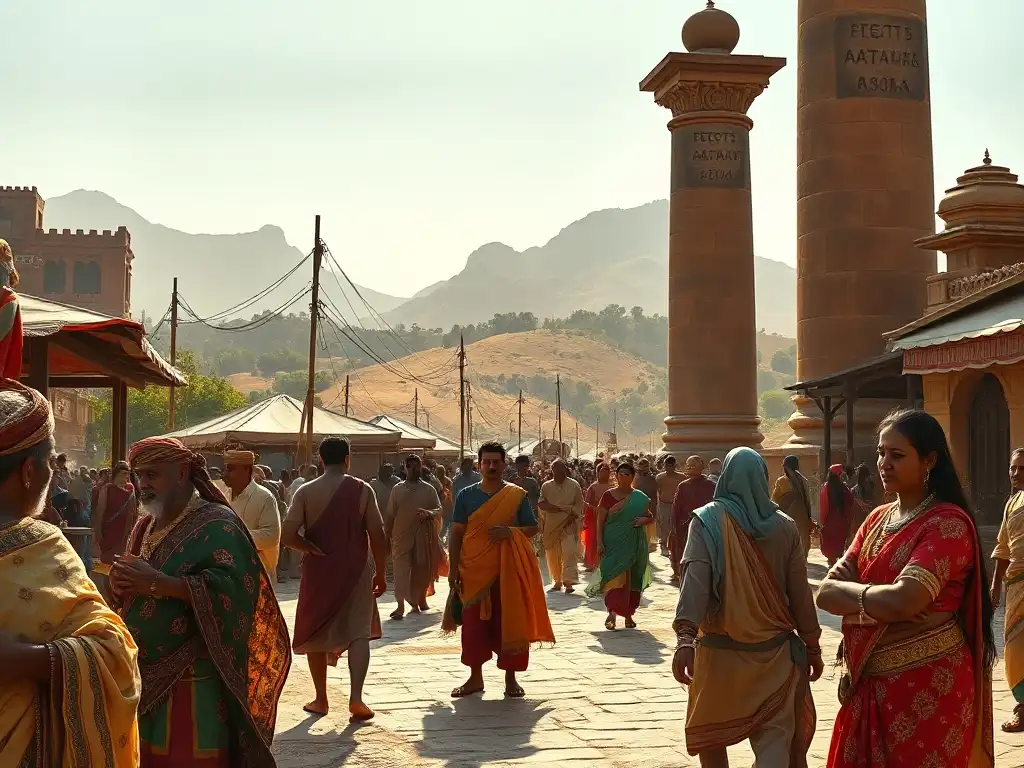
The exploration of IndoGreek trade relations history uncovers a vibrant tapestry woven from centuries of interaction between two rich and diverse civilizations: ancient India and Greece. The period following Alexander the Great's conquests opened the doors to unprecedented exchanges of goods, ideas, and cultures. This article delves into how trade functioned as a crucial conduit for fostering connections between these two civilizations, significantly impacting their social, economic, and political landscapes. Understanding the nuances of these interactions helps illuminate the broader context of cultural diffusion and cooperation that characterized the ancient world.
Overview of IndoGreek Relations
The IndoGreek period marks a significant epoch in the annals of history, characterized by the establishment of Hellenistic kingdoms in the Indian subcontinent following Alexander's invasion. This era witnessed the synthesis of Greek and Indian cultures, particularly in regions like Gandhara. Cities such as Taxila became melting pots of diverse cultures, where Greek art, philosophy, and political systems intermingled with Indian traditions, leading to a unique cultural amalgamation. The IndoGreek kings, such as Menander I, played pivotal roles in promoting trade and diplomatic relations, setting the stage for rich, multi-faceted exchanges that transcended mere economic transactions.
Importance of Trade in Ancient Civilizations
Trade has always played a foundational role in the development of civilizations, serving as a catalyst for economic growth, cultural exchange, and technological advancement. In ancient times, it facilitated not just the movement of goods, but also the transfer of ideas and innovations. The establishment of trade networks allowed societies to access resources not available in their own regions, enriching their cultures and economies. In the context of IndoGreek relations, trade was instrumental in forging alliances, enhancing diplomatic ties, and fostering mutual respect between the two civilizations.
Historical Context of IndoGreek Trade
The Emergence of IndoGreek Trade Routes
The emergence of IndoGreek trade routes can be traced back to the strategic positioning of the Indian subcontinent along vital trade arteries linking the East and West. The Silk Road, along with maritime routes connecting the Mediterranean with Indian ports, facilitated the flow of goods between these regions. Key cities such as Alexandria in Egypt and ports like Bharukachchha (modern Bharuch) became bustling trade centers. The establishment of these routes not only enhanced commercial activities but also led to cultural exchanges that enriched both societies, allowing for the dissemination of philosophies, religions, and artistic styles.
Key Players in IndoGreek Trade Relations
Several key players emerged in the landscape of IndoGreek trade relations, including merchants, rulers, and diplomats. Greek merchants, drawn by the wealth and resources of India, played a crucial role in establishing trade links. Simultaneously, IndoGreek kings, such as the Greco-Bactrian kings and later Indo-Scythian rulers, facilitated trade through policies that promoted economic collaboration. The interactions between local Indian merchants and Greek traders fostered a dynamic marketplace, where ideas and innovations flowed freely across borders, creating a legacy that would influence trade practices for centuries.
Trade Goods and Their Significance in Antiquity
The trade between India and Greece was characterized by a rich array of goods, each with its own significance. Indian spices, textiles, and precious stones were highly sought after in the Mediterranean markets, while Greek wine, olive oil, and pottery found their way into Indian households. The exchange of these goods not only satisfied consumer needs but also symbolized the cultural values and social structures of the respective societies.
Spices, for example, were not just culinary delights but held medicinal and religious significance, while Greek pottery represented artistic achievement and aesthetic appreciation. This complex web of trade goods underscores the importance of commerce in shaping IndoGreek relations and fostering mutual appreciation between these ancient civilizations.
Economic Impact of IndoGreek Trade Relations
The economic impact of IndoGreek trade relations during antiquity cannot be overstated. This interaction facilitated not only the exchange of goods but also the transfer of knowledge, technology, and cultural practices between the two civilizations. Trade routes connecting India and Greece were vital in promoting economic prosperity and enhancing the wealth of both regions.
One significant aspect of this trade was the movement of luxury goods, such as silk, spices, and gemstones from India to the Greek markets, which were highly sought after. Conversely, Greek products, particularly wine and olive oil, became popular in Indian markets. This reciprocal trade established a robust economic framework that benefited both parties.
Trade and Economic Prosperity in Ancient India
Trade played a crucial role in the economic prosperity of ancient India. The emergence of IndoGreek trade relations led to increased commercial activities, facilitating the growth of urban centers along trade routes. Cities like Taxila and Pataliputra became bustling hubs of economic exchange, where merchants from diverse backgrounds came together to trade goods.
The wealth generated from trade allowed for advancements in various sectors, including craftsmanship, agriculture, and infrastructure. Indian artisans began to produce high-quality textiles and metalwork, which were in high demand in Greek markets. The influx of goods and wealth also stimulated local economies, leading to the rise of a merchant class that contributed to the overall economic stability of the region.
The Influence of Greek Trade Practices on Indian Markets
The introduction of Greek trade practices had a profound influence on Indian markets. Greek merchants brought with them advanced techniques in trade, including standardized weights and measures, which improved the efficiency of transactions. This standardization not only simplified trade but also fostered trust among merchants, leading to more substantial economic exchanges.
Additionally, the Greek approach to trade emphasized the importance of contracts and written agreements, which was somewhat novel to Indian traders at the time. This introduced a more formalized system of trade, enhancing the reliability and security of commercial transactions. As a result, Indian markets became more organized and competitive, allowing for the expansion of trade networks.
Cultural Exchange through Trade
The IndoGreek trade relations were not solely economic; they also fostered significant cultural exchanges that enriched both civilizations. The interaction through trade allowed for the sharing of ideas, philosophies, and artistic expressions, leading to a vibrant cultural tapestry that influenced subsequent generations.
Exchange of Ideas and Philosophies
The exchange of ideas and philosophies was one of the most profound impacts of IndoGreek trade. Greek philosophers and scholars traveled to India, where they were exposed to Indian thought, particularly Buddhism and its rich philosophical traditions. This cross-pollination of ideas not only broadened the intellectual horizons for both cultures but also led to the development of syncretic philosophies that incorporated elements from both traditions.
Conversely, Indian scholars and traders were influenced by Greek concepts of governance, ethics, and science. This mutual exchange paved the way for advancements in various fields, including mathematics, astronomy, and medicine, as both civilizations learned from each other's knowledge systems.
Influence of Greek Art and Architecture on Indian Culture
The influence of Greek art and architecture on Indian culture is evident in various historical artifacts and structures. The IndoGreek kingdoms, particularly during the reign of the Greco-Bactrian kings, saw the fusion of Hellenistic and Indian artistic styles. This blending resulted in the creation of Gandhara art, characterized by its intricate sculptures and reliefs that depicted Buddhist themes with Greek stylistic elements.
Architecturally, the introduction of columns and arches in Indian structures can be traced back to Greek influences. Temples and stupas began to incorporate these features, showcasing a unique amalgamation of artistic traditions that enriched Indian architecture.
The Role of Language in IndoGreek Interactions
Language played a pivotal role in facilitating IndoGreek interactions during trade. The use of Greek as a lingua franca among merchants allowed for smoother communication and negotiation between Indian and Greek traders. This common language bridge enabled the exchange of not just goods but also ideas, fostering a deeper understanding between the two cultures.
Moreover, the presence of bilingual inscriptions in both Greek and Indian scripts in various archaeological sites indicates the importance of language in trade. These inscriptions often detailed trade agreements, royal decrees, and religious offerings, highlighting the intertwining of commerce and communication in IndoGreek relations. As a result, language became a powerful tool in fostering connections and cultural exchanges that transcended mere economic transactions.
The Decline of IndoGreek Trade Relations
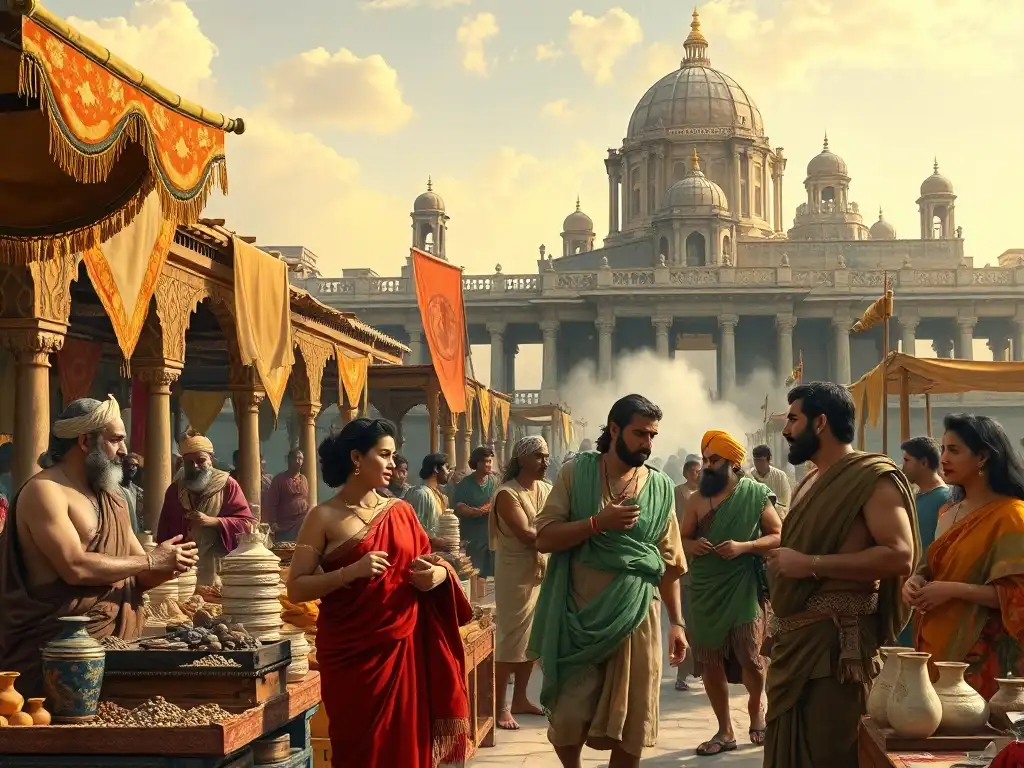
The decline of IndoGreek trade relations marks a significant turning point in the historical interactions between Indian and Greek civilizations. This period, primarily occurring during the first few centuries CE, was characterized by a gradual shift in economic dynamics and geopolitical landscapes. Several factors contributed to this decline, which not only affected trade but also influenced cultural exchanges and political ties.
Factors Leading to the Decline of Trade
- Political Instability: The fragmentation of the IndoGreek kingdoms due to internal strife and external invasions led to a significant loss of control over trade routes. As these kingdoms weakened, their ability to facilitate and protect trade diminished.
- Shift in Power Dynamics: The rise of new empires, such as the Kushan Empire, altered the balance of power in the region. The Kushans expanded their influence over traditional IndoGreek areas, effectively overshadowing the Greek presence and diminishing the economic ties that had previously flourished.
- Economic Challenges: Changes in demand for goods, such as the decline in the popularity of Greek wine and olive oil in Indian markets, contributed to a decrease in trade volume. Additionally, the increase in local production of similar goods reduced reliance on imports from Greek territories.
- Cultural Assimilation: As Indian civilization continued to evolve, the distinct Greek cultural identity began to blend with local traditions. This cultural assimilation led to a lessened interest in Greek goods, contributing to a gradual decline in trade.
Historical Events Impacting IndoGreek Relations
Several key historical events played critical roles in shaping the decline of IndoGreek trade relations:
- The Invasions of the Scythians: The invasions by nomadic tribes, particularly the Scythians, disrupted established trade routes and led to the destabilization of IndoGreek territories. This chaos made it increasingly difficult to maintain trade.
- The Rise of the Silk Road: The emergence of the Silk Road as a dominant trade network shifted focus away from the traditional IndoGreek routes. This new trade route facilitated direct exchanges between the East and West, diminishing the importance of IndoGreek connections.
- Religious and Cultural Shifts: The spread of Buddhism and the subsequent patronage by various Indian rulers diverted attention from Hellenistic influences. The growing cultural ties with Central Asian powers further marginalized IndoGreek relations.
Transition to New Trade Partners
As IndoGreek trade relations waned, India sought new partnerships that could meet its growing economic needs. The emergence of trade with the Romans and later with Southeast Asian civilizations provided new avenues for commerce. The flourishing trade in silks, spices, and precious stones established India as a significant player in global trade networks. This transition not only diversified economic relations but also facilitated the exchange of ideas and cultural practices that shaped the region's future.
Legacy of IndoGreek Trade Relations
The legacy of IndoGreek trade relations is profound, leaving an indelible mark on both Indian and Greek civilizations. While the trade may have diminished, its impacts continued to resonate through subsequent centuries.
Long-term Effects on Indian Civilization
The interactions facilitated by IndoGreek trade significantly influenced Indian art, culture, and philosophy. The introduction of Hellenistic artistic styles encouraged the development of unique Indian forms, particularly visible in the Gandhara art style. This fusion of cultures contributed to a rich tapestry of artistic expression that would endure long after the decline of trade relations.
Additionally, the exchange of philosophical ideas, notably the incorporation of Greek thought into Indian philosophical systems, paved the way for advancements in science and mathematics. This intellectual dialogue would later influence Indian scholarship in various fields.
Historical Significance of IndoGreek Trade in Modern Context
Understanding IndoGreek trade relations provides valuable insights into the complexities of historical interactions between civilizations. It serves as a testament to the importance of trade in fostering relationships, cultural exchanges, and economic interdependence. The lessons drawn from this period can inform modern perspectives on globalization and intercultural dialogue, highlighting the necessity of collaboration across borders.
Lessons Learned from IndoGreek Trading Practices
The IndoGreek trading practices offer several key lessons relevant to contemporary trade relationships:
- Adaptability: The ability to adapt to changing political and economic landscapes is crucial for sustaining trade relations. Historical shifts remind us of the importance of flexibility in partnerships.
- Cultural Exchange: The mutual benefits of cultural exchange underscore the value of understanding and integrating diverse perspectives. Modern trade should prioritize cultural sensitivity to foster lasting connections.
- Strategic Alliances: The decline of IndoGreek trade illustrates the significance of strategic alliances in maintaining economic stability. Building robust partnerships can mitigate risks associated with fluctuations in global trade dynamics.
The decline of IndoGreek trade relations marked a pivotal moment in history, influencing cultural, political, and economic landscapes. The legacy of this era continues to resonate, providing valuable insights into the nature of trade and intercultural relations.
Conclusion
The IndoGreek trade relations history illustrates a significant period of cultural exchange and economic interaction between two ancient civilizations. The trade networks established during this time not only facilitated the exchange of goods but also fostered a mutual influence in culture, art, and philosophy. By examining the various aspects of this relationship, we gain insight into how commerce acted as a bridge between disparate societies, leading to a rich tapestry of shared human experience.
Summary of Key Insights from IndoGreek Trade Relations History
- Economic Interdependence: The IndoGreek interactions were marked by a reciprocal economic relationship. Greek traders brought Mediterranean goods such as wine, olive oil, and pottery to the Indian subcontinent, while Indian merchants offered spices, textiles, and precious stones in return. This flow of commodities fostered economic growth in both regions.
- Cultural Exchange: The trade routes served as conduits not only for goods but also for ideas and cultural practices. The blending of Hellenistic and Indian art forms is a prime example of this cultural syncretism. The introduction of Greek artistic styles influenced the development of sculptures and architecture in India, particularly during the Gandhara period.
- Political Alliances: Trade often led to political alliances, which were crucial in maintaining peace and stability along the trade routes. The establishment of IndoGreek kingdoms, such as those founded by Demetrius and Menander, exemplifies how commerce could be intertwined with diplomatic relations, enhancing both political power and economic prosperity.
- Religious Interactions: The interaction between the two civilizations also facilitated a religious exchange. The spread of Buddhism into Greek territories and the incorporation of Hellenistic elements into Buddhist art reflect how trade promoted not just economic but spiritual connections as well.
Final Thoughts on the Role of Trade in Shaping Cultural Relations
Trade in antiquity was more than a mere exchange of goods; it was a foundational pillar that shaped the very fabric of cultural relations between the IndoGreek civilizations. The connections forged through trade created a platform for dialogue and understanding, allowing for the sharing of philosophies, artistic expressions, and religious beliefs.
As modern societies reflect on these historical interactions, it is essential to recognize the enduring legacy of trade as a catalyst for cultural enrichment and collaboration. The IndoGreek trade relations history serves as a reminder of the importance of economic ties in fostering peaceful coexistence and mutual respect among diverse cultures, a lesson that remains relevant in today's interconnected world.
- Introduction to IndoGreek Trade Relations History
- Historical Context of IndoGreek Trade
- Economic Impact of IndoGreek Trade Relations
- Cultural Exchange through Trade
- The Decline of IndoGreek Trade Relations
- Legacy of IndoGreek Trade Relations
- Conclusion
Frequently Asked Questions
What were the IndoGreek trade relations?
IndoGreek trade relations refer to the commercial interactions and exchanges between ancient Indian civilizations and Greek states, particularly during the Hellenistic period.
How did trade influence IndoGreek relations?
Trade fostered political and cultural exchanges, leading to the spread of ideas, art, and religion between the two regions, which ultimately enriched both civilizations.
What were the main goods traded between India and Greece?
The trade primarily included valuable commodities such as spices, silks, precious stones, and metals, which were highly sought after in both markets.
How did the IndoGreek trade impact ancient Indian culture?
The influx of Greek influences through trade led to significant cultural syncretism, visible in art, architecture, and philosophical thought, shaping the development of ancient Indian culture.
What is the significance of studying IndoGreek trade relations today?
Understanding IndoGreek trade relations sheds light on the historical interactions that shaped global trade networks and the cultural exchanges that continue to influence societies today.
Final Reflection: The Enduring Legacy of IndoGreek Trade Relations
The historical tapestry of IndoGreek trade relations reveals a profound connection that transcends time, illustrating how commerce can foster cultural exchange and mutual understanding. Today, as we navigate an increasingly interconnected world, the lessons from antiquity remind us of the importance of collaboration and dialogue in overcoming barriers and building lasting relationships. The echoes of these ancient trade routes continue to resonate, emphasizing the timeless relevance of trade as a vehicle for peace and prosperity.
The influence of IndoGreek trade relations extends far beyond mere economic transactions; it has shaped cultural identities and social landscapes across generations. The exchange of goods, ideas, and philosophies between these two civilizations laid the groundwork for a rich tapestry of shared heritage. As we reflect on this historical interplay, we are reminded of the words of the philosopher Heraclitus: Character is destiny.
The character forged through these interactions has left an indelible mark on the cultural fabric of both societies, demonstrating how trade can be a catalyst for transformation and unity.
As we look to the future, let us embrace the spirit of cooperation that defined IndoGreek trade relations. I invite you to reflect on how the principles of openness and collaboration can be applied in your own life and community. Whether through fostering international partnerships or engaging in local exchanges, we all have the power to contribute to a more interconnected and harmonious world. By honoring the lessons of the past, we can pave the way for a future rich in understanding and shared prosperity.
Unleash the Secrets of Indo-Greek Trade!
Thank you for diving into the fascinating world of Indo-Greek relations and their powerful impact through trade in antiquity. We hope you found the insights enlightening and inspiring! Now, it's time to take the next step and explore how these historical connections can inform our understanding of contemporary trade.
Here are some actionable steps you can take to deepen your engagement with this topic:
- Join the Discussion: Share your thoughts on how trade continues to shape international relations in today's world in the comments below.
- Explore Further: Read more articles on trade routes and cultural exchanges to see how historical practices influence modern commerce.
- Connect with Community: Participate in forums or groups focused on historical trade links and share your enthusiasm with like-minded individuals.
What new perspectives can you bring to the discussion about the legacy of Indo-Greek trade in today’s economic relationships?