
Emeralds, Rubies, and Sapphires: The Colorful Legacy of Indian Gemstones

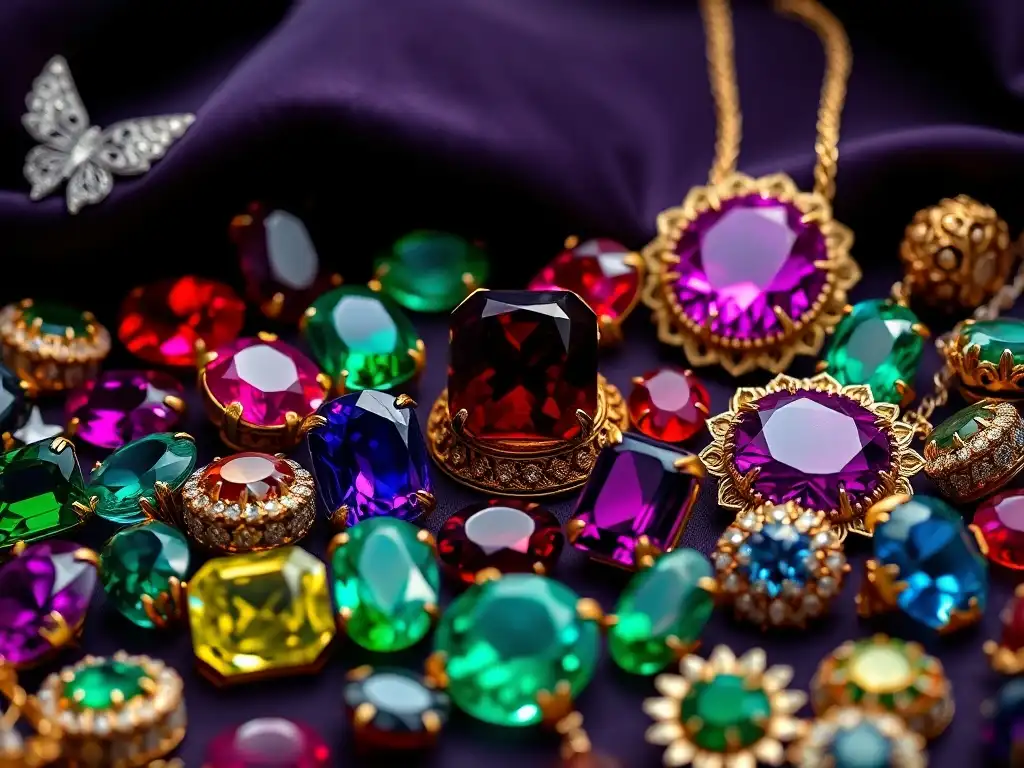
Welcome to Ancient India History, where we embark on a fascinating journey through the vibrant tapestry of India's past. Dive deep into the rich and diverse history, culture, and contributions of ancient Indian civilizations, and discover how they shaped the world as we know it today. In our featured article, "Emeralds, Rubies, and Sapphires: The Colorful Legacy of Indian Gemstones," we unveil the captivating history of Indian gemstones—a story filled with opulence, artistry, and the enduring allure of these precious stones.
Join us as we explore this radiant legacy that continues to enchant and inspire. Your adventure into the brilliance of ancient India begins here!
- Introduction to the History of Indian Gemstones
- The Rich Heritage of Indian Gemstones
- Emeralds: The Green Treasures of India
- Rubies: The Red Royalty of Indian Gemstones
- Sapphires: The Blue Wonders of Indian Heritage
- Comparing the Value of Emeralds, Rubies, and Sapphires
- The Impact of Indian Gemstones on Global Markets
- Modern Perspectives on the History of Indian Gemstones
- Conclusion: The Lasting Legacy of Indian Gemstones
- Frequently Asked Questions
- Final Reflection: The Timeless Allure of Indian Gemstones
- Unearth the Beauty of Indian Gemstones Today!
Introduction to the History of Indian Gemstones
The history of Indian gemstones is a vibrant tapestry woven with stories of wealth, power, and cultural significance. From the dazzling brilliance of emeralds to the deep allure of rubies and the serene charm of sapphires, gemstones have played a pivotal role in ancient Indian society. Their allure transcended mere aesthetics; these precious stones were deeply embedded in the spiritual, political, and economic fabric of various civilizations throughout history.
As we explore the legacy of Indian gemstones, we uncover not only their historical context but also the intricate craftsmanship and cultural narratives that have surrounded them. This journey takes us from the famed trade routes of the Indus Valley Civilization to the opulent courts of the Gupta Empire, revealing how these gems were cherished, revered, and utilized in various aspects of life—from adornments in jewelry to symbols of divine protection.
Overview of Indian Gemstones and Their Significance
Indian gemstones have long been celebrated for their breathtaking beauty and unique properties. Emeralds, rubies, and sapphires, in particular, have held prominent positions in the historical narrative of Indian jewelry and culture. These stones were not just ornamental; they were believed to possess mystical powers and were often associated with various deities in Hindu mythology.
- Emeralds: Known as "Panna" in Hindi, emeralds were considered symbols of prosperity and were believed to enhance wisdom and tranquility. Ancient texts describe their use in talismans and amulets.
- Rubies: Referred to as "Manik" in Indian culture, rubies were associated with the sun and believed to bring good fortune and health. They were often embedded in ceremonial crowns and royal insignia.
- Sapphires: Called "Neelam," sapphires were esteemed for their protective qualities and were thought to ward off evil. Their deep blue hue made them a favorite among the elite.
The significance of these gemstones extended beyond their physical attributes; they served as tokens of status and symbols of divine favor, reflecting the intricate relationship between humans and nature in ancient India.
Importance of Emeralds, Rubies, and Sapphires in Ancient India
The importance of emeralds, rubies, and sapphires in ancient India cannot be overstated. These gemstones were not only components of exquisite jewelry but also integral to various ceremonies and cultural practices.
- Royalty and Power: These stones were often worn by kings and queens as symbols of their sovereignty. The presence of gemstones in royal regalia signified power and divine right.
- Trade and Economy: The demand for these precious stones led to the establishment of thriving trade routes. Indian gemstones were sought after globally, and their export contributed significantly to the economy.
- Cultural Representations: Each gemstone carried unique meanings and was often represented in art and literature. They were featured in ancient texts, poetry, and religious scriptures, highlighting their cultural significance.
As we delve deeper into the rich history of Indian gemstones, we will uncover the fascinating stories and legacies that these precious stones have left behind, shaping not only the aesthetic landscape of ancient India but also its socio-economic and spiritual realms.
The Rich Heritage of Indian Gemstones
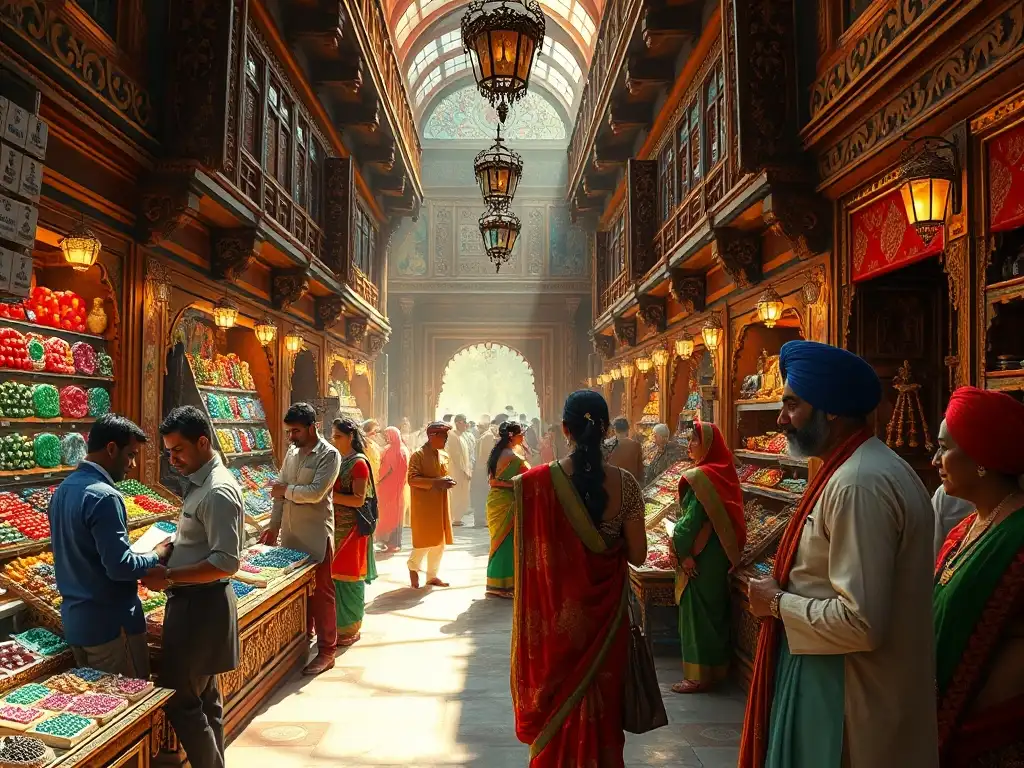
The history of Indian gemstones is deeply intertwined with the cultural and economic tapestry of the subcontinent. Renowned for their brilliance and diversity, gemstones from India have not only adorned royalty and the elite but have also played significant roles in trade and craftsmanship throughout the ages. The legacy of Indian gemstones stretches back thousands of years, marked by a rich heritage that reflects the country's artistic traditions and the advancements in mining techniques.
Historical Context of Gemstone Mining in India
Gemstone mining in India dates back to ancient civilizations, with evidence suggesting that the practice began around 3000 BCE. Archaeological finds from sites like the Indus Valley reveal that the people of this era were skilled in the art of stone cutting and polishing, particularly with semi-precious stones such as carnelian and agate.
- Mining Techniques: Early miners utilized rudimentary tools made from stone and wood to extract gemstones from riverbeds and hillsides. Over time, these techniques evolved, incorporating more sophisticated methods, including the use of fire to weaken rocks.
- Trade Routes: India's strategic position along historical trade routes facilitated the exchange of gemstones with various cultures. The Silk Road, for instance, played a crucial role in connecting India to the Middle East and beyond, allowing for the flow of not just gemstones but also knowledge about their value and uses.
- Cultural Significance: Gemstones were not merely ornamental; they held spiritual and medicinal significance. Ancient texts, such as the Ayurveda, often referenced the healing properties of gemstones, further embedding them into the cultural fabric of Indian society.
Major Gemstone Deposits Across India
India is home to several significant gemstone deposits, each contributing to the country's reputation as a gem-rich land. The major regions known for their gemstone production include:
- Karnataka: Known for its rich deposits of rubies, sapphires, and emeralds, Karnataka has been a center for gemstone mining since ancient times. The city of Mysore, in particular, is famous for its high-quality rubies.
- Andhra Pradesh: This state is celebrated for its vast deposits of diamonds, particularly in the Panna region, which has been a historical diamond mining hub. Additionally, Andhra Pradesh is known for its beautiful blue sapphires.
- Rajasthan: Renowned for its colorful gemstones, Rajasthan is particularly famous for its emeralds and garnets. The town of Jaipur is often called the "Gem City," where skilled artisans craft exquisite gemstone jewelry.
The Role of the Indus Valley Civilization in Gemstone Trade
The Indus Valley Civilization (IVC), flourishing around 2500 BCE, was pivotal in shaping the early history of gemstones in India. Evidence from archaeological sites, such as Mohenjo-Daro and Harappa, indicates that the IVC was advanced in trade, and gemstones played a crucial role in its economy.
- Trade Networks: The IVC established extensive trade networks with neighboring civilizations, including Mesopotamia. Excavations have revealed that gemstones were not only mined but also exported, indicating their high value.
- Artisan Skills: The craftsmanship of IVC artisans was remarkable, with findings showing advanced techniques in bead-making and gemstone setting. The intricate designs and precision in their work laid the foundation for future generations of jewelers.
- Cultural Exchange: The trade in gemstones facilitated cultural exchanges that enriched both the Indian and foreign markets, leading to a diverse appreciation for different types of stones and their uses.
The Influence of the Maurya and Gupta Empires on Gemstone Craftsmanship
The Maurya (c. 322–185 BCE) and Gupta (c. 240–550 CE) Empires were instrumental in the evolution of gemstone craftsmanship in India, contributing to both the artistry and the economic significance of gemstones.
- Royal Patronage: The emperors of these dynasties were known for their opulence and often commissioned exquisite jewelry adorned with precious stones. This royal patronage not only elevated the status of gemstones but also encouraged skilled artisans to innovate and refine their techniques.
- Cultural Flourishing: The period marked a significant cultural flourishing, with advancements in art and architecture that often incorporated gemstones. The intricate carvings and embellishments seen in temples and palaces reflect the high regard for gemstones and their craftsmanship.
- Trade Expansion: Under both empires, trade routes expanded significantly, allowing for the increased export of Indian gemstones to global markets. This not only enhanced the wealth of the empires but also established India as a dominant player in the international gemstone trade.
The rich history of Indian gemstones is a testament to the ingenuity and artistry of ancient Indian civilizations, which continue to influence modern gemstone practices and appreciation today.
Emeralds: The Green Treasures of India
Historical Significance of Emeralds in Ancient India
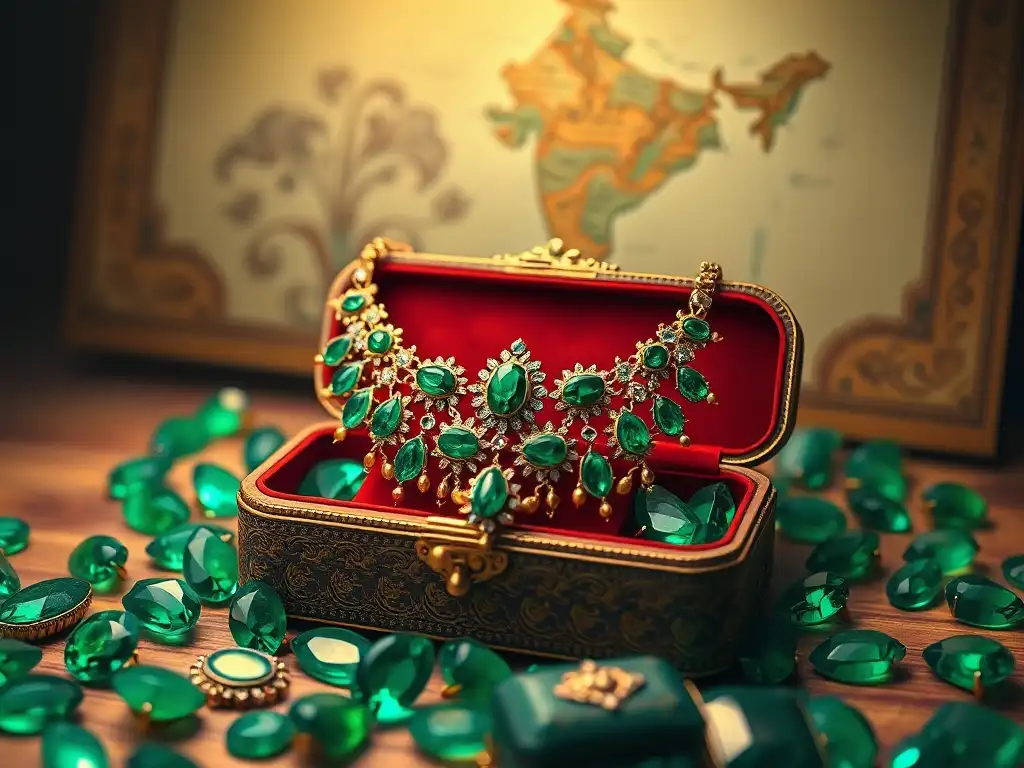
Emeralds, known as "Panna" in Hindi, have held a prominent place in Indian history and culture for centuries. Revered for their stunning green hue, these gemstones were not only appreciated for their beauty but also for their believed metaphysical properties. Ancient texts, such as the Arthashastra and Ain-i-Akbari, document the significance of emeralds as symbols of prosperity and protection. It was believed that wearing emeralds brought wisdom and was particularly auspicious for individuals born under the zodiac sign of Gemini.
Emeralds were often associated with various deities and played a role in religious practices. They were used in ceremonial jewelry and as offerings in temples. The ancient Indian civilization also linked emeralds with the heart chakra, believing they could enhance emotional balance and promote healing.
Additionally, emeralds were a staple among the royal elite. They adorned crowns, scepters, and other regalia, signifying power and authority. The Mughal emperors, in particular, prized emeralds highly, often inscribing them with intricate designs and motifs, further enhancing their cultural legacy.
Famous Emerald Sources in India
India has been historically recognized as a key source of emeralds, with several regions known for their rich deposits.
- Madhya Pradesh: This state is home to some of the most significant emerald mines, specifically around the region of Koh-i-Noor, which has produced some of the finest quality stones.
- Rajasthan: Renowned for its gem markets, Rajasthan has also been a traditional hub for emerald trading, especially in the cities of Jaipur and Udaipur.
- West Bengal: The mines in this region have been known to produce various gemstones, including emeralds, which contributed to the local economy and craftsmanship.
Emeralds from these regions have been traded extensively, not just within India but also exported to various parts of the world, including the Middle East and Europe, leading to a rich history of cross-cultural exchanges.
Notable Emerald Artifacts from Historical Periods
The historical significance of emeralds in India is further illustrated by notable artifacts that have survived through the ages:
- The Mughal Emeralds: Among the most famous is the Imperial Emerald, an 800-carat stone that was part of the Mughal crown jewels. Its intricate carvings showcase the exceptional craftsmanship of the period.
- The Emerald Necklace of Queen Noor Jahan: This exquisite piece, belonging to the wife of Emperor Jahangir, features multiple emeralds set in gold, symbolizing the luxury and opulence of the Mughal court.
- Emerald Talismans: Many artifacts, including rings and amulets, were crafted with emeralds believed to possess protective qualities. Historical texts often mention these items being worn by warriors and royalty during battles.
These artifacts not only highlight the beauty of emeralds but also signify their deep-rooted connection to Indian history, culture, and the artistry of ancient craftsmanship. The legacy of emeralds in India continues to be celebrated today, reflecting the rich heritage of Indian gemstones.
Cultural Beliefs and Symbolism Associated with Emeralds
Emeralds have long been revered in Indian culture for their stunning beauty and vibrant green hue, which has made them symbols of prosperity, love, and rebirth. This gemstone holds a significant place in various cultural narratives and is steeped in rich symbolism that has evolved over centuries.
Historical Significance
Historically, emeralds were associated with the goddess of wealth and prosperity, Lakshmi. In ancient texts, these stones were believed to bring good fortune and were often used in religious ceremonies and rituals. They were considered a talisman that could ward off negative energies and enhance spiritual growth. Many ancient texts, including the "Ratna Shastra," a treatise on gemstones, highlight the importance of emeralds in enhancing one's intellect and wisdom.
Symbol of Love and Fidelity
Emeralds are also linked to love and fidelity, making them a popular choice for engagement rings and wedding jewelry. In traditional Indian weddings, emeralds are often incorporated into bridal adornments, symbolizing the love and commitment shared between partners. This association with love is further emphasized in folklore, where emeralds are said to possess the ability to reveal true love and dispel jealousy.
Healing Properties
In Ayurvedic tradition, emeralds are believed to hold healing properties that can benefit the wearer both physically and mentally. They are thought to alleviate stress, improve emotional well-being, and enhance overall health. The stone is often recommended for individuals seeking clarity of thought and mental acuity, further solidifying its role as a symbol of wisdom and insight.
Connection to the Zodiac
Emeralds are associated with the planet Mercury, making them a significant gemstone for those born under the zodiac sign of Gemini and Virgo. Astrologers believe that wearing emeralds can enhance communication skills, intelligence, and adaptability in these individuals. This astrological connection has contributed to the gemstone's popularity, as many people seek to harness its beneficial energies for personal growth.
Artistic Representations
Emeralds have also found a place in Indian art and literature, often portrayed as symbols of beauty and luxury. They are frequently depicted in traditional paintings and sculptures, showcasing their importance in the aesthetic and cultural realms. The rich green color of emeralds is often used as a metaphor for nature and fertility, further embedding the gemstone into the cultural fabric of India.
The cultural beliefs and symbolism associated with emeralds in India are multi-faceted and deeply ingrained in the nation's history. From being a symbol of love and wealth to representing wisdom and healing, emeralds continue to captivate the hearts and minds of people across generations. Their significance transcends mere aesthetics, reflecting a rich legacy intertwined with the spiritual and cultural identity of Indian civilization.
Rubies: The Red Royalty of Indian Gemstones
The Historical Journey of Rubies in Indian Culture
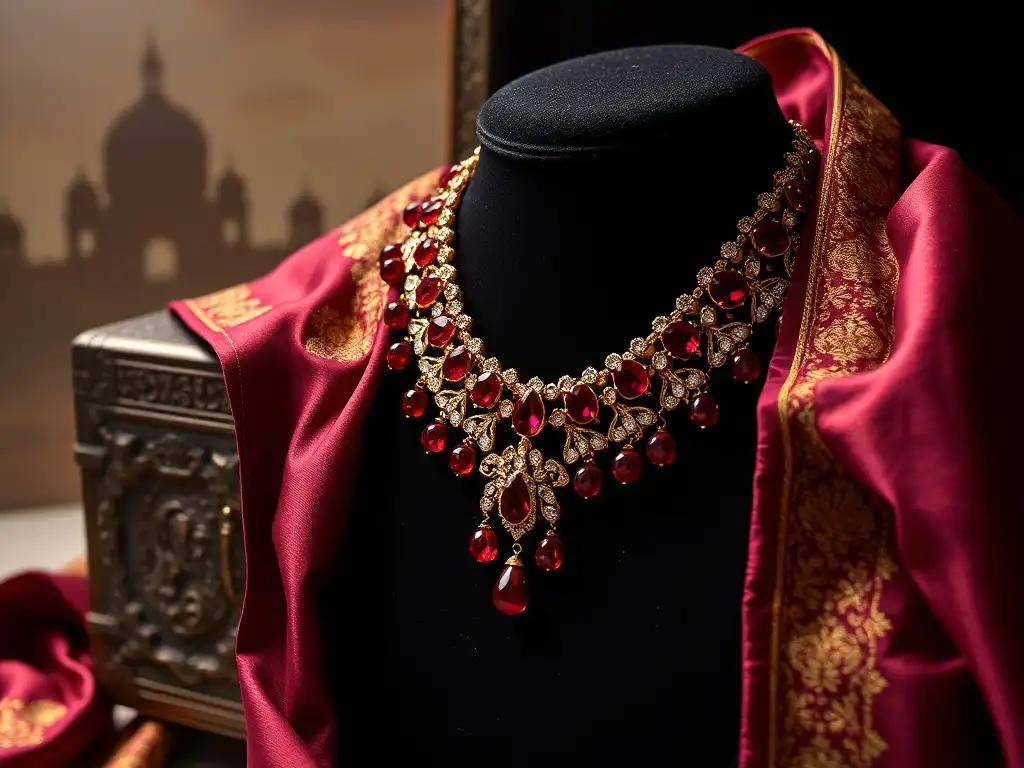
Rubies have long been celebrated in India for their vibrant color and association with power, passion, and prosperity. The history of Indian gemstones, particularly rubies, can be traced back to ancient texts and royal chronicles, where they were often referred to as "Ratnaraj," meaning the king of gemstones.
In ancient India, rubies were not only prized for their aesthetic beauty but also attributed with mystical properties. They were believed to possess the power to protect their wearers from harm, enhance their vitality, and bring good fortune. Historical documents reveal that rubies adorned the crowns of kings and were integral to ceremonial regalia, signifying authority and status.
The significance of rubies is also evident in various mythologies and religious texts. For instance, in Hindu mythology, rubies are associated with the planet Mars (Mangala) and are thought to bestow courage and success upon their owners. Ancient texts like the "Arthashastra" and "Sushruta Samhita" mention rubies as a vital part of medicinal practices, highlighting their importance in both culture and health.
Major Ruby Mines in India
India has been home to some of the most renowned ruby mines, which have contributed significantly to the rich tapestry of gemstones throughout history. The primary regions known for ruby mining include:
- Mysore (Karnataka): Historically, Mysore was one of the leading sources of rubies from the 16th century onwards. The rubies from this region are characterized by their deep red hue and are often included in royal jewelry.
- Panchkula (Haryana): This area has been known for producing high-quality rubies, particularly in the late 19th and early 20th centuries. The rubies found here are often sought after for their clarity and color.
- Burmese Rubies: While not originating from India, Burmese rubies have played a significant role in the Indian market, especially during the Mughal era when gemstones were imported from Burma and integrated into Indian jewelry.
The mining techniques used in these regions varied from manual methods in ancient times to more modern approaches in contemporary settings. Nevertheless, the artistry and craftsmanship involved in handling these gemstones have remained a constant throughout history.
The Legend of the Star Ruby: Stories from Ancient Texts
The "Star Ruby" is a remarkable variant of the ruby, distinguished by its unique asterism—a star-like phenomenon that appears on the surface when light hits it. Ancient texts and folklore surround the star ruby, attributing it with divine significance and magical properties.
One popular legend speaks of a majestic ruby found deep within the mines of Kashmir, believed to have been a gift from the gods to a great king. According to this tale, the ruby was said to shine with a celestial light, guiding the ruler to victory in battles. It was believed that the star within the ruby represented the divine favor bestowed upon him.
Additionally, texts like the "Manasara" and "Ratnapariksha" elaborate on the significance of the star ruby in astrological practices, asserting that wearing this gemstone can enhance one’s luck and protect against negative influences.
The legacy of rubies in Indian history is not only a testament to their beauty but also to their cultural and spiritual significance. The journey of rubies, from ancient mines to royal adornments, continues to captivate gemstone enthusiasts and historians alike, further enriching the history of Indian gemstones.
The Role of Rubies in Royal Jewelry and Status Symbols
Rubies have long been regarded as one of the most precious gemstones in Indian history, symbolizing wealth, power, and prestige. Known as the “King of Gems,” rubies have played a pivotal role in the adornment of royalty and nobility throughout the ages. The deep red hue of these stones, often associated with passion and vitality, made them a favored choice for royal jewelry, serving not only as decorative pieces but also as indicators of status.
Historical Significance
In ancient India, rubies were believed to possess protective properties, embodying strength and courage. This belief elevated their status, making them essential components of royal regalia. Kings and emperors adorned themselves with rubies during significant events, such as coronations and battles, as a means to project their power and fortitude. The presence of rubies in royal crowns, necklaces, and ceremonial armors signified the wearer’s supreme authority and divine right to rule.
Cultural Associations
Rubies are deeply embedded in Indian culture, often linked to mythology and folklore. According to ancient texts, rubies were considered to be the teardrops of the sun, reflecting its fiery essence. This celestial connection further enhanced their allure, making them more than mere gemstones; they were seen as talismans of good fortune and prosperity. As such, rubies were often gifted to brides as part of their wedding dowries, symbolizing love and passion, thus reinforcing their status as a representation of both emotional and material wealth.
Design and Craftsmanship
The craftsmanship involved in creating ruby jewelry has evolved over centuries, showcasing the intricate artistry of Indian jewelers. The use of rubies in traditional pieces such as necklaces, rings, and earrings often featured elaborate designs that incorporated gold and other precious metals. Techniques like kundan and meena work, which involve setting gemstones in gold foil and adding enamel, have highlighted the brilliance of rubies while enhancing their aesthetic appeal. This exquisite craftsmanship ensured that rubies remained a centerpiece of royal jewelry collections.
Modern Legacy
Today, the legacy of rubies in Indian jewelry continues to thrive. While contemporary designs may vary, the significance of rubies as symbols of status remains unchanged. They are still sought after by collectors and enthusiasts, often fetching high prices at auctions and jewelry stores. Modern royalty and celebrities often choose rubies for their opulent jewelry pieces, maintaining the gemstone's reputation as a symbol of luxury and power.
Rubies have played a crucial role in the history of Indian gemstones, serving as both adornments of beauty and symbols of authority throughout the centuries. Their rich cultural heritage and the artistry involved in their presentation ensure that rubies will continue to hold a special place in the realm of jewelry and status symbols in India.
Sapphires: The Blue Wonders of Indian Heritage
The Historical Importance of Sapphires in Ancient Traditions
Sapphires have held a significant place in India's rich tapestry of history, culture, and tradition. Known for their mesmerizing blue hues, these gemstones have been associated with royalty, spirituality, and divine favor throughout the ages. In ancient Indian texts, sapphires were often regarded as symbols of wisdom and purity. Notably, the Rigveda, one of the oldest known scriptures, makes references to blue stones that bear a striking resemblance to sapphires, suggesting their veneration in early Hindu society.
During the reign of various dynasties, such as the Mauryas and the Guptas, sapphires were not merely decorative pieces but were believed to possess protective qualities. Royalty adorned themselves with sapphire-laden jewelry, believing that these gemstones could safeguard them from evil and misfortune. The association of sapphires with the planet Saturn, or Shani, further solidified their significance in astrological practices, making them integral to many rituals and offerings.
Moreover, sapphires were often used in the crafting of ceremonial items, including thrones and palanquins, signifying their importance in royal courts. The famous Koh-i-Noor diamond, while not a sapphire, was often set alongside sapphires in various royal regalia, highlighting the gemstone's esteemed status among the elite.
Key Locations for Sapphire Mining in India
India has been home to several key locations renowned for sapphire mining, significantly influencing the history of Indian gemstones. The most notable regions include:
- Kashmir:
- Geological Significance: The Kashmir valley is famous for its unique, deep blue sapphires, characterized by their exceptional clarity and color.
- Historical Context: Mining in this region began in the 19th century, and the gemstones became synonymous with luxury and royalty, often fetching astronomical prices.
- Sri Lanka:
- Although not part of mainland India, Sri Lankan sapphires have historically influenced Indian markets. The trade of these gemstones significantly impacted Indian jewelers and consumers.
- Andhra Pradesh:
- This state is known for its sapphire deposits, particularly in the Nellore region. The sapphires from this area are typically lighter in color but have gained popularity for their affordability.
- Madhya Pradesh:
- This region, particularly around the Panna district, has been a significant source of sapphires, contributing to the local economy and craft traditions.
Each of these regions has contributed not only to the gemstone industry but also to the cultural practices surrounding the use of sapphires in jewelry and ceremonial artifacts.
The Connection Between Sapphires and Spiritualism in Ancient India
The spiritual significance of sapphires in ancient India is profound, intertwining with various religious beliefs and practices. The gemstone is often linked to the Hindu deity Vishnu, the preserver of the universe, symbolizing protection and divine favor. Many devotees believed that wearing sapphires could enhance their connection to the divine, bringing them closer to spiritual enlightenment.
Sapphires were also integral to astrological practices. In Vedic astrology, the gemstone is associated with the planet Saturn (Shani), which is believed to influence one's fate and karma. Astrologers often recommended wearing sapphires to mitigate the adverse effects of Saturn in a person's horoscope, thus enhancing prosperity and well-being.
Furthermore, ancient texts suggest that sapphires were used in various rituals aimed at invoking blessings for health, wealth, and success. The belief in the gemstone's metaphysical properties contributed to its allure, making it a staple in the jewelry of spiritual leaders and the affluent alike.
Sapphires have not only been valued for their beauty but also revered for their historical and spiritual significance in Indian culture. Their legacy continues to be celebrated in contemporary jewelry, reflecting a timeless connection to India's rich heritage.
Famous Sapphire Artifacts and Their Stories
Sapphires have played a significant role in Indian culture and history, with numerous artifacts showcasing their beauty and significance. These precious gemstones are not only valued for their aesthetic appeal but also for their historical narratives, which often intertwine with the royal dynasties and religious traditions of ancient India. Below are some of the most renowned sapphire artifacts and the stories that accompany them.
The Blue Sapphire of the Nizam
One of the most famous sapphires in Indian history belonged to the Nizam of Hyderabad, known as the "Blue Sapphire of the Nizam." This extraordinary gemstone was part of the Nizam's extensive collection of jewels and was reputed to weigh around 100 carats. The sapphire became a symbol of wealth and power, often associated with the opulence of the Nizam's rule during the 18th and 19th centuries. It is said that the stone was used in various royal ceremonies, reflecting the grandeur of the era.
The Star of India
Another notable sapphire is the "Star of India," a stunning 563-carat star sapphire that has captured the imagination of gem enthusiasts worldwide. Although not originally from India, it has a fascinating connection to the country. The Star of India was discovered in Sri Lanka and later brought to the United States, where it became part of the collection at the American Museum of Natural History in New York. Its unique star-shaped asterism and rich blue hue represent the beauty and craftsmanship often associated with Indian gemstones.
The Sapphires of the Mughal Empire
The Mughal Empire, known for its artistic achievements and luxurious lifestyle, also produced a plethora of sapphire artifacts. One of the most significant is the sapphire-encrusted throne, known as the "Peacock Throne." This opulent seat, adorned with numerous precious stones, including sapphires, was a testament to the wealth and power of the Mughal emperors. The throne symbolized the divine right to rule and was often the centerpiece of grand ceremonies, showcasing the intricate craftsmanship of Indian artisans.
The Sapphires in Religious Contexts
Sapphires have also held religious significance in ancient India. They were often used in the adornment of idols and deities in temples. One such artifact is the sapphire-studded idol of Lord Krishna, housed in a temple in Rajasthan. This idol, adorned with carefully carved sapphires, represents the divine connection between the gemstone and spirituality. The use of sapphires in religious artifacts not only highlights their beauty but also their role in cultural and spiritual practices.
Conclusion
The stories behind famous sapphire artifacts reflect the rich tapestry of Indian history and culture. From royal treasures to religious icons, sapphires have found their place in the hearts of the people, embodying both beauty and significance. These gemstones continue to captivate collectors and historians alike, reminding us of the colorful legacy that Indian gemstones have left throughout the ages.
Comparing the Value of Emeralds, Rubies, and Sapphires
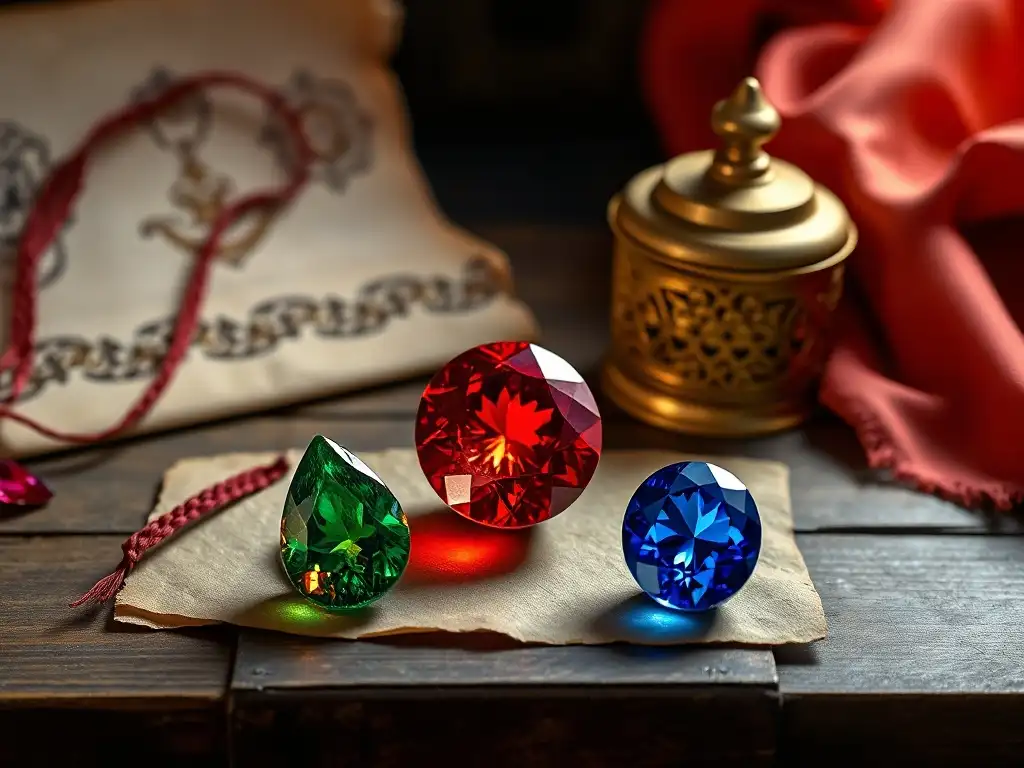
Comparing the value of emeralds, rubies, and sapphires requires an understanding of their historical significance, market trends, and intrinsic qualities. Throughout history, these gemstones have not only represented wealth and status but also played vital roles in various cultures and traditions across India.
Emeralds, known for their rich green hues, have been revered since ancient times, often associated with prosperity and fertility. Rubies, with their striking red colors, symbolize passion and power, historically favored by royalty. Sapphires, celebrated for their deep blue tones, have also been linked to nobility and divine favor. The value of these gemstones fluctuates based on market demand, cultural relevance, and rarity.
Market Value Trends of Indian Gemstones Over Time
The market value of Indian gemstones has exhibited notable fluctuations over the centuries, influenced by various economic, political, and social factors.
- Historical Context:
- During the Indus Valley Civilization (c. 3300–1300 BCE), gemstones were traded extensively, with evidence of emeralds and other stones being utilized for decorative purposes.
- The Mughal Empire (1526–1857) saw a surge in the demand for precious stones, especially rubies and emeralds, which were intricately crafted into jewelry for the royal court.
- Modern Market Dynamics:
- In the contemporary market, a growing global appreciation for Indian gemstones has emerged. This is driven by increased awareness of their historical and cultural significance.
- Indian gemstones have become integral in international jewelry markets, leading to a rise in their market value. For instance, the price of high-quality rubies and emeralds has surged, especially in auctions and private sales.
- Price Index Over the Years:
| Year | Emeralds (per carat) | Rubies (per carat) | Sapphires (per carat) |
|---|---|---|---|
| 2000 | $500 | $800 | $300 |
| 2010 | $800 | $1200 | $600 |
| 2020 | $1500 | $2500 | $1200 |
This table illustrates the rise in market values over two decades, emphasizing the increased desirability of these gemstones.
Factors Affecting the Pricing of Emeralds, Rubies, and Sapphires
Several factors contribute to the pricing of emeralds, rubies, and sapphires, making it essential for buyers and collectors to understand these elements.
- Quality:
- The quality of a gemstone is determined by its color, clarity, cut, and carat weight.
- High-quality emeralds exhibit a vibrant green hue, while rubies are prized for their deep red tones. Sapphires, although available in various colors, are most valued in their classic blue form.
- Size:
- Larger gemstones are generally more valuable, owing to their rarity.
- For instance, a 5-carat ruby may fetch significantly higher prices than multiple smaller rubies of the same total carat weight.
- Origin:
- The origin of a gemstone can substantially influence its price.
- Emeralds from Colombia, rubies from Myanmar, and sapphires from Kashmir are considered to be among the most desirable, often commanding premium prices due to their historical significance and superior quality.
Quality, Size, and Origin: The Key Determinants
The interplay of quality, size, and origin serves as the foundation for understanding the value of Indian gemstones.
- Quality:
- Gemstones undergo grading based on their characteristics. For instance, a gemstone with minimal inclusions and a rich, vivid color will be priced significantly higher than one that does not meet these criteria.
- Size:
- A gemstone's size is measured in carats, and as mentioned earlier, larger stones often yield higher prices. The rarity of larger gemstones creates a premium in the market.
- Origin:
- The geographical source of a gemstone adds to its allure. For example, Kashmir sapphires, renowned for their velvety texture and deep color, are highly sought after and often fetch prices that are multiples of their weight in lesser-quality stones from other regions.
The value of emeralds, rubies, and sapphires is shaped by a complex interplay of historical significance, market trends, and intrinsic qualities. Understanding these factors can help collectors and buyers make informed decisions in the vibrant world of Indian gemstones.
Recommendations for Collectors: Which Gemstone to Choose?
When it comes to selecting gemstones for collection, particularly emeralds, rubies, and sapphires, collectors should consider various factors that influence both the aesthetic appeal and the investment value of these precious stones. Each gemstone offers unique characteristics that can make them appealing for different reasons.
1. Emeralds: The Allure of Green
Emeralds are renowned for their stunning green hue, which can range from light to deep, rich tones. Collectors seeking to invest in emeralds should prioritize:
- Color Quality: The most valuable emeralds exhibit a vivid green color with minimal to no secondary hues.
- Clarity: While most emeralds have inclusions (known as “jardin”), those with fewer visible imperfections are more sought after.
- Origin: Colombian emeralds are often considered the finest due to their exceptional color and clarity.
Investors should also be mindful of the treatment process, as many emeralds are oiled to enhance their clarity, which can affect their value.
2. Rubies: The King of Gemstones
Rubies, often described as the "king of gemstones," are cherished for their intense red coloration. Collectors should consider the following:
- Color Saturation: The most desirable rubies feature a deep red color, sometimes with a purplish hue, known as “pigeon blood.”
- Clarity and Cut: High-quality rubies should have minimal inclusions and be well-cut to maximize brilliance.
- Origin: Burmese rubies, particularly from the Mogok region, are highly prized due to their superior color and quality.
As with emeralds, the presence of treatments such as heat treatment can influence a ruby's value, so collectors should seek stones that are untreated or minimally treated.
3. Sapphires: Versatility in Color
Sapphires are known for more than just their classic blue color; they come in a spectrum of shades, including pink, yellow, and even colorless. When considering sapphires, collectors should take into account:
- Color Variety: Blue sapphires are the most sought after, but fancy sapphires (those in other colors) can also be valuable if they are vibrant.
- Clarity and Cut: Similar to rubies and emeralds, clarity is crucial. A well-cut sapphire will reflect light beautifully and enhance its color.
- Origin: Kashmir sapphires are among the most coveted due to their unique velvety appearance and depth of color. Other notable origins include Sri Lanka and Madagascar.
Collectors should also be aware of treatments such as heat treatment or diffusion, which can greatly affect a sapphire's market value.
4. Investment Potential and Market Trends
When selecting gemstones, collectors should consider not only personal preference but also market trends. Here are some considerations:
- Historical Demand: Traditionally, rubies have maintained high values due to their rarity and desirability. However, emeralds and sapphires are also experiencing growing demand in the market.
- Market Stability: Sapphires, particularly, have shown resilience in market fluctuations, making them a safer investment choice.
- Certification: Investing in gemstones that come with certifications from reputable gemological laboratories can provide assurance of quality and authenticity, which is crucial for resale value.
Conclusion
The choice between emeralds, rubies, and sapphires ultimately depends on the collector’s personal taste, investment strategy, and understanding of the market dynamics. Each gemstone carries its own legacy and allure, making them not just beautiful adornments but also potential assets in the world of collectibles. By weighing factors like color, clarity, origin, and market trends, collectors can make informed decisions that resonate with their individual preferences while also promising future value.
The Impact of Indian Gemstones on Global Markets
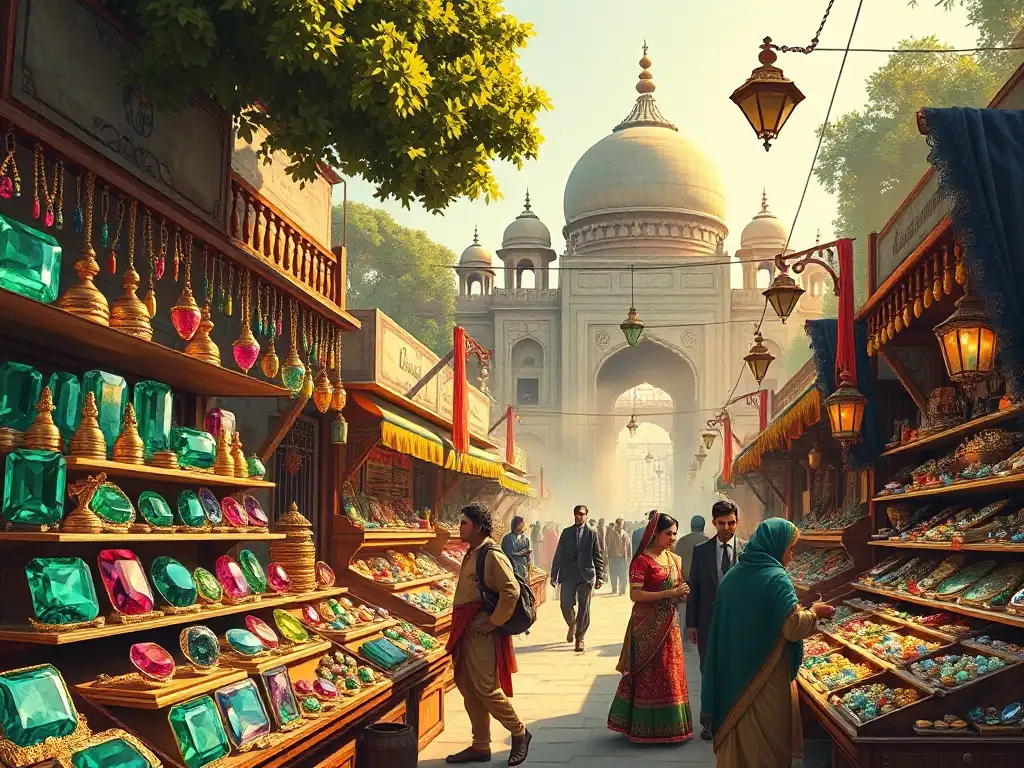
The influence of Indian gemstones on global markets is profound and multifaceted, rooted in the region's rich geological diversity and historical trading practices. The allure of Indian gemstones, particularly emeralds, rubies, and sapphires, has captivated civilizations for centuries, making India a pivotal player in the global gemstone trade.
Trade Routes and Their Influence on Gemstone Popularity
The historical trade routes that traversed the Indian subcontinent were instrumental in establishing India as a gem trade hub. The Silk Road and Maritime Spice Routes not only facilitated the exchange of goods but also the cultural and aesthetic values associated with gemstones.
- Silk Road: This ancient network connected India with Central Asia, the Middle East, and beyond. Indian merchants traded gemstones alongside silk, spices, and textiles, enhancing their desirability. Notably, the Kashmir sapphire gained immense popularity as it was transported along these routes, influencing European tastes.
- Maritime Spice Routes: Indian ports like Kochi and Surat served as critical points for the shipment of gemstones to distant lands. The influx of Indian gemstones into markets such as Persia and Arabia led to a burgeoning demand, which was met by Indian craftsmen who skillfully carved and polished these stones.
The result of these trade routes was not only an increase in the popularity of Indian gemstones but also a significant rise in their perceived value. For example, the famous Golconda diamonds, including the famed Koh-i-Noor, were traded extensively, establishing India as a source of precious stones for royalty and nobility worldwide.
How Indian Gemstones Shaped Jewelry Trends Worldwide
The impact of Indian gemstones extends beyond mere trade; they have fundamentally shaped global jewelry trends. The intricate designs and cultural significance of Indian jewelry have inspired artisans and jewelers around the world.
- Influence on European Jewelry: During the Mughal Empire, the opulent use of gemstones in jewelry set new standards of luxury. The Mughal style, characterized by intricate inlay work and elaborate settings, influenced European jewelers in the 17th and 18th centuries. This led to the incorporation of Indian design elements in Western jewelry, particularly in the use of large, colorful stones.
- Art Deco Movement: In the early 20th century, the Art Deco movement saw a resurgence of interest in colored gemstones, with Indian influences evident in the bold designs and vibrant colors. Jewelers like Cartier and Van Cleef & Arpels drew inspiration from Indian motifs and gemstone settings, further embedding Indian aesthetics into global jewelry design.
- Contemporary Trends: Today, Indian gemstones continue to shape modern jewelry trends. The rise of ethical and sustainable sourcing practices has renewed interest in Indian gemstones, particularly in the context of fair trade. The unique qualities of Indian gemstones, such as the deep red of rubies from Mysore or the vivid green of emeralds from Zambian mines, remain highly sought after in contemporary jewelry collections.
The history of Indian gemstones is not just a tale of trade and commerce; it is a story of cultural exchange, artistic inspiration, and ongoing influence that has shaped jewelry trends globally. The vibrant legacy of Indian gemstones continues to sparkle, reflecting both ancient traditions and modern sensibilities.
Modern Perspectives on the History of Indian Gemstones
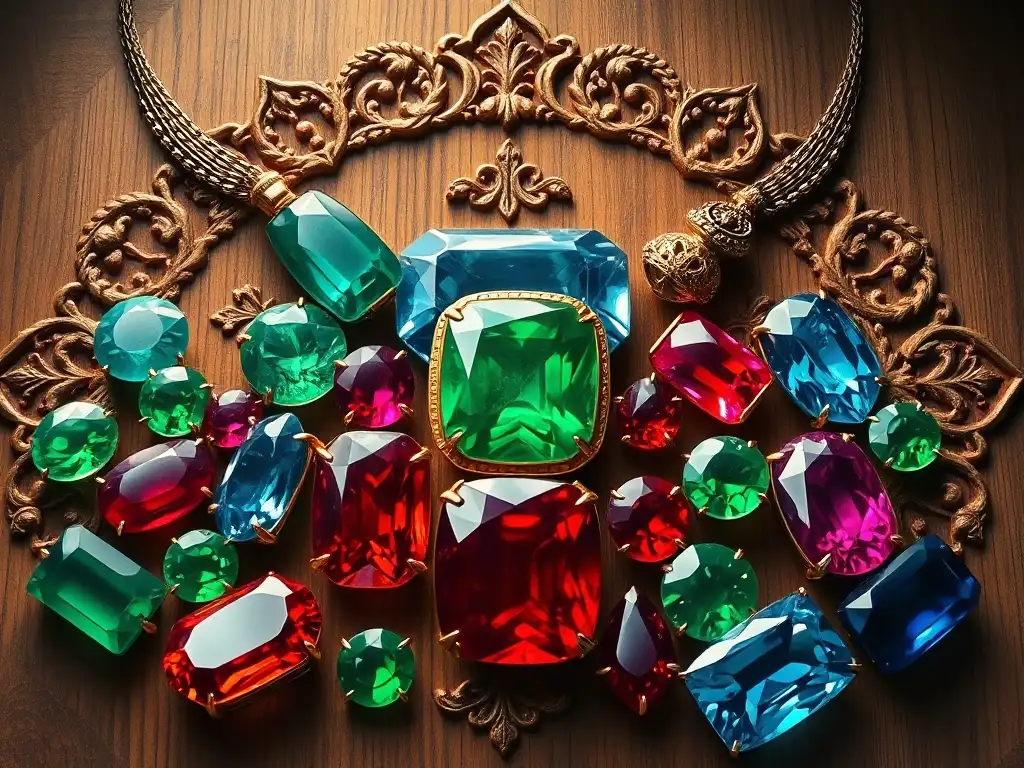
The Revival of Interest in Ancient Indian Gemstone Traditions
In recent years, there has been a notable resurgence in the appreciation for ancient Indian gemstones and their historical significance. This revival is driven by a growing awareness of India's rich heritage in gemstone craftsmanship, which dates back thousands of years. The Indus Valley Civilization, known for its advanced metallurgy and jewelry-making techniques, laid the foundation for the intricate art of gemstone cutting and setting that would flourish later.
Archaeological findings have unearthed various gemstones such as lapis lazuli, carnelian, and agate, which were extensively used in ancient jewelry. The revival of interest can be attributed to several factors:
- Cultural Heritage Awareness: Organizations and artisans are increasingly focused on preserving traditional crafts and techniques, which were once overshadowed by modern manufacturing processes.
- Sustainable Practices: The shift towards sustainability has led many to explore the historical practices of gemstone sourcing and crafting, which often emphasized local materials and community involvement.
- Global Demand: The global market for unique, handmade jewelry has spurred interest in ancient styles and methods, prompting jewelers to incorporate traditional techniques into contemporary designs.
This renewed appreciation is not only helping to sustain traditional craftsmanship but also educating a new generation about the significance of gemstones in Indian culture.
Contemporary Uses of Historical Gemstone Techniques
The techniques used in ancient Indian gemstone craftsmanship continue to influence modern jewelry design. Today, artisans are reviving traditional methods such as kundan, meena, and polki to create pieces that resonate with both historical significance and contemporary aesthetics.
- Kundan: This technique involves setting gemstones in gold foil, allowing for intricate designs that highlight the beauty of the stones. Modern jewelers are now combining this method with contemporary designs, appealing to a broader audience.
- Meena: Characterized by colorful enamel work, meena has seen a revival in both traditional and modern jewelry pieces. Artisans are experimenting with vibrant colors, creating pieces that celebrate cultural heritage while appealing to modern tastes.
- Polki: Uncut diamonds set in gold have become increasingly popular in contemporary designs. The raw, organic appeal of polki diamonds adds a unique touch to modern jewelry collections, often favored by high-profile designers.
Through these contemporary adaptations, ancient techniques not only preserve historical craftsmanship but also offer innovative ways to celebrate India's rich gemstone heritage.
Ethical Sourcing and Fair Trade in Indian Gemstones Today
As the global market for gemstones continues to grow, the importance of ethical sourcing and fair trade practices has become paramount. The history of Indian gemstones is intertwined with trade routes that connected India to the rest of the world, but modern consumers are now demanding transparency in how gemstones are sourced and sold.
Key aspects of ethical sourcing include:
- Traceability: Consumers are increasingly interested in knowing the origin of the gemstones they purchase. Jewelers are now implementing systems that track the journey of gemstones from mine to market, ensuring they are sourced responsibly.
- Fair Trade Practices: Many artisans and jewelers are advocating for fair wages and safe working conditions within the industry. By supporting local communities and promoting fair trade, consumers can contribute to sustainable livelihoods for gemstone miners and artisans.
- Environmental Concerns: The mining of gemstones can have significant environmental impacts. Many contemporary jewelers are taking steps to minimize their ecological footprint by utilizing recycled materials and supporting eco-friendly mining practices.
This focus on ethical sourcing not only honors the historical significance of Indian gemstones but also ensures that the legacy of these treasures is preserved for future generations, emphasizing the importance of responsible consumption in today’s market.
Conclusion: The Lasting Legacy of Indian Gemstones
The rich tapestry of India's history is intricately woven with the allure and significance of gemstones, particularly emeralds, rubies, and sapphires. These precious stones have not only adorned the regalia of emperors and the crowns of queens but have also played pivotal roles in trade, culture, and spirituality throughout the ages. Their vibrant colors and remarkable qualities have made them symbols of wealth, power, and beauty.
The history of Indian gemstones can be traced back to ancient civilizations, where they were revered not just for their aesthetic appeal but also for their perceived mystical properties. For instance, emeralds were associated with the goddess of wisdom and fertility, and rubies were believed to bring prosperity and protect against evil. These beliefs were deeply embedded in the cultural practices of the time, reflecting the profound impact of gemstones on Indian society.
Moreover, the trade routes established during the ancient and medieval periods facilitated the spread of Indian gemstones across the globe, influencing various cultures and forging connections with distant lands. The demand for Indian gemstones in markets like Persia, Rome, and later Europe, showcases their esteemed position in the global economy.
Summary of the Historical Significance of Emeralds, Rubies, and Sapphires
Emeralds, rubies, and sapphires, often referred to as the "big three" of gemstones, have a storied past that highlights their historical significance:
- Emeralds: Known for their stunning green hue, emeralds were highly prized in ancient India. They were often set in gold and worn by royals as a symbol of status. The ancient texts, such as the Arthashastra by Kautilya, mention emeralds as desirable trade items, emphasizing their economic importance.
- Rubies: Dubbed the "king of gemstones," rubies have a long history in Indian culture. They were believed to bring good fortune and were often associated with the sun. Historical accounts reveal that rubies were used in elaborate jewelry pieces, enhancing the grandeur of royal attire during the Gupta Empire.
- Sapphires: These vibrant blue stones were often linked to divine favor and were believed to provide protection to their wearers. The historical texts highlight their use not only in jewelry but also in ceremonial artifacts, underpinning their cultural importance.
The legacy of these gemstones is not only reflected in their beauty but also in the stories they tell about the people and civilizations that cherished them.
The Future of Indian Gemstones in Jewelry and Cultural Heritage
As we look to the future, the legacy of Indian gemstones continues to evolve, blending traditional craftsmanship with contemporary design. The resurgence of interest in ethical sourcing and sustainable practices is prompting jewelers to revisit ancient techniques, integrating them into modern creations. This shift not only preserves the rich heritage of Indian gemstones but also aligns with global trends towards sustainability.
Additionally, the global marketplace presents an opportunity for Indian gemstones to reclaim their historical significance on the world stage. With growing awareness and appreciation for handcrafted jewelry, there is a burgeoning demand for authentic Indian gemstones that tell a story.
The cultural heritage associated with these stones is being revitalized through exhibitions and educational programs, ensuring that future generations appreciate their historical context and inherent value.
The history of Indian gemstones is a testament to the resilience and adaptability of culture. As emeralds, rubies, and sapphires continue to inspire artisans and collectors alike, their legacy as symbols of beauty and power will undoubtedly endure. The journey of these gemstones from ancient quarries to modern jewelers reflects not just a history of adornment but a vibrant narrative of India's rich cultural heritage.
Frequently Asked Questions
What are the most significant gemstones found in India?
India is renowned for its emeralds, rubies, and sapphires, which have been cherished for their beauty and value throughout history.
How did ancient Indian civilizations influence the gemstone trade?
Ancient Indian civilizations played a pivotal role in the gemstone trade, establishing India as a global center for precious stones, particularly during the Mughal era.
What is the historical significance of Indian gemstones?
Indian gemstones symbolize wealth, power, and status and have been incorporated into jewelry and art across various cultures, influencing both local and international markets.
How were gemstones processed in ancient India?
In ancient India, gemstones were meticulously cut, polished, and set in intricate designs, showcasing the artistry and craftsmanship of Indian artisans.
What role do gemstones play in Indian culture today?
Today, gemstones continue to hold cultural significance in India, often used in religious rituals, astrology, and as symbols of prosperity and well-being.
Final Reflection: The Timeless Allure of Indian Gemstones
The rich history of Indian gemstones continues to resonate in today's world, reminding us of the intricate connections between culture, art, and nature. As we delve into the vibrant legacy of emeralds, rubies, and sapphires, we uncover not just the beauty of these stones, but also their deep-rooted significance in shaping identities and traditions. The allure of Indian gemstones is not merely a relic of the past; it is a living testament to the artistry and craftsmanship that transcends generations.
The impact of Indian gemstones on our cultural landscape is profound and enduring. From royal adornments to modern jewelry, these stones have woven themselves into the fabric of our lives, symbolizing wealth, love, and spirituality. The stories behind each gem reflect the rich tapestry of Indian heritage, influencing art, fashion, and even personal expression. Jewelry is a way of keeping memories alive,
and in the case of Indian gemstones, each piece carries with it a narrative that connects us to our history and to one another.
As we reflect on the colorful legacy of Indian gemstones, I invite you to explore your own relationship with these treasures. Consider how the stories and meanings behind these stones can inspire your personal journey. Whether you wear them as adornments or appreciate them as art, let the beauty of emeralds, rubies, and sapphires remind you of the rich history they represent and encourage you to carry forward the legacy of creativity and cultural appreciation in your own life.
Unearth the Beauty of Indian Gemstones Today!
Thank you for diving into the vibrant world of Indian gemstones! We hope you’ve discovered the rich heritage and stunning allure of **emeralds, rubies, and sapphires**. Now, let’s take your newfound knowledge a step further and connect with this colorful legacy in tangible ways.
Here are some actions you can take right now:
- Explore local art galleries or gemstone exhibitions to see these spectacular stones up close and appreciate their beauty.
- Share this article with friends and family—ignite discussions about the significance of gems in our cultures!
- Join online forums or social media groups focused on gemstones and jewelry to learn more and exchange experiences with fellow enthusiasts.
What unique stories do you have about gemstones, or which gemstone captivates you the most? Let’s start a conversation!