
The Hidden Gems: LesserKnown Markets for Rare Gemstones in India

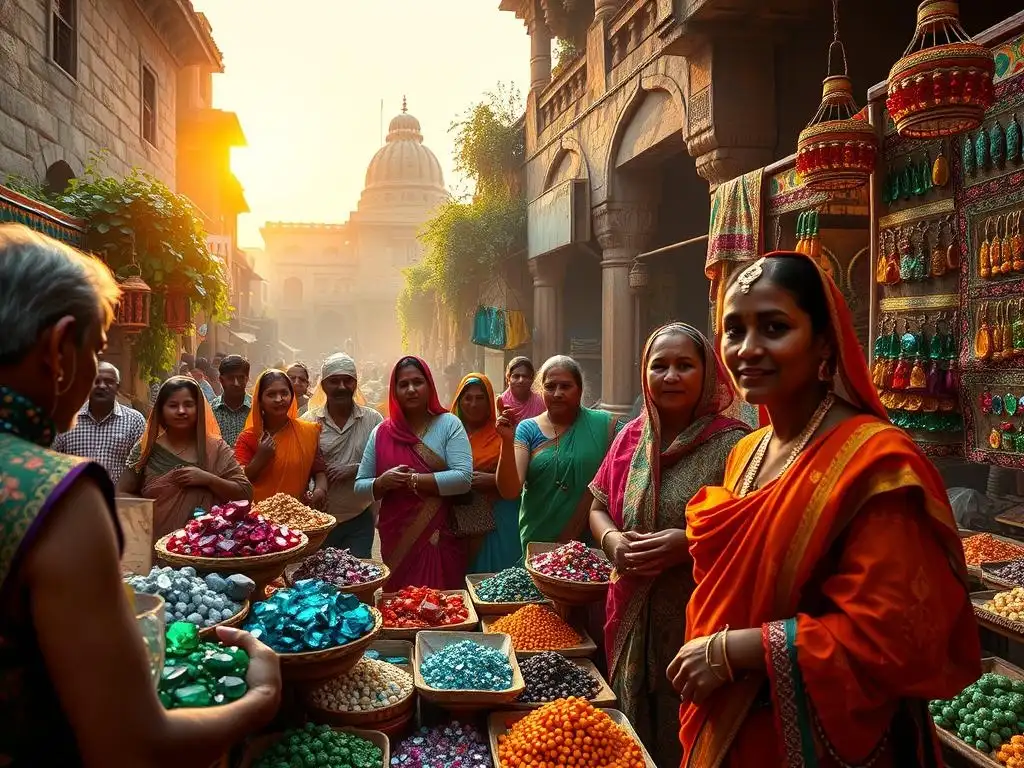
Welcome to Ancient India History, where we embark on a captivating journey through the rich tapestry of ancient Indian civilizations. Have you ever wondered about the hidden treasures that lie within the lesser-known gemstone markets of India? In our featured article, "The Hidden Gems: Lesser-Known Markets for Rare Gemstones in India," we invite you to explore the vibrant history and cultural significance of these enchanting locales.
From the mystique of the Indus Valley to the opulent Gupta Empire, discover how these markets have shaped the legacy of India’s jewelry and gemstones. Dive in and uncover the stories waiting to be told!
- Introduction to Lesser-Known Gemstone Markets in India
- Exploring the Top Lesser-Known Gemstone Markets in India
- Understanding the Types of Rare Gemstones Available
- How to Identify Authentic Gemstones in Lesser-Known Markets
- The Cultural Impact of Gemstone Trading in India
- Practical Guide to Shopping in Lesser-Known Gemstone Markets
- Conclusion: Embracing the Beauty of Lesser-Known Gemstone Markets
- Frequently Asked Questions
- Final Reflection: Unearthing the Beauty of Lesser-Known Gemstone Markets in India
- Unveil Your Next Adventure in India’s Hidden Gem Markets!
Introduction to Lesser-Known Gemstone Markets in India
India, a country renowned for its rich tapestry of history and culture, is also home to some of the most vibrant and lesser-known gemstone markets. These hidden gems offer not only stunning natural beauty but also a unique glimpse into the traditions and craftsmanship of local artisans. As we delve into this topic, we will explore the significance of gemstones in Indian culture, highlighting the spiritual, economic, and artistic importance they hold.
The allure of rare gemstones, often overshadowed by more famous markets, beckons enthusiasts and collectors alike to discover these lesser-known treasures. This article will guide you through these markets, providing insights into their historical context and the exquisite offerings they present, making it a must-read for anyone interested in the captivating world of gemstones in India.
Understanding the Significance of Gemstones in Indian Culture
Gemstones have always played a vital role in Indian culture, symbolizing wealth, power, and spirituality. From ancient times, these precious stones have been intertwined with various aspects of life, serving not just as adornments but also as talismans believed to bring good fortune and protection.
- Cultural Significance:
- Gemstones are often associated with specific deities and are integral to various rituals and ceremonies.
- They are believed to possess healing properties, influencing the chakras and enhancing one's spiritual well-being.
- Economic Impact:
- The gem trade contributes significantly to India’s economy, employing millions and supporting local craftsmanship.
- Rare gemstones can fetch high prices, attracting both domestic and international buyers.
- Artistic Expression:
- Indian artisans have mastered the art of gemstone cutting and setting, creating unique pieces that reflect regional styles and traditions.
- The intricate designs often tell stories or represent cultural symbols, adding layers of meaning to each piece.
Overview of India's Rich Gemstone Heritage
India's gemstone heritage is as diverse as its geography, with different regions specializing in various types of stones. The country is a treasure trove of rare and valuable gemstones, each with its own story and significance.
- Regions Known for Gemstones:
- Jaipur: Famous for its vibrant gemstones, particularly rubies and emeralds, Jaipur has a long-standing reputation as a hub for gemstone trading.
- Bangalore: Known for its exquisite diamond cutting and trading, Bangalore attracts gem enthusiasts from around the world.
- Kashmir: Renowned for its stunning sapphires, the Kashmir region is celebrated for producing some of the finest quality stones.
- Traditional Craftsmanship:
- Artisans in India employ age-old techniques passed down through generations, ensuring meticulous craftsmanship in every piece.
- The merging of traditional designs with contemporary styles has led to a flourishing market for unique gemstone jewelry.
India's lesser-known gemstone markets not only offer stunning and rare finds but also reflect a rich cultural heritage that deserves to be explored and appreciated. Whether you're a seasoned collector or a curious traveler, these markets hold a wealth of opportunities to connect with the beauty and history of India's gemstone legacy.
Exploring the Top Lesser-Known Gemstone Markets in India
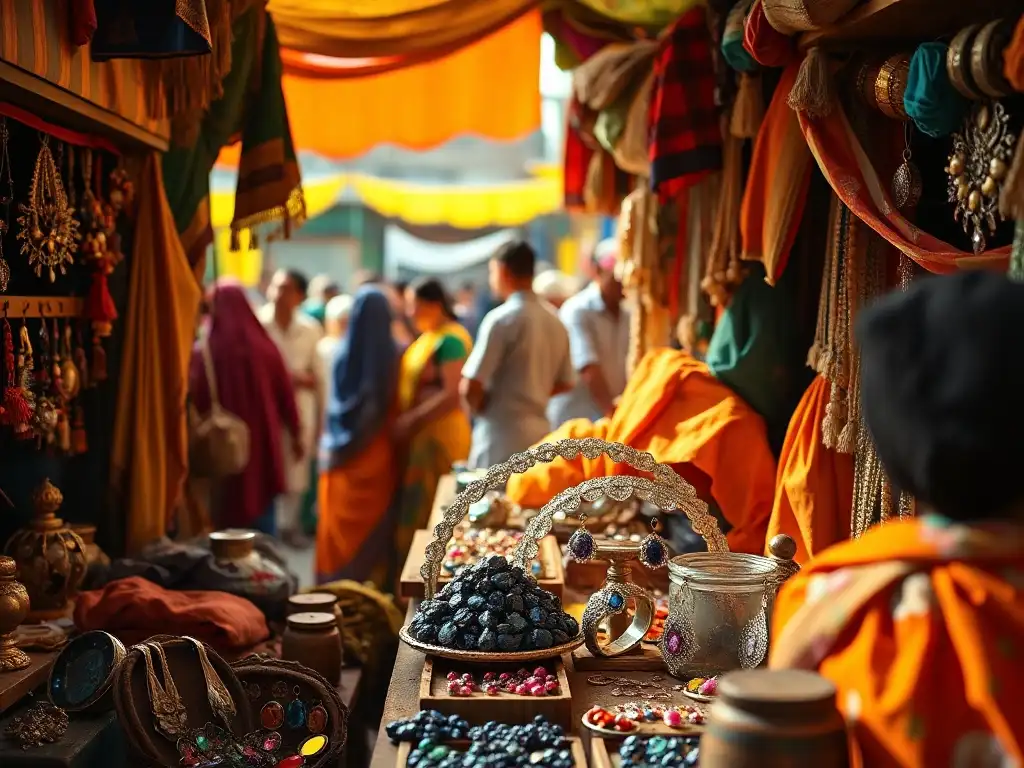
1. The Vibrant Market of Jaipur: Beyond the Tourist Trails
Jaipur, often renowned for its historical forts and palaces, is also a vibrant hub for gemstone enthusiasts. While many tourists flock to the more commercialized markets, there are lesser-known locales that offer unique gemstones and a more authentic shopping experience. The streets of Jaipur are lined with shops that showcase the city’s rich tradition of gem cutting and polishing, making it a fascinating destination for those seeking rare finds.
Unique Gemstones Found in Jaipur
In Jaipur, you can discover a diverse range of gemstones that are often overlooked. Some of the notable stones include:
- Lapis Lazuli: Deep blue with golden flecks, it has been prized for centuries.
- Kunzite: A beautiful pink to violet stone known for its stunning clarity.
- Spinel: Often mistaken for rubies, this gemstone is available in a range of colors including red, pink, and blue.
- Tourmaline: Known for its variety of colors, from deep greens to vibrant pinks.
These stones not only reflect the artistry of local craftsmen but also tell stories of ancient trade routes and cultural exchanges.
Why Jaipur is a Hub for Gemstone Enthusiasts
Jaipur has earned its reputation as a gemstone hub due to several factors:
- Historical Significance: Jaipur has a long-standing history in gemstone trading, dating back to the Mughal era.
- Expert Artisans: The city is home to skilled artisans who specialize in cutting and polishing stones, ensuring high-quality gems.
- Variety of Offerings: From semi-precious to precious stones, the range in Jaipur appeals to both novice buyers and seasoned collectors.
- Market Accessibility: While popular markets like Johari Bazaar attract many, exploring the back alleys can reveal hidden gems at competitive prices.
2. The Enigmatic Gemstone Market of Udaipur
Udaipur, often referred to as the "City of Lakes," is not just famous for its breathtaking views and palaces; it is also a treasure trove of lesser-known gemstone markets. The markets here offer a unique shopping experience that combines stunning natural surroundings with exquisite gemstones.
Rare Finds: The Specialty of Udaipur Gemstones
Udaipur's gemstone markets are distinguished by their specialty in rare finds, including:
- Emeralds: Known for their lush green color, Udaipur’s emeralds are sourced from various regions.
- Garnets: These stones come in various shades, with the deep red garnet being particularly popular.
- Moonstone: Renowned for its adularescence, this gemstone is a favorite among collectors for its ethereal glow.
Udaipur’s artisans often incorporate local traditions and techniques into their crafting, making each piece a unique work of art.
Tips for Shopping in Udaipur's Local Markets
When exploring Udaipur's gemstone markets, consider these shopping tips:
- Do Your Research: Familiarize yourself with the types of gemstones available and their market value to avoid overpaying.
- Bargain Wisely: Negotiation is a common practice in local markets, so don’t hesitate to haggle.
- Seek Authenticity: Look for vendors who provide certification or provenance for rare gemstones.
- Take Your Time: Explore multiple shops and don’t rush your purchase to ensure you find the perfect gem that resonates with you.
Udaipur’s enchanting atmosphere combined with its lesser-known gemstone offerings makes it a must-visit for any gem enthusiast.
Jodhpur, often referred to as the "Blue City" due to its distinctive blue-painted houses, is not just famous for its architecture and historical significance but also for its thriving gemstone market. Nestled in the heart of Rajasthan, this city is a hidden gem when it comes to sourcing unique and exquisite gemstones. The markets here offer a fascinating blend of traditional craftsmanship and a rich variety of gemstones, making Jodhpur an essential stop for gemstone enthusiasts and collectors.
The bustling bazaars of Jodhpur are filled with vibrant stalls showcasing an array of gemstones, from the more common varieties to rare finds that are hard to come by elsewhere. Visitors can explore the local markets, such as the Sardar Market, where traders skillfully display their wares, providing a unique shopping experience infused with the local culture and heritage.
Types of Gemstones Unique to Jodhpur
Jodhpur is known for several types of gemstones that reflect the region's geological diversity and cultural heritage. Some of the most notable gemstones include:
- Lapis Lazuli: This deep blue stone is prized for its rich color and is often used in jewelry and decorative items. Jodhpur artisans have perfected the art of crafting intricate lapis lazuli pieces, making it a sought-after item in the market.
- Tiger's Eye: Known for its unique optical phenomenon, tiger's eye displays a striking chatoyancy. This gemstone is believed to bring good luck and is popular among locals and tourists alike.
- Rudraksha Beads: While not a gemstone in the traditional sense, these seeds are highly valued in Jodhpur for their spiritual significance and are often used in mala necklaces and bracelets.
- Agate: The region is also known for its beautifully banded agate stones. Artisans create stunning pieces that highlight the natural patterns of the stone, making each piece unique.
- Quartz: Various forms of quartz, including citrine and rose quartz, are abundantly found and crafted into various jewelry pieces, showcasing the local craftsmanship.
These gemstones not only serve decorative purposes but also carry cultural significance, often associated with traditional beliefs and practices in the region.
Local Artisans and Their Craftsmanship
The craftsmanship of local artisans in Jodhpur is a testament to the city's rich cultural heritage. Many artisans have been honing their skills for generations, passing down techniques and traditions that have been preserved over time. The craftsmanship involved in creating gemstone jewelry ranges from intricate cutting and polishing to detailed engraving and inlay work.
Artisans often work in small workshops, where they meticulously craft each piece by hand. This dedication to quality and detail results in unique creations that reflect the artistry of Jodhpur. The use of traditional techniques combined with modern designs allows artisans to cater to a broader audience while retaining their cultural essence.
Moreover, visiting these workshops provides a unique opportunity for tourists to witness the gemstone crafting process firsthand. Many artisans are more than willing to share their knowledge and passion for their craft, offering insights into the significance of the gemstones and the stories behind each piece.
By supporting these local artisans, visitors not only acquire beautiful gemstones but also contribute to preserving the rich artisanal traditions of Jodhpur. This connection to the cultural heritage of the region adds a deeper value to the gemstones purchased, making them not just adornments but also meaningful representations of Jodhpur's vibrant history.
Understanding the Types of Rare Gemstones Available
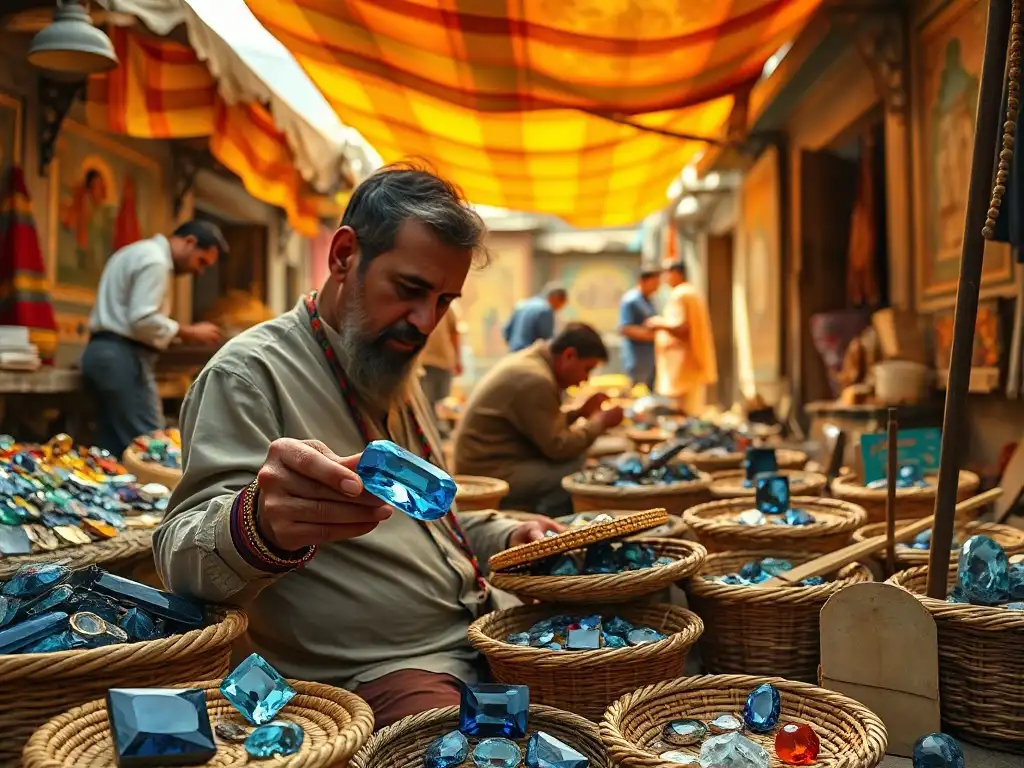
In India, the market for rare gemstones is as diverse as its culture, featuring a variety of both precious and semi-precious stones. These gemstones can be found in lesser-known markets, where local artisans and traders offer unique specimens that are often overlooked by mainstream buyers. Understanding the types of rare gemstones available is essential for enthusiasts and collectors looking to explore these hidden gems.
The classification of gemstones generally falls into two categories: precious and semi-precious.
- Precious gemstones are typically rarer and more valuable. They include:
- Diamonds
- Rubies
- Sapphires
- Emeralds
- Semi-precious gemstones encompass a broader range of stones that are more abundant and accessible. They include:
- Amethyst
- Topaz
- Garnet
- Citrine
Both categories possess unique characteristics that contribute to their appeal. The allure of these gemstones lies not only in their beauty but also in their historical significance and the craftsmanship involved in their creation.
The Beauty of Semi-Precious Stones in Lesser-Known Markets
Lesser-known markets in India are treasure troves for semi-precious stones, often featuring unique varieties that are not readily available in larger urban centers. These markets reflect the local culture and traditions, with artisans using techniques passed down through generations.
Popular Semi-Precious Stones and Their Characteristics
Some of the most popular semi-precious stones found in these markets include:
- Amethyst: Known for its stunning purple hue, amethyst is believed to have calming properties and is often used in meditation.
- Turquoise: Valued for its vibrant blue-green color, turquoise is often associated with protection and healing.
- Lapis Lazuli: This deep blue stone has been prized since ancient times for its rich color and is often used in jewelry and decorative pieces.
- Carnelian: With its warm reddish-orange tones, carnelian is believed to boost creativity and motivation.
Each of these stones carries its own set of meanings and uses, making them sought after by both collectors and those seeking spiritual benefits.
Unveiling Precious Gemstones: Sourcing from Local Markets
While semi-precious stones are abundant, the allure of precious gemstones remains unparalleled. Local markets in India often serve as the primary source for these coveted stones, providing opportunities to discover high-quality specimens at competitive prices.
Local traders possess extensive knowledge of the gemstones they sell, often sharing insights about their origins and characteristics. This personal touch adds a rich narrative to the gemstones, enhancing their value beyond mere aesthetics.
The Allure of Diamonds, Rubies, and Sapphires in India
Among the precious gemstones, diamonds, rubies, and sapphires hold significant cultural and economic importance in India.
- Diamonds: India has a long history of diamond trading, with markets like Surat being renowned for their diamond cutting and polishing.
- Rubies: Known for their deep red hue, rubies symbolize passion and power. The markets in Jaipur are particularly famous for their high-quality rubies.
- Sapphires: These stones come in various colors, with blue sapphires being the most sought after. The markets in Kashmir are legendary for their exquisite blue sapphires.
Conclusion
Exploring the lesser-known gemstone markets in India unveils a world of rare and beautiful stones, each with unique qualities and stories. Whether it’s the calming effect of amethyst or the passionate hue of rubies, the richness of India’s gemstone heritage is waiting to be discovered. By venturing into these local markets, collectors and enthusiasts can find hidden gems that add both beauty and value to their collections.
How to Identify Authentic Gemstones in Lesser-Known Markets
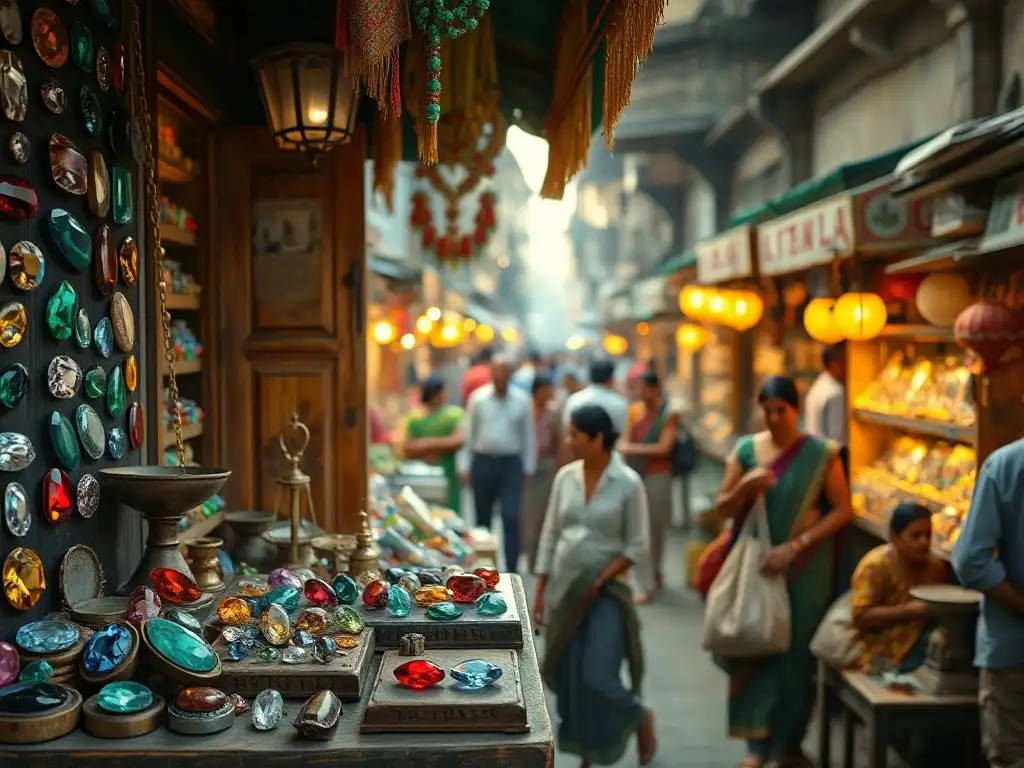
In lesser-known gemstone markets in India, the authenticity of gemstones can often be a concern for buyers. With a diverse array of stones available, distinguishing between genuine gems and imitations is crucial for any gemstone enthusiast. Below are key strategies and techniques to help you identify authentic gemstones effectively.
Tips for Gemstone Authentication
To ensure you are purchasing genuine gemstones, consider the following tips:
- Visual Inspection: Examine the gemstone closely. Authentic stones often exhibit natural inclusions and variations in color. Synthetic or treated stones tend to have a uniform appearance.
- Refractive Index Test: Use a refractometer to measure the refractive index of the stone. Each type of gemstone has a specific refractive index, and discrepancies can indicate a fake.
- Hardness Test: Utilize the Mohs scale of hardness to test the stone. For instance, a genuine sapphire should scratch glass while a softer imitation will not.
- Weight and Density: Real gemstones have distinct weights. If possible, compare the weight of the gemstone in question with a known authentic stone of the same type.
- Expert Consultation: Seek advice from professionals in the field. Gemologists can provide insights and confirm the authenticity of your purchase.
Importance of Certification and Documentation
When exploring lesser-known markets, always prioritize obtaining certifications for your gemstones. Here's why:
- Verification of Authenticity: Certificates from recognized gemological laboratories confirm the authenticity of the gemstone, detailing its origin and treatment status.
- Investment Protection: A certified gemstone can significantly enhance its resale value. Buyers are more likely to invest in stones with verified documentation.
- Peace of Mind: Having documentation provides assurance that you are not being misled by sellers, especially in markets where fraud may occur.
Tools and Techniques for Gemstone Evaluation
Utilizing specific tools can greatly enhance your gemstone evaluation process. Here are some recommended methods:
- Loupe or Microscope: A jeweler's loupe or a microscope allows you to inspect the gemstone's surface for inclusions and imperfections that are characteristic of natural stones.
- Spectroscope: This tool helps you analyze the light spectrum that passes through the gemstone, revealing its chemical composition.
- Gem Tester: A gem tester can differentiate between various types of gemstones by measuring their thermal conductivity.
Recommended Tools for Gemstone Lovers
For those passionate about gemstones, having the right tools is essential. Here’s a list of recommended tools:
| Tool | Purpose |
|---|---|
| Jeweler's Loupe | Visual inspection of the gemstone's surface |
| Refractometer | Measuring refractive index for authenticity |
| Hardness Testing Kit | Assessing the hardness according to Mohs scale |
| Spectroscope | Analyzing light spectrum for chemical properties |
| Gem Tester | Differentiating between types of gemstones |
By equipping yourself with knowledge and the right tools, you can navigate the lesser-known gemstone markets in India confidently, ensuring that your purchases are both authentic and valuable.
The Cultural Impact of Gemstone Trading in India
The Role of Gemstones in Ancient Indian Civilizations
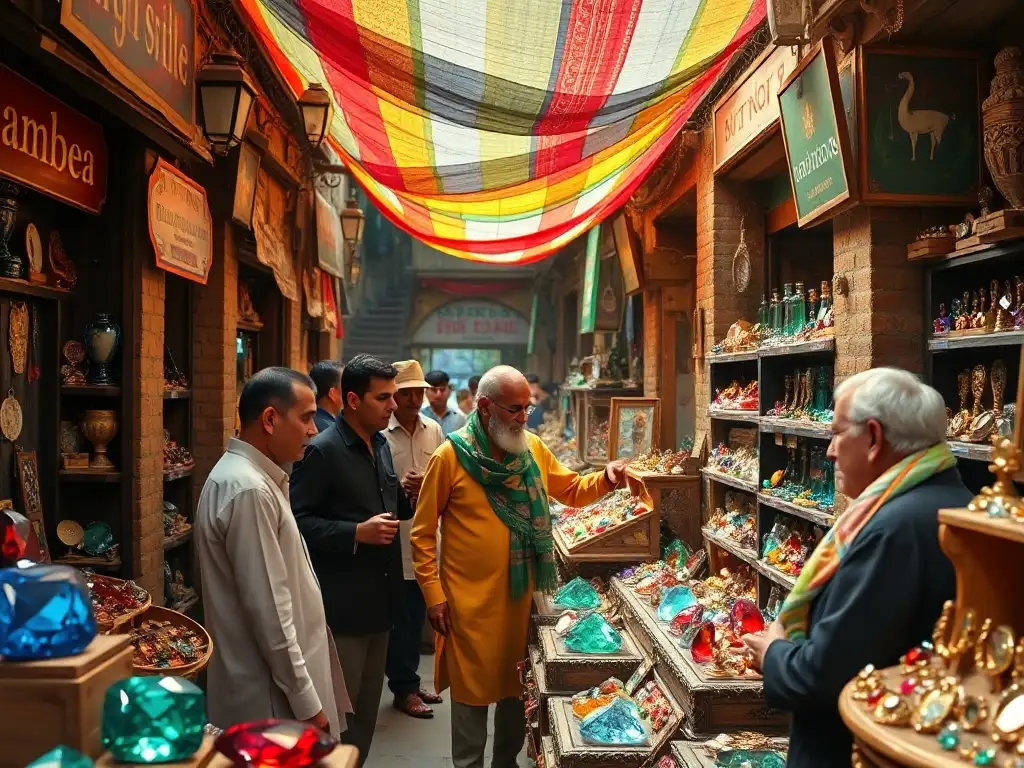
Gemstones have played a pivotal role in the cultural and economic fabric of ancient Indian civilizations. From the Indus Valley Civilization (circa 3300-1300 BCE) to the Gupta Empire (circa 320-550 CE), gemstones were not merely decorative items but symbols of power, status, and spirituality.
- Symbolism and Spiritual Significance: In ancient texts, gemstones were often associated with various deities and astrological beliefs. For instance, the Navaratnas or nine gems, each corresponded to a planet and was believed to confer specific benefits. The use of gemstones in talismans and jewelry was widespread, as they were thought to protect the wearer and enhance their spiritual aura.
- Trade and Economy: The trade routes established during the Mauryan Empire (circa 322-185 BCE) facilitated the exchange of gemstones with other civilizations. Precious stones like diamonds, rubies, and sapphires were highly sought after, not just in India but also in places like Persia and Rome. The flourishing trade in gemstones contributed significantly to the economy and cultural exchange.
- Art and Craftsmanship: The artistry involved in gemstone cutting and jewelry making reached remarkable heights in ancient India. Skilled artisans utilized techniques passed down through generations, creating intricate designs that were often inspired by nature and mythology. The exquisite craftsmanship of Indian gemstones not only enhanced their beauty but also elevated their status in society.
Modern Implications: Economic Benefits of Gemstone Markets
In contemporary India, lesser-known gemstone markets have emerged as significant contributors to the economy, providing numerous benefits that extend beyond mere commerce.
- Local Economy Boost: Markets in regions such as Jaipur, Surat, and Varanasi are thriving hubs for gemstone trading. These markets empower local artisans and traders, creating jobs and fostering economic stability. The income generated from gemstone sales supports families and communities, leading to improved living standards.
- Global Market Expansion: India’s reputation as a source of high-quality gemstones continues to grow. The lesser-known markets are increasingly gaining recognition, attracting international buyers. This global interest has led to an increase in exports, enhancing the country’s economic prospects.
- Sustainable Practices: Many modern gemstone markets are beginning to adopt sustainable practices. By focusing on ethical sourcing and environmentally friendly methods, these markets are aiming to attract a conscious consumer base. This shift not only preserves the integrity of the gemstones but also supports the local environment and community.
- Cultural Heritage Preservation: The ongoing trade in gemstones helps sustain traditional craftsmanship. As demand for authentic, handcrafted pieces rises, artisans are encouraged to maintain their skills and heritage. This preservation of cultural practices is vital for maintaining India's rich history in gemstone artistry.
Gemstone trading in India is deeply rooted in its ancient civilizations and continues to play a crucial role in the modern economy. The lesser-known gemstone markets not only offer unique and rare stones but also contribute significantly to the cultural and economic landscape of the nation.
Practical Guide to Shopping in Lesser-Known Gemstone Markets
Best Times to Visit for Optimal Gemstone Shopping
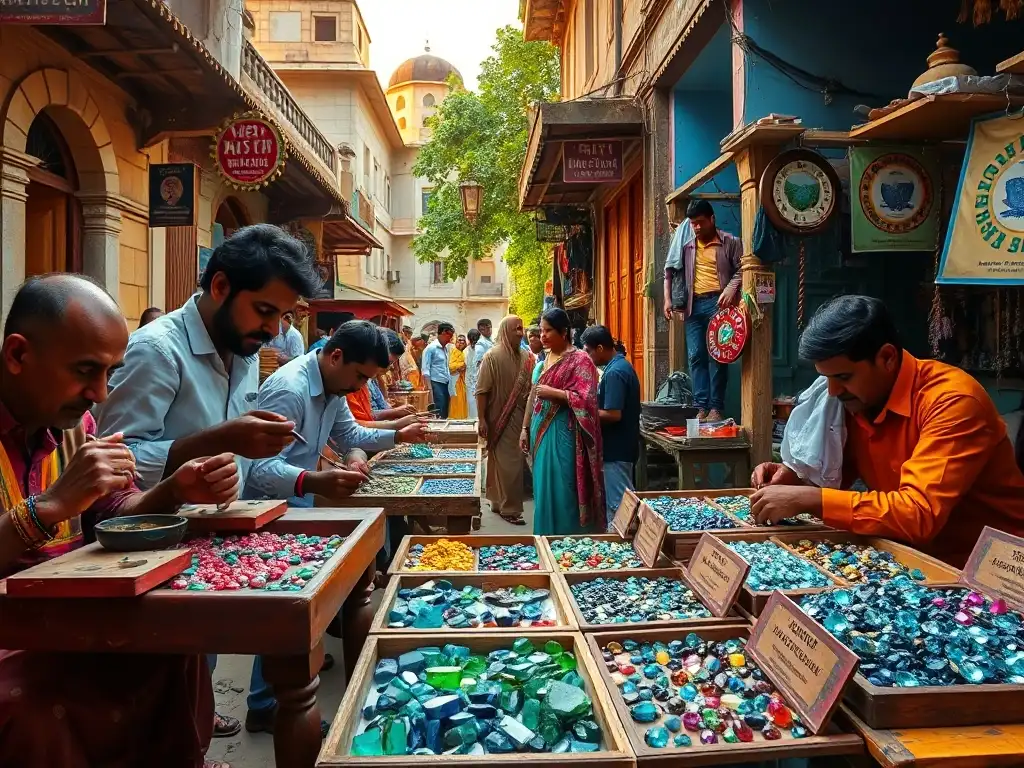
When exploring lesser-known gemstone markets in India, timing can significantly enhance your shopping experience. Understanding the seasonal trends and market events allows you to make the most of your visit and uncover rare finds.
Seasonal Trends and Market Events
- Winter Months (November to February)
- Ideal Season: The cooler weather makes it more comfortable for shopping. Many markets hold special events during this time, attracting both local and international buyers.
- Festivals: Events like Diwali and Makar Sankranti often see increased activity, with vendors showcasing unique collections of gemstones.
- Monsoon Months (June to September)
- Less Crowded: While some markets may be quieter, this can work to your advantage. Fewer tourists often lead to better deals and more personalized attention from sellers.
- Quality of Stones: The monsoon season can sometimes affect the quality of gemstones due to humidity; however, certain stones like rainbow moonstone may be more abundant during this time.
- Spring and Autumn (March to May and October to November)
- Transition Periods: These months are transitional and can provide good opportunities to find unique items as vendors may be clearing out old stock or introducing new collections.
Essential Tips for Negotiating Prices
Navigating the bustling markets of India can be daunting, especially when it comes to negotiating prices for gemstones. Here are some essential tips to help you secure fair deals.
How to Ensure Fair Pricing in Local Markets
- Research Before You Go: Familiarize yourself with the typical prices of gemstones you are interested in. Websites, reference books, and even local experts can provide valuable insights.
- Know Your Stones: Understanding the characteristics of different gemstones, such as clarity, cut, and origin, can empower you during negotiations. For example:
- Rubies: Look for vibrant red colors with minimal inclusions.
- Sapphires: Deep blue hues with high clarity are more valuable.
- Start Low: When negotiating, begin with a lower price than what you are willing to pay. This gives you room to maneuver and arrive at a mutually agreeable price.
- Be Polite but Firm: Respectful communication can go a long way. Establish rapport with the seller, but don’t hesitate to walk away if the price doesn’t feel right. Often, sellers may call you back with a better offer.
- Bargaining Tactics:
- Bundle Purchases: Buying multiple items can sometimes lead to discounts.
- Cash Payments: Many vendors appreciate cash transactions and may offer lower prices for cash sales over credit or digital payments.
By taking these factors into account, you can navigate the lesser-known gemstone markets in India with confidence and skill, ensuring you walk away with beautiful, authentic gemstones at a fair price.
Conclusion: Embracing the Beauty of Lesser-Known Gemstone Markets
Encouragement to Explore Beyond the Obvious
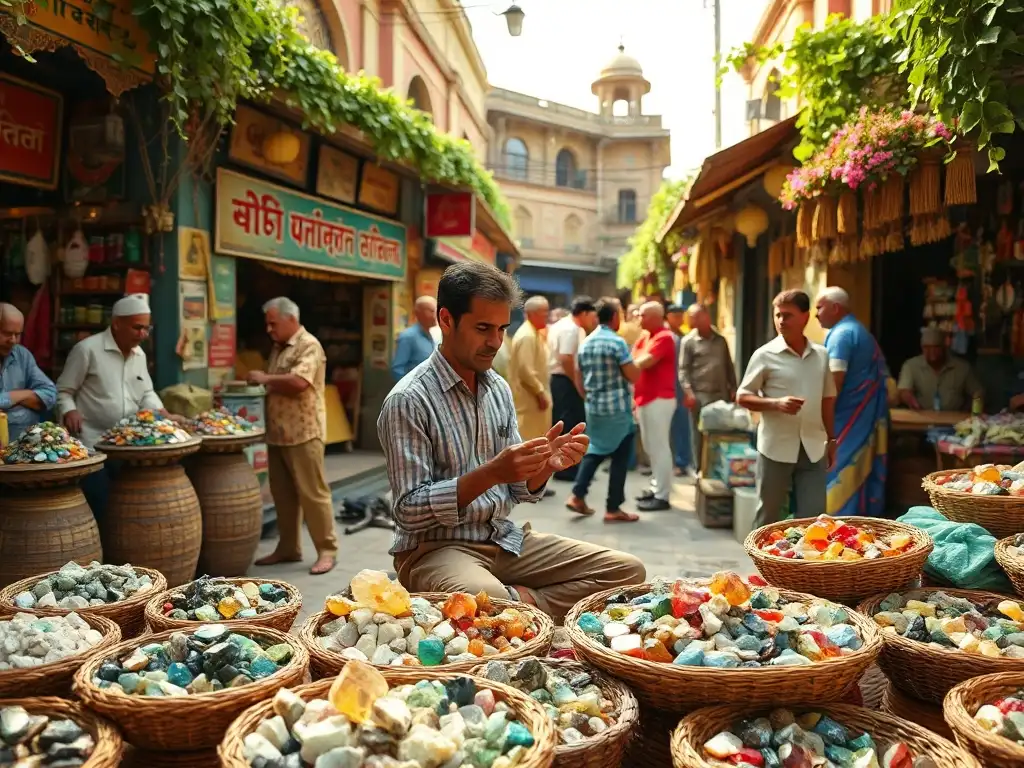
India is renowned for its vibrant and bustling gemstone markets, such as those in Jaipur and Surat. However, the allure of lesser-known gemstone markets often goes unnoticed. Exploring these hidden gems not only offers unique finds but also provides a glimpse into the diverse cultural tapestry of India. Markets like Panchkula and Kolkata harbor rare gemstones, each with its own story. For instance, Panchkula is famous for its exquisite quartz and citrine, while Kolkata's markets are rich with emeralds and rubies sourced from various regions.
Venturing into these markets can be a rewarding experience. Here are some compelling reasons to explore beyond the obvious:
- Unique Offerings: Lesser-known markets often feature gemstones that are not widely available in mainstream markets.
- Cultural Insights: These markets reflect local traditions and craftsmanship, offering a deeper understanding of the region's heritage.
- Bargaining Opportunities: Prices in lesser-known markets can be more negotiable, providing a chance to acquire gemstones at reasonable rates.
Final Thoughts on the Rich Diversity of India’s Gemstone Heritage
India's gemstone heritage is as vast and intricate as the country itself. From the ancient techniques of gemstone cutting and polishing in the Indus Valley to the royal courts of the Gupta Empire, gemstones have always held a significant place in Indian culture. The lesser-known gemstone markets are a testament to this rich legacy, showcasing not just stones but also the skills and artistry of local artisans.
In summary, exploring lesser-known gemstone markets in India opens up a treasure trove of opportunities for enthusiasts and collectors alike. The experience goes beyond mere shopping; it is about connecting with the history, culture, and craftsmanship that these gems represent. As you embark on your journey through India's hidden markets, remember that each gemstone carries with it a piece of history and a story waiting to be discovered. Embrace the beauty and diversity of India's gemstone heritage, and let it inspire your passion for these natural wonders.
Frequently Asked Questions
What are some lesser-known gemstone markets in India?
India is home to several hidden gemstone markets, including those in Jaipur, Surat, and Panchkula, where one can find unique and rare gemstone varieties.
Why are these markets considered lesser-known?
These markets often lack the glitz and glamour of more famous markets, leading to fewer tourists, but they offer authentic and affordable gemstones.
What types of gemstones can I find in these markets?
You can discover a variety of rare gemstones, including alexandrite, tanzanite, and topaz, which may not be easily available in mainstream locations.
Are these gemstone markets safe for tourists?
While most of these markets are generally safe, it's advisable to visit during daylight hours and remain vigilant about your belongings and purchases.
How can I ensure I am buying genuine gemstones?
To ensure authenticity, always seek stones with certificates of authenticity from reputable dealers and educate yourself about the specific characteristics of the gemstones you're interested in.
Final Reflection: Unearthing the Beauty of Lesser-Known Gemstone Markets in India
The allure of rare gemstones is not just in their beauty, but in the stories they tell and the cultures they represent. As we explored the lesser-known gemstone markets in India, it became clear that these hidden gems are not merely commodities; they are vibrant threads woven into the rich tapestry of Indian heritage. In a world increasingly driven by mass production and uniformity, the unique character of these markets serves as a reminder of the importance of preserving local craftsmanship and traditions.
The influence of these lesser-known markets extends far beyond their geographical boundaries, shaping both cultural appreciation and economic opportunities. As we delve deeper into the world of rare gemstones, we uncover the narratives of artisans and communities that thrive on their craftsmanship. Their stories resonate with the essence of resilience and creativity, reminding us that every gemstone carries with it a piece of history and culture. In every stone lies a story waiting to be told.
As you reflect on the insights shared in this article, consider how you can engage with and support these hidden markets. Seek out the beauty in the uncommon, and allow the stories of these gemstones to inspire your own journey. Whether it's through purchasing a unique piece or simply sharing the knowledge you've gained, your actions can contribute to the preservation of these vibrant cultures. Embrace the opportunity to celebrate the extraordinary in the everyday, and let the hidden gems of India illuminate your path forward.
Thank you for diving into the fascinating world of India’s lesser-known markets for rare gemstones! Through this article, you’ve uncovered unique shopping destinations that promise to elevate your gemstone collection and enrich your travels.
Now, it’s time to take action and embark on your own journey:
- Plan a visit to one of these hidden markets: Research the best times to visit and make it a point to explore these vibrant shopping hubs in person.
- Join a local gemstone enthusiast group: Connect with fellow gem lovers who can provide insights, tips, and possibly even insider deals.
- Share your discoveries: Post about your favorite gems or market experiences on social media to inspire others!
What unique gemstone would you love to find in these hidden markets, and why? Share your thoughts below!