
Ashoka the Great: A Timeline of His Life and Achievements

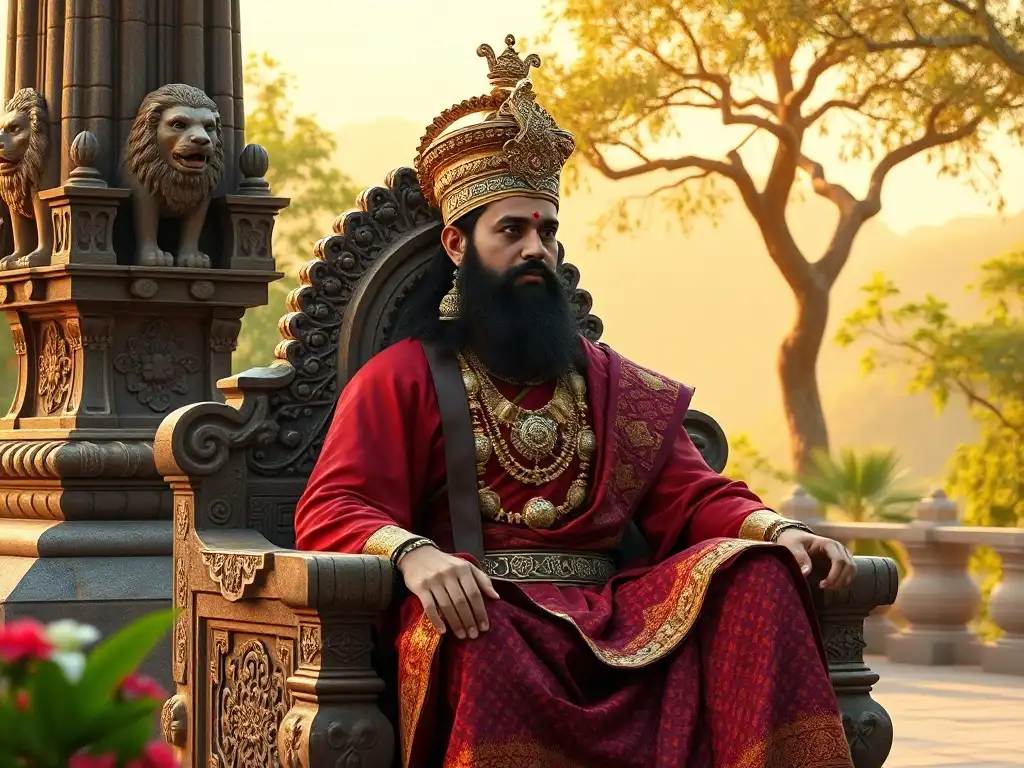
Welcome to Ancient India History, where we embark on a captivating journey through the rich tapestry of ancient Indian civilizations. In this exploration, we delve into the life and legacy of one of the most influential rulers of all time: Ashoka the Great. Renowned for his transformative contributions, Ashoka's reign is a pivotal chapter that shaped the cultural and moral landscape of India.
Prepare to uncover the remarkable timeline of his life and achievements, and discover how his vision of peace and prosperity continues to resonate today. Join us as we unravel the profound impact of Ashoka the Great and what his story means for the world!
Introduction to Ashoka the Great
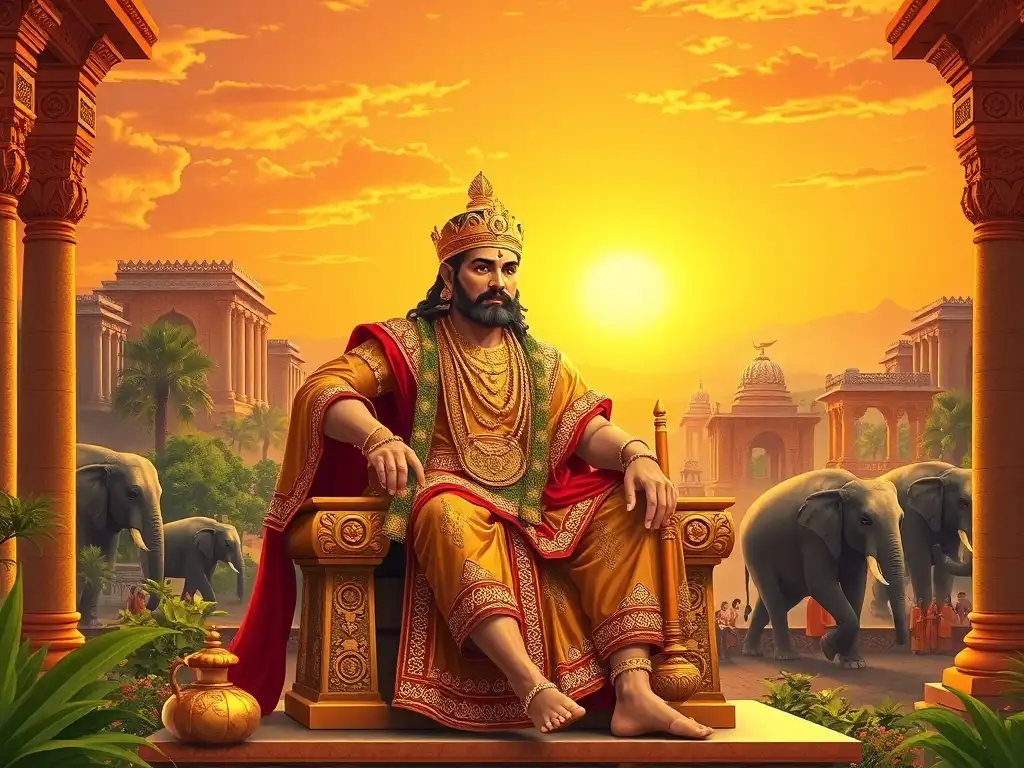
Ashoka the Great, one of the most notable emperors of ancient India, is remembered not only for his vast empire but also for his remarkable contributions to society, governance, and culture. Reigning during the Maurya Dynasty from approximately 268 to 232 BCE, Ashoka transformed his empire through a commitment to Buddhism and humanitarian principles. This article delves into the significant milestones of his life, charting a timeline that highlights his achievements and the profound impact he had on Indian civilization and beyond.
Overview of Ashoka's Significance in Ancient Indian History
Ashoka the Great is often regarded as a pivotal figure in ancient Indian history for several reasons:
- Expansion of the Mauryan Empire: Under his reign, the Mauryan Empire reached its zenith, stretching across a vast territory that included much of the Indian subcontinent.
- Promotion of Buddhism: After the Kalinga War, Ashoka embraced Buddhism, promoting its tenets of non-violence, compassion, and tolerance.
- Edicts and Inscriptions: He left behind a legacy of edicts carved onto rocks and pillars, disseminating moral and ethical guidelines that emphasized justice and the welfare of his subjects.
Ashoka's significance lies not only in his military conquests but also in his remarkable shift towards peaceful governance and public welfare.
Importance of Exploring Ashoka the Great's Contributions
Understanding Ashoka’s contributions is crucial for various reasons:
- Cultural Impact: Ashoka's promotion of Buddhism led to its spread beyond India, influencing cultures and societies across Asia.
- Humanitarian Reforms: His policies on wildlife conservation, healthcare, and infrastructure development set a precedent for future governance.
- Historical Perspective: Analyzing Ashoka's reign provides valuable insights into the political and social dynamics of ancient India.
Exploring these contributions offers a comprehensive view of Ashoka's legacy, illustrating how his values and policies resonate even in contemporary society.
Early Life of Ashoka
Birth and Family Background of Ashoka the Great
Ashoka was born in 304 BCE to Emperor Bindusara and Queen Dharma, in the city of Pataliputra, the Mauryan capital. His royal lineage positioned him as a key figure in the Mauryan dynasty. His family background played a significant role in shaping his future aspirations and leadership style.
- Father: Bindusara, the second Mauryan emperor, is known for consolidating the empire.
- Mother: Queen Dharma, who is often associated with promoting ethical values.
Growing up in such an influential environment, Ashoka was exposed to both the privileges of royalty and the complexities of leadership from an early age.
Influences on Ashoka's Early Development
Several factors influenced Ashoka's early development, including:
- Education: Ashoka received extensive training in military strategies, administration, and philosophy, laying the groundwork for his future as an emperor.
- Cultural Exposure: The diverse cultural milieu of ancient India, including various religious teachings, impacted his worldview and values.
- Family Dynamics: The political intrigues and rivalries within the royal court instilled in him a sense of ambition and the desire for moral governance.
These influences collectively shaped Ashoka into a ruler who would later prioritize ethical leadership and social responsibility in his reign.
Ascension to the Throne
Ashoka the Great, one of the most renowned rulers of ancient India, ascended to the throne of the Maurya Dynasty around 268 BCE. His rise to power marked a significant turning point in Indian history, characterized by both military conquests and transformative governance. His lineage traced back to Chandragupta Maurya, the founder of the Mauryan Empire, which had already established a vast territory across the Indian subcontinent.
Path to Becoming Emperor of the Maurya Dynasty
Before becoming emperor, Ashoka served in various administrative roles within the Mauryan Empire. He was appointed as the governor of Ujjain, a key province that provided him with valuable experience in governance and military leadership. His competence and strategic acumen in managing the province earned him recognition and respect among his contemporaries. The influence of his grandfather, Chandragupta, and his father, Bindusara, also played a crucial role in shaping his aspirations for power.
The Mauryan Empire had already seen significant growth under Bindusara, but it was Ashoka's vision that would expand its territories further. His early years were marked by intense training in the art of warfare, diplomacy, and administration, which laid the foundation for his future as a formidable ruler.
Key Events Leading to Ashoka's Coronation
Several pivotal events culminated in Ashoka's coronation. The death of his father, Emperor Bindusara, in 273 BCE triggered a succession struggle among his siblings. Ashoka's determination and strategic alliances allowed him to eliminate rivals and secure his position. His ascension was marked by a swift consolidation of power, as he not only dealt with family rivalry but also worked to stabilize the empire.
Following his coronation, Ashoka set forth on a series of military campaigns, which ultimately led to the expansion of the Mauryan Empire. His early rule was characterized by aggressive conquests, but it was the Kalinga War that would profoundly change his outlook on governance and life.
Major Achievements of Ashoka the Great
Ashoka's reign is celebrated not just for its military conquests but also for transformative contributions that shaped Indian society and culture. His achievements reflect a deep commitment to peace, social welfare, and the promotion of Buddhism.
Military Conquests and Expansion of the Mauryan Empire
During his early reign, Ashoka embarked on numerous military campaigns, expanding the Mauryan Empire to its greatest territorial extent. He successfully defeated various kingdoms, including the significant conquest of Kalinga around 261 BCE. This victory not only expanded his empire but also brought immense wealth and resources under Mauryan control.
However, the Kalinga War was particularly brutal, leading to significant loss of life. Historians estimate that over 100,000 soldiers and civilians were killed, and many more were displaced. The sheer scale of devastation deeply impacted Ashoka, prompting him to reconsider his approach to governance and warfare.
Transition from Warrior to Peacemaker: The Kalinga War
The Kalinga War marked a critical juncture in Ashoka's life and reign. Witnessing the aftermath of the conflict, including the suffering and destruction it caused, led him to embrace the principles of non-violence and compassion. This transformative experience compelled Ashoka to renounce military expansion and advocate for peace.
Following the war, he adopted the title "Devanampriya," meaning "Beloved of the Gods," and dedicated his reign to the welfare of his subjects. Ashoka implemented policies that promoted non-violence, ethical governance, and the well-being of his people, thereby transitioning from a warrior king to a peacemaker. His edicts, inscribed on pillars and rocks throughout the empire, encouraged moral living and respect for all life.
Promotion of Buddhism and its Impact on Indian Society
One of Ashoka's most significant contributions was the promotion of Buddhism as a state religion. His conversion to Buddhism after the Kalinga War led to the propagation of its teachings across the Indian subcontinent and beyond. Ashoka supported the construction of stupas, monasteries, and the establishment of educational institutions that facilitated the spread of Buddhist philosophy.
Under Ashoka's patronage, Buddhism flourished, attracting followers from diverse backgrounds. His efforts included sending missionaries to various regions, including Sri Lanka and Southeast Asia, which played a crucial role in establishing Buddhism as a major world religion.
Ashoka's contributions to Buddhism not only transformed Indian society but also left an enduring legacy that influenced ethical and moral thought for centuries to come. The principles of compassion, tolerance, and non-violence that he espoused continue to resonate in contemporary discussions around ethics and governance.
Ashoka's Contributions to Society
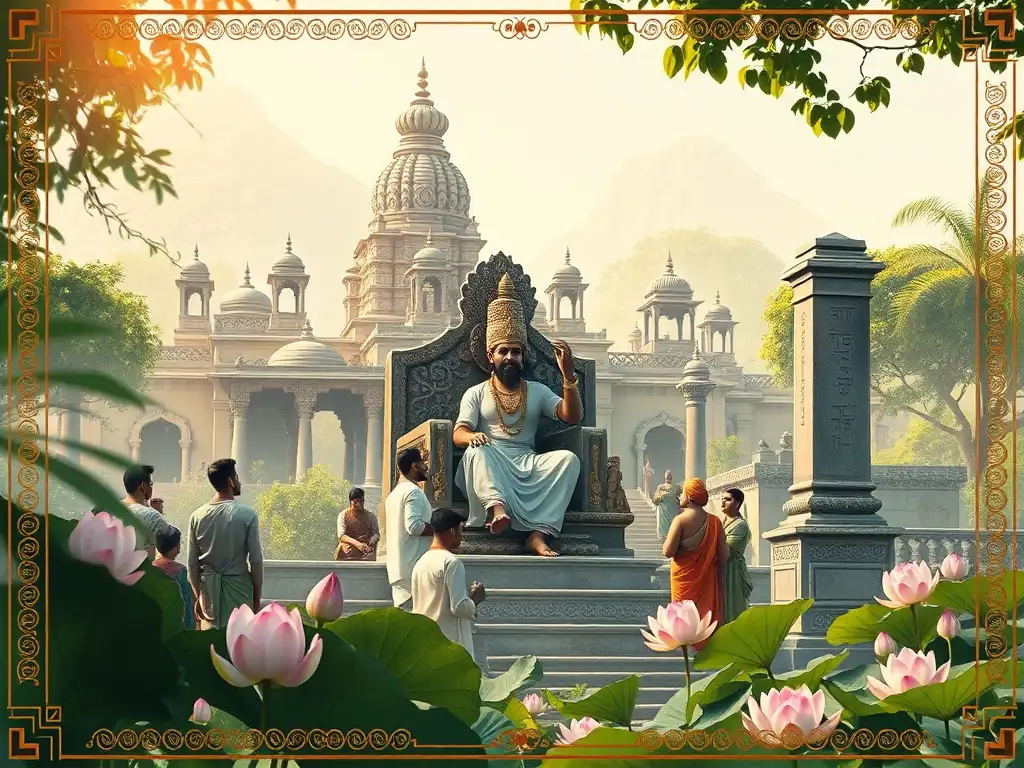
Ashoka the Great, the third Mauryan emperor, is renowned for his significant contributions to society that have left an indelible mark on both Indian and global history. His reign, which lasted from 268 to 232 BCE, was characterized by a profound commitment to the principles of non-violence, compassion, and social welfare. Ashoka's approach to governance was revolutionary for its time, as he prioritized the well-being of his subjects and sought to create a harmonious society through various initiatives.
One of Ashoka's most notable contributions was his establishment of the Edicts of Ashoka, a series of inscriptions that conveyed his policies and ethical guidelines. These edicts emphasized moral governance, the importance of non-violence, and the promotion of welfare for all living beings. In addition to his ethical reforms, Ashoka actively promoted infrastructure development, religious tolerance, and the spread of Buddhism, all of which contributed to a more cohesive society. His legacy endures in the principles of governance and social responsibility that continue to influence modern societies.
Establishment of the Edicts of Ashoka
The Edicts of Ashoka are a cornerstone of his contributions to society, comprising a collection of inscriptions carved on rocks and pillars throughout the Indian subcontinent. These edicts serve as a testament to Ashoka's commitment to moral governance and his vision for a just society. They were written in various languages, including Brahmi and Kharosthi, making them accessible to a diverse audience.
The edicts articulate Ashoka's beliefs in non-violence, compassion, and ethical conduct. For instance, one of the most famous edicts emphasizes the importance of respecting all forms of life, demonstrating his commitment to ahimsa (non-violence). Furthermore, the edicts advocate for social welfare initiatives, including healthcare, education, and the provision of resources for the underprivileged. By disseminating these principles through public proclamations, Ashoka aimed to instill a sense of moral responsibility among his subjects and promote a culture of benevolence within his empire.
Contributions to Architecture and Infrastructure
Ashoka's reign was marked by significant architectural and infrastructural advancements that contributed to the prosperity of his empire. He initiated the construction of numerous stupas, monasteries, and pillars, many of which still stand as remarkable examples of ancient Indian architecture. The most iconic of these is the Sanchi Stupa, which not only serves as a religious site but also reflects the artistic achievements of the Mauryan period.
In addition to religious structures, Ashoka invested in developing roads, irrigation systems, and public amenities. The construction of the Grand Trunk Road facilitated trade and communication across regions, enhancing economic connectivity. Ashoka's focus on infrastructure was aimed at improving the quality of life for his citizens, ensuring that essential services were accessible to all. His architectural legacy continues to inspire contemporary urban planning and public works.
Role in Promoting Religious Tolerance and Dharma
Ashoka's reign is often celebrated for its emphasis on religious tolerance and the promotion of Dharma, a concept that encompasses ethical living and moral duty. Following the devastating Kalinga War, which deeply affected him, Ashoka embraced Buddhism and sought to spread its teachings as a means of fostering peace and harmony. He encouraged dialogue among different religious communities, advocating for respect and understanding among various faiths.
The promotion of Dharma was central to Ashoka's governance. He established principles that emphasized ethical conduct, compassion, and social justice, transcending religious boundaries. Ashoka's efforts to promote a just society based on mutual respect laid the foundation for a diverse cultural landscape in ancient India. His commitment to religious tolerance and ethical governance serves as a guiding principle for contemporary societies striving for harmony in diversity.
Ashoka's Legacy
Ashoka's legacy extends far beyond his reign, influencing future generations and shaping the cultural landscape of India and beyond. His contributions to governance, architecture, and social welfare continue to resonate, making him a pivotal figure in both Indian history and global discussions on leadership and ethics.
Influence on Future Generations and Indian Culture
Ashoka's reign marked a turning point in Indian history, inspiring successive rulers and contributing to the evolution of Indian culture. His emphasis on ethical governance and social responsibility set a precedent for future leaders, encouraging them to prioritize the welfare of their subjects. The principles of non-violence and compassion championed by Ashoka have become integral to Indian cultural identity, influencing various aspects of life, from philosophy to art.
Moreover, Ashoka's promotion of Buddhism played a crucial role in shaping the religious landscape of India. His efforts to spread Buddhist teachings not only solidified Buddhism's presence in India but also facilitated its expansion to other parts of Asia. This cultural exchange fostered a rich tapestry of beliefs and practices that continue to thrive today, highlighting Ashoka's lasting impact on Indian culture and beyond.
Global Recognition of Ashoka the Great's Contributions
Ashoka the Great is increasingly recognized on a global scale as a symbol of peace and moral leadership. His principles of non-violence and ethical governance resonate strongly in contemporary discussions around conflict resolution and social justice. International organizations, such as the United Nations, have drawn inspiration from Ashoka's teachings to promote initiatives centered on peace and coexistence.
The global recognition of Ashoka's contributions is evident in various commemorative efforts, including the celebration of Ashoka's Edicts and the promotion of Buddhism worldwide. His legacy serves as a reminder of the power of compassionate leadership and the importance of prioritizing the well-being of humanity.
Ashoka's Impact on Modern Buddhism and Peace Movements
Ashoka's influence extends to modern Buddhism and peace movements, as he is often cited as a pioneering figure in the promotion of non-violence and ethical conduct. His commitment to Dharma laid the foundation for Buddhist teachings that emphasize compassion, mindfulness, and social responsibility. Many contemporary Buddhist leaders, including the Dalai Lama, reference Ashoka's principles as a source of inspiration for their advocacy of peace and harmony.
In addition to Buddhism, Ashoka's legacy has permeated various peace movements worldwide. His life serves as a powerful example of the transformative potential of non-violent action in addressing societal issues. Activists and leaders advocating for justice and peace often draw parallels between their work and Ashoka's commitment to promoting ethical governance and compassion. As such, Ashoka the Great remains an enduring symbol of hope and moral fortitude in the quest for a more just and peaceful world.
Conclusion
Ashoka the Great remains one of the most significant figures in ancient Indian history, whose reign marked a pivotal transformation in the Indian subcontinent. His contributions, particularly in promoting Buddhism and establishing a welfare state, have left a lasting legacy that continues to influence modern society. Ashoka's dedication to non-violence, compassion, and moral governance revolutionized the political landscape of his time and set a precedent for future leaders.
By embracing the principles of Dharma, he not only unified a vast empire but also instilled a sense of social responsibility among his subjects. His efforts in infrastructure development, including the construction of roads, hospitals, and educational institutions, laid the groundwork for a flourishing society. The edicts of Ashoka, inscribed across his empire, serve as timeless reminders of his commitment to peace and ethical governance.
Summary of Ashoka the Great's Key Contributions and Achievements
Ashoka's reign (circa 268-232 BCE) is characterized by several key contributions that have had a profound impact on both ancient and modern civilizations:
-
Promotion of Buddhism:
Ashoka was instrumental in the spread of Buddhism throughout India and beyond. He actively supported the establishment of monasteries, stupas, and educational centers, facilitating the religion's growth.
-
Dharma and Non-Violence:
Following the Kalinga War, Ashoka embraced the principle of non-violence (Ahimsa) and sought to govern by Dharma, emphasizing moral and ethical conduct in governance.
-
Edicts and Inscriptions:
The edicts of Ashoka, inscribed on pillars and rocks, communicated his policies and moral teachings to the populace, promoting values such as compassion, tolerance, and social justice.
-
Infrastructure Development:
Under Ashoka's rule, significant infrastructure improvements were made, including the construction of roads, irrigation systems, and hospitals, which enhanced trade and public welfare.
-
Cultural Exchange:
Ashoka's reign facilitated cultural exchanges along trade routes, contributing to the diffusion of art, architecture, and ideas across Asia.
These contributions not only shaped the Mauryan Empire but also laid the foundation for future governance models in India and influenced various aspects of culture, philosophy, and ethics.
Reflection on Ashoka's Role in Shaping Ancient Indian History
Ashoka the Great's impact on ancient Indian history is profound and multifaceted. His transformation from a warrior king to a proponent of peace illustrates a remarkable evolution in leadership philosophy. This shift not only altered the course of his empire but also set a benchmark for ethical governance that resonates to this day.
Ashoka's embrace of Buddhism and his commitment to non-violence marked a significant departure from the prevailing norms of military conquest and expansion. His legacy of peace and governance through Dharma influenced not only the people of his time but also future generations. The principles he championed, such as tolerance and compassion, have become integral to Indian culture and are echoed in various religious and philosophical traditions.
Moreover, Ashoka's promotion of a welfare state, with an emphasis on public health, education, and infrastructure, showcased a progressive vision that prioritized the well-being of his subjects. This approach not only enhanced the quality of life in his empire but also demonstrated the potential for rulers to govern with empathy and foresight.
Ashoka the Great's contributions were not merely confined to his reign but have left an indelible mark on the fabric of Indian history, influencing political thought, cultural identity, and moral philosophy for centuries. His life and achievements continue to inspire contemporary discussions on leadership, governance, and social responsibility.
- Introduction to Ashoka the Great
- Early Life of Ashoka
- Ascension to the Throne
- Major Achievements of Ashoka the Great
- Ashoka's Contributions to Society
- Ashoka's Legacy
- Conclusion
Frequently Asked Questions
What were Ashoka the Great's major contributions to society?
Ashoka the Great's major contributions include the establishment of Buddhism as a state religion, promoting non-violence and tolerance, and the creation of the Edicts of Ashoka, which spread moral and ethical guidelines.
How did Ashoka influence the spread of Buddhism?
Ashoka significantly influenced the spread of Buddhism by sending missionaries to various regions, including Southeast Asia, and building stupas and monasteries to support the faith's growth.
What was the impact of Ashoka's Edicts?
The Edicts of Ashoka had a profound impact by promoting social welfare, moral conduct, and administrative reforms, helping to create a more just and peaceful society in his empire.
How did Ashoka's reign differ from previous emperors?
Ashoka's reign marked a shift from military conquests to a focus on diplomacy and cultural exchange, emphasizing peace and public welfare, rather than mere territorial expansion.
Why is Ashoka the Great considered a pivotal figure in Indian history?
Ashoka the Great is considered a pivotal figure in Indian history for his role in unifying the Indian subcontinent and his enduring influence on Buddhism and moral governance, which resonate through history to this day.
Final Reflection: The Enduring Legacy of Ashoka the Great
Ashoka the Great's contributions resonate profoundly in today's world, illustrating the timeless relevance of compassion and ethical governance. His transformation from a conqueror to a proponent of peace and non-violence serves as a powerful reminder that true strength lies not in dominance but in the ability to foster harmony and understanding among diverse communities. As we navigate the complexities of modern society, Ashoka's principles of dharma and social responsibility continue to inspire leaders and individuals alike.
The impact of Ashoka's reign is felt not only in historical contexts but also in contemporary discussions about leadership and moral responsibility. His commitment to spreading Buddhism and promoting welfare initiatives laid the groundwork for a more humane approach to governance that transcends borders and cultures. The greatest victory is the victory over oneself.
This quote encapsulates the essence of Ashoka's journey, highlighting the importance of self-reflection and personal growth in the pursuit of a just society.
As we reflect on Ashoka's life and achievements, let us embrace the lessons he imparted and strive to embody his ideals in our daily lives. Consider how you can contribute to a more compassionate world, whether through acts of kindness, advocacy for justice, or simply by fostering understanding in your community. The legacy of Ashoka the Great is not just a historical account; it is a call to action for each of us to become agents of positive change in our own spheres of influence.
Ignite Your Curiosity: Dive Deeper into Ashoka's Legacy!
Thank you for exploring the fascinating life of Ashoka the Great with us! We hope you gained valuable insights into his achievements and the profound impact he had on ancient India. Now, it's time to take that knowledge further and discover how his principles can inspire our lives today.
Here are some specific actions you can take to expand your understanding and engage with Ashoka's legacy:
- Read a book or watch a documentary about Ashoka's reign to uncover lesser-known aspects of his life and the Mauryan Empire.
- Join an online community focused on ancient history to share your thoughts and learn from others.
- Consider implementing one of Ashoka's core values, such as non-violence or compassion, in your daily interactions and observe the positive impact it has on your relationships.
What part of Ashoka's journey resonates with you the most, and how can you apply that to your own life?