
Ashoka’s Reforms: A Blueprint for Governance in Ancient India


Welcome to Ancient India History, where we embark on an enthralling journey through the rich tapestry of India's past. In today's featured article, we delve into Ashoka’s governance reforms in India, a transformative period that shaped the very foundations of effective leadership and societal harmony in ancient civilization. Discover how Ashoka's visionary policies not only impacted his empire but also left an enduring legacy that resonates through time.
Join us as we uncover the intricacies of his reign, and prepare to be inspired by a blueprint for governance that remains relevant even today. Dive deeper to explore the remarkable contributions of one of history's most pivotal figures!
- Introduction to Ashoka’s Governance Reforms in India
- The Historical Context of Ashoka’s Reforms
- Key Features of Ashoka’s Governance Reforms
- Impact of Ashoka’s Reforms on Indian Society
- Comparison of Ashoka’s Reforms with Other Ancient Leaders
- Legacy of Ashoka’s Governance Reforms in India
- Conclusion: Lessons from Ashoka’s Governance Reforms
- Frequently Asked Questions
- Final Reflection: Ashoka's Governance Reforms as a Timeless Blueprint
- Unlock the Lessons of Ashoka: Transform Your Leadership Today!
Introduction to Ashoka’s Governance Reforms in India
Ashoka the Great, one of the most renowned emperors of ancient India, is often celebrated not only for his military conquests but also for his transformative governance reforms. His reign during the 3rd century BCE marked a pivotal shift in the political landscape of India, where benevolence and ethical governance became central themes.
Ashoka’s governance reforms in India are a striking blueprint that not only aimed to consolidate his empire but also to promote welfare and moral values among his subjects. This article delves into the intricacies of Ashoka's reforms, exploring their significance and lasting impact on governance in ancient India.
Overview of Ashoka the Great
Ashoka, a member of the Maurya dynasty, ascended to the throne around 268 BCE after a series of military campaigns that expanded his empire across the Indian subcontinent. His early reign was marked by a fierce ambition to strengthen and unify his empire through warfare. However, the devastating consequences of the Kalinga War, which resulted in massive casualties and suffering, profoundly affected Ashoka. This turning point led him to embrace Buddhism and pivot towards a governance model rooted in compassion and non-violence.
The emperor is best known for his Edicts of Ashoka, inscriptions carved on pillars and rocks throughout his empire, which articulated his vision of a just and moral society. These edicts emphasized values such as ahimsa (non-violence), dharma (righteousness), and the welfare of his subjects, marking a significant departure from the prevailing norms of autocratic rule.
Significance of Governance in Ancient India
The concept of governance in ancient India was deeply intertwined with the cultural, religious, and philosophical tenets of the time. Rulers were often viewed as divine figures, whose authority stemmed not only from military power but also from their ability to uphold dharma and ensure the welfare of their subjects. Ashoka’s reforms contributed to this paradigm by introducing a more humane approach to governance.
Key aspects of his governance included:
- Promotion of Social Welfare: Ashoka established hospitals, planted trees for shade, and dug wells to provide for the needs of his people.
- Cultural Integration: Through his edicts, he encouraged the spread of Buddhism, which fostered a sense of unity and moral conduct among diverse communities.
- Decentralization of Power: Ashoka appointed local officials known as Dharma Mahamatras to oversee the implementation of his policies, ensuring that the principles of governance were upheld at all levels.
These reforms not only strengthened the fabric of society during Ashoka's reign but also laid the groundwork for future governance structures in India, emphasizing the importance of ethical leadership and social responsibility. The legacy of Ashoka's governance reforms continues to resonate, offering valuable lessons in leadership and public administration that are relevant even today.
The Historical Context of Ashoka’s Reforms
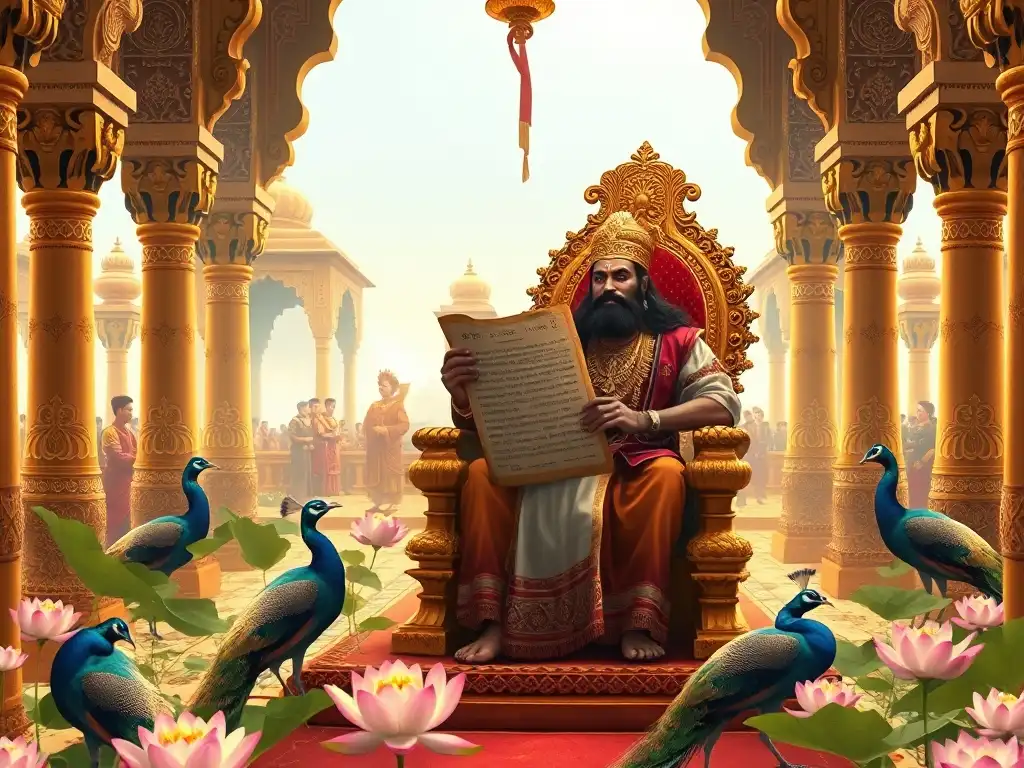
Ashoka the Great, one of the most prominent emperors of the Mauryan Empire, ruled from approximately 268 to 232 BCE. His reign marked a significant turning point in ancient Indian history, particularly with respect to governance. To understand Ashoka's governance reforms in India, it is essential to explore the historical context of his rule, including the structure of the Mauryan Empire and the challenges he faced.
The Mauryan Empire: A Brief Overview
The Mauryan Empire was established by Chandragupta Maurya in 322 BCE and flourished under Ashoka's leadership. At its zenith, the empire stretched from the eastern parts of modern-day Iran to the Bay of Bengal in the east, covering a vast territory that included present-day India, Pakistan, and parts of Afghanistan.
Key features of the Mauryan Empire include:
- Centralized Administration: The empire was characterized by a highly organized bureaucracy. Ashoka expanded upon the administrative systems established by his grandfather, Chandragupta, implementing a network of officials, including governors and tax collectors, who oversaw various regions.
- Cultural Integration: The Mauryan Empire was notable for its cultural diversity, integrating various ethnic groups and cultures. Ashoka himself promoted the spread of Buddhism, which contributed to a more unified cultural identity.
- Economic Prosperity: The empire thrived economically due to trade routes that connected it to the Mediterranean and Southeast Asia. This wealth allowed for substantial investments in infrastructure, including roads and irrigation systems, which further improved governance.
Challenges Faced by Ashoka Before Implementing Reforms
Despite the strength of the Mauryan Empire, Ashoka faced several challenges that necessitated substantial governance reforms. These challenges included:
- Military Conflicts: Early in his reign, Ashoka engaged in the Kalinga War (c. 261 BCE), which resulted in significant loss of life and suffering. The aftermath of the war profoundly impacted Ashoka, prompting him to reconsider his approach to governance and military expansion.
- Public Dissent: The brutality of the Kalinga War led to widespread resentment among the population. Ashoka recognized the importance of addressing the grievances of his subjects and sought to create a more compassionate and just administration.
- Cultural Fragmentation: The diverse populations within the empire posed a challenge in terms of unity. Ashoka aimed to foster a sense of belonging and shared identity among various ethnic groups, which was crucial for maintaining stability.
- Moral and Ethical Governance: Influenced by his embrace of Buddhism, Ashoka became increasingly concerned with moral leadership and ethical governance. He sought to implement reforms that emphasized welfare, justice, and non-violence, aligning his policies with the Buddhist principles of compassion and righteousness.
The historical context of Ashoka’s governance reforms in India reveals a ruler who was deeply affected by the consequences of war and the complexities of managing a vast empire. His response to these challenges led to a series of transformative reforms that not only changed the trajectory of the Mauryan Empire but also set a precedent for governance in ancient India.
Key Features of Ashoka’s Governance Reforms
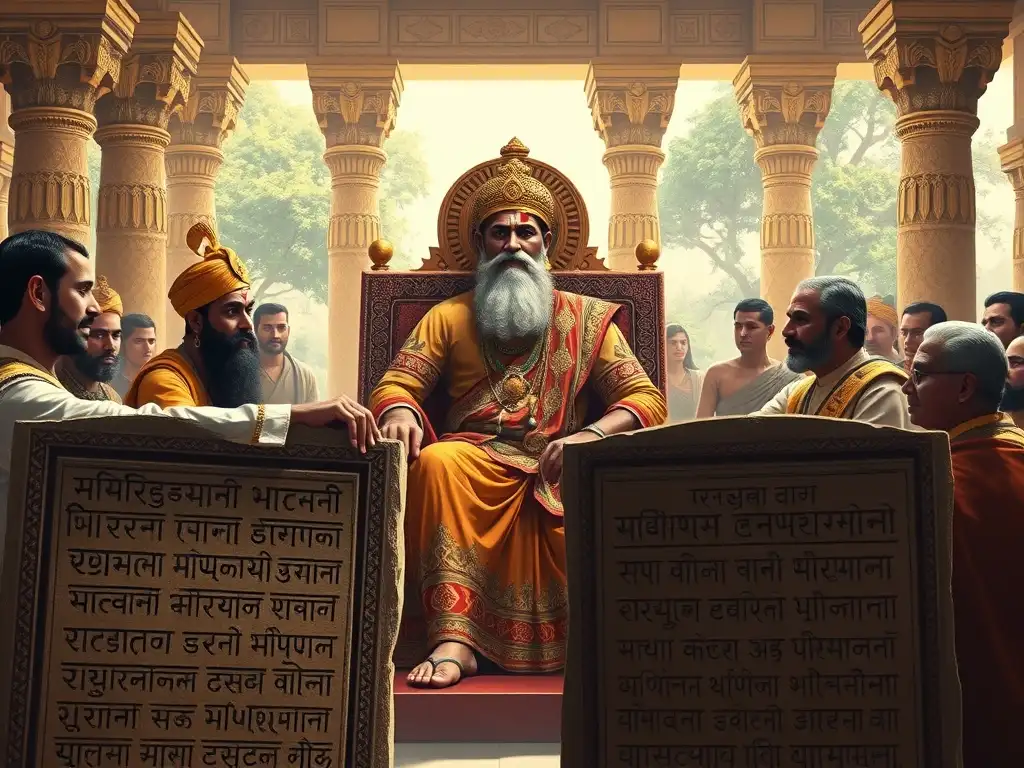
Principles of Dhamma in Administration
Ashoka’s governance reforms were deeply rooted in the principles of Dhamma, which he interpreted as a moral and ethical framework for leadership. This was not merely a religious doctrine but a comprehensive philosophy that aimed to harmonize the relationship between the ruler and the ruled. The Dhamma emphasized:
- Non-violence (Ahimsa): Ashoka advocated for non-violence in both personal conduct and state affairs, which influenced policies against war and promoted peace.
- Compassion: The ruler was expected to show compassion towards all living beings, leading to policies that favored welfare programs and humanitarian efforts.
- Truthfulness: Honest governance was central to Ashoka's reforms, promoting transparency and trust between the government and its subjects.
Ashoka’s edicts, inscribed on pillars and rocks throughout his empire, served as a constant reminder of these principles, promoting a culture of ethical governance. These edicts were not only proclamations but also guidelines for his officials, ensuring that Dhamma was integrated into everyday administrative practices.
The Role of Ethics in Ashoka’s Governance
Ethics played a pivotal role in shaping Ashoka’s governance reforms. He believed that a ruler's moral integrity directly influenced the prosperity and stability of the state. The key aspects of ethics in Ashoka’s governance included:
- Accountability: Ashoka implemented systems to hold officials accountable for their actions. Regular audits and inspections were part of his governance, ensuring that corruption was minimized.
- Public Welfare: Under Ashoka, the state took on a proactive role in public welfare, establishing hospitals, irrigation systems, and schools. This ethical responsibility highlighted the importance of the ruler’s duty to care for the well-being of citizens.
- Promotion of Religious Tolerance: Ashoka’s embrace of various religions fostered an environment of tolerance and respect, which was crucial for maintaining peace in a diverse empire. His edicts encouraged understanding and dialogue among different faiths.
- Judicial Reforms: Ashoka advocated for fair treatment in the judicial system, emphasizing justice over vengeance. This reform aimed to ensure that all subjects, regardless of caste or status, had access to justice.
The ethical framework established by Ashoka served as a model for future governance, showcasing how moral principles can effectively guide political leadership and statecraft.
Decentralization of Power and Local Governance
Ashoka's governance reforms also included a significant shift towards decentralization of power, which allowed for more localized decision-making. This approach had several notable features:
- Empowerment of Local Officials: Ashoka appointed local governors (Uparajas) and officials with considerable authority, allowing them to address regional issues effectively. This empowerment ensured that governance was responsive to the unique needs of diverse communities within the empire.
- Village Assemblies: Encouraging local self-governance, Ashoka promoted the establishment of village assemblies (Sabhas), where community members could participate in decision-making processes. This not only fostered a sense of ownership among villagers but also ensured that governance was more democratic and participatory.
- Resource Management: By decentralizing power, Ashoka allowed local jurisdictions to manage resources more effectively. This facilitated better agricultural practices and infrastructure development, leading to enhanced productivity and sustainability.
- Feedback Mechanisms: Ashoka instituted feedback mechanisms where local communities could voice their concerns and suggestions to the central authority. This open line of communication ensured that policies were adapted based on the realities on the ground.
Through these reforms, Ashoka not only strengthened local governance but also created a more resilient and cohesive empire, where power was shared and citizens felt invested in their ruler’s vision.
Impact of Ashoka’s Reforms on Indian Society
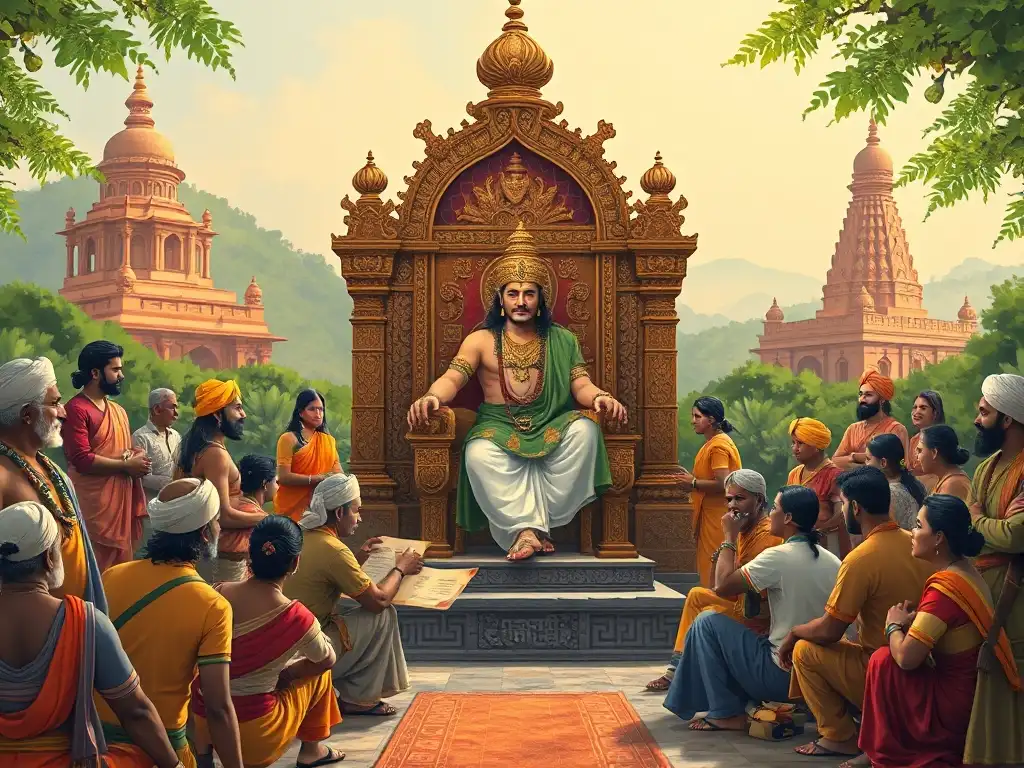
Ashoka the Great, the third Mauryan emperor, is renowned for his profound governance reforms that significantly transformed Indian society during his reign (c. 268-232 BCE). His policies not only shaped the political landscape but also fostered a sense of unity and welfare among his subjects. This section examines the multifaceted impact of Ashoka's reforms on Indian society, focusing on social welfare initiatives, the promotion of Buddhism, and enhancements to the legal system.
One of the cornerstone aspects of Ashoka’s governance reforms in India was his commitment to social welfare. Ashoka envisioned a society where the well-being of all citizens was prioritized, leading to the implementation of various initiatives:
- Dhamma: Ashoka promulgated the concept of Dhamma, which emphasized moral values and ethical conduct. He believed that a just ruler should ensure the welfare of his subjects, advocating for non-violence, compassion, and respect for all living beings.
- Public Amenities: Ashoka's administration invested in the construction of hospitals, rest houses, and irrigation systems. These facilities were designed to cater to the health and livelihoods of the populace, demonstrating his commitment to their welfare.
- Food Security: The emperor also established measures for food distribution during famines. This initiative was crucial in preventing hunger and ensuring that the poorest citizens received necessary provisions.
- Education and Learning: Ashoka promoted education by supporting the establishment of schools and centers for learning. This emphasis on knowledge helped cultivate an informed citizenry capable of contributing to society.
The effectiveness of these initiatives is reflected in the inscriptions left by Ashoka, which detail his commitment to societal well-being and his efforts to instill a sense of duty among his subjects.
The Promotion of Buddhism and its Influence on Governance
Ashoka's reign is closely linked with the spread of Buddhism, which he adopted following the Kalinga War. His promotion of Buddhism significantly influenced his governance and the cultural landscape of ancient India:
- Buddhist Principles in Governance: Ashoka integrated Buddhist principles into his administration, advocating for non-violence (Ahimsa) and compassion. These principles guided his policies and provided a moral framework for governance.
- Establishment of Monasteries: Ashoka sponsored the construction of numerous stupas and monasteries, which facilitated the spread of Buddhist teachings across India and beyond. This not only enriched cultural practices but also fostered community development.
- Missionary Activities: Ashoka dispatched missionaries to various regions, including Sri Lanka, to promote Buddhism. His efforts contributed to the establishment of a cohesive cultural identity that transcended regional differences.
- Inscriptions and Edicts: The edicts of Ashoka, inscribed on rocks and pillars, served as a means of communication with his subjects, articulating his vision for a just and compassionate society. These edicts emphasized ethical governance and the importance of moral behavior among citizens.
The promotion of Buddhism under Ashoka not only enhanced the spiritual landscape of India but also established a model for ethical governance that resonated with future leaders.
Legal Reforms and Justice System Enhancements
Ashoka’s governance reforms in India also included significant legal reforms aimed at enhancing the justice system:
- Codification of Laws: Ashoka standardized laws to ensure fairness and justice across his empire. This codification was crucial in establishing a consistent legal framework that addressed the needs of diverse communities.
- Judicial Appointments: The emperor made provisions for appointing judges who were well-versed in legal matters and ethical conduct. This ensured that justice was administered fairly and impartially.
- Focus on Rehabilitation: Ashoka’s legal reforms emphasized rehabilitation over punishment, reflecting his commitment to the principles of Dhamma. Offenders were encouraged to reform their behavior rather than face severe penalties, promoting a more compassionate approach to justice.
- Public Access to Justice: Ashoka implemented measures to make the legal system more accessible to common people. He encouraged public participation in legal proceedings, allowing citizens to voice their grievances and seek redress.
These legal reforms not only improved the efficiency of the justice system but also reinforced the emperor's dedication to upholding the rights and welfare of his subjects, creating a more just society.
Ashoka's governance reforms in India had a lasting impact on the fabric of Indian society. His initiatives in social welfare, the promotion of Buddhism, and legal reforms collectively contributed to a more cohesive, compassionate, and just society that resonated through subsequent generations.
Comparison of Ashoka’s Reforms with Other Ancient Leaders

Ashoka’s governance reforms in India stand as a unique paradigm within the broader context of ancient leadership. By comparing his strategies with those of other notable figures, such as Chandragupta Maurya and leaders from other ancient civilizations, we can appreciate the distinctive features and lasting impacts of Ashoka’s approach.
Ashoka vs. Chandragupta Maurya: Governance Strategies
Chandragupta Maurya, the founder of the Maurya Empire and Ashoka’s grandfather, implemented a series of governance strategies that laid the foundation for a centralized state. His methods were characterized by:
- Military Conquest: Chandragupta expanded his empire through military might, establishing control over vast territories.
- Administrative Organization: He created a bureaucratic system with appointed officials overseeing different regions, ensuring efficient governance.
- Support for Trade: By securing trade routes, Chandragupta fostered economic growth, which was critical for the empire’s stability.
In contrast, Ashoka's governance reforms shifted focus from military expansion to moral and ethical leadership. Key differences include:
- Philosophical Approach: Ashoka embraced Buddhism, emphasizing dharma (moral law) as the foundation for governance. This was a significant departure from his grandfather's militaristic approach.
- Promotion of Non-Violence: After the Kalinga War, Ashoka championed non-violence and sought to promote peace, which was reflected in his policies and edicts.
- Public Welfare: Ashoka’s reforms included the establishment of hospitals, rest houses, and the promotion of social welfare programs aimed at improving the quality of life for his subjects.
| Aspect | Chandragupta Maurya | Ashoka the Great |
|---|---|---|
| Leadership Style | Authoritarian | Ethical and benevolent |
| Military Focus | Expansion through conquest | Promotion of peace and non-violence |
| Governance Philosophy | Centralized bureaucracy | Moral governance based on dharma |
| Public Welfare Initiatives | Limited | Extensive, including hospitals |
Ashoka vs. Other Ancient Civilizations: A Broader Perspective
When examining Ashoka’s governance reforms in relation to other ancient civilizations, several notable leaders and their strategies emerge.
- Hammurabi of Babylon: Known for the Code of Hammurabi, which established a system of laws, Hammurabi emphasized legalism and strict adherence to laws as a means of governance. In contrast, Ashoka’s reforms were more focused on moral persuasion and ethical conduct rather than codified laws alone.
- Pericles of Athens: Pericles is celebrated for his democratic reforms and the promotion of civic involvement in governance. While Ashoka also encouraged participation through public edicts, his approach was more about moral guidance and less about political engagement.
- Cyrus the Great of Persia: Cyrus is known for his respect for local customs and religions, which he integrated into his governance. Similar to Ashoka, who respected the diverse beliefs within his empire, Cyrus promoted tolerance, yet Ashoka’s focus on Buddhism provided a distinct ethical framework for governance.
| Leader | Key Governance Traits | Similarities with Ashoka | Differences with Ashoka |
|---|---|---|---|
| Hammurabi | Strict legal codes | Emphasis on order | Focused on moral rather than legal governance |
| Pericles | Democratic reforms, civic engagement | Encouraged public participation | More focused on political power |
| Cyrus the Great | Tolerance and respect for local customs | Emphasis on cultural harmony | Different ethical framework |
Ashoka's governance reforms in India represent a significant evolution in leadership philosophy, prioritizing ethical governance and public welfare over military conquest and strict legalism. His unique approach not only distinguished him from predecessors like Chandragupta Maurya but also from other ancient leaders worldwide, establishing a lasting legacy in the history of governance.
Legacy of Ashoka’s Governance Reforms in India

Long-term Effects on Subsequent Indian Rulers
Ashoka’s governance reforms in India had profound long-term effects on subsequent Indian rulers. His emphasis on Dhamma, or moral law, emphasized ethical governance and social welfare, which became a hallmark of Indian leadership for centuries.
- Moral Authority: Ashoka’s approach to ruling was characterized by moral authority rather than sheer power. This principle influenced many rulers, encouraging them to adopt a more benevolent and compassionate governance style. Notably, this moral framework was evident in the policies of later dynasties, such as the Gupta Empire, which maintained a focus on the welfare of their subjects.
- Administrative Innovations: Ashoka’s administrative reforms, including the establishment of a centralized bureaucracy and the appointment of officials known as Dhamma Mahamatras, set a precedent for governance. These officials were responsible for promoting Dhamma across the empire, ensuring that policies were not only enforced but also aligned with moral principles. This model influenced subsequent rulers, who adopted similar administrative structures to ensure effective governance.
- Cultural Integration: Ashoka's efforts to integrate diverse cultures within his empire laid the groundwork for future rulers to promote inclusivity. By respecting local customs and religions while promoting Buddhism, he established a model for cultural harmony that was emulated by many subsequent dynasties.
Overall, the legacy of Ashoka’s governance reforms can be seen as a foundational blueprint that guided Indian rulers in balancing authority with ethical responsibility, shaping the political landscape of India for generations.
Influence on Modern Governance Concepts
Ashoka’s governance reforms in India resonate with modern governance concepts and principles, illustrating the timeless relevance of his ideas. His reforms reflect a commitment to ethical leadership, social justice, and public welfare, which are increasingly recognized in contemporary governance frameworks.
- Ethical Governance: The emphasis on ethical governance is mirrored in today’s political discourse, where leaders are expected to uphold integrity and accountability. Ashoka’s implementation of Dhamma serves as an early example of how moral considerations can guide statecraft, influencing modern democratic principles.
- Social Welfare Programs: Ashoka’s focus on public welfare, including the establishment of hospitals, veterinary care, and infrastructure projects, resonates with current concepts of social welfare. Modern governance increasingly prioritizes the well-being of citizens, drawing parallels to Ashoka's initiatives aimed at improving quality of life.
- Decentralization and Local Governance: The decentralization of power through the appointment of Dhamma Mahamatras echoes contemporary movements towards local governance and community participation. This model of governance empowers local authorities, promoting grassroots involvement in decision-making processes.
Ashoka’s governance reforms have not only shaped the historical trajectory of Indian leadership but have also laid the groundwork for modern governance concepts. His principles of ethical leadership and social responsibility continue to inspire contemporary political thought, demonstrating the enduring impact of his vision on governance practices across time.
Conclusion: Lessons from Ashoka’s Governance Reforms

Ashoka’s governance reforms in India present a remarkable blueprint that emphasizes ethical leadership, social welfare, and administrative efficiency. His approach not only transformed the Mauryan Empire but also left a lasting impact on subsequent governance systems in India and beyond. By focusing on principles that prioritize the well-being of citizens, Ashoka's reforms serve as a timeless guide for contemporary governance models.
Relevance of Ashoka’s Reforms in Today’s Governance
The principles embedded within Ashoka’s reforms resonate strongly in modern governance contexts. Here are several key elements that highlight their relevance:
- Ethical Leadership: Ashoka's emphasis on Dharma (righteousness) promotes the notion that leaders should act ethically and transparently. This principle underscores the importance of integrity in today’s political landscape, encouraging leaders to prioritize the collective good over personal gain.
- Social Welfare Programs: Ashoka initiated various welfare projects, including the establishment of hospitals, schools, and infrastructure. Similarly, modern governments can draw inspiration from Ashoka’s model by investing in public health, education, and community development to enhance the quality of life for all citizens.
- Decentralized Governance: By appointing local officials known as Dhamma Mahamatras, Ashoka ensured that governance was responsive to the needs of diverse communities. This approach can inform current practices of decentralization, allowing for localized decision-making and enhanced civic participation.
- Promotion of Tolerance and Pluralism: Ashoka's embrace of religious tolerance and acceptance of diverse beliefs fostered communal harmony. In a world where polarization is increasingly common, advocating for inclusivity and understanding is crucial for maintaining social cohesion.
- Focus on Sustainable Policies: The edicts of Ashoka often referred to the protection of the environment and animals. Today, sustainability is paramount; thus, integrating ecological considerations into governance can lead to more responsible and forward-thinking policies.
Final Thoughts on Ashoka’s Legacy in Ancient Indian History
Ashoka's legacy is multifaceted and continues to inspire not only historians but also policymakers and leaders around the world. His governance reforms in India set a precedent for compassionate leadership and civic responsibility. The lessons derived from Ashoka’s reign remind us that effective governance hinges on the ability to balance authority with empathy, pragmatism with idealism.
Ashoka the Great stands as a pivotal figure in ancient Indian history whose governance reforms offer invaluable insights for contemporary societies. By embodying the principles of justice, compassion, and social responsibility, Ashoka's reign serves as a beacon for future generations, emphasizing that the true measure of governance lies in its impact on the welfare of its people.
Frequently Asked Questions
What were Ashoka's governance reforms?
Ashoka's governance reforms aimed to establish social welfare and justice in his empire. He implemented policies focused on non-violence, religious tolerance, and public welfare.
How did Ashoka promote Buddhism through his reforms?
Ashoka utilized his reforms to promote Buddhism as a guiding philosophy for governance. He spread Buddhist teachings through edicts and supported the establishment of monasteries.
What impact did Ashoka's reforms have on ancient Indian society?
Ashoka's reforms led to a more inclusive society, fostering unity among diverse communities. His emphasis on moral governance and ethical administration improved the overall quality of life for citizens.
How did Ashoka's governance compare to previous rulers?
Unlike many of his predecessors, Ashoka prioritized peaceful coexistence and ethical leadership over military conquests. His approach marked a significant shift towards benevolent governance in ancient India.
Are Ashoka's reforms relevant today?
Yes, Ashoka's principles of non-violence, tolerance, and social justice continue to inspire modern governance and ethical leadership, highlighting the enduring relevance of his reforms in contemporary society.
Final Reflection: Ashoka's Governance Reforms as a Timeless Blueprint
Ashoka’s governance reforms in India resonate profoundly in today's world, illustrating the enduring power of compassionate leadership and ethical governance. In an era where political strife and ethical dilemmas abound, the principles established by Ashoka serve as a guiding light, reminding us that effective governance is rooted in the welfare of the people and the promotion of social harmony. The lessons from Ashoka's reign are not merely historical footnotes; they are vital blueprints for contemporary leaders seeking to navigate the complexities of modern governance.
The impact of Ashoka's reforms extends far beyond the boundaries of ancient India, influencing cultures and societies across the globe. His commitment to non-violence, social justice, and public welfare continues to inspire movements for peace and equity. As Mahatma Gandhi once said, "> The greatness of a nation and its moral progress can be judged by the way its animals are treated."
This sentiment echoes Ashoka's own values, emphasizing that true leadership is measured by compassion and the ability to uplift all members of society. The relevance of these ideals in today's socio-political landscape cannot be overstated, as they challenge us to reflect on our own governance structures and societal values.
As we contemplate the lessons of Ashoka's governance reforms, I invite you to consider how these principles can be applied in your own life and community. Reflect on the ways you can embody compassion, justice, and ethical leadership in your daily interactions. Whether in your personal relationships, workplace, or civic engagements, strive to create a positive impact that mirrors Ashoka's vision for a harmonious society. Let us take inspiration from his legacy and commit ourselves to fostering a world where governance prioritizes the well-being of all, paving the way for a brighter and more equitable future.
Unlock the Lessons of Ashoka: Transform Your Leadership Today!
Thank you for diving into the remarkable reforms of Ashoka, a pivotal figure in ancient Indian history. Your curiosity about effective governance not only enriches your understanding but also empowers you to think critically about leadership in today's world. Now, let’s put those insights into action!
- Reflect on Ashoka’s principles: Take a moment to identify **three core values** that you believe can enhance your leadership skills or foster greater community involvement.
- Engage with others: Share your discoveries and values in a discussion group or on social media platforms to inspire more conversations about effective governance.
- Explore further: Learn about other historical figures who embraced change, and consider how you can apply their lessons to address contemporary challenges.
What leadership change will you commit to making in your life today, inspired by the visionary reforms of Ashoka?