
How Ashoka’s Conversion to Buddhism Changed the Course of History

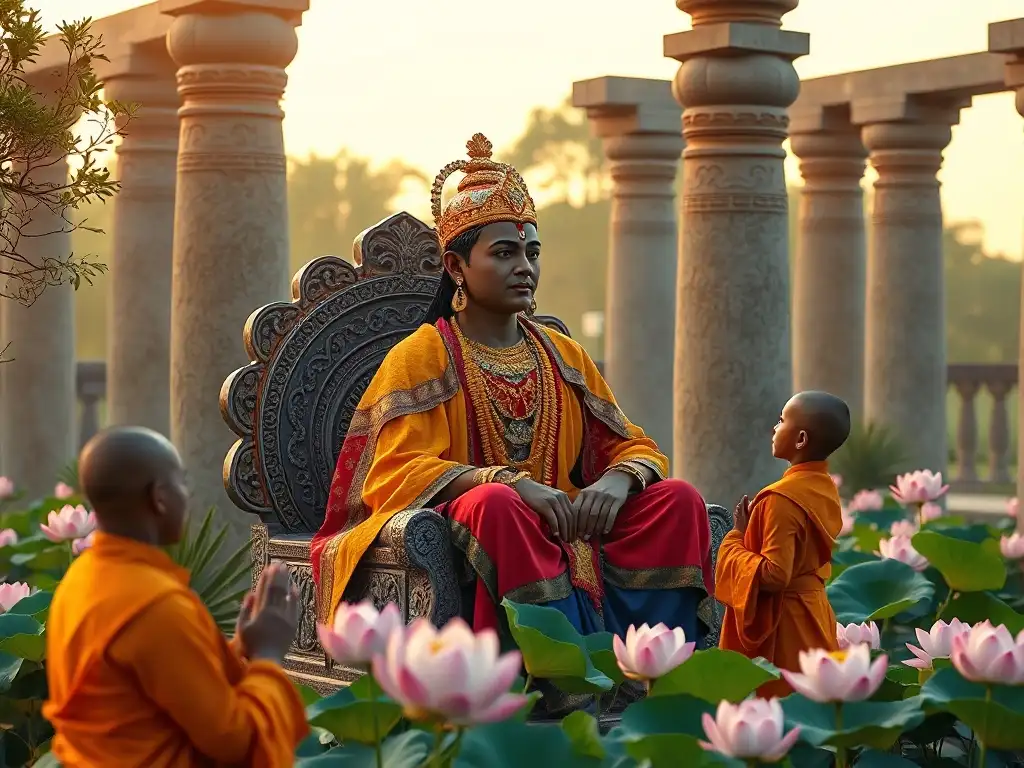
Welcome to Ancient India History, where we embark on a captivating journey through the rich tapestry of India's past. In this exploration, we delve into the profound impact of Ashoka on Buddhism, a pivotal moment that not only transformed a religion but also reshaped the very fabric of society during his reign. Discover how Ashoka's conversion ignited a wave of change and compassion that echoed through the ages. Are you ready to uncover the secrets of this influential emperor and his enduring legacy? Dive in to learn how one man's faith altered the course of history!
- Introduction to Ashoka the Great and Buddhism
- Ashoka's Conversion: A Turning Point in History
- Ashoka's Impact on Buddhism and Its Spread
- The Cultural and Political Ramifications of Ashoka's Conversion
- Comparisons: Ashoka's Buddhism vs. Pre-Ashoka Buddhism
- The Global Impact of Ashoka's Buddhism
- Conclusion: The Enduring Legacy of Ashoka on Buddhism
- Further Reading and Resources on Ashoka's Influence
- Frequently Asked Questions
- Final Reflection: The Enduring Legacy of Ashoka's Impact on Buddhism
- Embrace History: Transform Your Perspective Today!
Introduction to Ashoka the Great and Buddhism
The legacy of Ashoka the Great is one of profound significance in the tapestry of ancient Indian history, particularly concerning his impact on Buddhism. As the third Mauryan emperor, who reigned from 268 to 232 BCE, Ashoka's transformation from a fierce warrior to a compassionate ruler marked a pivotal juncture in the spread of Buddhist philosophy. His conversion to Buddhism not only altered his personal beliefs but also catalyzed a broader cultural and religious shift across the Indian subcontinent and beyond.
Through the establishment of ethical governance and the promotion of non-violence, Ashoka's policies resonated deeply with Buddhist teachings, thereby embedding these principles into the fabric of society. In this article, we will explore Ashoka's life, the historical context surrounding his conversion, and the lasting significance of his impact on Buddhism, shedding light on how this remarkable king shaped the course of history.
Overview of Ashoka's Life and Reign
Ashoka was born into the Mauryan dynasty as the grandson of Chandragupta Maurya, the founder of the empire. His early life was marked by a strong military upbringing, and he was known for his prowess in battle. However, the turning point in his life came after the brutal Kalinga War, where he witnessed the immense suffering caused by his conquests. This tragedy prompted a profound transformation in his outlook, leading him to embrace the teachings of Buddhism.
- Key Aspects of Ashoka's Reign:
- Territorial Expansion: Under Ashoka's rule, the Mauryan Empire expanded to encompass a vast territory, including much of the Indian subcontinent.
- Administrative Innovations: He implemented a centralized administration and established a network of officials to promote welfare and justice.
- Promotion of Buddhism: Ashoka became a fervent supporter of Buddhism, promoting its principles across his empire and beyond.
Ashoka's reign is often seen as a golden age, characterized by advancements in art, architecture, and literature, alongside the profound influence of Buddhist philosophy.
The Historical Context of Ashoka's Conversion
The period leading up to Ashoka's conversion was marked by significant political and social unrest in the Indian subcontinent. The Mauryan Empire was at its zenith, yet the violence and bloodshed associated with warfare left a profound impact on Ashoka. The Kalinga War, fought around 261 BCE, was particularly significant as it resulted in a staggering number of casualties and suffering.
- Factors Influencing Ashoka's Conversion:
- Personal Trauma: Witnessing the aftermath of the Kalinga War deeply affected Ashoka, prompting a reevaluation of his life choices and values.
- Buddhist Philosophy: The tenets of Buddhism, emphasizing compassion, non-violence, and moral conduct, resonated with Ashoka's desire for a more peaceful society.
- Influence of Buddhist Leaders: Interactions with prominent Buddhist monks and scholars likely played a crucial role in guiding Ashoka towards embracing Buddhism.
This context set the stage for Ashoka's transformative journey, leading him to adopt a path of peace, which would significantly impact both his reign and the future of Buddhism.
Significance of Ashoka's Impact on Buddhism
Ashoka's conversion to Buddhism and his subsequent actions had far-reaching effects on the religion and its spread throughout Asia. His support for Buddhism was not merely personal; it was institutionalized through policies that promoted Buddhist values across his empire.
- Key Contributions:
- Construction of Stupas and Monasteries: Ashoka commissioned the building of numerous stupas and monasteries, which served as centers for Buddhist learning and practice.
- Edicts of Ashoka: His edicts, inscribed on pillars and rocks throughout his empire, communicated Buddhist principles and ethical governance, making them accessible to a wide audience.
- International Diplomacy: Ashoka sent missionaries, including the famous monk Mahinda, to spread Buddhism beyond India, influencing countries such as Sri Lanka and in later centuries, Central and East Asia.
Ashoka's impact on Buddhism not only solidified its presence in India but also facilitated its growth as a major world religion, shaping the spiritual landscape of civilizations for centuries to come. Through his commitment to Buddhist ideals, Ashoka the Great emerged as a beacon of compassion and a transformative figure in history.
Ashoka's Conversion: A Turning Point in History
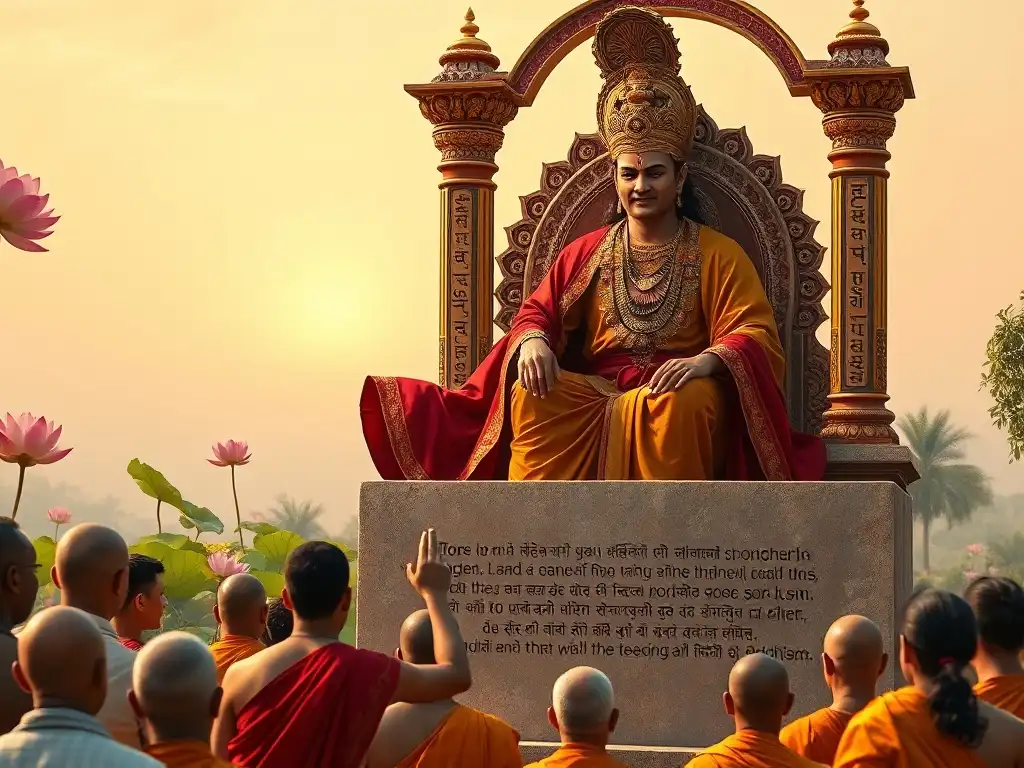
Ashoka the Great, one of India's most celebrated emperors, underwent a profound transformation during his reign, which significantly altered not only his own life but also the course of Indian history. His conversion to Buddhism is often regarded as a pivotal moment, marking a shift from conquest and militarism to compassion and non-violence. This transition is essential to understanding Ashoka's impact on Buddhism and his lasting legacy.
The Events Leading to Ashoka's Embrace of Buddhism
The journey towards Ashoka's conversion was not instantaneous but rather a gradual process influenced by various events throughout his life. Initially, Ashoka was a fierce warrior, known for his military prowess and expansionist policies. His reign began with aggressive campaigns to expand the Mauryan Empire, including notable conquests such as the Kalinga War, which was marked by extensive bloodshed and suffering.
The Kalinga War, fought around 261 BCE, stands out as a critical event that catalyzed Ashoka's transformation. Despite the initial military success, the aftermath of the war revealed the devastating consequences of violence. Historical records indicate that approximately 100,000 people were killed, and many more were displaced or injured. Witnessing the destruction caused by his own ambitions led Ashoka to introspect about the true nature of power and the value of human life.
Following this upheaval, Ashoka encountered the teachings of Buddhism, which emphasized the principles of non-violence (ahimsa) and compassion. His growing interest in these doctrines marked the beginning of a new chapter for him and the empire. The pivotal moment came when Ashoka embraced Buddhism not just as a religion but as a guiding philosophy for governance and personal conduct.
Key Influences on Ashoka's Decision to Convert
A multitude of factors influenced Ashoka's decision to convert to Buddhism, shaping his vision for a more benevolent reign.
- The Impact of Suffering: The moral and ethical dilemmas faced after the Kalinga War prompted Ashoka to reconsider his approach to leadership. The profound suffering of the people he had conquered weighed heavily on him, leading to a desire for redemption and a more enlightened path.
- Buddhist Missionaries: The arrival of Buddhist missionaries, particularly those sent by notable figures like Mahinda (believed to be Ashoka's son), played a crucial role in spreading Buddhist ideals. Their teachings resonated with Ashoka and helped solidify his commitment to the faith.
- Philosophical Engagement: Ashoka's engagement with prominent Buddhist leaders and scholars allowed him to delve deeper into the principles of Buddhism. This intellectual inquiry provided him with the tools to reinterpret his role as a ruler, aligning it more closely with the ideals of Dharma (righteousness) and moral governance.
- Cultural Context: The broader cultural milieu of ancient India, characterized by a rich tapestry of religious and philosophical thought, also influenced Ashoka's conversion. As an emperor, he had access to diverse ideologies, and Buddhism's emphasis on compassion and ethical living offered a refreshing alternative to the prevailing norms of warrior valor and conquest.
The Aftermath of the Kalinga War and its Role in Transformation
The aftermath of the Kalinga War was instrumental in Ashoka's personal and philosophical transformation. The war's brutal consequences forced him to confront the futility of violence and the importance of peace.
- Adoption of Buddhist Principles: Following his conversion, Ashoka began to integrate Buddhist principles into his policy-making. He established the Dhamma, a set of moral guidelines based on Buddhist teachings, which emphasized non-violence, tolerance, and respect for all living beings.
- Promotion of Buddhism: Ashoka's reign marked a golden period for Buddhism. He actively promoted the religion, building stupas, monasteries, and inscribing edicts on pillars, which disseminated Buddhist teachings throughout his empire and beyond. His support helped Buddhism flourish and reach regions far beyond India, extending to Sri Lanka, Southeast Asia, and even as far as the Mediterranean.
- Legacy of Compassionate Governance: Ashoka's transformation left a lasting legacy that transcended his lifetime. His vision of governance based on compassion and moral responsibility set a precedent for future rulers and influenced the ethical dimensions of leadership in India. The principles he championed continue to resonate in contemporary discussions about governance and ethics.
Ashoka's conversion to Buddhism was not merely a personal spiritual journey; it was a transformation that reshaped the cultural and political landscape of ancient India. His impact on Buddhism and the promotion of its values have cemented his status as one of history's most influential figures, illustrating how a single individual's change of heart can alter the course of civilization.
Ashoka's Impact on Buddhism and Its Spread

Ashoka the Great, the third emperor of the Maurya Dynasty, is often credited with significantly enhancing the prominence of Buddhism both within India and beyond its borders. His conversion to Buddhism after the Kalinga War marked a pivotal moment in history, not just for the emperor himself but for the entire trajectory of the religion. This section explores the profound impact Ashoka had on Buddhism and its dissemination across regions.
Promoting the Teachings of the Buddha
Following his conversion, Ashoka became a fervent advocate for the teachings of the Buddha. He embraced the principles of Dharma, which emphasizes non-violence, compassion, and moral living. To promote these teachings, Ashoka undertook several initiatives:
- Patronage of Monasteries: Ashoka provided substantial support to Buddhist monasteries, which became centers of learning and spiritual practice. This patronage allowed for the establishment of numerous monasteries, fostering an environment where Buddhism could flourish.
- Sponsorship of Buddhist Councils: He convened the Third Buddhist Council around 250 BCE, which aimed to purify the Buddhist community and consolidate the teachings of the Buddha. This council played a critical role in determining the canon of Buddhist texts and addressing doctrinal disputes.
- Promotion of Missionary Activity: Ashoka actively encouraged the spread of Buddhism through missionary activities. He sent emissaries, including his own son Mahinda and daughter Sanghamitta, to regions like Sri Lanka, which helped establish Buddhism as a major religion in these areas.
The impact of these actions was significant, as they not only solidified Buddhism's presence in the Indian subcontinent but also laid the groundwork for its international spread.
Establishment of the Edicts of Ashoka
One of Ashoka's most enduring legacies is the series of edicts he inscribed on pillars and rocks throughout his empire. These edicts not only served as a means of governance but also communicated key aspects of Buddhist philosophy.
- Content of the Edicts: The edicts stress moral governance, the importance of non-violence, and the need for compassion towards all living beings. For instance, one of the edicts emphasizes the importance of respecting all religions, demonstrating Ashoka's commitment to religious tolerance.
- Widespread Accessibility: The inscriptions were strategically placed in multiple languages, including Prakrit, Greek, and Aramaic, ensuring that the messages reached diverse populations. This accessibility played a crucial role in spreading Buddhist principles beyond the educated elite.
- Cultural and Ethical Framework: The edicts served as a cultural and ethical framework for both Buddhists and non-Buddhists, promoting the idea of a just and moral society. They emphasized the welfare of the subjects, aligning with Buddhist values, and encouraging a sense of shared ethical responsibility.
The Edicts of Ashoka not only helped solidify his own power as a benevolent ruler but also acted as a catalyst for the growth of Buddhism by embedding its principles within the governance of his empire.
Ashoka's Role in the Internationalization of Buddhism
Ashoka's efforts extended well beyond the borders of India, marking the beginning of Buddhism's internationalization.
- Diplomatic Missions: Ashoka sent diplomatic missions to various kingdoms, including those in the Hellenistic world. This not only fostered trade relationships but also facilitated cultural exchanges that promoted Buddhism as a philosophical and spiritual system.
- Establishment of the Buddhist Community in Sri Lanka: The introduction of Buddhism to Sri Lanka through Ashoka's emissaries had a lasting impact. The Sinhalese monarchy adopted Buddhism, and it became deeply entrenched in the cultural and political life of the island. This set a precedent for further international expansion.
- Influence on Southeast Asia: Ashoka's initiatives laid the groundwork for the spread of Buddhism into Southeast Asia. As trade routes expanded, Buddhist monks and traders carried the teachings of the Buddha to regions like Myanmar, Thailand, and Indonesia, profoundly influencing the cultures and societies in these areas.
The internationalization of Buddhism during Ashoka's reign marked a significant shift, allowing it to evolve from a localized faith into a major world religion. His influence is still evident today, as the core principles he championed continue to resonate across cultures and geographies.
Ashoka's impact on Buddhism was transformative, significantly shaping its development and spread through his promotion of teachings, establishment of the Edicts, and facilitation of international outreach. His legacy as a patron of Buddhism remains a cornerstone of its history.
The Cultural and Political Ramifications of Ashoka's Conversion

Changes in Governance Reflecting Buddhist Principles
Ashoka’s conversion to Buddhism had profound implications for governance in ancient India. After embracing the teachings of Buddha, he sought to incorporate Buddhist principles into the administration of his vast empire. This shift is best exemplified through the Dhamma, a moral and ethical code inspired by Buddhism that emphasized righteousness, compassion, and non-violence.
- Dhamma as a Guiding Principle: Ashoka's edicts, inscribed on pillars and rocks throughout his empire, outlined his commitment to Dhamma. They addressed social welfare, animal rights, and environmental stewardship, reflecting a governance model that prioritized the well-being of all living beings.
- Judicial Reform: Under Ashoka's rule, the judicial system underwent significant reforms. Courts were instructed to be fair and just, ensuring that even the poorest citizens had access to justice. These changes promoted a sense of equity and compassion in legal proceedings, aligning with Buddhist values.
- Promotion of Religious Tolerance: One of the most notable aspects of Ashoka’s governance was his advocacy for religious tolerance. His edicts encouraged respect for all religions, fostering a climate of coexistence among diverse beliefs. This policy not only strengthened social cohesion but also reduced sectarian conflicts, paving the way for a more harmonious society.
Influence on Art and Architecture in Ancient India
Ashoka’s embrace of Buddhism also left an indelible mark on the art and architecture of ancient India. His patronage led to a flourishing of Buddhist art, which played a crucial role in spreading Buddhist ideals across the subcontinent.
- Stupas and Monasteries: The construction of stupas, such as the Sanchi Stupa, became a hallmark of Ashoka’s reign. These architectural marvels served as reliquaries and places of worship, symbolizing the essence of Buddhism. With intricate carvings and sculptures, stupas conveyed stories from the life of Buddha, enhancing public understanding of Buddhist teachings.
- Pillars of Ashoka: The Ashokan pillars, characterized by their grandeur and inscriptions, exemplify the artistic advancements of the period. Carved from sandstone, these pillars often feature animal motifs, such as lions and elephants, symbolizing strength and compassion. The most famous of these, the Lion Capital of Ashoka, later became India's national emblem, reflecting the enduring legacy of his vision.
- Cave Architecture: Ashoka’s reign also saw the development of cave architecture, with monasteries being carved into rocky hillsides. These caves served as retreats for monks and were adorned with exquisite carvings and frescoes that depicted Buddhist iconography, further illustrating the impact of Ashoka’s conversion on the cultural landscape.
Ashoka's Legacy in Promoting Non-Violence and Tolerance
A hallmark of Ashoka's impact on Buddhism was his unwavering commitment to non-violence and tolerance, principles that became central to Buddhist philosophy. His approach not only transformed his own governance but also influenced the broader societal attitudes towards peace and coexistence.
- Edicts Promoting Non-Violence: Ashoka's edicts explicitly condemned violence and encouraged compassion towards all living beings. He famously renounced war after witnessing the devastation caused by the Kalinga War, leading to a personal and political transformation that prioritized peaceful coexistence.
- Cultural Exchange and Tolerance: Ashoka's policies fostered an environment where diverse cultures and religions could thrive. His support for Buddhist missions, including the sending of missionaries to places like Sri Lanka, promoted intercultural dialogue and understanding, allowing Buddhism to spread beyond India.
- Long-Term Impact on Indian Society: The principles of non-violence and tolerance that Ashoka championed have had a lasting influence on Indian society. They resonate in various cultural and religious contexts, contributing to India’s rich tapestry of pluralism. His legacy continues to inspire movements advocating for peace and justice across the world.
Ashoka's conversion to Buddhism not only altered the course of his reign but also left an enduring legacy that shaped the cultural, political, and social fabric of ancient India. His impact on Buddhism is reflected not just in religious circles but also in the broader historical narrative of the subcontinent.
Comparisons: Ashoka's Buddhism vs. Pre-Ashoka Buddhism

Differences in Buddhist Practice and Philosophy
Ashoka’s conversion to Buddhism marked a significant turning point in the evolution of Buddhist practice and philosophy. Before Ashoka, Buddhism was primarily a monastic tradition, focused on individual enlightenment and ascetic practices. The teachings were often localized and varied, with no standardized doctrines prevalent across regions. Key characteristics of pre-Ashoka Buddhism included:
- Asceticism: A heavy emphasis on self-denial and renunciation of worldly pleasures.
- Individualism: The pursuit of personal enlightenment was paramount, often leading to solitary practices in forests and caves.
- Limited Outreach: Buddhism was largely confined to the monastic community, with little engagement with the general populace.
With Ashoka's embrace of Buddhism, several transformative changes emerged:
- State Support: Ashoka’s patronage provided a systematic framework for the institutionalization of Buddhism. Temples and stupas were built, and monks were supported, which enabled Buddhism to flourish.
- Moral and Ethical Teachings: Ashoka emphasized the moral dimensions of Buddhism, advocating for ahimsa (non-violence) and compassion towards all living beings, which became central to Buddhist philosophy.
- Inclusivity: The outreach efforts during Ashoka’s reign promoted a broader acceptance of Buddhism, making it accessible to people from various backgrounds, not just the ascetic elite.
Ashoka’s edicts, inscribed on pillars and rocks across his empire, conveyed these principles and introduced a more compassionate and ethical framework to the Buddhist teachings, contrasting sharply with the more austere practices of earlier traditions. This shift not only transformed Buddhism but also integrated it into the socio-political fabric of the time.
Evolution of Buddhist Communities Under Ashoka’s Rule
Under Ashoka’s rule, the structure and dynamics of Buddhist communities underwent a significant transformation. The king's commitment to spreading Buddhism led to the establishment of a more organized and widespread community framework.
- Formation of Monastic Orders: Ashoka’s reign saw the solidification of monastic orders, which allowed for the training of monks and nuns in a more structured manner. These communities became centers of learning and practice, promoting the spread of Buddhist teachings.
- Public Engagement: Unlike the pre-Ashoka era, where communities were often secluded, Ashoka encouraged monks to actively engage with the lay population. This led to the creation of a dual community of monks and lay followers, fostering a symbiotic relationship between them. Laypeople began to participate in rituals, support monasteries, and engage in the teachings of the Buddha.
- International Outreach: Ashoka's commitment to spreading Buddhism extended beyond India. He sent missionaries to regions such as Southeast Asia, Sri Lanka, and even as far as the Mediterranean, which catalyzed the global expansion of Buddhism. These missions not only disseminated Buddhist teachings but also facilitated cultural exchanges.
- Establishment of Buddhist Councils: Ashoka is credited with organizing the Third Buddhist Council, which aimed to purify the Buddhist community and consolidate the teachings of the Buddha. This council played a crucial role in standardizing texts and practices, ensuring a unified approach to Buddhism.
The evolution of Buddhist communities under Ashoka’s rule reshaped the landscape of Buddhism, transitioning it from a monastic-centric tradition to a more inclusive and community-oriented faith. This expansion laid the groundwork for Buddhism to become one of the world's major religions, influencing cultures and societies far beyond the borders of ancient India.
The Global Impact of Ashoka's Buddhism

Ashoka the Great, who reigned from 268 to 232 BCE, is often hailed as one of the most influential figures in the history of Buddhism. His conversion to Buddhism and subsequent efforts to promote the faith had profound effects not only within India but also across Asia and beyond. Ashoka's impact on Buddhism can be seen in various dimensions, including the proliferation of Buddhist teachings, the establishment of missionary activities, and the integration of Buddhist principles into governance and social ethics.
Ashoka's Influence on Neighboring Regions
Ashoka's commitment to Buddhism fundamentally altered the landscape of religious thought and practice in ancient India and its surrounding regions. His edicts, inscribed on pillars and rocks, served as both religious proclamations and guidelines for ethical governance. These inscriptions often emphasized values such as ahimsa (non-violence), tolerance, and compassion, which resonated deeply with neighboring cultures.
- Spread to Southeast Asia: Ashoka's influence extended significantly to Southeast Asia, where Indian traders and monks carried Buddhist teachings. Countries like Sri Lanka, Myanmar (Burma), and Thailand saw the establishment of Buddhist communities directly inspired by Ashoka's policies. For instance, the introduction of Buddhism to Sri Lanka is attributed to Ashoka's missionary efforts, particularly through his son, Mahinda.
- Cultural Exchange: The cultural exchange that occurred due to Ashoka’s Buddhist influence contributed to the development of unique forms of Buddhism in different regions. This included the adaptation of local customs and beliefs, leading to a rich tapestry of Buddhist practices that varied from the Theravada traditions of Sri Lanka to the Mahayana practices in East Asia.
- Political Alliances and Trade Routes: Ashoka also established political alliances and trade routes that facilitated the spread of Buddhism. His diplomatic relations with other kingdoms, such as the Hellenistic states, helped in the exchange of ideas and cultural practices. The famous Rock Edicts of Ashoka, which were disseminated widely, played a crucial role in promoting Buddhist principles in these regions, ultimately influencing local governance and societal values.
The Role of Ashoka in Shaping Buddhist Thought
Ashoka's conversion to Buddhism was not merely a personal transformation; it significantly influenced the evolution of Buddhist thought and practice. His reign marked a turning point where Buddhism transitioned from a relatively localized religion to a major global faith.
- Integration of Governance and Ethics: Ashoka’s principles of governance were heavily influenced by Buddhist teachings. He promoted the idea that rulers should prioritize the welfare of their subjects, a concept grounded in Buddhist compassion. This integration of ethics into governance set a precedent for future Buddhist rulers and helped shape the moral framework of governance in Buddhist societies.
- Promotion of the Dhamma: Ashoka's promotion of the Dhamma (Buddhist law) was pivotal in defining what it meant to be a follower of Buddhism. He emphasized the importance of ethical conduct, community service, and the pursuit of wisdom. This focus on practical ethics resonated with many and contributed to the establishment of a more inclusive and accessible form of Buddhism.
- Support for Buddhist Institutions: Ashoka's patronage of monastic institutions and the construction of stupas and viharas were instrumental in creating spaces for Buddhist learning and practice. This support not only solidified Buddhism’s presence in India but also laid the groundwork for the development of Buddhist scholarship and the canonization of texts.
Ashoka's impact on Buddhism is multifaceted and far-reaching. His efforts to promote the faith transformed not only the religious landscape of India but also set the stage for Buddhism to flourish globally. Through his influence, Ashoka left an indelible mark on the history of Buddhism, shaping its teachings and practices for centuries to come.
Conclusion: The Enduring Legacy of Ashoka on Buddhism

Summary of Ashoka's Impact on Buddhism
Ashoka the Great, who ruled from 268 to 232 BCE, is often credited with significantly influencing the spread and development of Buddhism. His conversion from a violent, expansionist ruler to a proponent of peace and non-violence marked a pivotal moment in Indian history. Following his embrace of Buddhism, Ashoka enacted policies that promoted the religion far beyond the borders of his empire, making him a central figure in the history of Buddhism.
- Promotion of Buddhist Values: Ashoka's edicts emphasized the importance of Dharma (moral law), Ahimsa (non-violence), and compassion towards all living beings. He sought to create a society grounded in ethical principles, which resonated with Buddhist teachings.
- Infrastructure Development: Ashoka commissioned the construction of stupas, monasteries, and other religious sites, facilitating the practice and dissemination of Buddhist teachings. His support for the establishment of these structures helped to provide a physical space for the community to gather and practice their faith.
- Missionary Efforts: One of Ashoka's most significant contributions was his encouragement of missionary work. He sent Buddhist missionaries to various regions, including modern-day Sri Lanka, Southeast Asia, and beyond. This initiative was crucial in establishing Buddhism as a major world religion.
- Integration of Local Cultures: Ashoka's approach to promoting Buddhism was not merely about conversion; he was also keen on integrating local customs and beliefs into the Buddhist framework. This adaptability helped Buddhism to flourish in diverse environments, allowing it to resonate with various cultures.
Reflections on Ashoka’s Role in the History of Buddhism
Ashoka's impact on Buddhism is a testament to the transformative power of leadership and ideology. His reign represents a unique intersection of governance and spirituality, where political power was utilized to foster religious growth.
- A Model for Future Leaders: Ashoka's reign serves as a model for how leaders can harness their authority to promote ethical governance and social welfare. His legacy is a reminder that the principles of compassion and non-violence can lead to lasting peace and harmony in society.
- Historical Significance: The influence of Ashoka extended well beyond his lifetime. His commitment to Buddhism laid the groundwork for its further development during subsequent periods, including the Mauryan Empire's later successors and various dynasties that followed.
- Cultural Exchange and Legacy: Ashoka’s initiatives spurred a cultural exchange that enriched the philosophical and artistic expressions of Buddhism. The art and architecture from this period, including the famed Ashoka Pillars, continue to be studied and admired today.
Ashoka the Great's impact on Buddhism was profound and multifaceted, marking a significant turning point in the religion's history. His legacy continues to shape the understanding and practice of Buddhism, making him an enduring figure in both religious and historical contexts.
Further Reading and Resources on Ashoka's Influence
Recommended Books and Articles
-
"Ashoka: The Search for India's Lost Emperor" by Charles Allen
This book offers a comprehensive exploration of Ashoka's life, reign, and his profound impact on Buddhism. Allen delves into historical texts and archaeological findings, providing a vivid narrative of Ashoka's transformation and its significance in shaping Indian history.
-
"The Edicts of Ashoka" translated by Richard McKeon
An essential read for understanding Ashoka's policies and philosophies, this compilation of his edicts provides insights into his commitment to Buddhism and moral governance. McKeon’s translation makes these ancient texts accessible and relevant to contemporary audiences.
-
"Ashoka and the Decline of the Mauryas" by Romila Thapar
This scholarly work critically examines Ashoka's reign within the context of the Mauryan Empire. Thapar discusses how Ashoka's adoption of Buddhism influenced political and social structures, leading to both the flourishing and eventual decline of his dynasty.
-
"Buddhism: A Very Short Introduction" by Damien Keown
While not exclusively about Ashoka, this concise book provides essential background on Buddhism, including its origins and development. Understanding Buddhism's fundamental principles is crucial for grasping Ashoka's contributions to the faith.
-
"The Life of the Buddha" by Bhikkhu Nanamoli
This text explores the life and teachings of Siddhartha Gautama (Buddha), providing context for Ashoka's embrace of Buddhism. It highlights the philosophical foundations that Ashoka sought to promote throughout his empire.
Notable Documentaries and Lectures on Ashoka and Buddhism
-
"Ashoka: The Great" (Documentary)
This documentary offers a visual journey through the life of Ashoka, showcasing his achievements and the transition to Buddhism. It includes expert interviews, historical reenactments, and insights into Ashoka's edicts.
-
"The Legacy of Ashoka" (Lecture Series)
This series features prominent historians discussing Ashoka's role in spreading Buddhism and his influence on Indian culture. The lectures provide deep dives into specific aspects of his reign and the implications for future generations.
-
"Buddhism in India: From Ashoka to the Gupta Empire" (Educational Documentary)
This film explores the spread of Buddhism from Ashoka's time through the Gupta period, illustrating how his patronage shaped the religion's development in India and beyond.
-
"Ashoka: The Emperor Who Gave Up War" (National Geographic Special)
A compelling exploration of Ashoka's pacifism and moral governance, this documentary highlights his significant shift from a warlord to a benevolent ruler committed to the principles of Buddhism.
-
"The Edicts of Ashoka: A Voice from the Past" (University Lecture)
This lecture series delves into the historical context and significance of Ashoka's edicts, examining how they reflect his Buddhist values and intentions to guide his subjects toward ethical living.
These resources provide a wealth of information for those interested in understanding Ashoka's impact on Buddhism and the lasting legacy of his reign in ancient India.
Frequently Asked Questions
What significant change did Ashoka bring to Buddhism?
Ashoka's conversion to Buddhism led to its establishment as a major religion in India and promoted non-violence and compassion throughout his empire.
How did Ashoka promote Buddhist values?
He used edicts inscribed on pillars and rocks to spread Buddhist teachings, emphasizing moral conduct and social welfare.
What was the impact of Ashoka's reign on Indian society?
Ashoka's reign fostered a sense of unity and cultural exchange, allowing Buddhism to thrive and influencing social reforms across the Indian subcontinent.
How did Ashoka's policies affect other religions?
Ashoka advocated for tolerance among religions, ensuring that Buddhism coexisted peacefully with other faiths, which helped establish a harmonious society.
What legacy did Ashoka leave behind?
Ashoka's promotion of Buddhism and his ethical governance have had a lasting influence, inspiring future leaders and shaping the moral framework of Indian culture.
Final Reflection: The Enduring Legacy of Ashoka's Impact on Buddhism
Ashoka's conversion to Buddhism not only transformed his own reign but also profoundly influenced the trajectory of religious thought and practice across centuries. In a world often marked by conflict and division, Ashoka's embrace of non-violence and compassion serves as a powerful reminder of the potential for personal transformation to effect broader societal change. His legacy invites us to consider how individual choices can ripple through history, shaping cultures and ideologies in ways we may not fully comprehend.
Clearly, Ashoka's impact on Buddhism has transcended time, continuing to inspire movements for peace and social justice today. His commitment to spreading the teachings of Buddhism and promoting ethical governance has left an indelible mark on the cultural and spiritual landscape of not just India, but the world. As Mahatma Gandhi once said, “The greatness of a nation and its moral progress can be judged by the way its animals are treated.” This sentiment echoes Ashoka's own principles, highlighting the ongoing relevance of his values in our contemporary discussions about ethics, governance, and compassion.
As we reflect on Ashoka's remarkable journey, let us take a moment to consider our own paths. How can we embody the principles of compassion and non-violence in our daily lives? Each of us has the power to influence our communities and the world around us. By embracing the lessons of Ashoka's life, we can contribute to a more harmonious society, fostering understanding and empathy in our interactions. Let us strive to be agents of change, inspired by Ashoka's legacy, as we navigate the complexities of our own times.
Embrace History: Transform Your Perspective Today!
Thank you for diving into the fascinating tale of Ashoka's conversion to Buddhism! Your curiosity not only enriches your understanding of ancient history but also sheds light on how a single individual's journey can influence the world. Now, let’s transform this inspiration into action!
Here’s how you can further engage with this remarkable chapter:
- Join a local history group or online forum to discuss and share insights about Ashoka and his life journey—connect with fellow enthusiasts!
- Explore more! Read additional articles or books on the impact of Buddhism in ancient India to broaden your knowledge.
- Share this article with friends or on social media to spark conversations about how leaders can shape cultural and spiritual landscapes.
What aspect of Ashoka's transformation do you find most inspiring, and how do you think it resonates with today's world?