
The Role of Ashoka in Shaping Indian Nationalism


Welcome to Ancient India History, where we delve into the rich and diverse tapestry of India's past! In this vibrant exploration, we invite you to uncover the profound influence of Ashoka on nationalism, a pivotal theme that echoes through the ages. As you journey through the life and legacy of this remarkable emperor, you'll discover how his principles of peace and governance continue to resonate in contemporary society.
Prepare to be captivated and inspired as we unravel the threads of history that connect Ashoka’s vision to the essence of Indian identity. Dive in, and let the stories of ancient civilizations ignite your curiosity!
- Introduction to Ashoka and Indian Nationalism
- Historical Context of Ashoka's Reign
- Ashoka's Policies and Their Impact on Indian Identity
- Cultural Contributions of Ashoka
- Ashoka's Legacy in Shaping Modern Indian Nationalism
- Conclusion: The Enduring Influence of Ashoka on Nationalism
-
Frequently Asked Questions
- What influence did Ashoka have on Indian nationalism?
- How did Ashoka's policies contribute to the unity of India?
- What are some key achievements of Ashoka that relate to nationalism?
- How did Ashoka's approach to governance impact future leaders?
- In what ways did Ashoka's legacy influence modern Indian nationalism?
- Final Reflection: The Enduring Influence of Ashoka on Nationalism
- Ignite Your Passion for Indian History!
Introduction to Ashoka and Indian Nationalism
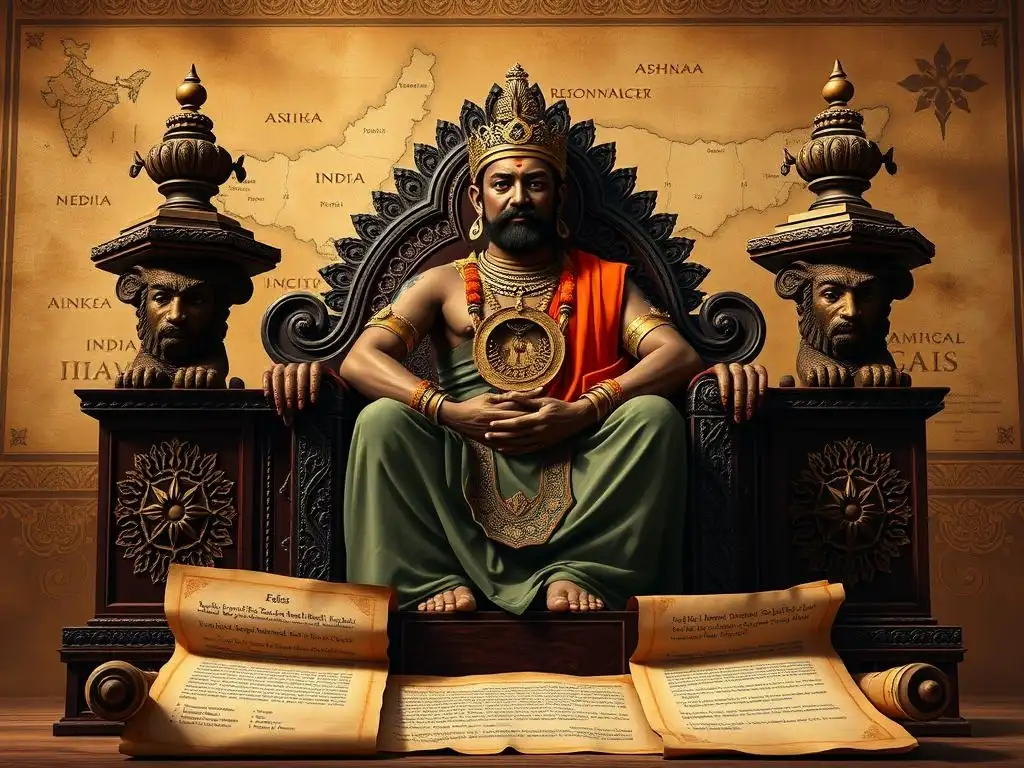
The historical figure of Ashoka the Great stands as a pivotal character in the tapestry of Indian history, particularly in the context of shaping the concept of nationalism in India. Reigning during the 3rd century BCE, Ashoka was not only a formidable emperor of the Maurya dynasty but also a proponent of Dharma—a set of ethical and moral principles that emphasized peace, tolerance, and non-violence. His reign marked a significant transformation in governance and societal values, which left an indelible mark on the Indian subcontinent.
Overview of Ashoka the Great
Ashoka, often celebrated as one of the most enlightened rulers in history, ascended to the Mauryan throne after a series of brutal conquests. However, the pivotal moment of his reign came after the Kalinga War, which profoundly affected him. The loss of countless lives and the suffering witnessed during this conflict led Ashoka to embrace Buddhism and advocate for a more compassionate rule.
He initiated a series of reforms that promoted the principles of non-violence, religious tolerance, and welfare for all citizens. His edicts, inscribed on pillars and rocks throughout his empire, serve as powerful reminders of his commitment to these ideals.
Importance of Nationalism in Indian History
Nationalism, as a concept, became increasingly significant in India during the late 19th and early 20th centuries as the country grappled with colonial rule. However, its roots can be traced back to the ancient period, where figures like Ashoka laid the groundwork for a unified Indian identity based on shared values and cultural heritage.
The promotion of Dharma and his efforts to integrate diverse communities under a common ethical framework contributed to a sense of collective identity among the people. This early form of nationalism was characterized by a blend of cultural pride and moral responsibility that resonates even today.
The Influence of Ashoka on Nationalism: A Thesis Statement
The influence of Ashoka on nationalism in India is profound and multifaceted. His promotion of peace, tolerance, and ethical governance not only shaped the political landscape of his time but also established a legacy that future generations would draw upon in their quest for unity and independence.
By advocating for a moral framework that transcended regional and sectarian divides, Ashoka laid the foundations for a national identity that would inspire subsequent movements for freedom and self-determination. In this article, we will explore how Ashoka's principles and policies continue to influence contemporary notions of nationalism in India, highlighting his enduring legacy as a symbol of unity and ethical governance.
Historical Context of Ashoka's Reign
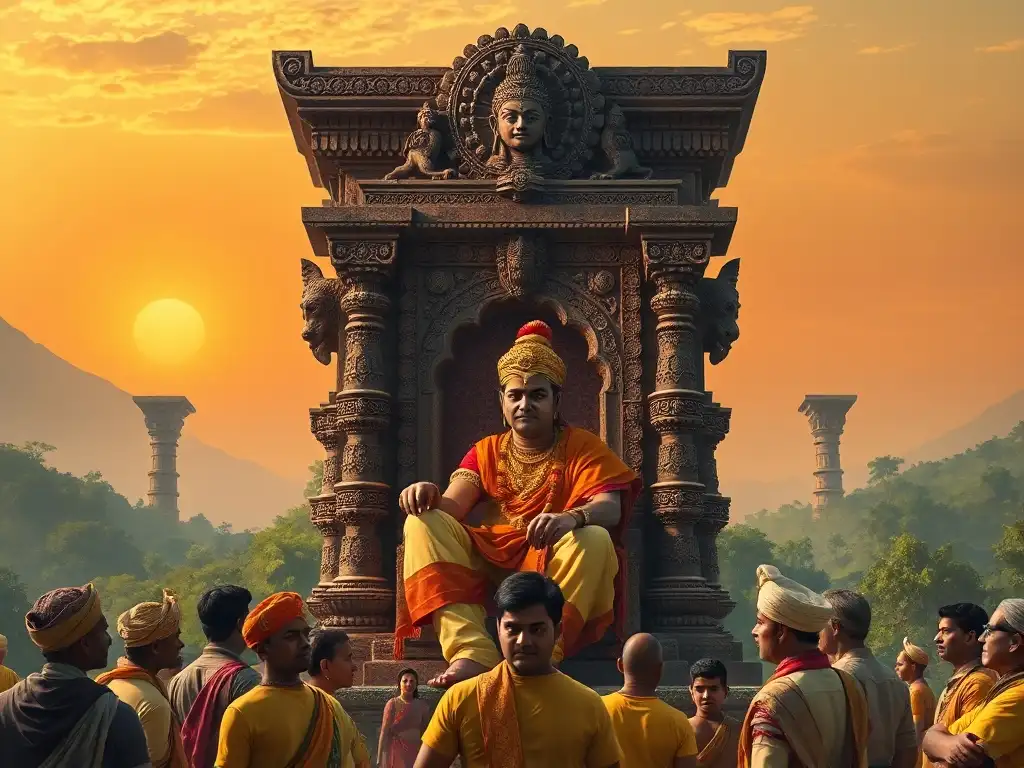
The Mauryan Empire: A Brief Overview
The Mauryan Empire, established in 322 BCE by Chandragupta Maurya, marks a significant period in ancient Indian history characterized by extensive territorial expansion and centralized governance. By the time Ashoka ascended to the throne, the Mauryan Empire had reached its zenith, encompassing a large part of the Indian subcontinent.
- Key Features of the Mauryan Empire:
- Territorial Extent: At its height, the empire included regions of modern-day India, Pakistan, and Afghanistan.
- Centralized Administration: The Mauryan Empire is noted for its sophisticated bureaucratic system, which helped in managing diverse populations and vast territories.
- Economic Prosperity: Trade flourished during this period, bolstered by well-established trade routes, both overland and maritime, enhancing cultural exchanges.
Ashoka, the third Mauryan emperor, is often remembered for his transformative policies and the promotion of Buddhism, which created a legacy that influenced Indian nationalism and identity in profound ways.
Ashoka's Ascension to Power
Ashoka ascended to power around 268 BCE, following the death of his father, Emperor Bindusara. His rise to the throne was marked by a significant turning point in Mauryan history, as he transitioned from a ruler focused on conquest to one deeply committed to governance based on moral principles.
- Key Events Leading to His Reign:
- Early Military Campaigns: Ashoka's early years were characterized by aggressive military campaigns, including the Kalinga War, which resulted in massive loss of life and destruction.
- The Kalinga War: This pivotal event in 261 BCE was a turning point for Ashoka. The war’s aftermath led him to embrace the principles of non-violence and compassion, aligning his governance with Buddhist ideals.
Ashoka’s commitment to these values not only reshaped his rule but also laid the groundwork for a new approach to leadership that emphasized ethical governance, which resonated with the people and influenced the concept of nationalism in ancient India.
The Political Landscape of Ancient India
During Ashoka's reign, the political landscape of ancient India was complex and multifaceted, characterized by various kingdoms and tribal states. The Mauryan Empire’s centralized power contrasted sharply with the regional powers that coexisted, contributing to a diverse cultural and political environment.
- Key Aspects of the Political Landscape:
- Regional Kingdoms: Numerous smaller kingdoms and republics, such as Magadha, Kosala, and Kalinga, held significant sway, often challenging Mauryan authority.
- Cultural Diversity: Ancient India was home to numerous languages, religions, and customs, which contributed to a rich tapestry of cultural interactions and exchanges.
- Diplomacy and Trade: The Mauryan Empire engaged in extensive trade with neighboring regions, fostering diplomatic relations and cultural exchanges that enriched the political dynamics.
Ashoka’s policies, particularly his emphasis on Dharma (moral law), facilitated a sense of unity amidst this diversity, influencing the early notions of a collective Indian identity that would resonate in future nationalist movements. His inscriptions and edicts served as a tool for communicating governance based on ethical principles, further solidifying the influence of Ashoka on nationalism.
Ashoka's Policies and Their Impact on Indian Identity
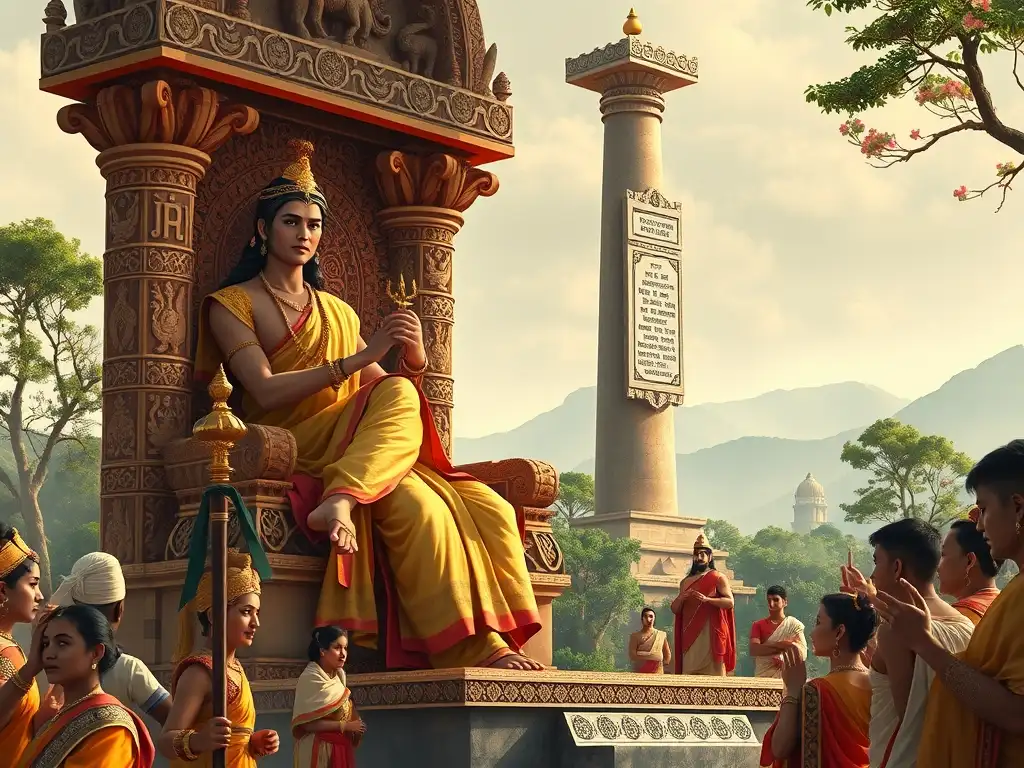
Ashoka, the third Mauryan emperor, played a pivotal role in shaping the cultural and political landscape of ancient India. His policies were not merely administrative but carried profound implications for the Indian identity that resonate even today. His reign, characterized by a shift from military conquests to a focus on moral governance, laid the groundwork for a unified national consciousness that transcended regional and linguistic differences.
The Edicts of Ashoka: A Reflection of National Ideals
The Edicts of Ashoka, inscribed on rocks and pillars throughout his empire, serve as a monumental testament to his vision of governance and societal values. These edicts articulate a set of ethical guidelines that emphasize compassion, tolerance, and social responsibility.
- Moral Governance: Ashoka's edicts advocate for justice and righteousness, urging his subjects to adhere to principles that promote communal harmony. The emphasis on ethical governance helped establish a framework for a collective Indian identity.
- Promotion of Welfare: The edicts outline various welfare measures such as the establishment of hospitals, planting of trees, and digging of wells. Such initiatives reflect a state concerned with the well-being of its citizens, fostering a sense of shared destiny.
- Cultural Cohesion: By promoting a common set of values, Ashoka's edicts contributed to the formation of a unified identity that encompassed diverse cultures and traditions across his empire. This laid the foundation for an enduring sense of nationalism.
The impact of these edicts can still be felt, as they resonate with contemporary ideals of democracy and ethical governance.
Promotion of Dharma and its Role in Shaping National Consciousness
Ashoka's promotion of Dharma, or righteous living, was central to his efforts in fostering a cohesive national identity. This doctrine encouraged citizens to live harmoniously with one another and to act with compassion towards all beings.
- Universal Values: By advocating for non-violence (Ahimsa) and tolerance towards different religions, Ashoka's Dharma promoted a culture of inclusivity. This approach helped cultivate a sense of belonging among the diverse populations of his empire.
- Civic Responsibility: The emphasis on ethical conduct encouraged individuals to take responsibility for their actions within the community. This sense of duty contributed to a collective identity, as people began to see themselves as part of a larger societal framework.
- Cultural Syncretism: Ashoka's efforts in promoting Dharma facilitated interactions between various cultural groups, leading to a fusion of ideas and practices. This syncretism enriched the cultural fabric of India, reinforcing a shared national identity.
Through his promotion of Dharma, Ashoka instilled values that have become integral to the Indian ethos, influencing notions of citizenship and civic responsibility that continue to be relevant today.
The Influence of Ashoka's Administration on Local Governance and Unity
Ashoka's administrative reforms had a lasting impact on local governance structures, fostering unity across his vast empire. His approach to governance was both pragmatic and visionary, aiming to create a sense of shared identity among his subjects.
- Decentralization of Power: Ashoka implemented a system of local governance that empowered regional leaders while maintaining overarching authority. This allowed for local issues to be addressed while still fostering a connection to a central national identity.
- Promotion of Local Cultures: By respecting and integrating local customs and practices into his administrative framework, Ashoka encouraged a sense of pride in regional identities. This respect for diversity helped unify the empire under a broader umbrella of Indian nationalism.
- Communication and Infrastructure: The establishment of roads and communication systems facilitated trade and cultural exchange, further knitting together the various regions of his empire. This infrastructure not only enhanced economic unity but also reinforced social bonds.
Ashoka's administrative policies were instrumental in creating a cohesive national identity that embraced diversity while promoting unity, laying the groundwork for future assertions of Indian nationalism.
Ashoka's policies and philosophies played a crucial role in shaping the Indian identity, intertwining ethical governance, cultural inclusivity, and local empowerment into a cohesive narrative of nationalism that still resonates in modern India.
Cultural Contributions of Ashoka
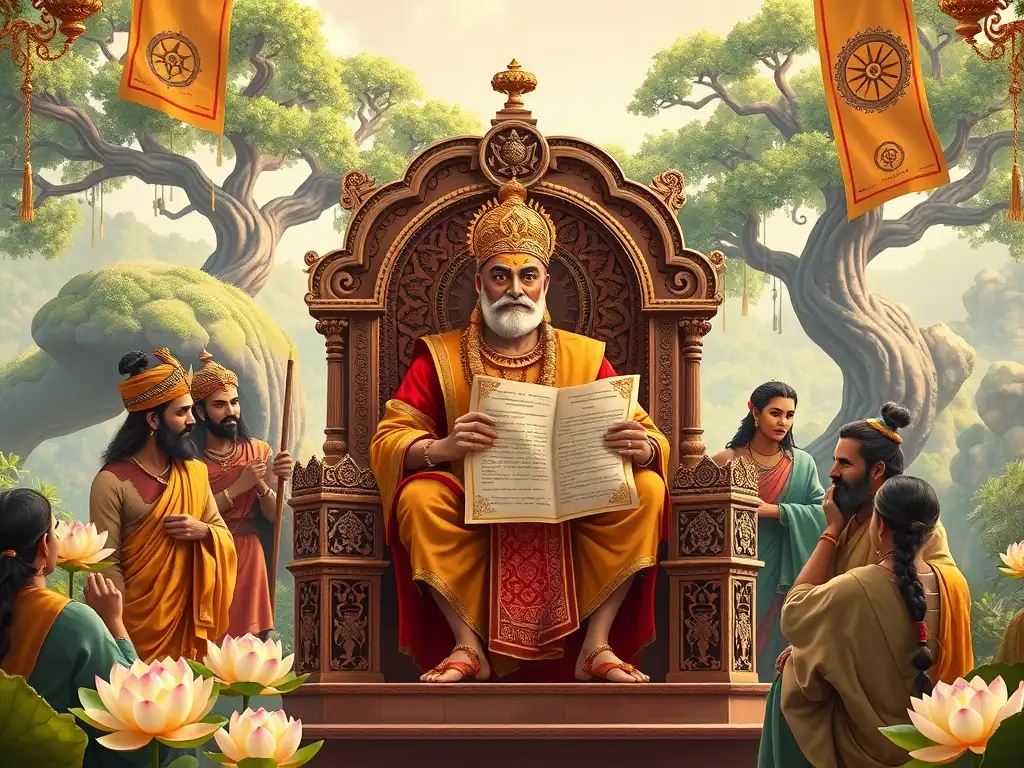
Ashoka the Great, the third Mauryan emperor, is celebrated not only for his military conquests but also for his profound cultural contributions that have significantly influenced the trajectory of Indian nationalism. His reign marked a pivotal transition in Indian history, characterized by a shift from imperialistic ambitions to a focus on moral governance and cultural integration. Ashoka's policies and initiatives fostered a rich cultural milieu that continues to resonate in contemporary Indian society.
Ashoka's Patronage of Buddhism and its National Significance
Ashoka's embrace of Buddhism played a crucial role in shaping the cultural identity of ancient India. After the Kalinga War, Ashoka experienced a profound transformation, leading him to adopt Buddhist principles of non-violence and compassion. This shift not only influenced his personal beliefs but also had far-reaching implications for the entire nation.
- Spread of Buddhism: Ashoka's patronage facilitated the establishment of Buddhism as a dominant religious and philosophical system across India and beyond. He commissioned the construction of stupas, monasteries, and educational institutions, promoting the teachings of the Buddha. His efforts led to the eventual spread of Buddhism to regions such as Sri Lanka, Central Asia, and Southeast Asia.
- National Identity: The adoption of Buddhist values fostered a sense of unity among diverse communities in India. By promoting the idea of "Dhamma" (righteousness), Ashoka emphasized ethical governance and social welfare, which transcended regional and ethnic boundaries. This laid the groundwork for a collective national identity that valued peace, tolerance, and mutual respect.
- Symbol of Nationalism: Ashoka's edicts, inscribed on rocks and pillars, served as a medium for disseminating his vision of a just society. These inscriptions articulated his commitment to the welfare of his subjects, reinforcing the notion of a benevolent ruler dedicated to the common good. His legacy has been invoked in various movements advocating for national unity and social justice throughout Indian history.
The Role of Art and Architecture during Ashoka's Reign
Art and architecture flourished under Ashoka's rule, reflecting the cultural vibrancy of the time and reinforcing his ideas of unity and compassion.
- Architectural Innovations: Ashoka is credited with the development of remarkable architectural structures, notably the Ashoka Pillars and stupas. The pillars, adorned with intricate carvings and inscriptions, served both as monumental markers of his reign and as symbols of Buddhist teachings. The most famous among them, the Lion Capital of Ashoka, has become a national emblem of India.
- Artistic Expression: The period also saw the emergence of unique artistic styles that blended indigenous motifs with Buddhist iconography. This artistic amalgamation not only enhanced the aesthetic landscape of the empire but also communicated the ethical ideals of Buddhism. For instance, the depiction of the Buddha in various art forms became a medium for expressing the values of peace and enlightenment.
- Cultural Integration: Ashoka's architectural projects often included local artisans and craftsmen, promoting cultural exchange across different regions. This integration of various artistic traditions contributed to a cohesive cultural identity that resonated with the diverse populations of the Mauryan Empire.
Promotion of Language and Literature: A Unifying Force
Ashoka's reign was marked by a significant promotion of language and literature, which played a crucial role in unifying the vast and diverse population of ancient India.
- Edicts in Multiple Languages: To reach a broader audience, Ashoka's edicts were inscribed in various languages, including Prakrit, Greek, and Aramaic. This linguistic diversity not only facilitated communication across different regions but also emphasized the importance of inclusivity in governance. The use of accessible language helped bridge gaps between communities, fostering a sense of shared identity.
- Literary Patronage: Ashoka's support for literature contributed to the flourishing of written works that reflected the values of his administration. Texts promoting ethical living, moral conduct, and social responsibility emerged during this period, reinforcing the principles of Dhamma. These literary contributions have served as foundational texts for both historical and contemporary discussions on governance and ethics.
- Cultural Legacy: The emphasis on language and literature under Ashoka laid the groundwork for future generations to explore their cultural heritage. His commitment to education and knowledge dissemination has inspired countless scholars and leaders throughout Indian history, highlighting the enduring influence of Ashoka on the intellectual landscape of the nation.
Ashoka's cultural contributions were instrumental in shaping a cohesive national identity that transcended regional differences. His patronage of Buddhism, developments in art and architecture, and promotion of language and literature collectively fostered an environment conducive to unity, tolerance, and social harmony, making him a pivotal figure in the historical narrative of Indian nationalism.
Ashoka's Legacy in Shaping Modern Indian Nationalism
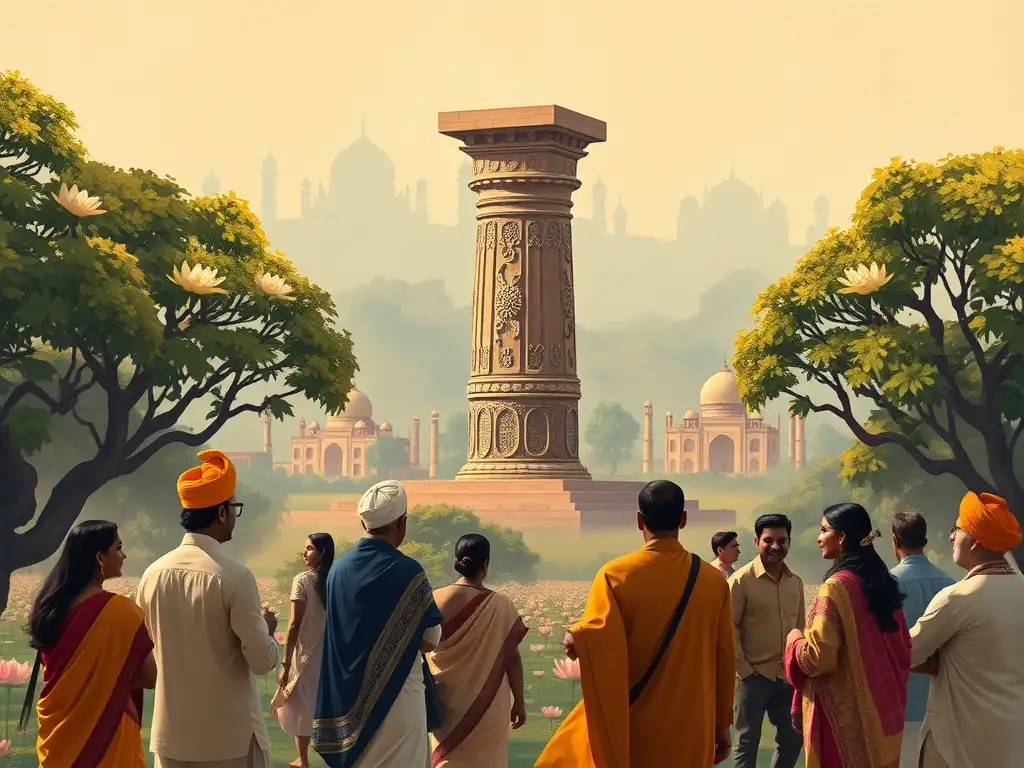
Ashoka the Great, the third Mauryan emperor, is often celebrated not just for his historical reign but also for his profound philosophical contributions that resonate with the ideals of modern Indian nationalism. His promotion of Dhamma, a principle encompassing ethics, tolerance, and non-violence, laid a foundational ethos that continues to inspire national identity and unity in India today.
The legacy of Ashoka is deeply interwoven with the fabric of Indian nationalism, especially in the way it emphasizes moral governance and social harmony. His edicts, inscribed on pillars and rocks, serve as a testament to his commitment to these values, which have been embraced as guiding principles in the quest for national cohesion and integrity.
The Revival of Ashoka's Ideals in the 19th Century
The 19th century marked a significant renaissance in the interpretation and revival of Ashoka's ideals within the broader context of Indian nationalism. During this period, as India faced colonial oppression, intellectuals and leaders began to look back at Ashoka’s reign as a source of inspiration.
- Influence of the British Raj: The British colonial administration inadvertently highlighted Ashoka's legacy through archaeological discoveries, such as the Ashoka Pillars, which drew attention to his governance style and ethical principles. This prompted Indian thinkers to reassess their heritage.
- Prominent Figures: Reformers like Raja Ram Mohan Roy and later nationalists utilized Ashoka's story to advocate for social reforms and the revival of Indian cultural pride. They emphasized the importance of moral governance as envisioned by Ashoka, contrasting it with British imperial rule.
- Cultural Symbolism: Ashoka's image began to permeate literature and art, symbolizing a unified Indian identity that transcended regional and linguistic divisions. His emphasis on Ahimsa and tolerance became rallying points for movements advocating for independence.
This revival not only helped reclaim India's historical narrative but also instilled a sense of pride among the populace, fostering a collective identity rooted in ancient values.
Ashoka as a Symbol of Unity and Peace in Contemporary India
In contemporary India, Ashoka is frequently invoked as a symbol of peace and unity, particularly in the context of India's diverse cultural landscape. His edicts, advocating for tolerance and respectful coexistence, resonate strongly in a nation characterized by a multitude of religions and ethnicities.
- National Emblem: The Lion Capital of Ashoka, adopted as India's national emblem, epitomizes the values of courage, strength, and unity. It serves as a constant reminder of the importance of ethical governance and national integrity.
- Educational Initiatives: Many educational programs and public discourses emphasize Ashoka's principles, encouraging a generation that values peace and communal harmony. Schools and universities often refer to his teachings to promote a culture of respect and understanding among students.
- Civic Engagement: Ashoka's legacy has also inspired various civic movements aimed at promoting social justice and non-violence. His approach to governance is frequently cited in discussions about contemporary political ethics and the responsibilities of leadership in India.
By embodying the ideals of unity and peace, Ashoka's legacy continues to shape the national consciousness, reinforcing the notion that a diverse society can thrive through mutual respect and understanding.
The Influence of Ashoka on Indian Independence Leaders
The influence of Ashoka on leaders of the Indian independence movement is profound and multifaceted. Figures such as Mahatma Gandhi and Jawaharlal Nehru drew heavily from Ashoka's ethical framework to articulate their vision for a free India.
- Mahatma Gandhi: Gandhi's philosophy of Ahimsa (non-violence) is often linked to Ashoka's principles. Gandhi viewed Ashoka’s reign as an example of how ethical governance could lead to a just society, and he frequently referenced Ashoka's commitment to peace in his writings and speeches.
- Jawaharlal Nehru: Nehru admired Ashoka as a statesman who prioritized the welfare of his people over territorial conquests. His reflections on Ashoka's influence can be seen in Nehru's vision for a secular and inclusive India, where diverse communities could coexist harmoniously.
- Symbol of Resistance: Ashoka's legacy was used as a symbol of resistance against colonial rule, serving as a reminder of India's rich heritage and the potential for a renaissance grounded in ancient wisdom. Leaders invoked Ashoka's image to inspire pride and mobilize support for the independence movement.
Ashoka's influence on nationalism in India is not confined to historical appreciation; it actively shapes contemporary political and social discourse, reinforcing the enduring relevance of his ideals in fostering national unity and identity.
Conclusion: The Enduring Influence of Ashoka on Nationalism
Summary of Key Points
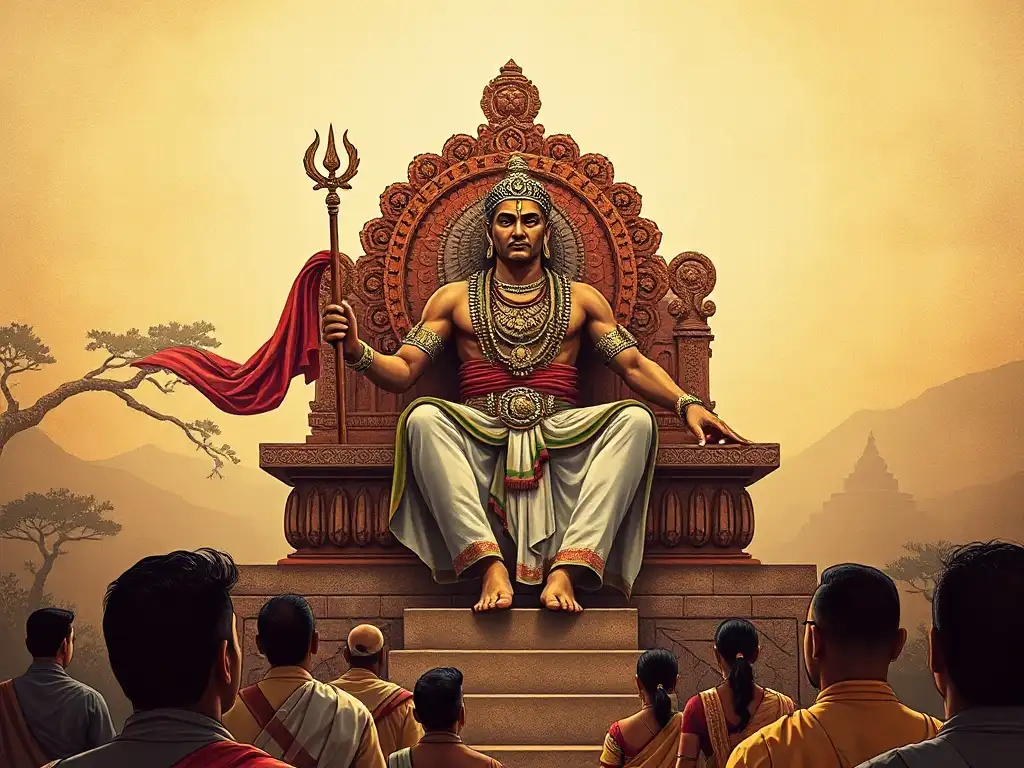
Ashoka the Great, the third Mauryan emperor, played a pivotal role in shaping the contours of Indian nationalism through his policies and philosophies. His commitment to Dharma, or righteous living, established a framework that transcended mere territorial governance and sought to unify diverse peoples under ethical and moral principles. Key points regarding his influence include:
- Edicts of Ashoka: These inscriptions spread across the Indian subcontinent emphasized values such as non-violence, tolerance, and respect for all living beings, promoting a sense of unity among the populace.
- Promotion of Buddhism: Ashoka’s patronage of Buddhism not only contributed to the religion’s spread but also fostered a sense of shared identity based on spiritual rather than merely ethnic or regional affiliations.
- Statecraft and Governance: His administrative reforms highlighted the welfare of citizens, thus embedding the idea of a government that serves its people, a concept that resonates with modern nationalistic sentiments.
The Relevance of Ashoka's Legacy in Modern India
Ashoka's legacy continues to hold significant relevance in contemporary India. His ideals are often invoked in discussions about nation-building and social cohesion. The following aspects illustrate this relevance:
- Symbol of Peace: Ashoka's commitment to Ahimsa (non-violence) serves as a model for modern conflict resolution and diplomacy, reinforcing the importance of peaceful coexistence in a nation with diverse cultures and religions.
- Cultural Identity: As a historical figure, Ashoka embodies a shared heritage that can unite various regional identities. His legacy encourages a collective cultural identity that enhances national pride.
- Political Inspiration: Leaders and political movements often draw inspiration from Ashoka’s principles, advocating for governance that prioritizes ethics and social welfare, thus aligning with the aspirations of modern Indian nationalism.
Final Thoughts on the Influence of Ashoka on Nationalism
The influence of Ashoka on nationalism is profound and multifaceted. His vision of a united and ethically governed society laid the groundwork for future concepts of nationhood in India. By promoting inclusivity, tolerance, and moral governance, Ashoka not only shaped the political landscape of his time but also established ideals that resonate with contemporary notions of national integrity.
The influence of Ashoka on nationalism is not merely a historical footnote; it is an enduring legacy that continues to inspire and guide the ethos of modern India. As the country grapples with its identity and values in a rapidly changing world, Ashoka’s teachings remain a beacon of hope for a harmonious and inclusive future.
Frequently Asked Questions
What influence did Ashoka have on Indian nationalism?
Ashoka's promulgation of Dharma and promotion of Buddhism significantly shaped the national identity by emphasizing tolerance and compassion among diverse communities.
How did Ashoka's policies contribute to the unity of India?
Ashoka's policies fostered cultural integration through the spread of Buddhism and the establishment of a common moral code, which helped unify various regions under a shared ethical framework.
What are some key achievements of Ashoka that relate to nationalism?
Under Ashoka's reign, the creation of rock edicts and infrastructure projects promoted a sense of collective identity, encouraging people to see themselves as part of a larger Indian civilization.
How did Ashoka's approach to governance impact future leaders?
Ashoka's non-violent governance and emphasis on social welfare served as a model for future leaders, inspiring them to adopt policies that would enhance national unity and peace.
In what ways did Ashoka's legacy influence modern Indian nationalism?
Ashoka's promotion of Dharma and cultural heritage continues to inspire contemporary nationalist movements, advocating for a unified identity based on diversity and inclusivity in India.
Final Reflection: The Enduring Influence of Ashoka on Nationalism
The legacy of Ashoka is not merely a historical footnote; it is a powerful testament to the values of compassion, unity, and moral governance that resonate deeply in today's discourse on nationalism. As we navigate a world often divided by conflict and strife, Ashoka's principles remind us that true national identity is rooted in inclusivity and ethical leadership. His reign serves as a beacon, illuminating the path toward a more harmonious society, where the collective spirit of the nation is nurtured through understanding and respect.
Clearly, the influence of Ashoka on nationalism extends far beyond the annals of history; it continues to shape our cultural and social landscape. His commitment to non-violence and welfare has inspired countless movements and leaders, urging us to rethink what it means to be a nation. As Mahatma Gandhi once said, "> The greatness of a nation and its moral progress can be judged by the way its animals are treated." This sentiment echoes Ashoka's own dedication to the welfare of all beings, highlighting how his ideals have permeated our understanding of national identity and responsibility.
As we reflect on Ashoka's profound impact, let us challenge ourselves to embody his values in our daily lives. Consider how you can contribute to a more inclusive and compassionate society, where the spirit of nationalism is defined not by exclusion but by the embrace of diversity. In doing so, we honor Ashoka's legacy and ensure that his vision for a united and peaceful nation continues to inspire future generations.
Ignite Your Passion for Indian History!
Thank you for diving deep into the incredible influence of Ashoka on Indian nationalism! Your interest in this pivotal topic enriches our understanding of how history shapes our identity and values. Now, let’s take that knowledge a step further. Here are some powerful ways you can continue exploring and engaging with this rich history:
- Discover More: Browse our extensive collection of articles on influential historical figures and events that have shaped India. Deepening your knowledge will enhance your appreciation for the complex tapestry of Indian heritage.
- Join the Conversation: Share your thoughts! Connect with fellow history enthusiasts by commenting on this article or engaging in discussions on our social media platforms. Your insights could spark valuable conversations!
- Explore Community Events: Visit local museums or historical societies to find exhibitions or talks focused on Ashoka and Indian nationalism. Participating in these events could open new avenues of learning and connection.
What insights from Ashoka's reign resonate the most with you, and how do you see them influencing contemporary issues in India today?