
Exploring the Coins of Ashoka: A Reflection of Economic Prosperity

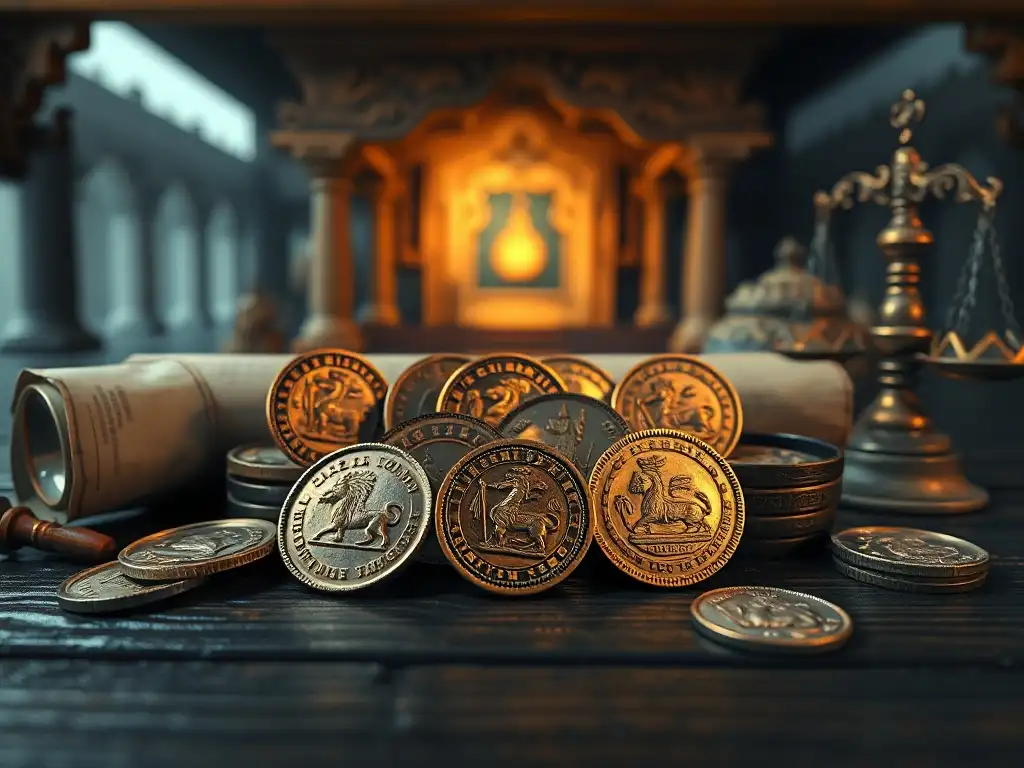
Welcome to Ancient India History, where we embark on a fascinating journey through the intricate tapestry of India's past. Today, we delve into the significance of the Coins of Ashoka, a remarkable reflection of economic prosperity during one of the most influential reigns in ancient history. As you explore the stories behind these coins, you'll uncover the profound impact of Ashoka's policies and the vibrant culture they fostered. Join us as we unravel the layers of history that continue to shape our understanding of this great civilization and spark your curiosity about its lasting legacy.
- Introduction to the Coins of Ashoka and Their Significance
- Historical Context of the Coins of Ashoka
- Design and Features of Ashoka's Coins
- Coins of Ashoka: Significance in Cultural Exchange
- The Political Significance of Ashoka's Coins
- Archaeological Findings and Their Impact on Understanding Ashoka's Coins
- The Legacy of Ashoka’s Coins in Modern Times
- Conclusion: Reflecting on the Economic Prosperity of Ashoka's Reign
- Frequently Asked Questions
- Final Reflection: The Enduring Significance of Ashoka's Coins
- Unearth the Legacy of Ashoka's Coins Today!
Introduction to the Coins of Ashoka and Their Significance
The coins of Ashoka, known for their intricate designs and inscriptions, serve as a significant testament to the economic prosperity and cultural richness of ancient India during his reign. Ashoka the Great, who ruled from approximately 268 to 232 BCE, was not only a formidable ruler but also a proponent of Buddhism and ethical governance.
His coins encapsulate the political and religious ideologies of the time, reflecting a complex interplay between commerce, art, and spirituality. This article delves into the significance of Ashoka's coins, exploring their role in the economy of ancient India and what they reveal about the society and governance of the Mauryan Empire.
Overview of Ashoka the Great's Reign
Ashoka's reign marked a pivotal period in Indian history, characterized by territorial expansion and the integration of diverse cultures. After the bloody Kalinga War, Ashoka embraced Buddhism and its principles of non-violence and compassion. This transformation influenced not only his governance but also the minting of coins, which became tools of communication to propagate his ideals. The coins often featured symbols like the Dharma Wheel and inscriptions in various scripts, indicating the unification of the vast empire and its diverse populace.
- Key Aspects of Ashoka's Rule:
- Conversion to Buddhism after the Kalinga War.
- Implementation of Dhamma, promoting social welfare and ethical conduct.
- Expansion of trade routes, enhancing economic stability.
Importance of Coins in Ancient Economies
Coins played a vital role in the economic framework of ancient civilizations, serving as a medium of exchange, a measure of value, and a symbol of authority. In the context of Ashoka's reign, the coins facilitated trade and commerce across the vast Mauryan Empire, allowing for the exchange of goods and cultural ideas.
- Functions of Coins in Ancient Economies:
- Medium of Exchange: Enabled trade between different regions and cultures.
- Standard of Value: Provided a consistent measure for the worth of goods and services.
- Cultural Significance: Acted as a canvas for artistic expression and political propaganda.
The coins of Ashoka not only reflect the economic prosperity of his time but also offer insights into the values and priorities of his administration, making them a critical aspect of the study of ancient Indian history.
Historical Context of the Coins of Ashoka
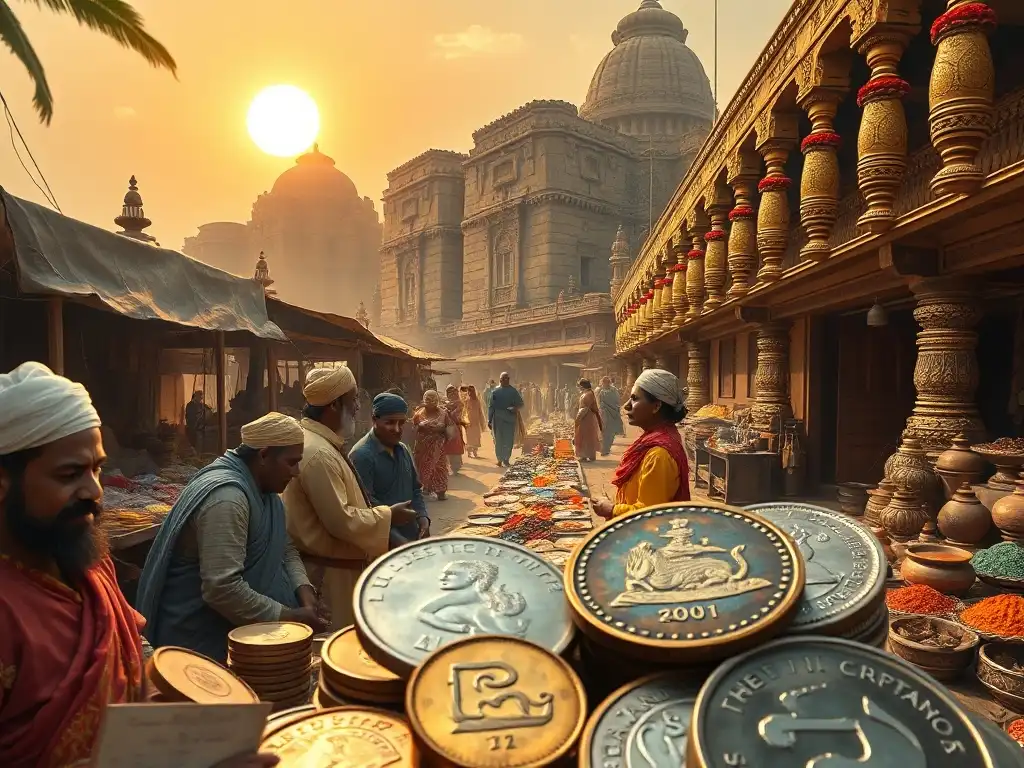
Understanding the significance of the Coins of Ashoka requires a look into the historical backdrop of the Mauryan Empire and the economic conditions of the time. The Mauryan Empire, founded by Chandragupta Maurya in 322 BCE, reached its zenith under the reign of his grandson, Ashoka the Great, around 268 to 232 BCE. This period was marked by considerable economic growth, cultural expansion, and the spread of Buddhism.
The Mauryan Empire and Economic Growth
The Mauryan Empire was one of the largest empires in ancient India, characterized by a centralized administration, a well-organized bureaucracy, and a vast network of trade routes. The empire's economic prosperity can be attributed to several factors:
- Agricultural Development: The fertile plains of the Ganges, along with advanced agricultural techniques, allowed for surplus production. This surplus not only supported the population but also enabled trade.
- Trade Routes: The Mauryan Empire was strategically located along important trade routes that connected India to Central Asia and beyond. Major cities like Pataliputra (modern-day Patna) thrived as commercial hubs.
- Standardization of Currency: Ashoka's reign saw the introduction of a standardized currency, which facilitated trade. Coins were essential for transactions and played a crucial role in the economic infrastructure.
The introduction of coins during Ashoka's reign reflects the empire's sophisticated economic system. Coins were not merely a medium of exchange but also served as a symbol of authority and legitimacy.
Role of Coins in Trade and Commerce During Ashoka's Era
The Coins of Ashoka held significant importance in the trade and commerce of his era, acting as a catalyst for economic interactions both within the empire and with foreign lands. Here are some key roles they played:
- Facilitating Transactions: Coins allowed for easier and more efficient transactions compared to barter systems. Merchants and traders could engage in commerce without the complications of exchanging goods of varying values.
- Promoting Trade Networks: The use of coins enabled the expansion of trade networks. Ashoka’s coins were found not only within the Indian subcontinent but also in regions such as Southeast Asia and even the Mediterranean, indicating the extensive reach of Mauryan trade.
- Cultural Exchange: The circulation of coins contributed to cultural exchange. Engravings and inscriptions on the coins often depicted symbols of Buddhism and relevant regional motifs, reflecting the cultural and religious influences of the time.
- Economic Stability and Growth: The adoption of coins brought about a level of economic stability. With a reliable currency, economic activities flourished, leading to increased wealth and prosperity across the empire.
The Coins of Ashoka are a testament to the economic sophistication of the Mauryan Empire. They not only facilitated trade and commerce but also symbolized the empire's wealth and authority during one of the most transformative periods in ancient Indian history. The significance of the Coins of Ashoka lies not just in their monetary value, but in their role as a reflection of the vibrant economic landscape of the time.
Design and Features of Ashoka's Coins
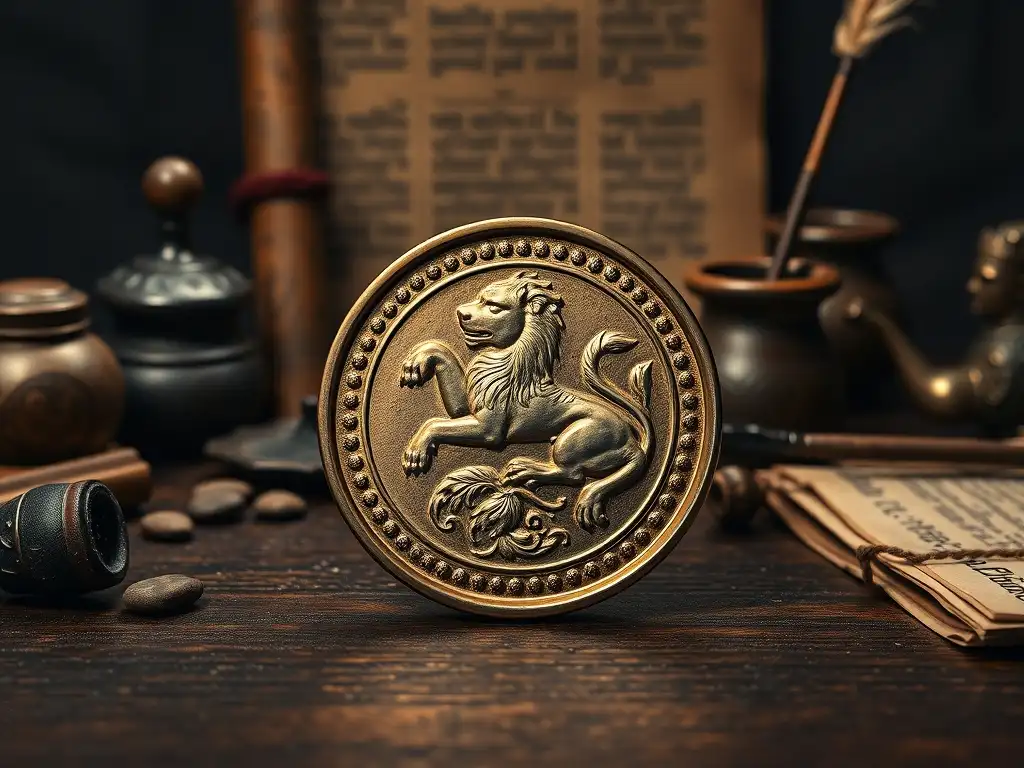
The coins of Ashoka, one of the most significant emperors of ancient India, are not only important for their economic implications but also for their intricate designs and features. These coins exhibit a remarkable blend of artistic expression and cultural symbolism that reflects the era's values and beliefs. The designs often include various motifs, symbols, and inscriptions that provide insight into the political, religious, and social landscapes of Ashoka's reign.
Common Symbols and Inscriptions on Ashoka's Coins
Ashoka's coins prominently feature a variety of symbols and inscriptions that were significant in conveying messages of authority and cultural identity. Below are some of the most common elements found on these coins:
- Lion Capital: The Lion Capital of Ashoka, which also serves as the national emblem of India, often appears on his coins. This symbol represents power, courage, and the royal authority of Ashoka.
- Dharmachakra (Wheel of Dharma): This symbol, representing the teachings of Buddhism and the path of righteousness, frequently adorns the coins. It signifies Ashoka’s commitment to spreading the principles of Dharma.
- Bodhi Tree: The Bodhi Tree, under which Siddhartha Gautama attained enlightenment, is another common motif. Its presence on the coins underscores the Buddhist influence during Ashoka's reign.
- Inscriptions: Many coins bear inscriptions that often include the name of Ashoka, titles such as "Piyadassi" (meaning 'pleasant to behold'), and various edicts promoting moral and ethical governance. These inscriptions serve to reinforce Ashoka's image as a benevolent ruler.
The use of symbols and inscriptions on Ashoka’s coins not only reflects his personal beliefs but also serves as a tool for political propaganda, reinforcing his authority over a vast and diverse empire.
Materials Used in the Coins of Ashoka
The coins of Ashoka were primarily made from different metals, which played a crucial role in their circulation and value. The materials used include:
- Silver: The high-value coins, known as "Rupakas," were predominantly made of silver. These coins were widely accepted in trade and signified wealth and stability.
- Copper: A significant number of Ashoka's coins were minted in copper, which made them more accessible for everyday transactions among the common people. Copper coins often had simpler designs compared to their silver counterparts.
- Gold: Though less common, gold coins were also minted during Ashoka's reign, primarily for ceremonial purposes or as gifts to dignitaries. These coins were of high intrinsic value and often featured elaborate designs.
The choice of materials not only reflects the economic prosperity of Ashoka's empire but also indicates the sophistication of the minting technology of the time.
Variations in Coin Designs Across Regions
The coins of Ashoka display a fascinating variety of designs that differ based on the regions where they were minted. This regional variation can be attributed to local artistic styles, cultural influences, and economic conditions. Some notable trends include:
- North India: Coins minted in northern territories, such as present-day Punjab and Haryana, often showcased intricate designs with elaborate symbols reflecting regional artistic traditions.
- Eastern India: In regions like Bengal, the coins tended to incorporate more floral motifs and representations of local deities, emphasizing the unique cultural identity of the area.
- Western India: Coins from western territories, such as Gujarat, displayed a fusion of styles influenced by trade interactions with neighboring regions, leading to distinctive aesthetic choices.
- Southern India: The southern regions exhibited simpler designs with less emphasis on symbolism, focusing more on the functionality of the coins for trade.
The diversity in coin designs across different regions highlights the vastness of Ashoka's empire and the rich tapestry of cultures that thrived under his rule. Each coin serves as a historical artifact, offering insight into the local customs and traditions that coexisted with the overarching influence of Ashoka's governance.
Coins of Ashoka: Significance in Cultural Exchange

Influence of Ashoka's Coins on Regional Trade
The Coins of Ashoka, minted during the reign of Emperor Ashoka (c. 268–232 BCE), played a crucial role in facilitating trade across the Indian subcontinent and beyond. These coins not only served as currency but also as a means to enhance economic interactions throughout the region. Ashoka's coins were primarily made of metals such as silver and copper, featuring various symbols and inscriptions that reflected the emperor's policies and philosophical beliefs.
-
Standardization of Currency:
Ashoka introduced a standardized system of coinage, which helped to unify the diverse economic practices of the various regions under his rule. This standardization reduced the complexity associated with trade, as merchants could engage in transactions with greater ease and confidence.
-
Trade Routes and Connectivity:
The coins facilitated trade along major routes, such as the Silk Road and the Grand Trunk Road, connecting India with Central Asia and beyond. The widespread circulation of Ashoka's coins is evident from archaeological finds in regions such as Bactria and Persia, indicating the extensive reach of trade networks established during his reign.
-
Economic Prosperity:
The flourishing of trade during Ashoka's time contributed significantly to the economic prosperity of the Mauryan Empire. The availability of a reliable currency encouraged merchants to engage in long-distance trade, which in turn supported the growth of urban centers and marketplaces.
-
Market Regulation:
Ashoka's administration introduced regulations that ensured fair trade practices. The presence of his coins in transactions signified a degree of trust and legitimacy, promoting a stable economic environment conducive to trade.
Coins as a Medium of Cultural Propagation
Beyond their economic utility, the Coins of Ashoka served as an important medium for cultural exchange and propagation of ideas. The imagery and inscriptions on these coins were instrumental in disseminating Ashoka's policies and philosophies, particularly his commitment to Buddhism and ethical governance.
-
Symbolism and Iconography:
The coins often featured Buddhist symbols such as the Dharma Wheel (Dharmachakra) and motifs related to the Buddha. This iconography not only represented Ashoka's personal beliefs but also played a pivotal role in promoting Buddhism across his empire and neighboring regions. The visual elements communicated messages of peace, harmony, and moral conduct, which resonated with the populace.
-
Inscriptions and Language:
Many of Ashoka's coins bore inscriptions in Prakrit and Brahmi script, making them accessible to a broad audience. These inscriptions conveyed important edicts and messages regarding ethical behavior and social responsibilities, aligning with Ashoka's vision of a just and compassionate society.
-
Cultural Syncretism:
The circulation of Ashoka's coins in diverse regions fostered cultural syncretism, as different cultures interacted and exchanged ideas. The presence of these coins in various archaeological sites reflects the blending of cultures and the influence of Buddhist teachings in regions far beyond India.
-
Legacy of Ashoka's Values:
The significance of the Coins of Ashoka extends beyond their immediate economic function. They became a lasting symbol of Ashoka's legacy, embodying the values of ahimsa (non-violence) and dharma (moral law). This cultural propagation contributed to the enduring impact of Ashoka's reign on subsequent Indian history and beyond.
The Coins of Ashoka not only facilitated trade and economic prosperity but also played a pivotal role in the cultural exchange that characterized the Mauryan Empire. Their significance lies in their ability to transcend mere currency, becoming vessels of cultural and philosophical ideas that influenced generations.
The Political Significance of Ashoka's Coins
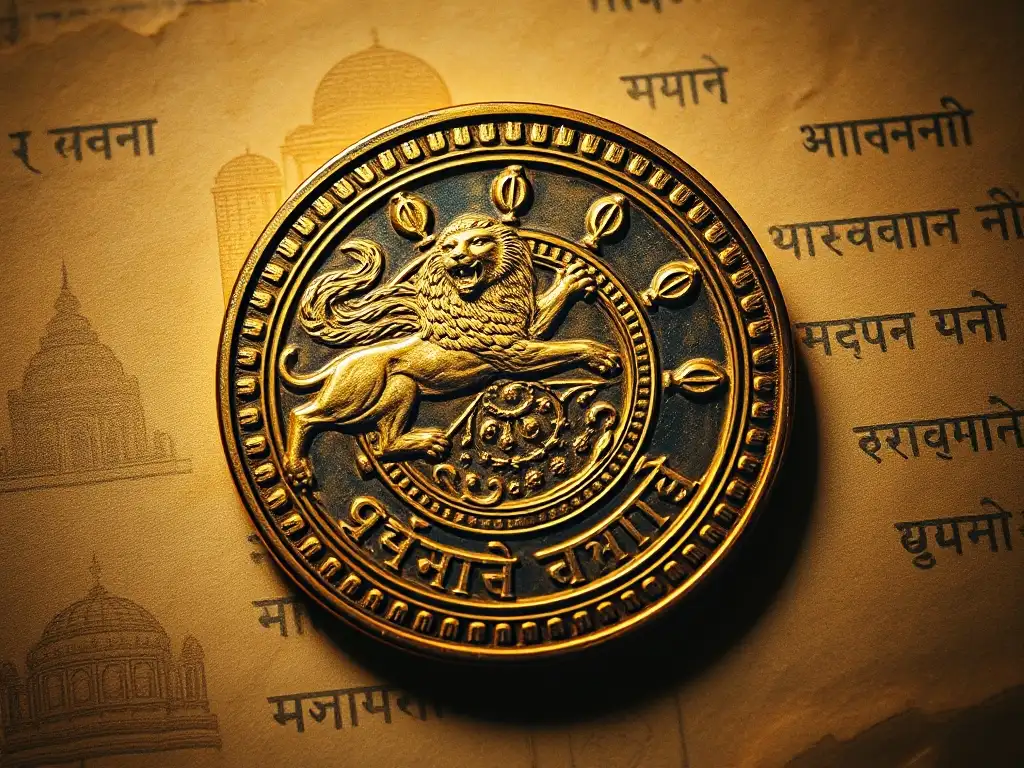
Ashoka the Great, the third emperor of the Maurya Dynasty, utilized coins as a significant political instrument during his reign. The "Coins of Ashoka" not only served as currency but also conveyed important messages about his rule, ideals, and the socio-political landscape of ancient India. By examining the political significance of these coins, we can gain insights into how Ashoka aimed to unify and govern his vast empire.
Coins as a Tool for Propaganda
Ashoka's coins were meticulously designed to serve as a form of propaganda, reinforcing his image as a benevolent and just ruler. The inscriptions and symbols featured on these coins were carefully selected to reflect his ideals and the moral principles he championed.
- Symbolism of the Lion: The lion, often depicted on Ashoka's coins, symbolizes strength and authority. It was not just a representation of the emperor's power but also conveyed a sense of protection and guardianship over his subjects.
- Inscriptions of Dharma: Many coins bore inscriptions related to Dharma (moral law). Such inscriptions served as reminders of Ashoka's commitment to ethical governance and compassion, aligning with his post-conversion values after the Kalinga War.
- Spread of Buddhist Ideals: By integrating Buddhist symbols and messages into the coins, Ashoka promoted the teachings of Buddhism across his empire. This not only helped in consolidating his rule but also facilitated the spread of Buddhist philosophy, which emphasized peace, non-violence, and social welfare.
The strategic use of coins as propaganda tools allowed Ashoka to communicate his governance philosophy effectively. Through the circulation of these coins, he aimed to create a cohesive identity among the diverse populations within his empire.
Representation of Ashoka's Policies and Ideals
The "Coins of Ashoka" serve as historical artifacts that provide evidence of the policies and ideals he promoted during his reign. These coins reflect the socio-economic conditions of the time and the emperor's vision for a prosperous and harmonious society.
- Economic Stability: The consistent production of coins during Ashoka's reign signifies economic stability. The quality and quantity of coins minted indicate a flourishing economy, which was critical for trade and commerce across his empire.
- Promotion of Trade: Ashoka's coins facilitated trade by providing standardized currency for merchants and traders. This standardization helped in enhancing trade routes and fostering economic relationships between different regions, thereby boosting local economies.
- Social Welfare Initiatives: The coins also reflect Ashoka's commitment to social welfare. By supporting various public works, such as hospitals and rest houses, and promoting agricultural development, Ashoka aimed to improve the living standards of his subjects. The coins act as tokens that represented not just monetary value but also the emperor’s dedication to the welfare of his people.
In essence, the "Coins of Ashoka" encapsulate the political, economic, and social landscape of his reign. They are a testament to how Ashoka utilized currency not only as a medium of exchange but also as a powerful tool to propagate his principles and policies, ultimately leaving a lasting legacy on ancient Indian civilization.
Archaeological Findings and Their Impact on Understanding Ashoka's Coins
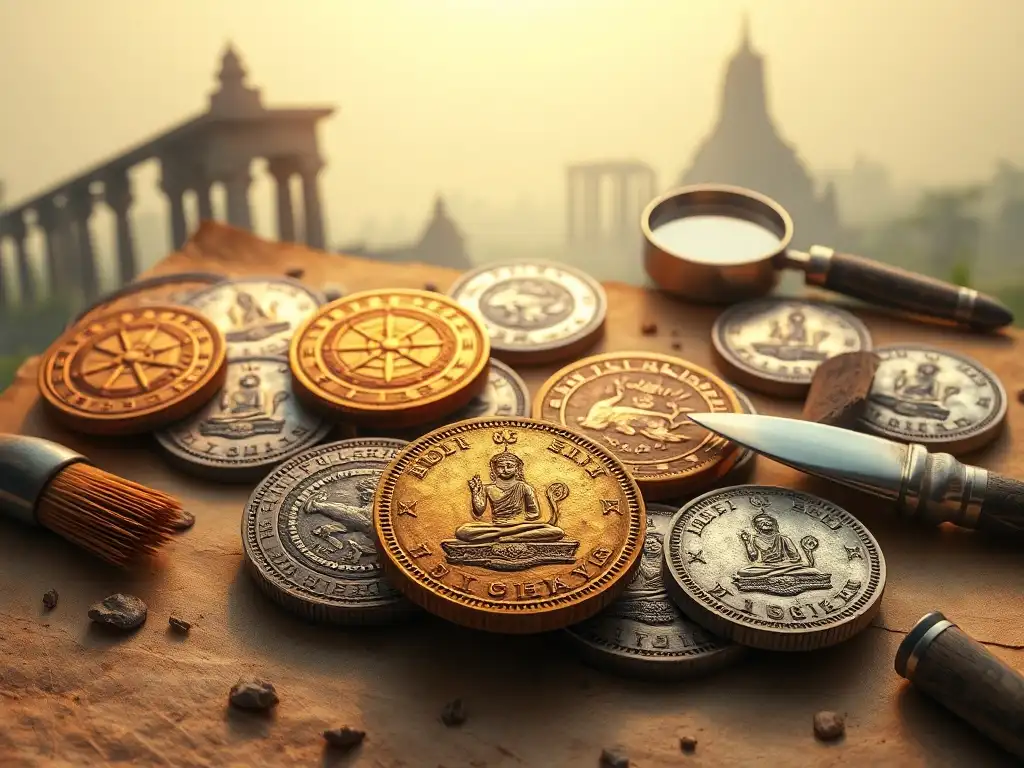
The discovery of Ashoka's coins has played a pivotal role in understanding the economic landscape of ancient India. Archaeological excavations across the subcontinent have unearthed a variety of coins attributed to Ashoka, showcasing a rich tapestry of iconography and inscriptions that reflect the socio-political environment of the time.
One of the most significant discoveries occurred at the site of Taxila, where numerous coins bearing Ashoka's emblem—a wheel, also known as the Dharmachakra—were found. These coins not only highlight the artistic proficiency of the period but also suggest a standardized currency system that facilitated trade across vast distances. The presence of these coins in regions far from the Mauryan capital indicates the extensive trade networks that existed under Ashoka's reign.
Another notable site is Sarnath, where coins inscribed with Brahmi script were excavated. These inscriptions provide insights into the administrative practices of the Mauryan empire and affirm Ashoka's commitment to spreading the principles of Dharma through economic means. The variety of denominations also points to a sophisticated monetary system aimed at regulating commerce and taxation.
Analysis of Coin Hoards and Their Historical Implications
The analysis of coin hoards has further enriched our understanding of the Coins of Ashoka significance. Hoards of coins, such as those found in Bharhut and Bhaja, reveal patterns of circulation and usage that reflect the economic conditions of the time. These hoards often contain a mix of denominations, which suggests that Ashoka's currency was widely accepted and used in everyday transactions.
Moreover, the geographical distribution of these hoards provides insights into trade routes and economic interactions with neighboring regions. For instance, the presence of Ashoka's coins in Central Asia implies that the Mauryan empire played a crucial role in facilitating trade beyond its borders, thereby influencing cultural exchange and economic relationships.
The coins also serve as a testament to the socio-political ideology of Ashoka. Many coins feature symbols of Buddhism, indicating his support for the religion and its integration into the economic framework of the empire. This dual role of currency—as a medium of exchange and a vehicle for ideological propagation—highlights Ashoka's innovative approach to governance.
The archaeological findings related to Ashoka's coins not only illuminate the economic prosperity of his reign but also underscore the broader implications of his policies on trade, culture, and religion in ancient India. The continued study of these findings will undoubtedly yield further insights into the complexities of Ashoka's legacy and the historical significance of his currency.
The Legacy of Ashoka’s Coins in Modern Times
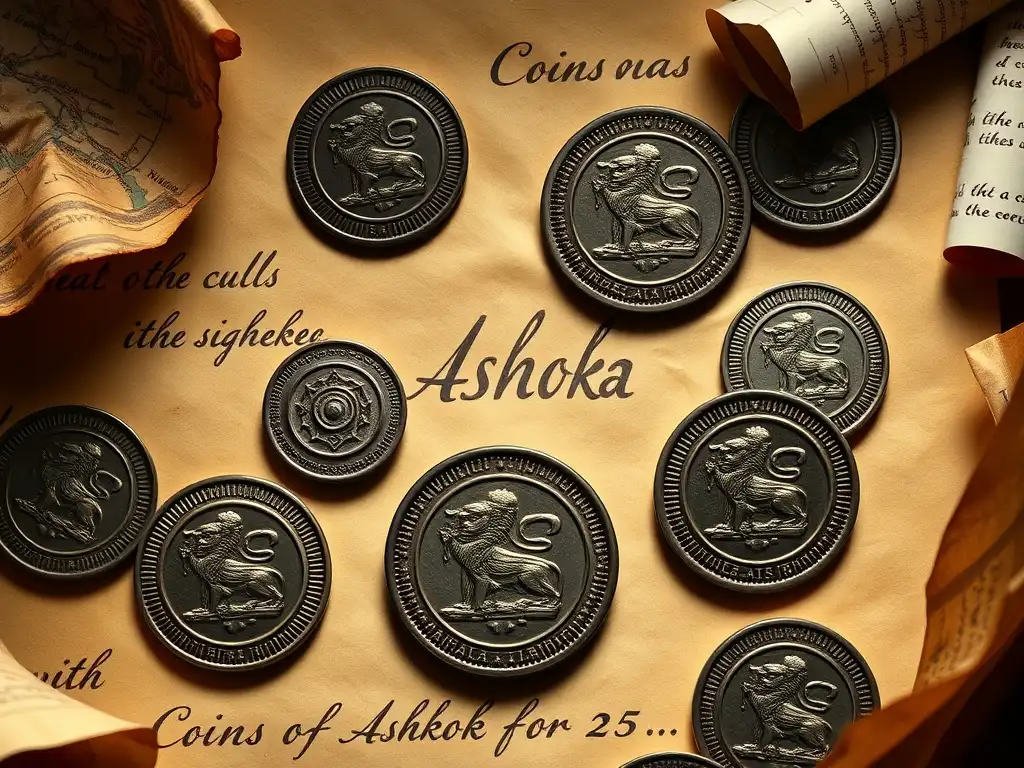
The coins of Ashoka, often hailed as a pivotal element of ancient Indian numismatics, have left a profound legacy that extends far beyond their initial circulation. These coins not only reflect the economic prosperity of Ashoka's reign but also serve as a bridge connecting modern society to the rich tapestry of ancient Indian culture. Their significance is multi-faceted, encompassing historical, artistic, and economic dimensions.
Influence on Modern Numismatics
The impact of Ashoka's coins on modern numismatics is substantial, as they are considered some of the earliest examples of state-sponsored currency. The coins featured intricate designs, including symbols and inscriptions that conveyed the political and religious ethos of the time. This has encouraged numismatists to study these artifacts not just as currency but as historical documents.
- Standardization of Currency: Ashoka's coins represent an early attempt at standardizing currency, a concept that is fundamental to modern economies. His introduction of a uniform coinage system facilitated trade and commerce, setting a precedent that resonates in today’s monetary systems.
- Cultural Symbolism: The motifs used in Ashoka's coins, such as the lion and the dharma wheel, have become cultural symbols that are still relevant. Modern collectors and historians often study these symbols to understand their significance in contemporary Indian culture and identity.
- Educational Value: Coins of Ashoka are frequently included in academic curricula related to numismatics and ancient history. They serve as a tangible link to the past, enriching the educational experience by providing students with real-world artifacts to analyze.
In the realm of coin collecting, Ashoka's coins are highly sought after, often fetching high prices at auctions due to their historical significance and rarity. The meticulous designs and inscriptions invite enthusiasts to delve deeper into the historical context surrounding each piece.
Coins of Ashoka in Contemporary Culture and Collecting
The coins of Ashoka have also permeated contemporary culture, finding their place in various aspects of modern life, especially in the realm of collecting and art.
- Cultural Artifacts: In India, Ashoka's coins are celebrated as cultural artifacts, often featured in exhibitions and museums. They are used to educate the public about India's rich historical legacy. The artistic styles present on these coins are also studied for their influence on subsequent Indian art forms, including sculpture and painting.
- Modern Collecting Trends: Coin collecting has gained popularity in recent years, with Ashoka's coins often leading the way in interest. Collectors are drawn not only to their historical value but also to the stories behind each coin. This has led to a resurgence in interest in ancient Indian history, prompting enthusiasts to seek out these coins as a way to connect with the past.
- Inspiration for Contemporary Art: The designs of Ashoka's coins continue to inspire contemporary artists, who incorporate motifs from these coins into their work. This blending of ancient and modern aesthetics speaks to the enduring legacy of Ashoka's reign and its relevance in today’s cultural landscape.
The coins of Ashoka, therefore, serve as a testament to the economic prosperity of ancient India and a reflection of its enduring significance in modern times. As both historical artifacts and cultural symbols, they continue to influence research, education, and artistic expression in contemporary society.
Conclusion: Reflecting on the Economic Prosperity of Ashoka's Reign
Summary of the Coins of Ashoka's Significance
The Coins of Ashoka stand as a testament to the economic prosperity and cultural richness of his reign, which lasted from 268 to 232 BCE. These coins, primarily made from silver and copper, exhibit intricate designs and inscriptions that not only indicate the monetary value but also reflect the administrative and religious policies of Ashoka.
- Variety and Design:
- The coins feature various motifs, including:
- Symbols of the Dharma Wheel: Representing Ashoka's commitment to Buddhism and moral governance.
- Animals: Such as elephants and lions, which symbolize strength and sovereignty.
- Inscriptions: Texts in Brahmi script that denote the weight, minting authority, and sometimes religious messages.
- The coins feature various motifs, including:
- Economic Implications:
- The widespread use of Ashoka's coins facilitated trade across vast regions, enhancing economic interactions between diverse communities.
- These coins served as a medium of exchange not just within his empire but also in neighboring territories, indicating the extent of Ashoka's influence.
- Cultural Significance:
- The coins also played a role in disseminating Buddhist teachings, as many coins included symbols central to Buddhist philosophy, thereby promoting the religion across the subcontinent.
The coins of Ashoka's significance extend far beyond mere currency; they are key artifacts that help historians understand the socio-economic fabric of ancient India during Ashoka's reign.
Final Thoughts on the Economic Impact of Ashoka's Currency
Ashoka's currency system was revolutionary for its time, providing a stable and efficient means of trade that contributed to the overall economic prosperity of his empire. By standardizing coinage, Ashoka not only simplified transactions but also fostered a sense of unity and stability among the diverse populations within his realm.
- Impact on Trade:
- The introduction of a standardized coinage system allowed for easier trade across various regions, leading to increased merchant activities.
- Trade routes flourished, connecting the Indian subcontinent with Central Asia and beyond, enhancing cultural exchanges and economic growth.
- Administrative Efficiency:
- Coins facilitated the collection of taxes and the payment of salaries to officials, making governance more efficient.
- This economic stability underpinned Ashoka's social and political reforms, allowing for a flourishing society based on justice and dharma.
The coins of Ashoka's significance are not merely historical artifacts; they represent a sophisticated economic system that underpinned one of the most prosperous periods in ancient Indian history. The legacy of Ashoka's currency continues to be felt, as it laid the groundwork for future economic systems in India and beyond.
Frequently Asked Questions
What are the Coins of Ashoka?
The Coins of Ashoka are ancient coins issued during the reign of Emperor Ashoka, known for their intricate designs and inscriptions that reflect the economic prosperity and cultural values of the time.
Why are the Coins of Ashoka significant?
The Coins of Ashoka are significant because they provide insights into the trade practices, economic conditions, and the political authority of the Mauryan Empire, showcasing the empire's wealth and influence.
How did Ashoka's coins facilitate trade?
Ashoka's coins standardized currency, making trade easier across his vast empire. Their widespread acceptance helped boost economic interactions among various regions, promoting commercial growth.
What materials were used to make the Coins of Ashoka?
The Coins of Ashoka were primarily made from silver and copper, reflecting the valuable resources of the empire. These materials were chosen to ensure durability and trustworthiness in trade.
How do the Coins of Ashoka reflect cultural aspects?
The Coins of Ashoka feature symbols and inscriptions that highlight Buddhist teachings and royal authority, showcasing how the emperor used them to promote his philosophical ideals and cultural values across his empire.
Final Reflection: The Enduring Significance of Ashoka's Coins
The exploration of the Coins of Ashoka reveals not only the economic prosperity of an ancient civilization but also highlights the profound connections between currency, culture, and identity. In today's world, where the value of money often overshadows its historical and cultural significance, the Coins of Ashoka serve as a powerful reminder of how currency can reflect the values and achievements of a society. These coins are not merely artifacts; they are symbols of a time when trade flourished and ideas spread, showcasing the intricate relationship between economics and cultural evolution.
The Coins of Ashoka have left an indelible mark on our understanding of ancient economies and their societal implications. They continue to influence modern discussions about the role of currency in shaping national identity and economic policy. As we delve into the past, we find that these coins were not just mediums of exchange but also vehicles for the dissemination of Buddhist principles and governance. Coins are a reflection of the society that produces them, embodying its values, aspirations, and achievements.
This ongoing dialogue about the significance of currency in our lives today underscores the importance of understanding our historical roots.
As we reflect on the lessons learned from the Coins of Ashoka, I invite you to consider how the values they represent can be applied in your own life. Think about the significance of the currency you engage with daily—what does it say about your community and its values?
Embrace the opportunity to connect with history and recognize that every coin carries a story, urging us to reflect on our own contributions to the economic and cultural tapestry of our time. Let the legacy of Ashoka inspire you to seek prosperity that transcends mere wealth, fostering a society that values cultural richness and ethical governance.
Unearth the Legacy of Ashoka's Coins Today!
Thank you for diving into the fascinating world of Ashoka's coins! You've unearthed valuable insights into the economic prosperity of Ancient India. Now, it’s time to put that knowledge into action.
Here are some ways you can continue this enriching journey:
- Explore a local museum to see ancient coins firsthand and deepen your understanding of their historical context.
- Share your newfound knowledge with friends or on social media—perhaps you can spark their interest in ancient history!
- Join a community group focused on historical artifacts; connecting with fellow enthusiasts can enhance your perspective and open new avenues for learning.
Which story or message from Ashoka's coins resonates with you the most, and how will you share it with others?