
Sanskrit and Its Connection to Ritualistic Practices in Ancient India

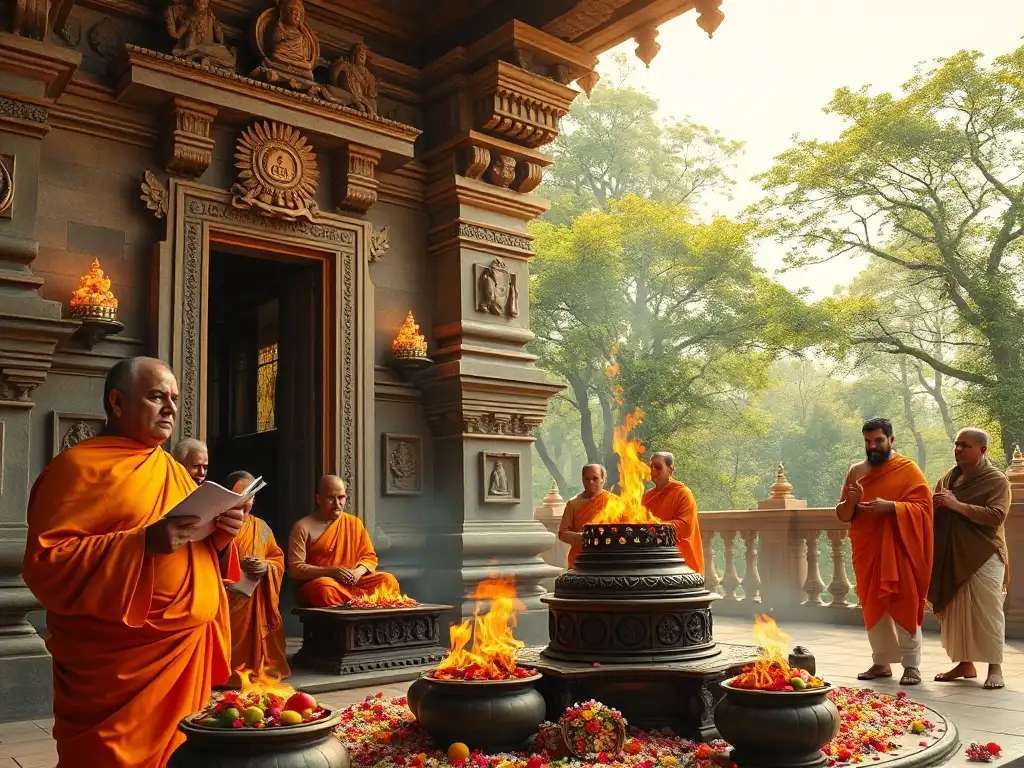
Welcome to Ancient India History, where we embark on a captivating journey through the rich tapestry of India's past. Delve into the intriguing world of Sanskrit ritual practices in India, a cornerstone of ancient Indian civilization that reveals the profound connection between language and spirituality. As you explore our featured article, "Sanskrit and Its Connection to Ritualistic Practices in Ancient India," prepare to uncover the secrets of how this sacred language shaped rituals and beliefs, influencing countless generations. Join us as we illuminate the remarkable contributions of ancient Indian cultures—your adventure through time begins here!
- Introduction to Sanskrit and Ritualistic Practices in Ancient India
- Historical Context of Sanskrit in India
- The Role of Sanskrit in Ritualistic Practices
- Key Sanskrit Texts Related to Ritual Practices
- The Connection Between Language and Rituals
- Regional Variations of Sanskrit Ritual Practices in Ancient India
- The Legacy of Sanskrit Ritual Practices in Modern India
- Conclusion: The Enduring Connection Between Sanskrit and Rituals
-
Frequently Asked Questions
- What is the significance of Sanskrit in ancient Indian rituals?
- How did Sanskrit influence the development of ritualistic practices?
- What are some examples of ritualistic practices that utilized Sanskrit?
- How did the Gupta Empire contribute to the evolution of Sanskrit ritual practices?
- Are there modern-day practices that trace back to Sanskrit rituals?
- Final Reflection: The Enduring Legacy of Sanskrit Ritual Practices in India
- Unlock the Power of Sanskrit: Embrace Ancient Wisdom Today!
Introduction to Sanskrit and Ritualistic Practices in Ancient India
Sanskrit, one of the oldest languages in the world, serves as a cornerstone in understanding the rich tapestry of ancient Indian civilization. Its profound influence extends beyond mere communication; it is intricately woven into the fabric of ritualistic practices that have shaped spiritual and cultural traditions across the subcontinent.
The connection between Sanskrit and ritual practices in ancient India is not merely academic; it embodies a deep-seated belief system that has guided societal norms, religious ceremonies, and philosophical thought for millennia. As we delve into this fascinating exploration, we uncover the significance of Sanskrit in rituals, the ways it has been preserved through various texts, and its enduring legacy in contemporary practices.
Overview of Sanskrit as a Language
Sanskrit is not just a language but a vital cultural heritage that dates back to at least 1500 BCE, when it first emerged in the form of Vedic texts. It is characterized by its rich grammatical structure and extensive vocabulary, allowing for nuanced expression of ideas and concepts.
- Key Features of Sanskrit:
- Phonetics: The precise pronunciation rules enhance its oral tradition, making it ideal for chants and recitations.
- Grammar: With an intricate system of inflections, Sanskrit provides various ways to convey meaning, allowing for both poetic and philosophical depth.
- Literary Forms: From epic narratives like the Mahabharata and Ramayana to philosophical texts like the Upanishads, Sanskrit encompasses a wide range of genres.
Sanskrit's role in ancient Indian rituals was paramount. Many religious ceremonies and practices were conducted in this sacred language, which was believed to possess spiritual potency. The recitation of mantras in Sanskrit was considered essential for invoking deities and ensuring the efficacy of rituals. Thus, the language transcended its communicative function, becoming a vehicle for spiritual expression and cultural identity.
Importance of Rituals in Ancient Indian Culture
Rituals in ancient India were far more than mere ceremonial acts; they were expressions of the collective psyche and spiritual beliefs of the society. These rites often served multiple purposes:
- Religious Significance: Rituals acted as a means of connecting with the divine, offering prayers, and seeking blessings.
- Social Cohesion: Engaging in communal rituals fostered a sense of belonging and unity among participants, reinforcing social bonds.
- Cultural Transmission: Through rituals, traditions, values, and knowledge were passed down generations, ensuring the continuity of cultural identity.
Sanskrit played an integral role in these rituals, as many of them required precise recitation of texts and mantras believed to harness cosmic energies. The correct pronunciation, intonation, and rhythm were critical to the success of these practices, highlighting the interdependence of language and ritual in ancient Indian society.
As we continue to explore the relationship between Sanskrit and ritualistic practices, we will uncover specific examples and delve deeper into how these elements have influenced contemporary spiritual practices in India.
Historical Context of Sanskrit in India
Origins of Sanskrit in Ancient India
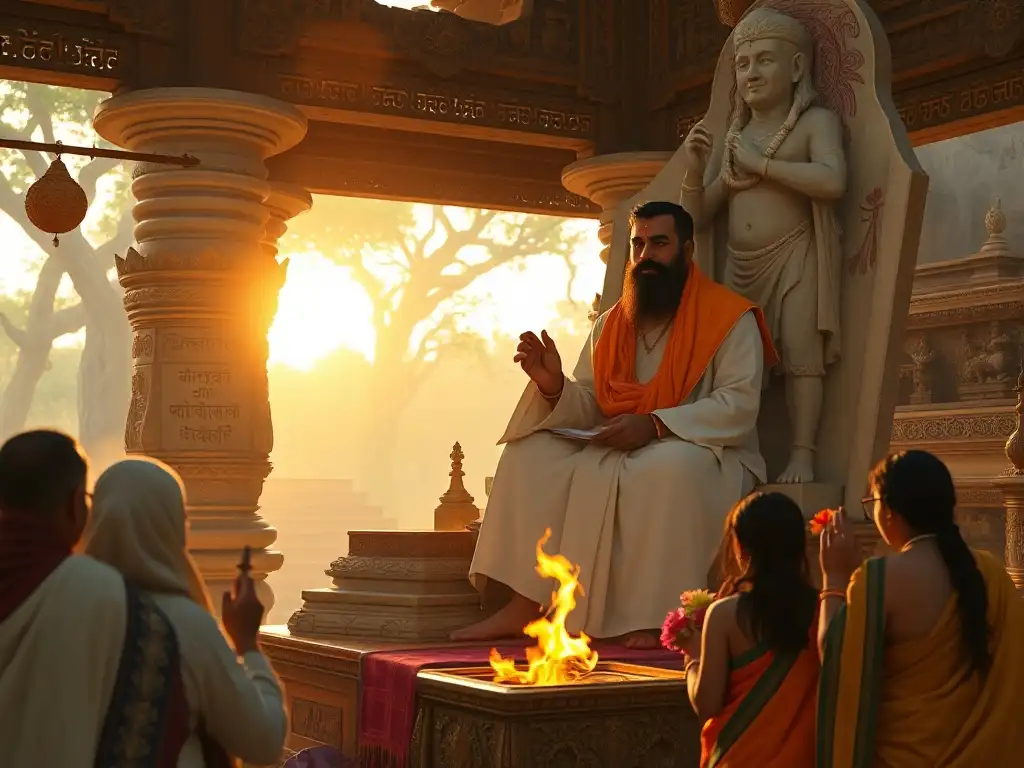
Sanskrit, one of the oldest languages in the world, has its roots deeply embedded in the ancient Indian subcontinent. Its origins can be traced back to the Vedic period around 1500 BCE, where it emerged as the language of the Vedas—the oldest scriptures of Hinduism. The term "Sanskrit" itself means 'refined' or 'well-formed,' indicating its status as a language of culture and ritual.
The Vedic texts were composed in a dialect known as Vedic Sanskrit, which significantly differs from Classical Sanskrit that became standardized later. Vedic Sanskrit served as a vehicle for various ritualistic practices and hymns, which were integral to early Hindu ceremonies, sacrifices, and spiritual teachings. These rituals, known as Yajnas, required precise pronunciation and intonation of the Vedic chants, highlighting the connection between Sanskrit and its ritualistic applications.
Key elements of Vedic rituals include:
- Mantras: Sacred utterances used during rituals.
- Yajnas: Fire sacrifices performed to honor deities.
- Ritual Purity: The importance of language and pronunciation in maintaining the sanctity of the rituals.
The rituals not only demanded accuracy in the use of Sanskrit but also contributed to the preservation and transmission of the language itself, marking the beginning of its journey through ancient Indian civilization.
Evolution of Sanskrit Through Time
The evolution of Sanskrit can be divided into several distinct phases, each reflecting changes in culture, society, and religious practices.
- Vedic Sanskrit (1500 BCE - 500 BCE):
- Characterized by its use in the Vedas and other religious texts.
- The phonetics and grammar were complex, tailored for oral transmission and ritualistic chanting.
- Emphasis on rituals, where the correct pronunciation of mantras was believed to invoke divine powers.
- Classical Sanskrit (500 BCE - 1000 CE):
- Standardized by grammarians like Pāṇini, whose work "Ashtadhyayi" codified the rules of Sanskrit grammar.
- Greater literary development occurred, with the emergence of epic texts such as the Mahabharata and Ramayana.
- This period saw a shift from purely ritualistic use to broader cultural expressions, including poetry, philosophy, and drama.
- Post-Classical Sanskrit (1000 CE - 1800 CE):
- The language experienced a decline in everyday use but continued to thrive in religious and scholarly contexts.
- Sanskrit remained the liturgical language in Hindu practices and was used in Buddhist texts as well.
- New genres emerged, including philosophical treatises and scientific texts, which utilized Sanskrit for scholarly discourse.
- Modern Sanskrit (19th Century - Present):
- The revival of interest in Sanskrit during the 19th century led to its incorporation into educational curricula.
- While its spoken form has diminished, efforts continue to promote the learning and usage of Sanskrit in both religious and cultural contexts.
Through these phases, Sanskrit has maintained its connection to ritual practices in India, serving as a bridge between ancient traditions and contemporary spiritual expressions. The Sanskrit ritual practices in India not only reflect the religious sentiments of the time but also reveal the deep-seated cultural heritage that continues to influence modern Indian society.
The Role of Sanskrit in Ritualistic Practices
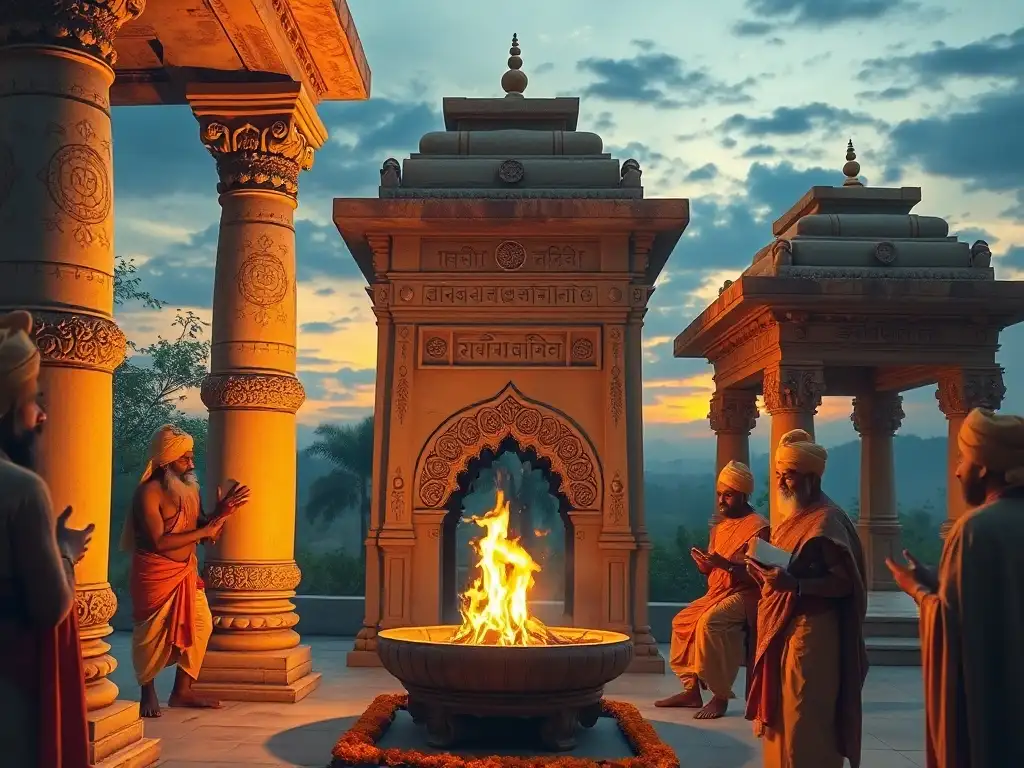
Sanskrit has long been recognized as the liturgical language of ancient India, playing a pivotal role in various ritualistic practices that were integral to the spiritual and cultural fabric of Indian society. The connection between Sanskrit and rituals is deeply rooted in the Vedic texts, which outline a plethora of ceremonies, sacrifices, and chants aimed at appeasing deities and ensuring cosmic order. The precision of Sanskrit, with its intricate grammar and phonetics, allowed for the articulation of mantras and hymns that were believed to carry profound spiritual significance and efficacy.
Rituals in ancient India were not merely ceremonial acts; they were considered pathways to connect with the divine. The use of Sanskrit in these rituals was crucial, as it was thought that the sound and structure of the language had inherent power. Each syllable, when pronounced correctly, was believed to invoke specific energies and deities, aligning the physical act of the ritual with metaphysical outcomes.
The rituals varied widely, encompassing everything from daily offerings to complex Yajnas (sacrificial ceremonies) that could last for days and involve elaborate preparations. The meticulous nature of these practices underscored the belief that the cosmos operated according to specific laws, and that adherence to these laws, articulated through Sanskrit, could influence the balance of nature.
Types of Rituals Associated with Sanskrit
-
Yajnas (Sacrificial Fires)
Yajnas were perhaps the most significant rituals in Vedic tradition, involving offerings to the fire (Agni) while chanting Vedic mantras in Sanskrit. These were performed for various purposes, such as seeking prosperity, health, or spiritual merit.
-
Samskaras (Rites of Passage)
Samskaras are rites that mark various stages of life, such as birth, marriage, and death. Each Samskara includes specific Sanskrit mantras that are recited to sanctify the occasion, invoking blessings for the individual involved.
-
Puja (Worship)
Puja involves the worship of deities at home or in temples, where Sanskrit shlokas (verses) are recited. This practice emphasizes devotion and personal connection with the divine, often accompanied by offerings of flowers, food, and incense.
-
Homa (Fire Offerings)
Similar to Yajnas, Homa is a ritual where offerings are made into a sacred fire while chanting specific mantras. It is believed to purify the environment and invoke divine presence, thereby enhancing the effectiveness of the ritual.
-
Tarpana (Ancestral Offerings)
Tarpana rituals involve offerings to the ancestors, often accompanied by the recitation of mantras in Sanskrit. These rituals are performed to seek blessings for the family lineage and to express gratitude towards forebears.
Significance of Mantras in Rituals
Mantras hold a central place in the ritualistic practices associated with Sanskrit. These are sacred utterances, often composed in the Vedic or classical Sanskrit, that are believed to encapsulate spiritual truths and cosmic principles. The significance of mantras in rituals can be understood through several key aspects:
- Vibration and Energy: Each mantra is thought to possess a specific vibrational frequency. The sound produced during recitation is believed to resonate with the underlying energies of the universe, facilitating a connection to the divine.
- Intent and Focus: The recitation of mantras during rituals serves to focus the mind and intent of the practitioner. This concentration is essential for the successful completion of the ritual, as it aligns the inner self with the outer divine forces.
- Preservation of Tradition: Mantras often carry historical and cultural significance, preserving the wisdom of ancient sages and the teachings of the Vedas. By reciting these mantras, practitioners maintain a link to their heritage and the collective memory of their civilization.
- Transformational Power: It is believed that the correct pronunciation and intonation of mantras can lead to transformative effects, both spiritually and materially. This includes the potential to manifest desires, heal ailments, or attain higher states of consciousness.
The connection between Sanskrit and ritualistic practices in ancient India is profound and multifaceted. The use of Sanskrit in these rituals not only enriched the spiritual experience but also served to reinforce the cultural identity of ancient Indian civilizations.
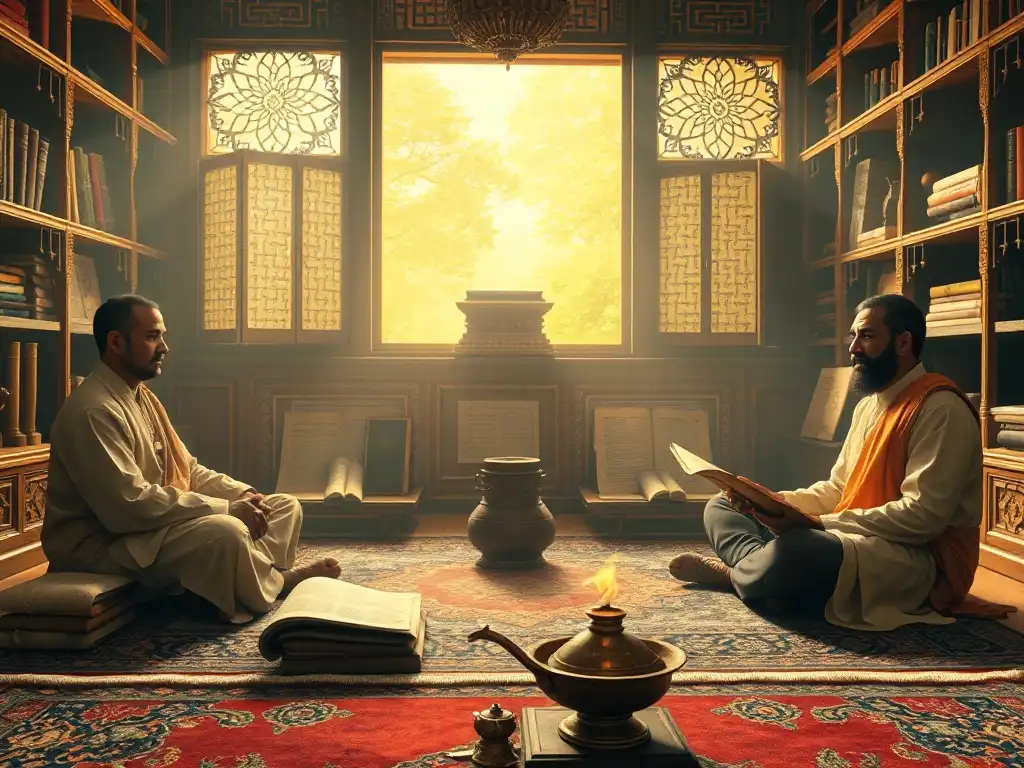
Sanskrit has played a pivotal role in shaping the ritualistic practices of ancient India. The sacred texts composed in this ancient language provide profound insights into the religious, cultural, and philosophical dimensions of rituals. Within this context, two key categories of texts stand out: the Vedas and the Upanishads. Each offers a unique perspective on the significance and execution of rituals in ancient Indian society.
The Vedas and Their Ritualistic Significance
The Vedas, comprising four main texts—Rigveda, Samaveda, Yajurveda, and Atharvaveda—are considered the oldest scriptures in Sanskrit. They are not only foundational to Hindu philosophy but also serve as essential guides for various Sanskrit ritual practices in India.
- Rigveda: This text primarily consists of hymns dedicated to various deities. The hymns often invoke divine powers for blessings and prosperity, forming the core of many ritualistic offerings. For instance, the Agnihotra ritual, which involves the offering of milk and ghee into the sacred fire, is deeply rooted in the verses of the Rigveda.
- Samaveda: Known as the "Veda of Melodies," the Samaveda provides musical notations for chanting during rituals. Its verses are often sung during sacrificial ceremonies, enhancing the spiritual atmosphere and fostering a deeper connection with the divine.
- Yajurveda: This Veda serves as a manual for rituals, detailing the procedures and offerings. It is divided into two parts: the Shukla Yajurveda (white) and the Krishna Yajurveda (black), each offering distinct methods for performing rituals. The Yajurveda emphasizes the importance of precise actions and intentions in ritual practice.
- Atharvaveda: While often considered more esoteric, the Atharvaveda includes hymns for everyday life, including healing rituals and rites for protection against evil forces. Its practical approach to spirituality reflects a more accessible aspect of ancient Indian ritualism.
The Vedic texts collectively highlight the interconnectedness of Sanskrit language, ritualistic practices, and the spiritual beliefs of ancient Indian culture. They establish a framework for understanding how rituals functioned as a means of communication with the divine, shaping the moral and ethical fabric of society.
The Upanishads: Philosophical Insights into Rituals
The Upanishads, often regarded as the culmination of Vedic thought, delve deeper into the philosophical implications of rituals. While the Vedas focus on the mechanics of ritual, the Upanishads explore the underlying principles and meanings.
- Interrogation of Ritual: The Upanishads question the efficacy of rituals when performed without true understanding. They emphasize that mere mechanical adherence to ritual practices is insufficient; one must also grasp the philosophical concepts they embody. This introspective approach encourages practitioners to seek knowledge and wisdom, moving beyond superficial participation.
- Ritual as a Path to Moksha: The Upanishads introduce the idea that rituals can lead to moksha (liberation). They suggest that the ultimate goal of ritualistic practices is not just to appease deities but to attain self-realization and unity with the universal consciousness (Brahman). This transformative aspect positions rituals as a means of personal and spiritual growth.
- Symbolism in Rituals: The Upanishads often interpret rituals symbolically, suggesting that every act has a deeper meaning. For example, the fire in rituals symbolizes purification and transformation, while offerings represent one's surrender to the divine. This symbolic interpretation provides a richer understanding of the purpose of rituals within the spiritual landscape of ancient India.
- Integration of Knowledge and Action: The synthesis of knowledge ( jnana) and action ( karma) is a recurring theme in the Upanishads. They advocate that true understanding of rituals can enhance their efficacy, leading to a more profound spiritual experience. This integration encourages practitioners to engage thoughtfully with ritual practices rather than following them blindly.
The Upanishads provide a philosophical lens through which to view the ritual practices detailed in the Vedas. They elevate the discussion from mere ritual execution to an exploration of the spiritual significance and transformative potential inherent in these ancient practices. The insights gleaned from both the Vedas and the Upanishads continue to influence modern interpretations of Sanskrit ritual practices in India, underscoring the enduring legacy of these texts in the spiritual and cultural landscape of the region.
The Connection Between Language and Rituals
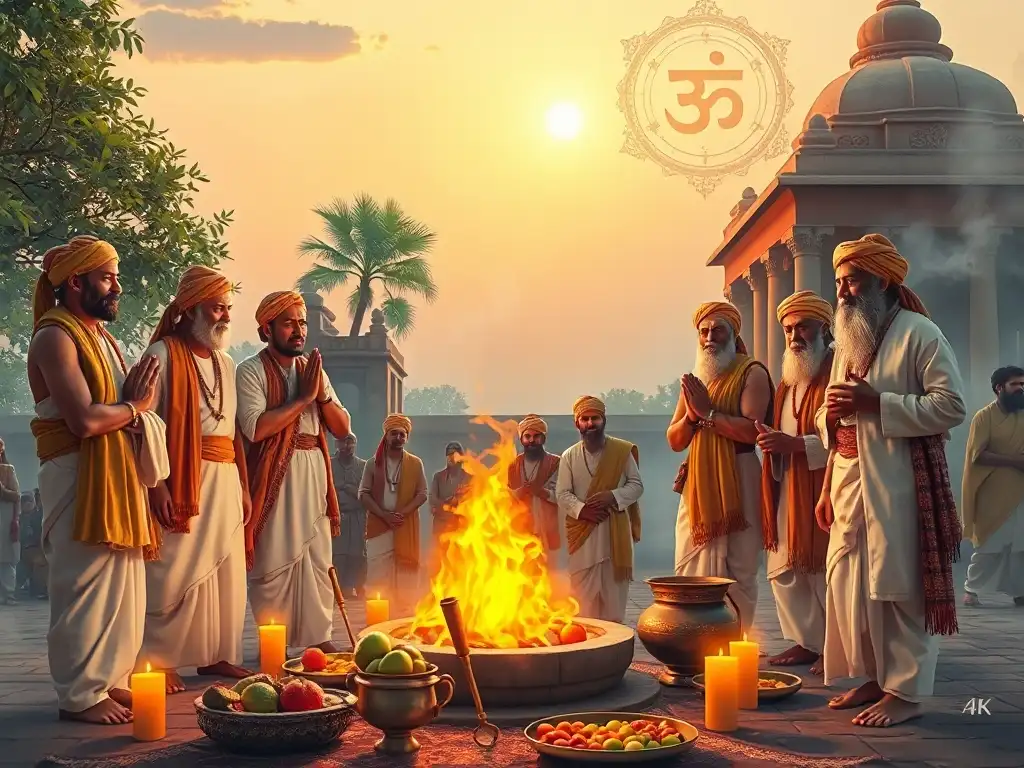
In ancient India, the connection between language and rituals was profound and multifaceted. Language served not merely as a means of communication but as a sacred vehicle through which spiritual intentions were expressed and understood. Sanskrit, as the liturgical language of Hinduism, played a crucial role in the performance of rituals, shaping the way divine entities were invoked and worshipped. The precision and vibrancy of Sanskrit allowed practitioners to articulate complex philosophical concepts and elaborate rituals, fostering a deeper connection to the divine.
Rituals in ancient Indian culture were often intricately linked with specific linguistic formulations. The Vedas, composed in Sanskrit, contain hymns and mantras that were essential to various sacrificial rites. These texts provided a framework for understanding the cosmos and humanity's place within it. The very act of reciting these texts was believed to harness the power of sound and meaning, creating a bridge between the material and spiritual worlds.
How Sanskrit Language Influenced Ritualistic Practices
Sanskrit's influence on ritualistic practices in ancient India is evident in several key aspects:
- Mantras and Their Significance:
- Mantras, the sacred utterances in Sanskrit, are central to many rituals. Each mantra is composed with specific phonetic structures that are thought to resonate with cosmic energies. For example, the famous "Gayatri Mantra" is not only a prayer for enlightenment but also a sound vibration believed to invoke divine blessings.
- Ritual Texts:
- Texts such as the Yajurveda provide detailed instructions on how to perform rituals, including the precise wording of chants. These texts emphasize the importance of using the correct Sanskrit terms to ensure that the rituals are performed accurately and effectively.
- Cultural Transmission:
- The use of Sanskrit in rituals facilitated the preservation and transmission of knowledge across generations. As rituals were performed in a consistent language, the teachings embedded within them remained intact, allowing subsequent generations to connect with their ancestors' spiritual practices.
- Symbolic Language:
- Sanskrit served as a symbolic language where each term carried layers of meaning. The choice of words in rituals was not arbitrary; it was deeply rooted in the philosophical and spiritual beliefs of the time. For instance, the use of specific deities' names and attributes within rituals invoked particular cosmic forces, demonstrating the interplay between language and spirituality.
The Impact of Sanskrit Pronunciation on Ritual Efficacy
The pronunciation of Sanskrit words is not merely a matter of linguistic accuracy; it is believed to significantly impact the efficacy of rituals. The ancient Indian belief system posits that each sound has a unique vibrational quality that can influence the material world. Here are some aspects detailing the importance of pronunciation:
- Phonetic Precision:
- The correctness of pronunciation in Sanskrit is paramount. Mispronouncing a mantra could lead to unintended consequences, undermining the ritual's intended effects. For instance, the Brahmanas emphasize that the efficacy of rituals hinges on the correct articulation of mantras, reiterating the need for precise phonetic execution.
- Vibrational Energy:
- Certain sounds are thought to vibrate at frequencies that align with specific energies or deities. For example, the sound "Om" is considered a primordial sound, encapsulating the essence of the universe. Its correct pronunciation is believed to open channels of spiritual awareness and enhance the ritual's power.
- Ritual Training:
- Practitioners often undergo rigorous training in phonetics to master the pronunciation of Sanskrit. This training not only includes verbal articulation but also an understanding of the underlying metaphysical principles associated with different sounds.
- Collective Chanting:
- The communal aspect of chanting in rituals amplifies the vibrational effects of spoken Sanskrit. When performed collectively, the harmonization of sound is believed to create a powerful resonance that elevates the ritual's spiritual significance.
The interplay between Sanskrit and ritualistic practices in ancient India is a testament to the language's foundational role in spiritual life. Its precise use and pronunciation are critical in ensuring the ritual's success, reflecting the broader cultural belief in the sacredness of sound and language.
Regional Variations of Sanskrit Ritual Practices in Ancient India
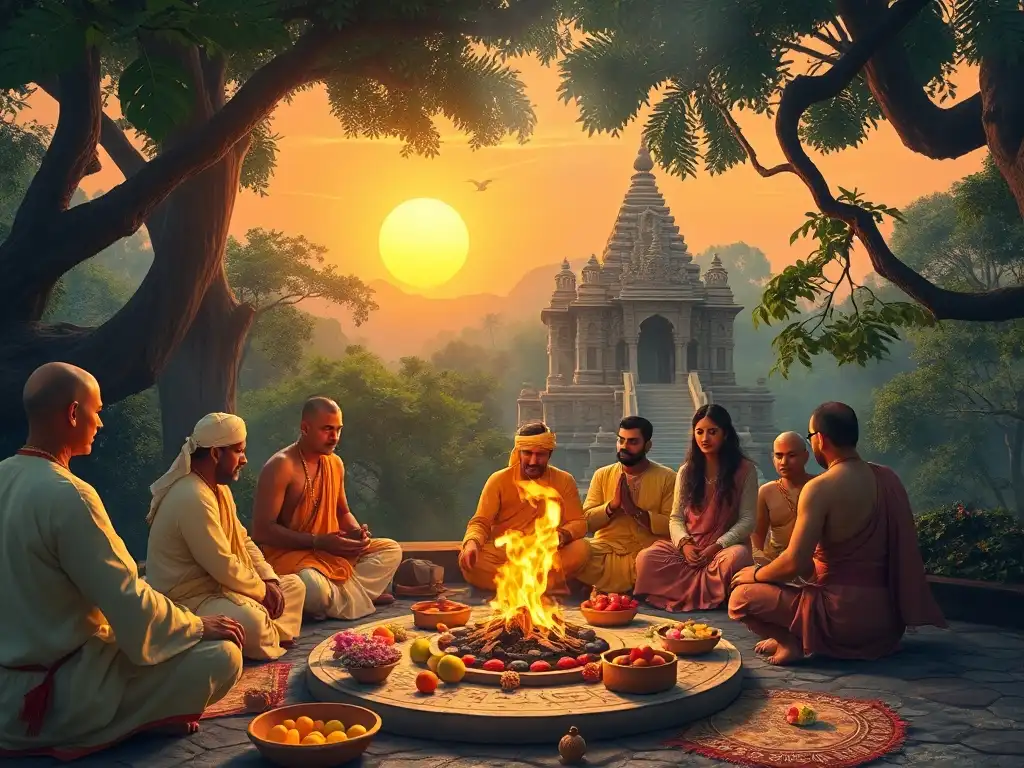
North India: Vedic Rituals and Their Influence
In North India, the roots of Sanskrit ritual practices are deeply embedded in the Vedic tradition, which spans thousands of years. The Vedas, composed in Sanskrit, are the oldest sacred texts of Hinduism, consisting of four main texts: the Rigveda, Samaveda, Yajurveda, and Atharvaveda. Each of these texts plays a pivotal role in ritualistic practices, especially during the Vedic period.
Key Features of Vedic Rituals:
- Homa (Fire Sacrifice): Central to Vedic rituals is the homa, a ceremonial fire where offerings are made to various deities. The chanting of specific mantras in Sanskrit during these rites is believed to invoke divine blessings.
- Yajna (Sacrificial Ritual): A structured ritual that involves offerings to fire, yajnas are performed for various purposes, such as seeking prosperity, health, or spiritual growth. The correct pronunciation of Sanskrit mantras is essential for the efficacy of these rituals.
- Soma Rituals: The consumption of soma, a sacred drink, was significant in Vedic rituals. It is frequently mentioned in the Rigveda and was believed to confer immortality and divine insight.
The influence of these practices extended beyond their immediate context, shaping the spiritual and cultural landscape of North India. For instance, the elaborate rituals performed during major Hindu festivals often draw upon Vedic traditions, demonstrating the lasting impact of Sanskrit on religious practices.
South India: Sanskrit in Temple Rituals
In South India, the integration of Sanskrit into temple rituals represents a unique adaptation of ancient practices. While the region is known for its Dravidian languages, Sanskrit has played a significant role, particularly in the context of temple architecture and rituals.
Distinctive Aspects of Temple Rituals:
- Sanskrit Agamas: Unlike the Vedic texts, the Agamas are scriptures that outline temple construction and ritual practices specific to the Shaiva and Shakta traditions. These texts, written in Sanskrit, provide detailed instructions on rituals, daily poojas, and festivals.
- Chanting of Stotras: The recitation of stotras (hymns) composed in Sanskrit is integral to temple worship. These hymns praise deities and are believed to purify the environment and the worshippers.
- Ritualistic Offerings: During temple ceremonies, offerings such as food ( naivedya), flowers, and incense are presented. The rituals are accompanied by the chanting of mantras in Sanskrit, enhancing the spiritual atmosphere.
The vibrant temple culture of South India showcases the dynamic use of Sanskrit in rituals, highlighting regional adaptations while preserving the language's sacred essence. Festivals such as Pongal and Navaratri often feature ritualistic elements derived from Sanskrit texts, reinforcing the language's significance in contemporary practices.
Through these regional variations, it is evident that Sanskrit ritual practices in India are not only historical artifacts but also living traditions that continue to evolve and inspire devotion among practitioners today.
The Legacy of Sanskrit Ritual Practices in Modern India
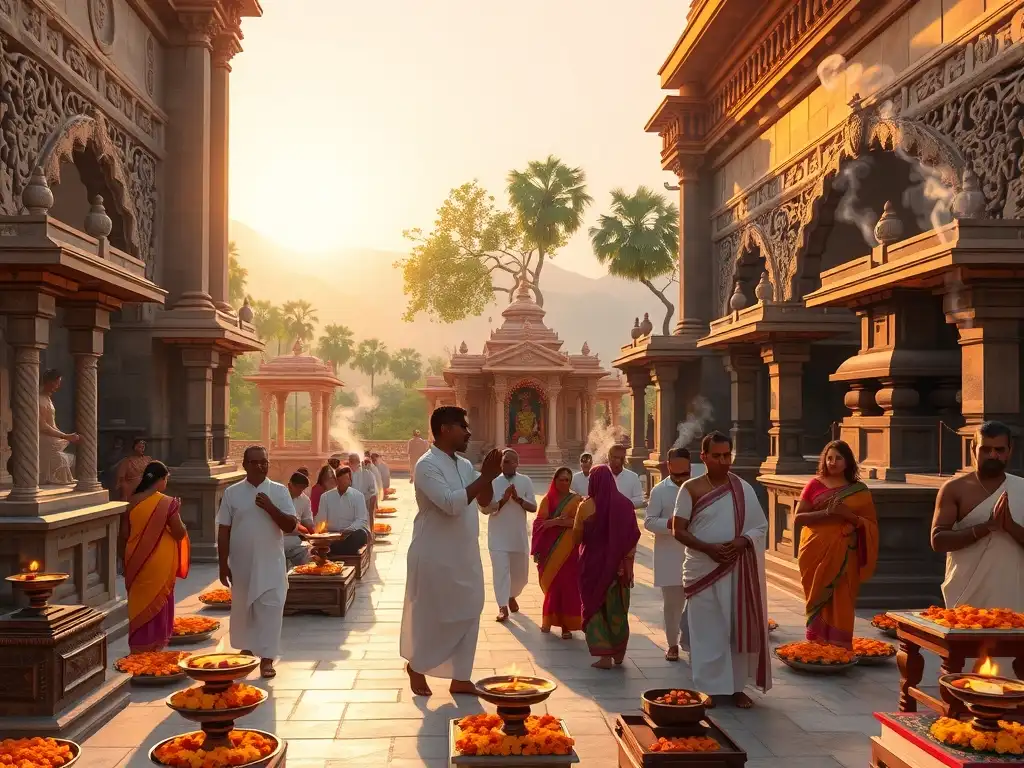
The legacy of Sanskrit ritual practices in modern India is profound and multifaceted. Although the ancient practices have evolved over millennia, their core principles and rituals continue to resonate deeply within contemporary Indian society. The rituals, originally recorded and transmitted through Sanskrit texts, serve as a vital link to the past, reflecting the rich cultural tapestry of ancient India.
Sanskrit, as the sacred language of Hinduism, has been pivotal in shaping the rituals that define religious and social practices today. Many modern rituals, including daily prayers (puja), rites of passage (samskaras), and seasonal festivals, remain rooted in ancient Sanskrit texts such as the Vedas, Upanishads, and Puranas. These texts provide not only the linguistic framework but also the philosophical underpinnings that guide ritualistic practices.
Continuation of Ancient Rituals in Contemporary Times
The continuation of ancient Sanskrit ritual practices can be seen in various forms across India. Many households still engage in daily rituals that have been passed down through generations, incorporating mantras and hymns from ancient texts. These practices serve multiple purposes, such as fostering a sense of community, connecting with divine entities, and instilling moral values.
Key Aspects of Continuation
- Daily Worship (Puja):
- Puja rituals often involve chanting Sanskrit mantras, which are believed to invoke divine blessings. Common practices include:
- Morning Aarti: A ritual of light involving the chanting of hymns in Sanskrit.
- Offering of Prasad: Food offerings accompanied by Sanskrit prayers.
- Puja rituals often involve chanting Sanskrit mantras, which are believed to invoke divine blessings. Common practices include:
- Life Cycle Rituals (Samskaras):
- Significant life events, such as birth, marriage, and death, are accompanied by specific rituals outlined in Sanskrit texts. For example:
- Namakarana (Naming Ceremony): Involves the chanting of specific mantras to bestow auspiciousness on the newborn.
- Vivaha (Marriage Ceremony): Rituals include the recitation of the Saptapadi (seven steps) in Sanskrit, symbolizing the couple's vows.
- Significant life events, such as birth, marriage, and death, are accompanied by specific rituals outlined in Sanskrit texts. For example:
- Festivals:
- Major festivals like Diwali and Navaratri involve elaborate rituals that incorporate Sanskrit chants and hymns, reaffirming their connection to ancient traditions.
These practices not only maintain cultural continuity but also enhance the spiritual experience of participants, fostering a deeper connection to their heritage.
Influence of Sanskrit Ritual Practices on Modern Spirituality
The influence of Sanskrit ritual practices extends beyond traditional settings; it has significantly shaped contemporary spirituality in India and abroad. Many modern spiritual movements draw inspiration from ancient Sanskrit rituals, adapting them to resonate with a wider audience.
Modern Spiritual Movements
- Yoga and Meditation:
- The global rise of yoga and meditation has roots in ancient Sanskrit texts. Techniques often incorporate Sanskrit mantras, such as "Om" and "So Hum," promoting mental clarity and spiritual awakening.
- New Age Spirituality:
- Various New Age spiritual practices integrate Sanskrit mantras, believing in their vibrational power to effect change and healing. This includes:
- Sound Healing: Using chanting and recitation of mantras for therapeutic purposes.
- Mindfulness Practices: Incorporating principles from ancient texts to foster awareness and presence.
- Various New Age spiritual practices integrate Sanskrit mantras, believing in their vibrational power to effect change and healing. This includes:
- Revival of Traditional Practices:
- There has been a resurgence in interest in traditional rituals, with many modern spiritual leaders advocating for the adoption of ancient practices. This revival emphasizes the importance of maintaining a connection to one’s roots while adapting to contemporary needs.
The legacy of Sanskrit ritual practices in modern India is a testament to the enduring influence of ancient traditions. By continuing to engage with these practices, individuals not only honor their heritage but also enrich their spiritual lives, making Sanskrit an integral part of both personal and communal expressions of faith.
Conclusion: The Enduring Connection Between Sanskrit and Rituals
Summary of Sanskrit's Role in Ancient Indian Ritualistic Practices
Sanskrit has long been the cornerstone of ritualistic practices in ancient India, serving as the liturgical language for various religious ceremonies and texts. The significance of Sanskrit ritual practices in India can be traced back to the Vedic period, where the Vedas, composed in Sanskrit, laid the groundwork for spiritual and ceremonial practices. These texts not only prescribed rituals but also provided the philosophical underpinnings that shaped the spiritual landscape of ancient Indian civilization.
- Vedic Rituals: Central to Vedic practices were the sacrificial rituals (yajnas), which were meticulously performed to appease deities, ensure prosperity, and maintain cosmic order. The proper pronunciation and intonation of Sanskrit mantras were believed to be crucial in invoking divine blessings.
- Sanskrit Texts: Key texts such as the Brahmanas and Upanishads elaborated on the rituals and their meanings, emphasizing the importance of correct ritual performance. These texts often contained detailed instructions for conducting rituals, showcasing the intricate relationship between language and practice.
- Cultural Continuity: Over centuries, the use of Sanskrit in rituals has persisted, adapting to various cultural contexts while retaining its foundational role. Even today, many Hindu rituals, including pujas and samskaras, are conducted using Sanskrit chants, underscoring the language's enduring legacy.
The Importance of Preserving Sanskrit and Its Ritualistic Heritage
The preservation of Sanskrit and its associated ritualistic practices is essential for understanding the cultural heritage of India. As a repository of ancient knowledge, Sanskrit encompasses not only religious texts but also philosophical, scientific, and literary works that reflect the intellectual achievements of ancient Indian civilizations.
- Cultural Identity: Keeping Sanskrit alive contributes to the preservation of cultural identity and continuity. Understanding rituals through the lens of Sanskrit allows practitioners and scholars alike to connect with their ancient roots and appreciate the depth of their traditions.
- Linguistic Value: Sanskrit is often regarded as a scientifically structured language, and its study provides insights into linguistics, comparative philology, and the development of languages. Thus, maintaining its practice can enrich academic fields and foster a greater appreciation for linguistics.
- Ritual Practices: The rituals preserved in Sanskrit offer invaluable insights into ancient Indian life, values, and beliefs. They provide a window into the societal norms and spiritual practices of the time, allowing modern scholars to reconstruct the historical context of ancient rituals.
The enduring connection between Sanskrit and ritual practices in India is a vital aspect of the cultural and spiritual heritage of ancient India. By preserving this connection, contemporary society can continue to engage with and learn from the rich traditions that have shaped India's history.
Frequently Asked Questions
What is the significance of Sanskrit in ancient Indian rituals?
Sanskrit served as the liturgical language for many ritualistic practices in ancient India, providing a framework for spiritual texts and mantras used during ceremonies.
How did Sanskrit influence the development of ritualistic practices?
The use of Sanskrit in rituals allowed for the preservation and transmission of religious knowledge, ensuring that rituals were performed correctly and consistently across generations.
What are some examples of ritualistic practices that utilized Sanskrit?
Sanskrit was used in various Vedic rituals, such as yajnas (fire sacrifices) and samskaras (sacraments), which were integral to the cultural and spiritual life of ancient Indians.
How did the Gupta Empire contribute to the evolution of Sanskrit ritual practices?
During the Gupta Empire, there was a revival of Hinduism and increased patronage of Sanskrit literature, which led to the codification and refinement of ritualistic practices.
Are there modern-day practices that trace back to Sanskrit rituals?
Yes, many modern Hindu rituals still utilize Sanskrit chants and mantras, reflecting the enduring legacy of ancient practices in contemporary spiritual life.
Final Reflection: The Enduring Legacy of Sanskrit Ritual Practices in India
Sanskrit, as the sacred language of ancient India, continues to resonate profoundly in today's world, bridging the past with the present. The intricate connection between Sanskrit and ritualistic practices not only highlights the cultural richness of ancient India but also underscores the significance of preserving these traditions in our modern society. As we navigate a rapidly changing world, the wisdom embedded in these rituals offers timeless insights that remain relevant and essential.
The influence of Sanskrit ritual practices extends far beyond historical significance; they shape our cultural identity and spiritual experiences. These practices have woven themselves into the very fabric of Indian society, influencing art, music, and philosophy. As we reflect on this enduring legacy, we are reminded of the words of Mahatma Gandhi: A nation's greatness is measured by how it treats its weakest members.
This quote encapsulates the essence of ritual practices that aim to foster community, compassion, and connection among individuals, transcending time and space.
As you ponder the themes explored in this article, I invite you to consider how the principles of Sanskrit ritual practices can inspire your own life. Reflect on the values of mindfulness, community, and reverence that these rituals embody, and seek ways to integrate them into your daily routine.
Whether through meditation, community service, or simply taking a moment to appreciate the beauty around you, let the spirit of these ancient practices guide you toward a more meaningful existence. Embrace the opportunity to connect with your roots and contribute to the preservation of this rich cultural heritage for future generations.
Unlock the Power of Sanskrit: Embrace Ancient Wisdom Today!
Thank you for exploring the fascinating connection between Sanskrit and the ritualistic practices of ancient India with us! Your curiosity has opened the door to a world rich in culture and tradition. Now, let's take the next step together to deepen your understanding and appreciation of this incredible heritage.
- Dive deeper: Read more about classical Sanskrit texts that shaped ancient rituals. Choose one and commit to learning a little each day.
- Share your journey: Connect with fellow enthusiasts by joining community forums or social media groups dedicated to Sanskrit and the rich traditions of ancient India.
- Experience it yourself: Participate in a local Sanskrit chanting class or workshop. Engaging with the sounds and meanings of the language can provide unique insights and a deeper connection to the past.
What specific ritual or practice from ancient India resonates with you when you think of Sanskrit? Share your thoughts, and let’s spark a meaningful conversation!